
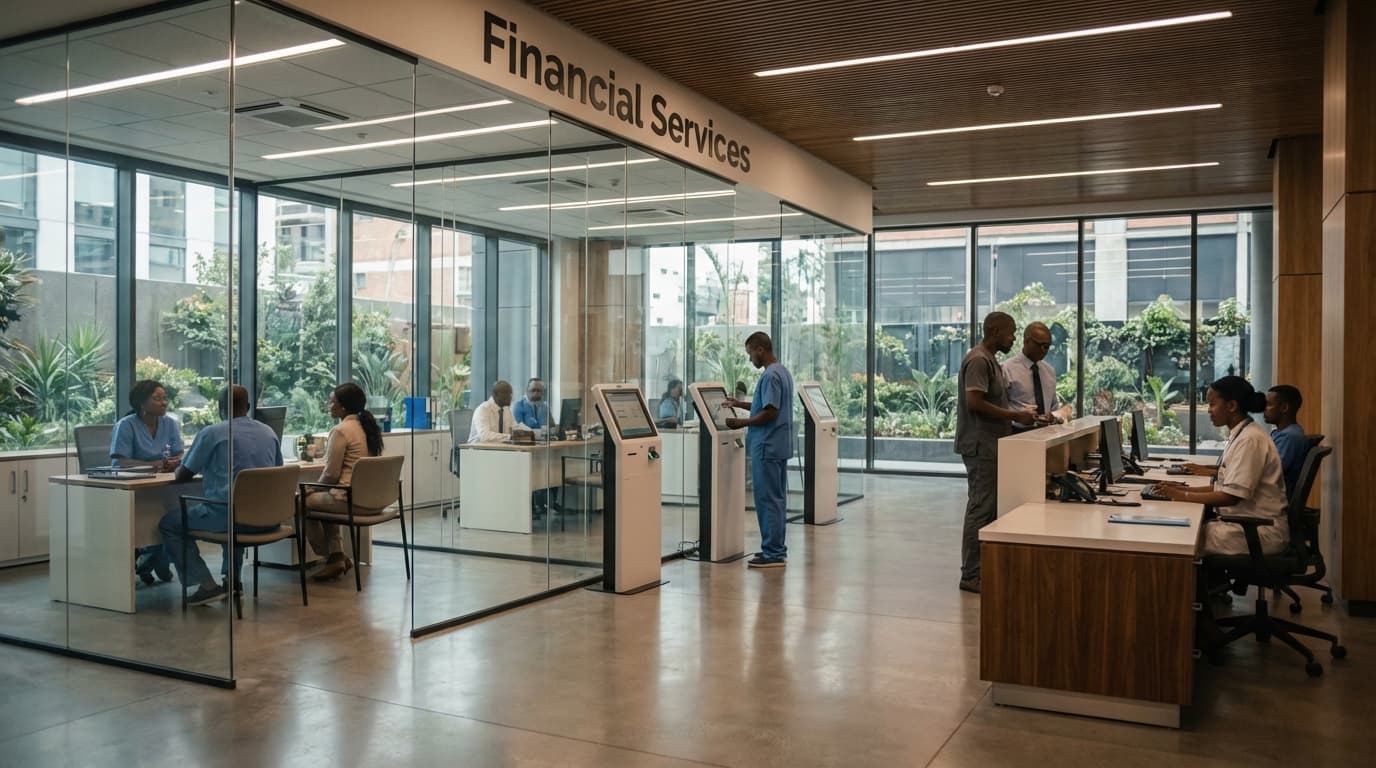
Medical Equipment Financing in Eswatini
Engineering Excellence & Technical Support
Leasing and financing solutions for medical equipment High-standard technical execution following OEM protocols and local regulatory frameworks.
Accelerated Equipment Acquisition
Access cutting-edge medical technology quickly. Our financing solutions are designed for rapid approval and disbursement, ensuring your healthcare facility in Eswatini can acquire essential equipment without lengthy delays, improving patient care and operational efficiency.
Flexible Financing Structures
Tailored financial plans to suit your budget. We offer a range of flexible financing options, including leasing, loans, and rental agreements, specifically structured for the Eswatini healthcare market, minimizing upfront capital expenditure and preserving working capital.
Technology Upgrade Pathways
Future-proof your medical infrastructure. Our financing facilitates not just initial acquisition but also offers pathways for seamless technology upgrades and replacements. This ensures your Eswatini healthcare providers always have access to the latest innovations, enhancing diagnostic accuracy and treatment outcomes.
What Is Medical Equipment Financing In Eswatini?
Medical equipment financing in Eswatini refers to the provision of capital through various financial instruments to enable healthcare providers, both public and private, to acquire, upgrade, or maintain essential medical devices and machinery. This service addresses the significant capital expenditure associated with acquiring advanced medical technology, which can be a barrier to its accessibility and deployment within the nation's healthcare infrastructure. The financing typically covers a broad spectrum of medical equipment, ranging from basic diagnostic tools to sophisticated imaging systems and surgical apparatus.
| Who Needs Medical Equipment Financing in Eswatini? | Typical Use Cases for Financed Medical Equipment |
|---|---|
| Public Hospitals and Clinics: To modernize infrastructure, expand service offerings, and meet national health mandates. | Diagnostic Imaging: MRI scanners, CT scanners, X-ray machines, ultrasound devices for advanced diagnosis. |
| Private Hospitals and Specialist Clinics: To enhance competitive positioning, offer specialized procedures, and cater to a growing demand for private healthcare. | Surgical Equipment: Laparoscopic sets, operating microscopes, anesthesia machines for surgical interventions. |
| Non-Governmental Organizations (NGOs) and Charitable Healthcare Providers: To procure essential equipment for underserved communities and public health initiatives. | Laboratory Equipment: Hematology analyzers, biochemistry analyzers, PCR machines for diagnostics and research. |
| Medical Training Institutions: To equip teaching hospitals and simulation centers for the education of healthcare professionals. | Patient Monitoring Systems: ECG monitors, vital signs monitors, ventilators for critical care and intensive care units. |
| Emerging Healthcare Entrepreneurs: To establish new healthcare facilities or specialized services. | Rehabilitation Equipment: Physiotherapy machines, occupational therapy tools for patient recovery and mobility. |
Key Aspects of Medical Equipment Financing in Eswatini
- Capital Acquisition: Facilitates the outright purchase of new or used medical equipment.
- Leasing Agreements: Provides access to equipment through operating or finance leases, mitigating upfront costs.
- Refurbishment and Upgrades: Funds the enhancement of existing medical machinery to improve performance and extend lifespan.
- Maintenance and Service Contracts: Can incorporate financing for ongoing service, repair, and calibration agreements.
- Working Capital Integration: In some cases, financing may be structured to include a component for operational costs related to the equipment's use.
- Repayment Structures: Offers flexible repayment schedules, often aligned with the revenue-generating capacity of the financed equipment.
Who Needs Medical Equipment Financing In Eswatini?
Medical equipment financing plays a vital role in enabling healthcare providers in Eswatini to acquire and upgrade essential medical technology. This financing is crucial for ensuring access to quality healthcare services, improving patient outcomes, and supporting the overall growth and modernization of the healthcare sector within the country.
| Target Customer Type | Typical Departments/Needs |
|---|---|
| Public Hospitals | Emergency Rooms, Intensive Care Units (ICU), Operating Theatres, Radiology Departments (X-ray, CT, MRI), Maternity Wards, General Wards, Laboratories, Pharmacy |
| Private Hospitals and Clinics | Similar to public hospitals, with potential emphasis on specialized procedures, advanced diagnostics, and patient comfort amenities. |
| Specialist Medical Centers | Radiology/Imaging Centers (specialized X-ray, Ultrasound, MRI machines), Pathology/Diagnostic Laboratories (analyzers, microscopes), Physiotherapy Clinics (treatment tables, exercise equipment), Dental Clinics (dental chairs, X-ray units) |
| NGOs Operating Healthcare Facilities | Depending on their focus: primary healthcare equipment, maternal and child health equipment, specialized treatment equipment for specific diseases (e.g., HIV/AIDS, TB). |
| Rural Health Centers and Mobile Clinics | Basic diagnostic tools, essential treatment equipment for primary care, portable ultrasound, vital signs monitors, basic laboratory equipment. |
| Academic Medical Institutions and Training Centers | Advanced simulation equipment, laboratory equipment for research and training, state-of-the-art diagnostic and treatment devices for educational purposes. |
Target Customers for Medical Equipment Financing in Eswatini:
- Public Hospitals (Government-funded)
- Private Hospitals and Clinics
- Specialist Medical Centers (e.g., diagnostic labs, physiotherapy centers)
- Non-Governmental Organizations (NGOs) operating healthcare facilities
- Rural Health Centers and Mobile Clinics
- Academic Medical Institutions and Training Centers
Medical Equipment Financing Process In Eswatini
The medical equipment financing process in Eswatini is a structured workflow designed to facilitate the acquisition of essential medical devices for healthcare providers. It typically begins with an inquiry from a healthcare institution or a medical professional seeking to finance new or upgraded equipment. This inquiry triggers a series of steps involving the applicant, a financing institution (often a bank or specialized financial services provider), and potentially equipment suppliers. The process is crucial for ensuring that healthcare facilities can access modern technology to improve patient care and operational efficiency. The workflow emphasizes due diligence, risk assessment, and legal compliance to ensure a smooth and secure transaction for all parties involved.
| Stage | Description | Key Actors | Documentation/Activities |
|---|---|---|---|
| The healthcare institution or individual expresses interest in financing medical equipment and seeks information on available financing options, terms, and eligibility criteria. | Applicant (Healthcare Institution/Professional), Financing Institution (e.g., Bank, Finance Company) | Initial contact (phone, email, in-person), Information gathering, Needs assessment |
| The applicant formally applies for financing, submitting detailed information about their institution, financial health, and the specific equipment to be financed. | Applicant, Financing Institution | Completed application form, Financial statements (audited), Business plan, Proof of registration, Equipment list/specs, Supplier information, Previous loan statements (if applicable) |
| The financing institution assesses the applicant's creditworthiness, financial stability, and the risk associated with the loan. This involves analyzing financial documents and potentially conducting site visits. | Financing Institution (Credit Department, Risk Analysts) | Credit checks, Financial ratio analysis, Business viability assessment, Collateral evaluation (if applicable), Site visits (optional) |
| The applicant identifies the specific medical equipment required and obtains official quotations from reputable suppliers. This ensures clarity on the cost and specifications. | Applicant, Equipment Supplier | Request for quotations, Supplier selection, Detailed equipment specifications, Pro forma invoices |
| Based on the assessment and quotation, the financing institution prepares a financing proposal outlining the loan amount, interest rate, repayment schedule, and any conditions. This proposal is then reviewed and approved internally. | Financing Institution (Loan Committee, Approval Authority) | Internal credit memo, Financing proposal document, Approval/Rejection of the proposal |
| Once approved, formal legal agreements are drafted, reviewed, and signed by both the applicant and the financing institution. This includes loan agreements, security documents (if any), and other relevant contracts. | Applicant, Financing Institution, Legal Counsel (for both parties) | Loan agreement, Promissory note, Hire purchase agreement (if applicable), Security bond/deed, Insurance documentation |
| Upon signing of the legal agreements and fulfillment of any pre-disbursement conditions (e.g., down payment), the financing institution releases the funds to the equipment supplier or the applicant, as per the agreement. | Financing Institution, Applicant, Equipment Supplier | Fund transfer, Payment confirmation |
| The equipment supplier delivers and installs the medical equipment at the healthcare facility. The applicant verifies the equipment against the agreed specifications. | Applicant, Equipment Supplier, (Optional: Financing Institution representative for verification) | Delivery confirmation, Installation report, Acceptance certificate |
| The financing institution monitors the loan's performance, including timely repayment of installments. The applicant makes regular payments as per the agreed schedule. | Applicant, Financing Institution | Regular installment payments, Loan account management, Periodic performance reviews (optional) |
Medical Equipment Financing Workflow in Eswatini
- Inquiry and Initial Consultation
- Application Submission and Documentation Review
- Credit Assessment and Risk Evaluation
- Equipment Sourcing and Quotation
- Proposal and Approval
- Legal Documentation and Agreement
- Disbursement of Funds
- Equipment Delivery and Installation
- Post-Disbursement Monitoring and Repayment
Medical Equipment Financing Cost In Eswatini
Securing financing for medical equipment in Eswatini involves a variety of factors that influence the overall cost. These factors are crucial for healthcare providers to understand when budgeting and planning for equipment acquisition. The local currency, the Swazi Lilangeni (SZL), is pegged to the South African Rand (ZAR) at a 1:1 ratio, meaning the pricing dynamics are closely tied to the ZAR market. Costs are generally influenced by the equipment's type, age, brand, technological sophistication, and the required purchase volume. Financing itself comes with its own set of charges, including interest rates, loan origination fees, administrative charges, and potentially insurance premiums. The chosen financing model (e.g., term loans, leasing, hire purchase) will also significantly impact the total cost over the asset's lifecycle. Economic conditions within Eswatini and globally, including inflation and currency exchange rates (though less volatile due to the ZAR peg), can also play a role. The creditworthiness of the borrower is paramount, with institutions offering more favorable terms to those with strong financial standing.
| Financing Type | Typical Interest Rate Range (Annualized) | Typical Fee Range (as % of Loan Amount) |
|---|---|---|
| Term Loans (Secured by Equipment) | 12% - 20% SZL | 1% - 3% (Origination/Arrangement) |
| Leasing (Operating or Finance) | Variable, often integrated into lease payment; can be equivalent to 15% - 25% annualized cost | Often incorporated into lease structure; upfront administration fees possible (e.g., 1% - 2%) |
| Hire Purchase | 14% - 22% SZL | 1.5% - 4% (Documentation/Setup) |
| Overdraft/Working Capital (for shorter-term needs) | 15% - 25% SZL | 0.5% - 1% (Monthly/Annual Review Fees) |
Key Pricing Factors for Medical Equipment Financing in Eswatini
- Equipment Type and Specifications: High-end, specialized, or complex equipment (e.g., MRI machines, advanced surgical robots) will have higher purchase prices and thus higher financing costs compared to basic diagnostic tools or consumables.
- New vs. Used Equipment: New equipment typically commands higher financing costs due to its greater initial value. Used equipment can offer lower upfront costs but may come with shorter warranty periods or higher maintenance concerns, which can indirectly influence financing decisions and terms.
- Brand and Manufacturer Reputation: Well-established, reputable brands often have higher price points, which translate to larger loan amounts and potentially higher interest charges over time. However, they may also offer better reliability and after-sales support.
- Technological Advancement: The latest, cutting-edge technology will be more expensive than older, but still functional, models, impacting the principal amount of the loan.
- Purchase Volume and Negotiation Power: Acquiring multiple pieces of equipment or negotiating bulk discounts can lead to lower per-unit costs, subsequently reducing the overall financing requirement.
- Interest Rates: This is a primary cost driver. Interest rates are influenced by the central bank's monetary policy, the lending institution's risk assessment, and market liquidity. Rates can vary significantly between financial institutions.
- Loan Tenor (Repayment Period): Longer repayment periods generally result in lower monthly installments but a higher total interest paid over the life of the loan. Shorter tenors mean higher installments but less overall interest.
- Origination and Arrangement Fees: These are one-time fees charged by the lender to process and approve the loan. They are typically a percentage of the loan amount.
- Administrative and Processing Fees: Ongoing fees associated with managing the loan account, such as monthly statement fees or late payment penalties.
- Insurance Premiums: Lenders may require the financed equipment to be insured against damage, theft, or loss. The cost of these premiums is often factored into the overall financing package.
- Borrower's Creditworthiness: A strong credit history and robust financial standing for the healthcare provider will typically result in lower interest rates and more favorable loan terms.
- Economic Conditions: Inflationary pressures or economic downturns can lead lenders to increase interest rates to mitigate risk. However, the ZAR peg offers some stability.
- Financing Model (Leasing vs. Loan): Leasing agreements may have different cost structures, often including maintenance and service, compared to outright purchase loans.
Affordable Medical Equipment Financing Options
Acquiring necessary medical equipment is crucial for healthcare providers, but the upfront costs can be substantial. Fortunately, several affordable financing options and cost-saving strategies exist. This guide explores these avenues, focusing on value bundles and practical money-saving techniques.
| Strategy/Option | Description | Benefits | Considerations |
|---|---|---|---|
| Value Bundles | Purchasing equipment along with complementary services, such as installation, training, maintenance, and extended warranties, from a single vendor. | Streamlined procurement, potential for bundled discounts, consistent support and service, easier budgeting. | May lock you into a specific vendor; ensure all bundled components are truly needed and valued. |
| Refurbished/Used Equipment | Acquiring pre-owned medical equipment that has been professionally inspected, serviced, and often certified. | Significant cost savings compared to new equipment, often comes with a warranty, environmentally friendly. | Availability may be limited; thorough due diligence on the seller and equipment condition is crucial. |
| Negotiate Bulk Discounts | Purchasing multiple pieces of equipment or a large volume from a single supplier. | Lower per-unit cost, simplified ordering and delivery process. | Requires accurate forecasting of needs to avoid overstocking. |
| Explore Vendor Financing | Some equipment manufacturers or distributors offer their own financing plans. | Can be convenient and sometimes offer competitive rates tailored to their products. | Compare these offers against third-party financing to ensure the best overall deal. |
| Lease-to-Own Programs | A type of lease where a portion of each payment is applied towards the eventual purchase of the equipment. | Allows for the use of equipment while building equity; good for those unsure about long-term commitment but wanting ownership. | Can sometimes result in a higher total cost than a direct purchase or loan if not fully exercised. |
| Consignment or Partnership Models | For highly specialized or infrequently used equipment, consider arrangements where a vendor places equipment on-site and is paid only upon usage. | Minimizes upfront investment and obsolescence risk. | Requires clear contractual terms regarding usage, maintenance, and vendor responsibilities. |
| Optimize Equipment Utilization | Implementing efficient scheduling and usage protocols to maximize the output of existing equipment. | Reduces the need for additional equipment purchases. | Requires strong operational management and potentially new workflows. |
Understanding Medical Equipment Financing Options
- {"title":"Leasing Options","description":"Rather than buying outright, leasing allows healthcare facilities to use equipment for a fixed period with regular payments. This preserves capital for other operational needs and often includes maintenance and upgrade options within the lease agreement."}
- {"title":"Equipment Loans","description":"Traditional loans from banks or specialized medical equipment lenders provide funds to purchase equipment. Interest rates and terms vary, so comparing offers is essential. This option allows for full ownership after repayment."}
- {"title":"Rental Agreements","description":"For short-term or infrequent needs, renting equipment can be a cost-effective solution. This avoids the long-term commitment and depreciation associated with ownership."}
- {"title":"Buy Here Pay Here (BHPH)","description":"While more common in the automotive industry, some specialized lenders offer BHPH financing for medical equipment, often catering to businesses with less-than-perfect credit. This can involve higher interest rates but offers accessibility."}
- {"title":"Government Grants and Programs","description":"Depending on the type of healthcare facility and its location, various government grants and programs may be available to subsidize the purchase of essential medical equipment."}
Verified Providers In Eswatini
In Eswatini, navigating the healthcare landscape and finding reliable, accredited medical professionals can be a challenge. Franance Health has emerged as a leading platform dedicated to connecting individuals with verified healthcare providers, ensuring quality, safety, and peace of mind. Their rigorous credentialing process sets them apart, making them the optimal choice for anyone seeking trusted medical services.
| Credential Type | Franance Health Verification Step | Significance for Patients |
|---|---|---|
| Medical Licenses | Primary license verification with Eswatini Medical and Dental Council (EMDC) and relevant professional bodies. | Confirms the provider is legally authorized to practice medicine, ensuring they meet fundamental competency requirements. |
| Educational Qualifications | Validation of degrees and certifications from accredited institutions, including transcripts and diplomas. | Guarantees the provider has received appropriate and recognized medical training, signifying a strong theoretical and practical foundation. |
| Professional Affiliations | Confirmation of membership in reputable medical associations and societies. | Indicates commitment to ongoing professional development, adherence to ethical guidelines, and engagement with the broader medical community. |
| Work History & References | Thorough checks of past employment and peer references. | Provides insights into the provider's practical experience, reputation, and ability to deliver quality patient care. |
| Specialty Certifications | Verification of any specialized training and certifications in their chosen field. | Ensures that specialists possess the advanced knowledge and skills required for complex medical needs, offering targeted and effective treatment. |
Why Franance Health Stands Out:
- Uncompromising Verification Standards: Franance Health goes beyond basic checks, implementing a multi-layered credentialing process that scrutinizes medical licenses, educational qualifications, professional affiliations, and work history. This ensures that every provider listed has met and maintained the highest standards of expertise and ethical practice.
- Comprehensive Provider Database: They offer access to a wide array of healthcare specialties, from general practitioners and dentists to specialists in cardiology, oncology, and pediatrics. This broad coverage means you can find the right medical professional for virtually any health concern.
- Patient-Centric Approach: Franance Health prioritizes patient well-being. Their platform facilitates easy appointment booking, provides clear information about provider qualifications, and encourages patient reviews, fostering transparency and informed decision-making.
- Commitment to Quality Assurance: Beyond initial verification, Franance Health maintains ongoing monitoring of provider performance and adherence to best practices. This continuous quality assurance offers a sustained level of trust and reliability.
- Accessibility and Convenience: The platform is designed for ease of use, allowing individuals to search for providers based on specialty, location, and availability, streamlining the process of accessing healthcare in Eswatini.
Scope Of Work For Medical Equipment Financing
This Scope of Work (SOW) outlines the technical deliverables and standard specifications for the Medical Equipment Financing program. It details the requirements for the medical equipment, the financing institution's technical responsibilities, and the standards to be adhered to throughout the project lifecycle. The objective is to ensure that financed medical equipment meets the necessary technical standards for safe, effective, and efficient patient care, and that the financing process is transparent and robust.
| Category | Standard Specification | Description | Applicable Documentation |
|---|---|---|---|
| Equipment Safety | IEC 60601 Series | Ensures electrical and mechanical safety of medical electrical equipment. | Technical Datasheets, Test Reports, CE Certificates |
| Equipment Performance | Manufacturer's Stated Specifications | Minimum acceptable performance metrics as defined by the manufacturer. | Technical Datasheets, Performance Verification Reports |
| Regulatory Compliance | National/Regional Health Authority Approvals (e.g., FDA, EMA) | Equipment must meet all relevant regulatory requirements for market entry and use. | Regulatory Approval Documents, Declarations of Conformity |
| Interoperability | HL7, DICOM (where applicable) | Standards for the exchange of electronic health information and medical imaging. | Interface Specifications, Integration Test Reports |
| Cybersecurity | Industry Best Practices (e.g., OWASP, NIST Cybersecurity Framework) | Measures to protect against unauthorized access, data breaches, and system compromise. | Cybersecurity Risk Assessments, Vulnerability Scan Reports |
| Environmental Impact | Relevant ISO Standards (e.g., ISO 14001 principles) | Consideration for energy efficiency, material sourcing, and end-of-life management. | Environmental Impact Assessments, Waste Management Plans |
| Serviceability | Manufacturer's Service Manuals | Equipment must be designed for ease of maintenance and repair. | Service Manuals, Parts Availability Documentation |
| Training Requirements | Standardized Training Modules | Comprehensive training for clinical and technical staff on equipment operation and maintenance. | Training Manuals, Competency Assessments |
Key Technical Deliverables
- Detailed equipment specifications submitted by the healthcare provider.
- Technical validation reports for each proposed medical equipment item.
- Compliance certificates (e.g., CE marking, FDA approval, ISO certifications) for all financed equipment.
- Installation and commissioning reports, signed by qualified technicians.
- User training documentation and attendance records.
- Maintenance and service contracts for the financed equipment.
- Asset registration and tracking system integration.
- End-of-life disposal plans and documentation.
Service Level Agreement For Medical Equipment Financing
This Service Level Agreement (SLA) outlines the response times and uptime guarantees for medical equipment financed through [Your Company Name]. This agreement is designed to ensure the operational continuity and reliability of critical medical devices, minimizing disruption to patient care and clinical operations. The terms herein apply to all financed medical equipment as specified in the executed financing agreement.
| Equipment Category | Response Time (Business Hours) | Resolution Target (Business Hours) | Uptime Guarantee | Escalation Procedure |
|---|---|---|---|---|
| Critical Life-Support Equipment (e.g., Ventilators, ICU Monitors) | 1 Hour | 4 Business Hours | 99.8% | Immediate escalation to Level 2 support and Senior Management if resolution not achieved within target. |
| Diagnostic Imaging Equipment (e.g., MRI, CT Scanners) | 2 Business Hours | 8 Business Hours | 99.5% | Escalation to Level 2 support after 6 business hours, with notification to Account Manager. |
| Surgical Equipment (e.g., Electrosurgical Units, Anesthesia Machines) | 2 Business Hours | 6 Business Hours | 99.7% | Escalation to Level 2 support after 4 business hours. Notification to clinical department head. |
| General Medical Devices (e.g., Infusion Pumps, Patient Beds) | 4 Business Hours | 24 Business Hours | 99.0% | Escalation to Level 2 support after 18 business hours. Regular status updates provided. |
Key Service Level Objectives
- To provide timely and effective support for all financed medical equipment.
- To maximize the uptime of critical medical equipment.
- To ensure prompt resolution of technical issues and service requests.
- To maintain transparency and clear communication regarding service performance.
Frequently Asked Questions

Ready when you are
Let's scope your Medical Equipment Financing in Eswatini project in Eswatini.

Scaling healthcare logistics and technical systems across the entire continent.