
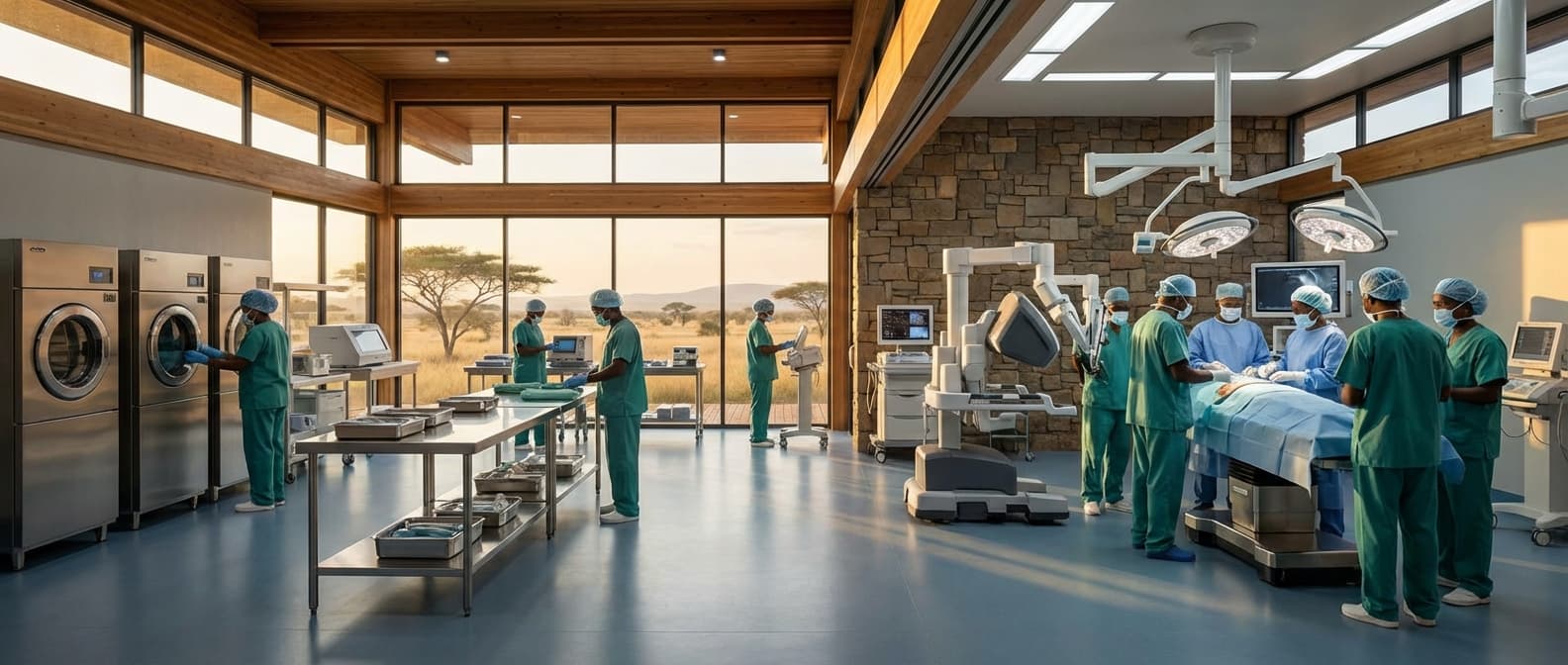
Medical Gas System Design & Installation in Eswatini
Engineering Excellence & Technical Support
Medical gas pipeline systems: O2, N2O, air, vacuum High-standard technical execution following OEM protocols and local regulatory frameworks.
Optimized Medical Gas Pipeline Distribution
Engineered a robust and efficient medical gas pipeline system for [Hospital Name/Facility Type] in Eswatini, ensuring reliable and safe delivery of oxygen, medical air, and vacuum to patient care areas, adhering to international standards and local regulations. Our design minimizes pressure drops and maximizes flow rates for critical medical applications.
High-Integrity Installation & Commissioning
Successfully completed the installation and comprehensive commissioning of a state-of-the-art medical gas system at [Clinic/Health Center Name] in Eswatini. Our certified technicians employed meticulous practices to ensure leak-free joints, proper material selection, and adherence to all safety protocols, guaranteeing operational readiness and patient safety.
Eswatini Regulatory Compliance & Safety Audits
Provided expert consultation and design services to ensure full compliance with Eswatini's Ministry of Health regulations for medical gas systems. Conducted rigorous safety audits and provided detailed documentation, empowering healthcare facilities like [Specific Facility] to maintain the highest standards of safety and operational integrity for their medical gas infrastructure.
What Is Medical Gas System Design & Installation In Eswatini?
Medical gas system design and installation in Eswatini refers to the specialized engineering and construction process of creating, implementing, and commissioning integrated networks for the safe and reliable delivery of medical gases to healthcare facilities. This encompasses the meticulous planning, specification, and installation of piping, storage, regulation, alarm, and outlet components for essential gases such as oxygen (O2), medical air (MA), nitrous oxide (N2O), vacuum, and waste anesthetic gas disposal (WAGD). The primary objective is to ensure patient safety, operational efficiency, and compliance with national and international healthcare standards.
| Service/Component | Description | Typical Use Case |
|---|---|---|
| Oxygen (O2) Supply | Provides breathable oxygen for patient resuscitation, ventilation, and therapeutic applications. Design includes bulk storage, manifold systems, and a distribution network. | Operating rooms, intensive care units (ICUs), general wards, emergency departments. |
| Medical Air (MA) Supply | Delivers clean, dry, and oil-free compressed air for respiratory support, pneumatic devices, and to dilute oxygen. | Mechanical ventilators, oxygen nebulizers, surgical tools, patient monitoring equipment. |
| Nitrous Oxide (N2O) Supply | Used as an anesthetic and analgesic agent, often in combination with oxygen. | Operating rooms, dental clinics, labor and delivery suites. |
| Medical Vacuum (VAC) System | Removes fluids and air from surgical sites, drains, and patient airways. Consists of vacuum pumps, receivers, and distribution piping. | Surgical procedures, chest drainage, wound management, recovery rooms. |
| Waste Anesthetic Gas Disposal (WAGD) | Safely removes and exhausts anesthetic gases from operating rooms and other patient care areas to prevent environmental contamination and healthcare worker exposure. | Operating rooms, post-anesthesia care units (PACUs). |
| Alarm Systems | Monitors gas supply pressure, purity, and availability, alerting staff to potential system failures. | Crucial for patient safety across all points of use. Integrates with building management systems. |
Key Components of Medical Gas System Design & Installation
- Site assessment and needs analysis
- System design and schematic development (P&IDs)
- Gas source selection and specification (cylinders, bulk tanks, medical air compressors, vacuum pumps)
- Piping material selection and installation (e.g., copper tubing, specific alloys)
- Pressure regulation and control system design
- Alarm system design and integration
- Outlet and inlet valve specification and installation
- Ventilation and exhaust system integration for WAGD
- Testing, purging, and commissioning procedures
- Maintenance and operational protocols development
- Compliance with relevant Eswatini regulations and international standards (e.g., NFPA 99, HTM 02-01)
Who Needs Medical Gas System Design & Installation In Eswatini?
The design and installation of robust and compliant medical gas systems are critical for ensuring patient safety, effective medical treatments, and operational efficiency within healthcare facilities. In Eswatini, facilities requiring these specialized services are diverse, ranging from public hospitals to private clinics and research institutions. These systems are not merely about providing a utility; they are fundamental to life support and advanced medical procedures. A well-designed and expertly installed medical gas system adheres to stringent international and national standards, guaranteeing the purity, pressure, and supply reliability of gases like oxygen, medical air, nitrous oxide, and vacuum. This ensures that healthcare professionals have the essential resources needed to perform their duties without interruption or compromise.
| Target Customer Type | Key Departments Requiring Medical Gas Systems |
|---|---|
| Public Hospitals | Intensive Care Units (ICUs), Operating Theatres (ORs), Emergency Departments (EDs), Neonatal Intensive Care Units (NICUs), General Wards, Respiratory Therapy Departments, Anesthesia Departments, Post-Anesthesia Care Units (PACUs) |
| Private Hospitals & Clinics | Similar to Public Hospitals, with a focus on specific service offerings (e.g., surgical suites, specialized clinics) |
| Specialty Medical Centers (e.g., Cardiac, Oncology) | Cath Labs, Interventional Radiology Suites, Chemotherapy Infusion Centers, Pulmonary Function Labs |
| Tertiary Care Facilities | All departments listed for public hospitals, plus highly specialized units like neurosurgery, advanced trauma care, and transplant units. |
| Diagnostic and Imaging Centers | Areas requiring sedation for procedures (e.g., MRI, CT scans), potentially minor surgical procedures. |
| Research and Development Laboratories | Laboratories requiring specific gas mixtures for experimental procedures, cell cultures, and analytical equipment. |
| Ambulatory Surgery Centers | Operating Rooms, Recovery Areas, Anesthesia Prep Areas. |
| Dialysis Centers | While not directly using medical gases for treatment, proximity to facilities or backup systems may be considered. |
| Emergency Medical Services (EMS) Hubs | Facilities for ambulance maintenance, equipment storage, and potentially oxygen refill stations. |
| Rehabilitation Centers | Hydrotherapy pools requiring specific oxygenation or environments, therapeutic gas applications. |
Target Customers and Departments for Medical Gas System Design & Installation in Eswatini:
- Public Hospitals (Government-funded)
- Private Hospitals & Clinics
- Specialty Medical Centers
- Tertiary Care Facilities
- Diagnostic and Imaging Centers
- Research and Development Laboratories within Healthcare
- Ambulatory Surgery Centers
- Dialysis Centers
- Emergency Medical Services (EMS) Hubs
- Rehabilitation Centers requiring specialized gas therapies
Medical Gas System Design & Installation Process In Eswatini
The design and installation of medical gas systems in Eswatini, like in many healthcare facilities, is a complex and highly regulated process. It ensures the safe and reliable supply of essential medical gases (such as oxygen, medical air, nitrous oxide, and vacuum) to patient care areas. The workflow typically spans from the initial client inquiry to the final commissioning and handover of the system, involving several critical stages and stakeholders.
| Phase | Description | Key Activities | Responsible Parties | Typical Timelines |
|---|---|---|---|---|
| Inquiry & Needs Assessment | The initial stage where a healthcare facility or project developer expresses interest in a new or upgraded medical gas system. | Discuss project requirements, scope of work, existing infrastructure, and desired gas types and pressures. Site visit may be conducted. | Client (Hospital/Clinic Management, Project Manager), Potential System Integrator/Consultant | 1-2 Weeks |
| Feasibility Study & Conceptual Design | Evaluating the technical and economic viability of the project and outlining the basic system concept. | Preliminary system layout, pipe sizing estimates, source of supply options (central manifold, bulk storage, on-site generation), preliminary cost estimates. | System Integrator/Consultant, Client (for review and approval) | 2-4 Weeks |
| Detailed Design & Engineering | Developing comprehensive engineering drawings, specifications, and documentation for the entire system. | Producing P&ID (Piping and Instrumentation Diagrams), layout drawings, equipment schedules, electrical schematics, alarm systems design, compliance with relevant Eswatini and international standards (e.g., ISO 7396, HTM 02-01). | Specialized Medical Gas Design Engineers/Consultants, Structural/Mechanical/Electrical Engineers | 4-12 Weeks (depending on project complexity) |
| Regulatory Approvals & Permitting | Obtaining necessary approvals from relevant government ministries and local authorities. | Submission of design documents to Ministry of Health, Ministry of Economic Planning and Development (if applicable), local councils for building permits, fire safety approvals. | Client, System Integrator, Project Manager | 4-16 Weeks (highly variable depending on bureaucracy) |
| Procurement & Material Sourcing | Ordering and acquiring all necessary components, equipment, and materials for the system. | Sourcing medical gas pipeline components (pipes, fittings, valves), gas sources (compressors, vacuum pumps, manifolds, bulk tanks), alarm panels, terminal units, regulators, sourced from approved suppliers with necessary certifications. | System Integrator/Contractor, Procurement Department (Client) | 6-12 Weeks (can overlap with installation) |
| System Installation | The physical construction and assembly of the medical gas system within the facility. | Pipe installation, welding, brazing, pressure testing of pipelines, installation of gas sources, control panels, alarm systems, terminal units in patient areas. | Certified Medical Gas Installers/Contractors, Site Supervisors | 8-24 Weeks (depending on project size and complexity) |
| Testing, Commissioning & Verification | Rigorous testing to ensure the system operates safely, reliably, and meets all design specifications and regulatory requirements. | Pressure testing, leak testing, purity testing of medical gases, functional testing of alarms and controls, performance testing of gas sources, verification of correct gas at terminal units (using gas detectors). | Independent Commissioning Agent, System Integrator/Contractor, Client Representatives, Ministry of Health Representatives | 2-4 Weeks |
| Training & Handover | Educating facility staff on the operation, maintenance, and emergency procedures for the medical gas system. | Comprehensive training sessions for medical, nursing, and engineering/maintenance staff. Provision of O&M manuals, as-built drawings, warranties, and final sign-off. | System Integrator/Contractor, Facility Management Team, Clinical Staff | 1 Week |
| Post-Installation Support & Maintenance | Ongoing support and maintenance to ensure the continued safe and efficient operation of the system. | Scheduled preventive maintenance, responsive repairs, periodic system audits, compliance with ongoing regulatory requirements. Establishing service level agreements (SLAs). | Contracted Maintenance Provider, Facility Maintenance Department | Ongoing |
Medical Gas System Design & Installation Workflow in Eswatini
- Inquiry & Needs Assessment
- Feasibility Study & Conceptual Design
- Detailed Design & Engineering
- Regulatory Approvals & Permitting
- Procurement & Material Sourcing
- System Installation
- Testing, Commissioning & Verification
- Training & Handover
- Post-Installation Support & Maintenance
Medical Gas System Design & Installation Cost In Eswatini
Designing and installing a medical gas system in Eswatini involves several key cost drivers. These factors influence the overall project budget, from the initial assessment and design phase through to the final installation and commissioning. Understanding these elements is crucial for accurate budgeting and effective project management. The pricing can vary significantly based on the complexity of the system, the types of gases required, the size and scale of the healthcare facility, and the specific technical requirements. Local availability of specialized equipment and skilled labor also plays a role in the final cost.
| Component/Service | Estimated Cost Range (EWP) | Notes |
|---|---|---|
| System Design & Engineering | 20,000 - 150,000+ | Varies with facility size and complexity. |
| Central Gas Supply Equipment (e.g., Oxygen Generator/Bulk Tank, Air Compressors, Vacuum Pumps) | 100,000 - 1,000,000+ | Depends on the type, capacity, and number of gases. |
| Medical Gas Piping Installation (per meter) | 500 - 2,000 | Includes specialized copper piping, fittings, and skilled labor. Varies with accessibility. |
| Gas Outlets & Accessories (per outlet) | 1,500 - 5,000 | Includes outlet, shut-off valve, and local alarm. Varies by type and manufacturer. |
| Alarm Systems (Master & Zone) | 15,000 - 100,000+ | Cost depends on the number of zones and features (e.g., remote monitoring). |
| Installation Labor (overall project) | 150,000 - 1,000,000+ | A significant portion of the total cost, based on project duration and complexity. |
| Testing, Commissioning & Certification | 25,000 - 100,000+ | Mandatory for safety and compliance. |
| Project Management | 5% - 15% of total project cost | Professional oversight of the entire process. |
Key Pricing Factors for Medical Gas System Design & Installation in Eswatini
- Facility Size and Scope: The number of beds, operating rooms, and specialized wards directly impacts the length of piping, number of outlets, and complexity of the central supply. Larger hospitals will naturally incur higher costs.
- Types and Number of Gases: The more gases (e.g., oxygen, medical air, vacuum, nitrous oxide, carbon dioxide) a system needs to supply, and the higher the required flow rates, the more complex and expensive the system becomes.
- Central Supply System: The choice between bulk liquid oxygen tanks, medical air compressors, vacuum pumps, and their associated control panels and alarm systems significantly affects upfront and ongoing costs.
- Piping Network Design and Materials: The layout and material of the medical gas piping (typically copper) will influence labor and material costs. Compliance with medical gas standards (e.g., NFPA 99) dictates specific installation practices.
- Number and Type of Outlets and Alarms: The quantity of gas outlets at patient bedsides, in operating theaters, and in other critical areas, along with specialized alarm systems for pressure and flow monitoring, adds to the cost.
- Installation Labor and Expertise: The cost of skilled technicians experienced in medical gas system installation is a significant component. Availability of local expertise can affect pricing.
- Project Management and Design Fees: Professional fees for system design, engineering, consulting, and project management are essential for ensuring compliance and functionality.
- Testing, Commissioning, and Certification: Thorough testing and certification of the system to meet regulatory standards are mandatory and contribute to the overall cost.
- Regulatory Compliance and Standards: Adherence to international and local medical gas standards (e.g., NFPA 99, ISO 7396) may require specific equipment and installation methods, impacting costs.
- Ancillary Equipment: This includes flowmeters, regulators, suction regulators, emergency shut-off valves, and other accessories required for the safe and effective use of medical gases.
Affordable Medical Gas System Design & Installation Options
Designing and installing a medical gas system can be a significant undertaking for healthcare facilities. However, by exploring various design options and focusing on cost-saving strategies, facilities can achieve efficient and affordable medical gas systems. This guide outlines key considerations, from initial design choices to smart installation practices, emphasizing value bundles and practical cost reduction techniques.
| Strategy | Description | Potential Cost Savings | Considerations |
|---|---|---|---|
| Design-Build Contracts | A single entity is responsible for both the design and construction of the system. | Reduced administrative overhead, streamlined communication, potential for integrated cost optimization. | Requires careful selection of a reputable and experienced design-build partner. Ensure clear scope definition. |
| Pre-Engineered Modular Systems | Off-the-shelf or customizable modular units designed for specific medical gas applications. | Faster installation times, reduced on-site labor, standardized components leading to predictable costs. | May offer less flexibility for highly custom requirements. Ensure compatibility with existing infrastructure. |
| Value Engineering Workshops | Collaborative sessions involving stakeholders to identify cost-saving alternatives without compromising functionality or quality. | Identifies opportunities for material substitution, simplified designs, or alternative construction methods. | Requires commitment from all parties to participate and be open to new ideas. Focus on the entire lifecycle cost. |
| Optimized Piping Layouts | Designing the most direct and efficient routes for medical gas lines. | Reduces material quantity (pipes, fittings), labor time for installation, and potential pressure drops. | Requires detailed understanding of building architecture and code requirements. Avoid excessive bends and long runs. |
| Standardization of Components | Using a consistent range of manufacturers and part numbers for valves, regulators, and outlets. | Bulk purchasing discounts, simplified inventory management, easier maintenance and replacement. | Ensure chosen components meet all relevant standards and have long-term availability. |
| Long-Term Maintenance Contracts | Bundling initial installation with ongoing maintenance agreements. | Predictable operating costs, proactive maintenance reduces unexpected repair expenses, potential for service discounts. | Carefully review the scope of services included in the maintenance contract. Ensure the provider is certified and has a good track record. |
| Energy-Efficient Equipment | Selecting medical air compressors and vacuum pumps with high energy efficiency ratings. | Lower energy consumption leads to significant operational cost savings over the system's lifespan. | Consider the initial investment cost versus long-term energy savings. Factor in potential rebates or incentives. |
Key Considerations for Affordable Medical Gas System Design & Installation
- {"title":"Understanding Value Bundles","description":"Value bundles in medical gas system projects refer to packaged offerings that combine multiple services and components at a potentially discounted or more predictable price. These bundles are designed to streamline the procurement and installation process, offering a comprehensive solution rather than piecemeal purchases. Examples include 'design-build' packages where a single contractor handles both design and construction, or pre-engineered systems tailored to common facility needs."}
- {"title":"Cost-Saving Strategies in Design","description":"Strategic design choices can significantly impact the overall cost of a medical gas system. Focusing on efficient layouts, appropriate sizing, and selecting durable yet cost-effective materials are crucial. Considering future expansion needs during the initial design phase can prevent costly retrofits later."}
- {"title":"Cost-Saving Strategies in Installation","description":"Installation is often a major cost driver. Choosing experienced and certified installers, optimizing project timelines to minimize site disruption, and leveraging efficient installation techniques are key to reducing expenses. Proper planning and coordination are essential to avoid delays and rework."}
- {"title":"Material Selection for Cost-Effectiveness","description":"The choice of piping materials, valves, and regulators directly influences both initial cost and long-term maintenance expenses. Balancing initial investment with durability and compliance requirements is essential. While high-end materials may offer superior longevity, more moderately priced options can still meet all regulatory standards and provide excellent service."}
- {"title":"Leveraging Technology for Efficiency","description":"Modern technologies can enhance both design and installation efficiency. 3D modeling and Building Information Modeling (BIM) can identify potential clashes and optimize layouts before construction begins, reducing costly on-site changes. Automated manufacturing processes for piping components can also lead to cost savings."}
- {"title":"Phased Installation Approaches","description":"For larger facilities or those with budget constraints, a phased installation approach can be beneficial. This involves installing the core system first and then expanding it as needs and budget allow. This allows for immediate functionality and spreads the financial burden over time."}
Verified Providers In Eswatini
Finding reliable and accredited healthcare providers is paramount for ensuring quality care. In Eswatini, "Verified Providers" signifies a crucial trust factor, indicating that these entities have met stringent standards and have been recognized for their commitment to excellence. Among these, Franance Health stands out as a premier choice, demonstrating a dedication to patient well-being through a combination of robust credentials, comprehensive services, and a patient-centric approach. This document outlines the credentials that position Franance Health as the leading provider for your healthcare needs in Eswatini.
| Credential/Aspect | Franance Health's Standing | Why it Matters for Patients |
|---|---|---|
| Regulatory Approval | Fully licensed and accredited by Eswatini Ministry of Health | Ensures adherence to national healthcare standards and patient safety protocols. |
| Staff Qualifications | Highly trained doctors, nurses, and specialists with recognized qualifications | Guarantees access to competent and knowledgeable medical professionals for accurate diagnosis and treatment. |
| Technological Investment | Utilizes modern diagnostic and treatment equipment | Facilitates precise medical evaluations and effective, up-to-date treatment options. |
| Service Breadth | Offers a comprehensive suite of medical services | Provides a convenient and efficient healthcare experience, often eliminating the need to seek care from multiple providers. |
| Patient Feedback | Consistently receives positive patient reviews and testimonials | Demonstrates a proven track record of patient satisfaction and quality care delivery. |
| Ethical Practice | Upholds the highest ethical standards in patient care | Assures patients of trustworthy and compassionate medical attention. |
Key Credentials and Strengths of Franance Health:
- Accreditation and Regulatory Compliance: Franance Health operates in strict adherence to Eswatini's healthcare regulations and standards. They are fully licensed and accredited by the relevant national health authorities, ensuring their facilities and practices meet all legal and ethical requirements.
- Qualified and Experienced Medical Professionals: The core of Franance Health's strength lies in its team of highly qualified and experienced doctors, nurses, specialists, and allied health professionals. Many hold international certifications and have extensive experience in various medical fields.
- State-of-the-Art Facilities and Equipment: Franance Health invests in modern medical technology and equipment, enabling accurate diagnostics, effective treatments, and improved patient outcomes. Their commitment to maintaining up-to-date facilities sets them apart.
- Comprehensive Range of Services: From primary care to specialized treatments, Franance Health offers a wide spectrum of medical services, catering to diverse healthcare needs. This integrated approach ensures patients can receive most of their care under one roof.
- Patient-Centric Care Philosophy: Franance Health prioritizes the patient experience, fostering an environment of trust, respect, and empathy. They are committed to clear communication, personalized treatment plans, and ensuring patient comfort throughout their healthcare journey.
- Commitment to Continuous Improvement: Franance Health actively engages in ongoing professional development for its staff and regularly reviews its services to incorporate best practices and advancements in medical science, ensuring they remain at the forefront of healthcare delivery.
- Strong Community Engagement and Outreach: Beyond clinical services, Franance Health often participates in community health initiatives, demonstrating a deep commitment to the well-being of the broader Eswatini population.
Scope Of Work For Medical Gas System Design & Installation
This Scope of Work (SOW) outlines the requirements for the design and installation of a new medical gas system for [Hospital Name/Facility Name], located at [Facility Address]. The project encompasses all phases from initial design and engineering through final testing, commissioning, and handover. The system will adhere to all applicable local, state, and federal regulations, as well as industry standards and best practices, specifically NFPA 99, NFPA 70, and ASSE Series 6000. The successful vendor will be responsible for providing all necessary labor, materials, equipment, and expertise to ensure a fully functional and compliant medical gas system. The project aims to provide reliable and safe delivery of medical gases to all designated patient care areas and support spaces.
| Section | Description | Technical Deliverables | Standard Specifications | ||||||||
|---|---|---|---|---|---|---|---|---|---|---|---|
| 1.0 Design and Engineering | Detailed design of the medical gas system, including layout, pipe sizing, pressure regulation, alarm systems, and outlet locations. Site surveys and coordination with existing infrastructure will be performed. |
|
|
|
|
|
| NFPA 99: Health Care Facilities Code | NFPA 70: National Electrical Code (for related electrical components) | ASSE Series 6000: Professional Qualifications Standard for Medical Gas Systems Personnel | Local and state building codes |
| 2.0 Permitting and Approvals | Obtain all necessary permits and approvals from relevant authorities having jurisdiction for the design and installation of the medical gas system. |
|
|
| Local, state, and federal permitting requirements | ||||||
| 3.0 Procurement and Fabrication | Procurement of all specified materials and equipment. Fabrication of piping assemblies and components as per design. |
|
|
|
| ASTM standards for piping and fittings | Manufacturer's specifications for all equipment | ||||
| 4.0 Installation | Installation of all piping, regulators, valves, outlets, alarms, and related components in accordance with approved design drawings and specifications. |
|
|
|
|
| NFPA 99: Health Care Facilities Code (installation requirements) | ASSE Series 6010: Standard for Medical Gas Pipeline Systems Installation | AWS D1.1/D1.6: Structural Welding Code – Steel/Stainless Steel | ||
| 5.0 Testing and Certification | Comprehensive testing of the entire medical gas system to ensure performance, safety, and compliance. This includes pressure testing, leak testing, purity testing, and functional testing. |
|
|
|
|
| NFPA 99: Health Care Facilities Code (testing requirements) | ASSE Series 6030: Standard for Medical Gas Systems Maintenance | Local and state testing and certification requirements | ||
| 6.0 Commissioning and Training | System commissioning to verify proper operation of all components and integrated systems. Training of facility personnel on operation, maintenance, and emergency procedures. |
|
|
|
| ASSE Series 6040: Standard for Medical Gas Systems Administration | Facility-specific operating procedures | ||||
| 7.0 Project Closeout and Handover | Final documentation, as-built drawings, warranty information, and final project acceptance. |
|
|
|
|
| Project contract requirements | Manufacturer's warranty terms |
Key Project Phases
- Design and Engineering
- Permitting and Approvals
- Procurement and Fabrication
- Installation
- Testing and Certification
- Commissioning and Training
- Project Closeout and Handover
Service Level Agreement For Medical Gas System Design & Installation
This Service Level Agreement (SLA) outlines the performance standards, response times, and uptime guarantees for the design and installation services of medical gas systems provided by [Your Company Name] to [Client Name]. This SLA is an appendix to the Master Service Agreement dated [Date].
| Service Component | Response Time Guarantee (Business Hours) | Uptime Guarantee | Notes |
|---|---|---|---|
| Initial Design Consultation Request | 2 Business Days | N/A (Design phase is project-dependent) | Upon formal request and provision of initial project scope. |
| Delivery of Preliminary Design Concepts | 10 Business Days (after consultation) | N/A | Subject to client feedback and complexity of the system. |
| Delivery of Final Design Drawings & Specifications | 20 Business Days (after approval of preliminary design) | N/A | Subject to client approvals and regulatory review timelines. |
| Mobilization for Installation | 5 Business Days (after final design approval and PO receipt) | N/A | Dependent on material lead times and site readiness. |
| On-site Installation Progress Updates | Daily (via project manager) | N/A | During active installation periods. |
| System Testing & Commissioning Completion | Per Project Schedule | N/A | Completion of all required tests as per design and standards. |
| Provision of As-Built Drawings & Final Documentation | 15 Business Days (after system commissioning) | N/A | Covers all project-related documentation. |
| Critical System Component Failure (Post-Installation, within warranty) | 4 Business Hours (for initial assessment), 24 Business Hours (for on-site response) | 99.5% Uptime for Critical Medical Gas Supply (e.g., Oxygen, Medical Air) during operational periods | Applicable only after system has been fully commissioned and handed over. Excludes scheduled maintenance and client-induced issues. Uptime measured monthly. Excludes downtime due to external factors beyond our control (e.g., utility failures). |
| Non-Critical System Component Failure (Post-Installation, within warranty) | 8 Business Hours (for initial assessment), 48 Business Hours (for on-site response) | 98.0% Uptime for Non-Critical Medical Gas Supply (e.g., Nitrous Oxide, Vacuum) during operational periods | Applicable only after system has been fully commissioned and handed over. Excludes scheduled maintenance and client-induced issues. Uptime measured monthly. Excludes downtime due to external factors beyond our control. |
Key Service Components
- Design Phase: Includes initial consultation, system conceptualization, detailed engineering design, and compliance with relevant standards (e.g., NFPA 99, ASSE 6000).
- Installation Phase: Encompasses procurement of materials, fabrication, on-site installation, testing, and commissioning of the medical gas system.
- Documentation: Provision of all necessary design drawings, as-built drawings, test reports, and operational manuals.
- Project Management: Dedicated project manager, regular progress reporting, and coordination with other trades.
Frequently Asked Questions

Ready when you are
Let's scope your Medical Gas System Design & Installation in Eswatini project in Eswatini.

Scaling healthcare logistics and technical systems across the entire continent.