
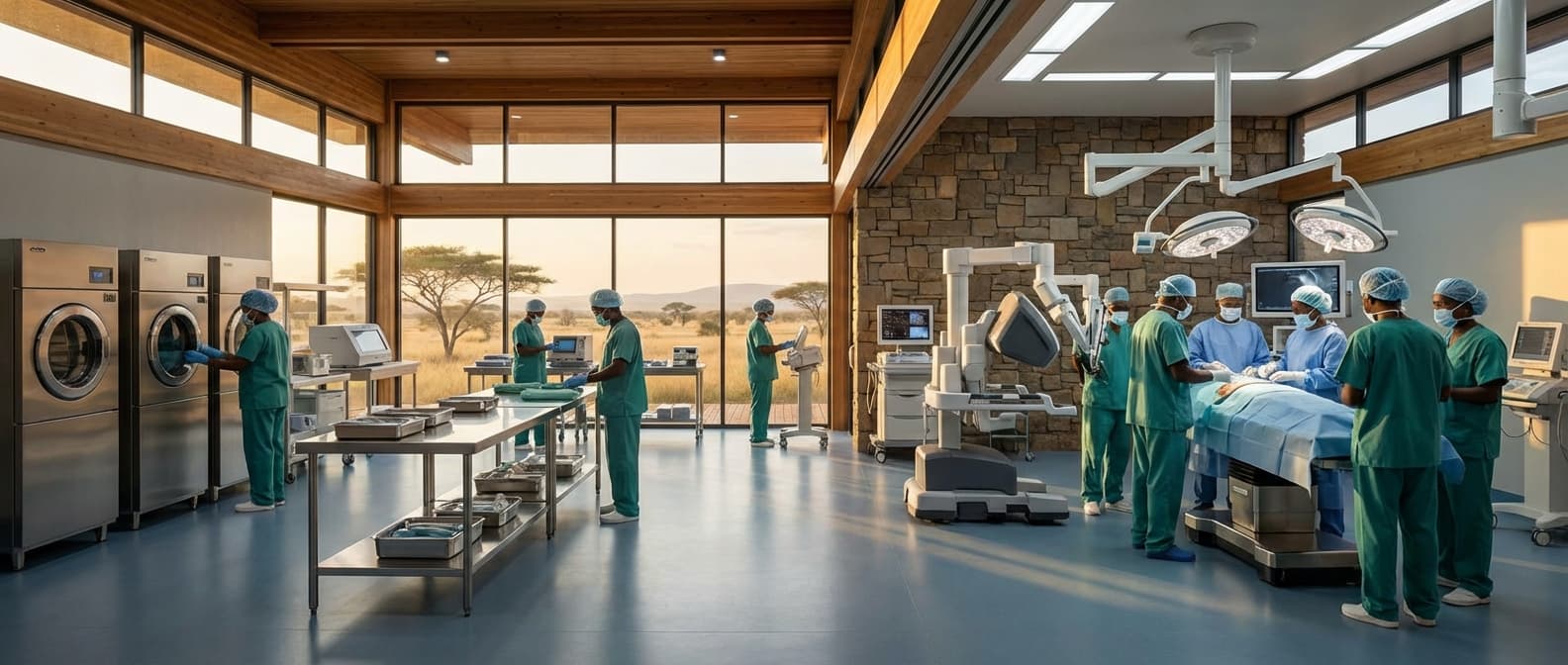
Endoscopy Reprocessing Validation in Eswatini
Engineering Excellence & Technical Support
AER validation, SOP development and compliance High-standard technical execution following OEM protocols and local regulatory frameworks.
Enhanced Sterilization Efficacy
Validated reprocessing protocols ensure complete elimination of microbial contamination on endoscopic instruments, safeguarding patient safety and preventing healthcare-associated infections in Eswatini.
Standardized Quality Control
Implementation of rigorous testing and documentation procedures for automated endoscope reprocessors (AERs) guarantees consistent and reliable disinfection cycles, adhering to international best practices.
Data-Driven Compliance & Auditing
Comprehensive validation data provides irrefutable evidence of reprocessing effectiveness, facilitating seamless audits and ensuring Eswatini's healthcare facilities meet regulatory requirements for endoscope hygiene.
What Is Endoscopy Reprocessing Validation In Eswatini?
Endoscopy reprocessing validation in Eswatini refers to the systematic verification and documentation of the processes used to clean, disinfect, and sterilize endoscopic equipment after each patient use. This validation ensures that these critical medical devices are rendered safe for subsequent patient procedures by eliminating or inactivating infectious agents, thereby preventing healthcare-associated infections (HAIs). The process adheres to established guidelines and regulatory requirements, often referencing international standards and local health authority directives.
| Who Needs Endoscopy Reprocessing Validation? | Typical Use Cases | ||||
|---|---|---|---|---|---|
| Healthcare Facilities in Eswatini: Hospitals, specialized clinics, and diagnostic centers that utilize flexible and rigid endoscopes for diagnostic and therapeutic procedures. | Endoscopy Units: Departments performing gastroscopies, colonoscopies, bronchoscopies, cystoscopies, laparoscopies, and other endoscopic interventions. | Surgical Departments: Where endoscopic instruments are used during surgical procedures. | Regulatory and Quality Assurance Bodies: To ensure compliance with national and international safety standards. | ||
| Initial Installation and Commissioning: Validating reprocessing procedures and equipment before the first use of a new endoscope or reprocessing system. | Post-Maintenance or Repair: Re-validating the reprocessing process after any significant maintenance or repair to the endoscope or AER. | Changes in Reprocessing Protocols or Chemicals: Validating new cleaning agents, disinfectants, or changes to existing reprocessing workflows. | Routine Periodic Validation: Scheduled validation cycles to confirm ongoing effectiveness and compliance, as per facility policy and regulatory guidance. | Troubleshooting and Quality Improvement: When process failures or HAIs linked to endoscopic procedures are suspected. | Accreditation and Licensure: As a requirement for meeting accreditation standards and maintaining operational licenses. |
What Endoscopy Reprocessing Validation Entails:
- Visual Inspection: Thorough examination of the endoscope for gross contamination, damage, or wear. This includes checking lumens, valves, and external surfaces.
- Leak Testing: Verifying the integrity of the endoscope's channels and casing to prevent the ingress of cleaning/disinfecting solutions and internal fluid contamination.
- Manual Cleaning Verification: Confirming that all visible organic debris has been effectively removed from the endoscope's channels and surfaces, typically through visual inspection and/or biochemical assays.
- High-Level Disinfection (HLD) or Sterilization Validation: Verifying the efficacy of the chosen reprocessing method (e.g., automated endoscope reprocessors (AERs), chemical disinfectants, or steam sterilization) in inactivating a broad spectrum of microorganisms, including high-risk pathogens like prions.
- AER Performance Testing: For automated systems, this includes testing critical parameters such as water temperature, detergent concentration, cycle time, and rinse efficacy.
- Environmental Monitoring: Assessing the reprocessing environment for potential contamination sources, including air and water quality.
- Documentation and Record-Keeping: Maintaining comprehensive records of all reprocessing steps, validation tests, equipment maintenance, and staff training.
- Staff Competency Assessment: Ensuring that personnel involved in reprocessing are adequately trained and demonstrate proficiency in all aspects of the process.
Who Needs Endoscopy Reprocessing Validation In Eswatini?
Endoscopy reprocessing validation is a critical safety measure to prevent the transmission of infections in healthcare settings. In Eswatini, like any country with endoscopy services, ensuring that endoscopes are meticulously cleaned and disinfected between patient uses is paramount. This validation process confirms that the reprocessing protocols in place are effective in eliminating microorganisms, thereby safeguarding patients from potential harm. This need extends to all facilities offering endoscopic procedures, regardless of size or funding, as patient safety is a universal priority.
| Department/Unit | Role in Endoscopy Reprocessing Validation | Key Personnel Involved |
|---|---|---|
| Gastroenterology Department | Primary user of endoscopes; responsible for ensuring proper initial cleaning and reporting any issues with reprocessing effectiveness. | Gastroenterologists, Endoscopy Nurses, Endoscopy Technicians |
| Pulmonology Department | Similar to Gastroenterology, utilizes bronchoscopes and other relevant endoscopic equipment. | Pulmonologists, Respiratory Therapists, Endoscopy Nurses |
| Urology Department | Uses cystoscopes and other urological endoscopic instruments. | Urologists, Urology Nurses |
| Central Sterile Supply Department (CSSD) / Sterilization Services | Responsible for the systematic cleaning, disinfection, and sterilization of endoscopes according to validated protocols. Crucial for implementing and monitoring validation processes. | CSSD Technicians, Infection Prevention and Control Officers, Biomedical Engineers (for equipment maintenance) |
| Infection Prevention and Control (IPC) Department/Officer | Oversees all aspects of infection prevention, including the development, implementation, and monitoring of endoscopy reprocessing policies and validation procedures. Acts as a key auditor. | IPC Officers, Healthcare Epidemiologists, Clinical Microbiologists |
| Quality Assurance (QA) Department | Ensures that all healthcare processes, including reprocessing, meet established quality standards and regulatory requirements. | QA Managers, Quality Assurance Officers |
| Biomedical Engineering Department | Responsible for the maintenance and calibration of reprocessing equipment (e.g., Automated Endoscope Reprocessors - AERs) to ensure they function correctly for effective validation. | Biomedical Engineers, Technicians |
| Nursing Administration | Provides oversight and resources for the endoscopy unit and CSSD, ensuring compliance with reprocessing standards. | Chief Nursing Officers, Nurse Managers |
| Hospital Administration/Management | Ultimately responsible for patient safety and resource allocation to ensure proper endoscopy reprocessing and validation are in place. | Hospital CEOs, Medical Directors, Facility Administrators |
| Ministry of Health (Eswatini) | Sets national guidelines and standards for healthcare practices, including infection prevention and control of medical devices. May mandate validation requirements. | Public Health Officials, IPC Directors, Regulatory Affairs Officers |
Target Customers and Departments in Eswatini Requiring Endoscopy Reprocessing Validation
- Hospitals: Both public and private hospitals that perform diagnostic and therapeutic endoscopic procedures.
- Specialized Clinics: Clinics focusing on gastroenterology, pulmonology, urology, and other specialties that utilize flexible endoscopes.
- Government Health Facilities: Ministry of Health-run hospitals and clinics that provide essential endoscopic services to the population.
- Non-Governmental Organization (NGO) Healthcare Providers: Organizations offering healthcare services, especially those with surgical or diagnostic capabilities, including endoscopy.
- Referral Centers: Facilities that receive patients from other institutions for specialized endoscopic procedures.
Endoscopy Reprocessing Validation Process In Eswatini
The Endoscopy Reprocessing Validation Process in Eswatini ensures that reusable endoscopic instruments are cleaned, disinfected, and sterilized according to established safety protocols. This process is crucial for preventing healthcare-associated infections. The workflow begins with an initial inquiry, progresses through a detailed planning and preparation phase, culminates in the execution of validation tests, and concludes with reporting and continuous improvement.
| Stage | Description | Key Activities | Responsible Parties |
|---|---|---|---|
| Inquiry and Request | Initiation of the validation process by a healthcare facility or regulatory body. | Submitting a formal request for validation, outlining the scope and specific reprocessing procedures. | Healthcare Facility Management, Infection Prevention and Control Committee, Ministry of Health (if applicable) |
| Planning and Protocol Development | Defining the specific validation parameters and methodology. | Reviewing existing reprocessing protocols, identifying critical steps, selecting appropriate validation methods (e.g., biological indicators, chemical indicators, process challenge devices), establishing acceptance criteria. | Infection Prevention and Control Specialist, Biomedical Engineering Department, Endoscopy Unit Staff, External Validation Consultants (if engaged) |
| Resource Allocation and Preparation | Ensuring all necessary resources and materials are available for the validation. | Procuring or confirming availability of validation test kits (biological indicators, chemical indicators, PCDs), ensuring equipment is calibrated and functional, training staff on validation procedures. | Endoscopy Unit Manager, Biomedical Engineering Department, Procurement Department |
| Execution of Validation Tests | Carrying out the planned validation procedures in the actual reprocessing environment. | Performing cleaning and disinfection cycles with test loads, applying biological and chemical indicators at critical points, running the reprocessing equipment as per the protocol. | Endoscopy Unit Staff, Biomedical Engineering Technician |
| Data Analysis and Interpretation | Evaluating the results of the validation tests against the established acceptance criteria. | Collecting and analyzing results from biological and chemical indicators, assessing the efficacy of cleaning and disinfection processes. | Infection Prevention and Control Specialist, Biomedical Engineering Department, External Validation Consultants |
| Reporting and Documentation | Creating a comprehensive report detailing the validation process and findings. | Documenting the protocol, test results, analysis, conclusions, and recommendations. Certifying the reprocessing process if successful. | Infection Prevention and Control Specialist, Endoscopy Unit Manager |
| Corrective Actions and Revalidation | Addressing any identified deficiencies or failures in the reprocessing process. | Implementing corrective actions based on validation failures, re-testing the affected reprocessing steps or the entire process after modifications. | Endoscopy Unit Staff, Biomedical Engineering Department, Infection Prevention and Control Specialist |
| Continuous Monitoring and Improvement | Establishing ongoing surveillance and review to maintain reprocessing effectiveness. | Regularly scheduled revalidation, routine monitoring of reprocessing parameters, staff competency assessments, review of incident reports, updates to protocols based on new guidelines or technology. | Infection Prevention and Control Committee, Endoscopy Unit Management, Ministry of Health |
Workflow Stages of Endoscopy Reprocessing Validation in Eswatini
- Inquiry and Request
- Planning and Protocol Development
- Resource Allocation and Preparation
- Execution of Validation Tests
- Data Analysis and Interpretation
- Reporting and Documentation
- Corrective Actions and Revalidation
- Continuous Monitoring and Improvement
Endoscopy Reprocessing Validation Cost In Eswatini
Endoscopy reprocessing validation is a critical step in ensuring patient safety and preventing the spread of healthcare-associated infections. In Eswatini, the cost of this validation is influenced by several factors, leading to a range of pricing. These factors typically include the type of validation required (e.g., initial setup, routine quarterly checks, or validation following equipment repair/modification), the complexity and number of reprocessing steps being validated, and the qualifications and experience of the validating personnel or company. Furthermore, administrative overhead, report generation, and travel expenses for on-site validation can also contribute to the overall cost. The local currency in Eswatini is the Swazi Lilangeni (SZL).
| Validation Type | Estimated Cost Range (SZL) | Notes |
|---|---|---|
| Initial Validation (per endoscope) | 1,500 - 4,000 | Covers comprehensive validation of all reprocessing steps for a new or significantly modified system. |
| Routine Validation (quarterly, per endoscope) | 800 - 2,000 | Regular checks to ensure continued compliance with protocols. |
| Validation Post-Repair/Modification (per endoscope) | 1,000 - 3,000 | Required after any repair or alteration to the endoscope or reprocessing equipment. |
| Consultation/Audit (hourly rate) | 300 - 700 | For advice, protocol review, or specialized audits. |
Key Pricing Factors for Endoscopy Reprocessing Validation in Eswatini
- Type of Validation (Initial, Routine, Post-Repair)
- Number and Complexity of Reprocessing Steps
- Qualifications of Validating Personnel/Company
- Administrative and Reporting Costs
- Travel and On-site Expenses
Affordable Endoscopy Reprocessing Validation Options
Ensuring the sterility and safety of endoscopic instruments through proper reprocessing is critical. However, validation of these reprocessing procedures can represent a significant cost for healthcare facilities. This document explores affordable endoscopy reprocessing validation options, focusing on value bundles and cost-saving strategies.
| Strategy | Description | Cost-Saving Mechanism | Potential Benefits |
|---|---|---|---|
| Tiered Validation Approaches | Instead of full microbial validation for every cycle, utilize risk-based approaches. This might involve periodic full validation, with routine monitoring using chemical indicators and process parameters in between. | Reduces frequency of expensive microbial testing. | Lower recurring validation costs, maintained compliance. |
| In-House Validation Capabilities | Invest in training staff and acquiring basic equipment for certain validation aspects, such as spore testing or using readily available chemical indicators. This doesn't replace all external testing but can offload some tasks. | Reduces reliance on expensive third-party labs for routine or simpler tests. | Increased internal control, faster turnaround for some tests, potential for long-term cost reduction. |
| Leveraging Manufacturer Guarantees & Support | Choose reprocessing equipment manufacturers that offer bundled validation services or extended support as part of their equipment purchase. Some may have pre-validated cycles for their specific equipment and chemistries. | Bundled costs can be lower than purchasing services separately. Pre-validated cycles reduce the need for extensive custom validation. | Predictable costs, reduced administrative overhead, streamlined validation process. |
| Consolidated Testing Services & Partnerships | Partner with a single, reputable third-party laboratory that offers a comprehensive suite of validation services. Negotiate bulk discounts or preferred pricing for ongoing validation needs. | Volume discounts and streamlined service delivery from a single provider. | Potential for lower per-test costs, simplified contract management, and better relationship with a trusted vendor. |
| Utilizing Advanced Monitoring Technologies | Incorporate automated cleaning and disinfection monitoring systems that provide continuous data logging and alerts. While an initial investment, these can reduce the need for manual checks and certain types of retrospective validation. | Minimizes manual labor and potential for human error. Provides real-time data for continuous quality improvement and can support validation claims. | Improved process consistency, reduced risk of reprocessing failures, potentially fewer validation failures. |
| Standardized Reprocessing Protocols | Implement and strictly adhere to standardized, evidence-based reprocessing protocols. This consistency can reduce the variability that necessitates frequent re-validation. | Reduces the likelihood of reprocessing failures that trigger costly re-validation events. | Enhanced patient safety, improved operational efficiency, fewer disruptions due to reprocessing issues. |
| Shared Resources with Other Facilities | For smaller facilities, explore partnerships with larger healthcare systems or neighboring hospitals to share validation services or expertise, potentially negotiating group rates. | Distributes the cost of validation services across multiple entities. | Access to high-quality validation at a lower per-facility cost. |
Affordable Endoscopy Reprocessing Validation Options
- Understanding Validation: Endoscope reprocessing validation confirms that a specific cleaning and high-level disinfection (HLD) or sterilization process consistently eliminates or inactivates microorganisms. This is essential for patient safety and regulatory compliance.
- Traditional Validation Costs: Historically, validation has involved extensive microbial testing (e.g., using challenge organisms on mock devices), chemical indicator studies, and often third-party laboratory services, leading to substantial expenses.
- Value Bundles: A 'value bundle' in this context refers to a package of services or products designed to offer enhanced utility or cost-effectiveness. For endoscopy reprocessing validation, this can involve bundled testing services, integrated software solutions, or partnerships with reprocessing equipment manufacturers that include validation support.
- Cost-Saving Strategies: Implementing strategic approaches can significantly reduce the financial burden of validation while maintaining compliance and patient safety.
Verified Providers In Eswatini
In Eswatini, identifying healthcare providers with verified credentials is paramount for ensuring quality and trustworthy medical care. Franance Health stands out as a leading platform dedicated to connecting individuals with such verified professionals. Their rigorous vetting process ensures that all listed healthcare practitioners meet the highest standards of qualification, experience, and ethical practice. This meticulous approach provides patients with the confidence that they are receiving care from competent and licensed individuals, minimizing risks and maximizing the potential for positive health outcomes. Choosing a provider through Franance Health means opting for transparency, reliability, and a commitment to patient well-being.
| Credential Type | Franance Health Verification Standard |
|---|---|
| Medical Licenses | Mandatory verification of current, valid practicing licenses from the Eswatini Ministry of Health and relevant professional bodies. |
| Educational Degrees | Verification of accredited medical degrees and postgraduate qualifications from recognized institutions. |
| Professional Certifications | Confirmation of specialized certifications and ongoing professional development. |
| Experience | Review of past practice history and references where applicable. |
| Ethical Standing | Inquiries into disciplinary actions or complaints with regulatory bodies. |
Why Franance Health Providers are the Best Choice in Eswatini:
- Rigorous Verification Process: Franance Health employs a comprehensive system to verify the credentials, licenses, and qualifications of all healthcare professionals on their platform.
- Commitment to Quality Care: By partnering only with verified providers, Franance Health ensures a high standard of medical expertise and ethical practice.
- Enhanced Patient Trust: The verification process builds trust and confidence, allowing patients to make informed decisions about their healthcare.
- Access to Specialized Services: Franance Health facilitates access to a wide range of verified specialists, catering to diverse medical needs within Eswatini.
- Improved Health Outcomes: Receiving care from qualified and trustworthy professionals is directly linked to better diagnosis, treatment, and overall patient recovery.
Scope Of Work For Endoscopy Reprocessing Validation
This Scope of Work (SOW) outlines the requirements for the validation of the endoscopy reprocessing procedures and associated equipment. The objective is to ensure that the defined reprocessing protocols consistently achieve the required level of microbial reduction and equipment cleanliness, thereby minimizing the risk of patient-to-patient transmission of infections. The validation will encompass all stages of the reprocessing cycle, from initial cleaning to high-level disinfection or sterilization.
| Deliverable | Description | Standard/Specification Reference | Acceptance Criteria |
|---|---|---|---|
| Validated Cleaning Protocol SOP | Document detailing the step-by-step procedures for manual and automated cleaning of endoscopes and accessories, including recommended detergents and contact times. | AS/NZS 4187, AS/NZS 4815, ISO 17665, FDA Guidance on Reprocessing of Medical Devices, Manufacturer's Instructions for Use (IFU) for endoscopes and AERs. | SOP is approved by the facility's Infection Prevention and Control committee and staff demonstrate competency in its execution. |
| Validated HLD/Sterilization Protocol SOP | Document detailing the step-by-step procedures for high-level disinfection or sterilization, including chemical concentrations, contact times, and temperature parameters. | AS/NZS 4187, AS/NZS 4815, ISO 17665, Manufacturer's IFU for endoscopes and AERs, EPA registered HLD agents. | SOP is approved and staff demonstrate competency in its execution. |
| Microbial Challenge Study Report | Report detailing the methodology and results of studies using representative microorganisms to validate the efficacy of the cleaning and HLD/sterilization processes. | ANSI/AAMI ST59, ISO 17665, CDC Guidelines for Disinfection and Sterilization in Healthcare Facilities. | Demonstrated reduction of target microorganisms to acceptable levels (e.g., <1 CFU/device, or a log reduction as specified by standards). |
| AER Performance Validation Report | Report confirming the correct functioning of AERs, including parameters like temperature, flow rates, cycle times, and disinfectant efficacy. | Manufacturer's IFU for AER, AS/NZS 4187, ANSI/AAMI ST59. | All validated parameters are within the manufacturer's specifications and accepted performance limits. |
| Drying Cabinet Performance Validation Report | Report confirming the correct functioning of drying cabinets, including temperature, humidity, and airflow rates. | Manufacturer's IFU for drying cabinet. | Drying effectiveness is confirmed, meeting criteria for preventing microbial growth. |
| Environmental Monitoring Plan & Report | Plan outlining the frequency and methods for monitoring the reprocessing environment (e.g., air quality, surface cleanliness) and initial baseline report. | OSHA standards, Local Health Department regulations, CDC Guidelines. | Baseline environmental conditions are documented and meet established criteria. |
| Training Records | Documentation of staff training sessions on validated reprocessing procedures and equipment use. | Facility training policies. | All relevant staff have received and documented training. |
| Final Validation Summary Report | A comprehensive report summarizing all validation activities, results, and confirming the overall validation status of the endoscopy reprocessing system. | N/A | Official sign-off from facility leadership and quality assurance. |
Key Activities and Technical Deliverables
- Establish and document validated cleaning protocols for flexible endoscopes and associated accessories.
- Establish and document validated high-level disinfection (HLD) or sterilization protocols.
- Perform microbial challenge studies to demonstrate the efficacy of the cleaning and HLD/sterilization processes.
- Validate the functionality and performance of all automated endoscope reprocessors (AERs) and associated equipment (e.g., drying cabinets, leak testers).
- Verify the efficacy of manual cleaning procedures.
- Develop and implement environmental monitoring protocols for the reprocessing area.
- Provide comprehensive validation reports for each validated component and process.
- Conduct training for reprocessing staff on validated procedures.
- Develop standard operating procedures (SOPs) for all validated reprocessing steps and equipment.
- Provide recommendations for ongoing monitoring and revalidation strategies.
Service Level Agreement For Endoscopy Reprocessing Validation
This Service Level Agreement (SLA) outlines the agreed-upon response times and uptime guarantees for the Endoscopy Reprocessing Validation service provided by [Your Company Name] to [Client Name]. This SLA is an integral part of the overall service contract.
| Service Component | Response Time Guarantee (Business Hours) | Uptime Guarantee (Monthly) |
|---|---|---|
| Initial System Check & Validation Setup | 2 Business Hours | 99.5% |
| Test Result Reporting (per batch) | 4 Business Hours | 99.5% |
| Urgent Issue Triage & Escalation | 1 Business Hour | 99.5% |
| Routine Technical Support (non-urgent inquiries) | 8 Business Hours | 99.5% |
| System Availability for Data Submission | N/A (covered by overall uptime) | 99.8% |
Key Service Components
- Endoscopy Reprocessing Validation Testing
- Data Reporting and Analysis
- Technical Support
Frequently Asked Questions

Ready when you are
Let's scope your Endoscopy Reprocessing Validation in Eswatini project in Eswatini.

Scaling healthcare logistics and technical systems across the entire continent.