
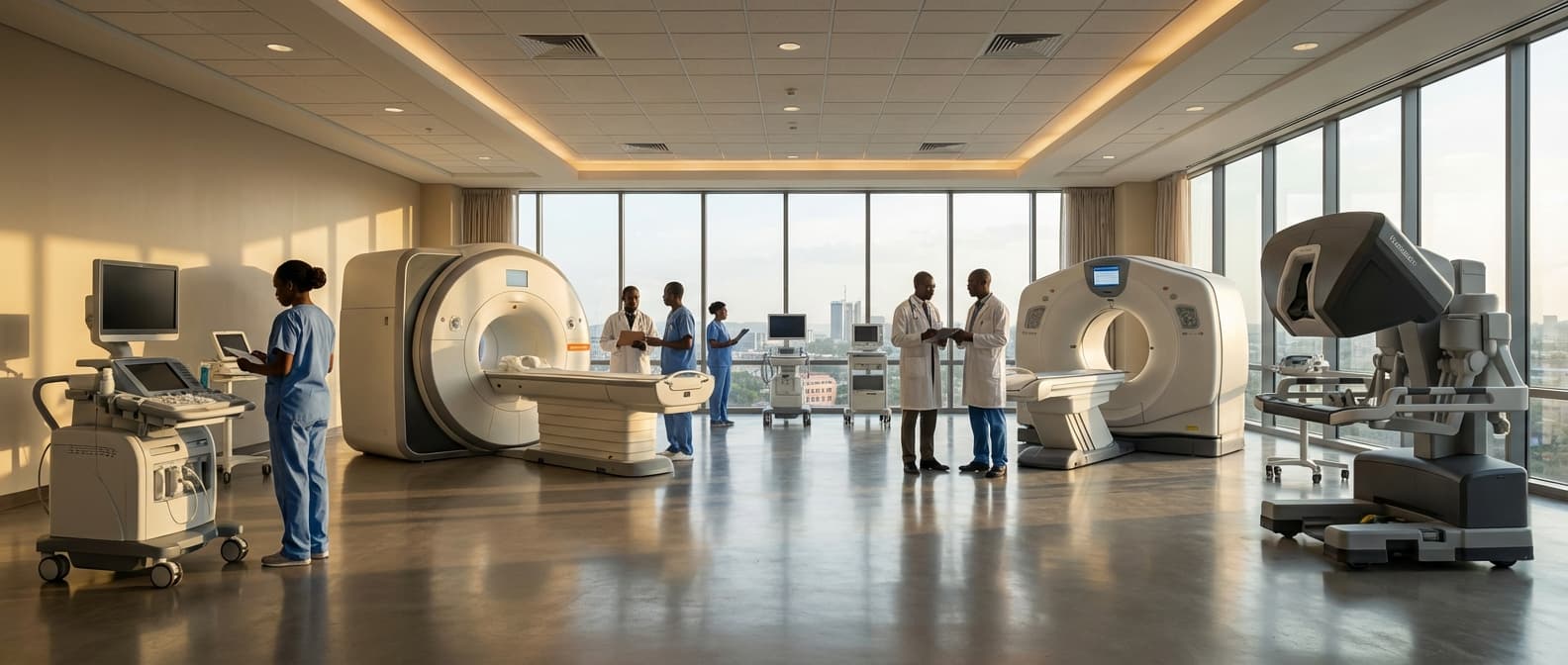
Renal Solutions in Eswatini
Engineering Excellence & Technical Support
Complete dialysis systems and renal care equipment designed to deliver safe, effective, and patient-centered kidney treatment. High-standard technical execution following OEM protocols and local regulatory frameworks.
Advanced Hemodialysis Access & Management
Renal Solutions provides state-of-the-art hemodialysis machines and comprehensive training for medical professionals in Eswatini, ensuring optimal patient outcomes and efficient treatment delivery. We focus on minimizing complications and maximizing the lifespan of vascular access for patients undergoing chronic dialysis.
ISO-Certified Water Treatment Solutions
Our commitment to patient safety is paramount. Renal Solutions implements and maintains ISO-certified water treatment systems specifically designed for dialysis facilities in Eswatini, guaranteeing the purity and safety of water used in hemodialysis, a critical factor in preventing infection and ensuring treatment efficacy.
Remote Patient Monitoring & Telehealth Support
Bridging geographical barriers, Renal Solutions enables enhanced patient care in Eswatini through remote patient monitoring technologies and telehealth consultations. This allows for continuous oversight, early intervention, and personalized support, empowering patients and reducing the need for frequent travel to treatment centers.
What Is Renal Solutions In Eswatini?
Renal Solutions in Eswatini refers to a range of medical services and interventions focused on the diagnosis, treatment, and management of kidney diseases (renal diseases). These services are critical for individuals experiencing acute kidney injury (AKI) or chronic kidney disease (CKD), aiming to preserve remaining kidney function, mitigate complications, and improve quality of life. The scope of Renal Solutions typically encompasses diagnostic evaluations, therapeutic treatments, and ongoing supportive care, often requiring specialized expertise and equipment.
| Who Needs Renal Solutions? | Typical Use Cases |
|---|---|
| Individuals with diagnosed Chronic Kidney Disease (CKD) at any stage, particularly those with declining renal function or experiencing symptoms. | Management of progressive CKD, aiming to slow disease progression and prevent complications. |
| Patients experiencing Acute Kidney Injury (AKI) due to various causes (e.g., dehydration, infection, nephrotoxic agents, underlying medical conditions). | Reversal of AKI, supporting kidney recovery, and managing immediate life-threatening complications. |
| Individuals with underlying medical conditions that pose a high risk for developing kidney disease, such as diabetes mellitus, hypertension, autoimmune diseases (e.g., lupus), and recurrent urinary tract infections. | Early detection and intervention to prevent or delay the onset of renal disease. |
| Patients with end-stage renal disease (ESRD) requiring renal replacement therapy. | Initiation and ongoing management of hemodialysis, peritoneal dialysis, or preparation for kidney transplantation. |
| Individuals experiencing symptoms suggestive of kidney problems, including changes in urination, swelling, fatigue, nausea, or unexplained itching. | Diagnostic workup to identify or rule out renal pathology. |
| Patients undergoing treatment for conditions that may have nephrotoxic effects. | Monitoring of renal function to detect and manage drug-induced kidney injury. |
Key Components of Renal Solutions
- Diagnostic Procedures: This includes laboratory tests (serum creatinine, blood urea nitrogen, glomerular filtration rate estimations, urinalysis), imaging studies (renal ultrasound, CT scans), and kidney biopsies to accurately diagnose the underlying cause and stage of renal dysfunction.
- Therapeutic Interventions: Treatment modalities may involve pharmacological management (e.g., antihypertensives, diuretics, erythropoiesis-stimulating agents), dietary modifications, and in advanced stages, renal replacement therapies.
- Renal Replacement Therapies (RRT): This is a significant component and includes dialysis (hemodialysis and peritoneal dialysis) and kidney transplantation.
- Management of Complications: Addressing secondary complications associated with renal disease, such as anemia, electrolyte imbalances, bone mineral disorders, cardiovascular disease, and fluid overload.
- Patient Education and Support: Empowering patients with knowledge about their condition, treatment options, self-management strategies, and access to psychosocial support.
Who Needs Renal Solutions In Eswatini?
In Eswatini, the demand for comprehensive renal solutions is multifaceted, addressing the growing burden of kidney disease across various segments of the population and healthcare system. Identifying who needs these solutions is crucial for effective resource allocation and targeted intervention.
| Customer Segment | Primary Need | Relevant Department/Institution |
|---|---|---|
| CKD Patients (all stages) | Diagnosis, monitoring, treatment, lifestyle management | Nephrology clinics, Public Hospitals, District Hospitals, PHCs |
| Dialysis Patients (ESRD) | Hemodialysis, Peritoneal dialysis, supportive care | Renal Units/Dialysis Centers, Public Hospitals |
| Transplant Candidates/Recipients | Pre-transplant evaluation, post-transplant monitoring, immunosuppression management | Nephrology clinics, Public Hospitals, Transplant Centers (if available) |
| AKI Patients | Acute management, fluid management, temporary dialysis | Intensive Care Units (ICUs), Public Hospitals, District Hospitals |
| Diabetic/Hypertensive Patients | Screening for kidney damage, management of underlying conditions | PHCs, District Hospitals, Public Hospitals, Diabetes/Hypertension Clinics |
| Healthcare Professionals | Diagnostic tools, treatment options, training, patient management support | All healthcare facilities, Medical Schools |
| Ministry of Health | Policy development, resource allocation, public health programs, infrastructure | Ministry of Health Headquarters |
Target Customers and Departments for Renal Solutions in Eswatini
- {"items":["Individuals with Chronic Kidney Disease (CKD): This is the primary customer group, encompassing all stages of CKD, from early detection to end-stage renal disease (ESRD).","Patients requiring dialysis (hemodialysis and peritoneal dialysis): Those with ESRD who are on or awaiting dialysis treatment.","Kidney transplant candidates and recipients: Individuals undergoing evaluation for transplantation or those who have received a transplant and require ongoing care and monitoring.","Patients with Acute Kidney Injury (AKI): Individuals experiencing sudden loss of kidney function, requiring immediate medical attention and potential temporary renal replacement therapy.","Diabetic patients: Diabetes is a leading cause of CKD, making this population a significant at-risk group requiring screening and management of kidney complications.","Hypertensive patients: High blood pressure is another major contributor to kidney damage, necessitating regular monitoring and treatment for these individuals.","Elderly population: Age is a risk factor for CKD, and older adults often present with co-morbidities that exacerbate kidney issues.","Vulnerable populations: This includes individuals from low-income backgrounds, rural communities, and those with limited access to healthcare, who may face greater challenges in managing kidney health.","Healthcare professionals (doctors, nurses, dietitians, pharmacists): They are key stakeholders who directly utilize and benefit from advanced renal solutions for patient care.","Government and Ministry of Health: Responsible for public health policy, funding, and ensuring access to essential healthcare services, including renal care.","Non-governmental organizations (NGOs) and charitable organizations: Often play a vital role in supporting patient care, awareness campaigns, and providing access to resources."],"title":"Target Customers"}
- {"items":["Public Hospitals: Central hospitals and regional referral centers that provide general and specialized medical services.","District Hospitals: Facilities offering primary and secondary healthcare, where early detection and management of kidney disease can occur.","Renal Units/Dialysis Centers: Dedicated facilities equipped for dialysis and comprehensive kidney disease management.","Specialized Clinics: Nephrology outpatient clinics focused on the diagnosis, treatment, and follow-up of kidney conditions.","Primary Healthcare Centers (PHCs): Essential for screening, early diagnosis, and referral of patients with suspected kidney problems.","University Teaching Hospitals/Medical Schools: For advanced research, training of medical professionals, and complex case management.","Private Healthcare Providers: Hospitals and clinics offering private medical services, including specialized renal care.","Laboratories and Diagnostic Centers: For essential blood and urine tests to diagnose and monitor kidney function.","Pharmaceutical companies and distributors: For the supply of medications and medical consumables related to renal care."],"title":"Target Departments/Institutions"}
Renal Solutions Process In Eswatini
The Renal Solutions process in Eswatini, from initial inquiry to the execution of services, is designed to be a structured and comprehensive approach to managing kidney-related health needs. This typically involves several key stages, ensuring patients receive timely and appropriate care, whether for routine dialysis, transplant evaluation, or other renal support. The workflow aims for efficiency and patient-centeredness, integrating administrative, clinical, and logistical elements.
| Stage | Description | Key Activities | Responsible Parties | Key Outcomes | ||||||||||||||||||||||||||||||
|---|---|---|---|---|---|---|---|---|---|---|---|---|---|---|---|---|---|---|---|---|---|---|---|---|---|---|---|---|---|---|---|---|---|---|
| Inquiry and Initial Contact | The process begins when a patient, referring physician, or healthcare facility expresses interest in Renal Solutions' services. | Receiving inquiry (phone, email, in-person), gathering basic patient information, providing initial service overview. | Patient, Referring Physician/Facility, Renal Solutions Admissions/Inquiry Team | Initial contact established, basic understanding of patient need. | Assessment and Consultation | A thorough evaluation of the patient's renal condition and suitability for specific services. | Medical history review, physical examination, review of diagnostic reports (blood tests, imaging), initial consultation with a nephrologist or renal specialist. | Patient, Nephrologist/Renal Specialist, Renal Solutions Clinical Team | Accurate diagnosis and assessment of renal status, determination of care needs. | Treatment Planning | Developing a personalized plan of care based on the assessment findings. | Discussing treatment options (dialysis modalities, transplant evaluation, medication management), setting treatment goals, creating a care pathway. | Nephrologist/Renal Specialist, Patient, Renal Solutions Clinical Team | Documented, individualized treatment plan agreed upon by the clinical team and patient. | Service Authorization and Logistics | Securing necessary approvals and arranging for the practical delivery of services. | Liaising with insurance providers or government health programs for authorization, scheduling appointments, arranging transportation (if applicable), preparing necessary medical equipment and supplies. | Renal Solutions Administration, Patient's Insurance/Funding Body, Logistics Coordinator | Authorization obtained, all logistical arrangements confirmed for service commencement. | Service Execution (Treatment/Intervention) | The actual delivery of the planned renal services. | Administering dialysis (hemodialysis, peritoneal dialysis), conducting pre-transplant evaluations, providing post-transplant care, managing complications, dispensing medication. | Nurses, Dialysis Technicians, Nephrologists, Transplant Coordinators, Pharmacists, Patient | Successful delivery of medical treatment, patient's renal condition managed. | Follow-up and Monitoring | Ongoing evaluation of the patient's response to treatment and overall well-being. | Regular check-ups, monitoring vital signs, reviewing lab results, assessing treatment effectiveness, making adjustments to the care plan as needed. | Nephrologist/Renal Specialist, Renal Solutions Clinical Team, Patient | Patient's progress tracked, treatment optimized, any emerging issues identified and addressed. | Billing and Administration | Managing all financial and administrative aspects of the services provided. | Generating invoices, processing payments, managing patient records, submitting claims to insurance/government agencies, maintaining compliance with regulations. | Renal Solutions Administration, Billing Department, Patient | Accurate financial records maintained, patient accounts settled, service provision properly documented. |
Renal Solutions Process Workflow in Eswatini
- Inquiry and Initial Contact
- Assessment and Consultation
- Treatment Planning
- Service Authorization and Logistics
- Service Execution (Treatment/Intervention)
- Follow-up and Monitoring
- Billing and Administration
Renal Solutions Cost In Eswatini
The cost of renal solutions in Eswatini is influenced by a variety of factors, primarily revolving around the type of solution, the volume required, the brand, and the distribution channel. Eswatini, being a smaller economy, often relies on imported medical supplies, which can contribute to higher pricing compared to larger markets. Factors such as import duties, transportation costs from the point of origin, and local distribution markups play a significant role. Furthermore, the specific formulation of the renal solution (e.g., dextrose concentration for peritoneal dialysis, electrolyte balance for hemodialysis) can affect its cost, with more complex or specialized formulations often being more expensive. The choice between generic and branded products also impacts pricing, although in Eswatini, brand availability might be more limited, leading to fewer competitive options for certain solutions. Pharmacies and specialized medical supply stores are the primary points of purchase, and their pricing strategies, including overhead costs and profit margins, will be reflected in the final price to the consumer. Availability of government subsidies or insurance coverage can also significantly alter the out-of-pocket expenses for patients.
| Renal Solution Type | Typical Volume | Estimated Price Range (SZL) | Notes |
|---|---|---|---|
| Peritoneal Dialysis Solution (e.g., 2L bag) | 2 Liters | 300 - 600 | Varies by dextrose concentration and brand. May be higher if imported directly. |
| Peritoneal Dialysis Solution (e.g., 5L bag) | 5 Liters | 700 - 1200 | Bulk pricing may be slightly more economical per liter. |
| Hemodialysis Concentrate (per batch) | Varies (requires mixing) | 250 - 500 | Concentrate for a single dialysis session. Price depends on electrolyte composition and brand. |
| Electrolyte Additives (e.g., Calcium Chloride) | Small Vial/Ampoule | 50 - 150 | Used to adjust dialysate composition. |
Key Pricing Factors for Renal Solutions in Eswatini
- Type of Renal Solution (e.g., Peritoneal Dialysis Solutions, Hemodialysis Solutions)
- Volume and Concentration of Solution
- Brand and Manufacturer
- Import Costs (Duties, Tariffs, Transportation)
- Local Distribution and Retail Markups
- Specialized Formulations and Ingredients
- Availability of Generic vs. Branded Options
- Government Subsidies and Insurance Coverage
- Purchasing Location (Pharmacy, Medical Supply Store)
Affordable Renal Solutions Options
Navigating renal care can be complex, but affordable solutions exist. This guide explores value bundles and cost-saving strategies to help manage the financial burden of kidney disease management.
| Cost-Saving Strategy | Description | Potential Savings |
|---|---|---|
| Generic Medications | Utilize generic alternatives for prescribed medications whenever possible. Generic drugs contain the same active ingredients and are just as safe and effective as brand-name drugs, but at a significantly lower cost. | Up to 80% on medication costs |
| Preventive Care & Lifestyle Modifications | Focus on managing underlying conditions (like diabetes and hypertension) that contribute to kidney disease progression. Healthy eating, regular exercise, and avoiding smoking can slow disease progression and reduce the need for costly interventions. | Reduced need for advanced treatments (dialysis, transplant), fewer hospitalizations |
| Home Dialysis Options | If medically appropriate, explore home dialysis (peritoneal dialysis or home hemodialysis). While requiring training and equipment, it can offer greater flexibility and potentially lower costs than in-center dialysis due to reduced overhead. | Lower facility fees, increased independence |
| Health Insurance Navigation & Assistance Programs | Thoroughly understand your health insurance plan, including coverage for renal services, medications, and durable medical equipment. Explore patient assistance programs offered by pharmaceutical companies and non-profit organizations for medication co-pays and other expenses. | Reduced out-of-pocket expenses, access to financial aid |
| Care Coordination & Case Management | Work closely with your healthcare team, including nephrologists, nurses, and dietitians. Case managers can help navigate the healthcare system, coordinate appointments, and identify cost-saving resources. | Improved adherence to treatment, avoidance of unnecessary services |
| Telehealth & Remote Monitoring | Leverage telehealth appointments for routine check-ups and follow-ups when feasible. Remote monitoring devices can help track vital signs and lab results, potentially reducing the need for frequent in-person visits. | Reduced travel costs, increased convenience |
| Participate in Clinical Trials | For eligible individuals, clinical trials can offer access to new treatments and therapies at no cost, while also contributing to medical research. | Access to experimental treatments, no direct cost for study participation |
Understanding Value Bundles in Renal Care
- What are Value Bundles? Value-based care models in renal settings often bundle services together. Instead of paying for each individual service (like dialysis sessions, lab tests, medications, and physician visits), a single payment is made for a defined period or a specific episode of care. The focus shifts from volume of services to the quality and outcomes achieved for the patient.
- Benefits of Value Bundles:
- Improved Coordination: Encourages better communication and collaboration among different healthcare providers involved in a patient's care.
- Focus on Outcomes: Incentivizes providers to achieve better patient health outcomes, potentially reducing hospitalizations and complications.
- Cost Predictability: Can offer more predictable costs for patients and payers.
- Patient-Centered Care: Aims to deliver care that is more aligned with the patient's needs and preferences.
Verified Providers In Eswatini
In Eswatini, ensuring access to reliable and qualified healthcare providers is paramount for individual and community well-being. The term 'Verified Providers' signifies healthcare professionals and facilities that have undergone a rigorous vetting process to confirm their credentials, qualifications, and adherence to established healthcare standards. This verification process is crucial for patients seeking trustworthy medical services, offering peace of mind and reducing the risk of encountering unqualified practitioners. Franance Health stands out as a leading entity in Eswatini that actively champions and facilitates the verification of healthcare providers. Their commitment to this process is rooted in a deep understanding of the healthcare landscape and a dedication to patient safety and quality of care. By meticulously examining qualifications, licenses, and operational compliance, Franance Health ensures that the providers they endorse meet the highest benchmarks. This not only benefits patients directly but also contributes to raising the overall standard of healthcare delivery within Eswatini.
| Provider Type | Key Verification Criteria (Franance Health Focus) | Patient Benefit |
|---|---|---|
| Doctors (General Practitioners & Specialists) | Medical Degree & License Verification, Specialization Credentials, Continuing Professional Development (CPD) Records, Disciplinary Record Check | Access to qualified physicians with verified expertise for accurate diagnosis and effective treatment. |
| Nurses (Registered & Enrolled) | Nursing Council Registration & License, Educational Qualifications, Practical Experience Assessment, Ethical Conduct Review | Receiving competent and compassionate nursing care from licensed and trained professionals. |
| Pharmacists | Pharmacy Council Registration & License, Dispensing Competency, Medication Management Training, Knowledge of local drug regulations | Safe and accurate dispensing of medications, with knowledgeable advice on usage and potential side effects. |
| Hospitals & Clinics | Accreditation Status, Facility Standards Compliance, Equipment Maintenance Records, Staff Qualification Verification, Patient Safety Protocols | Receiving care in a safe, well-equipped, and professionally managed healthcare facility. |
| Diagnostic Laboratories | Licensing & Registration, Equipment Calibration & Maintenance, Quality Assurance Programs, Staff Competency | Reliable and accurate diagnostic testing results crucial for effective medical management. |
Why Franance Health Verified Providers Represent the Best Choice:
- Uncompromised Patient Safety: Franance Health's verification process meticulously checks for up-to-date licenses, certifications, and a clean professional record, directly safeguarding patients from substandard or unqualified care.
- Guaranteed Quality of Care: Verified providers have demonstrated their expertise and commitment to delivering high-quality medical services, adhering to best practices and ethical standards.
- Enhanced Trust and Transparency: The verification seal provided by Franance Health instills confidence in patients, assuring them they are choosing from a pool of reputable and trustworthy healthcare professionals.
- Access to Competent Specialists: Franance Health’s network focuses on identifying and verifying providers across various medical disciplines, ensuring patients can find qualified specialists for their specific needs.
- Streamlined Healthcare Navigation: By pre-vetting providers, Franance Health simplifies the process of finding reliable healthcare, saving patients time and reducing the stress of medical decision-making.
- Adherence to Regulatory Standards: Franance Health ensures that all verified providers comply with Eswatini's healthcare regulations and guidelines, promoting a safe and well-regulated medical environment.
- Commitment to Continuous Improvement: Franance Health often works with its verified providers to encourage ongoing professional development and adherence to evolving medical advancements.
Scope Of Work For Renal Solutions
This Scope of Work (SOW) outlines the technical deliverables and standard specifications for the Renal Solutions project. The project aims to develop and implement a comprehensive software system for managing patient renal health data, treatment plans, and operational workflows within healthcare facilities. The deliverables will focus on functional software modules, robust technical architecture, and adherence to industry-standard specifications for data security, interoperability, and usability.
| Specification Category | Standard Specification | Description | Compliance Requirement |
|---|---|---|---|
| Data Security | HIPAA Compliance | Adherence to the Health Insurance Portability and Accountability Act for patient data privacy and security. | Mandatory |
| Data Security | OWASP Top 10 | Mitigation of common web application security vulnerabilities as defined by the Open Web Application Security Project. | Mandatory |
| Interoperability | HL7 FHIR (Fast Healthcare Interoperability Resources) | Standard for exchanging healthcare information electronically, enabling seamless data sharing between different systems. | High Priority |
| Interoperability | DICOM (Digital Imaging and Communications in Medicine) | Standard for the storage and transmission of medical images, relevant for integrating imaging data. | Optional (depending on integration needs) |
| Usability | WCAG 2.1 (Web Content Accessibility Guidelines) | Ensuring the application is accessible to individuals with disabilities. | Medium Priority |
| Development | Agile Methodology (Scrum) | Iterative and incremental development approach to ensure flexibility and continuous feedback. | Mandatory |
| Development | Clean Code Principles | Writing maintainable, readable, and testable code. | Mandatory |
| Database | SQL Standards (e.g., ANSI SQL) | Adherence to standard SQL syntax and best practices for database operations. | Mandatory |
| Performance | Response Time Benchmarks | Defining acceptable response times for key user actions and API calls. | Mandatory |
| Scalability | Cloud-Native Architecture Principles | Designing for horizontal scalability and resilience using cloud services. | Mandatory |
Technical Deliverables
- Functional Software Modules: Development of core modules for patient registration, medical history tracking, dialysis scheduling, prescription management, lab result integration, and reporting.
- User Interface (UI) and User Experience (UX) Design: Creation of an intuitive and user-friendly interface for healthcare professionals and patients.
- Database Design and Implementation: Design and implementation of a secure, scalable, and performant database to store all patient and operational data.
- API Development for Integrations: Development of APIs to facilitate seamless integration with existing Electronic Health Records (EHR) systems, laboratory information systems (LIS), and other relevant healthcare platforms.
- Reporting and Analytics Engine: Development of a robust engine for generating operational, clinical, and financial reports, including dashboards for key performance indicators (KPIs).
- Security Framework: Implementation of a comprehensive security framework encompassing authentication, authorization, data encryption (at rest and in transit), and audit logging.
- Testing Strategy and Reports: Development of a comprehensive testing strategy including unit, integration, system, performance, and user acceptance testing (UAT), along with detailed test reports.
- Deployment Package: Creation of a deployable package including all necessary code, configurations, and installation scripts.
- Technical Documentation: Comprehensive documentation including system architecture, API documentation, database schema, deployment guides, and user manuals.
- Training Materials: Development of training materials for end-users and system administrators.
Service Level Agreement For Renal Solutions
This Service Level Agreement (SLA) outlines the performance standards and commitments Renal Solutions will uphold for its various services. It defines the expected response times for support requests and the uptime guarantees for our hosted solutions. This SLA is designed to ensure the reliability and availability of our services, allowing our clients to focus on delivering exceptional patient care.
| Service Category | Response Time Target (Business Hours) | Uptime Guarantee (Monthly) | Notes |
|---|---|---|---|
| Core Renal Solutions Platform (e.g., EHR, Dialysis Management System) | Critical Incident: 30 minutes<br>High Priority Incident: 1 hour<br>Medium Priority Incident: 4 business hours<br>Low Priority Incident: 8 business hours | 99.9% | Excludes scheduled maintenance windows. |
| Ancillary Services (e.g., Reporting Tools, Patient Portal) | Critical Incident: 1 hour<br>High Priority Incident: 2 business hours<br>Medium Priority Incident: 8 business hours<br>Low Priority Incident: 16 business hours | 99.5% | Subject to the availability of underlying infrastructure. |
| Data Backup and Recovery Services | Critical Incident: 2 hours (initiation of recovery)<br>High Priority Incident: 4 hours (initiation of recovery) | N/A (Focus on recovery time objective - RTO) | RTO for full recovery typically within 24 hours, depending on data volume and incident complexity. Detailed RPO/RTO in separate Data Protection Addendum. |
| Technical Support | Initial Response: <br>Critical Incident: 30 minutes<br>High Priority Incident: 1 hour<br>Medium Priority Incident: 4 business hours<br>Low Priority Incident: 8 business hours | N/A (Focus on support availability and response) | Business hours are defined as Monday to Friday, 8:00 AM to 5:00 PM, in the client's local time zone, excluding public holidays. |
Key Service Definitions
- Critical Incident: An incident that renders a core Renal Solutions service completely unavailable or severely degraded, impacting a significant number of users or patient care operations.
- High Priority Incident: An incident that significantly degrades the performance or availability of a Renal Solutions service, impacting a subset of users or a specific functional area.
- Medium Priority Incident: An incident that affects a non-critical function of a Renal Solutions service or has a minor impact on overall performance, with workarounds available.
- Low Priority Incident: A general inquiry, feature request, or minor issue with minimal or no impact on service availability or functionality.
Frequently Asked Questions

Ready when you are
Let's scope your Renal Solutions in Eswatini project in Eswatini.

Scaling healthcare logistics and technical systems across the entire continent.