
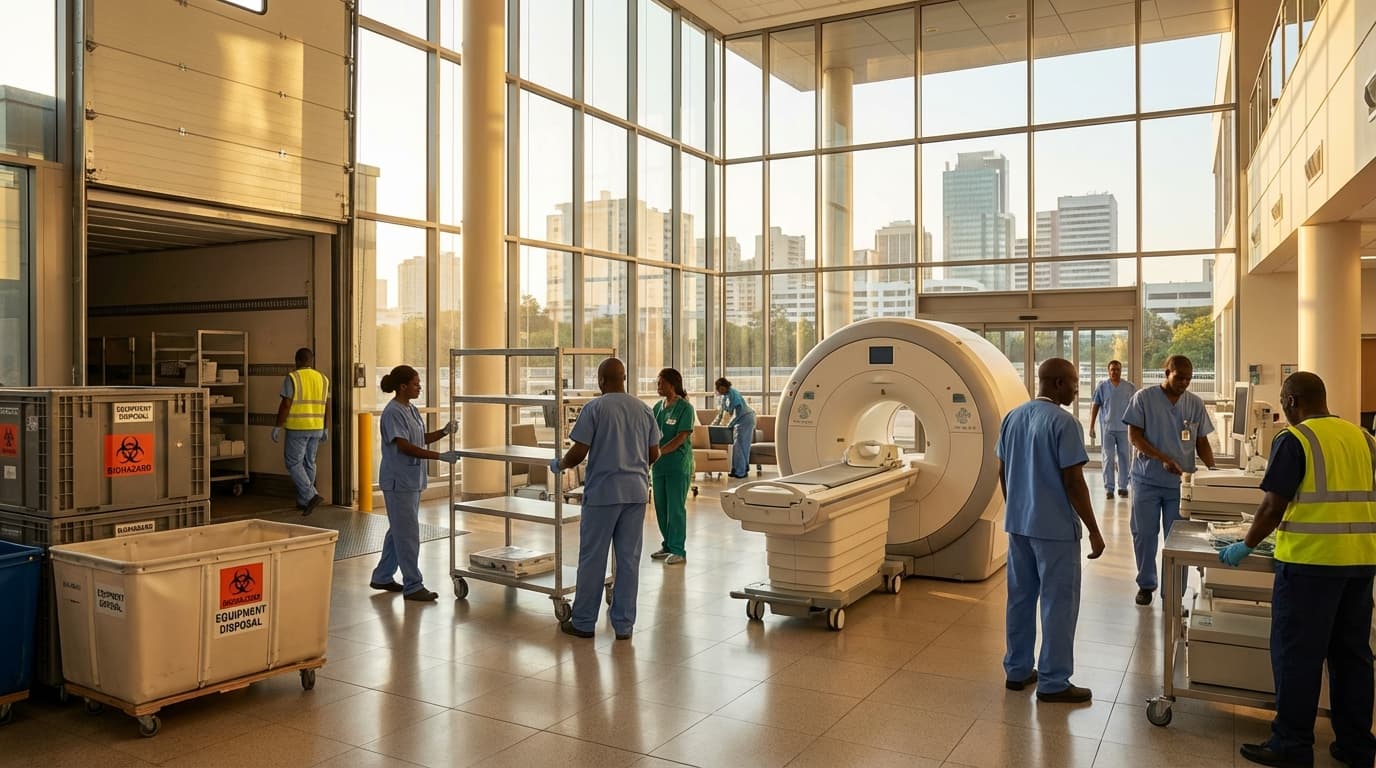
Site Restoration Service After Equipment Removal in Eritrea
Engineering Excellence & Technical Support
Site Restoration Service After Equipment Removal High-standard technical execution following OEM protocols and local regulatory frameworks.
Advanced Soil Remediation & Stabilization
Expert application of tailored techniques, including phytoremediation and soil binding agents, to effectively neutralize any residual contaminants and restore soil structural integrity post-equipment removal, ensuring long-term ecological health.
Comprehensive Waterway & Drainage Recalibration
Precise assessment and restoration of natural water flow patterns and drainage systems. Our team deploys specialized grading and erosion control measures to prevent future water damage and support native vegetation re-establishment.
Biodiversity-Focused Revegetation Strategy
Implementation of an ecologically informed revegetation plan utilizing native and drought-resistant plant species. This promotes rapid ecosystem recovery, enhances biodiversity, and establishes a self-sustaining vegetative cover resilient to Eritrean conditions.
What Is Site Restoration Service After Equipment Removal In Eritrea?
Site restoration service after equipment removal in Eritrea is a specialized environmental and civil engineering discipline focused on returning a land parcel, previously occupied by industrial or infrastructure equipment, to a safe, stable, and environmentally sound condition. This process aims to mitigate the residual impacts of the equipment's presence and removal operations, ensuring the site's suitability for its original purpose, a new development, or ecological rehabilitation. The service encompasses a multi-stage approach involving detailed site assessment, characterization of contamination, remediation of hazardous substances, and reconstruction of the physical landscape.
| Who Needs Site Restoration? | Typical Use Cases in Eritrea |
|---|---|
| Industrial Facilities (e.g., mining operations, manufacturing plants, oil and gas infrastructure) | Restoration of former mining sites after the removal of processing equipment and extraction machinery. |
| Infrastructure Projects (e.g., power generation plants, telecommunication towers, port facilities) | Remediation of land impacted by the removal of generators, transformers, and associated fuel storage at power stations. |
| Military Installations | Decommissioning and site cleanup following the removal of stored munitions, vehicles, or operational equipment. |
| Agricultural and Land Development Projects | Restoration of land previously used for large-scale agricultural machinery depots or storage yards that may have experienced spills or soil compaction. |
| Government Agencies and Municipalities | Management of abandoned or obsolete industrial sites requiring environmental remediation before repurposing for public use. |
Key Components of Site Restoration Service:
- Site Assessment and Characterization: Involves geophysical surveys, soil and groundwater sampling, and laboratory analysis to identify the extent and nature of any contamination (e.g., hydrocarbon spills, heavy metals, chemical residues) and assess the physical integrity of the site.
- Hazardous Material Identification and Management: Locating and quantifying hazardous materials that may have been released during operation or removal, followed by appropriate containment, treatment, or disposal strategies.
- Remediation Technologies: Application of various engineering techniques to clean up contaminated soil and groundwater. This can include in-situ or ex-situ methods such as soil vapor extraction, bioremediation, chemical oxidation, soil washing, or thermal treatment.
- Decommissioning and Demolition Support: While the service focuses on post-removal, it often interfaces with the decommissioning and demolition phases to ensure safe and environmentally responsible dismantling of remaining structures and infrastructure.
- Geotechnical Stabilization: Addressing any soil compaction, erosion, or structural instability caused by equipment operations or removal activities. This may involve regrading, compaction, or the installation of erosion control measures.
- Revegetation and Ecological Restoration: Re-establishing native vegetation to restore ecological function, prevent erosion, and improve aesthetics. This often requires soil amendment and long-term monitoring.
- Waste Management and Disposal: Proper handling, transportation, and disposal of all generated waste, including contaminated soil, debris, and hazardous materials, in compliance with Eritrean environmental regulations.
- Monitoring and Verification: Post-restoration monitoring of environmental parameters to confirm the effectiveness of remediation efforts and ensure long-term site stability and compliance.
Who Needs Site Restoration Service After Equipment Removal In Eritrea?
Equipment removal, whether from construction sites, industrial facilities, or defunct operations, often leaves behind significant environmental and aesthetic disruption. Site restoration services in Eritrea are crucial for addressing the aftermath of such activities, ensuring the land is returned to a safe, usable, and environmentally sound state. This process can involve soil remediation, vegetation replanting, debris removal, and general landscaping to reclaim the disturbed area. The need for these services spans across various sectors and organizations within Eritrea, each with unique requirements and motivations for restoration.
| Customer Type | Relevant Departments/Focus Areas | Reasons for Restoration | Examples of Equipment Removal Scenarios |
|---|---|---|---|
| Government Agencies | Ministry of Land, Water, and Environment; Ministry of Public Works; Municipal Councils | Environmental compliance, public safety, land reclamation, infrastructure development closure | Removal of construction equipment from road projects, dismantling of old government buildings, reclamation of former military sites |
| Mining and Extractive Industries | Environmental Health and Safety (EHS) Department; Land Reclamation Department; Operations Management | Regulatory compliance, mitigating environmental pollution, returning land for ecological or economic use | Removal of drilling rigs, closure of open-pit mines, decommissioning of processing plants |
| Construction and Infrastructure | Project Management; Environmental Compliance Officer; Site Operations | Contractual obligations, environmental permits, stakeholder relations, site handover | Removal of cranes and earthmoving equipment from large construction sites, dismantling of temporary site facilities |
| Industrial/Manufacturing | Facilities Management; EHS Department; Corporate Sustainability | Site decommissioning, brownfield redevelopment, environmental liability reduction, land repurposing | Removal of old machinery from factories, dismantling of industrial storage tanks |
| Agricultural/Land Management | Farm Management; Conservation Department; Water Resource Management | Soil health improvement, erosion control, land usability, sustainable land use | Removal of large-scale irrigation equipment, decommissioning of agricultural processing machinery |
| International Organizations | Project Management; Environmental Officer; Logistics Department | Project closure requirements, impact assessment, sustainable development goals | Removal of equipment from aid-funded infrastructure projects, restoration of areas used for temporary camps |
| Private/Commercial Landowners | Property Management; Legal Department (for commercial); Self-management (for private) | Enhancing property value, legal compliance, improving aesthetics, preparing for sale or development | Removal of equipment from defunct workshops, restoration of land used for temporary storage of heavy machinery |
Target Customers and Departments for Site Restoration Services in Eritrea After Equipment Removal
- {"item":"Government Agencies and Municipalities","description":"Responsible for public land, infrastructure projects, and enforcing environmental regulations. They require restoration after the removal of equipment from public works projects, abandoned government facilities, or to address environmental damage caused by historical industrial activities."}
- {"item":"Mining and Extractive Industries","description":"Companies involved in mining, quarrying, and oil/gas exploration often leave behind heavily impacted sites. Restoration is mandated by law and for corporate social responsibility to mitigate long-term environmental harm and reclaim land for beneficial use."}
- {"item":"Construction and Infrastructure Development Companies","description":"Firms that build roads, dams, buildings, and other infrastructure frequently need to restore sites after the removal of heavy machinery, temporary structures, and construction materials to meet contractual obligations and environmental standards."}
- {"item":"Industrial and Manufacturing Facilities","description":"Factories and industrial plants that are decommissioned, relocated, or undergo significant equipment upgrades will require restoration of the land and surrounding environment to remove contaminants and prepare for new uses or return to natural states."}
- {"item":"Agricultural and Land Management Organizations","description":"Organizations managing large tracts of land for agriculture or conservation may need restoration services if equipment used in farming, irrigation, or land clearing is removed, leaving behind soil compaction or erosion issues."}
- {"item":"International Development Organizations and NGOs","description":"Groups involved in humanitarian aid, infrastructure development, or environmental projects in Eritrea may require site restoration as part of project closure or to remediate areas impacted by their operations or legacy projects."}
- {"item":"Landowners (Private and Commercial)","description":"Individuals or businesses that own land where equipment has been removed, whether for past industrial use, defunct projects, or personal property, may seek restoration to improve land value and usability."}
Site Restoration Service After Equipment Removal Process In Eritrea
This document outlines the typical workflow for site restoration services following equipment removal in Eritrea. The process is designed to ensure that sites are returned to their original or an agreed-upon condition, minimizing environmental impact and meeting regulatory requirements.
| Stage | Description | Key Activities | Eritrean Considerations |
|---|---|---|---|
| Inquiry & Initial Consultation | The client contacts the service provider to discuss their site restoration needs after equipment removal. | Understand project scope, location, type of equipment removed, timeline, and any specific client requirements. | Initial contact point and understanding local business practices. |
| Site Assessment & Survey | A detailed assessment of the site is conducted to understand the extent of disturbance and identify restoration needs. | Visual inspection, soil sampling (if contamination is suspected), photographic documentation, identification of existing vegetation and features. | Accessibility of remote sites, potential for unexploded ordnance (UXO) in some regions, existing environmental regulations and standards. |
| Proposal Development & Quotation | Based on the assessment, a comprehensive proposal outlining the restoration plan, timeline, and cost is prepared. | Defining restoration objectives, detailing methodologies (e.g., grading, topsoil replacement, seeding), providing cost breakdown, specifying deliverables. | Local material availability (e.g., topsoil, seeds), local labor rates, currency fluctuations. |
| Contract Negotiation & Agreement | The client and service provider negotiate terms and finalize a service agreement. | Reviewing and signing contracts, defining payment schedules, setting performance benchmarks. | Understanding Eritrean contract law, identifying preferred payment methods. |
| Permitting & Regulatory Approvals | Obtaining necessary permits and approvals from relevant Eritrean authorities. | Submitting restoration plans to environmental agencies, land management departments, and other relevant bodies for approval. | Navigating bureaucratic processes, identifying responsible government ministries and departments (e.g., Ministry of Land, Water and Environment), potential for lengthy approval times. |
| Pre-Restoration Mobilization | Gathering resources, equipment, and personnel for the restoration work. | Mobilizing machinery, tools, personnel, and securing necessary supplies (e.g., water, fuel, safety equipment). | Logistics for remote areas, customs clearance for imported equipment if needed, security arrangements. |
| Equipment Removal Verification | Confirming that all specified equipment has been successfully removed and the site is ready for restoration. | Joint inspection with the client to verify complete removal, identify any residual issues from removal. | Clear communication channels with the equipment removal team. |
| Site Clearance & Debris Removal | Removing all debris, waste, and remnants left from the equipment removal. | Sorting and disposing of waste according to environmental regulations, clearing foundations, cables, and other structures. | Waste management facilities and practices, local disposal sites. |
| Soil Remediation (if applicable) | Addressing any soil contamination issues identified during the assessment. | Excavation and disposal of contaminated soil, in-situ treatment, soil washing, or other appropriate remediation techniques. | Availability of specialized remediation equipment and expertise, designated hazardous waste disposal sites. |
| Landscaping & Revegetation | Restoring the site's landscape to its agreed-upon condition. | Grading and contouring the land, topsoil replacement, planting native vegetation (grasses, shrubs, trees), erosion control measures. | Sourcing of native plant species, water availability for irrigation, knowledge of local climate and soil conditions. |
| Final Site Inspection & Handover | A joint inspection with the client to verify completion of all restoration activities and formal handover of the site. | Reviewing deliverables against the contract, addressing any minor deficiencies, client sign-off. | Ensuring clear understanding of handover procedures and responsibilities. |
| Post-Restoration Monitoring (if required) | Periodic monitoring of the site to ensure successful vegetation establishment and stability. | Regular site visits, vegetation health assessments, erosion checks, reporting on progress. | Long-term weather patterns, potential for extreme weather events. |
| Project Closeout & Documentation | Finalizing all project documentation and administrative tasks. | Providing a final report, including before-and-after photos, as-built drawings, monitoring reports (if applicable), and final invoicing. | Archiving of project records, compliance with reporting requirements. |
Site Restoration Workflow After Equipment Removal in Eritrea
- Inquiry & Initial Consultation
- Site Assessment & Survey
- Proposal Development & Quotation
- Contract Negotiation & Agreement
- Permitting & Regulatory Approvals
- Pre-Restoration Mobilization
- Equipment Removal Verification
- Site Clearance & Debris Removal
- Soil Remediation (if applicable)
- Landscaping & Revegetation
- Final Site Inspection & Handover
- Post-Restoration Monitoring (if required)
- Project Closeout & Documentation
Site Restoration Service After Equipment Removal Cost In Eritrea
Site restoration services in Eritrea after equipment removal are crucial for returning land to its original or intended state, minimizing environmental impact, and ensuring safety. The cost of these services can vary significantly depending on several factors. These factors include the scale and complexity of the removal, the type of equipment removed, the terrain and accessibility of the site, the extent of soil and vegetation damage, and the specific restoration methods employed. Local labor costs, availability of specialized equipment, and any regulatory requirements or permitting fees also play a significant role in determining the final price.
| Service Component / Scale | Estimated Cost Range (Eritrean Nakfa - ERN) | Notes |
|---|---|---|
| Site Assessment & Planning | 5,000 - 15,000 | Covers initial survey, impact assessment, and restoration plan development. |
| Demolition & Debris Removal (per cubic meter) | 300 - 800 | Varies based on material type and disposal fees. May include specialized handling for hazardous waste. |
| Soil Remediation (per square meter, light to moderate) | 400 - 1,200 | Includes excavation, treatment, and backfilling. Severe contamination will be higher. |
| Regrading & Landscaping (per square meter) | 200 - 700 | Covers shaping the land, compacting soil, and basic landscaping. |
| Revegetation (per square meter, basic seeding) | 150 - 500 | Includes topsoil, seed, and initial watering. More complex planting or mature vegetation will be higher. |
| Erosion Control Measures (per linear meter of affected area) | 250 - 800 | Includes geotextiles, mulching, or other stabilization techniques. |
| General Site Cleanup & Final Inspection | 3,000 - 10,000 | Covers final tidying, waste removal, and preparation for final inspection. |
| Total Project (Small Scale - e.g., single piece of equipment, minimal damage) | 30,000 - 100,000 | Indicative range for a straightforward restoration. |
| Total Project (Medium Scale - e.g., several pieces of equipment, moderate damage) | 100,000 - 300,000 | Indicative range for a more involved restoration. |
| Total Project (Large Scale / Complex - e.g., multiple heavy machines, significant contamination) | 300,000+ | Costs can escalate significantly based on the extent of remediation and specialized requirements. |
Key Pricing Factors for Site Restoration in Eritrea
- Scale and Complexity of Equipment Removal: Larger and more complex removals (e.g., heavy machinery, multiple structures) will naturally incur higher restoration costs due to the increased effort and resources required.
- Type of Equipment: Removal of hazardous materials or deeply embedded equipment will necessitate specialized handling and disposal, leading to higher expenses.
- Site Accessibility and Terrain: Remote or difficult-to-access locations, or sites with challenging terrain (e.g., steep slopes, rocky ground), will increase labor and equipment transportation costs.
- Extent of Environmental Damage: Significant soil contamination, erosion, or destruction of natural vegetation will require more intensive remediation and revegetation efforts, driving up costs.
- Restoration Methods: The chosen methods for restoration (e.g., soil remediation, regrading, revegetation with native species, re-establishment of natural drainage) will directly impact the cost. More complex or long-term solutions are generally more expensive.
- Labor Costs: Wages for skilled and unskilled labor in Eritrea are a primary component of the overall cost. This can fluctuate based on demand and local economic conditions.
- Equipment and Material Costs: Rental or purchase of specialized restoration equipment (e.g., excavators, bulldozers, soil compactors) and materials (e.g., topsoil, seeds, fertilizers, erosion control blankets) contribute to the total expense.
- Permitting and Regulatory Fees: Compliance with local environmental regulations may require permits and inspections, incurring associated fees.
- Waste Disposal: Proper and legal disposal of removed equipment and any contaminated materials is a significant cost factor.
- Project Timeline: Urgent restoration projects may command premium pricing due to the need for rapid mobilization and extended working hours.
Affordable Site Restoration Service After Equipment Removal Options
After equipment removal, your site may require restoration to return it to a safe, functional, and aesthetically pleasing condition. Our affordable site restoration services are designed to meet your budget while delivering quality results. We understand that cost is a significant factor, so we offer a range of value bundles and cost-saving strategies to ensure you get the most for your investment.
Value bundles are pre-packaged service combinations designed to address common restoration needs efficiently and at a reduced combined price. These bundles are ideal for straightforward projects or when you have a clear understanding of the restoration scope. They offer predictability in pricing and streamline the planning process. Our cost-saving strategies focus on maximizing efficiency, utilizing appropriate materials, and preventing future issues that could lead to additional expenses. We aim to provide sustainable solutions that not only restore your site but also contribute to its long-term integrity and value.
| Value Bundle Name | Included Services | Benefits | Estimated Cost Range |
|---|---|---|---|
| Basic Restoration Package | Debris removal, minor grading, basic seeding | Cost-effective for light damage, quick turnaround | $500 - $2,000 |
| Standard Restoration Package | Debris removal, moderate grading, soil amendment, seeding/sodding | Comprehensive for typical equipment removal impact | $1,500 - $5,000 |
| Advanced Restoration Package | All standard services plus pavement repair/replacement, minor drainage adjustments | Handles more complex site conditions, prepares for reuse | $4,000 - $10,000+ |
| Environmental Cleanup Add-on | Hazardous material identification and removal, soil testing, specialized disposal | Ensures regulatory compliance and site safety | Variable (based on assessment) |
Key Site Restoration Services
- Debris removal and disposal
- Grading and leveling of the site
- Soil remediation and amendment
- Seeding, sodding, or landscaping
- Pavement repair or replacement
- Fencing and barrier removal or repair
- Water and drainage system adjustments
- Environmental cleanup and hazard mitigation
Verified Providers In Eritrea
In Eritrea, ensuring access to reliable healthcare is paramount. Verified providers represent a critical standard for quality and trustworthiness. Among these, Franance Health stands out due to its rigorous credentialing process and commitment to excellence. This document outlines why Franance Health's credentials signify they are the best choice for healthcare services in Eritrea.
| Credential Type | What it Means for Patients | Franance Health's Assurance |
|---|---|---|
| Government Licensing & Regulation | Legal authorization to operate and practice medicine within Eritrea. Ensures compliance with national healthcare laws. | Franance Health operates with full compliance with all Eritrean Ministry of Health regulations and licensing requirements. |
| Professional Certifications of Staff | Confirms that medical personnel have met specific educational and skill-based requirements in their respective fields. | All doctors, nurses, and specialists at Franance Health hold valid professional certifications and are continuously updated on the latest medical advancements. |
| Specialized Service Accreditation | Indicates that a facility or department meets higher standards for specific medical procedures or specialties. | Where applicable, Franance Health pursues and maintains accreditations for its specialized departments, ensuring advanced and safe care. |
| Commitment to Ethical Practice | Upholding principles of integrity, respect, and patient-centered care in all operations. | Franance Health's verified status includes a strict adherence to ethical medical practices and patient confidentiality. |
Key Franance Health Credentials and Their Significance:
- Accreditation by Recognized Health Authorities: Franance Health undergoes stringent evaluation by internationally recognized health accreditation bodies. This ensures adherence to global best practices in patient care, safety, and operational efficiency.
- Licensed and Certified Medical Professionals: All practitioners associated with Franance Health are fully licensed and certified by Eritrean medical boards and relevant international professional organizations. This guarantees they possess the necessary qualifications and undergo continuous professional development.
- Adherence to International Quality Standards: Franance Health implements and maintains quality management systems aligned with ISO standards. This demonstrates a systematic approach to service delivery, risk management, and continuous improvement.
- Robust Patient Safety Protocols: The organization prioritizes patient safety through comprehensive protocols for infection control, medication management, and emergency preparedness. This is a core component of their verified status.
- Transparent Patient Feedback Mechanisms: Franance Health actively collects and acts upon patient feedback, fostering an environment of accountability and responsiveness. This commitment to patient experience is a hallmark of verified quality.
Scope Of Work For Site Restoration Service After Equipment Removal
This Scope of Work (SOW) outlines the requirements for the restoration of a site following the removal of industrial equipment. The objective is to return the site to a safe, clean, and environmentally sound condition, meeting all applicable regulatory standards and client specifications. This SOW covers all labor, materials, equipment, and management necessary to perform the specified restoration activities.
| Activity | Description | Standard Specifications / Deliverables |
|---|---|---|
| Pre-Remediation Site Assessment | Initial evaluation of the site to identify existing conditions, potential contaminants, and areas requiring remediation. | Baseline site conditions report, including photographic documentation, soil samples, and preliminary risk assessment. |
| Hazardous Material Abatement | Identification, safe removal, and disposal of any hazardous materials (e.g., asbestos, lead paint) present on or within the removed equipment's footprint. | Abatement plan, certificates of disposal, air monitoring reports, and final clearance reports. |
| Contaminated Soil/Material Excavation and Disposal | Excavation of soil and/or other materials contaminated by the removed equipment. Disposal at an approved facility. | Excavation logs, manifest documents for waste disposal, and laboratory analysis reports for confirmation of contaminant levels below regulatory thresholds. |
| Surface Decontamination | Cleaning and decontamination of all surfaces (concrete pads, walls, etc.) affected by the equipment or its operations to remove residual contaminants. | Cleaning logs, post-cleaning wipe samples with laboratory analysis, and photographic documentation of cleaned surfaces. |
| Groundwater Monitoring and Remediation | If groundwater contamination is suspected or identified, implement monitoring and remediation strategies as per regulatory requirements. | Groundwater sampling reports, remediation system design and performance reports (if applicable), and final groundwater quality report. |
| Structural Demolition and Removal | Dismantling and removal of any ancillary structures associated with the equipment (e.g., concrete foundations, pipe racks). | Demolition plan, waste manifests for debris disposal, and photographic documentation of removed structures. |
| Backfilling and Grading | Refilling excavated areas with approved fill material and grading the site to the specified contours, ensuring proper drainage. | Fill material source verification, compaction testing reports, and final grade elevation survey. |
| Vegetation Establishment/Seeding | Restoration of vegetation in disturbed areas through seeding or other appropriate methods to prevent erosion. | Seeding plan, type of seed mix, and post-seeding inspection reports. |
| Final Site Survey and Reporting | Comprehensive survey to confirm all remediation and restoration activities are complete and to document the final site condition. | Final Restoration Report including all documentation, photographic evidence, and confirmation of compliance with all SOW requirements and regulatory standards. |
Key Activities Included in Site Restoration
- Pre-Remediation Site Assessment
- Hazardous Material Abatement (if applicable)
- Contaminated Soil/Material Excavation and Disposal
- Surface Decontamination
- Groundwater Monitoring and Remediation (if applicable)
- Structural Demolition and Removal (if applicable)
- Backfilling and Grading
- Vegetation Establishment/Seeding
- Final Site Survey and Reporting
Service Level Agreement For Site Restoration Service After Equipment Removal
This Service Level Agreement (SLA) outlines the response times and uptime guarantees for the Site Restoration Service provided after the removal of equipment. It defines the expectations for both the Service Provider and the Client to ensure a smooth and efficient restoration process.
| Service Level Objective | Definition | Guaranteed Metric | Measurement Period | Remedy for Failure |
|---|---|---|---|---|
| Site Restoration Response Time | Time from official request submission to commencement of on-site work. | Within 4 business hours for critical issues, 8 business hours for standard issues. | Continuous, upon submission of a valid restoration request. | 10% service credit on the next invoice for each instance of exceeding the response time. |
| Site Restoration Uptime | Percentage of time the restored site meets agreed-upon restoration criteria and is fully operational. | 99.5% uptime. | Monthly (30-day period). | For every 1% of uptime below the guaranteed 99.5%, a service credit equivalent to 5% of the monthly restoration fee will be applied. (Maximum credit cap applies as per general terms). |
Key Service Level Objectives
- Response Time: The maximum time allowed for the Service Provider to acknowledge and begin working on a site restoration request after it has been officially submitted by the Client.
- Uptime Guarantee: The minimum percentage of time the restored site will be in a fully functional and operational state, as defined by the agreed-upon restoration criteria, within a specified period.
Frequently Asked Questions

Ready when you are
Let's scope your Site Restoration Service After Equipment Removal in Eritrea project in Eritrea.

Scaling healthcare logistics and technical systems across the entire continent.