
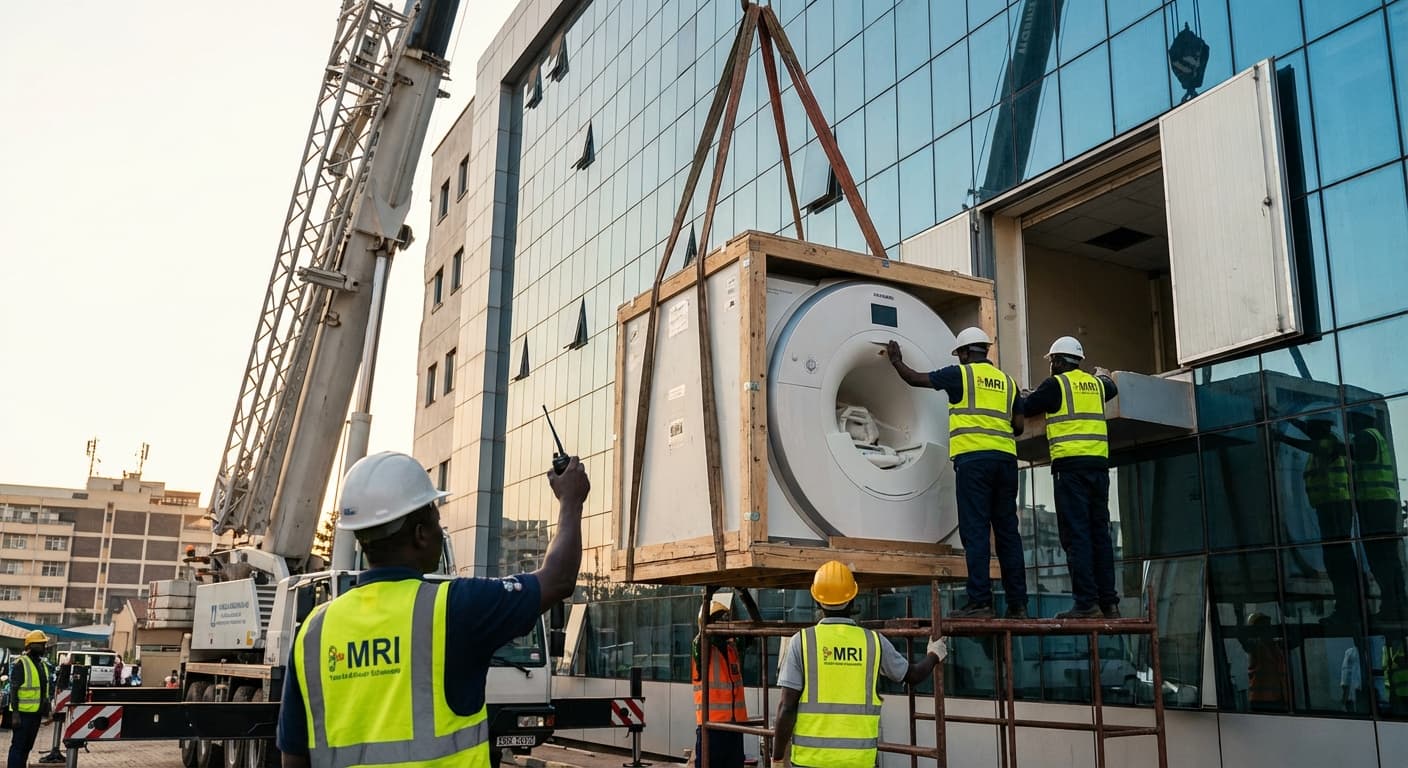
Cranage & Rigging Supervision Service in Eritrea
Engineering Excellence & Technical Support
Cranage & Rigging Supervision Service High-standard technical execution following OEM protocols and local regulatory frameworks.
Precision Load Management & Stability Analysis
Leveraging advanced load charts, rigging plans, and real-time weight verification, our expert supervisors ensure precise load placement and maintain critical stability margins for all lifting operations in Eritrea's challenging environments. We mitigate risks associated with complex terrain and variable ground conditions, guaranteeing safe and efficient cargo handling.
Rigorous Safety Protocol Enforcement & Training
Our supervisors meticulously enforce stringent international and Eritrean safety standards, conducting pre-lift inspections, hazard identification, and ensuring all personnel are adequately trained and equipped. We foster a proactive safety culture, minimizing incident rates and protecting your workforce and assets on every project.
Optimized Lift Planning & Logistics Coordination
We excel in developing comprehensive lift plans tailored to Eritrea's infrastructure and logistical constraints. Our services include route surveys, equipment selection, and seamless coordination with local authorities and stakeholders, ensuring timely and cost-effective execution of complex crane and rigging operations across the nation.
What Is Cranage & Rigging Supervision Service In Eritrea?
Cranage & Rigging Supervision Service in Eritrea refers to the professional oversight and management of lifting operations involving cranes and rigging equipment. This service ensures that all lifting activities are conducted safely, efficiently, and in compliance with relevant industry standards and Eritrean regulations. It involves a qualified supervisor who possesses in-depth knowledge of load calculations, equipment capabilities, rigging techniques, site-specific hazards, and emergency procedures. The primary objective is to mitigate risks associated with heavy lifting, thereby preventing accidents, equipment damage, and project delays. The supervisor's role is critical in ensuring that personnel are competent, equipment is fit for purpose, and the lifting plan is meticulously executed.
| Who Needs This Service? | Typical Use Cases in Eritrea | ||||||
|---|---|---|---|---|---|---|---|
| Construction companies undertaking infrastructure projects (ports, roads, buildings). | Oil and gas exploration and production companies during facility construction, maintenance, and equipment installation. | Mining operations for the movement of heavy machinery, components, and materials. | Industrial facilities during plant upgrades, maintenance, or installation of new equipment. | Port and logistics operators for the handling of heavy cargo. | Manufacturers requiring the movement of large or heavy components within their facilities. | Emergency response teams for specialized heavy lifting scenarios. | Any organization planning or executing lifts exceeding a defined threshold of complexity or risk. |
| Installation of heavy structural components (e.g., bridge sections, large tanks). | Dismantling and erection of industrial plant machinery. | Loading and unloading of oversized and overweight project cargo at ports. | Installation of wind turbines or other heavy renewable energy infrastructure. | Movement of large excavation or mining equipment. | Placement of pre-fabricated modules in construction projects. | Lifting operations in confined or hazardous environments. | Offshore construction and maintenance support. |
Key Inclusions of Cranage & Rigging Supervision Service:
- Development and review of detailed lifting plans (e.g., lifting study, method statement).
- Pre-lift inspections of all lifting equipment (cranes, hoists, slings, shackles, etc.) and accessories.
- Verification of load charts and safe working loads (SWLs).
- Assessment of the lifting environment, including wind conditions, ground stability, and obstructions.
- Supervision of the rigging crew, including slinger/signallers and crane operators.
- Ensuring correct rigging techniques are employed for the specific load and lift.
- Communication and coordination between all parties involved in the lifting operation.
- Monitoring the lift in progress to ensure adherence to the plan and safety protocols.
- Troubleshooting and managing unforeseen circumstances during the lift.
- Post-lift inspection and reporting.
Who Needs Cranage & Rigging Supervision Service In Eritrea?
Cranage & Rigging Supervision Service in Eritrea plays a crucial role in ensuring the safe, efficient, and compliant execution of heavy lifting operations. This specialized service is indispensable for a wide range of industries and projects that involve the movement and installation of substantial equipment and materials. Proper supervision guarantees that all lifting activities adhere to international safety standards, minimize risks of accidents, and prevent damage to valuable assets.
| Target Customer (Industry/Sector) | Key Departments/Roles Requiring Supervision |
|---|---|
| Construction (Commercial & Industrial) | Project Management, Site Engineering, Safety Officers, Operations Managers, Procurement |
| Oil & Gas | Project Engineering, HSE (Health, Safety, Environment), Operations Management, Logistics, Maintenance |
| Mining | Mine Operations, Engineering, Safety & Health, Asset Management, Procurement |
| Ports & Logistics | Terminal Operations, Cargo Handling Management, Safety & Security, Operations Planning |
| Manufacturing | Production Engineering, Plant Management, Maintenance Departments, Safety Officers, Logistics |
| Infrastructure Development (Government & Private) | Project Management Offices, Engineering Divisions, Construction Supervision Teams, Environmental & Safety Departments |
| Renewable Energy (Wind, Solar) | Project Engineering, Construction Management, Site Operations, HSE, Installation Teams |
| Event Management | Technical Production Managers, Stage Managers, Site Operations, Safety Coordinators |
Who Needs Cranage & Rigging Supervision Service in Eritrea?
- Companies involved in large-scale construction projects.
- Industrial facilities undergoing expansion or maintenance.
- Port and logistics operators handling heavy cargo.
- Energy sector companies (oil, gas, renewable energy) involved in infrastructure development and equipment installation.
- Mining operations requiring the movement of heavy machinery and ore.
- Manufacturing plants for the installation or relocation of heavy production lines.
- Infrastructure development agencies (roads, bridges, dams).
- Event organizers for the setup of large stages, sound systems, and lighting rigs.
- Any organization undertaking projects with significant lifting requirements.
Cranage & Rigging Supervision Service Process In Eritrea
This document outlines the comprehensive workflow for Cranage & Rigging Supervision Services in Eritrea, covering the entire process from initial inquiry to successful project execution. The service ensures safe, efficient, and compliant lifting operations through expert oversight and planning.
| Stage | Key Activities | Deliverables | Responsible Party | Notes |
|---|---|---|---|---|
| Inquiry & Initial Consultation | Client contacts service provider with lifting requirements. Discussion of project scope, objectives, and preliminary needs. | Understanding of client's basic requirements, preliminary project overview. | Client, Service Provider | Prompt and professional initial response is crucial. |
| Scope Definition & Site Assessment | Detailed assessment of the lifting operation: weight, dimensions, complexity, site conditions, existing infrastructure, environmental factors, and applicable regulations. Identification of potential hazards. | Detailed lifting plan, risk assessment report, site survey report. | Service Provider (with Client input) | Thorough site assessment is paramount for safety and efficiency. Involves engineers and safety officers. |
| Proposal & Quotation Development | Based on the scope and assessment, a detailed proposal is prepared outlining services, methodologies, required equipment, personnel, timelines, and cost breakdown. | Formal proposal document, detailed quotation, preliminary schedule. | Service Provider | Clarity and transparency in the proposal build trust. |
| Contractual Agreement & Mobilization | Client reviews and approves the proposal. Contract is signed. Service provider mobilizes personnel, equipment, and resources to the project site. | Signed contract, mobilization plan, confirmation of resource availability. | Client, Service Provider | Clear contractual terms protect both parties. Efficient mobilization minimizes project delays. |
| Pre-Operation Planning & Documentation | Development of comprehensive lifting plans, Job Safety Analysis (JSA), lift permits, and emergency response plans. Verification of all equipment certifications and personnel qualifications. Pre-lift meetings with the crew. | Approved lifting plans, JSAs, permits, equipment certification records, personnel qualification records, pre-lift meeting minutes. | Service Provider (with Client approval for critical plans) | This stage is critical for proactive risk management and ensuring compliance. |
| On-Site Supervision & Execution | Deployment of qualified supervisors and riggers. Constant monitoring of lifting operations, adherence to plans and safety procedures. Real-time risk mitigation and communication. Coordination with other site activities. | Safe and efficient execution of lifts, incident prevention, daily progress reports. | Service Provider (Supervisors, Riggers, Crane Operators) | Active supervision and clear communication are key during this phase. |
| Post-Operation Review & Reporting | Debriefing meeting with the client to discuss the operation. Compilation of a comprehensive post-operation report including a summary of the lifts performed, any incidents or near misses, lessons learned, and recommendations. | Post-operation report, lessons learned document. | Service Provider | Continuous improvement through review and feedback. |
| Project Closure & Invoicing | Final sign-off from the client. Submission of final invoice for services rendered. Archiving of all project documentation. | Client sign-off, final invoice, closed project file. | Service Provider | Timely invoicing and efficient closure. |
Cranage & Rigging Supervision Service Workflow
- Inquiry & Initial Consultation
- Scope Definition & Site Assessment
- Proposal & Quotation Development
- Contractual Agreement & Mobilization
- Pre-Operation Planning & Documentation
- On-Site Supervision & Execution
- Post-Operation Review & Reporting
- Project Closure & Invoicing
Cranage & Rigging Supervision Service Cost In Eritrea
The cost of Cranage & Rigging Supervision services in Eritrea can vary significantly due to several factors. These services are crucial for the safe and efficient movement of heavy and oversized equipment, materials, and structures in industries like construction, oil & gas, mining, and manufacturing. The pricing is typically determined on a per-project, hourly, or daily basis, depending on the complexity and duration of the supervision required. Local economic conditions, demand for skilled personnel, and the specific technical requirements of the lift all play a vital role in determining the final cost.
Key Pricing Factors:
- Complexity of the Lift: Intricate or high-risk lifts requiring specialized knowledge, detailed planning, and multiple pieces of equipment will naturally command higher supervision fees.
- Duration of the Project/Supervision: Longer projects necessitate extended supervision, leading to increased overall costs.
- Skill and Experience of Supervisors: Highly experienced and certified riggers and crane operators with a proven track record in complex operations are more valuable and thus command higher rates.
- Number of Supervisors Required: Depending on the scale and simultaneity of operations, multiple supervisors may be needed, impacting the total cost.
- Equipment Used: While not directly a supervision cost, the type and capacity of cranes and rigging gear involved can indirectly influence the supervision's complexity and required expertise, potentially affecting the rate.
- Location and Accessibility: Remote or difficult-to-access project sites in Eritrea might incur additional travel and accommodation costs for supervisors, which are factored into the overall price.
- Regulatory Compliance and Documentation: Ensuring adherence to Eritrean safety regulations and generating required documentation can add to the supervisor's workload and therefore influence pricing.
- Emergency or Urgent Services: Providing supervision on short notice or during emergencies typically incurs premium rates.
- Insurance and Liability: The level of insurance coverage required for the supervision services can also be a contributing factor to the cost.
- Market Demand: Fluctuations in the demand for skilled cranage and rigging supervisors within Eritrea will directly impact pricing.
| Service Component | Estimated Range (Eritrean Nakfa - ERN) | Notes |
|---|---|---|
| Experienced Rigger/Crane Supervisor (Hourly) | 150 - 500 ERN | Based on experience, certifications, and specific expertise. |
| Experienced Rigger/Crane Supervisor (Daily) | 1,500 - 4,000 ERN | Typically for an 8-10 hour workday. May be higher for specialized roles. |
| Project-Based Supervision (Small to Medium Projects) | 15,000 - 75,000+ ERN | This is a broad estimate and depends heavily on project scope, duration, and complexity. |
| Complex/High-Risk Project Supervision (Daily/Weekly) | 3,000 - 8,000+ ERN per day | For projects involving heavy lifts, multiple cranes, or hazardous environments. |
| Travel & Accommodation (Per Supervisor, Per Day) | 500 - 1,500 ERN | Varies based on location within Eritrea and standard of accommodation. |
| Mobilization/Demobilization Fee | 2,000 - 10,000 ERN (one-time per project) | Covers transportation of supervisor and essential personal gear to/from the site. |
Typical Cost Components & Considerations:
- Hourly Rate for Supervisor
- Daily Rate for Supervisor
- Project-Based Fixed Fee
- Travel and Accommodation Expenses
- Mobilization and Demobilization Fees
- Site Survey and Planning Costs
- Certification and Training Verification
- Safety Equipment Provision (if not client-supplied)
- Reporting and Documentation Fees
Affordable Cranage & Rigging Supervision Service Options
This document outlines affordable cranage and rigging supervision service options, focusing on value bundles and cost-saving strategies to help clients optimize their project budgets without compromising safety or efficiency. We understand that managing heavy lifts involves significant investment, and our goal is to provide transparent and cost-effective solutions tailored to your specific needs.
| Value Bundle Option | Description | Key Benefits | Ideal For |
|---|---|---|---|
| Basic Supervision Package | On-site rigging supervisor for direct oversight of rigging operations and basic crane coordination. | Cost-effective for simpler lifts, ensures adherence to safety standards, reduces risk of improper rigging. | Smaller projects, routine lifts, clients with in-house crane operators and basic rigging knowledge. |
| Comprehensive Lift Planning & Supervision | Includes detailed lift plan development, risk assessment, equipment selection consultation, and on-site supervision throughout the lift. | Maximizes safety, optimizes efficiency, reduces potential for errors and rework, provides expert guidance. | Complex lifts, critical components, projects with high safety requirements, clients seeking expert end-to-end support. |
| Equipment & Supervision Bundle | Combines the rental of appropriate cranage with expert rigging supervision. Tailored to project scope and load requirements. | Streamlined procurement, ensures compatibility between crane and rigging, single point of contact, potential for package discounts. | Projects requiring both crane rental and specialized rigging expertise, clients looking for a turnkey solution. |
| Modular Project Support | Designed for projects with phased lifts or modular installations. Provides flexible supervision and planning for multiple, coordinated lifting events. | Adaptable to project timelines, cost-effective for phased work, ensures continuity of expertise across different lift stages. | Construction projects with modular components, industrial plant shutdowns, infrastructure upgrades. |
Key Cost-Saving Strategies
- Strategic Planning & Optimization: Thorough pre-lift planning, including lift studies and route surveys, can identify potential bottlenecks and inefficiencies, leading to reduced on-site time and equipment usage.
- Equipment Selection: Choosing the right type and size of crane for the job, avoiding over-speccing, can significantly lower rental costs. Similarly, selecting appropriate rigging gear minimizes wear and tear and potential damage.
- Efficient Scheduling: Coordinating lifts to minimize downtime and maximize equipment utilization is crucial. Grouping multiple lifts in a single mobilization can also reduce mobilization/demobilization fees.
- Experienced Supervision: Skilled and experienced rigging supervisors can prevent errors, ensure safety protocols are followed, and expedite the lifting process, thereby reducing labor costs and potential incident-related expenses.
- Pre-Fabrication & Modularization: Where possible, pre-fabricating or assembling components off-site reduces the complexity and time required for on-site lifting.
- Weather Contingency Planning: Proactive planning for adverse weather conditions can prevent costly delays and rescheduling.
- Long-Term Partnerships: Establishing long-term relationships with service providers can often lead to preferential pricing and dedicated resource allocation.
- Value Engineering: Regularly reviewing the lift plan and identifying opportunities for creative solutions or alternative approaches to reduce complexity and cost.
Verified Providers In Eritrea
In Eritrea's healthcare landscape, identifying reliable and credentialed medical providers is paramount for ensuring quality care. Franance Health stands out as a leading organization dedicated to vetting and verifying healthcare professionals, offering a crucial service for individuals seeking the best possible medical attention. This commitment to rigorous credentialing ensures that patients have access to experienced, qualified, and ethical practitioners, fostering trust and confidence in the healthcare system.
| Provider Type | Franance Health Credentialing Benefits | Key Considerations for Patients |
|---|---|---|
| Doctors (Specialists & General Practitioners) | Ensures verified medical expertise, valid licenses, and a clean professional record. Patients can trust in their diagnostic and treatment capabilities. | Look for the Franance Health Certified logo on their practice or online profile. Inquire about their specialty and years of experience. |
| Nurses (RNs, LPNs, etc.) | Confirms formal nursing education, current licensure, and adherence to nursing practice standards. Provides assurance of competent and compassionate care. | Verify their certification. Understand the scope of practice for the specific type of nurse you are seeking. |
| Technicians & Allied Health Professionals (e.g., Radiologists, Lab Technicians) | Validates their technical skills, training, and certification in their specific field. Crucial for accurate diagnostics and effective treatment support. | Confirm their accreditation and specific certifications related to their equipment or procedures. |
| Pharmacists | Guarantees a verified understanding of pharmaceuticals, safe dispensing practices, and patient consultation skills. Essential for medication safety. | Check for their license and any specialized certifications in areas like pharmacotherapy. |
Why Franance Health Credentials Matter:
- Rigorous Verification Process: Franance Health employs a comprehensive system to scrutinize the academic background, licensing, and professional history of every provider they credential. This includes verifying medical degrees, ensuring active and valid licenses, and checking for any disciplinary actions or malpractice claims.
- Commitment to Ethical Practice: Beyond qualifications, Franance Health assesses a provider's adherence to ethical standards and patient care principles. This helps ensure that credentialed providers prioritize patient well-being and maintain professional integrity.
- Enhanced Patient Safety: By pre-vetting providers, Franance Health significantly contributes to patient safety, reducing the risk of encountering unqualified or compromised medical professionals.
- Access to Excellence: The "Franance Health Certified" mark signifies a provider who has met the highest standards of competence and ethical conduct, empowering patients to make informed decisions about their healthcare.
- Continuous Monitoring: Franance Health doesn't stop at initial credentialing. They engage in ongoing monitoring to ensure providers maintain their standards and continue to meet the organization's stringent requirements.
Scope Of Work For Cranage & Rigging Supervision Service
This Scope of Work (SOW) defines the requirements for Cranage and Rigging Supervision Services. The service provider will be responsible for overseeing all cranage and rigging operations on-site to ensure safety, efficiency, and compliance with all relevant standards and project specifications. The service includes planning, execution oversight, personnel management, equipment inspection, and risk mitigation.
| Technical Deliverable | Description | Standard Specification / Reference |
|---|---|---|
| Lift Plans | Detailed plans outlining the procedure for specific lifts, including load weight, center of gravity, crane capacity, rigging configuration, environmental conditions, and emergency procedures. | Project Specific Lift Plan Template, OSHA 1926 Subpart CC, ASME B30.5 |
| Rigging Procedures | Standardized procedures for the safe use of rigging equipment, including inspection, selection, attachment, and tensioning of slings, shackles, and other rigging hardware. | Project Specific Rigging Procedure Document, ASME B30.9, ASME B30.26 |
| Equipment Inspection Reports | Documentation of pre-use and periodic inspections of all lifting equipment, including any defects found and corrective actions taken. | Project Specific Equipment Inspection Checklist, Manufacturer's Recommendations, OSHA 1926.1405 |
| Competency Verification Records | Records verifying the qualifications, certifications, and experience of all crane operators, riggers, and signal persons. | Project Specific Competency Matrix, NCCCO Certification, OSHA 1926.1427 |
| Daily / Weekly Progress Reports | Summary reports detailing activities performed, equipment used, personnel involved, any safety observations, and planned activities. | Project Specific Reporting Template |
| Toolbox Talks / Safety Briefings | Documentation of daily safety briefings conducted with the cranage and rigging crew, covering specific tasks and potential hazards. | Project Specific Toolbox Talk Agenda and Sign-in Sheets |
| Risk Assessments | Identification and evaluation of potential risks associated with lifting operations, and the implementation of control measures. | Project Specific Risk Assessment Form, HAZOP Studies |
| Incident Investigation Reports | Detailed reports documenting the cause, impact, and corrective actions for any incidents or near misses. | Project Specific Incident Reporting Form, Root Cause Analysis (RCA) |
Key Responsibilities and Services
- Supervision of all lifting and rigging operations, including critical lifts.
- Development and review of lift plans and rigging procedures.
- Ensuring adherence to all safety regulations and project-specific procedures.
- On-site inspection of all lifting equipment (cranes, hoists, slings, shackles, etc.) prior to and during use.
- Verification of operator certifications and competency.
- Coordination of lifting activities with other site operations to prevent conflicts and hazards.
- Real-time monitoring of lifting operations for potential risks.
- Incident investigation and reporting if any untoward incidents occur.
- Provision of daily and weekly progress reports.
- Recommendation of corrective actions to improve safety and efficiency.
- Management and supervision of the rigging crew.
Service Level Agreement For Cranage & Rigging Supervision Service
This Service Level Agreement (SLA) outlines the expected performance standards and guarantees for the Cranage & Rigging Supervision Service provided by [Provider Name] to [Client Name]. It defines response times for critical incidents, planned maintenance, and general inquiries, as well as uptime guarantees for the service.
| Service Component/Incident Type | Service Level Objective (SLO) | Uptime Guarantee | Notes |
|---|---|---|---|
| Critical Incident (e.g., immediate safety concern, equipment failure impacting operations) | Response Time: Within 15 minutes (24/7) | N/A (Focus on rapid response for safety) | Defined as an event that poses an immediate risk to personnel, equipment, or project timeline. |
| High Priority Incident (e.g., unexpected operational delay, minor equipment issue) | Response Time: Within 1 hour (during Business Hours) | N/A (Focus on timely resolution) | Defined as an event causing significant disruption but not an immediate safety threat. |
| Medium Priority Incident (e.g., performance degradation, non-critical equipment issue) | Response Time: Within 4 business hours (during Business Hours) | N/A (Focus on efficient resolution) | Defined as an issue impacting efficiency but not directly halting operations. |
| Low Priority Incident (e.g., information request, minor documentation query) | Response Time: Within 8 business hours (during Business Hours) | N/A (Focus on clear communication) | Defined as a non-urgent request or query. |
| Planned Maintenance (scheduled and communicated in advance) | Notification: Minimum 48 hours prior notice | N/A (Service may be unavailable during maintenance window) | Maintenance windows will be scheduled to minimize impact on client operations. |
| Overall Cranage & Rigging Supervision Service Availability | N/A (Focus on proactive prevention and rapid response) | 99.5% (during defined Availability Window) | Availability Window: Monday - Friday, 07:00 - 19:00 local time (excluding public holidays). Extended hours may be available via separate agreement. |
Key Performance Indicators (KPIs)
- Response Time: The time taken by the provider to acknowledge and begin working on a reported incident.
- Resolution Time: The time taken by the provider to resolve a reported incident.
- Service Uptime: The percentage of time the Cranage & Rigging Supervision Service is available and fully functional.
- Availability Window: The defined period during which the service is expected to be available.
Frequently Asked Questions

Ready when you are
Let's scope your Cranage & Rigging Supervision Service in Eritrea project in Eritrea.

Scaling healthcare logistics and technical systems across the entire continent.