
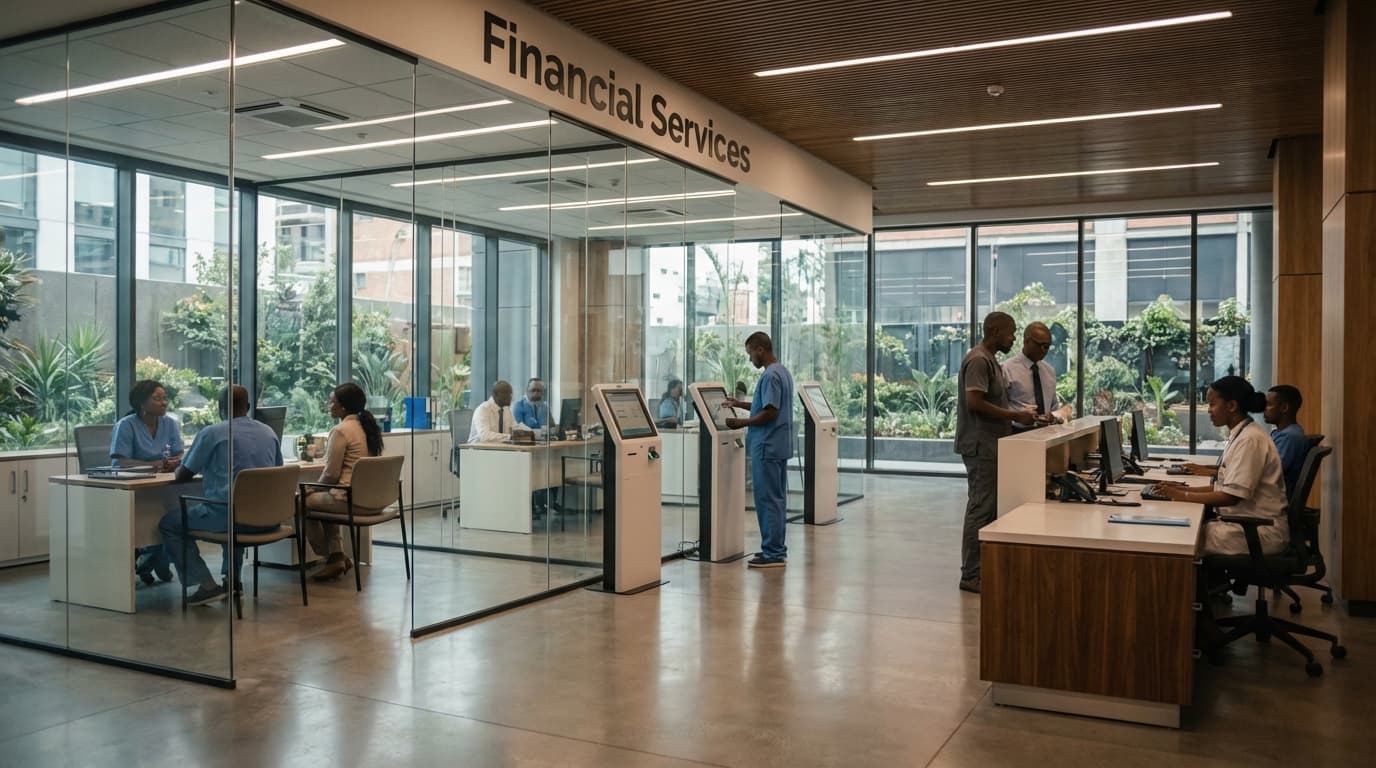
Medical Equipment Financing in Eritrea
Engineering Excellence & Technical Support
Leasing and financing solutions for medical equipment High-standard technical execution following OEM protocols and local regulatory frameworks.
Flexible Financing Options
Tailored loan structures and repayment plans designed to accommodate the diverse financial capacities and operational needs of Eritrean healthcare providers, ensuring accessibility to critical medical equipment.
Partnership for Healthcare Advancement
Collaborative financing solutions that empower Eritrean hospitals, clinics, and diagnostic centers to acquire state-of-the-art medical technology, thereby enhancing diagnostic capabilities and patient care quality.
Streamlined Equipment Acquisition
Efficient and transparent financing processes that expedite the procurement of essential medical devices and equipment, minimizing downtime and ensuring timely deployment to serve the Eritrean population.
What Is Medical Equipment Financing In Eritrea?
Medical equipment financing in Eritrea refers to the provision of capital, typically through loans or leases, to healthcare providers and institutions for the acquisition, upgrade, or maintenance of medical devices and machinery. This service is crucial for enhancing diagnostic capabilities, treatment efficacy, and overall patient care within the Eritrean healthcare system. It addresses the substantial capital expenditure required for acquiring advanced medical technology, which often exceeds the immediate financial capacity of individual clinics, hospitals, or public health initiatives.
| Who Needs Medical Equipment Financing? | Typical Use Cases in Eritrea | |||
|---|---|---|---|---|
| Public Hospitals and Clinics: National and regional health centers requiring upgrades to diagnostic imaging, surgical, or laboratory equipment to serve a larger patient population and offer a wider range of treatments. | Acquisition of MRI or CT scanners for improved diagnostic imaging. | Purchase of modern surgical equipment for specialized procedures. | Installation of advanced laboratory analyzers for disease detection and monitoring. | Procurement of essential life-support equipment for intensive care units (ICUs). |
| Private Healthcare Providers: For-profit hospitals, specialized clinics, and diagnostic centers seeking to enhance their competitive edge and service offerings through state-of-the-art technology. | Investment in advanced dental or ophthalmology equipment. | Expansion of cardiology or gastroenterology diagnostic capabilities. | Acquisition of therapeutic equipment such as radiotherapy machines. | Financing for specialized diagnostic tools like endoscopes or ultrasound machines. |
| Non-Governmental Organizations (NGOs) and Faith-Based Organizations (FBOs): Entities focused on providing healthcare services in underserved areas, often requiring financing for essential and life-saving medical technologies. | Outfitting mobile clinics with portable diagnostic equipment. | Establishing basic diagnostic and treatment facilities in remote regions. | Procurement of equipment for maternal and child health programs. | |
| Government Health Ministries: For national health programs, public health initiatives, and the development of tertiary healthcare facilities. | National vaccination programs requiring cold chain equipment. | Implementation of disease surveillance systems requiring laboratory equipment. | Development of national trauma centers with specialized equipment. |
Key Aspects of Medical Equipment Financing in Eritrea
- Loan Facilities: Structured debt instruments allowing healthcare providers to borrow funds with repayment terms, often secured by the financed equipment or other assets.
- Leasing Options: Agreements where the financing entity retains ownership of the equipment, and the healthcare provider pays periodic usage fees. This can include operating leases (short-term, off-balance sheet) and finance leases (longer-term, similar to ownership).
- Vendor Financing: Direct financing offered by medical equipment manufacturers or their authorized dealers to facilitate sales.
- Public-Private Partnerships (PPPs): Collaborations between government health ministries and private financial institutions or corporations to fund large-scale equipment acquisition for public health facilities.
- Multilateral Agency Funding: Support from international organizations, development banks, and global health initiatives that may offer grants or concessional financing for essential medical equipment.
- Working Capital Loans: Financing specifically allocated for the maintenance, repair, and consumables associated with existing medical equipment, ensuring operational continuity.
- Refurbishment and Upgrade Financing: Capital allocated to modernize or repair existing equipment to extend its lifespan and improve its functionality.
Who Needs Medical Equipment Financing In Eritrea?
Medical equipment financing in Eritrea addresses a critical need for healthcare providers to acquire and upgrade essential medical technology. This financing is crucial for enhancing diagnostic capabilities, improving treatment outcomes, and expanding access to quality healthcare services across the nation.
| Department/Area | Typical Equipment Needs | Financing Justification |
|---|---|---|
| Radiology/Imaging | X-ray machines, Ultrasound machines, CT scanners, MRI machines | Enhancing diagnostic accuracy, reducing radiation exposure, enabling early disease detection. |
| Surgery | Surgical tables, Anesthesia machines, Electrosurgical units, Endoscopes, Laparoscopic instruments | Improving surgical precision, patient safety, enabling minimally invasive procedures, expanding surgical capabilities. |
| Intensive Care Unit (ICU) | Ventilators, Cardiac monitors, Infusion pumps, Dialysis machines | Providing critical life support, monitoring vital signs, managing severe patient conditions. |
| Laboratory Services | Hematology analyzers, Biochemistry analyzers, Microscopes, PCR machines | Facilitating accurate and rapid diagnostic testing, disease surveillance, and research. |
| Emergency Room/Trauma | Defibrillators, ECG machines, Trauma kits, Stretchers | Stabilizing patients in critical condition, providing immediate life-saving interventions. |
| Maternal and Child Health | Incubators, Fetal monitors, Ultrasound for obstetrics, Neonatal resuscitation units | Improving maternal and infant survival rates, providing specialized care for newborns. |
| Dental Services | Dental chairs, X-ray units, Autoclaves, Dental instruments | Offering comprehensive dental care, improving oral health outcomes. |
| Rehabilitation Services | Physiotherapy equipment, Occupational therapy tools, Prosthetics and orthotics | Aiding patient recovery, restoring mobility and function. |
Target Customers for Medical Equipment Financing in Eritrea
- {"title":"Public Hospitals","description":"Government-owned hospitals at national, regional, and local levels require funding for a wide range of medical equipment, from general diagnostic tools to specialized surgical and life-support systems. These institutions often serve a large patient population and are instrumental in delivering public healthcare."}
- {"title":"Private Hospitals and Clinics","description":"The growing private healthcare sector in Eritrea is a significant consumer of advanced medical equipment. Private facilities aim to offer specialized services and attract patients seeking higher standards of care, necessitating investment in modern technology."}
- {"title":"Diagnostic Centers and Laboratories","description":"Standalone facilities specializing in medical imaging (X-ray, ultrasound, CT scanners), pathology, and other diagnostic services require state-of-the-art equipment to provide accurate and timely results. Financing helps these centers stay competitive and technologically advanced."}
- {"title":"Specialized Medical Centers","description":"This includes facilities focused on specific areas like cardiology, oncology, ophthalmology, and dentistry. These centers often need highly specialized and expensive equipment that requires dedicated financing solutions."}
- {"title":"Non-Governmental Organizations (NGOs) and International Aid Organizations","description":"Organizations working to improve healthcare infrastructure and services in Eritrea, particularly in underserved regions, often rely on financing to procure medical equipment for their projects and clinics."}
- {"title":"Tertiary and Referral Hospitals","description":"These are the highest level of healthcare facilities, often associated with teaching institutions. They require the most advanced and sophisticated medical equipment for complex procedures and research."}
Medical Equipment Financing Process In Eritrea
This document outlines the typical workflow for medical equipment financing in Eritrea, from the initial inquiry to the final execution of the financing agreement. The process is designed to ensure that both the financing institution and the healthcare provider are aligned on terms, conditions, and the ultimate use of the equipment.
| Stage | Description | Key Activities | Responsible Parties | Typical Timeline |
|---|---|---|---|---|
| The potential borrower expresses interest in financing medical equipment. | Contacting financing institution, discussing needs, understanding financing options, preliminary eligibility check. | Healthcare Provider (Borrower), Financing Institution (Lender) | 1-3 Business Days |
| The borrower formally applies for financing. | Completing application forms, providing company/institutional profile, financial statements, equipment specifications, projected usage. | Healthcare Provider (Borrower), Financing Institution (Lender) | 3-7 Business Days |
| The lender evaluates the borrower's financial viability and creditworthiness. | Reviewing financial documents, credit history checks, site visits (if necessary), risk assessment, determining loan amount and terms. | Financing Institution (Lender), Credit Bureaus (if applicable) | 1-3 Weeks |
| Identifying and obtaining formal quotes for the required medical equipment. | Borrower identifies preferred suppliers/manufacturers, obtains detailed quotations including specifications, pricing, delivery, and warranty terms. | Healthcare Provider (Borrower), Equipment Suppliers/Manufacturers | 1-2 Weeks (concurrent with Stage 3) |
| The lender presents a financing proposal based on the assessment. | Reviewing the loan proposal (amount, interest rate, repayment period, collateral requirements), negotiating terms and conditions, clarifying any queries. | Financing Institution (Lender), Healthcare Provider (Borrower) | 1-2 Weeks |
| Formal approval of the financing and preparation of legal agreements. | Final loan approval, drafting loan agreement, collateral documentation, and other legal undertakings, signing of agreements. | Financing Institution (Lender), Healthcare Provider (Borrower), Legal Counsel (optional) | 2-4 Weeks |
| Funds are released to facilitate the purchase of equipment. | Lender disburses funds directly to the equipment supplier or to the borrower (as per agreement), borrower places order for equipment. | Financing Institution (Lender), Healthcare Provider (Borrower), Equipment Supplier | 1-5 Business Days (post-documentation signing) |
| The acquired equipment is installed and made operational. | Equipment delivery, installation by supplier, testing and commissioning, borrower's confirmation of satisfactory installation. | Equipment Supplier, Healthcare Provider (Borrower) | Varies greatly depending on equipment complexity (weeks to months) |
| The borrower makes regular payments as per the loan agreement. | Adhering to repayment schedule, lender monitoring loan performance, potential site visits to verify equipment usage and maintenance. | Healthcare Provider (Borrower), Financing Institution (Lender) | Duration of the loan term |
Medical Equipment Financing Process in Eritrea
- Inquiry and Initial Consultation
- Application Submission
- Due Diligence and Credit Assessment
- Equipment Sourcing and Quotation
- Proposal and Negotiation
- Approval and Documentation
- Disbursement and Procurement
- Installation and Commissioning
- Repayment and Monitoring
Medical Equipment Financing Cost In Eritrea
Securing medical equipment financing in Eritrea presents a unique set of challenges and opportunities, primarily influenced by the nation's economic landscape and specific regulatory environment. The cost of financing is not as readily transparent as in more developed markets, often requiring direct engagement with financial institutions and suppliers. Factors influencing these costs are multifaceted, ranging from the type and value of equipment to the prevailing interest rates and the financial standing of the borrowing entity. Due to the limited availability of extensive public data, specific pricing ranges can vary significantly and are best obtained through direct consultation. However, we can outline the key drivers of these costs.
| Financing Component | Potential Range in Eritrean Nakfa (ERN) | Notes |
|---|---|---|
| Annual Interest Rate (Approximate) | 15% - 25%+ | Highly variable based on lender, borrower, and prevailing economic conditions. This is an indicative range and direct negotiation is essential. |
| Loan Origination/Processing Fees | 1% - 5% of loan amount | One-time fees charged by the lending institution. Negotiable. |
| Collateral Valuation Fee | Variable (e.g., 0.5% - 2% of collateral value) | Charged by independent valuers, if required by the bank. |
| Legal and Documentation Fees | Variable | Costs associated with drafting and registering loan agreements. |
| Leasing/Rental Fees (if applicable) | Monthly/Annual payments vary widely based on equipment value and lease term. | Can sometimes include maintenance and service, requiring careful comparison to outright purchase financing. |
Key Pricing Factors for Medical Equipment Financing in Eritrea
- Equipment Value and Type: High-value, specialized, or technologically advanced medical equipment will naturally incur higher financing costs due to the larger principal amount and potentially higher risk associated with depreciation or obsolescence.
- Interest Rates (Prime and Negotiated): While a formal 'prime rate' might be less publicized, commercial banks in Eritrea will have benchmark lending rates. These are often influenced by the Bank of Eritrea's monetary policy and are subject to negotiation based on the borrower's creditworthiness and the relationship with the bank.
- Loan Tenor (Repayment Period): Longer repayment periods generally result in higher overall interest paid, although they can lead to lower monthly installments. The availability of long-term financing for medical equipment is a crucial consideration.
- Collateral Requirements: The type and value of collateral offered can significantly impact the interest rate. Secured loans with substantial collateral often command lower rates than unsecured financing.
- Borrower's Creditworthiness: For businesses or healthcare institutions, a strong financial history, consistent revenue streams, and a good track record with lenders will lead to more favorable financing terms and lower costs.
- Supplier Financing and Lease Agreements: In some instances, medical equipment suppliers may offer their own financing or leasing options. The cost structures of these arrangements can differ from traditional bank loans and may include bundled service or maintenance agreements.
- Import Duties and Taxes: The cost of importing medical equipment into Eritrea can add to the total project cost, which in turn might influence the financing amount and associated interest. Understanding these import-related expenses is vital.
- Foreign Exchange Rates: As much medical equipment is imported, fluctuations in foreign exchange rates can impact the cost of the equipment itself and potentially the financing costs if loans are denominated in foreign currency or if the local currency depreciates.
- Bank Fees and Charges: Beyond interest, various administrative fees, processing charges, and potentially origination fees will contribute to the overall cost of financing. These should be clearly understood upfront.
Affordable Medical Equipment Financing Options
Securing affordable medical equipment is crucial for healthcare providers to deliver quality patient care without straining their budget. This involves understanding various financing options, exploring value bundles, and implementing smart cost-saving strategies. Financing can range from traditional loans and leases to more innovative solutions designed for the healthcare sector. When considering a purchase, it's beneficial to look beyond the sticker price and evaluate the total cost of ownership, including maintenance, service contracts, and potential upgrades.
| Strategy | Description | Benefits |
|---|---|---|
| Value Bundles | Purchasing equipment along with related services (installation, training, maintenance, software updates) at a bundled price. | Reduced overall cost, streamlined procurement, predictable expenses, access to integrated support. |
| Negotiate Bulk Discounts | Purchasing multiple pieces of equipment from a single vendor or negotiating discounts for larger orders. | Lower per-unit cost, simplified vendor management. |
| Consider Refurbished or Used Equipment | Acquiring pre-owned or professionally refurbished medical equipment that meets quality standards. | Significant cost savings compared to new equipment, still offers high functionality. |
| Lease vs. Purchase Analysis | Carefully evaluate whether leasing or purchasing is more financially advantageous based on equipment lifespan, usage, and technological obsolescence. | Optimized cash flow, avoidance of rapid depreciation, flexibility for upgrades. |
| Explore Vendor Financing | Some manufacturers offer in-house financing or preferred financing partners, which may include competitive rates or special terms. | Convenience, potential for tailored payment plans. |
| Prioritize Essential Equipment | Focus capital on equipment that directly impacts patient care and revenue generation, deferring less critical purchases. | Improved ROI, better resource allocation. |
| Long-Term Service Contracts | Negotiating extended service agreements that cover maintenance and repairs for the equipment's lifespan. | Predictable maintenance costs, minimized downtime, access to expert technicians. |
Key Financing Options for Medical Equipment
- Equipment Loans: Traditional loans with fixed repayment terms, offering ownership of the equipment at the end of the term.
- Leasing: Allows usage of equipment for a set period with lower upfront costs. Options include operating leases (renting) and finance leases (akin to purchasing with financed payments).
- Sale-Leaseback: Selling existing equipment to a financier and then leasing it back, freeing up capital.
- Medical Equipment Financing Companies: Specialized lenders who understand the unique needs and depreciation cycles of medical technology.
- Government and Non-Profit Grants: Explore grants specifically for healthcare providers, especially those in underserved areas or focusing on specific medical fields.
Verified Providers In Eritrea
In Eritrea's evolving healthcare landscape, identifying trustworthy and competent medical professionals is paramount for patient well-being. Verified Providers, such as those credentialed by Franance Health, stand out as a beacon of reliability. Franance Health's rigorous vetting process ensures that their listed providers meet stringent standards of medical expertise, ethical conduct, and patient safety. This meticulous verification translates to peace of mind for individuals seeking quality healthcare, as it signifies a commitment to excellence and a dedication to upholding the highest professional norms. Choosing a Franance Health-credentialed provider means opting for a healthcare experience characterized by competence, integrity, and a patient-centered approach.
| Credential Aspect | Franance Health Verification Focus |
|---|---|
| Education & Training | Confirmation of accredited medical institutions and completed specialized training. |
| Licensure & Registration | Verification of valid and current medical licenses with relevant Eritrean authorities. |
| Professional Experience | Assessment of practical experience and tenure in specific medical fields. |
| Continuing Medical Education (CME) | Ensuring providers stay current with the latest medical advancements and practices. |
| Reputation & Patient Feedback | Consideration of professional standing and a commitment to patient satisfaction. |
| Ethical Conduct | Screening for adherence to medical ethics and professional codes of conduct. |
Why Franance Health Credentials Matter:
- Rigorous Verification of Medical Expertise and Qualifications
- Adherence to Strict Ethical Standards and Professional Conduct
- Commitment to Patient Safety and Quality Care
- Ensured Competence and Up-to-Date Medical Knowledge
- Building Trust and Confidence in Healthcare Services
Scope Of Work For Medical Equipment Financing
This Scope of Work (SOW) outlines the requirements for securing medical equipment financing. It details the technical deliverables expected from the financing provider and establishes standard specifications for the financed medical equipment. The objective is to ensure that the acquired medical equipment meets the operational needs of our healthcare facility, is compliant with relevant regulations, and is financed under favorable terms.
| Category | Description | Technical Deliverables (from Financing Provider) | Standard Specifications (for Financed Equipment) |
|---|---|---|---|
| Equipment Acquisition | Procurement of specified medical devices, diagnostic imaging systems, surgical instruments, and other critical healthcare technology. | Provision of financing for the full purchase price of approved equipment. Delivery of a comprehensive financing agreement, including all terms, conditions, interest rates, and repayment schedules. Facilitation of equipment procurement from pre-approved vendors or a vendor selection process managed by the facility. | Equipment must be new or refurbished with a manufacturer's warranty. Compliance with all relevant national and international medical device regulations (e.g., FDA, CE marking). Equipment must meet specified performance standards, throughput, and accuracy requirements. Detailed technical documentation, including user manuals, maintenance guides, and service records, must be provided. |
| Installation & Commissioning | Ensuring the proper setup and initial operation of the financed equipment. | Coordination and oversight of equipment installation and commissioning by certified technicians. Verification of successful integration with existing hospital IT systems (if applicable). | Equipment must be installed and commissioned by manufacturer-certified personnel. Site readiness assessments must be completed prior to installation. Functional testing and performance validation reports are required. |
| Maintenance & Support | Ongoing support to ensure the equipment remains operational and well-maintained throughout its financed lifecycle. | Inclusion of a comprehensive service and maintenance plan, potentially covering preventive maintenance, corrective repairs, and software updates. Availability of rapid response for critical equipment failures. | Service Level Agreements (SLAs) must define response times for on-site service, repair turnaround times, and availability of spare parts. Preventive maintenance schedules must be adhered to. Extended warranty options may be required. |
| Asset Management | Tracking and management of the financed equipment assets. | Provision of an asset register or system for tracking the financed equipment, including serial numbers, purchase dates, warranty information, and maintenance history. Support for end-of-lease or end-of-life disposal processes. | Equipment must be clearly identifiable with asset tags. Regular audits of equipment inventory may be requested by the financing provider. Secure disposal or return of equipment at the end of the financing term. |
| Regulatory Compliance & Documentation | Ensuring all aspects of the financing and equipment meet legal and regulatory requirements. | Submission of all necessary financial and legal documentation for financing approval. Assistance with any required regulatory documentation related to the financed equipment. | Equipment must comply with all healthcare safety standards, electrical certifications, and radiation safety regulations (if applicable). All required licenses and permits for operating the equipment must be in place. |
Key Objectives of Medical Equipment Financing
- To acquire essential medical equipment that enhances patient care quality and capacity.
- To secure financing with competitive interest rates and favorable repayment terms.
- To ensure the financed equipment meets all technical specifications and regulatory compliance.
- To establish a clear service level agreement (SLA) with the financing provider for equipment lifecycle management and support.
Service Level Agreement For Medical Equipment Financing
This Service Level Agreement (SLA) outlines the commitment of [Financing Company Name] (hereinafter referred to as 'Provider') to [Client Name] (hereinafter referred to as 'Client') regarding the financing and ongoing support of medical equipment. This SLA specifically addresses response times for critical issues and uptime guarantees for financed equipment, ensuring minimal disruption to the Client's medical operations. The scope of this agreement covers all medical equipment financed under the agreement dated [Date of Financing Agreement].
| Service Component | Severity Level | Definition | Target Response Time | Uptime Guarantee (Monthly) | Remedy/Compensation |
|---|---|---|---|---|---|
| Equipment Malfunction - Critical | P1 (Critical) | Equipment is completely non-operational, significantly impacting patient care delivery or safety. Requires immediate attention. | 1 hour (acknowledgement), 4 business hours (initial diagnosis/action plan) | 98% | 10% discount on monthly financing payment for each full 1% of downtime below guarantee. |
| Equipment Malfunction - Major | P2 (Major) | Equipment is partially operational or experiencing significant performance degradation, affecting a substantial number of patients or procedures. | 2 business hours (acknowledgement), 8 business hours (initial diagnosis/action plan) | 95% | 5% discount on monthly financing payment for each full 1% of downtime below guarantee. |
| Equipment Malfunction - Minor | P3 (Minor) | Equipment is operational but experiencing minor issues that do not significantly impact patient care or workflow. | 8 business hours (acknowledgement), 2 business days (resolution) | N/A (focus on resolution) | N/A |
| Financing Inquiry - Urgent | P1 (Urgent) | Inquiry related to critical billing errors, payment processing issues impacting operations, or immediate contract clarification. | 2 business hours | N/A | Expedited resolution and clear communication. |
| Financing Inquiry - Standard | P2 (Standard) | General inquiries regarding financing terms, account statements, or operational questions. | 1 business day | N/A | Prompt and accurate response. |
Key Service Level Objectives
- Response Times: Prompt attention to reported equipment malfunctions or financing-related inquiries.
- Uptime Guarantees: Assurance of operational availability for critical medical equipment.
- Reporting and Communication: Transparent reporting on service performance and proactive communication regarding potential issues.
- Exclusions: Clearly defined situations where these service levels may not apply.
Frequently Asked Questions

Ready when you are
Let's scope your Medical Equipment Financing in Eritrea project in Eritrea.

Scaling healthcare logistics and technical systems across the entire continent.