
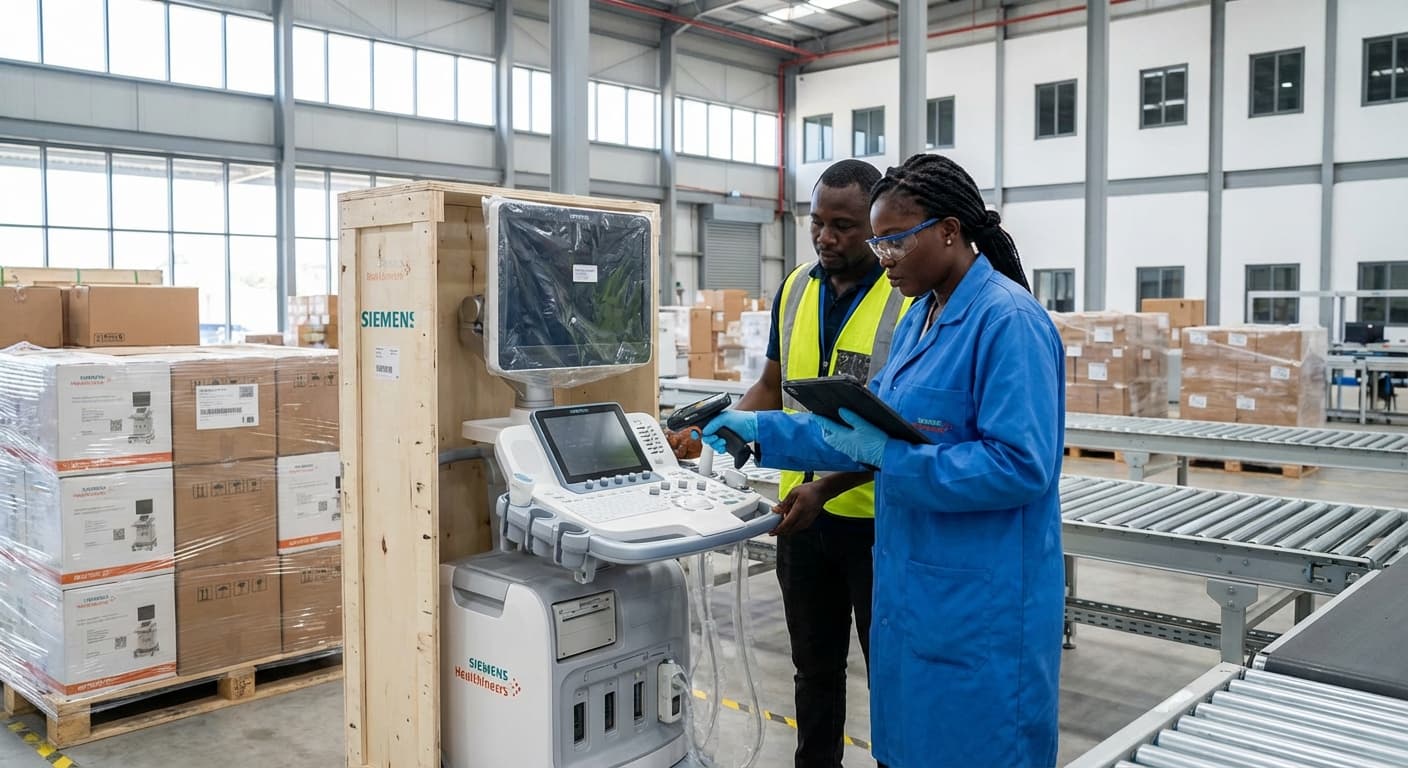
Warehouse Receiving Inspection Service (Medical Equipment) in Equatorial Guinea
Engineering Excellence & Technical Support
Warehouse Receiving Inspection Service (Medical Equipment) High-standard technical execution following OEM protocols and local regulatory frameworks.
On-Site Visual & Document Verification
Our highly trained inspectors in Equatorial Guinea perform thorough visual inspections of incoming medical equipment against purchase orders, packing lists, and quality certifications. We meticulously check for any signs of damage, defects, or discrepancies before equipment enters your inventory.
Critical Component Functionality Testing
We conduct preliminary functional tests on key components of high-value medical equipment to ensure core operational integrity upon arrival. This immediate assessment helps identify potential issues early, minimizing costly downtime and patient risk.
Secure Chain of Custody & Tamper Detection
Our service emphasizes maintaining the integrity of your medical equipment from the moment of receipt. We implement rigorous procedures for documenting the chain of custody and actively inspect for any evidence of tampering during the receiving process in Equatorial Guinea.
What Is Warehouse Receiving Inspection Service (Medical Equipment) In Equatorial Guinea?
Warehouse Receiving Inspection Service (Medical Equipment) in Equatorial Guinea refers to the systematic examination and verification of medical equipment upon its arrival at a designated warehouse or storage facility within the country. This service ensures that the received medical equipment conforms to specified standards, regulations, contractual obligations, and the intended purpose before it is accepted into inventory or distributed for use. It encompasses a multi-faceted approach to quality assurance, traceability, and compliance, critical for maintaining the integrity and efficacy of medical devices and apparatus within the healthcare supply chain in Equatorial Guinea.
| Who Needs the Service? | Typical Use Cases | |||||
|---|---|---|---|---|---|---|
| Medical Equipment Importers & Distributors: Companies responsible for importing, clearing, and distributing medical devices and equipment within Equatorial Guinea. | Hospitals and Healthcare Facilities: Public and private hospitals, clinics, and diagnostic centers that procure medical equipment and need to verify its condition and compliance upon receipt, either directly or through their logistics partners. | Government Health Agencies and Ministries: National health authorities overseeing the procurement and deployment of medical equipment for public health programs and infrastructure. | Non-Governmental Organizations (NGOs) and Aid Organizations: Entities involved in the donation or deployment of medical equipment for humanitarian purposes within Equatorial Guinea. | Procurement and Logistics Departments: In-house teams responsible for managing the supply chain of medical equipment for larger healthcare institutions or government bodies. | Customs and Regulatory Bodies (Indirectly): While not directly contracting the service, these bodies rely on the outcomes of such inspections for import clearance and regulatory oversight. | |
| Initial receipt of large shipments of diverse medical equipment from international manufacturers. | Verification of critical or high-value medical devices (e.g., MRI machines, surgical robots, advanced diagnostic systems) to ensure they meet stringent specifications. | Inspection of equipment intended for use in specific healthcare programs or projects with defined quality standards. | Post-transit inspection to identify and address any damage or issues that may have occurred during international shipping or local transportation. | Ensuring compliance with Equatorial Guinean Ministry of Health regulations and import directives for medical devices. | Managing inventory for essential medical supplies and equipment, confirming availability and readiness for deployment. | Auditing incoming stock to prevent the introduction of counterfeit, substandard, or obsolete medical equipment into the healthcare system. |
Key Components of Warehouse Receiving Inspection Service (Medical Equipment)
- Documentation Review: Verification of shipping manifests, purchase orders, invoices, certificates of origin, conformity certificates (e.g., CE marking, FDA approval if applicable), manufacturer's specifications, and any required import permits or licenses.
- Physical Inspection: Assessment of packaging integrity (damage, tampering, environmental conditions), labeling accuracy (product name, model, serial number, expiry date, manufacturer details), and quantity verification against documentation.
- Product Verification: Confirmation of the received equipment against the ordered specifications, including model number, manufacturer, configuration, accessories, and any included consumables. This may involve visual checks and comparison with technical drawings or datasheets.
- Condition Assessment: Detailed examination of the equipment for visible defects, damage incurred during transit, or signs of wear. For sensitive equipment, this might include initial functional checks or verification of sealing and tamper-evident features.
- Traceability Checks: Ensuring that unique identifiers (e.g., serial numbers, batch numbers) are correctly recorded and traceable to the original order and manufacturer. This is crucial for recall management and regulatory compliance.
- Compliance Verification: Auditing against relevant national (e.g., Ministry of Health regulations) and international standards (e.g., ISO, IEC for medical devices) applicable in Equatorial Guinea. This ensures the equipment meets safety and performance requirements.
- Environmental Monitoring: For temperature-sensitive or humidity-sensitive equipment, inspection may involve verifying that storage and transit conditions were maintained within acceptable parameters, often by reviewing data loggers.
- Reporting and Non-Conformance Management: Documenting all inspection findings, including any discrepancies or defects. Issuing detailed inspection reports and facilitating the process for managing non-conforming products (e.g., quarantine, return to supplier, repair).
Who Needs Warehouse Receiving Inspection Service (Medical Equipment) In Equatorial Guinea?
Warehouse Receiving Inspection Service for medical equipment in Equatorial Guinea is crucial for ensuring the quality, safety, and regulatory compliance of imported medical devices. This service is particularly vital given the potential for counterfeit, damaged, or substandard medical equipment to enter the supply chain, posing significant risks to patient care and public health.
| Customer Type | Relevant Departments/Roles | Specific Needs Addressed by Inspection Service |
|---|---|---|
| Government Healthcare Institutions | Procurement Department, Quality Assurance Department, Biomedical Engineering Department, Warehouse Management | Verification of purchase order compliance, identification of damage or defects upon arrival, ensuring equipment meets specifications and regulatory standards for public health. |
| Private Hospitals and Clinics | Procurement Manager, Chief Medical Officer, Head of Nursing, Biomedical Technician | Ensuring continuity of patient care by receiving functional and safe equipment, preventing costly returns or replacements, maintaining patient trust. |
| Non-Governmental Organizations (NGOs) | Logistics Manager, Program Manager, Procurement Officer | Ensuring the effective and efficient use of donated or purchased medical equipment for humanitarian aid programs, confirming suitability for intended use in remote or challenging environments. |
| Medical Equipment Distributors and Importers | Warehouse Manager, Quality Control Manager, Compliance Officer, Sales Department | Maintaining a reputation for quality, meeting contractual obligations with manufacturers and end-users, facilitating efficient inventory management, avoiding customs delays due to non-compliance. |
| Pharmaceutical Companies | Supply Chain Manager, Quality Assurance, Regulatory Affairs | Ensuring that associated medical devices (e.g., drug delivery systems, diagnostic kits) are received in optimal condition and meet all relevant quality and safety standards. |
| International Aid Organizations | Logistics Coordinator, Project Manager, Procurement Specialist | Verifying the integrity and functionality of medical equipment intended for relief efforts and development projects, ensuring accountability of aid resources. |
| Research and Diagnostic Laboratories | Laboratory Manager, Procurement Officer, Quality Control Technician | Guaranteeing the accuracy and reliability of diagnostic and research equipment by ensuring it is received free from damage and calibrated correctly, preventing compromised test results. |
Target Customers and Departments in Equatorial Guinea for Medical Equipment Warehouse Receiving Inspection Services
- Government Healthcare Institutions (Ministry of Health, Regional Hospitals, Public Health Centers)
- Private Hospitals and Clinics
- Non-Governmental Organizations (NGOs) involved in healthcare delivery
- Medical Equipment Distributors and Importers
- Pharmaceutical Companies with medical device portfolios
- International Aid Organizations
- Research and Diagnostic Laboratories
Warehouse Receiving Inspection Service (Medical Equipment) Process In Equatorial Guinea
This document outlines the standard workflow for Warehouse Receiving Inspection Services of Medical Equipment in Equatorial Guinea, from initial inquiry to the final execution of the service. The process is designed to ensure the quality, integrity, and compliance of received medical equipment before it enters the warehouse. This service is crucial for healthcare facilities and distributors to mitigate risks associated with damaged, incorrect, or non-compliant equipment.
| Stage | Key Activities | Responsible Party | Deliverables/Outcomes | Notes/Considerations for Equatorial Guinea |
|---|---|---|---|---|
| 1. Inquiry & Information Gathering | Client submits an inquiry for warehouse receiving inspection services for medical equipment. | Client (Healthcare Facility/Distributor) | Detailed inquiry with information on equipment type, quantity, origin, expected arrival date, warehouse location, and specific inspection requirements. | Clear communication channels are vital. Local business practices and language nuances should be considered. Obtain any necessary import documentation details upfront. |
| 2. Quotation & Proposal | Service provider reviews the inquiry and prepares a comprehensive quotation and proposal. | Inspection Service Provider | Detailed quotation outlining scope of work, methodologies, timelines, personnel, and pricing. Proposal may include service agreement terms. | Pricing should account for potential travel, accommodation, and local logistical challenges. Ensure clarity on payment terms. |
| 3. Agreement & Contract Finalization | Client reviews and accepts the quotation/proposal. Contract is signed. | Client & Inspection Service Provider | Signed contract/service agreement, clearly defining responsibilities, liabilities, and service level agreements (SLAs). | Ensure legal review of contracts, considering local legal frameworks. Establish a clear point of contact for each party. |
| 4. Pre-Inspection Planning & Logistics | Scheduling of the inspection based on equipment arrival. Arranging for qualified inspectors, necessary equipment, and travel to the Equatorial Guinean facility. | Inspection Service Provider | Confirmed inspection schedule. Logistics plan including travel arrangements, visa requirements (if applicable), and local transportation. | Lead time for visa processing can be significant. Understand local transportation infrastructure and potential delays. Ensure inspectors are aware of and adhere to any local customs or cultural norms. |
| 5. On-Site Inspection Execution | Inspectors arrive at the designated warehouse and conduct the receiving inspection. | Inspection Service Provider (Inspectors) | Visual inspection of packaging and equipment, verification against shipping documents, checking for damage, ensuring correct models/quantities, functional testing (if specified), documentation of findings. | Inspectors must have appropriate PPE and be aware of any specific safety protocols at the warehouse. Photography and videography are crucial for evidence. If functional testing is required, ensure necessary power sources and utilities are available and safe. |
| 6. Reporting & Documentation | Compilation and submission of a detailed inspection report to the client. | Inspection Service Provider | Comprehensive inspection report including a summary of findings, detailed observations, photographic evidence, recommendations for action (e.g., rejection, repair, replacement), and certificate of inspection. | Reports should be clear, concise, and in a mutually agreed-upon language (likely English or Portuguese, possibly French). Timely submission of reports is essential for prompt decision-making by the client. |
| 7. Follow-up & Closure | Addressing any queries regarding the report, coordinating with the client on agreed-upon actions, and closing the service engagement. | Client & Inspection Service Provider | Resolution of any outstanding issues. Final invoice settlement. Archiving of all service-related documentation. | Maintain good client relationships. Provide clear guidance on next steps if non-conformities are identified. Ensure all contractual obligations are met. |
Warehouse Receiving Inspection Service (Medical Equipment) Workflow
- Inquiry & Information Gathering:
- Quotation & Proposal:
- Agreement & Contract Finalization:
- Pre-Inspection Planning & Logistics:
- On-Site Inspection Execution:
- Reporting & Documentation:
- Follow-up & Closure:
Warehouse Receiving Inspection Service (Medical Equipment) Cost In Equatorial Guinea
The cost of warehouse receiving inspection services for medical equipment in Equatorial Guinea is influenced by a combination of logistical, operational, and regulatory factors. These services are crucial to ensure the integrity, functionality, and compliance of medical devices before they are stored and distributed. Pricing is typically quoted in local currency, the Central African CFA franc (XAF).
| Inspection Type/Scope | Estimated Cost Range (XAF) | Notes |
|---|---|---|
| Basic Visual Inspection & Documentation Check (per unit/shipment) | 15,000 - 40,000 XAF | Covers initial visual assessment of packaging, damage, and verification of accompanying documents (e.g., invoices, packing lists, certificates). |
| Standard Inspection (per unit/shipment) | 30,000 - 75,000 XAF | Includes visual inspection, basic functional checks (if applicable and easily testable), and documentation verification. Suitable for less complex equipment. |
| Comprehensive Inspection (per unit/shipment) | 60,000 - 150,000+ XAF | Encompasses detailed visual inspection, thorough functional testing, calibration verification (if required), lot/serial number reconciliation, and detailed reporting. For complex or critical medical equipment. |
| Specialized Equipment Inspection (e.g., imaging machines, surgical robots) (per unit) | 150,000 - 500,000+ XAF | Requires highly specialized technicians, extensive testing protocols, and potentially manufacturer-specific tools. Costs vary greatly based on equipment complexity. |
| Daily Rate for On-site Inspection Team | 100,000 - 300,000+ XAF | For projects requiring an inspection team over an extended period, especially for large volumes or complex operations. Excludes travel and accommodation if applicable. |
Key Pricing Factors for Warehouse Receiving Inspection Services (Medical Equipment) in Equatorial Guinea:
- Type and Volume of Medical Equipment: The complexity and quantity of equipment to be inspected significantly impact cost. Specialized, high-value, or a large number of items will generally incur higher fees.
- Scope of Inspection: The depth of the inspection is a primary driver. This can range from basic visual checks and documentation verification to more comprehensive functional testing, calibration, and lot/serial number traceability.
- Required Expertise and Specialization: Inspecting advanced medical equipment often necessitates specialized technicians with specific training and certifications, leading to higher labor costs.
- Turnaround Time (Urgency): Expedited inspection services, requiring immediate attention and potentially overtime, will come at a premium.
- Location of Warehouse: Accessibility and remoteness of the warehouse facility can affect transportation costs for inspectors and the availability of skilled personnel.
- Regulatory Compliance Requirements: Adherence to specific national or international standards (e.g., WHO guidelines, local Ministry of Health regulations) may require additional documentation, checks, and reporting, influencing the overall cost.
- Reporting and Documentation: The level of detail and format of the inspection report (e.g., basic summary vs. comprehensive report with photographic evidence and detailed findings) will affect the service fee.
- Third-Party Verification: If a third-party accredited inspection body is mandated, their fees and overheads will be incorporated.
- Associated Services: Ancillary services such as minor repackaging, labeling, or sample collection for further testing can add to the cost.
- Insurance and Liability: The inspector's insurance coverage and the level of liability they assume can be factored into the pricing.
Affordable Warehouse Receiving Inspection Service (Medical Equipment) Options
Navigating the complexities of medical equipment warehouse receiving inspections is crucial for ensuring compliance, patient safety, and operational efficiency. This service is designed to verify that received medical equipment meets specified standards before it enters your inventory. Finding affordable options doesn't mean compromising on quality. We'll explore value bundles and cost-saving strategies to help you secure reliable and cost-effective inspection services.
| Value Bundle Option | Description | Potential Cost Savings | Best Suited For |
|---|---|---|---|
| Standard Inspection Package | Covers essential checks: identity, quantity, basic damage assessment, and documentation review for a set number of items or shipments. | Lower per-item cost due to standardized process. Predictable budgeting. | Small to medium-sized facilities with consistent, routine incoming shipments. |
| Comprehensive Inspection Package | Includes all standard checks plus detailed functional testing, environmental monitoring, and in-depth compliance verification. | Reduces the risk of costly recalls or compliance failures down the line. Potentially fewer re-inspections needed. | Facilities handling high-value, complex, or highly regulated medical equipment. |
| Volume-Based Pricing | Discounted rates applied when a certain volume of inspections is contracted annually or quarterly. | Significant per-unit savings for high-volume operations. Encourages consistent use of the service. | Large distribution centers, hospitals with high equipment turnover, and manufacturers. |
| Subscription Model | A recurring fee provides a set number of inspections or unlimited basic inspections per month/quarter, often with priority scheduling. | Streamlined budgeting, potential for discounted rates on additional services. Predictable operational costs. | Facilities requiring consistent, on-demand inspection services without fluctuating per-incident costs. |
| Integrated Quality Control Bundle | Combines receiving inspections with other quality assurance services like pre-shipment inspections or in-house quality audits. | Synergistic cost reductions across multiple QA functions. Centralized vendor management. | Companies seeking a holistic approach to quality management and looking to consolidate vendor relationships. |
Key Components of Warehouse Receiving Inspections for Medical Equipment:
- Verification of Product Identity and Quantity
- Inspection for Damage (Physical, Cosmetic, and Functional)
- Verification of Documentation (Certificates of Analysis, Sterilization Records, etc.)
- Lot Number and Serial Number Verification
- Compliance Checks (Regulatory, Manufacturer Specifications)
- Temperature and Humidity Monitoring (if applicable)
- Proper Labeling and Packaging Assessment
Verified Providers In Equatorial Guinea
In Equatorial Guinea, ensuring access to high-quality healthcare is paramount. When it comes to medical services, understanding the credentials of healthcare providers is crucial for making informed decisions. Franance Health stands out as a beacon of excellence, offering a robust network of verified healthcare professionals and facilities that meet stringent international standards. This commitment to quality assurance means patients can trust the expertise and dedication of the providers they encounter, leading to better health outcomes and peace of mind.
| Provider Type | Franance Health Verification Standard | Key Benefits for Patients |
|---|---|---|
| Hospitals | Accreditation by recognized international bodies (e.g., JCI standards where applicable), stringent internal quality audits, robust infection control protocols. | Access to advanced diagnostic and treatment technologies, highly trained medical and nursing staff, comprehensive emergency services, adherence to patient safety guidelines. |
| Clinics & Medical Centers | Certification of operational compliance, evidence of qualified medical personnel (licensed and certified), regular facility inspections. | Prompt access to primary and specialized care, personalized patient attention, efficient appointment systems, focus on preventive healthcare. |
| Specialist Physicians | Verification of medical degrees and licenses, board certifications, proven track record and positive patient feedback, participation in continuing medical education. | Expert diagnosis and treatment for specific medical conditions, access to cutting-edge medical knowledge and techniques, collaborative care with other specialists. |
| Diagnostic Laboratories | Compliance with ISO standards for medical laboratories, accreditation by relevant health authorities, quality control measures for all tests, qualified laboratory technicians. | Accurate and reliable laboratory results, timely reporting of findings, use of advanced diagnostic equipment, support for precise medical decision-making. |
Why Franance Health Credentials Matter:
- Rigorous vetting process for all partner providers.
- Emphasis on continuous professional development and upskilling.
- Adherence to international best practices and quality control.
- Focus on patient safety and ethical medical conduct.
- Comprehensive network of specialists and general practitioners.
- State-of-the-art medical facilities and equipment.
Scope Of Work For Warehouse Receiving Inspection Service (Medical Equipment)
This Scope of Work (SOW) outlines the requirements for a Warehouse Receiving Inspection Service for medical equipment. The service aims to ensure that all incoming medical equipment is inspected, documented, and stored appropriately, adhering to manufacturer specifications, regulatory requirements, and internal quality standards. This SOW details the technical deliverables and standard specifications expected from the service provider.
| Technical Deliverable | Description | Standard Specifications / Requirements | Format / Documentation |
|---|---|---|---|
| Incoming Shipment Verification | Confirmation of received items against Purchase Orders (POs) and Packing Lists (PLs). | Accuracy to within +/- 1% for quantity and part numbers. Verification of Lot Numbers, Serial Numbers, and Expiration Dates (if applicable). | Digital or paper-based receiving log. Reconciliation report for discrepancies. |
| Visual Inspection | Assessment of the physical condition of medical equipment. | Check for external damage (cracks, dents, scratches, corrosion), completeness of components, and presence of accessories. Verification of product labeling (model, serial number, manufacturer). | Digital photographs of any identified damage or anomalies. Standardized visual inspection checklist. |
| Functional Inspection (Basic) | Verification of essential operational functions of the equipment. | Includes powering on the device, checking basic controls, and verifying power indicators. This is not a comprehensive performance validation unless specified otherwise for specific equipment types. | Functional test log. Certification of basic functionality. |
| Documentation Review | Verification of accompanying documentation. | Review of Certificate of Analysis (CoA), Certificate of Conformance (CoC), user manuals, sterilization records (if applicable), and any other required regulatory documents. | Digital copies of reviewed documents attached to the inspection report. Checklist for required documentation. |
| Damage/Discrepancy Reporting | Detailed reporting of any identified issues. | Clear description of the damage or discrepancy, including affected item(s), quantity, and nature of the issue. Immediate notification to designated client personnel. | Formal Non-Conformance Report (NCR) or discrepancy log. Timestamped communication records. |
| Labeling and Staging | Ensuring equipment is correctly identified and prepared for warehousing. | Application of internal receiving labels (e.g., received date, inspector ID, lot/serial number). Segregation of inspected and uninspected items. Staging in designated quarantine or approved areas. | Standardized internal labeling scheme. Designated staging zones within the warehouse. |
| Record Keeping and Reporting | Maintenance of all inspection-related data. | Secure storage of all inspection reports, logs, and supporting documentation for a minimum of [Specify Duration, e.g., 5] years. Generation of periodic summary reports. | Digital database or secure physical filing system. Monthly or quarterly inspection summary reports. |
| Compliance Verification | Ensuring adherence to relevant standards. | Compliance with Good Receiving Practices (GRP), applicable ISO standards (e.g., ISO 13485 if applicable), and manufacturer's recommended receiving procedures. | Auditable records of compliance. Training records for inspection personnel. |
Key Objectives and Responsibilities
- To verify the accuracy of incoming shipments against purchase orders and packing lists.
- To conduct thorough visual and functional inspections of medical equipment upon receipt.
- To document all inspection findings meticulously.
- To identify and report any discrepancies, damages, or non-conformities.
- To ensure proper handling, labeling, and staging of inspected equipment for subsequent warehousing or distribution.
- To maintain a secure and organized receiving area.
Service Level Agreement For Warehouse Receiving Inspection Service (Medical Equipment)
This Service Level Agreement (SLA) outlines the performance standards for Warehouse Receiving Inspection Services specifically for Medical Equipment. It defines response times for critical issues and uptime guarantees to ensure the integrity and availability of the inspection process.
| Service Component | Uptime Guarantee | Response Time (Critical Issue) | Resolution Time (Critical Issue) |
|---|---|---|---|
| Availability of Inspection Personnel | 99.5% during operational hours | 2 business hours for initial contact | 4 business hours for diagnosis and plan of action |
| Availability of Inspection Equipment (if provided by Service Provider) | 99.0% during operational hours | 4 business hours for initial contact | 8 business hours for repair or replacement of essential equipment |
| Processing of Standard Receiving Inspections | N/A (process-driven, but efficiency targets apply) | N/A | Average processing time of [Specify Number] business hours per shipment (upon completion of inspection) |
| Reporting and Documentation Submission | 99.8% during operational hours | 1 business hour for critical reporting errors | 2 business hours for correction of critical reporting errors |
Key Service Elements
- The scope of this SLA covers the inspection of all inbound medical equipment deliveries within the designated warehouse facility.
- Inspection criteria will be as defined in the agreed-upon 'Medical Equipment Receiving Inspection Protocol' document, version [Insert Version Number].
- This SLA applies during the agreed-upon operational hours of the warehouse, [Specify Days of Week] from [Start Time] to [End Time] [Specify Timezone].
Frequently Asked Questions

Ready when you are
Let's scope your Warehouse Receiving Inspection Service (Medical Equipment) in Equatorial Guinea project in Equatorial Guinea.

Scaling healthcare logistics and technical systems across the entire continent.