
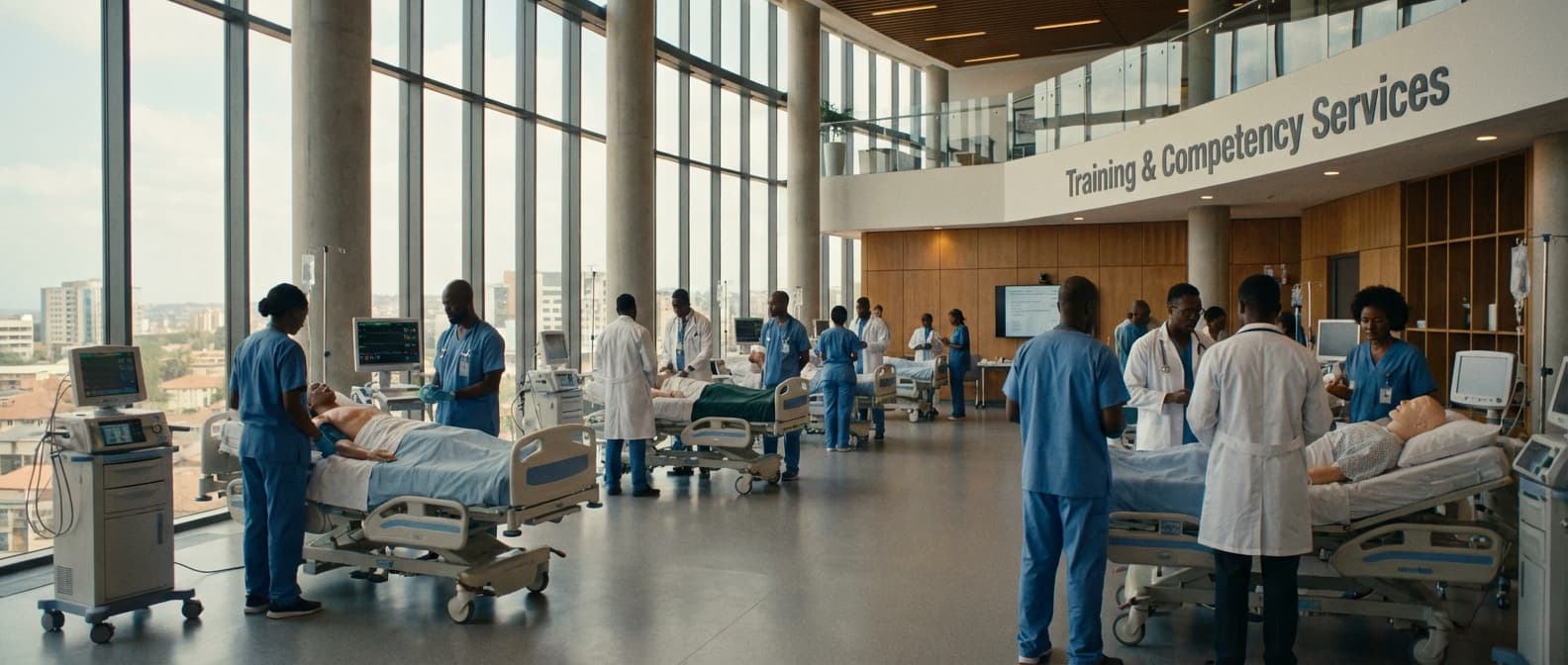
Biomedical Engineering First-Line Support Training Service in Egypt
Engineering Excellence & Technical Support
Biomedical Engineering First-Line Support Training Service High-standard technical execution following OEM protocols and local regulatory frameworks.
Advanced Biomedical Equipment Diagnostics
Master the latest diagnostic techniques for a wide range of medical devices, from imaging systems to patient monitoring equipment, ensuring rapid and accurate troubleshooting in Egyptian healthcare settings.
Integrated Healthcare IT Support
Gain expertise in supporting and troubleshooting interconnected hospital IT infrastructure, including PACS, HIS, and EMR systems, to maintain seamless patient data flow and operational efficiency.
Egyptian Medical Device Regulations & Compliance
Understand and apply the specific regulatory frameworks and compliance requirements for medical devices in Egypt, ensuring all support activities adhere to national standards and patient safety protocols.
What Is Biomedical Engineering First-line Support Training Service In Egypt?
Biomedical Engineering First-Line Support Training Service in Egypt refers to specialized training programs designed to equip individuals with the foundational knowledge and practical skills required to perform initial troubleshooting, maintenance, and operational checks on a wide range of biomedical equipment within healthcare facilities. This service is critical for ensuring the continuous and safe functioning of medical devices, minimizing downtime, and optimizing resource utilization. The training emphasizes problem identification, basic repair procedures, preventative maintenance protocols, and safe handling practices, often delivered by certified trainers with expertise in biomedical device technology and clinical applications.
| Target Audience | Needs Addressed | Typical Use Cases |
|---|---|---|
| Biomedical Technicians (Entry-Level) | Develop foundational skills for independent equipment management, reduce reliance on senior engineers for routine tasks. | Performing daily equipment checks, identifying and documenting minor faults, executing basic PM tasks, responding to immediate equipment alerts. |
| Clinical Staff (Nurses, Technologists) | Empower clinicians to perform initial troubleshooting and reporting, reduce patient care interruptions, improve basic equipment awareness. | Identifying obvious equipment failures (e.g., power issues, visible damage), restarting malfunctioning devices, documenting observed anomalies for biomedical engineers. |
| Biomedical Engineering Department Supervisors/Managers | Enhance team efficiency, delegate tasks effectively, ensure consistent service quality across the facility, reduce operational costs. | Overseeing first-line support activities, ensuring compliance with training protocols, assessing skill progression, resource allocation for routine maintenance. |
| Healthcare Facility Administrators | Improve patient safety and satisfaction, ensure regulatory compliance, optimize capital expenditure on medical equipment through proactive maintenance. | Investing in workforce development, evaluating the effectiveness of first-line support in reducing equipment downtime and repair costs. |
Key Components of Biomedical Engineering First-Line Support Training:
- Introduction to Biomedical Equipment Technology: Overview of common medical device categories (e.g., patient monitoring, diagnostic imaging, therapeutic devices) and their fundamental operating principles.
- Basic Troubleshooting Methodologies: Systematic approaches to identifying and diagnosing common equipment malfunctions, including visual inspections, functional tests, and error code interpretation.
- Preventative Maintenance (PM) Procedures: Training on scheduled inspections, cleaning, lubrication, and calibration of equipment to ensure optimal performance and longevity.
- Safety Standards and Regulations: Education on national and international safety standards for medical devices, including electrical safety, radiation safety (where applicable), and infection control protocols.
- Documentation and Record Keeping: Proper methods for logging maintenance activities, repairs, and performance tests, crucial for regulatory compliance and asset management.
- Tooling and Instrumentation: Familiarization with basic hand tools, diagnostic equipment, and test meters commonly used in first-line support.
- Communication and Reporting: Effective communication channels with clinical staff, biomedical engineering departments, and external service providers.
- Basic Repair Techniques: Hands-on training for simple repairs, component replacement (e.g., fuses, batteries, cables), and calibration under supervision.
Who Needs Biomedical Engineering First-line Support Training Service In Egypt?
This training service is designed to equip professionals with essential skills for the first-line support of biomedical equipment in Egypt. The objective is to enhance the operational efficiency and safety of medical facilities by ensuring timely and effective troubleshooting and maintenance of vital medical devices. This directly addresses the growing need for skilled personnel in the Egyptian healthcare sector to manage and sustain the complex technological infrastructure that underpins modern patient care.
| Customer Type | Relevant Departments | Why they need the training |
|---|---|---|
| Hospitals | Biomedical Engineering Department, Clinical Engineering Department, IT Department (for networked devices), Nursing Units (for basic user troubleshooting) | To ensure immediate response to equipment failures, minimize downtime, improve patient safety, reduce reliance on external service providers for minor issues, and optimize equipment lifespan. |
| Specialty Clinics | Biomedical Engineering Staff (if available), Technical Staff responsible for equipment, Clinic Administrators | To maintain the functionality of specialized diagnostic and therapeutic equipment, ensuring continuity of patient care and avoiding delays in treatment. |
| Diagnostic Imaging Centers | Radiology Technologists, Biomedical Technicians, IT Support | To ensure high availability of critical imaging equipment (e.g., X-ray, CT, MRI, Ultrasound) for accurate and timely diagnoses. |
| Medical Device Manufacturing and Distribution Companies | Field Service Engineers, Technical Support Representatives, Application Specialists | To enhance the skills of their support personnel, enabling them to provide quicker and more effective on-site or remote assistance to their clients (hospitals, clinics) and build customer loyalty. |
| Medical Equipment Rental and Servicing Companies | Field Service Technicians, Maintenance Engineers | To expand their service capabilities and offer more comprehensive first-line support for a wider range of equipment, improving their competitive edge. |
| Research Institutions and Laboratories | Laboratory Technicians, Research Assistants, Biomedical Technicians | To ensure the reliable operation of specialized research equipment, preventing interruptions in experiments and data collection. |
Target Customers and Departments for Biomedical Engineering First-Line Support Training Service in Egypt
- Hospitals (Government, Private, University)
- Specialty Clinics (e.g., Cardiology, Oncology, Dialysis)
- Diagnostic Imaging Centers
- Medical Device Manufacturing and Distribution Companies (for their technical support staff)
- Medical Equipment Rental and Servicing Companies
- Research Institutions and Laboratories with medical equipment
Biomedical Engineering First-line Support Training Service Process In Egypt
This document outlines the workflow for the Biomedical Engineering First-Line Support Training Service in Egypt. It details the process from the initial client inquiry to the successful execution of the training program. The service aims to equip biomedical engineers with essential first-line troubleshooting and maintenance skills for medical equipment, ensuring operational efficiency and patient safety within healthcare facilities.
| Stage | Description | Responsible Party | Key Deliverables | Timeline (Typical) |
|---|---|---|---|---|
| Client (e.g., hospital, clinic) expresses interest and defines their specific training needs regarding biomedical equipment first-line support. This involves understanding the types of equipment, current skill gaps, and desired outcomes. | Client, Training Provider | Initial Inquiry, Needs Assessment Report | 1-3 Business Days |
| Based on the needs assessment, the training provider develops a detailed proposal outlining the training objectives, curriculum, duration, methodology, trainers, and associated costs. A formal quotation is provided. | Training Provider | Training Proposal, Formal Quotation | 3-5 Business Days |
| Upon client acceptance of the proposal and quotation, a formal contract is signed, outlining terms, conditions, payment schedules, and service level agreements. | Client, Training Provider | Signed Service Contract | 2-4 Business Days |
| The training provider refines the curriculum based on the specific equipment and context of the client. This may involve tailoring modules, case studies, and practical exercises. | Training Provider, Client (for review) | Customized Training Curriculum, Schedule | 5-7 Business Days |
| Necessary resources are identified and secured, including qualified trainers, training venue (on-site or off-site), equipment for practical demonstrations, training materials (manuals, presentations), and any required simulation tools. | Training Provider | Trainer Assignment, Venue Confirmation, Material Preparation | 7-10 Business Days |
| Formal communication with the client and participants to confirm training dates, times, location, prerequisites (if any), and to provide pre-reading materials or introductory information. | Training Provider, Client | Participant List Confirmation, Welcome Pack, Pre-Training Briefing | 2-3 Business Days before training |
| The training is conducted by experienced biomedical engineers, employing a mix of theoretical sessions, practical demonstrations, hands-on exercises, and Q&A. Focus is on troubleshooting, basic maintenance, and safety protocols for common medical equipment. | Trainer(s) | Live Training Sessions, Practical Workshops | As per agreed duration (e.g., 1-5 days) |
| Participants undergo an evaluation (e.g., written test, practical assessment) to gauge their understanding and skill acquisition. The training provider also gathers feedback from participants and the client on the training's effectiveness. | Participants, Training Provider, Client | Participant Assessment Results, Training Feedback Forms | End of training day(s) |
| Upon successful completion of the training and evaluation, participants receive a certificate of completion. The training provider may offer a period of post-training support or follow-up consultations. | Training Provider | Certificates of Completion, Post-Training Support Plan | 3-5 Business Days after evaluation |
| The gathered feedback is analyzed to identify areas for improvement in future training programs and service delivery. This ensures continuous enhancement of the training service. | Training Provider | Internal Quality Report, Revised Training Modules (if applicable) | Ongoing |
Biomedical Engineering First-Line Support Training Service Workflow in Egypt
- Inquiry & Needs Assessment
- Proposal & Quotation
- Contract Agreement
- Training Planning & Customization
- Resource Allocation
- Pre-Training Communication
- Training Delivery
- Post-Training Evaluation
- Certification & Follow-up
- Feedback & Improvement
Biomedical Engineering First-line Support Training Service Cost In Egypt
The cost of first-line biomedical engineering support training services in Egypt can vary significantly based on several key factors. This training is crucial for healthcare facilities to ensure the proper functioning, maintenance, and basic troubleshooting of medical equipment. Understanding these pricing determinants is essential for budgeting and selecting the most suitable training provider.
| Training Package Type | Estimated Price Range (EGP) | Typical Scope |
|---|---|---|
| Basic Equipment Familiarization | 3,000 - 7,000 EGP | Introduction to common medical devices, basic operation, safety checks, and user-level troubleshooting for 1-2 days. |
| Intermediate Troubleshooting & Maintenance | 7,000 - 15,000 EGP | In-depth training on preventive maintenance, common fault diagnosis, and basic repair procedures for a specific category of equipment (e.g., vital signs monitors, anesthesia machines) over 3-5 days. |
| Specialized Equipment Support | 15,000 - 30,000+ EGP | Highly technical training on advanced medical equipment (e.g., CT scanners, MRI machines, ventilators) often delivered by manufacturer-trained personnel. Can range from 5 days to several weeks. |
| Comprehensive Biomedical Support Program | 25,000 - 50,000+ EGP | A multi-module program covering a broad range of equipment, including advanced troubleshooting, regulatory compliance, and safety management. This could be a longer-term engagement. |
| Online/Remote Training Modules | 1,500 - 5,000 EGP per module | Self-paced or live online sessions focusing on specific topics or equipment, often used as supplementary training. Does not include hands-on practicals. |
Key Pricing Factors for First-Line Biomedical Engineering Support Training in Egypt:
- Scope and Depth of Training: The more comprehensive the training, covering a wider range of equipment types, advanced troubleshooting techniques, and safety protocols, the higher the cost will be. Basic introductory courses will naturally be less expensive than in-depth, specialized programs.
- Number of Participants: Training is often priced per participant. Larger groups may sometimes receive a discounted per-person rate, while smaller, more personalized sessions will be more costly on an individual basis.
- Type of Medical Equipment Covered: Training focused on highly specialized or complex equipment (e.g., advanced imaging systems, intensive care unit monitors) will generally command higher prices than training for more common or simpler devices (e.g., basic patient beds, infusion pumps).
- Duration of the Training Program: Longer training programs, requiring more hours of instruction and practice, will naturally incur higher costs. This includes both theoretical instruction and hands-on practical sessions.
- Trainer Expertise and Experience: Highly qualified and experienced biomedical engineers as trainers, especially those with international certifications or extensive practical experience, often charge more for their services.
- Training Venue and Logistics: Whether the training is conducted on-site at the healthcare facility, at the training provider's facility, or online can impact costs. On-site training might involve travel expenses for trainers. Online training can sometimes be more cost-effective but may lack the hands-on element.
- Customization of Training Material: Tailoring the training curriculum to the specific needs and equipment inventory of a particular hospital or clinic adds to the development and delivery cost.
- Certification and Assessment: The inclusion of formal assessments, examinations, and the issuance of accredited certifications will usually increase the overall price of the training service.
- Training Provider Reputation and Accreditations: Established training providers with a strong reputation and relevant accreditations may charge a premium for their quality and recognized standards.
- Post-Training Support: Some packages might include a period of post-training support or access to a helpdesk, which would be factored into the pricing.
Affordable Biomedical Engineering First-line Support Training Service Options
Navigating the world of biomedical engineering first-line support training can seem daunting, especially when budget is a primary concern. Fortunately, several effective strategies and service options exist to provide high-quality training without breaking the bank. This document outlines affordable training service options, focusing on the concept of 'value bundles' and practical cost-saving strategies.
| Cost-Saving Strategy | Description | Example Application in Biomedical Support Training |
|---|---|---|
| Leverage Online & Self-Paced Learning | Utilize digital platforms and pre-recorded modules that allow learners to train at their own pace and schedule, reducing the need for instructor-led, in-person sessions. | Online modules covering fundamental principles of medical device operation, troubleshooting common errors, and basic safety protocols. |
| Invest in Group Training & Discounts | Negotiate bulk discounts for training multiple employees simultaneously. This is more cost-effective per person than individual enrollment. | A hospital enrolling 10 biomedical technicians in a comprehensive device troubleshooting workshop receives a 15% discount. |
| Explore Open-Source & Freely Available Resources | Supplement paid training with free online resources, manufacturer-provided documentation, and community forums. | Using free webinars from industry associations and manufacturer support websites to supplement formal training on specific device families. |
| Focus on Foundational Skills & Tiered Training | Prioritize training in core competencies required for first-line support, with advanced training reserved for specific roles or complex devices. | Basic electrical safety and diagnostic techniques training for all first-line staff, with specialized training on MRI or CT scanner maintenance for senior technicians. |
| Partner with Educational Institutions or Manufacturers | Collaborate with local colleges, universities, or device manufacturers for specialized training programs, which can sometimes be more affordable than dedicated third-party providers. | A partnership with a local university's biomedical engineering department to offer a short course on medical device calibration. |
| Consider Certification-Focused Bundles | Opt for training packages that directly lead to recognized industry certifications, demonstrating competence and potentially increasing staff value. | A bundle that includes a device-specific maintenance course and the associated certification exam fee. |
| Utilize Simulation & Virtual Labs | Where feasible, use virtual simulation tools to practice troubleshooting and repair scenarios without the need for expensive physical equipment. | Software simulations of common medical equipment malfunctions for technicians to practice diagnostic procedures. |
Understanding Value Bundles in Training
- Definition: Value bundles are packages of training services and resources offered at a reduced combined price compared to purchasing each component individually. They are designed to provide comprehensive skill development and ongoing support.
- Benefits:
- Cost Efficiency: Significant savings on individual course fees and materials.
- Comprehensive Skill Development: Covers a broader range of essential first-line support competencies.
- Convenience: Streamlined access to multiple training modules and resources.
- Long-Term Support: Often includes access to ongoing resources, communities, or refresher courses.
- Common Components: Value bundles can include a mix of online courses, practical workshops, simulation labs, certification exams, e-books, and access to technical support forums.
- Customization: Some providers allow for a degree of customization within bundles to tailor them to specific organizational needs or skill gaps.
Verified Providers In Egypt
In Egypt's rapidly evolving healthcare landscape, discerning patients seek assurance of quality and trustworthiness. Verified providers, particularly those with strong credentials like Franance Health, stand out as the optimal choice for comprehensive and reliable medical services. Franance Health's commitment to excellence is reflected in their stringent vetting processes, which ensure that all affiliated healthcare professionals and facilities meet the highest international standards of care, safety, and ethical practice. This dedication to verification provides patients with invaluable peace of mind, knowing they are entrusting their health to competent and reputable experts. Choosing a verified provider like Franance Health means prioritizing your well-being with a partner that champions transparency, continuous improvement, and patient-centric care.
| Feature | Franance Health Advantage | Patient Benefit |
|---|---|---|
| Verification Process | Extensive vetting of practitioners and facilities. | Ensures high standards of care and safety. |
| Professional Standards | Adherence to international medical best practices. | Reliable and effective treatment outcomes. |
| Facility Quality | Assessment of infrastructure, technology, and hygiene. | Access to modern and well-equipped medical centers. |
| Ethical Conduct | Emphasis on patient rights and transparent communication. | Empowered and informed patient experience. |
| Reputation and Trust | Building a network of recognized and respected healthcare providers. | Peace of mind and confidence in medical decisions. |
Why Franance Health is the Best Choice for Verified Healthcare in Egypt:
- Rigorous Credentialing: Franance Health meticulously vets all their affiliated healthcare professionals and facilities, ensuring they meet and exceed international standards.
- Commitment to Quality: Their verification process guarantees access to providers who prioritize patient safety, treatment efficacy, and ethical medical practices.
- Enhanced Patient Trust: Verification offers transparency and builds confidence, assuring patients they are receiving care from highly qualified and reputable sources.
- Access to Top-Tier Professionals: Franance Health connects you with leading specialists and advanced medical facilities across Egypt.
- Continuous Improvement: Affiliated providers are committed to ongoing professional development and adherence to best practices.
Scope Of Work For Biomedical Engineering First-line Support Training Service
This Scope of Work (SOW) outlines the requirements for a Biomedical Engineering First-Line Support Training Service. The objective is to equip a designated team with the foundational knowledge and practical skills necessary to effectively perform first-line support for biomedical equipment. This includes initial troubleshooting, basic maintenance, identification of issues requiring escalation, and adherence to safety protocols. The training will cover a range of common biomedical devices and systems, focusing on practical application and diagnostic procedures. The service provider will be responsible for developing and delivering comprehensive training modules, providing hands-on practical sessions, and assessing trainee competency.
| Category | Standard Specification | Description |
|---|---|---|
| Training Modality | Blended Learning (Online & In-Person) | Combines theoretical knowledge delivery via online modules with practical, hands-on sessions conducted on-site or at a designated training facility. |
| Training Duration | 5-10 Business Days (per cohort) | Flexible duration based on the complexity of equipment covered and the depth of knowledge required. Assumes full-day training sessions. |
| Instructor Qualifications | Certified Biomedical Technician/Engineer | Instructors must possess a minimum of 5 years of experience in biomedical equipment maintenance and support, with relevant certifications and proven training delivery capabilities. |
| Equipment for Training | Functional, Representative Devices | Training will utilize a selection of functional biomedical devices representative of those commonly encountered in the client's environment. Devices should be in good working order and available for manipulation. |
| Safety Protocols | Adherence to Electrical Safety Standards | All practical training sessions must strictly adhere to established electrical safety standards (e.g., IEC 60601 series) and the client's site-specific safety policies. |
| Assessment Criteria | Minimum 80% Pass Mark | Trainees must achieve a minimum score of 80% on both written and practical assessments to be deemed competent and receive certification. |
| Documentation Standards | Clear, Concise, and Accurate | All training materials and reports must be presented in a clear, concise, and accurate manner, using industry-standard terminology. |
| Confidentiality | NDA Required | The training provider will be required to sign a Non-Disclosure Agreement (NDA) to protect sensitive client information and equipment details. |
Technical Deliverables
- Customized Training Curriculum Development: Tailored modules covering general biomedical engineering principles, specific device categories (e.g., patient monitoring, diagnostic imaging, therapeutic devices), and common failure modes.
- Training Material Creation: Production of student workbooks, instructor guides, presentation slides, quick reference guides, and assessment materials (quizzes, practical exams).
- Hands-on Practical Training Sessions: Scheduled, supervised sessions utilizing actual or simulated biomedical equipment for troubleshooting, calibration, and basic maintenance exercises.
- Competency Assessment Framework: Development and implementation of methods to evaluate trainee understanding and practical skills, including written examinations and practical skill demonstrations.
- Post-Training Support Plan: Provision of limited follow-up support for trainees, such as access to online resources or brief Q&A sessions, for a defined period post-training.
- Training Completion Certificates: Issuance of certificates to trainees who successfully complete the program and meet competency standards.
- Training Report: A comprehensive report detailing training activities, attendance records, assessment results, and recommendations for ongoing development.
Service Level Agreement For Biomedical Engineering First-line Support Training Service
This Service Level Agreement (SLA) outlines the terms and conditions for the Biomedical Engineering First-Line Support Training Service, focusing on response times and uptime guarantees. This SLA is designed to ensure timely and effective support for users requiring training on biomedical engineering first-line support procedures and systems.
| Service | Response Time Guarantee | Uptime Guarantee | |
|---|---|---|---|
| First-Line Support Training Module Access | 24/7 access with no scheduled downtime for maintenance, except for pre-announced critical updates. | 99.5% uptime for training platform accessibility. | |
| On-Demand Training Resources (e.g., videos, documentation) | Immediate access upon request, with no delay in retrieval. | 99.5% uptime for the repository hosting on-demand resources. | |
| Live Training Session Scheduling & Confirmation | Request acknowledged within 4 business hours. Scheduling confirmation within 1 business day. | N/A (Scheduling is an administrative process, not a continuous service.) | |
| Technical Assistance for Training Platforms | For critical platform issues preventing access or completion of training: Response within 2 business hours, resolution within 8 business hours. | For non-critical platform issues (e.g., minor bugs, feature requests): Response within 1 business day. | 99.0% uptime for the underlying technical infrastructure supporting the training platform. |
Key Service Components
- First-Line Support Training Module Access
- On-Demand Training Resources
- Live Training Session Scheduling
- Technical Assistance for Training Platforms
Frequently Asked Questions

Ready when you are
Let's scope your Biomedical Engineering First-Line Support Training Service in Egypt project in Egypt.

Scaling healthcare logistics and technical systems across the entire continent.