
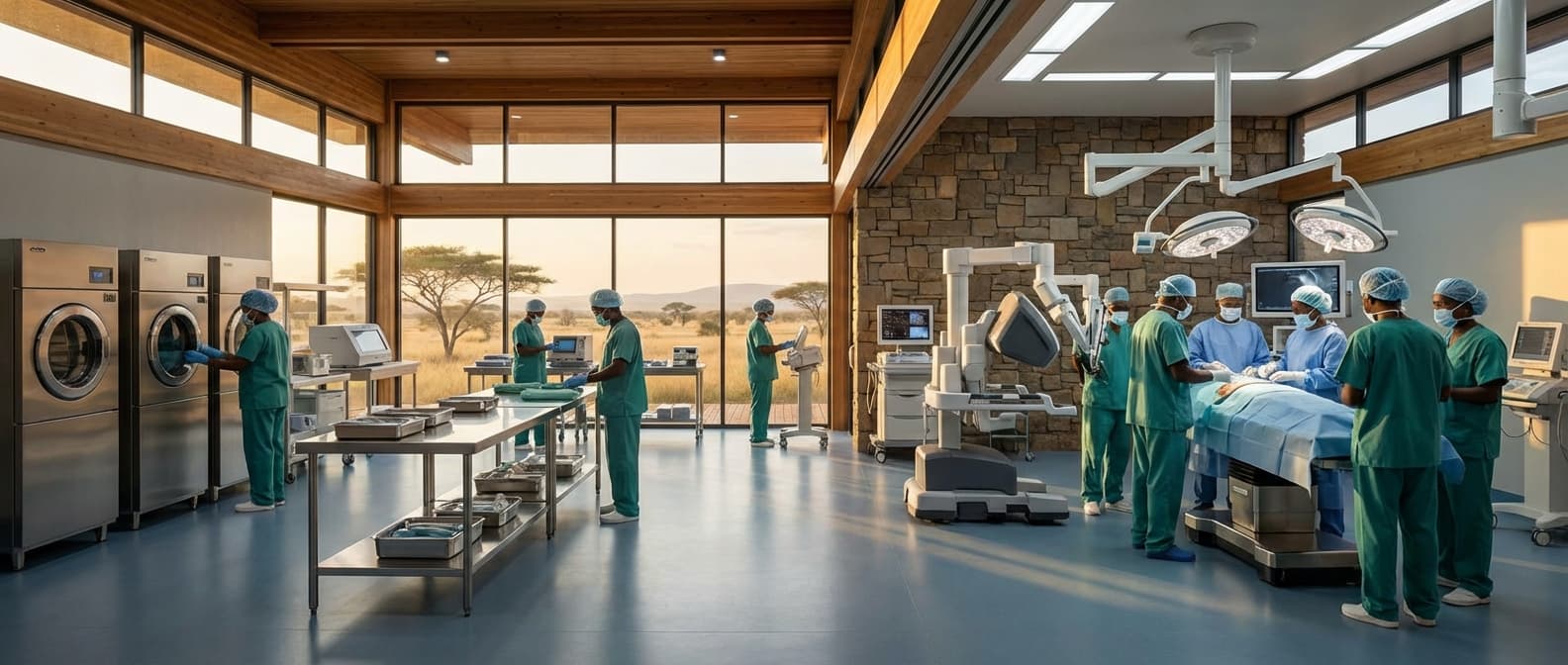
Medical Gas System Design & Installation in Egypt
Engineering Excellence & Technical Support
Medical gas pipeline systems: O2, N2O, air, vacuum High-standard technical execution following OEM protocols and local regulatory frameworks.
Advanced Medical Gas System Design & Installation
We specialize in the comprehensive design and installation of state-of-the-art medical gas systems in Egypt, adhering to the highest international standards (NFPA 99, HTM 02-01) and local Egyptian regulations. Our expertise covers piped medical gases (oxygen, medical air, vacuum, N2O, etc.), pipeline accessories, and monitoring systems, ensuring patient safety and operational efficiency for healthcare facilities.
Regulatory Compliance & Quality Assurance
Navigating Egypt's unique regulatory landscape for medical gas systems is our forte. We guarantee full compliance with all relevant Egyptian Ministry of Health (MOH) requirements and international best practices. Our rigorous quality assurance processes, from material selection to on-site installation and final testing, ensure the integrity, reliability, and safety of every system we deploy.
Integrated Medical Gas Solutions & Support
Beyond initial design and installation, we offer integrated solutions including preventative maintenance, emergency repairs, and system upgrades for medical gas infrastructure across Egypt. Our skilled technicians provide ongoing support to ensure uninterrupted operation, minimize downtime, and optimize the performance of your critical medical gas supply.
What Is Medical Gas System Design & Installation In Egypt?
Medical Gas System Design & Installation in Egypt refers to the comprehensive process of conceptualizing, engineering, and constructing the infrastructure required for the safe, reliable, and compliant delivery of medical gases within healthcare facilities. This encompasses a range of essential gases such as oxygen, medical air, nitrous oxide, vacuum, and waste anesthetic gas disposal (WAGD). The service involves detailed site assessment, adherence to international and national standards (e.g., HTM, NFPA, Egyptian building codes), precise pipeline layout, selection of appropriate materials, installation of distribution networks, central supply units, alarm systems, outlets, and rigorous testing and commissioning to ensure optimal performance and patient safety.
| Who Needs This Service? | Typical Use Cases | |||||||||||
|---|---|---|---|---|---|---|---|---|---|---|---|---|
| Hospitals (public and private) | Surgical Operating Theatres (anesthesia delivery, patient ventilation) | Intensive Care Units (ICUs) and Critical Care Units (CCUs) | Emergency Departments | Neonatal Intensive Care Units (NICUs) | Recovery Rooms | General Wards (oxygen therapy) | Diagnostic Imaging Suites (e.g., MRI rooms for purging) | Laboratories and Research Facilities | Outpatient Clinics with respiratory care services | Ambulatory Surgery Centers | Long-term care facilities with advanced respiratory support needs | Veterinary Hospitals |
Key Components of Medical Gas System Design & Installation
- Site Survey and Requirements Analysis
- System Design and Engineering (CAD drawings, P&ID)
- Material Specification and Procurement
- Pipeline Installation (brazing, welding, pressure testing)
- Central Supply Equipment Installation (compressors, vacuum pumps, manifolds, regulators)
- Alarm System Integration
- Gas Outlet and Control Panel Installation
- Purging, Pressure Testing, and Leak Detection
- Flushing and Gas Purity Verification
- Commissioning and Performance Validation
- Documentation and Training
Who Needs Medical Gas System Design & Installation In Egypt?
Medical gas systems are crucial for the safe and effective operation of healthcare facilities. In Egypt, the demand for reliable and compliant medical gas systems is driven by the ongoing expansion and modernization of the healthcare sector. This includes hospitals, clinics, and specialized medical centers that rely on a constant and controlled supply of essential gases like oxygen, medical air, vacuum, nitrous oxide, and anesthetic gases. Proper design ensures optimal flow rates, pressure regulation, and purity of these gases, while professional installation guarantees safety, adherence to international standards, and long-term reliability. Investment in these systems is vital for patient care, surgical procedures, respiratory therapy, and emergency services.
| Customer Type | Key Departments Benefiting | Primary Needs |
|---|---|---|
| Hospitals (Public & Private) | Operating Rooms, ICUs, ERs, Wards, Respiratory Therapy, Anesthesiology | Reliable, high-purity gas supply for critical patient care, surgery, and life support. |
| Specialized Medical Centers | Specific to the center's focus (e.g., Cath Labs for cardiac, Radiation therapy for oncology) | Tailored gas delivery systems for specialized equipment and treatments. |
| Surgical Centers | Operating Theatres, Recovery Rooms | Precise gas control for anesthesia and patient monitoring during procedures. |
| Outpatient Clinics | Minor Procedure Rooms, Observation Areas | Basic oxygen and medical air supply for minor interventions and recovery. |
| Dental Clinics | Treatment Rooms | Nitrous oxide for sedation and patient comfort. |
| Ambulance/Medical Transport | Patient Compartment | Compact and reliable on-board gas systems for emergency care en route. |
Target Customers & Departments for Medical Gas System Design & Installation in Egypt:
- Hospitals (Public and Private)
- Specialized Medical Centers (e.g., Cardiac, Oncology, Rehabilitation)
- Surgical Centers and Operating Theatres
- Intensive Care Units (ICUs) and Critical Care Units (CCUs)
- Emergency Departments (ERs)
- Maternity Wards and Neonatal Intensive Care Units (NICUs)
- Respiratory Therapy Departments
- Anesthesiology Departments
- Outpatient Clinics with minor surgical capabilities
- Dialysis Centers
- Dental Clinics (for nitrous oxide)
- Ambulance and Medical Transport Services (for on-board systems)
- Veterinary Hospitals (for oxygen and other medical gases)
- Research and Development Laboratories within medical institutions
- Educational Institutions with medical training programs
Medical Gas System Design & Installation Process In Egypt
This document outlines the typical workflow for designing and installing medical gas systems in Egypt, from the initial client inquiry through to the final execution and handover. The process involves several key stages, requiring close collaboration between the client (hospital/healthcare facility), the design consultant, and the installation contractor.
| Stage | Description | Key Activities | Responsible Parties | Deliverables |
|---|---|---|---|---|
| Inquiry & Initial Consultation | The process begins with a healthcare facility expressing interest in a new or upgraded medical gas system. | Initial meeting with the client, understanding project scope, requirements, and budget. Site visit to assess existing conditions. | Client (Healthcare Facility), Potential Design Consultant/Contractor | Project Brief, Preliminary Scope of Work |
| Feasibility Study & Needs Assessment | Evaluating the technical and economic viability of the project and defining the exact requirements. | Detailed analysis of gas types, flow rates, pressure requirements, number of outlets, future expansion needs. Regulatory review. | Design Consultant, Client | Feasibility Report, Needs Assessment Document |
| Conceptual Design | Developing the overall layout and major system components. | Block diagrams, preliminary P&ID (Piping and Instrumentation Diagrams), preliminary plant room layout, main pipe routing. | Design Consultant | Conceptual Design Report, Preliminary Drawings |
| Detailed Design & Engineering | Producing comprehensive construction-ready drawings and specifications. | Final P&IDs, isometric drawings, pipe sizing calculations, valve schedules, alarm system design, medical gas manifold/panel design, outlet specifications, pressure regulation schematics. Material take-offs. | Design Consultant (Mechanical/MEP Engineers) | Full Set of Construction Drawings, Specifications, Bill of Quantities (BOQ) |
| Tendering & Contractor Selection | Inviting bids from qualified installation contractors and selecting the most suitable one. | Issuing tender documents, pre-qualification of contractors, bid evaluation, negotiation, contract award. | Client, Design Consultant (for technical evaluation) | Tender Documents, Bid Evaluation Report, Signed Contract |
| Permitting & Approvals | Obtaining necessary approvals from local authorities and regulatory bodies. | Submitting design documents to relevant ministries (e.g., Ministry of Health, Ministry of Electricity and Energy), obtaining building permits, fire safety approvals. | Installation Contractor, Design Consultant (for support) | Approved Permits and Licenses |
| Procurement & Fabrication | Sourcing and acquiring all necessary materials and fabricating system components. | Ordering pipes, fittings, valves, regulators, alarms, panels, manifolds, gas cylinders. Off-site fabrication of panels and skids. | Installation Contractor | Procured Materials, Fabricated Components |
| On-site Installation & Construction | The physical installation of the medical gas system within the healthcare facility. | Piping installation, welding, brazing, installation of plant room equipment, terminal units, alarm panels, gas cylinder connections. Adherence to strict hygiene and safety protocols. | Installation Contractor | Installed Medical Gas System Infrastructure |
| Testing, Commissioning & Validation | Verifying the system's functionality, safety, and performance according to design specifications and regulatory standards. | Pressure testing, leak testing, flushing, purging, purity testing of gases, functional testing of alarms and regulators, performance validation. | Installation Contractor, Design Consultant, Client (for witnessing) | Test Reports, Commissioning Certificates, Validation Reports |
| Training & Handover | Educating the facility's staff on the operation and maintenance of the system. | Training sessions on system operation, shutdown procedures, alarm response, basic maintenance. Provision of operation and maintenance manuals. | Installation Contractor, Design Consultant | Training Materials, Operation & Maintenance Manuals, Handover Documentation |
| Post-Installation Support & Maintenance | Ongoing support and maintenance to ensure the system's continued reliability. | Warranty period, scheduled preventive maintenance, emergency repair services, system upgrades. Regular inspections. | Installation Contractor, Facility Maintenance Team | Maintenance Logs, Service Reports |
Key Stages in the Medical Gas System Design & Installation Process
- Inquiry & Initial Consultation
- Feasibility Study & Needs Assessment
- Conceptual Design
- Detailed Design & Engineering
- Tendering & Contractor Selection
- Permitting & Approvals
- Procurement & Fabrication
- On-site Installation & Construction
- Testing, Commissioning & Validation
- Training & Handover
- Post-Installation Support & Maintenance
Medical Gas System Design & Installation Cost In Egypt
Designing and installing a medical gas system in Egypt involves several critical factors that influence the overall cost. These systems are essential for providing life-sustaining gases like oxygen, medical air, nitrous oxide, and vacuum to healthcare facilities. The pricing is highly dependent on the scale of the project, the complexity of the system, the quality of materials used, and the specific requirements of the healthcare institution. Understanding these elements is crucial for accurate budgeting and project planning.
| System Component/Service | Estimated Cost Range (EGP) - Small to Medium Facility | Estimated Cost Range (EGP) - Large Facility |
|---|---|---|
| Medical Gas Piping (per linear meter) | 500 - 1,500 EGP | 700 - 2,000 EGP |
| Medical Gas Outlets (per unit) | 2,000 - 5,000 EGP | 2,500 - 7,000 EGP |
| Medical Air Compressor System | 150,000 - 400,000 EGP | 300,000 - 800,000+ EGP |
| Medical Vacuum Pump System | 100,000 - 300,000 EGP | 200,000 - 600,000+ EGP |
| Oxygen Manifold/Bulk System (initial setup) | 200,000 - 600,000 EGP | 500,000 - 1,500,000+ EGP |
| Gas Alarms and Monitoring System | 50,000 - 150,000 EGP | 100,000 - 300,000 EGP |
| Engineering Design and Project Management | 10% - 15% of Total Project Cost | 10% - 15% of Total Project Cost |
| Installation Labor (estimated) | 20% - 30% of Total Project Cost | 20% - 30% of Total Project Cost |
| Testing, Commissioning, and Certification | 5% - 10% of Total Project Cost | 5% - 10% of Total Project Cost |
| Total Estimated Project Cost (Excluding ongoing gas supply) | 500,000 - 2,000,000+ EGP | 1,500,000 - 5,000,000+ EGP |
Key Pricing Factors for Medical Gas Systems in Egypt
- System Complexity and Scope: The number of medical gas types required, the size of the facility (number of beds, operating rooms, ICU units), and the distribution network's complexity significantly impact cost. More extensive systems with multiple outlets per room will naturally be more expensive.
- Material Quality and Standards: The choice of materials for piping, valves, outlets, alarms, and central supply equipment is a major cost driver. Using high-grade, medical-certified materials that meet international standards (e.g., NFPA 99, ISO) ensures safety and longevity but comes at a higher price point. Cheaper, non-certified materials pose significant risks and are generally not recommended for medical applications.
- Central Supply Source: The cost of the primary medical gas supply source (e.g., bulk oxygen tanks, liquid oxygen converters, medical air compressors, medical vacuum pumps) varies based on capacity, technology, and manufacturer. Rental agreements for bulk supply can also affect ongoing operational costs.
- Installation Labor and Expertise: The complexity of the installation, the accessibility of installation areas, and the need for specialized technicians with experience in medical gas systems all contribute to labor costs. The prevailing wage rates for skilled labor in Egypt are a direct factor.
- Regulatory Compliance and Certification: Obtaining necessary permits, undergoing inspections, and ensuring the system meets all Egyptian health and safety regulations add to the overall project expense. This often involves third-party testing and certification.
- Ancillary Equipment: The cost of supporting equipment such as medical gas alarms, pressure regulators, flow meters, gas outlets for patient beds, emergency shut-off valves, and gas manifolds adds to the total budget.
- Project Management and Engineering Design: Professional engineering design services, project management, and detailed system schematics are essential for a safe and efficient system. These professional services represent a significant portion of the initial investment.
- Location and Accessibility: The geographical location of the healthcare facility within Egypt can influence transportation costs for materials and equipment, as well as the availability and cost of specialized labor.
- Brand and Manufacturer: Reputable international and local manufacturers of medical gas equipment often command higher prices due to their brand recognition, product quality, and warranty offerings.
Affordable Medical Gas System Design & Installation Options
Designing and installing a medical gas system is a critical investment for healthcare facilities. Fortunately, there are various affordable options available, focusing on value bundles and smart cost-saving strategies. These approaches aim to deliver high-quality, safe, and compliant systems without exorbitant upfront costs. By understanding these options, facilities can make informed decisions that balance budget constraints with the essential need for reliable medical gas supply.
| Value Bundle Type | Description | Cost-Saving Strategy | Ideal For |
|---|---|---|---|
| Essential Gas Package | Includes installation of core medical gases (e.g., Oxygen, Medical Air, Vacuum) with basic monitoring and alarm systems. | Focuses on immediate needs, reducing initial scope and material costs. | Small clinics, new facilities with limited initial budget, or those prioritizing critical life-support gases. |
| Scalable Modular System | Employs modular medical gas source equipment (e.g., PSA oxygen concentrators, scroll compressors) and a flexible distribution network. | Allows for expansion as facility needs grow, avoiding over-investment in excess capacity initially. Reduces upfront capital for large-scale plants. | Facilities expecting future growth, multi-suite medical centers, or those with unpredictable patient volumes. |
| Energy-Efficient Operations Bundle | Integrates energy-saving medical gas source equipment with optimized system controls and potential for renewable energy integration. | Reduces long-term operational expenses through lower electricity consumption. May include rebates or incentives for energy-efficient technology. | All facilities, especially those with high energy usage or a focus on sustainability and operational cost reduction. |
| Integrated Design-Build-Maintain | A comprehensive package that includes system design, installation, and a long-term maintenance and service agreement. | Streamlines project management, often leading to better pricing due to bundled services. Predictable maintenance costs and proactive issue resolution. | Facilities seeking a turnkey solution and peace of mind regarding system reliability and ongoing support. |
Key Considerations for Affordable Medical Gas System Design & Installation
- Phased Installation: Breaking down the project into manageable phases can spread costs over time, making it more financially feasible for smaller or budget-conscious facilities.
- Standardized Component Selection: Utilizing readily available, standardized components can significantly reduce material costs compared to custom-made or specialized parts.
- Modular System Designs: Employing modular units for medical gas sources (e.g., small-scale oxygen concentrators, vacuum pumps) allows for scalability and avoids over-investing in capacity beyond immediate needs.
- Simplified Distribution Networks: For less complex facilities, a simpler, more direct distribution layout can reduce piping material and labor costs.
- Leasing vs. Purchasing Equipment: Exploring leasing options for certain equipment, like compressors or vacuum pumps, can reduce initial capital outlay.
- Pre-fabrication and Skids: Utilizing pre-fabricated medical gas skids can streamline on-site installation, reducing labor time and associated costs.
- Long-Term Maintenance Contracts: Negotiating comprehensive, long-term maintenance contracts can often be more cost-effective than ad-hoc repairs, ensuring system reliability and preventing costly downtime.
- Focus on Essential Gases: Prioritizing the installation of essential medical gases required for current operations can defer the cost of less critical gases until needed.
- Energy-Efficient Equipment: Investing in energy-efficient compressors and vacuum pumps can lead to substantial long-term operational cost savings.
- Expert Consultation for Optimal Design: Engaging with experienced medical gas system designers early in the process can prevent costly design errors and ensure an efficient, cost-effective system.
Verified Providers In Egypt
Navigating healthcare in Egypt can be complex, and ensuring you are receiving care from qualified and trustworthy professionals is paramount. Verified providers offer a crucial layer of assurance. This is where Franance Health stands out as a leading credentialing body in Egypt, dedicated to upholding the highest standards of medical practice and patient safety. Their rigorous verification process ensures that healthcare professionals and facilities meet stringent criteria, providing Egyptians with peace of mind and access to superior medical services.
| Franance Health Verification Process | What it Entails |
|---|---|
| Educational and Professional Qualifications | Verification of medical degrees, board certifications, licenses, and postgraduate training. |
| Clinical Experience | Assessment of practical experience, including years in practice and specific areas of expertise. |
| Ethical Conduct and Professionalism | Review of disciplinary records, malpractice history, and adherence to professional codes of conduct. |
| Facility Standards (where applicable) | Evaluation of healthcare facility infrastructure, equipment, hygiene protocols, and patient care processes. |
| Continuing Medical Education (CME) | Confirmation of ongoing learning and participation in professional development activities. |
Why Franance Health Credentials Represent the Best Choice:
- Uncompromising Quality Assurance: Franance Health's verification process involves thorough scrutiny of a provider's education, training, experience, and adherence to ethical guidelines. This ensures that all credentialed professionals possess the necessary expertise and maintain a high standard of care.
- Enhanced Patient Safety: By identifying and endorsing providers who meet specific safety protocols and practice standards, Franance Health significantly reduces the risk of medical errors and ensures a safer healthcare environment for all patients.
- Transparency and Trust: The Franance Health seal acts as a clear indicator of a provider's legitimacy and commitment to excellence. This transparency builds trust between patients and healthcare providers, fostering stronger relationships and better health outcomes.
- Access to Specialized Expertise: Franance Health identifies and verifies specialists across various medical fields. This allows patients to easily find and access highly qualified doctors and facilities for their specific needs.
- Commitment to Continuous Improvement: Franance Health doesn't just verify; they also encourage and monitor ongoing professional development and adherence to evolving medical best practices, ensuring that their credentialed providers remain at the forefront of medical innovation.
- Streamlined Healthcare Navigation: For patients, the Franance Health credential simplifies the process of choosing a healthcare provider. It removes the burden of extensive personal research and provides a reliable starting point for finding quality care.
Scope Of Work For Medical Gas System Design & Installation
This Scope of Work (SOW) outlines the requirements for the design, procurement, installation, testing, and commissioning of a new medical gas system. The project aims to establish a reliable and compliant medical gas infrastructure to support patient care within the facility. This document details the technical deliverables and standard specifications that must be adhered to throughout the project lifecycle.
| Technical Deliverable | Description | Standard Specification/Reference |
|---|---|---|
| Design Basis Report | A document outlining the fundamental engineering principles, assumptions, and criteria for the medical gas system design, including patient load, medical equipment requirements, and future expansion considerations. | NFPA 99: Health Care Facilities Code, Local Building Codes |
| System Layout Drawings | Detailed architectural and mechanical drawings illustrating the routing of all medical gas piping, valve locations, outlet placements, alarms, and related equipment. | ASME B31.3: Process Piping Code, Manufacturer's Installation Manuals |
| Piping & Material Specifications | Detailed specifications for all medical gas piping materials, fittings, valves, insulation, and supports, ensuring compatibility and compliance with medical gas standards. | ASTM B88: Seamless Copper Water Tube, Approved Manufacturers' Product Data Sheets |
| Alarm & Monitoring System Design | Design of a comprehensive alarm system for pressure and purity monitoring of all medical gases, including integration with the facility's building automation system (BAS). | NFPA 99: Health Care Facilities Code, ISA-88: Batch Control |
| Pressure Regulation & Control Design | Detailed design of pressure regulation skids, shut-off valves, and other control devices to maintain safe and appropriate gas pressures throughout the system. | ASME PTC 19.5: Flow Measurement |
| Piping Fabrication & Welding Procedures | Detailed procedures for the fabrication and welding of medical gas piping, including requirements for material preparation, welding techniques, and welder qualifications. | AWS D1.6: Structural Welding Code - Stainless Steel, ASME B31.3: Process Piping Code |
| System Sterilization & Cleaning Procedures | Documented procedures for the thorough cleaning and sterilization of all medical gas piping and components prior to system activation. | NFPA 99: Health Care Facilities Code, ASHRAE 170: Ventilation of Health Care Facilities |
| Pressure Testing & Leak Detection Reports | Reports documenting the results of all pressure testing and leak detection procedures performed on the medical gas system. | NFPA 99: Health Care Facilities Code |
| Purity Testing & Certification | Certification from an accredited laboratory confirming the purity of all medical gases supplied and distributed by the system. | USP (United States Pharmacopeia) Standards, CGA G-4.1: Cleaning of Equipment for Oxygen Service |
| Commissioning Report | A comprehensive report detailing the results of all system testing, balancing, and functional verification, demonstrating that the system meets all design and performance requirements. | NFPA 99: Health Care Facilities Code |
| As-Built Drawings | Finalized drawings reflecting the exact installed configuration of the medical gas system, including any deviations from the original design. | Project Specifications, Facility Standards |
| Operations & Maintenance Manuals | Detailed manuals providing instructions for the safe and effective operation, maintenance, and troubleshooting of the medical gas system. | Manufacturer's Recommendations, Facility Maintenance Protocols |
| Training Materials & Records | Comprehensive training materials for facility staff on the operation and maintenance of the medical gas system, along with records of completed training sessions. | Project Specifications, Manufacturer's Documentation |
Project Phases & Key Activities
- Phase 1: Design & Engineering
- Phase 2: Procurement & Fabrication
- Phase 3: Installation & Construction
- Phase 4: Testing, Balancing & Commissioning
- Phase 5: Training & Handover
Service Level Agreement For Medical Gas System Design & Installation
This Service Level Agreement (SLA) outlines the response times and uptime guarantees for the design and installation of medical gas systems. It is intended to ensure timely and reliable service delivery to meet the critical needs of healthcare facilities.
| Service Level | Response Time (Business Hours) | Resolution Time (Target) | Uptime Guarantee (Annual) |
|---|---|---|---|
| Emergency Support (System Failure/Critical Malfunction) | 1 Hour (Acknowledgement) | 4 Business Hours (Initial Diagnosis & Action Plan) | 99.99% |
| Urgent Support (Non-Critical Malfunction/Performance Degradation) | 4 Business Hours (Acknowledgement) | 1 Business Day (Resolution) | 99.99% |
| Routine Support (Maintenance, Non-Urgent Repairs) | 8 Business Hours (Acknowledgement) | 3 Business Days (Resolution) | 99.95% |
| Design & Installation Project Kick-off | 2 Business Days (Initial Meeting Scheduling) | N/A (Project specific timeline applies) | N/A (System availability post-installation) |
| Design & Installation Progress Updates | Weekly (Scheduled updates) | N/A (Project specific timeline applies) | N/A (System availability post-installation) |
Key Performance Indicators (KPIs)
- Response Time: The time taken by the service provider to acknowledge and begin addressing a reported issue or request.
- Resolution Time: The time taken to fully resolve a reported issue or complete a requested task.
- Uptime Guarantee: The percentage of time the medical gas system is expected to be fully operational and available for use.
Frequently Asked Questions

Ready when you are
Let's scope your Medical Gas System Design & Installation in Egypt project in Egypt.

Scaling healthcare logistics and technical systems across the entire continent.