
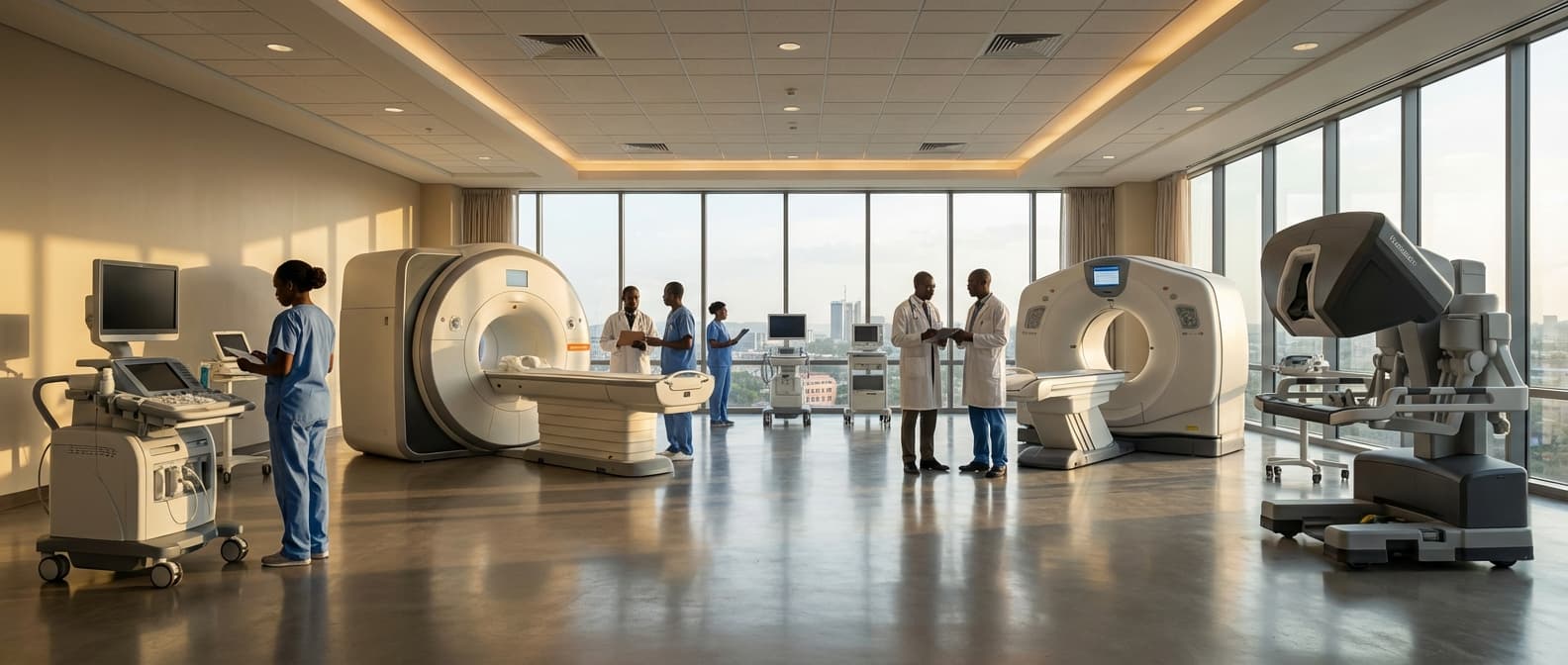
Life Support & Consumables in Egypt
Engineering Excellence & Technical Support
Reliable supply of essential medical consumables and life support equipment ensuring uninterrupted, quality patient care delivery. High-standard technical execution following OEM protocols and local regulatory frameworks.
Advanced Oxygen Generation and Distribution
Our state-of-the-art molecular sieve oxygen concentrators and medical air plants ensure a continuous, high-purity supply of breathable air for critical care facilities across Egypt. We provide comprehensive installation, maintenance, and training, guaranteeing uninterrupted life support for patients in hospitals, clinics, and emergency response units.
Emergency Water Purification Solutions
Delivering safe and potable water in critical situations is paramount. We offer a range of portable and fixed-location water purification systems, including reverse osmosis and UV sterilization technologies, designed for rapid deployment in disaster zones, remote communities, and areas affected by water scarcity throughout Egypt.
Reliable Medical Gas Cylinder Management
Ensuring the availability of essential medical gases (Oxygen, Nitrous Oxide, CO2) is vital for patient care. Our robust supply chain and advanced inventory management systems guarantee timely delivery and refilling of medical gas cylinders to healthcare providers nationwide, adhering to the strictest international safety and quality standards.
What Is Life Support & Consumables In Egypt?
Life Support & Consumables in Egypt refers to the provision of essential medical equipment and disposable supplies required for the continuous maintenance of a patient's physiological functions when their own systems are compromised. This encompasses a broad spectrum of technologies and materials designed to sustain life, treat critical conditions, and facilitate recovery within healthcare settings. The service is critical for patients experiencing respiratory failure, severe organ dysfunction, trauma, or undergoing complex surgical procedures, ensuring adequate oxygenation, circulation, nutrition, and waste removal. It is also integral to palliative care and end-of-life support.
| Service Area | Definition | Who Needs It | Typical Use Cases |
|---|---|---|---|
| Respiratory Support | Assisted or mechanical breathing to maintain adequate oxygenation and ventilation. | Patients with acute respiratory distress syndrome (ARDS), chronic obstructive pulmonary disease (COPD) exacerbations, severe pneumonia, post-operative respiratory compromise, neuromuscular disorders affecting breathing. | Intensive Care Units (ICUs), emergency departments, post-surgical recovery wards, home respiratory care for chronic conditions. |
| Cardiovascular Support | Maintenance of hemodynamic stability and circulatory function. | Patients with cardiogenic shock, septic shock, severe heart failure, post-cardiac surgery, trauma with significant blood loss. | ICUs, cardiac catheterization labs, operating rooms, emergency resuscitation bays. |
| Renal Support | Replacement of kidney function for patients with acute or chronic renal failure. | Patients with acute kidney injury (AKI), end-stage renal disease (ESRD), severe electrolyte imbalances, drug overdose. | ICUs, specialized dialysis units, critical care settings. |
| Nutritional Support | Provision of essential nutrients when oral intake is not feasible or sufficient. | Patients with severe malabsorption, gastrointestinal fistulas, prolonged critical illness, anorexia nervosa, post-major surgery. | ICUs, long-term care facilities, rehabilitation centers, home healthcare. |
| Neurological Support | Management of critical neurological conditions and protection of brain function. | Patients with severe traumatic brain injury (TBI), stroke, seizures, meningitis, brain tumors requiring intensive monitoring. | Neurological ICUs, neurosurgery wards, stroke units. |
Key Components of Life Support & Consumables
- Ventilatory Support Equipment (e.g., mechanical ventilators, CPAP/BiPAP machines, oxygen concentrators)
- Cardiovascular Support Systems (e.g., infusion pumps, ECG monitors, defibrillators, dialysis machines)
- Nutritional Support (e.g., enteral feeding pumps, parenteral nutrition solutions, feeding tubes)
- Waste Management and Excretion Support (e.g., urinary catheters, ostomy supplies, suction devices)
- Monitoring and Diagnostic Tools (e.g., vital signs monitors, pulse oximeters, blood glucose meters)
- Consumable Supplies (e.g., IV fluids, syringes, needles, dressings, sterile tubing, filters, respiratory circuits, medication).
Who Needs Life Support & Consumables In Egypt?
In Egypt's rapidly developing and diverse economy, several sectors and organizations have a critical and ongoing need for life support systems and consumables. These can range from sophisticated medical equipment to essential hygiene supplies, depending on the operational environment and specific requirements. Understanding the target customers and their departmental needs is crucial for suppliers and service providers in this niche market.
| Target Customer | Key Departments/Units Requiring Life Support & Consumables | Typical Needs |
|---|---|---|
| Healthcare Sector | Intensive Care Units (ICUs), Operating Theaters, Emergency Rooms, Oncology Departments, Neonatal Intensive Care Units (NICUs), Dialysis Centers, General Wards, Laboratories, Blood Banks | Ventilators, oxygen concentrators, defibrillators, patient monitors, infusion pumps, anesthesia machines, surgical consumables (gloves, masks, gowns, sterile drapes), dialysis filters and solutions, IV fluids, medications, diagnostic reagents, sterile dressings, disinfectants, PPE (Personal Protective Equipment). |
| Industrial and Manufacturing | Chemical Plants, Petrochemical Refineries, Mining Operations, Food Processing Plants, Pharmaceutical Manufacturing | Respirators, self-contained breathing apparatus (SCBA), gas detection systems, safety harnesses, fall protection equipment, industrial cleaning supplies, emergency eyewash stations and safety showers, chemical spill kits, protective clothing, first-aid supplies. |
| Oil and Gas Sector | Offshore Platforms, Onshore Drilling Sites, Refineries, Pipeline Operations, Maintenance Crews | SCBA, emergency escape breathing apparatus (EEBA), fire suppression systems, first-aid kits, medical supplies for remote locations, personal flotation devices (PFDs), chemical protective suits, air quality monitoring equipment, sanitation supplies. |
| Military and Defense | Field Hospitals, Combat Units, Training Facilities, Logistics and Supply Units | Trauma kits, field surgical equipment, blood products, oxygen supplies, medications, water purification systems, rations, survival gear, NBC (Nuclear, Biological, Chemical) protective gear, field sanitation supplies. |
| Emergency Services and Disaster Relief | Ambulance Services, Fire Departments, Civil Defense, Humanitarian Aid Organizations | Ambulance equipment (stretchers, oxygen, monitors), fire fighting gear, specialized rescue equipment, mass casualty incident supplies, temporary shelter consumables, water and food supplies, basic medical kits, sanitation facilities and supplies. |
| Research and Development Facilities | Laboratories (biomedical, chemical, environmental), Universities | Fume hoods, safety cabinets, sterile consumables (petri dishes, pipettes), disinfectants, personal protective equipment, specialized lab gases, waste disposal systems, emergency spill kits. |
| Hospitality and Tourism | Large Hotels, Resorts, Cruise Ships | First-aid kits in rooms and public areas, medical staff (often contracted), water purification systems, sanitation supplies (disinfectants, hand sanitizers), emergency supplies for guests in case of natural disasters or health emergencies. |
Target Customers for Life Support & Consumables in Egypt
- Healthcare Sector
- Industrial and Manufacturing
- Oil and Gas Sector
- Military and Defense
- Emergency Services and Disaster Relief
- Research and Development Facilities
- Hospitality and Tourism
Life Support & Consumables Process In Egypt
The Life Support & Consumables Process in Egypt, particularly in contexts like healthcare, disaster relief, or specialized industrial operations, involves a structured workflow to ensure timely and efficient provision of essential items. This process typically begins with identifying a need, followed by sourcing, procurement, logistics, and finally, distribution and utilization. Each stage is crucial for maintaining operational continuity and well-being.
| Stage | Description | Key Activities | Responsible Parties (Examples) | Potential Challenges in Egypt |
|---|---|---|---|---|
| Inquiry & Needs Assessment | Identifying and quantifying the required life support and consumables. | Initial request submission, needs analysis, inventory checks, forecasting, defining specifications. | End-users (hospitals, NGOs, project managers), Procurement department, Logistics team. | Underestimation of needs, communication gaps, bureaucratic delays in approvals. |
| Sourcing & Supplier Identification | Finding reliable suppliers who can meet the quality and quantity requirements. | Market research, supplier pre-qualification, request for quotations (RFQs), due diligence. | Procurement department, Sourcing specialists, Legal team (for vetting). | Limited local suppliers for specialized items, import restrictions, currency fluctuations affecting pricing. |
| Procurement & Contracting | The formal process of purchasing the identified consumables. | Issuing purchase orders (POs), negotiating terms and prices, contract finalization, payment processing. | Procurement department, Finance department, Legal department, Suppliers. | Lengthy government tender processes, corruption risks, delays in payment to suppliers. |
| Logistics & Warehousing | Transporting and storing the consumables safely and efficiently. | Shipping arrangements, customs clearance, warehousing, inventory management, quality control upon arrival. | Logistics department, Customs brokers, Warehouse managers, Quality assurance team. | Infrastructure limitations (roads, ports), customs complexities, security of goods in transit and storage, potential for spoilage. |
| Distribution & Deployment | Delivering the consumables to the point of use. | Transportation to final destination, last-mile delivery, allocation to specific units or individuals. | Logistics team, Field staff, Local distribution partners. | Accessibility to remote areas, security concerns during delivery, coordination with multiple stakeholders. |
| Utilization & Monitoring | Ensuring the consumables are used appropriately and tracking their consumption. | Distribution to end-users, usage tracking, waste management, monitoring expiry dates. | End-users, Project supervisors, Monitoring and Evaluation (M&E) teams. | Improper usage, pilferage, lack of proper tracking mechanisms, inadequate training on use. |
| Replenishment & Re-evaluation | Initiating the process again to ensure continuous supply and adjusting based on feedback. | Monitoring stock levels, triggering re-order points, evaluating supplier performance, updating needs assessments. | Logistics team, Procurement department, End-users, M&E teams. | Failure to anticipate future needs, reactive rather than proactive replenishment, feedback loop breakdowns. |
Key Stages of the Life Support & Consumables Process in Egypt
- Inquiry & Needs Assessment
- Sourcing & Supplier Identification
- Procurement & Contracting
- Logistics & Warehousing
- Distribution & Deployment
- Utilization & Monitoring
- Replenishment & Re-evaluation
Life Support & Consumables Cost In Egypt
The cost of life support and essential consumables in Egypt can vary significantly based on several factors, including the specific item, brand, supplier, geographic location within Egypt, and the prevailing economic conditions. The Egyptian Pound (EGP) is the local currency, and prices are subject to fluctuations due to import costs, inflation, and government regulations. Generally, these items can be broadly categorized into medical supplies, food and beverages, and basic utilities. Medical supplies often have the widest price range, influenced by whether they are locally manufactured or imported, and whether they are for hospital use or home care. Food and beverage prices depend on whether items are locally sourced or imported, with a noticeable difference between basic staples and more specialized or imported goods. Utility costs, while often subsidized to some extent, are also experiencing gradual increases. The following provides an overview of typical pricing factors and ranges in EGP.
| Category | Specific Item/Service (Example) | Typical Price Range (EGP) | Notes |
|---|---|---|---|
| Medical Supplies (Basic) | Sterile Gauze Pads (10cm x 10cm, Pack of 10) | 15 - 40 EGP | Varies by brand and pharmacy. |
| Medical Supplies (Basic) | Band-Aids (Standard Size, Box of 20) | 10 - 30 EGP | Varies by brand and pharmacy. |
| Medical Supplies (Basic) | Antiseptic Solution (e.g., Betadine, 120ml) | 25 - 60 EGP | Varies by brand and pharmacy. |
| Medical Supplies (Intermediate) | Disposable Syringes (10ml, Pack of 10) | 20 - 50 EGP | Varies by type and brand. |
| Medical Supplies (Intermediate) | Blood Glucose Monitor Test Strips (Box of 50) | 200 - 450 EGP | Highly variable by brand; imported brands are more expensive. |
| Medical Supplies (Specialized) | Oxygen Concentrator (Rental per day) | 150 - 300 EGP | Often requires a prescription and deposit; purchase price significantly higher. |
| Medical Supplies (Specialized) | Homecare Patient Bed (Rental per month) | 800 - 1500 EGP | Purchase price can range from 8,000 - 20,000+ EGP. |
| Food & Beverages (Staples) | 5kg Bag of Rice | 50 - 80 EGP | Dependent on type of rice and quality. |
| Food & Beverages (Staples) | 1kg Cooking Oil | 50 - 70 EGP | Varies by brand and type. |
| Food & Beverages (Staples) | 1kg Sugar | 30 - 40 EGP | Price can fluctuate. |
| Food & Beverages (Dairy) | 1 Liter Milk (UHT) | 25 - 40 EGP | Varies by brand. |
| Food & Beverages (Dairy) | 200g Yogurt | 8 - 15 EGP | Varies by brand and type. |
| Food & Beverages (Produce) | 1kg Tomatoes | 5 - 15 EGP | Seasonal and location dependent. |
| Food & Beverages (Produce) | 1kg Potatoes | 7 - 12 EGP | Seasonal and location dependent. |
| Food & Beverages (Imported) | 1kg Imported Apples | 60 - 120 EGP | Significantly more expensive than local produce. |
| Utilities (Residential) | Electricity (per kWh) | 0.50 - 1.50 EGP | Tiered pricing based on consumption, subject to increases. |
| Utilities (Residential) | Water (per cubic meter) | 1.00 - 3.00 EGP | Tiered pricing, subject to increases. |
| Utilities (Residential) | Natural Gas (per cubic meter) | 2.00 - 4.00 EGP | Tiered pricing, subject to increases. |
Factors Influencing Life Support & Consumables Costs in Egypt
- Item Type and Specificity: Basic necessities are generally cheaper than specialized medical equipment or imported food products.
- Brand and Quality: Premium or well-known brands, especially for imported goods or medical devices, will command higher prices.
- Source of Supply: Prices can differ between large hypermarkets, local grocery stores, pharmacies, specialized medical supply stores, and online retailers.
- Importation Costs: For items that are imported, exchange rates, customs duties, and shipping fees directly impact the final price.
- Local Manufacturing vs. Importation: Locally produced goods often have a cost advantage over imported counterparts.
- Geographic Location: Prices might be slightly higher in remote areas or tourist hotspots compared to major urban centers.
- Economic Conditions: Inflation rates, currency depreciation, and government economic policies significantly affect the affordability and pricing of all goods.
- Government Subsidies and Regulations: Certain essential goods or utilities may be subject to government price controls or subsidies, impacting their final cost to consumers.
- Bulk Purchasing: Buying in larger quantities can sometimes lead to a lower per-unit cost.
- Seasonality: For agricultural products and some consumables, prices can fluctuate based on harvest seasons.
Affordable Life Support & Consumables Options
Securing essential life support equipment and consumables is paramount for individuals and organizations alike. This guide explores affordable options, focusing on value bundles and strategic cost-saving measures to ensure access to critical supplies without compromising quality or reliability.
| Strategy | Description | Example Benefits/Cost Savings |
|---|---|---|
| Value Bundles | Purchasing related items together as a package, often at a reduced price compared to buying individually. | Complete oxygen therapy starter kits including concentrator, nasal cannula, humidifier bottle, and filters at a 15-20% discount. Bulk purchase of wound care essentials (various dressings, tape, saline) offering a bundled price. |
| Bulk Purchasing | Acquiring larger quantities of consumables to leverage economies of scale. | Buying a year's supply of CPAP filters or medication syringes can reduce per-unit cost by 10-25% and minimize shipping fees over time. |
| Subscription Services | Regular, automated delivery of frequently used consumables on a set schedule, often with preferential pricing. | Monthly delivery of disposable CPAP mask components or wound dressing supplies with a 5-10% discount and free shipping. |
| Generic vs. Brand-Name | Opting for reputable generic alternatives to branded products when clinically appropriate and approved. | Generic saline solution, sterile gauze pads, or syringes can be 30-50% cheaper than their brand-name counterparts without compromising quality. |
| Refurbished Equipment | Purchasing professionally inspected and certified pre-owned life support equipment. | Certified refurbished oxygen concentrators or CPAP machines can offer savings of 40-60% compared to new models, often with a warranty. |
| Negotiating with Suppliers | Engaging in direct negotiation, especially for larger orders or long-term contracts. | For healthcare facilities, negotiating volume discounts or customized pricing for specific product lines can lead to significant overall savings. |
| Loyalty Programs & Discounts | Taking advantage of manufacturer or retailer loyalty programs, seasonal sales, and special offers. | Accumulating points for future discounts, utilizing holiday sales for consumables, or using first-time buyer coupons. |
| Rent-to-Own Programs | For expensive equipment, paying a monthly rental fee with an option to purchase at the end of the rental period. | Allows access to necessary equipment without a large upfront investment, with rental fees sometimes contributing towards the purchase price. |
| Repair & Maintenance | Prioritizing regular maintenance and seeking professional repair for equipment rather than immediate replacement. | Extending the lifespan of oxygen concentrators, ventilators, and CPAP machines through timely servicing can prevent costly premature replacements. |
Key Life Support & Consumables Categories
- Oxygen Therapy (concentrators, cylinders, masks, tubing)
- Ventilation Support (CPAP/BiPAP machines, masks, filters)
- Wound Care (dressings, bandages, antiseptic solutions)
- Medication Delivery (syringes, IV kits, nebulizers)
- Personal Protective Equipment (PPE) (gloves, masks, gowns)
- Nutritional Support (feeding tubes, specialized formulas)
- Diagnostic Tools (thermometers, blood pressure monitors)
Verified Providers In Egypt
In the ever-evolving landscape of healthcare, ensuring access to verified and reputable providers is paramount. In Egypt, Franance Health stands out as a beacon of trust, offering a robust network of credentialed healthcare professionals. Their rigorous vetting process and commitment to quality assurance make them the premier choice for individuals seeking reliable medical services.
| Provider Type | Franance Health Verification Standard | Benefits for Patients |
|---|---|---|
| Specialist Physicians | Verification of board certifications, active medical license, minimum years of experience in specialty, malpractice insurance. | Access to highly trained experts, confidence in specialized treatments, reduced risk of misdiagnosis. |
| General Practitioners | Verification of primary medical license, good standing with medical board, confirmation of continuous professional development. | Reliable first point of contact for health concerns, comprehensive primary care, preventative health guidance. |
| Hospitals & Clinics | Assessment of facility accreditations, compliance with health regulations, quality of equipment and infrastructure, patient satisfaction scores. | Safe and well-equipped medical environments, high standards of patient care, efficient service delivery. |
| Diagnostic Centers | Verification of licensed technicians and radiologists, quality control of equipment, adherence to diagnostic protocols. | Accurate and reliable diagnostic results, timely reporting, supporting effective treatment planning. |
Why Franance Health is the Top Choice for Verified Providers in Egypt:
- Uncompromising Credential Verification: Franance Health employs an exhaustive verification process for all its affiliated providers. This includes thorough checks of medical licenses, certifications, educational backgrounds, and professional experience, ensuring that only qualified and ethical practitioners are part of their network.
- Commitment to Patient Safety and Quality: Patient well-being is at the core of Franance Health's mission. Their stringent standards go beyond basic credentials, often incorporating peer reviews and ongoing performance monitoring to guarantee the highest quality of care.
- Extensive Network Across Egypt: Franance Health boasts a diverse and widespread network of specialists, general practitioners, and healthcare facilities throughout Egypt, providing convenient access to a broad spectrum of medical needs.
- Transparent Provider Information: Patients can access detailed profiles of Franance Health providers, including their specializations, experience, and patient reviews, empowering them to make informed decisions about their healthcare.
- Seamless Access to Care: Through their user-friendly platform, Franance Health simplifies the process of finding and booking appointments with verified doctors, streamlining the healthcare journey for individuals and families.
Scope Of Work For Life Support & Consumables
This Scope of Work (SOW) defines the requirements for the provision of Life Support and Consumables for the [Project Name] project. It outlines the technical deliverables and standard specifications necessary to ensure the successful and safe operation of the project. The scope includes the sourcing, delivery, and management of all essential consumables and life support equipment required for the duration of the project, adhering to stringent quality and safety standards.
| Category | Item/Service Description | Technical Deliverables | Standard Specifications / Requirements | Quantity/Unit | Notes |
|---|---|---|---|---|---|
| Life Support Equipment | Emergency Oxygen Supply System | Fully functional and certified oxygen cylinders, regulators, masks, and associated piping. | Meets ISO 10083 standards; regular inspection and maintenance records provided; pressure gauge accuracy within ±5%. | As per project risk assessment | Includes routine testing and certification. |
| Life Support Equipment | First Aid Kits (Comprehensive) | Well-stocked, easily accessible, and clearly labeled first aid kits. | Contains bandages, sterile wipes, antiseptics, pain relievers, trauma dressings, and emergency contact information. Compliant with local health regulations. | Minimum 1 per [defined area] | Contents to be replenished quarterly. |
| Life Support Equipment | Emergency Eyewash Stations and Showers | Operational and regularly tested emergency eyewash stations and safety showers. | Meets ANSI Z358.1 standards; water temperature between 60-100°F (16-38°C); flow rate maintained. | Minimum 1 per [defined hazard area] | Weekly activation and annual flow rate testing required. |
| Consumables | Potable Water Supply | Continuous supply of safe, potable drinking water. | Meets WHO guidelines for drinking water quality; regular testing for contaminants; delivered in food-grade containers. | As per daily projected usage | Includes delivery schedule and storage requirements. |
| Consumables | Food and Nutritional Supplies | Provision of balanced and hygienic meals and snacks. | Caters to dietary restrictions; meets nutritional guidelines; prepared and stored according to HACCP principles; expiration date management. | Daily requirement based on personnel count | Menu to be approved by project management. |
| Consumables | Sanitation and Hygiene Supplies | Provision of essential sanitation and hygiene products. | Includes soap, hand sanitizer, toilet paper, cleaning agents, and waste disposal bags. Biodegradable options preferred. | As per usage rates | Material Safety Data Sheets (MSDS) to be provided. |
| Consumables | Personal Protective Equipment (PPE) Consumables | Supply of disposable PPE items. | Includes gloves, masks, safety glasses, and coveralls. Must meet relevant EN/ANSI standards. | As per task requirements | Specific types and certifications required based on hazard assessment. |
| Consumables | Stationery and Office Supplies | Provision of essential stationery and office consumables. | Includes pens, paper, printing ink, notebooks, and filing materials. Items to be sourced from approved suppliers. | As per project operational needs | Inventory management system to be utilized. |
Key Areas Covered in the Scope of Work
- Procurement and Supply Chain Management of Consumables
- Management of Life Support Equipment
- Quality Assurance and Control
- Logistics and Delivery
- Inventory Management and Replenishment
- Safety and Environmental Compliance
- Reporting and Documentation
Service Level Agreement For Life Support & Consumables
This Service Level Agreement (SLA) outlines the guaranteed response times and uptime for Life Support & Consumables services provided by [Your Company Name] to [Client Name]. This SLA is an integral part of the overall Service Agreement between the parties.
| Service Level | Uptime Guarantee | Response Time (Critical Incident) | Resolution Time (Critical Incident) | Response Time (Non-Critical Incident) | Resolution Time (Non-Critical Incident) |
|---|---|---|---|---|---|
| Life Support Equipment & Essential Consumables | 99.9% uptime (measured monthly, excluding Scheduled Maintenance) | 1 hour (within Business Hours), 2 hours (outside Business Hours/Weekends/Holidays) | 4 hours (within Business Hours), 8 hours (outside Business Hours/Weekends/Holidays) | 4 business hours (within Business Hours), Next Business Day (outside Business Hours/Weekends/Holidays) | 2 business days (within Business Hours), 3 business days (outside Business Hours/Weekends/Holidays) |
| Non-Essential Consumables (e.g., cleaning supplies, administrative items) | N/A (focus on delivery timelines, not uptime guarantees) | N/A | N/A | 2 business days for acknowledgement | Delivery within 3-5 business days of order confirmation |
Definitions
- Service: Refers to the provision of Life Support Equipment (e.g., ventilators, oxygen concentrators, dialysis machines) and associated Consumables (e.g., filters, tubing, masks, cartridges).
- Downtime: Any period during which the Service is unavailable to the Client, excluding Scheduled Maintenance.
- Scheduled Maintenance: Pre-announced periods of planned downtime for system updates, upgrades, or routine maintenance. Advance notice of at least [Number] business days will be provided for Scheduled Maintenance.
- Response Time: The maximum time allowed from the moment a critical incident is reported by the Client (via [Reporting Channels - e.g., dedicated phone line, portal, email]) until [Your Company Name] acknowledges the incident and initiates troubleshooting.
- Resolution Time: The maximum time allowed from the moment a critical incident is reported until the Service is restored to operational status. This may involve remote troubleshooting, dispatch of a technician, or delivery of replacement equipment/consumables.
- Business Hours: [Specify Business Hours, e.g., Monday to Friday, 8:00 AM to 6:00 PM [Time Zone]], excluding public holidays.
- Critical Incident: An event that renders the Life Support Equipment or Consumables completely non-operational, posing an immediate risk to patient well-being.
- Non-Critical Incident: An event that impairs the functionality of the Life Support Equipment or Consumables but does not pose an immediate risk to patient well-being. This includes issues with reporting, performance degradation, or aesthetic problems.
Frequently Asked Questions

Ready when you are
Let's scope your Life Support & Consumables in Egypt project in Egypt.

Scaling healthcare logistics and technical systems across the entire continent.