
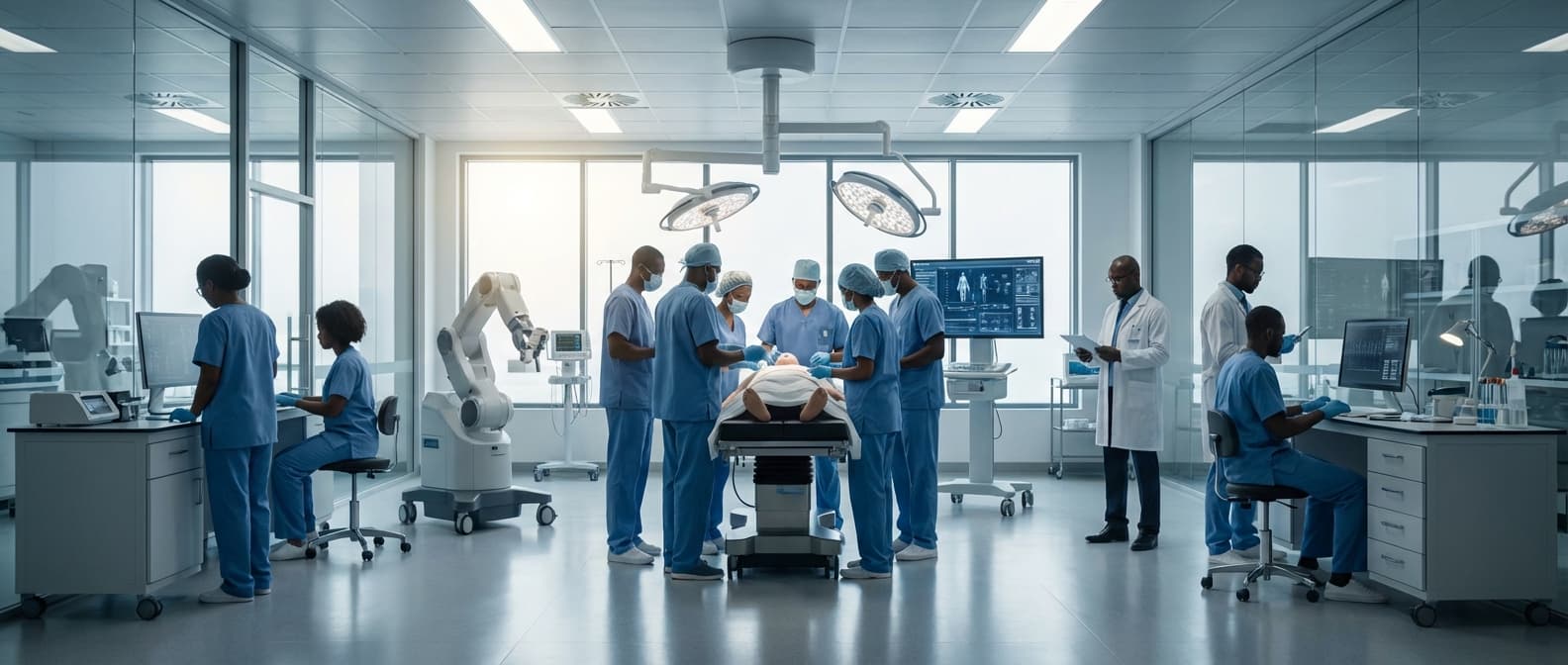
Managed Equipment Service (MES) in Egypt
Engineering Excellence & Technical Support
Long‑term equipment provision with uptime SLAs and lifecycle management. High-standard technical execution following OEM protocols and local regulatory frameworks.
Enhanced Equipment Uptime & Reliability
Leverage our proactive maintenance and rapid-response repair services, backed by local expertise and a comprehensive spare parts inventory, to significantly boost your operational uptime and ensure consistent equipment reliability across your Egyptian facilities.
Optimized Operational Efficiency & Cost Savings
Benefit from data-driven insights and tailored service plans designed to predict and prevent failures, reduce energy consumption, and minimize downtime, leading to tangible improvements in your operational efficiency and significant cost reductions for your MES in Egypt.
Advanced Technology Integration & Support
Stay at the forefront of industry innovation with our certified technicians who provide expert installation, calibration, and ongoing support for cutting-edge equipment, ensuring seamless integration and optimal performance of your advanced technologies in the Egyptian market.
What Is Managed Equipment Service (Mes) In Egypt?
Managed Equipment Service (MES) in Egypt refers to a comprehensive outsourcing model where an external provider assumes responsibility for the procurement, installation, maintenance, and lifecycle management of specific equipment within a client's operational environment. This service transcends simple equipment leasing or maintenance contracts by encompassing a holistic approach to equipment utilization and optimization. MES providers in Egypt typically cater to organizations with significant capital expenditure on specialized or critical equipment, aiming to reduce operational burdens, mitigate risks, and enhance overall equipment effectiveness (OEE). The service is fundamentally a performance-based contract, aligning the provider's remuneration with agreed-upon service level agreements (SLAs) and key performance indicators (KPIs) related to equipment uptime, efficiency, and cost management.
| Who Needs MES in Egypt? | Typical Use Cases/Industries |
|---|---|
| Organizations with High Capital Investment in Equipment: Businesses that rely heavily on expensive, specialized, or mission-critical machinery and instrumentation. | Healthcare Sector: Hospitals and diagnostic centers requiring reliable operation of imaging equipment (MRI, CT scanners), laboratory analyzers, and surgical instruments. MES ensures high uptime for patient care and diagnostic accuracy. |
| Manufacturing & Industrial Firms: Factories and production facilities with complex assembly lines, CNC machines, robotics, and process control systems. MES focuses on maximizing production throughput and minimizing costly downtime. | |
| Energy & Utilities: Power plants, oil and gas facilities, and water treatment plants with extensive infrastructure and specialized equipment requiring constant operational integrity and safety. | |
| Telecommunications: Companies managing large networks of base stations, data centers, and transmission equipment where continuous service availability is paramount. | |
| Research & Development Institutions: Laboratories and research centers with sophisticated scientific instruments and analytical equipment, needing precise calibration and consistent performance. | |
| Logistics & Transportation: Companies operating large fleets of specialized vehicles or automated warehousing systems requiring efficient maintenance and operational uptime. | |
| Companies Seeking to Reduce Operational Overhead: Organizations aiming to shift focus from asset management to core business activities, freeing up internal resources and expertise. | |
| Businesses Facing Stringent Regulatory Compliance: Sectors where equipment maintenance and performance are subject to strict industry regulations and audits. |
Key Components of Managed Equipment Service (MES) in Egypt
- Procurement & Sourcing: Identifying, selecting, and acquiring the necessary equipment based on client requirements and industry best practices. This often involves leveraging the MES provider's purchasing power and expertise for optimal pricing and vendor selection.
- Installation & Commissioning: Overseeing the physical installation, integration, and initial testing of equipment to ensure it meets specified performance benchmarks and operational readiness.
- Preventive & Predictive Maintenance: Implementing scheduled maintenance programs and employing advanced monitoring technologies (e.g., IoT sensors, AI analytics) to anticipate and prevent failures, thereby minimizing unscheduled downtime.
- Corrective Maintenance & Repair: Providing rapid response and skilled technical support for equipment malfunctions and breakdowns, ensuring swift restoration of operational capacity.
- Spare Parts Management: Maintaining an adequate inventory of critical spare parts, optimizing stock levels to minimize lead times and associated carrying costs.
- Performance Monitoring & Optimization: Continuously tracking equipment performance against predefined KPIs and SLAs, identifying areas for improvement, and implementing strategies to enhance efficiency and output.
- Technology Refresh & Lifecycle Management: Planning and executing equipment upgrades or replacements at strategic intervals to ensure clients benefit from the latest technological advancements and avoid obsolescence.
- Reporting & Analytics: Providing detailed reports on equipment status, performance, maintenance activities, and cost analysis, enabling informed decision-making.
- Risk Management: Transferring the operational and financial risks associated with equipment ownership, maintenance, and obsolescence to the MES provider.
Who Needs Managed Equipment Service (Mes) In Egypt?
Managed Equipment Service (MES) in Egypt offers a comprehensive solution for healthcare providers to optimize the management, maintenance, and utilization of their medical equipment. Instead of directly purchasing, maintaining, and upgrading expensive medical devices, healthcare facilities can partner with an MES provider. The provider takes on these responsibilities, offering a predictable cost structure and ensuring access to the latest technology and expert support. This frees up capital, reduces operational burden, and improves the overall efficiency and quality of patient care.
| Target Customer Segment | Key Departments Benefiting from MES | Why MES is Beneficial for Them |
|---|---|---|
| Public Hospitals | Radiology, Cardiology, Critical Care Units (ICU/CCU), Operating Rooms, Emergency Departments, Central Sterile Supply Department (CSSD) | Addressing budget constraints, ensuring equipment uptime for critical services, upgrading aging infrastructure without large capital expenditure, standardization of equipment across multiple facilities. |
| Private Hospitals & Healthcare Groups | All clinical departments, IT, Biomedical Engineering, Procurement, Finance | Enhancing patient experience with advanced technology, predictable operational costs, reducing risks associated with equipment obsolescence, focusing on core clinical competencies rather than equipment management. |
| Specialized Clinics (e.g., Oncology, Cardiology, Neurology) | Imaging departments (CT, MRI, X-ray), Diagnostic labs, Treatment rooms, Surgical suites | Access to state-of-the-art specialized equipment, ensuring high diagnostic accuracy, minimizing downtime for critical treatment procedures, managing specialized maintenance needs. |
| Diagnostic Centers | Radiology, Pathology, Laboratory Services, Cardiology Diagnostics | Optimizing equipment utilization, ensuring consistent diagnostic quality, reducing maintenance costs and complexities, staying competitive with the latest imaging and diagnostic technologies. |
| Medical Research Institutions | Research labs, Imaging facilities, Clinical trial support departments | Access to cutting-edge research equipment, managing complex and specialized instrumentation, supporting research timelines by ensuring equipment availability and functionality. |
| Government Health Agencies (e.g., Ministry of Health) | Public healthcare facilities nationwide, National health initiatives | Standardizing medical equipment across the public sector, ensuring equitable access to technology, managing large-scale procurement and maintenance programs, improving national healthcare infrastructure. |
| Remote Healthcare Facilities | Primary care units, rural clinics, mobile health units | Overcoming limited local technical expertise, ensuring reliable equipment in challenging environments, providing access to advanced diagnostics and treatment capabilities that would otherwise be inaccessible. |
Who Needs Managed Equipment Service (MES) in Egypt? Target Customers and Departments
- Hospitals (Public and Private)
- Specialized Clinics
- Diagnostic Centers
- Medical Research Institutions
- Government Health Agencies
- Remote Healthcare Facilities
- Start-up Healthcare Ventures
- Large Group Practices
Managed Equipment Service (Mes) Process In Egypt
The Managed Equipment Service (MES) process in Egypt provides a structured approach for healthcare facilities to procure, install, maintain, and upgrade medical equipment through a comprehensive service agreement. This model shifts the financial burden of capital expenditure and the operational responsibility of maintenance to a third-party provider. The workflow typically begins with an inquiry from the healthcare facility and culminates in the successful execution of the MES contract, ensuring continuous availability and optimal performance of medical equipment.
| Stage | Key Activities | Responsible Parties | Outcomes |
|---|---|---|---|
| Inquiry & Needs Assessment | Submitting inquiry, conducting needs analysis, site visits, evaluating current infrastructure. | Healthcare Facility, MES Provider | Clear understanding of facility's requirements, identification of scope of work. |
| Proposal Development & Negotiation | Designing solutions, submitting proposals, negotiating terms, pricing, and SLAs. | MES Provider, Healthcare Facility | Tailored MES solution, mutually agreed-upon proposal. |
| Contract Finalization & Procurement | Drafting and signing MES contract, procuring specified equipment. | MES Provider, Healthcare Facility, Legal Counsel | Legally binding MES contract, ordered equipment. |
| Installation & Commissioning | Delivering and installing equipment, conducting testing, calibration, user training. | MES Provider, Healthcare Facility Staff | Fully functional and commissioned equipment, trained staff. |
| Service Delivery & Maintenance | Preventive and corrective maintenance, technical support, performance monitoring, upgrades. | MES Provider | Continuous equipment availability, optimal performance, minimized downtime. |
| Contract Management & Review | Regular performance reviews, KPI tracking, contract renewal or termination decisions. | MES Provider, Healthcare Facility | Ongoing contract effectiveness, alignment with facility's evolving needs, successful conclusion of agreement. |
Managed Equipment Service (MES) Process Workflow in Egypt
- 1. Inquiry & Needs Assessment:
- Initial Contact: Healthcare facility identifies a need for new equipment, upgrades, or a comprehensive equipment management solution.
- Formal Inquiry: Facility submits a formal inquiry to potential MES providers, outlining their requirements, existing infrastructure, and desired outcomes.
- Needs Analysis: MES provider engages with the facility to conduct a thorough assessment of their clinical needs, patient volume, current equipment inventory, technological requirements, and budget constraints.
- Site Visit & Evaluation: A site visit is often conducted to evaluate the facility's layout, power supply, IT infrastructure, and other relevant environmental factors.
- 2. Proposal Development & Negotiation:
- Solution Design: Based on the needs assessment, the MES provider designs a tailored solution, including specific equipment models, quantities, service levels, training programs, and technology integration plans.
- Proposal Submission: A detailed proposal is submitted to the healthcare facility, outlining the scope of work, proposed equipment, service schedule, key performance indicators (KPIs), pricing structure, and contract duration.
- Commercial & Technical Negotiations: Discussions and negotiations take place between the facility and the provider regarding pricing, payment terms, service level agreements (SLAs), equipment specifications, and contract clauses.
- Risk Assessment & Mitigation: Both parties identify and assess potential risks, and mitigation strategies are developed and incorporated into the contract.
- 3. Contract Finalization & Procurement:
- Contract Drafting: A legally binding MES contract is drafted, encompassing all agreed-upon terms and conditions, including responsibilities, warranties, liabilities, termination clauses, and dispute resolution mechanisms.
- Legal Review & Approval: Both the healthcare facility and the MES provider conduct legal review and obtain necessary internal approvals for the contract.
- Contract Signing: The MES contract is officially signed by authorized representatives of both parties.
- Equipment Procurement: Upon contract signing, the MES provider procures the specified medical equipment from manufacturers.
- 4. Installation & Commissioning:
- Logistics & Delivery: The procured equipment is shipped, delivered, and transported to the healthcare facility.
- Installation: Trained technicians from the MES provider install the equipment according to manufacturer guidelines and facility requirements.
- Testing & Calibration: Comprehensive testing and calibration are performed to ensure the equipment functions accurately and safely.
- Commissioning: Formal commissioning of the equipment is conducted, often involving joint acceptance testing by the facility's clinical staff and the MES provider.
- User Training: The MES provider delivers training to the healthcare facility's clinical and technical staff on the proper operation, basic maintenance, and safety procedures for the new equipment.
- 5. Service Delivery & Maintenance (Execution):
- Preventive Maintenance: Regular scheduled maintenance is performed by the MES provider to ensure optimal performance and longevity of the equipment, minimizing the risk of breakdowns.
- Corrective Maintenance & Repairs: In the event of equipment failure or malfunction, the MES provider responds promptly to diagnose and repair the issue, adhering to agreed-upon response times.
- Technical Support & Troubleshooting: Continuous technical support is provided to address any operational queries or issues encountered by the facility's staff.
- Consumables Management (if applicable): The MES provider may also manage the supply and inventory of necessary consumables related to the equipment.
- Performance Monitoring & Reporting: The MES provider continuously monitors equipment performance against agreed KPIs and provides regular reports to the healthcare facility.
- Equipment Upgrades & Replacements: As per the contract, the MES provider facilitates planned upgrades or replacements of equipment at the end of their lifecycle or when technological advancements necessitate it.
- Continuous Improvement: The MES provider works with the facility to identify opportunities for process improvements and enhance equipment utilization.
- 6. Contract Management & Review:
- Regular Reviews: Periodic contract review meetings are held to assess performance, address any concerns, and ensure alignment with evolving needs.
- Performance Evaluation: The effectiveness of the MES agreement is evaluated based on the achievement of KPIs and SLAs.
- Contract Renewal or Termination: At the end of the contract term, decisions are made regarding renewal, renegotiation, or termination of the agreement.
- End-of-Life Management: The MES provider manages the decommissioning and disposal or recycling of equipment at the end of its service life, in compliance with regulations.
Managed Equipment Service (Mes) Cost In Egypt
Managed Equipment Service (MES) in Egypt offers a comprehensive solution for healthcare providers to manage their medical equipment lifecycle, from procurement and installation to maintenance, repair, and eventual replacement. This model aims to improve efficiency, reduce capital expenditure, and ensure optimal equipment availability. The cost of MES in Egypt is influenced by a variety of factors, leading to a diverse pricing range in local currency (EGP).
| Service Scope | Estimated Annual Cost Range (EGP) | Typical Inclusions |
|---|---|---|
| Basic Maintenance & Repair (BMR) | 5% - 10% of Equipment Value | Preventive maintenance, corrective repairs, spare parts for selected equipment. |
| Full Maintenance & Repair (FMR) | 10% - 15% of Equipment Value | Includes BMR plus on-demand repairs, potentially all spare parts, and basic technical support. |
| Comprehensive MES (Procurement to Disposal) | 15% - 25% of Equipment Value (or per-procedure/unit basis) | Includes procurement, installation, training, full maintenance and repair, upgrades, and disposal. Often structured as a revenue-sharing or per-unit fee for high-volume areas. |
| Specialized Equipment (e.g., Imaging, ICU) | Can be significantly higher than general equipment, often on a per-unit or per-usage basis. | Requires highly specialized technicians, expensive spare parts, and stringent uptime requirements. Pricing is highly customized. |
Key Pricing Factors for MES in Egypt
- Scope of Services: This is the most significant driver. MES contracts can cover a wide range from basic maintenance and repair to full-cycle management including procurement, installation, training, upgrades, and disposal.
- Number and Type of Equipment: A larger fleet of diverse and high-value equipment will naturally command a higher MES fee compared to a smaller, simpler inventory.
- Technology and Age of Equipment: Newer, more complex, and technologically advanced equipment typically has higher maintenance and service costs due to specialized parts and skilled technicians required.
- Service Level Agreements (SLAs): The responsiveness, uptime guarantees, and specific performance metrics defined in the SLA directly impact pricing. Higher uptime guarantees and faster response times usually mean higher costs.
- Geographic Location of Facilities: While less of a factor within major urban centers, remote or difficult-to-access locations in Egypt might incur additional logistical costs for service technicians and parts.
- Contract Duration: Longer-term MES contracts often offer better value per unit or per year, as providers can achieve economies of scale and predictability.
- Vendor Reputation and Experience: Established MES providers with a strong track record and extensive network may command premium pricing, reflecting their reliability and expertise.
- Ancillary Services: Inclusions like training programs for hospital staff, asset tracking software, and data analytics for equipment utilization can add to the overall cost.
- Risk Sharing and Financial Models: The MES provider may take on varying levels of financial risk related to equipment obsolescence or repair costs, which is factored into the pricing.
- Customization and Specific Requirements: Bespoke solutions tailored to the unique needs of a hospital or clinic will influence the final price.
Affordable Managed Equipment Service (Mes) Options
Finding affordable Managed Equipment Services (MES) is crucial for organizations of all sizes. MES can streamline operations, improve efficiency, and reduce downtime by outsourcing the management of IT equipment. The key to affordability often lies in understanding and leveraging value bundles and implementing smart cost-saving strategies. Value bundles typically offer a combination of services and hardware at a discounted rate compared to purchasing them individually. Cost-saving strategies focus on optimizing resource utilization, negotiating favorable terms, and adopting proactive maintenance approaches.
| Cost-Saving Strategy | Description | Impact on MES Affordability |
|---|---|---|
| Right-Sizing Equipment | Assessing actual needs and avoiding over-provisioning hardware. Using cloud-based solutions where appropriate. | Reduces upfront hardware costs and ongoing leasing fees. |
| Negotiating Volume Discounts | Leveraging organizational size or consolidating purchasing power to negotiate better prices with vendors. | Lowers per-unit hardware and software costs within bundles. |
| Flexible Contract Terms | Opting for contracts that allow for scaling up or down based on business needs, avoiding long-term commitments for fluctuating requirements. | Prevents paying for unused capacity and allows for adjustments to budget. |
| Prioritizing Proactive Maintenance | Investing in preventative maintenance to avoid costly reactive repairs and downtime. | Reduces emergency service call-out fees and minimizes business disruption. |
| Exploring Open-Source Alternatives | Where feasible, utilizing open-source software can significantly reduce licensing costs. | Lowers overall software expenditure within the MES bundle. |
| Leasing vs. Purchasing Analysis | Evaluating the total cost of ownership for leasing versus purchasing equipment over the expected lifecycle. | Ensures the most financially advantageous acquisition method is chosen. |
| Standardization of Hardware and Software | Adopting a limited range of hardware models and software applications simplifies management and procurement. | Streamlines support, reduces training needs, and often leads to bulk purchasing discounts. |
| Performance-Based Service Level Agreements (SLAs) | Structuring SLAs to incentivize vendor performance and penalize underperformance. | Ensures value for money and can lead to credits or rebates for unmet targets. |
| Regular Vendor Review and Audits | Periodically reviewing vendor performance, costs, and contract compliance. | Identifies potential cost savings, addresses inefficiencies, and ensures competitive pricing. |
Key MES Value Bundle Components
- Hardware Provisioning and Leasing: Bundling the cost of acquiring or leasing necessary IT equipment.
- Installation and Configuration: Including setup and initial deployment services.
- Proactive Monitoring and Maintenance: Bundled preventative care to minimize issues.
- Help Desk and Technical Support: Integrated support for end-users and IT staff.
- Software Licensing and Management: Consolidating software costs and management.
- Security Services: Bundling of security solutions like firewalls, antivirus, and intrusion detection.
- Cloud Integration and Management: Seamless integration with cloud services.
- End-of-Life Hardware Management: Including responsible disposal or recycling.
- Reporting and Analytics: Providing insights into equipment performance and utilization.
Verified Providers In Egypt
In Egypt's evolving healthcare landscape, identifying and trusting verified providers is paramount for ensuring quality care and peace of mind. Franance Health stands out as a leader in this space, meticulously vetting and credentialing medical professionals and facilities to guarantee a high standard of service. Their rigorous verification process, which includes a comprehensive review of qualifications, licenses, experience, and patient feedback, ensures that individuals have access to the most competent and reliable healthcare options available. Choosing Franance Health-credentialed providers means prioritizing safety, expertise, and a patient-centric approach to healthcare.
| Credentialing Aspect | Franance Health's Verification Process | Benefit to Patients |
|---|---|---|
| Medical Licenses & Certifications | Thorough examination of all active and valid licenses and board certifications. | Ensures providers are legally qualified and possess the necessary expertise in their field. |
| Professional Experience | Verification of educational background and documented years of practice. | Confirms that providers have practical experience and a proven track record. |
| Reputation & Patient Feedback | Collection and analysis of patient reviews and professional references. | Provides insights into provider's bedside manner, patient satisfaction, and ethical conduct. |
| Facility Standards (if applicable) | Assessment of clinic/hospital infrastructure, equipment, and adherence to safety protocols. | Guarantees a safe, hygienic, and well-equipped environment for treatment. |
| Continuing Medical Education (CME) | Confirmation of ongoing professional development and updated knowledge. | Ensures providers are up-to-date with the latest medical advancements and practices. |
Why Franance Health Credentials Matter:
- Uncompromising Quality Assurance: Franance Health's stringent vetting process guarantees that all credentialed providers meet the highest industry standards.
- Enhanced Patient Safety: By verifying licenses, certifications, and backgrounds, Franance Health minimizes risks and ensures a secure healthcare experience.
- Access to Top Expertise: Their network comprises highly skilled and experienced medical professionals across various specializations.
- Trust and Transparency: Franance Health provides a transparent system, allowing patients to make informed decisions with confidence.
- Streamlined Healthcare Navigation: Their platform simplifies the search for reliable healthcare, saving patients time and stress.
- Commitment to Ethical Practices: Franance Health ensures all providers adhere to ethical medical guidelines and professional conduct.
Scope Of Work For Managed Equipment Service (Mes)
This document outlines the Scope of Work (SOW) for a Managed Equipment Service (MES), detailing the technical deliverables and standard specifications required for the successful implementation and ongoing management of specified medical equipment. The MES aims to ensure optimal equipment performance, availability, and compliance with all relevant standards and regulations, thereby supporting the client's clinical operations and patient care.
| Deliverable Category | Description | Standard Specifications/Requirements | Key Performance Indicators (KPIs) |
|---|---|---|---|
| Equipment Inventory & Asset Management | Establishment and maintenance of a detailed, accurate, and centralized inventory of all managed equipment, including serial numbers, model numbers, purchase dates, warranty information, maintenance history, and current location. | Utilize a robust Computerized Maintenance Management System (CMMS). Include regular audits for accuracy. Data security and access control protocols must be implemented. | Inventory accuracy rate (>98%); CMMS uptime (>99.9%); Data integrity. |
| Installation & Commissioning | Professional installation, configuration, testing, and commissioning of all new equipment, ensuring it meets manufacturer specifications and clinical operational requirements. | Adherence to manufacturer installation manuals and site-specific requirements. Pre-installation site surveys. Post-installation testing protocols. Formal acceptance testing by client. All necessary certifications obtained. | On-time installation completion rate (>95%); Successful commissioning rate (>98%); No critical issues post-commissioning. |
| Preventive Maintenance (PM) | Execution of scheduled PM tasks according to manufacturer recommendations and industry best practices to maintain equipment reliability and safety. | Development of site-specific PM schedules. Use of manufacturer-approved parts and procedures. Documentation of all PM activities. Adherence to defined PM completion timelines. | PM completion rate within scheduled window (>95%); PM compliance score (>90%); Reduction in unscheduled downtime by X%. |
| Corrective Maintenance (CM) & Repair | Prompt and effective response to equipment failures, including diagnosis, repair, and return to service. | Defined response times based on equipment criticality (e.g., Tier 1: <4 hours, Tier 2: <8 hours, Tier 3: <24 hours). Use of certified technicians. Availability of common spare parts. Manufacturer-trained technicians for specialized equipment. | Mean Time To Repair (MTTR) for critical equipment (< X hours); First-time fix rate (>80%); Equipment uptime percentage (>98%). |
| Calibration & Performance Verification | Regular calibration and performance verification of equipment to ensure accuracy and reliability for clinical use. | Adherence to established calibration intervals and procedures. Use of traceable calibration standards. Provision of calibration certificates. Compliance with relevant accreditation standards (e.g., JCI, CAP). | Calibration completion rate within due date (>95%); Traceability of calibration standards; No calibration-related clinical errors. |
| Training | Provision of comprehensive training for clinical and technical staff on the proper operation, maintenance, and troubleshooting of managed equipment. | Development of training modules based on equipment type and user roles. Certified trainers. Post-training competency assessments. Ongoing refresher training. | Training completion rate for target staff (>90%); Competency assessment pass rate (>90%); Reduction in user-induced equipment issues. |
| Regulatory Compliance & Documentation | Ensuring all managed equipment complies with local, national, and international regulatory requirements and maintaining comprehensive documentation. | Compliance with relevant health and safety regulations, medical device directives, and quality standards. Maintenance of all service records, calibration certificates, and PM reports in an auditable format. Facilitation of regulatory audits. | 100% compliance with identified regulations; No regulatory non-compliance findings during audits; Availability of all required documentation within X business days upon request. |
| Performance Monitoring & Reporting | Continuous monitoring of equipment performance and providing regular, comprehensive reports to stakeholders. | Defined reporting frequency (e.g., monthly, quarterly). Reports to include equipment uptime, MTTR, PM compliance, costs, and recommendations. Use of a standardized reporting template. | Timely submission of reports; Accuracy and completeness of reports; Client satisfaction with reporting. |
| Spare Parts & Consumables Management | Effective management of spare parts and consumables inventory to ensure timely availability for maintenance and repairs. | Establishment of optimal stock levels based on usage data and lead times. Secure storage and tracking of parts. Regular inventory audits. Vendor management for parts procurement. | Spare parts availability rate (>95% for critical items); Inventory accuracy; Reduction in stock-outs. |
Key Technical Deliverables
- Comprehensive Equipment Inventory and Asset Management System
- Installation, Configuration, and Commissioning of New Equipment
- Preventive Maintenance (PM) Program
- Corrective Maintenance (CM) and Repair Services
- Calibration and Performance Verification
- Equipment Upgrades and Replacements Strategy
- Training for Clinical and Technical Staff
- Regulatory Compliance and Documentation Management
- Performance Monitoring and Reporting
- Inventory Management of Spare Parts and Consumables
- Decommissioning and Disposal of End-of-Life Equipment
Service Level Agreement For Managed Equipment Service (Mes)
This Service Level Agreement (SLA) outlines the performance standards and guarantees for the Managed Equipment Service (MES) provided by [Your Company Name] to [Client Name]. It details the agreed-upon response times for incidents and the guaranteed uptime for the managed equipment.
| Service Component | Incident Severity Level | Response Time Guarantee | Resolution Time Target | Uptime Guarantee |
|---|---|---|---|---|
| Critical Equipment (e.g., production servers, core network infrastructure) | Severity 1 (System Failure/Major Outage) | 15 minutes | 4 hours | 99.95% |
| Critical Equipment (e.g., production servers, core network infrastructure) | Severity 2 (Significant Performance Degradation) | 30 minutes | 8 business hours | 99.95% |
| Business Critical Equipment (e.g., department servers, key workstations) | Severity 1 (System Failure/Major Outage) | 30 minutes | 8 business hours | 99.90% |
| Business Critical Equipment (e.g., department servers, key workstations) | Severity 2 (Significant Performance Degradation) | 1 hour | 16 business hours | 99.90% |
| Standard Equipment (e.g., general user workstations, printers) | Severity 1 (System Failure/Major Outage) | 2 hours | 24 business hours | 99.50% |
| Standard Equipment (e.g., general user workstations, printers) | Severity 2 (Significant Performance Degradation) | 4 hours | 48 business hours | 99.50% |
| Scheduled Maintenance | N/A | Advance Notification Required | As per schedule | Excluded from uptime |
Key Service Parameters
- This SLA is effective from [Start Date] to [End Date].
- Any deviations or amendments to this SLA must be documented and agreed upon in writing by both parties.
- This SLA applies to all equipment designated as part of the MES for [Client Name].
- Definition of Incident Severity Levels is crucial for accurate response.
- The uptime guarantee excludes scheduled maintenance and events outside of [Your Company Name]'s reasonable control.
Frequently Asked Questions

Ready when you are
Let's scope your Managed Equipment Service (MES) in Egypt project in Egypt.

Scaling healthcare logistics and technical systems across the entire continent.