
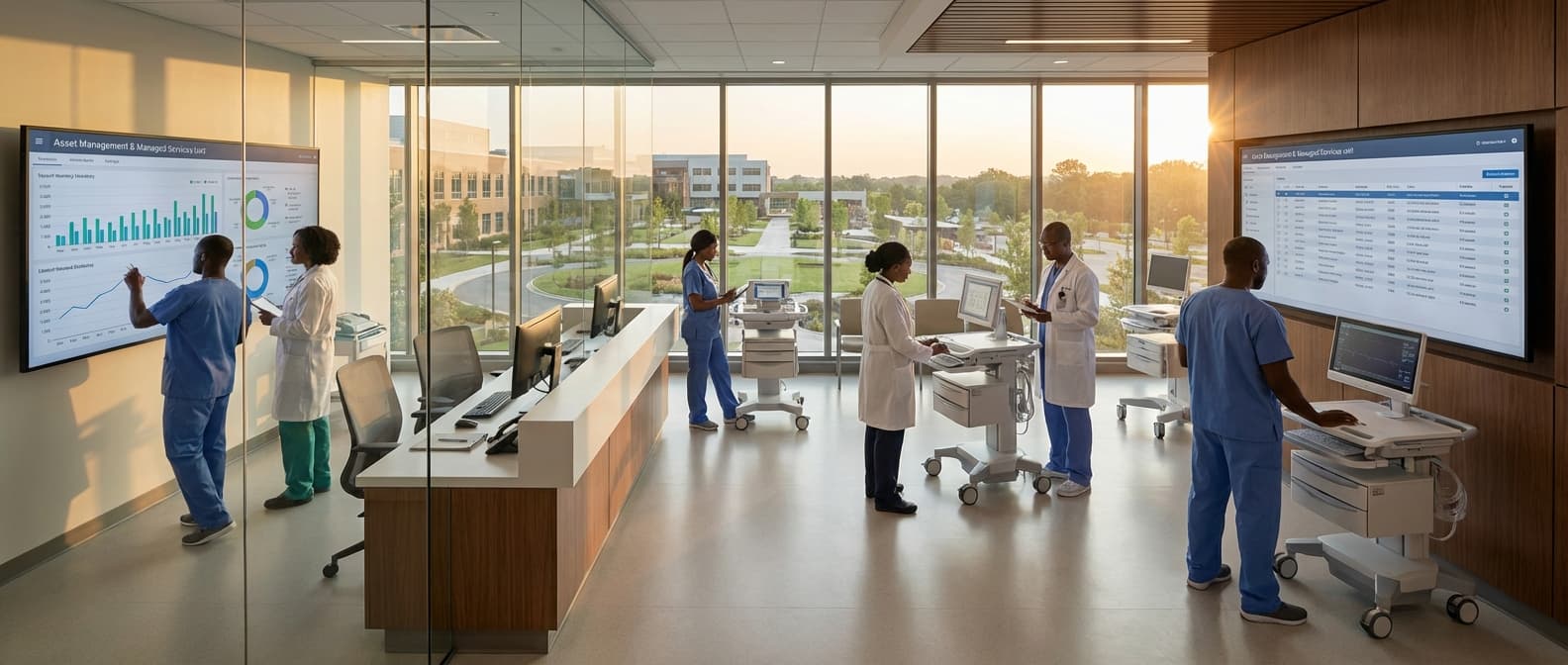
Equipment Fleet Standardization Consulting Service in Egypt
Engineering Excellence & Technical Support
Equipment Fleet Standardization Consulting Service High-standard technical execution following OEM protocols and local regulatory frameworks.
Optimized Operational Efficiency
Leverage data-driven analysis to identify inefficiencies in your current fleet operations. Our standardization strategies reduce downtime, minimize fuel consumption, and streamline maintenance schedules, directly impacting your bottom line in the Egyptian market.
Cost Reduction & ROI Maximization
By consolidating your equipment types and standardizing spare parts, we unlock significant cost savings through bulk purchasing power and reduced inventory complexity. Maximize your Return on Investment (ROI) in Egypt with a more predictable and manageable fleet expenditure.
Enhanced Safety & Maintenance Predictability
Implement standardized maintenance protocols and operator training across a unified fleet. This significantly improves safety compliance, reduces the risk of unexpected breakdowns, and allows for predictable maintenance planning, crucial for uninterrupted operations in Egypt's diverse working environments.
What Is Equipment Fleet Standardization Consulting Service In Egypt?
Equipment Fleet Standardization Consulting Service in Egypt refers to specialized advisory engagement focused on optimizing the selection, acquisition, utilization, and maintenance of an organization's operational machinery and vehicles within the Egyptian market. This service aims to establish consistent specifications, operational protocols, and maintenance strategies across a company's fleet, thereby enhancing operational efficiency, reducing total cost of ownership (TCO), and improving asset lifecycle management. It encompasses a holistic approach to fleet management, moving from fragmented, disparate asset portfolios to a unified, strategically aligned set of equipment.
| Who Needs This Service? | Typical Use Cases in Egypt | |
|---|---|---|
| Construction Companies: Managing diverse fleets of earthmoving equipment, cranes, concrete mixers, and transportation vehicles across multiple project sites. | Consolidating purchasing of excavators and loaders from a limited number of preferred manufacturers to reduce spare parts inventory and enhance technician familiarity. | Implementing standardized telematics across all trucks to monitor fuel consumption, driver behavior, and route optimization in major urban centers like Cairo and Alexandria. |
| Oil and Gas Sector: Overseeing specialized vehicles and heavy machinery used in exploration, extraction, and transportation in remote or challenging terrains. | Standardizing the specifications for exploration drilling rigs and support vehicles to ensure interoperability and simplified maintenance across geographically dispersed operational areas. | Establishing uniform safety protocols and maintenance schedules for fleet operating in harsh desert environments. |
| Logistics and Transportation Companies: Managing fleets of trucks, trailers, and vans for freight movement and last-mile delivery. | Adopting a common fleet of medium-duty trucks for regional distribution to streamline maintenance and driver training programs. | Implementing advanced fleet management systems to optimize delivery routes and monitor vehicle health for a national distribution network. |
| Mining Operations: Managing heavy-duty vehicles like haul trucks, excavators, and drilling rigs in large-scale extraction projects. | Consolidating specifications for a fleet of large haul trucks to simplify maintenance and reduce reliance on specialized technicians for various brands. | Developing standardized protocols for equipment deployment and operational efficiency in a mine's life cycle. |
| Government Agencies and Municipalities: Managing fleets of public service vehicles, waste management equipment, and infrastructure maintenance machinery. | Standardizing garbage collection trucks for a municipality to reduce operational complexity and facilitate parts sourcing. | Implementing a unified fleet management system for all public works vehicles to improve resource allocation and maintenance planning. |
| Large Industrial Facilities: Managing internal transport vehicles, material handling equipment, and specialized machinery within a plant or industrial complex. | Standardizing forklift fleets within a large manufacturing plant to improve safety and reduce downtime due to part availability. | Optimizing the maintenance strategy for a fleet of industrial vehicles operating in demanding environments. |
Key Components of Equipment Fleet Standardization Consulting:
- Fleet Audit and Analysis: Comprehensive assessment of existing equipment inventory, including age, condition, performance data, utilization rates, operational costs (fuel, maintenance, repairs), and vendor relationships.
- Needs Assessment and Requirement Definition: Analyzing current and future operational requirements, identifying gaps in existing fleet capabilities, and defining standardized equipment specifications based on performance metrics, safety regulations, and environmental considerations.
- Standardization Strategy Development: Formulating a roadmap for phased implementation of standardized equipment types, makes, and models, including procurement policies, lifecycle management plans, and disposal strategies.
- Technology Integration: Advising on the adoption of fleet management software (FMS), telematics systems, predictive maintenance tools, and other technologies to monitor, control, and optimize fleet performance.
- Procurement and Vendor Management: Developing standardized procurement processes, negotiating favorable terms with manufacturers and suppliers, and establishing robust vendor performance management frameworks.
- Maintenance and Repair Optimization: Implementing standardized preventive maintenance schedules, optimizing workshop operations, and leveraging original equipment manufacturer (OEM) recommended practices or equivalent third-party solutions.
- Training and Skill Development: Designing and delivering training programs for operators, maintenance personnel, and fleet managers to ensure effective utilization and upkeep of standardized equipment.
- Regulatory Compliance: Ensuring the standardized fleet meets all relevant Egyptian safety, environmental, and operational regulations.
Who Needs Equipment Fleet Standardization Consulting Service In Egypt?
In Egypt's dynamic economic landscape, where industries are rapidly expanding and infrastructure development is a key priority, optimizing equipment fleet operations is crucial for success. Equipment fleet standardization consulting services help organizations achieve this by establishing uniform standards for their vehicles and machinery. This leads to significant benefits such as reduced operational costs, improved maintenance efficiency, enhanced safety, streamlined procurement, and better utilization of resources. Companies that can greatly benefit from these services are those with substantial investments in diverse fleets, facing challenges in managing, maintaining, and optimizing their assets.
| Target Customer Type | Typical Departments Involved | Key Challenges Addressed by Standardization |
|---|---|---|
| Large Corporations (e.g., Manufacturing, FMCG) | Fleet Management, Operations, Procurement, Maintenance, Finance | Inconsistent vehicle types leading to varied maintenance needs, high spare parts inventory, difficulty in driver training, complex asset tracking. |
| Government Agencies (e.g., Ministry of Transport, Municipalities) | Procurement, Public Works, Fleet Operations, Budgeting, Safety | Lack of uniform specifications for tenders, inefficient procurement processes, challenges in unified maintenance contracts, safety concerns due to disparate vehicle capabilities. |
| Construction and Infrastructure Companies | Project Management, Site Operations, Equipment Management, Procurement, Maintenance | Diverse range of specialized equipment, need for interoperability on sites, high maintenance costs for varied models, training challenges for operators. |
| Logistics and Transportation Providers | Fleet Operations, Logistics Planning, Maintenance, Procurement, Driver Management | Optimizing fleet for specific routes and payloads, managing fuel efficiency across different vehicle types, ensuring compliance with transportation regulations, minimizing downtime. |
| Oil, Gas, and Mining Operations | Operations, Maintenance, Safety, Procurement, Logistics | Specialized heavy-duty and off-road equipment, stringent safety requirements, remote operational environments, need for reliable and consistent performance. |
| Agricultural Enterprises | Farm Operations, Equipment Management, Procurement, Maintenance | Managing a mix of tractors, harvesters, and specialized farming machinery, ensuring availability of parts in rural areas, training farm workers on diverse equipment. |
| Utility Companies | Field Operations, Maintenance, Fleet Management, Procurement, Safety | Diverse fleet for service vehicles, specialized equipment for repairs, need for reliable and safe vehicles for public service, managing operational costs. |
Target Customers in Egypt for Equipment Fleet Standardization Consulting Services
- Large Corporations with Extensive Fleets
- Government Agencies and Public Sector Entities
- Construction and Infrastructure Companies
- Logistics and Transportation Providers
- Oil, Gas, and Mining Operations
- Agricultural Enterprises
- Manufacturing and Industrial Companies
- Utility Companies (Electricity, Water, Telecom)
- Rental Companies (Heavy Equipment, Vehicles)
Equipment Fleet Standardization Consulting Service Process In Egypt
This document outlines the workflow for our Equipment Fleet Standardization Consulting Service in Egypt, detailing the process from initial inquiry to final execution. Our aim is to guide clients through a structured approach to optimize their equipment fleets, leading to cost savings, improved operational efficiency, and enhanced asset management. The process is designed to be transparent, collaborative, and tailored to the specific needs of each Egyptian business.
| Phase | Description | Key Activities | Deliverables | Timeline (Indicative) |
|---|---|---|---|---|
| Phase 1: Inquiry & Initial Consultation | The client expresses interest in fleet standardization services. This phase involves understanding their general challenges and objectives. | Initial contact, preliminary discussion of needs, understanding business context in Egypt. | Understanding of client's high-level goals, preliminary assessment of potential scope. | 1-3 Business Days |
| Phase 2: Needs Assessment & Scoping | A deep dive into the client's current fleet, operational processes, and specific pain points related to equipment management. | Site visits (if applicable), interviews with stakeholders, review of existing documentation, data analysis kickoff. | Detailed needs assessment report, defined project scope, identification of key performance indicators (KPIs). | 1-2 Weeks |
| Phase 3: Proposal Development & Presentation | Based on the needs assessment, a customized consulting proposal is developed and presented to the client. | Formulating service offerings, defining methodologies, cost estimation, team allocation, proposal writing, presentation to client. | Comprehensive consulting proposal, detailed project plan, budget breakdown, proposed timelines. | 1 Week |
| Phase 4: Contractual Agreement | Formalizing the engagement through a legally binding contract. | Review and negotiation of terms, signing of the consulting agreement. | Signed consulting contract. | 1 Week |
| Phase 5: Data Collection & Analysis | Gathering and analyzing all relevant data pertaining to the client's current equipment fleet. | Collecting data on equipment types, age, maintenance records, utilization, operational costs, fuel consumption, downtime, etc. | Cleaned and organized dataset of fleet information, initial data insights. | 2-4 Weeks |
| Phase 6: Standardization Strategy Development | Developing a tailored strategy for fleet standardization based on the analyzed data and client objectives. | Identifying optimal equipment types, preferred manufacturers, maintenance protocols, lifecycle management strategies, risk assessment. | Fleet standardization strategy document, recommended equipment categories, procurement guidelines. | 2-3 Weeks |
| Phase 7: Technology & System Integration Planning | Recommending and planning for the integration of relevant technologies and management systems. | Evaluating and recommending fleet management software (FMS), telematics solutions, maintenance management systems (CMMS), integration plan with existing ERP systems. | Technology integration roadmap, system requirements document, vendor recommendations (if applicable). | 1-2 Weeks |
| Phase 8: Implementation & Rollout | Overseeing the implementation of the standardization strategy and new systems. | Procurement support, phased equipment replacement or upgrade, software deployment, system configuration. | New/standardized equipment in operation, implemented fleet management systems. | Varies significantly based on scope (e.g., 3-12+ Months) |
| Phase 9: Training & Change Management | Ensuring smooth adoption of new standards and systems by the client's personnel. | Developing training materials, conducting training sessions for operators, maintenance staff, and management, communication plan for change management. | Trained personnel, user manuals, adoption strategy. | Ongoing during implementation |
| Phase 10: Performance Monitoring & Evaluation | Tracking the impact of standardization on key performance indicators. | Regular data collection, KPI tracking against baseline, performance analysis, identification of deviations. | Performance reports, trend analysis, early warning indicators. | Ongoing during and after implementation |
| Phase 11: Post-Implementation Support & Optimization | Providing ongoing support to ensure sustained benefits and continuous improvement. | Troubleshooting, addressing user feedback, refining processes, periodic review of strategy effectiveness. | Recommendations for ongoing optimization, updated best practices. | Ongoing post-implementation (e.g., 3-6 Months) |
| Phase 12: Project Closure & Reporting | Formal conclusion of the consulting engagement with a comprehensive final report. | Final project review, compilation of all deliverables, final project report detailing outcomes, benefits realized, and lessons learned. | Final project report, project closure documentation. | 1-2 Weeks |
Equipment Fleet Standardization Consulting Service Workflow in Egypt
- Inquiry & Initial Consultation
- Needs Assessment & Scoping
- Proposal Development & Presentation
- Contractual Agreement
- Data Collection & Analysis
- Standardization Strategy Development
- Technology & System Integration Planning
- Implementation & Rollout
- Training & Change Management
- Performance Monitoring & Evaluation
- Post-Implementation Support & Optimization
- Project Closure & Reporting
Equipment Fleet Standardization Consulting Service Cost In Egypt
This document outlines the cost considerations for Equipment Fleet Standardization Consulting Services in Egypt. The primary goal of such services is to optimize a company's equipment assets by establishing uniform makes, models, and specifications, leading to reduced maintenance costs, improved operational efficiency, and simplified procurement. The cost is influenced by several key factors, and the following provides a general overview of typical pricing ranges in Egyptian Pounds (EGP).
| Service Component/Engagement Type | Estimated Cost Range (EGP) | Notes |
|---|---|---|
| Initial Fleet Assessment & Analysis (per fleet type/major category) | 20,000 - 70,000 | Covers data collection, current state analysis, and identification of standardization opportunities. Varies based on fleet size and complexity. |
| Development of Standardization Strategy & Recommendations | 30,000 - 100,000 | Includes defining future state, selection criteria, and proposed standardization roadmap. Complexity and number of recommendations are key drivers. |
| Total Cost of Ownership (TCO) Modeling & Analysis | 15,000 - 50,000 (per equipment category) | Detailed financial analysis to justify standardization choices. Higher for complex equipment with significant operational costs. |
| Implementation Support & Project Management | 40,000 - 150,000+ (monthly/phased) | Assistance with procurement, phased rollout, training, and change management. This is often the most significant cost component for ongoing projects. |
| Training & Knowledge Transfer | 10,000 - 30,000 | For client's maintenance and operations teams on new standardized equipment and procedures. |
| Full-Service Fleet Standardization Project (Small to Medium Fleet) | 100,000 - 300,000 | Encompasses assessment, strategy, and initial implementation support for a fleet of moderate size and complexity. |
| Full-Service Fleet Standardization Project (Large to Enterprise Fleet) | 300,000 - 1,000,000+ | Comprehensive services for large, diverse fleets with multiple locations, requiring extensive analysis and multi-phase implementation. |
Key Pricing Factors for Equipment Fleet Standardization Consulting in Egypt
- Scope of the project: This includes the number of equipment types, the size of the fleet, and the complexity of operations. Larger and more diverse fleets will naturally incur higher consulting fees.
- Duration of the engagement: The time required to conduct analysis, develop recommendations, and assist with implementation directly impacts the overall cost. Longer-term projects with phased implementations will be more expensive.
- Consultant's expertise and reputation: Highly experienced consultants or well-established consulting firms with a proven track record in fleet management and standardization, particularly within Egypt or similar markets, will command higher rates.
- Depth of analysis and deliverables: The level of detail in the assessment (e.g., comprehensive total cost of ownership analysis, risk assessment, detailed implementation plans) and the nature of the deliverables (e.g., reports, training materials, software configurations) will affect pricing.
- Geographical coverage within Egypt: While the core consulting services might be consistent, on-site assessments across multiple locations or in remote areas could add travel and accommodation expenses.
- Client's internal resources and involvement: The extent to which the client's team can contribute to data gathering, analysis, and decision-making can influence the consultant's workload and, consequently, the cost.
- Technology and tools utilized: If the consultant employs specialized fleet management software or advanced analytical tools, these costs might be factored into the overall service fee.
Affordable Equipment Fleet Standardization Consulting Service Options
Our affordable equipment fleet standardization consulting service helps businesses optimize their operations by establishing consistent equipment types, makes, and models. This strategy significantly reduces maintenance costs, improves technician efficiency, and streamlines procurement. We offer tailored value bundles and implement proven cost-saving strategies to ensure a strong return on investment.
| Value Bundle | Description | Included Services | Target Client Size | Estimated Price Range (USD) | Key Cost-Saving Strategies Addressed |
|---|---|---|---|---|---|
| Foundation Standardization | Basic assessment and recommendation for a core set of standardized equipment. | Fleet audit, basic standardization recommendations, parts list consolidation. | Small to Medium Businesses (SMBs) | $1,500 - $3,000 | Parts inventory reduction, basic maintenance efficiency. |
| Growth Standardization | Comprehensive analysis and implementation plan for a broader range of equipment. | Detailed fleet analysis, multi-vendor comparison, procurement process optimization, technician training assessment. | Medium to Large Businesses (LBs) | $3,000 - $7,500 | Bulk purchasing discounts, improved repair times, reduced training overhead. |
| Enterprise Standardization | Full-scale standardization strategy with ongoing support and advanced optimization. | Deep dive data analytics, total cost of ownership (TCO) modeling, predictive maintenance integration, custom procurement contracts, change management support. | Large Enterprises & Multi-National Corporations | $7,500+ | Significant operational cost reductions across maintenance, procurement, and labor; enhanced fleet lifecycle management. |
Key Benefits of Fleet Standardization
- Reduced Maintenance Costs: Common parts and simplified training lower repair expenses.
- Improved Technician Efficiency: Technicians become experts on fewer equipment types.
- Streamlined Procurement: Bulk purchasing power and simplified ordering processes.
- Enhanced Resale Value: Standardized fleets are often more attractive to buyers.
- Optimized Training Programs: Easier and more effective training for new hires and existing staff.
- Better Parts Inventory Management: Reduced stock levels and less obsolescence.
Verified Providers In Egypt
In Egypt's evolving healthcare landscape, identifying reliable and trustworthy medical providers is paramount. Franance Health stands out as a leading entity dedicated to ensuring patients have access to verified, high-quality healthcare services. This commitment to transparency and excellence makes Franance Health a premier choice for individuals seeking medical care in Egypt.
| Franance Health Credential | What it Means for You | Benefits for Patients |
|---|---|---|
| Accredited Partner Facilities | Hospitals and clinics have met international and national quality benchmarks. | Access to state-of-the-art equipment, modern facilities, and adherence to strict hygiene and safety protocols. |
| Board-Certified Medical Professionals | Doctors and specialists have undergone extensive training and examinations in their respective fields. | Expert diagnosis, effective treatment plans, and specialized care from highly qualified practitioners. |
| Ethical Practice Compliance | Providers adhere to a strict code of medical ethics and patient rights. | Respectful treatment, patient confidentiality, and informed consent are guaranteed. |
| Continuous Professional Development | Healthcare professionals are committed to staying updated with the latest medical advancements. | Benefit from the most current and effective treatment methodologies and technologies. |
| Patient Feedback Integration | Franance Health actively collects and analyzes patient feedback for quality assurance. | A continuously improving healthcare experience tailored to patient needs and preferences. |
Why Franance Health is Your Best Choice for Verified Providers in Egypt:
- Rigorous Verification Process: Franance Health implements a stringent vetting system for all its partner providers, ensuring they meet the highest standards of medical expertise, ethical practice, and patient care.
- Uncompromised Quality of Care: By partnering exclusively with accredited and reputable healthcare facilities and professionals, Franance Health guarantees access to top-tier medical treatments and services.
- Patient-Centric Approach: The organization prioritizes patient well-being and satisfaction, offering personalized support and guidance throughout their healthcare journey.
- Transparency and Trust: Franance Health fosters an environment of trust by providing clear information about their providers' credentials, specializations, and experience.
- Streamlined Access: They simplify the process of finding and booking appointments with verified specialists, making healthcare more accessible and convenient.
- Continuous Improvement: Franance Health is dedicated to ongoing assessment and improvement of its network, ensuring that patients consistently receive the best possible care.
Scope Of Work For Equipment Fleet Standardization Consulting Service
This Scope of Work (SOW) outlines the consulting services to be provided by [Consulting Firm Name] (hereinafter referred to as 'Consultant') to [Client Company Name] (hereinafter referred to as 'Client') for the standardization of its equipment fleet. The objective is to improve operational efficiency, reduce maintenance costs, enhance safety, and optimize procurement processes through a unified approach to equipment selection, utilization, and lifecycle management. This document details the project objectives, deliverables, timeline, responsibilities, and acceptance criteria.
| Phase | Activity | Key Deliverables | Timeline (Weeks) |
|---|---|---|---|
| Phase 1: Assessment & Analysis | Fleet Inventory & Data Collection | Comprehensive Equipment Inventory Report, Usage Data Analysis | 4 |
| Phase 1: Assessment & Analysis | Needs Assessment & Gap Analysis | Operational Requirements Matrix, Standardization Opportunity Report | 3 |
| Phase 2: Standardization Strategy Development | Develop Standardized Equipment Categories | Defined Equipment Categories with Rationale | 2 |
| Phase 2: Standardization Strategy Development | Define Technical Specifications | Draft Standardized Equipment Specifications (per category) | 6 |
| Phase 2: Standardization Strategy Development | Total Cost of Ownership (TCO) Analysis | TCO Models for Standardized Equipment, Cost Savings Projections | 4 |
| Phase 3: Policy & Process Development | Develop Procurement & Disposal Policies | Standardized Procurement Guidelines, Equipment Disposal Strategy | 3 |
| Phase 3: Policy & Process Development | Develop Maintenance & Service Strategies | Recommended Maintenance Schedules & Service Agreements | 2 |
| Phase 4: Implementation Planning & Support | Develop Implementation Roadmap | Phased Implementation Plan, Transition Strategy | 3 |
| Phase 4: Implementation Planning & Support | Change Management & Training Plan | Communication Plan, Training Module Outlines | 2 |
| Phase 4: Implementation Planning & Support | Technology Integration Recommendations | Recommendations for Fleet Management Software/Tools | 2 |
| Phase 5: Finalization & Handover | Final Report & Presentation | Comprehensive Final Report, Executive Presentation | 2 |
Project Objectives
- To conduct a comprehensive assessment of the current equipment fleet across all operational divisions.
- To identify opportunities for standardization based on operational needs, maintenance requirements, and total cost of ownership (TCO).
- To develop a standardized equipment catalog with detailed technical specifications for each equipment category.
- To define procurement and disposal policies aligned with the standardization strategy.
- To provide recommendations for technology integration and data management for fleet optimization.
- To facilitate change management and training to ensure successful adoption of the standardized fleet.
- To establish a framework for ongoing fleet management and continuous improvement.
Service Level Agreement For Equipment Fleet Standardization Consulting Service
This Service Level Agreement (SLA) outlines the guaranteed response times and uptime for the Equipment Fleet Standardization Consulting Service. This SLA is an addendum to the Master Services Agreement (MSA) between [Client Name] and [Consulting Firm Name].
| Service Component | Service Level Objective (SLO) | Measurement Method |
|---|---|---|
| Initial Response to Support Requests (Email/Phone) | Within 2 business hours | Timestamp of ticket creation/email receipt/voicemail logged |
| Resolution of Critical Issues (System-wide impact, complete service outage) | Target: 4 business hours; Maximum: 8 business hours | Timestamp of issue resolution confirmed by client |
| Resolution of High-Priority Issues (Significant functionality impairment, affecting multiple users) | Target: 8 business hours; Maximum: 24 business hours | Timestamp of issue resolution confirmed by client |
| Resolution of Medium-Priority Issues (Minor functionality impairment, affecting a single user or limited scope) | Target: 2 business days; Maximum: 5 business days | Timestamp of issue resolution confirmed by client |
| Resolution of Low-Priority Issues (Information requests, minor enhancements, non-impacting issues) | Target: 5 business days; Maximum: 10 business days | Timestamp of issue resolution confirmed by client |
| Consultant Uptime and Availability (for scheduled remote sessions/work) | 99.5% during agreed-upon business hours | Monitoring of consultant availability logs and client confirmation of scheduled session attendance |
Key Service Components
- Initial Response to Support Requests
- Resolution of Critical Issues
- Resolution of High-Priority Issues
- Resolution of Medium-Priority Issues
- Resolution of Low-Priority Issues
- Consultant Uptime and Availability
Frequently Asked Questions

Ready when you are
Let's scope your Equipment Fleet Standardization Consulting Service in Egypt project in Egypt.

Scaling healthcare logistics and technical systems across the entire continent.