
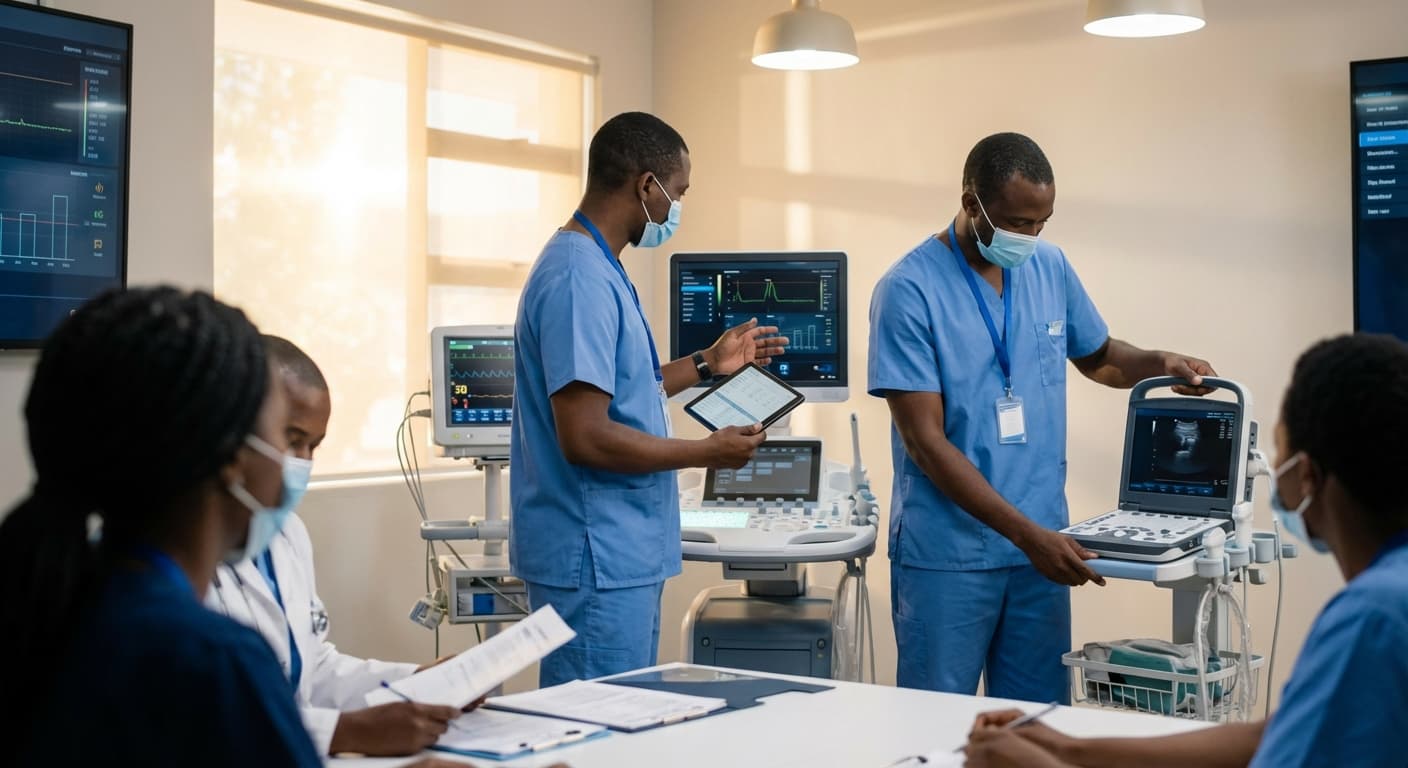
Clinical Needs Assessment for Medical Equipment in Djibouti
Engineering Excellence & Technical Support
Clinical Needs Assessment for Medical Equipment High-standard technical execution following OEM protocols and local regulatory frameworks.
Data-Driven Needs Identification
Leveraging epidemiological data, disease prevalence trends, and patient demographics specific to Djibouti, this assessment identifies critical equipment gaps and prioritizes investments in high-impact medical technologies to address the most pressing health challenges, from infectious diseases to non-communicable conditions.
Capacity & Workflow Optimization
Analyzes existing healthcare infrastructure, staff skill sets, and patient flow within Djibouti's facilities to determine not only the quantity but also the specific types and technical specifications of medical equipment required. This ensures new equipment integrates seamlessly, enhances diagnostic and treatment capabilities, and supports efficient patient care pathways.
Sustainability & Maintenance Planning
Evaluates the long-term operational viability of proposed medical equipment by assessing local technical expertise, availability of spare parts, and existing maintenance infrastructure in Djibouti. This proactive approach guarantees that selected equipment can be reliably serviced and supported, maximizing its lifespan and ensuring continuous availability for patient care.
What Is Clinical Needs Assessment For Medical Equipment In Djibouti?
A Clinical Needs Assessment for Medical Equipment in Djibouti is a systematic and data-driven process designed to evaluate the current and future requirements for medical devices and technologies within the Djiboutian healthcare sector. It aims to identify gaps in equipment availability, functionality, and suitability relative to the prevailing disease burden, demographic trends, and the strategic objectives of healthcare providers and the Ministry of Health. This assessment ensures that procurement and deployment decisions are evidence-based, cost-effective, and aligned with national health priorities, ultimately contributing to improved patient care outcomes and enhanced healthcare system resilience.
| Who Needs It? | Typical Use Cases | |||
|---|---|---|---|---|
| Ministry of Health (Djibouti) | Informing national health policy and strategic planning for healthcare infrastructure development and resource allocation. | Developing national procurement strategies and tender specifications for medical equipment. | Securing funding from governmental and international development partners. | Monitoring and evaluating the effectiveness of existing medical equipment investments. |
| Public Hospitals & Healthcare Facilities (Djibouti) | Identifying specific equipment deficiencies at the facility level to support budget requests and procurement plans. | Optimizing the utilization and maintenance of existing equipment. | Planning for the introduction of new clinical services or specialized departments. | Ensuring compliance with accreditation and quality standards. |
| International Aid Organizations & NGOs | Guiding targeted interventions and project design for medical equipment donations and capacity building initiatives. | Ensuring that donated equipment aligns with local needs and is sustainable within the Djiboutian healthcare system. | Evaluating the impact and effectiveness of their equipment-related projects. | |
| Medical Equipment Manufacturers & Suppliers | Understanding the specific market needs and technical requirements in Djibouti to tailor product offerings and sales strategies. | Identifying opportunities for market entry and long-term partnerships. |
Key Components of a Clinical Needs Assessment for Medical Equipment:
- Data Collection & Analysis: Gathering quantitative and qualitative data on patient demographics, disease prevalence (communicable and non-communicable), existing equipment inventory, utilization rates, maintenance records, and staff skill sets.
- Gap Identification: Benchmarking current equipment stock against international standards, national guidelines, and projected healthcare demands to pinpoint shortages, obsolescence, or functional limitations.
- Technology Forecasting: Evaluating emerging medical technologies and their potential applicability and impact within the Djiboutian context, considering local infrastructure, environmental factors, and user training requirements.
- Prioritization & Justification: Ranking identified needs based on clinical impact, cost-effectiveness, feasibility of implementation, and alignment with national health strategies.
- Recommendations & Reporting: Developing actionable recommendations for equipment acquisition, upgrades, decommissioning, training, and maintenance strategies, presented in a comprehensive report.
- Stakeholder Consultation: Engaging with Ministry of Health officials, hospital administrators, clinical practitioners, biomedical engineers, and potentially international partners throughout the assessment process.
Who Needs Clinical Needs Assessment For Medical Equipment In Djibouti?
Clinical needs assessment for medical equipment is a crucial process to ensure that healthcare facilities in Djibouti acquire the right tools to effectively serve their patient populations. This systematic evaluation identifies current gaps, future requirements, and the most appropriate equipment for various medical specialties and operational demands. It's not a one-size-fits-all approach, but rather a tailored strategy that considers the specific context of healthcare delivery within Djibouti. By undertaking this assessment, organizations can optimize resource allocation, improve patient care outcomes, enhance staff efficiency, and ensure the sustainability of their medical infrastructure.
| Department/Service | Key Needs Assessment Focus | Examples of Medical Equipment |
|---|---|---|
| Emergency Room/Trauma Unit | Rapid diagnosis, life support, immediate intervention | Defibrillators, ventilators, advanced patient monitors, portable X-ray units, trauma kits |
| Maternal and Child Health (MCH) | Antenatal care, delivery, neonatal care, pediatrics | Ultrasound machines (obstetric), fetal dopplers, incubators, phototherapy units, pediatric examination tables |
| Surgery (General, Specialized) | Surgical procedures, sterile equipment, post-operative care | Surgical lights, operating tables, anesthesia machines, electrosurgical units, surgical instrument sets, post-operative monitors |
| Internal Medicine/General Wards | Diagnosis, monitoring, treatment of common illnesses | ECG machines, diagnostic imaging (X-ray, ultrasound), patient beds with integrated monitoring, nebulizers |
| Laboratory Services | Diagnostic testing, sample analysis, quality control | Microscopes, centrifuges, automated analyzers (hematology, chemistry), PCR machines, incubators |
| Radiology/Imaging | Diagnostic imaging for various conditions | X-ray machines (fixed and mobile), CT scanners, MRI scanners (depending on infrastructure), ultrasound machines, PACS systems |
| Intensive Care Unit (ICU) | Critical patient care, advanced monitoring, life support | Advanced ventilators, dialysis machines, continuous infusion pumps, specialized patient monitors, ECMO (if applicable) |
| Outpatient Clinics | Primary care, specialist consultations, minor procedures | Basic diagnostic tools, examination couches, diagnostic kits, minor surgical instruments |
| Rehabilitation Services | Physical therapy, occupational therapy | Therapy mats, exercise equipment, electrotherapy devices, gait training aids |
| Infectious Disease/Epidemiology Units | Diagnosis, containment, and monitoring of infectious diseases | Biosafety cabinets, PCR machines, specialized diagnostic kits, isolation equipment |
Target Customers and Departments for Clinical Needs Assessment in Djibouti
- Ministry of Health (MoH)
- Public Hospitals and Health Centers
- Private Hospitals and Clinics
- Non-Governmental Organizations (NGOs) involved in healthcare
- International Aid Organizations funding health projects
- Medical Training Institutions
Clinical Needs Assessment For Medical Equipment Process In Djibouti
This document outlines the workflow for a Clinical Needs Assessment for Medical Equipment Process in Djibouti, from initial inquiry to final execution. The process is designed to ensure that procured medical equipment effectively addresses identified healthcare needs within the Djiboutian context, considering factors like disease prevalence, existing infrastructure, and user capabilities.
| Stage | Description | Key Activities | Responsible Parties | Deliverables/Outcomes |
|---|---|---|---|---|
| Inquiry & Initial Request | The process begins with a formal or informal request for new or replacement medical equipment. This can originate from healthcare facilities, ministries, or project initiators. | Receiving the request, understanding the general need, initial stakeholder identification. | Requesting entity, Ministry of Health (MoH) focal point, Project Management Unit (PMU). | Acknowledged request, preliminary understanding of the need. |
| Needs Identification & Prioritization | A thorough assessment to identify specific clinical needs that can be met by medical equipment. This involves analyzing disease burdens, service gaps, and existing equipment deficiencies. | Conducting site visits, interviewing healthcare professionals, reviewing patient data and health statistics, analyzing existing equipment inventory, identifying priority areas for intervention. | Clinical specialists, MoH technical committee, healthcare facility managers, PMU needs assessment team. | Detailed report on identified clinical needs, prioritized list of required equipment, justification for each item. |
| Technical Specification Development | Translating the identified needs into precise technical requirements for each piece of equipment. This ensures the equipment is suitable for the local environment and clinical use. | Defining performance standards, safety features, compatibility requirements, power needs, consumables, and any specific accessories or software. | Clinical specialists, biomedical engineers, MoH technical advisors, procurement specialists. | Comprehensive technical specifications for each required medical equipment item. |
| Equipment Evaluation & Selection | Reviewing available equipment options against the developed technical specifications. This stage may involve market research, vendor consultations, and potentially site visits to manufacturers. | Market research, requesting product information and samples, conducting technical evaluations (e.g., performance tests, reviews of certifications), financial viability assessment, stakeholder consultation on preferred options. | Biomedical engineers, clinical specialists, procurement specialists, PMU technical team, MoH technical committee. | Shortlisted equipment options, comparative analysis, recommended equipment for procurement. |
| Procurement Process | The formal process of acquiring the selected medical equipment, adhering to national and international procurement guidelines and regulations. | Developing tender documents, advertising the tender, receiving and evaluating bids, contract negotiation and award, financial clearance. | Procurement department, PMU procurement team, MoH finance department, legal advisors. | Awarded contract, purchase order issued, equipment ordered. |
| Installation & Commissioning | Ensuring the delivered equipment is correctly installed, calibrated, and tested to verify it functions as per specifications in the intended healthcare setting. | Receiving delivery, unpacking, physical installation, electrical and mechanical checks, calibration, functional testing, site acceptance testing (SAT), provision of installation certificates. | Equipment vendors, certified technicians, biomedical engineers, facility maintenance staff. | Installed and commissioned medical equipment, signed installation and commissioning reports. |
| Training & Capacity Building | Providing comprehensive training to healthcare professionals and technical staff on the operation, maintenance, and basic troubleshooting of the new equipment. | Developing training materials, conducting user training sessions (clinical and technical), on-the-job training, competency assessments. | Equipment vendors, trainers (clinical/technical), MoH training department, facility management. | Trained personnel, training attendance records, competency assessment reports. |
| Monitoring & Evaluation | Ongoing assessment of the equipment's utilization, effectiveness, and impact on patient care and service delivery. | Collecting usage data, monitoring equipment performance, assessing impact on clinical outcomes, gathering user feedback, identifying any emerging issues or unmet needs. | MoH monitoring and evaluation unit, PMU, facility managers, clinical users. | Regular reports on equipment utilization and impact, identification of further needs or improvements. |
| Maintenance & Support | Ensuring the long-term functionality and sustainability of the medical equipment through scheduled maintenance, repairs, and access to spare parts and technical support. | Establishing service agreements, implementing preventive maintenance schedules, managing reactive maintenance requests, ensuring availability of spare parts, providing ongoing technical support. | Equipment vendors, in-house biomedical engineering department, MoH technical support team, facility maintenance staff. | Maintained and functional equipment, readily available spare parts, effective repair services. |
Workflow Stages
- Inquiry & Initial Request
- Needs Identification & Prioritization
- Technical Specification Development
- Equipment Evaluation & Selection
- Procurement Process
- Installation & Commissioning
- Training & Capacity Building
- Monitoring & Evaluation
- Maintenance & Support
Clinical Needs Assessment For Medical Equipment Cost In Djibouti
This document outlines a clinical needs assessment for medical equipment costs in Djibouti. It aims to provide an overview of the pricing factors influencing medical equipment acquisition and offer estimated cost ranges in the Djiboutian Franc (DJF). The Djiboutian healthcare sector, while growing, faces unique challenges in equipment procurement due to its geographical location, import dependencies, and specific market dynamics. Understanding these factors is crucial for effective budgeting, resource allocation, and ensuring access to essential medical technologies for the population.
| Equipment Category | Estimated Cost Range (DJF) | Notes |
|---|---|---|
| Basic Diagnostic Tools (e.g., Stethoscopes, Blood Pressure Monitors, Thermometers) | 5,000 - 50,000 | Highly variable based on brand and features. Essential for primary healthcare. |
| Laboratory Equipment (e.g., Basic Centrifuge, Microscope, Hematology Analyzer - semi-automatic) | 100,000 - 1,000,000 | Automation level and capacity significantly impact price. Crucial for diagnosis. |
| Imaging Equipment (e.g., Portable X-ray, Ultrasound Machine - basic) | 1,500,000 - 7,000,000 | Portability, number of probes (for ultrasound), and image quality are key drivers. |
| Surgical Instruments (Basic Sets) | 50,000 - 300,000 | Depends on the complexity and number of instruments in the set. Sterilization compatibility is important. |
| Patient Monitoring Systems (e.g., Vital Signs Monitor) | 200,000 - 800,000 | Number of parameters monitored (ECG, SpO2, NIBP, etc.) affects cost. |
| Anesthesia Machines (Basic) | 2,000,000 - 5,000,000 | Includes vaporizers, ventilators, and safety features. |
| Sterilization Equipment (e.g., Autoclave - medium size) | 500,000 - 2,500,000 | Capacity, cycle time, and sterilization method (steam, chemical) are factors. |
| Dental Chairs and Basic Equipment | 1,000,000 - 4,000,000 | Includes chair, light, handpieces, and basic instruments. |
| Hospital Beds (Manual Adjustable) | 30,000 - 150,000 | Material, number of adjustments, and side rails influence price. |
Key Pricing Factors for Medical Equipment in Djibouti
- Import Duties and Taxes: Djibouti levies import duties and taxes on a wide range of goods, including medical equipment. These can significantly increase the final cost. Specific rates vary depending on the type of equipment and international trade agreements.
- Shipping and Logistics: As a landlocked country with a port, Djibouti relies heavily on shipping. Freight costs, insurance, and inland transportation from the port to the end-user facility contribute substantially to the overall price. Perishability and fragility of equipment can further increase these costs.
- Supplier Markups: Local distributors and agents add their own markups to cover operational costs, profit margins, and often, after-sales service commitments. The number of intermediaries in the supply chain can impact the final price.
- Brand and Manufacturer: Renowned international brands often command higher prices due to perceived quality, reliability, and advanced features. Generic or less established brands might offer lower upfront costs but may require careful consideration regarding long-term performance and support.
- Technology and Features: The complexity, sophistication, and technological advancements of medical equipment directly influence its price. Basic diagnostic tools will be significantly cheaper than advanced imaging systems or surgical robots.
- Warranty and After-Sales Service: The inclusion of comprehensive warranties, maintenance contracts, and readily available spare parts can add to the initial cost but are essential for ensuring the longevity and optimal functioning of equipment, especially in remote areas.
- Currency Exchange Rates: Fluctuations in the Djiboutian Franc (DJF) against major currencies (USD, EUR) where most equipment is sourced can impact import costs. Djibouti's currency is pegged to the USD, offering some stability but still subject to global economic shifts.
- Volume and Bulk Purchasing: Larger orders may allow for negotiation of discounts from suppliers. However, the fragmented nature of some healthcare facilities in Djibouti might limit opportunities for significant bulk purchasing.
- Local Market Demand and Competition: The level of competition among medical equipment suppliers in Djibouti can influence pricing. In areas with limited suppliers, prices may be higher.
Affordable Clinical Needs Assessment For Medical Equipment Options
Conducting a thorough clinical needs assessment for medical equipment is crucial for optimizing patient care and ensuring responsible financial stewardship. This process helps healthcare facilities identify the most appropriate equipment for their specific patient populations, procedural requirements, and existing infrastructure. By understanding genuine needs, organizations can avoid costly over-provisioning or the acquisition of underperforming assets. This assessment forms the foundation for informed purchasing decisions, leading to improved efficiency, enhanced clinical outcomes, and significant cost savings. Furthermore, a well-defined needs assessment facilitates the exploration of innovative solutions and vendor partnerships that align with budgetary constraints and long-term strategic goals.
| Strategy | Description | Potential Cost Savings | Considerations |
|---|---|---|---|
| Value Bundles | Combining equipment, software, training, and service into a single package. | Lower upfront costs, predictable operational expenses. | Ensure all components meet clinical needs; compare bundle cost to individual item pricing. |
| Leasing | Renting equipment for a specified period with an option to purchase or upgrade. | Reduced capital expenditure, flexibility for technology upgrades. | Analyze total cost over the lease term; consider usage and obsolescence. |
| Refurbished Equipment | Pre-owned equipment that has been inspected, repaired, and certified. | Significant upfront cost reduction. | Verify vendor's certification process and warranty; assess remaining lifespan. |
| Standardization | Adopting a limited range of equipment models and brands. | Volume discounts, simplified training and maintenance, reduced inventory. | Ensure standardized equipment meets diverse clinical needs; avoid vendor lock-in. |
| GPOs | Organizations that leverage collective bargaining power for better pricing. | Negotiated discounts and favorable contract terms. | Evaluate GPO membership fees and the range of contracted products. |
Value Bundles & Cost-Saving Strategies
- Value Bundles: Vendors often offer 'value bundles' which combine multiple pieces of equipment, software, training, and service agreements into a single package. These bundles can offer a more competitive price than purchasing items individually and can streamline procurement. They may also include tiered service options, extended warranties, or integrated consumables, providing predictable operational costs.
- Leasing vs. Purchasing: Evaluate the financial implications of leasing medical equipment versus outright purchase. Leasing offers lower upfront costs, flexibility to upgrade technology, and predictable monthly expenses. Purchasing can be more cost-effective long-term if the equipment has a long lifespan and depreciation is factored in.
- Refurbished/Pre-owned Equipment: For certain equipment, high-quality, certified refurbished or pre-owned options can deliver significant cost savings without compromising performance or safety. Rigorous testing and warranties are essential when considering these alternatives.
- Consignment Inventory & Just-In-Time (JIT) Delivery: Negotiate consignment inventory arrangements where vendors store equipment on-site but payment is only made upon use. JIT delivery for consumables and disposables reduces warehousing costs and minimizes waste due to expiration.
- Group Purchasing Organizations (GPOs): Participating in GPOs allows healthcare facilities to leverage collective purchasing power to negotiate better pricing and terms on a wide range of medical equipment and supplies.
- Standardization: Standardizing on specific brands or models of equipment across departments can lead to volume discounts, simplified training, streamlined maintenance, and reduced inventory of spare parts.
- Service and Maintenance Contracts: Carefully analyze service and maintenance contract options. Consider tiered contracts, preventative maintenance agreements, and the potential for in-house maintenance capabilities to reduce overall service costs.
- Technology Refresh Cycles: Develop a strategic plan for technology refresh cycles. Understanding the typical lifespan of equipment and anticipating replacement needs can allow for better budget planning and negotiation of upgrade programs.
- Data Analytics & Utilization Monitoring: Implement systems to track equipment utilization. Identifying underutilized assets can lead to opportunities for reallocation, sale, or renegotiation of service contracts, preventing unnecessary expenditure.
- Vendor Negotiation & Competitive Bidding: Always engage in thorough vendor negotiation and competitive bidding processes. Request multiple quotes, clearly define your requirements, and be prepared to walk away if the terms are not favorable.
Verified Providers In Djibouti
In Djibouti's rapidly evolving healthcare landscape, identifying trusted and qualified providers is paramount. Franance Health has emerged as a leading force, distinguished by its unwavering commitment to excellence and a rigorous credentialing process. This dedication ensures that patients receive the highest standard of care from professionals who are not only skilled but also ethically sound and meticulously vetted.
| Credential Type | Verification Process | Benefits for Patients |
|---|---|---|
| Medical Licenses & Certifications | Verification with Djibouti Ministry of Health and relevant international bodies. | Ensures legal and professional qualification to practice medicine. |
| Educational Qualifications | Validation of degrees and diplomas from accredited institutions. | Confirms foundational knowledge and training. |
| Work Experience & References | Thorough checks of past employment and professional references. | Assesses practical skills and professional reputation. |
| Continuing Medical Education (CME) | Review of participation in accredited CME programs. | Guarantees up-to-date medical knowledge and practices. |
| Background Checks | Comprehensive checks for any disciplinary actions or legal issues. | Prioritizes patient safety and ethical conduct. |
Why Franance Health Credentials Matter
- Rigorous Vetting: Franance Health's credentialing process goes beyond surface-level checks, delving deep into a provider's educational background, professional experience, and disciplinary history.
- Continuous Professional Development: Verified providers are required to demonstrate ongoing commitment to learning and staying abreast of the latest medical advancements and best practices.
- Patient-Centric Approach: Credentials often reflect a provider's dedication to patient safety, ethical conduct, and a compassionate approach to care.
- Insurance and Regulatory Compliance: Franance Health ensures providers meet all relevant local and international insurance and regulatory standards, offering peace of mind to patients and payers alike.
- Specialized Expertise: The credentialing process identifies and verifies specialized skills and expertise, allowing patients to find the right doctor for their specific medical needs.
Scope Of Work For Clinical Needs Assessment For Medical Equipment
This Scope of Work (SOW) outlines the requirements for a comprehensive clinical needs assessment to identify and prioritize medical equipment for [Healthcare Facility Name/Department]. The assessment will inform procurement decisions, ensure alignment with clinical workflows, and optimize resource allocation. The project aims to deliver a detailed report, equipment specifications, and a prioritized acquisition plan.
| Phase | Activity | Deliverables | Timeline (Weeks) |
|---|---|---|---|
| Define project scope, objectives, and methodology. Assemble assessment team. Develop data collection tools. | Project Charter, Detailed Work Plan, Stakeholder Register, Data Collection Templates. | 2 |
| Conduct interviews with clinical staff. Review patient data and usage statistics. Survey existing equipment. Analyze departmental workflows. | Interview Summaries, Equipment Inventory & Condition Report, Workflow Analysis Report, Initial Equipment Needs List. | 6 |
| Facilitate prioritization workshops. Develop detailed technical and functional specifications for high-priority equipment. Research market availability and vendor options. | Prioritized Equipment List, Detailed Technical Specifications (including [mention specific types of specs like safety, performance, connectivity]), Preliminary Vendor Shortlist. | 4 |
| Compile all findings into a comprehensive report. Develop a procurement strategy and budget recommendation. Present findings and recommendations to stakeholders. | Final Clinical Needs Assessment Report, Budgetary Recommendations, Procurement Strategy Outline, Presentation Deck. | 2 |
Project Objectives
- Identify current and future clinical demands for medical equipment.
- Evaluate existing medical equipment for functionality, age, and suitability.
- Determine the technical and functional specifications for required new equipment.
- Assess the integration capabilities of new equipment with existing hospital systems.
- Prioritize equipment acquisition based on clinical impact, patient safety, and return on investment.
- Develop a comprehensive report detailing findings and recommendations.
Service Level Agreement For Clinical Needs Assessment For Medical Equipment
This Service Level Agreement (SLA) outlines the agreed-upon service levels for the Clinical Needs Assessment process for medical equipment, focusing on response times for initial assessment requests and uptime guarantees for the digital platform used for documentation and communication. This SLA aims to ensure efficient and timely identification of clinical requirements for medical equipment procurement and deployment, minimizing delays and supporting optimal patient care.
| Service Component | Service Level Objective (SLO) | Measurement Metric | Escalation Path |
|---|---|---|---|
| Initial Response to New Needs Assessment Request | Acknowledge receipt and assign a lead assessor within 4 business hours. | Timestamp of request receipt and assignment confirmation. | Immediate notification to the Clinical Director and Head of Procurement if not acknowledged within 4 business hours. |
| Initial Needs Assessment Meeting Scheduling | Schedule an initial consultation meeting with the requesting clinical department within 2 business days of request acknowledgement. | Date and time of scheduled meeting confirmation. | Escalate to the Clinical Director if scheduling is delayed beyond 2 business days without documented reason. |
| Completion of Draft Needs Assessment Report | Deliver a draft Needs Assessment Report to the requesting department within 5 business days of the initial consultation meeting. | Date of draft report delivery. | Escalate to the Head of Medical Equipment Planning if the draft report is not delivered within 5 business days. |
| Platform Uptime (Needs Assessment Portal) | 99.5% uptime for the digital platform used for needs assessment documentation and communication, measured monthly. | Percentage of time the platform is accessible and functional. | If platform uptime falls below 99.5% for two consecutive months, a root cause analysis and improvement plan will be presented to the IT Governance Committee within 15 business days. |
| Response to Critical Platform Issues | Acknowledge and begin troubleshooting critical platform issues (e.g., inability to log in, data corruption) within 2 business hours. | Timestamp of issue reporting and commencement of troubleshooting. | Escalate to Senior IT Management if critical issues are not addressed within 4 business hours. |
Scope of Service
- Clinical Needs Assessment for new medical equipment requests.
- Review and validation of existing equipment utilization and replacement needs.
- Documentation of functional, technical, and user requirements.
- Facilitation of communication between clinical stakeholders, procurement, and IT departments.
- Management of the digital platform for needs assessment documentation and progress tracking.
Frequently Asked Questions

Ready when you are
Let's scope your Clinical Needs Assessment for Medical Equipment in Djibouti project in Djibouti.

Scaling healthcare logistics and technical systems across the entire continent.