
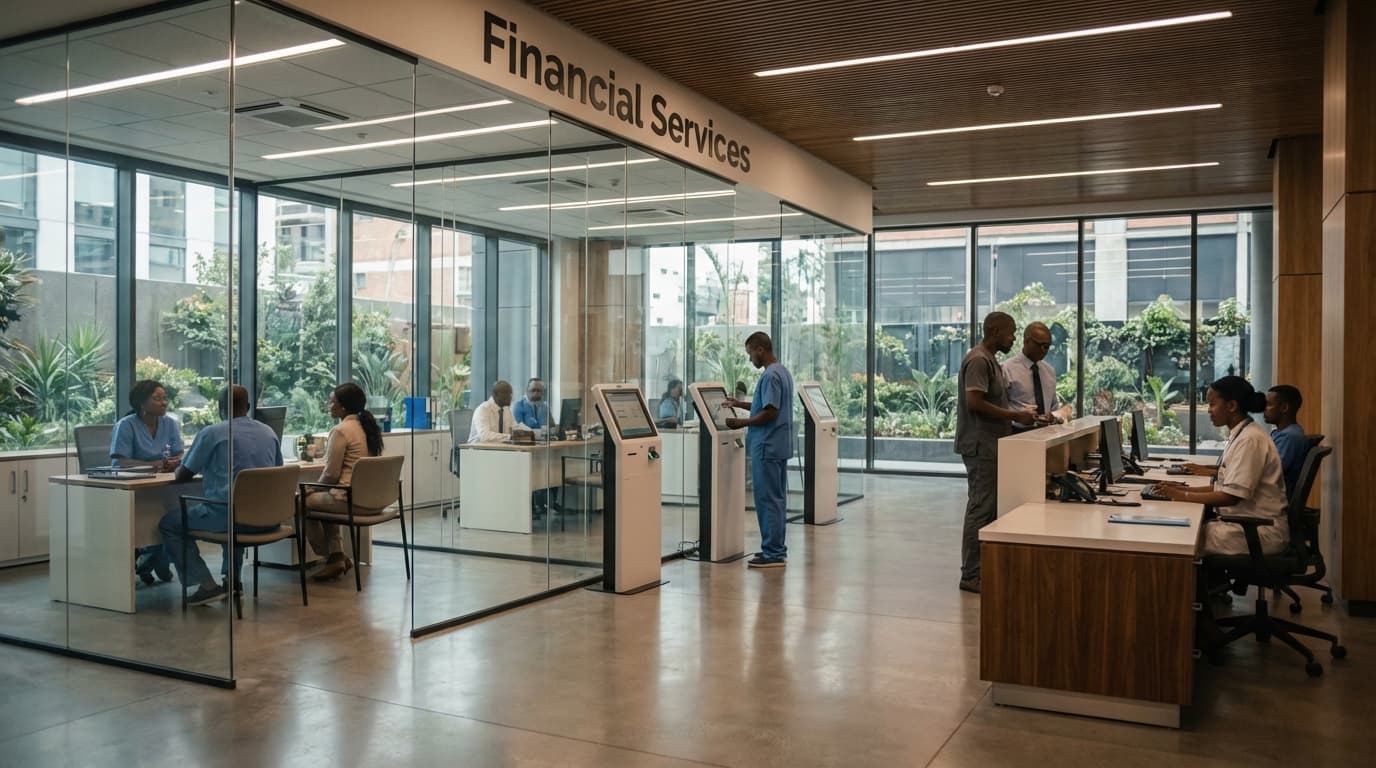
Medical Equipment Financing in Djibouti
Engineering Excellence & Technical Support
Leasing and financing solutions for medical equipment High-standard technical execution following OEM protocols and local regulatory frameworks.
Strategic Equipment Upgrades
Unlock access to cutting-edge medical technology through tailored financing solutions, empowering Djiboutian healthcare providers to enhance diagnostic capabilities and patient care with state-of-the-art equipment.
Flexible & Accessible Funding
Benefit from flexible repayment terms and competitive interest rates designed to meet the specific budgetary needs of Djiboutian hospitals and clinics, ensuring seamless acquisition of essential medical devices without financial strain.
Accelerated Healthcare Expansion
Facilitate the rapid expansion and modernization of healthcare infrastructure in Djibouti by providing swift financing for a wide range of medical equipment, from diagnostic imaging to surgical instruments, contributing to improved public health outcomes.
What Is Medical Equipment Financing In Djibouti?
Medical Equipment Financing in Djibouti refers to specialized financial instruments and credit facilities designed to enable healthcare providers, institutions, and government agencies within Djibouti to acquire, upgrade, or maintain essential medical equipment. This service bridges the gap between the significant capital expenditure required for advanced medical technology and the immediate operational needs of healthcare facilities. It typically involves a structured loan or lease agreement, where the financier purchases the equipment and grants its use to the borrower for a specified period, with repayment structured over time. The objective is to facilitate access to state-of-the-art diagnostic, therapeutic, and life-support systems, thereby enhancing the quality and accessibility of healthcare services in the Djiboutian context.
| Who Needs Medical Equipment Financing? | Typical Use Cases |
|---|---|
| Public Healthcare Facilities (e.g., Hôpital Peltier): To upgrade outdated infrastructure, expand service capacity, and comply with evolving medical standards. | Acquisition of diagnostic imaging equipment (MRI, CT scanners, X-ray machines) for enhanced patient diagnosis. |
| Private Healthcare Providers (e.g., private clinics, specialized centers): To gain a competitive edge, offer advanced treatments, and cater to a growing demand for specialized medical services. | Procurement of surgical instruments and operating room equipment for minimally invasive procedures. |
| Diagnostic Laboratories and Imaging Centers: To invest in cutting-edge technology for accurate and efficient testing and imaging. | Purchase of laboratory analyzers (hematology, biochemistry) and advanced ultrasound machines. |
| Government Health Initiatives: To implement national health programs and improve healthcare access in underserved regions. | Financing of mobile clinics and essential life-support equipment for emergency medical services. |
| Medical Research Institutions: To equip research facilities with advanced tools for scientific inquiry and development. | Acquisition of specialized research equipment and analytical instruments for biomedical studies. |
Key Aspects of Medical Equipment Financing in Djibouti
- Financier Involvement: Financial institutions (banks, specialized leasing companies) or government-backed funds.
- Borrower Eligibility: Public hospitals, private clinics, diagnostic centers, research institutions, and potentially medical NGOs.
- Financing Modalities: Term loans, finance leases, operating leases, and public-private partnerships.
- Collateralization: Equipment itself often serves as collateral, or other assets may be required.
- Risk Assessment: Evaluates the financial stability of the borrower, the technological obsolescence risk of the equipment, and the healthcare market demand.
- Repayment Structures: Amortizing loans, fixed or variable lease payments, with terms often aligned with the equipment's economic lifespan.
Who Needs Medical Equipment Financing In Djibouti?
Medical equipment financing in Djibouti is a critical service addressing the diverse needs of healthcare providers striving to maintain and upgrade their facilities. This financing ensures access to essential technologies and machinery that are vital for accurate diagnostics, effective treatment, and patient care. The demand spans both public and private sectors, as well as specialized medical centers and smaller clinics, all of whom face budgetary constraints in acquiring and maintaining up-to-date medical infrastructure. The ability to secure financing allows these entities to invest in a wide range of equipment, from basic diagnostic tools to advanced surgical apparatus and laboratory analysis systems, ultimately enhancing the overall quality and accessibility of healthcare services in Djibouti.
| Customer Type | Key Departments/Needs | Impact of Financing |
|---|---|---|
| Public Hospitals | Emergency Room, Intensive Care Unit (ICU), Surgery, Radiology, Pathology, Maternity, General Wards | Enables upgrades to critical life-saving equipment, expansion of services, and improved patient outcomes. |
| Private Hospitals | All departments, with a focus on advanced surgical suites, specialized diagnostic equipment, and patient comfort amenities | Facilitates competitive service offerings, attracts a wider patient base, and allows for investment in state-of-the-art technology. |
| Specialized Clinics | Specific diagnostic and therapeutic equipment relevant to their specialty (e.g., endoscopes for gastroenterology, lasers for dermatology) | Allows for focused investment in niche areas, leading to specialized expertise and treatment options. |
| Diagnostic Laboratories | Automated analyzers, microscopes, PCR machines, centrifuges, and sample handling equipment | Improves turnaround times for tests, increases accuracy, and expands the range of diagnostic capabilities. |
| Imaging Centers | X-ray machines, CT scanners, MRI machines, ultrasound devices, and mammography units | Ensures access to high-resolution imaging for accurate diagnosis and early detection of diseases. |
| Dental Clinics | Dental chairs, X-ray units, sterilization equipment, and specialized instruments | Modernizes patient experience, improves efficiency, and allows for advanced dental procedures. |
| Emergency Medical Services | Ambulance equipment (defibrillators, ventilators, monitoring systems), trauma kits | Enhances pre-hospital care capabilities and ensures timely and effective response to medical emergencies. |
| Rural Health Centers | Basic diagnostic tools, essential treatment equipment, and potentially mobile units | Increases access to fundamental healthcare services in underserved areas, reducing the need for long-distance travel for basic medical needs. |
| NGOs with Healthcare Initiatives | Equipment for mobile clinics, training programs, and specialized health campaigns (e.g., maternal health, infectious disease control) | Supports the delivery of targeted health interventions and improves the reach of essential healthcare services. |
| Government Health Ministries and Agencies | Large-scale procurement for public health programs, national disease surveillance systems, and public health infrastructure | Enables strategic investment in national health priorities and the strengthening of the public healthcare system. |
Target Customers and Departments for Medical Equipment Financing in Djibouti
- Public Hospitals
- Private Hospitals
- Specialized Clinics (e.g., Cardiology, Oncology, Pediatrics)
- Diagnostic Laboratories
- Imaging Centers (X-ray, MRI, CT Scan)
- Dental Clinics
- Emergency Medical Services
- Rural Health Centers
- Non-Governmental Organizations (NGOs) with Healthcare Initiatives
- Government Health Ministries and Agencies
Medical Equipment Financing Process In Djibouti
The medical equipment financing process in Djibouti is a structured workflow designed to enable healthcare providers to acquire essential medical technology through financial arrangements. This process typically involves several key stages, from the initial inquiry by a healthcare institution to the final execution of the financing agreement and the delivery of the equipment. Understanding this workflow is crucial for both financing institutions and equipment suppliers operating in Djibouti's healthcare sector.
| Stage | Description | Key Actors Involved | Typical Outcome |
|---|---|---|---|
| Inquiry and Initial Consultation | The healthcare provider (hospital, clinic, etc.) expresses interest in financing specific medical equipment. This involves understanding their needs, the type of equipment, and their budget. | Healthcare Provider, Financing Institution (Bank, Leasing Company, Specialized Financier) | Understanding of financing options, preliminary feasibility assessment. |
| Application Submission and Documentation | The healthcare provider formally applies for financing, submitting detailed information about their institution, financial statements, business plan, and specifications of the required equipment. | Healthcare Provider, Financing Institution | Completed loan/lease application, supporting financial and operational documents. |
| Credit Assessment and Risk Evaluation | The financing institution rigorously assesses the applicant's creditworthiness, financial stability, operational capacity, and the market demand for the services the equipment will provide. Risk mitigation strategies are identified. | Financing Institution (Credit Department, Risk Analysts) | Credit report, risk assessment profile, internal approval memorandum. |
| Proposal and Offer Generation | Based on the assessment, the financing institution prepares a formal financing proposal outlining the terms and conditions, including interest rates, repayment schedules, collateral requirements, and lease terms (if applicable). | Financing Institution | Formal financing proposal or Letter of Offer. |
| Negotiation and Agreement Finalization | The healthcare provider reviews the proposal. Negotiations may occur on specific terms. Once mutually agreed upon, the definitive financing agreement (loan agreement, lease agreement) is drafted. | Healthcare Provider, Financing Institution, Legal Counsel (optional) | Agreed-upon financing terms, finalized legal agreement draft. |
| Legal and Regulatory Compliance | The agreement is reviewed for compliance with Djiboutian financial regulations and laws. Any necessary registrations or permits are obtained. | Financing Institution, Legal Counsel, Regulatory Bodies (if applicable) | Legally binding financing agreement, adherence to Djiboutian legal framework. |
| Disbursement and Equipment Procurement | Upon signing of the agreement, the financing institution disburses the funds (directly to the supplier or to the healthcare provider, depending on the agreement) to facilitate the procurement of the medical equipment. | Financing Institution, Healthcare Provider, Equipment Supplier | Funds transferred, equipment ordered/purchased. |
| Installation and Handover | The medical equipment is delivered, installed, and commissioned at the healthcare facility. Verification of successful installation and functionality is conducted. | Equipment Supplier, Healthcare Provider, Financing Institution (for verification) | Operational medical equipment, signed acceptance certificate. |
| Ongoing Servicing and Repayment | The healthcare provider makes regular payments (installments, lease payments) as per the agreed schedule. Maintenance and servicing of the equipment are managed by the healthcare provider, often with service agreements in place. | Healthcare Provider, Financing Institution, Equipment Maintenance Providers | Regular repayment of debt/lease, functional medical equipment. |
Key Stages in the Medical Equipment Financing Process in Djibouti:
- Inquiry and Initial Consultation
- Application Submission and Documentation
- Credit Assessment and Risk Evaluation
- Proposal and Offer Generation
- Negotiation and Agreement Finalization
- Legal and Regulatory Compliance
- Disbursement and Equipment Procurement
- Installation and Handover
- Ongoing Servicing and Repayment
Medical Equipment Financing Cost In Djibouti
Financing medical equipment in Djibouti involves a multifaceted cost structure influenced by several key factors. These include the specific type and complexity of the medical device, the chosen financing method (e.g., loans, leases), the financial institution's risk assessment, prevailing interest rates in Djibouti, and potential currency exchange fluctuations if equipment is sourced internationally. The Djiboutian Franc (DJF) is the local currency, and financing costs are typically quoted and repaid in DJF. The overall cost will comprise the principal amount for the equipment, interest charges, administrative fees, and potentially insurance premiums. Market competition among local banks and leasing companies, as well as the overall economic stability of Djibouti, also play a role in shaping the financing landscape and associated costs.
| Financing Cost Component | Typical Range (DJF) | Notes |
|---|---|---|
| Interest Rate (Annualized) | 8% - 15% | Varies significantly based on risk, tenor, and institution. May be higher for newer or less established entities. |
| Loan Tenor | 1 - 7 Years | Shorter tenors for simpler equipment, longer for complex and high-value assets. |
| Administrative/Processing Fees | 1% - 3% of Principal | Often a one-time fee. Some institutions may have fixed fees. |
| Down Payment | 10% - 30% | Can be negotiable, but a higher down payment is generally beneficial. |
| Insurance Premium | 0.5% - 2% of Equipment Value (Annual) | Covers physical damage, theft, etc. Policy terms will affect cost. |
| Lease Rental (Monthly) | Subject to Equipment Value, Tenor, and Interest | For lease agreements, this is the recurring cost. Effectively an all-inclusive payment covering financing and asset use. |
Key Pricing Factors for Medical Equipment Financing in Djibouti:
- Equipment Type and Value: High-value, specialized, or technologically advanced equipment will naturally command higher financing costs due to increased capital outlay and potential obsolescence.
- Financing Method: Different structures like outright purchase with a loan, leasing, or hire-purchase agreements have varying cost implications. Leasing can sometimes offer lower upfront costs but may be more expensive over the long term.
- Interest Rates: The prevailing interest rate environment in Djibouti, set by the Central Bank of Djibouti and influenced by global economic trends, is a primary driver of financing costs.
- Loan Tenor (Repayment Period): Longer repayment periods generally lead to higher total interest paid, although monthly installments might be lower.
- Down Payment/Equity Contribution: A larger down payment can reduce the financed amount, thus lowering overall interest costs and potentially securing more favorable loan terms.
- Financial Institution's Risk Assessment: The creditworthiness of the borrower (hospital, clinic, etc.), their financial history, and the perceived risk of default will influence the interest rate offered.
- Administrative and Processing Fees: Banks and financial institutions typically charge fees for loan application, processing, appraisal, and other administrative tasks.
- Insurance Costs: Insuring the medical equipment against damage, theft, or other risks is often a requirement for financing and adds to the total cost.
- Currency Exchange Rates: If equipment is imported, fluctuations in the DJF against the currency of origin (e.g., USD, EUR) can impact the final landed cost and subsequently the financing amount.
- Economic Stability and Market Conditions: The overall economic health of Djibouti and the competitive landscape of financial service providers offering equipment financing influence pricing.
Affordable Medical Equipment Financing Options
Securing affordable medical equipment is crucial for healthcare providers to deliver quality patient care. Fortunately, various financing options and cost-saving strategies can make this accessible. Understanding value bundles and implementing smart purchasing practices can significantly reduce overall expenditure.
| Strategy | Description | Benefit | Considerations |
|---|---|---|---|
| Value Bundling | Purchasing multiple pieces of equipment or a package of equipment and related services (e.g., maintenance, training) from a single vendor at a discounted price. | Reduced overall cost, simplified procurement, potential for integrated support and training. | Ensure the bundled items meet your actual needs. Compare bundle pricing to individual item costs from different vendors. |
| Bulk Purchasing | Acquiring a larger quantity of a specific piece of equipment to leverage volume discounts. | Lower per-unit cost, potential for better negotiation power. | Requires sufficient storage and immediate or near-term need to avoid obsolescence or spoilage. |
| Negotiation and Price Comparisons | Actively negotiating prices with vendors and comparing quotes from multiple suppliers before making a purchase decision. | Direct cost savings through competitive pricing. | Requires time and effort to research, gather quotes, and engage in negotiation. |
| Refurbished/Pre-Owned Equipment | Purchasing equipment that has been previously used, inspected, and restored to full working condition by a certified vendor. | Significant cost reduction compared to new equipment, often with warranties. | Verify the vendor's reputation, warranty terms, and condition of the equipment. Ensure it meets current standards and regulations. |
| Lease-to-Own Agreements | Leasing equipment with an option to purchase it at a reduced price at the end of the lease term. | Lower initial outlay, opportunity to test equipment before committing to purchase, potential for ownership at a good price. | Understand the purchase option price and terms upfront. Calculate total cost including lease payments and purchase option. |
| Group Purchasing Organizations (GPOs) | Joining a GPO allows smaller healthcare organizations to benefit from the collective bargaining power of a larger group, leading to discounted pricing on equipment and supplies. | Access to pre-negotiated lower prices, streamlined purchasing processes. | May involve membership fees or commitment to specific vendors. |
| Service and Maintenance Contracts | Negotiating comprehensive service and maintenance contracts as part of the purchase or lease agreement, or as a separate but bundled offering. | Predictable maintenance costs, reduced downtime, potential for longer equipment lifespan, included in value bundles. | Evaluate the scope of coverage and compare third-party service providers if not bundled. |
Affordable Medical Equipment Financing Options
- Leasing: A popular option where you pay to use equipment for a set period, with lower upfront costs than purchasing. This allows for easier upgrades to newer technology and predictable monthly payments.
- Loans: Traditional bank loans or specialized medical equipment financing loans offer ownership of the equipment. While requiring a larger initial investment or down payment, they build equity and can be cost-effective long-term.
- Financing Agreements (Capital Leases): Similar to loans, these agreements allow you to acquire equipment with payments spread over time, eventually leading to ownership.
- Rental Agreements: For short-term needs or to trial equipment, rentals offer flexibility without long-term commitment. Costs are typically higher per use compared to leasing or purchasing.
- Grants and Subsidies: Explore government programs, non-profit organizations, and foundations that offer grants or subsidies specifically for healthcare providers, especially those in underserved areas or focusing on specific medical needs.
- Medical Equipment Resellers: Purchasing pre-owned or refurbished equipment from reputable resellers can offer substantial savings compared to buying new.
- Consignment Programs: Some manufacturers or distributors offer equipment on consignment, meaning you only pay for it when it's used or sold.
Verified Providers In Djibouti
When seeking healthcare services in Djibouti, it's crucial to identify verified providers who adhere to high standards of quality and patient care. Franance Health stands out as a premier choice due to its rigorous credentialing process and commitment to excellence. This ensures that patients receive safe, effective, and ethical medical attention. Our verification process focuses on several key areas, guaranteeing that our affiliated providers meet and exceed industry benchmarks.
| Provider Type | Key Credentials Verified | Franance Health Assurance |
|---|---|---|
| Hospitals | Accreditation, Staff Qualifications, Equipment Standards, Patient Safety Protocols | Ensures access to accredited facilities with qualified medical teams and adherence to safety measures. |
| Clinics & Specialist Practices | Physician Licensure, Board Certifications, Specialization Degrees, Equipment Maintenance | Guarantees that you are treated by licensed and board-certified specialists with properly maintained equipment. |
| Diagnostic Laboratories | Technician Certifications, Equipment Calibration, Quality Control Procedures, Sample Handling Protocols | Confirms accurate and reliable diagnostic results through certified technicians and stringent quality controls. |
| Pharmacies | Pharmacist Licenses, Drug Sourcing & Storage Standards, Dispensing Accuracy | Provides confidence in the authenticity and safe storage of medications, dispensed accurately by licensed pharmacists. |
Why Franance Health Credentials Matter:
- Clinical Competence & Qualifications: We meticulously review the educational background, certifications, and licensure of all healthcare professionals.
- Experience & Specialization: We assess the practical experience and specific areas of expertise of our providers to match patients with the most suitable specialists.
- Adherence to Ethical Standards: Franance Health partners with providers who demonstrate unwavering commitment to patient privacy, informed consent, and ethical medical practices.
- State-of-the-Art Facilities & Equipment: Our verified providers operate in facilities equipped with modern technology and maintain high standards of hygiene and safety.
- Patient Feedback & Satisfaction: We actively monitor patient reviews and feedback to ensure continuous improvement and maintain high satisfaction rates.
- Regulatory Compliance: All Franance Health verified providers comply with Djiboutian healthcare regulations and international best practices.
Scope Of Work For Medical Equipment Financing
This Scope of Work (SOW) outlines the technical deliverables and standard specifications for the provision of medical equipment financing. It details the requirements for the successful acquisition of medical equipment through a financing arrangement, ensuring that the procured equipment meets defined technical standards and performance criteria. The SOW will guide the selection of financing providers and equipment suppliers, and serve as a basis for contract negotiation and project management.
| Category | Standard Specification/Requirement | Description | Acceptance Criteria |
|---|---|---|---|
| Equipment Performance | Manufacturer's Published Specifications | All proposed equipment must meet or exceed the manufacturer's published performance specifications for key parameters relevant to its intended clinical use. | Equipment performance confirmed through factory acceptance testing (FAT) and site acceptance testing (SAT) reports, validated against provided specifications. |
| Reliability and Durability | Mean Time Between Failures (MTBF) | Equipment should have a demonstrated MTBF of [Specify MTBF value, e.g., X hours or Y years] for critical components. | Manufacturer's historical data, warranty terms, and independent reliability studies (if available). |
| Safety and Compliance | International and Local Standards | Equipment must comply with relevant international safety standards (e.g., IEC 60601 series) and all applicable local regulatory requirements for medical devices. | Presentation of valid CE marking, FDA approval, or equivalent local regulatory certification. Safety test reports and declarations of conformity. |
| Interoperability | Data Connectivity Standards | For networked equipment, adherence to standards like HL7, DICOM, and FHIR to ensure seamless integration with existing hospital information systems (HIS) and Picture Archiving and Communication Systems (PACS). | Successful integration testing with existing hospital IT infrastructure, demonstrated data exchange with HIS/PACS. |
| Usability | Intuitive User Interface | Equipment should feature an intuitive and user-friendly interface, minimizing the need for extensive training for healthcare professionals. | Feedback from end-users during usability testing and training sessions. Availability of comprehensive user manuals in [Specify Language]. |
| Maintenance and Support | Service Level Agreements (SLAs) | Availability of comprehensive maintenance and service agreements, including scheduled preventive maintenance, emergency repairs, and defined response times for technical support. | Signed SLA documents with clear uptime guarantees, spare parts availability, and technician response times. Provision of remote diagnostic capabilities where applicable. |
| Consumables and Accessories | Availability and Compatibility | All necessary consumables and accessories required for the immediate and ongoing operation of the equipment must be readily available from the supplier and compatible with the specified equipment. | Detailed list of required consumables and accessories provided, with confirmation of long-term availability and pricing. Sample consumables provided for initial assessment. |
| Cybersecurity | Security Measures | Equipment must incorporate robust cybersecurity features to protect patient data and prevent unauthorized access, in line with hospital IT security policies. | Documentation outlining security protocols, encryption methods, access controls, and vulnerability management procedures. Successful penetration testing results (if required). |
Key Technical Deliverables and Standard Specifications
- Detailed equipment specifications (including model numbers, manufacturers, technical parameters).
- Performance validation reports for proposed equipment.
- Maintenance and service agreements for acquired equipment.
- Installation and commissioning reports.
- User training materials and sessions.
- Warranty documentation and claims procedures.
- Compliance certificates (e.g., CE, FDA, local regulatory approvals).
- Equipment user manuals and technical documentation.
- Cybersecurity protocols and data privacy compliance for networked equipment.
Service Level Agreement For Medical Equipment Financing
This Service Level Agreement (SLA) outlines the performance standards and guarantees for the financing of medical equipment provided by [Your Company Name] to [Client Name]. It specifically addresses response times for critical support requests and uptime guarantees for the financed equipment.
| Service Level | Description | Target Response Time | Uptime Guarantee (Monthly) | Penalty/Remedy (for failure to meet) |
|---|---|---|---|---|
| Critical Equipment Downtime | Complete non-operational status of essential medical equipment impacting patient care. | 1 business hour for initial response; 4 business hours for technician dispatch. | 99.5% | 10% of monthly financing fee credited back to the client for every 1% of uptime below the guarantee. |
| Major Equipment Malfunction | Significant operational impairment of critical medical equipment, requiring immediate attention. | 2 business hours for initial response; 8 business hours for technician dispatch. | 99.0% | 5% of monthly financing fee credited back to the client for every 1% of uptime below the guarantee. |
| Minor Equipment Issues | Non-critical equipment malfunctions or performance degradation not immediately impacting patient care. | 4 business hours for initial response; 24 business hours for technician dispatch (or remote resolution). | 98.0% | No financial penalty, but commitment to prioritized resolution. |
| Financing Administration Inquiry | Questions or issues related to billing, payment processing, or financing terms. | 1 business day for initial response. | N/A | No financial penalty, but commitment to timely resolution. |
Key Performance Indicators (KPIs)
- Response Time: The maximum allowed time for [Your Company Name] to acknowledge and initiate a resolution for a reported issue.
- Uptime Guarantee: The minimum percentage of time the financed medical equipment is expected to be operational and available for use.
- Downtime: Any period during which the medical equipment is not operational or available for use due to reasons covered by this SLA.
- Scheduled Maintenance: Planned periods of downtime for routine service or upgrades, communicated in advance.
Frequently Asked Questions

Ready when you are
Let's scope your Medical Equipment Financing in Djibouti project in Djibouti.

Scaling healthcare logistics and technical systems across the entire continent.