
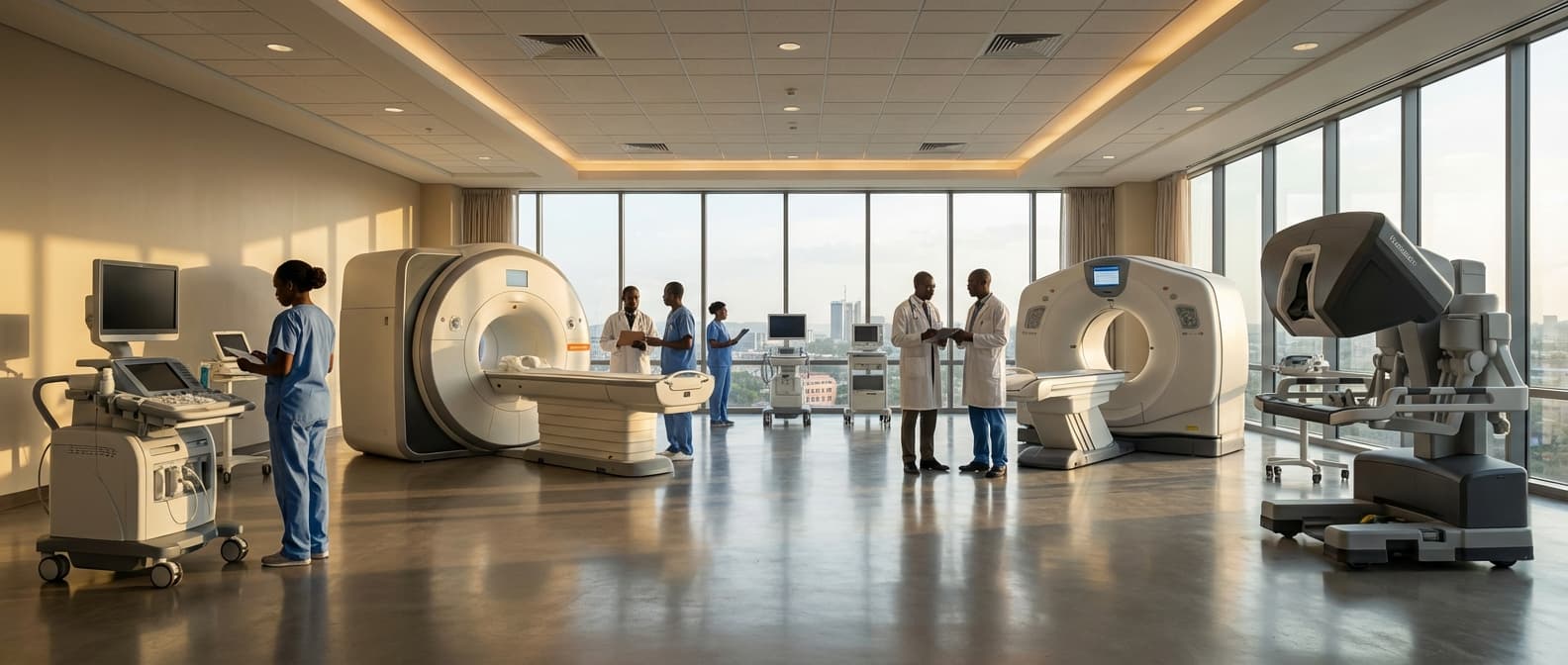
Renal Solutions in Djibouti
Engineering Excellence & Technical Support
Complete dialysis systems and renal care equipment designed to deliver safe, effective, and patient-centered kidney treatment. High-standard technical execution following OEM protocols and local regulatory frameworks.
Advanced Hemodialysis Technology
Renal Solutions Djibouti is equipped with state-of-the-art hemodialysis machines, ensuring efficient and safe blood purification for patients with kidney failure. Our technology offers precise control over treatment parameters, minimizing complications and maximizing patient comfort.
Expert Renal Care Professionals
Our team comprises highly trained and experienced nephrologists, nurses, and technicians specializing in kidney disease management. Renal Solutions Djibouti's staff adheres to international best practices, providing comprehensive and personalized care to every patient.
Ultra-Pure Water Systems
We utilize advanced reverse osmosis and ultra-filtration systems to produce medical-grade purified water, essential for safe and effective hemodialysis. Renal Solutions Djibouti prioritizes the quality of water used in treatments to prevent infections and ensure optimal patient outcomes.
What Is Renal Solutions In Djibouti?
Renal Solutions in Djibouti refers to a spectrum of medical services and interventions specifically designed to address kidney-related diseases and conditions within the Republic of Djibouti. These services aim to diagnose, manage, and treat acute and chronic renal impairments, encompassing both conservative management and advanced renal replacement therapies. The provision of these solutions is critical given the rising global prevalence of kidney disease and its significant impact on public health and economic productivity.
| Target Population | Typical Use Cases |
|---|---|
| Patients with suspected or diagnosed kidney dysfunction. | Acute Kidney Injury (AKI) due to dehydration, infections, or nephrotoxic agents. Chronic Kidney Disease (CKD) stages 1-5, requiring monitoring and management. End-Stage Renal Disease (ESRD) necessitating renal replacement therapy (dialysis or transplantation). |
| Individuals with co-morbidities predisposing to renal disease. | Uncontrolled hypertension contributing to hypertensive nephropathy. Diabetes Mellitus (Type 1 and Type 2) leading to diabetic nephropathy. Autoimmune diseases (e.g., Systemic Lupus Erythematosus) causing lupus nephritis. Recurrent urinary tract infections or kidney stones with potential for renal damage. |
| Patients experiencing acute renal complications. | Severe electrolyte imbalances (e.g., hyperkalemia) unresponsive to medical management. Uremic complications such as pericarditis or encephalopathy. Acute drug or toxin ingestion requiring extracorporeal removal. |
| Individuals requiring long-term renal support. | Patients on hemodialysis for ESRD, requiring regular treatment sessions. Patients on peritoneal dialysis for ESRD, requiring ongoing management and monitoring. Patients awaiting or post-kidney transplantation, requiring immunosuppression and follow-up care. |
| Populations at high risk of developing kidney disease. | Individuals with a family history of kidney disease. Elderly individuals. Individuals with certain ethnic backgrounds associated with higher renal disease risk. |
Key Components of Renal Solutions in Djibouti:
- Diagnostic Services: This includes laboratory tests (e.g., serum creatinine, blood urea nitrogen, urinalysis, glomerular filtration rate estimation), imaging modalities (e.g., renal ultrasound, CT scans), and renal biopsy for accurate diagnosis of kidney pathology.
- Medical Management: Conservative treatment strategies for various renal conditions, including hypertension control, diabetes management, management of electrolyte imbalances, and pharmacotherapy for autoimmune or infectious kidney diseases.
- Renal Replacement Therapies (RRT):
- Hemodialysis (HD): Extracorporeal blood purification to remove waste products and excess fluid in individuals with end-stage renal disease (ESRD).
- Peritoneal Dialysis (PD): Intra-abdominal dialysis using the peritoneum as a natural filter.
- Kidney Transplantation: Surgical implantation of a donor kidney, representing the optimal RRT for eligible patients.
- Preventive Nephrology: Strategies focused on early identification of risk factors for kidney disease and implementing measures to slow progression or prevent onset.
- Patient Education and Support: Empowering patients and their families with knowledge about their condition, treatment options, and lifestyle modifications.
Who Needs Renal Solutions In Djibouti?
Renal Solutions plays a crucial role in addressing the growing burden of kidney disease in Djibouti. The demand for comprehensive renal care is driven by several factors, including the prevalence of chronic diseases, limited access to specialized medical services, and the need for advanced diagnostic and treatment options. Our services cater to a diverse range of individuals and institutions requiring specialized kidney health support.
| Customer Segment | Primary Need | Relevant Departments/Roles |
|---|---|---|
| Patients with Kidney Disease | Diagnosis, treatment (dialysis, medication), management of complications, transplant services. | Nephrology Department, Dialysis Unit, Transplant Coordinators, Primary Care Physicians (for referral). |
| Patients with Comorbidities (Diabetes, Hypertension) | Early detection of kidney damage, proactive management to prevent progression, specialized monitoring. | Endocrinology Department, Cardiology Department, Nephrology Department, General Practitioners. |
| Hospitals & Clinics (Public & Private) | Access to specialized nephrology expertise, advanced diagnostic equipment (e.g., ultrasound, lab tests), dialysis machines, training for staff. | Nephrology Department, Internal Medicine Department, Administration, Procurement, Biomedical Engineering. |
| Government Health Ministry/Public Health Authorities | Improving national renal care infrastructure, establishing treatment centers, public health awareness campaigns, policy development, data collection. | Ministry of Health, Public Health Agencies, National Kidney Disease Task Forces. |
| NGOs & International Aid Organizations | Support for underserved populations, provision of essential medications and supplies, establishment of outreach programs, capacity building. | Program Managers, Medical Coordinators, Procurement Officers, Community Health Workers. |
| Medical Professionals (Doctors, Nurses) | Continuing medical education (CME) in nephrology, access to latest treatment protocols, referral pathways, consultation services. | Medical Education Departments, Nephrology Specialists, General Practitioners, Nurses. |
Target Customers and Departments
- Individuals suffering from acute or chronic kidney disease.
- Patients requiring dialysis (hemodialysis and peritoneal dialysis).
- Individuals needing kidney transplant evaluations and post-transplant care.
- People with conditions that can lead to kidney damage, such as diabetes and hypertension.
- Healthcare professionals seeking advanced diagnostic tools for renal function.
- Hospitals and clinics in Djibouti needing to expand or improve their nephrology services.
- Government health ministries and public health organizations focused on improving healthcare infrastructure and patient outcomes.
- Non-governmental organizations (NGOs) involved in healthcare provision and support for chronic disease patients.
- Research institutions and academic medical centers conducting studies related to kidney disease.
Renal Solutions Process In Djibouti
This document outlines the typical workflow for Renal Solutions, a hypothetical company providing kidney-related medical services or equipment in Djibouti, from the initial inquiry to the final execution of services or delivery of products. The process is designed to be comprehensive, ensuring client needs are met efficiently and effectively.
| Stage | Description | Key Activities | Responsible Department/Personnel | Expected Outcome |
|---|---|---|---|---|
| The initial contact made by a potential client seeking renal solutions. | Receive and log inquiry, understand client's specific needs (e.g., dialysis equipment, treatment, consultation, supplies), gather relevant patient/facility information. | Sales/Customer Service Department | Clear understanding of client requirements and eligibility for services/products. |
| Developing a tailored solution and presenting it to the client. | Analyze needs, design a solution, prepare a detailed proposal outlining services/products, pricing, timelines, and terms. Present proposal to the client. | Sales Department, Technical Team (if applicable) | Client receives a comprehensive proposal that addresses their identified needs. |
| Formalizing the engagement between Renal Solutions and the client. | Client reviews and accepts the proposal. Negotiate terms if necessary. Draft and sign a formal contract/service agreement. | Legal Department, Sales Department, Client | Legally binding agreement outlining deliverables, responsibilities, payment terms, and timelines. |
| Setting up the necessary resources for service delivery or product dispatch. | Procure or allocate equipment/supplies, schedule personnel, arrange transportation, prepare documentation, conduct pre-installation checks (if applicable). | Operations/Logistics Department, Procurement, Technical Team | All resources and arrangements are in place for successful execution. |
| The core delivery of the renal solution to the client. | Deploy technical teams for installation/maintenance, deliver equipment/supplies, provide training to staff, conduct consultations/treatments as per the agreement. | Technical Operations, Service Team, Medical Staff (if applicable) | Successful delivery of goods or completion of services as per contract. |
| Ensuring client satisfaction and ongoing relationship management. | Post-delivery/service check-ins, provide ongoing technical support, address any issues or concerns, gather feedback, manage warranty/maintenance contracts. | Customer Support, Technical Service Team | Client satisfaction, long-term client retention, and continuous improvement of services. |
Renal Solutions Process in Djibouti: Workflow from Inquiry to Execution
- Inquiry & Needs Assessment
- Proposal & Quotation
- Agreement & Contract
- Logistics & Preparation
- Execution of Service/Delivery
- Follow-up & Support
Renal Solutions Cost In Djibouti
The cost of renal solutions in Djibouti can vary significantly based on several factors, including the type of solution, brand, volume, and the healthcare facility or pharmacy where it is purchased. Djibouti's economy and reliance on imports for many medical supplies can also influence pricing. Local currency, the Djiboutian Franc (DJF), is used for all transactions within the country. It's important for patients and healthcare providers to understand these pricing dynamics to budget effectively for dialysis and other renal treatments. Factors influencing costs include:
- Type of Solution: Different dialysis modalities (hemodialysis, peritoneal dialysis) require specific solutions with varying compositions and functionalities. For instance, standard bicarbonate-buffered solutions for hemodialysis might differ in price from specialized solutions for patients with specific electrolyte imbalances or those requiring sterile water for dialysis preparation. Peritoneal dialysis solutions, often sold in larger bags and requiring regular use, can represent a substantial recurring cost.
- Brand and Manufacturer: Just as with pharmaceuticals globally, different brands and manufacturers will have varying pricing structures. Imported brands might be more expensive due to shipping, import duties, and the perceived quality or reliability associated with established international manufacturers. Local or regional suppliers, if available, might offer more competitive pricing.
- Volume and Packaging: Renal solutions are typically sold in specific volumes (e.g., liters for hemodialysis concentrates, bags for peritoneal dialysis). Larger volumes or bulk purchases might sometimes offer a slight cost advantage per unit, though this is less common for critical medical supplies. The packaging itself, ensuring sterility and integrity, also contributes to the overall cost.
- Healthcare Facility vs. Pharmacy: Prices can differ between hospitals or specialized dialysis centers and retail pharmacies. Hospitals may have negotiated bulk purchasing agreements, potentially leading to slightly lower acquisition costs which may or may not be passed on to the patient. Pharmacies, on the other hand, operate with retail markups.
- Importation and Logistics: As Djibouti imports a significant portion of its medical supplies, costs are heavily influenced by international shipping fees, customs duties, and local distribution costs within the country. Fluctuations in global supply chains and currency exchange rates can directly impact the Djiboutian Franc price.
- Regulatory Approval and Quality Control: Solutions that have undergone rigorous quality control and have obtained necessary regulatory approvals are generally more expensive, reflecting the investment in ensuring patient safety and efficacy.
Pricing Ranges in Djiboutian Francs (DJF):
It is challenging to provide exact, up-to-the-minute pricing without direct consultation with local suppliers or healthcare providers in Djibouti. However, based on general market observations for medical consumables in similar economies, the following ranges are indicative. These are estimates and can fluctuate.
For hemodialysis, concentrate solutions are often mixed with sterile water on-site. For peritoneal dialysis, pre-mixed solutions in bags are commonly used.
- Hemodialysis Concentrates (per liter of concentrate): This typically requires mixing with bicarbonate and sterile water. The cost here is for the concentrate itself. Prices can range from approximately 4,000 DJF to 8,000 DJF per liter of concentrate. A typical dialysis session might use a significant amount of this concentrate.
- Peritoneal Dialysis Solutions (per 1.5L to 2L bag): These are ready-to-use sterile solutions. Prices can range from approximately 6,000 DJF to 12,000 DJF per bag. Patients undergoing peritoneal dialysis often require multiple bags per day, making this a substantial recurring expense.
- Sterile Water for Dialysis (per liter): Essential for hemodialysis mixing and can also be used in some PD scenarios. Prices could range from 500 DJF to 1,500 DJF per liter.
Important Note: These figures are estimates. For precise and current pricing, it is essential to contact Djiboutian hospitals, dialysis centers, or reputable pharmacies directly. Furthermore, health insurance coverage and government subsidies, if available, will significantly impact the out-of-pocket expenses for patients.
| Renal Solution Type | Estimated Price Range (DJF) | Notes |
|---|---|---|
| Hemodialysis Concentrates (per liter) | 4,000 - 8,000 DJF | Cost for the concentrate; requires mixing with sterile water and bicarbonate. |
| Peritoneal Dialysis Solutions (per 1.5L - 2L bag) | 6,000 - 12,000 DJF | Ready-to-use sterile solutions. Multiple bags often required daily. |
| Sterile Water for Dialysis (per liter) | 500 - 1,500 DJF | Essential for hemodialysis mixing. |
Key Factors Influencing Renal Solution Costs in Djibouti
- Type of Renal Solution (Hemodialysis vs. Peritoneal Dialysis)
- Brand and Manufacturer Reputation
- Volume and Packaging Size
- Purchasing Location (Hospital vs. Pharmacy)
- Importation Costs, Duties, and Logistics
- Regulatory Compliance and Quality Standards
Affordable Renal Solutions Options
Finding affordable renal solutions is crucial for individuals managing kidney disease. This involves exploring various treatment options, insurance plans, and lifestyle adjustments that can reduce out-of-pocket expenses. Value bundles and smart cost-saving strategies play a significant role in making these essential healthcare services more accessible.
| Cost-Saving Strategy | Description | Potential Savings | Considerations |
|---|---|---|---|
| Generic Medications | Utilize generic versions of prescribed medications whenever possible. These are chemically identical to their brand-name counterparts but significantly cheaper. | High (can reduce medication costs by 50-80% or more) | Ensure physician approval and availability of generics for your specific prescriptions. |
| Home Dialysis Options | Explore home dialysis (hemodialysis or peritoneal dialysis). While requiring training and setup, it can be more convenient and often less expensive than in-center dialysis. | Moderate to High (reduced facility fees, increased convenience) | Requires patient/caregiver commitment, suitable home environment, and physician recommendation. |
| Negotiate with Providers/Facilities | Don't hesitate to discuss costs with your nephrologist, dialysis center, or hospital. Inquire about payment plans or potential discounts. | Variable (can range from minor discounts to significant reductions) | Requires proactive communication and research into facility pricing. |
| Maximize Insurance Benefits | Thoroughly understand your health insurance policy, including co-pays, deductibles, out-of-pocket maximums, and covered services for renal care. | High (prevents unexpected expenses and ensures optimal coverage) | Requires careful review of policy documents and communication with your insurance provider. |
| Preventive Care & Lifestyle Modifications | Adopting a kidney-friendly diet, managing blood pressure and diabetes, staying hydrated, and avoiding nephrotoxic substances can prevent or slow disease progression, reducing the need for costly treatments. | Very High (delays or avoids expensive interventions) | Requires lifestyle changes, patient adherence, and ongoing monitoring. |
| Utilize Patient Assistance Programs | Many pharmaceutical companies and non-profit organizations offer assistance programs for medication costs. Research programs relevant to your condition and income level. | Moderate to High (can significantly reduce medication expenses) | Requires application and eligibility verification. |
| Seek Second Opinions & Compare Costs | For major procedures or treatments, obtain second opinions and compare costs between different healthcare facilities. | Variable (can lead to substantial savings on procedures) | Requires time and effort to research and coordinate appointments. |
Understanding Value Bundles
- {"title":"What are Value Bundles?","description":"Value bundles, often referred to as bundled payments or integrated care models, are healthcare payment arrangements where providers (such as hospitals, physicians, and other clinicians) receive a single, predetermined payment for all services related to a specific episode of care. This encourages coordination and efficiency across different healthcare providers."}
- {"title":"How Value Bundles Apply to Renal Care","description":"For renal disease, value bundles can encompass a range of services, from initial diagnosis and conservative management to dialysis, transplantation, and post-treatment care. The goal is to incentivize providers to deliver high-quality, cost-effective care throughout the patient's journey, preventing complications and unnecessary hospitalizations."}
- {"title":"Benefits of Value Bundles","description":"Key benefits include improved care coordination, reduced duplication of services, better patient outcomes, and potentially lower overall healthcare costs. Patients may experience a more seamless care experience with fewer administrative hurdles."}
Verified Providers In Djibouti
In Djibouti's evolving healthcare landscape, the assurance of quality and reliability in medical providers is paramount. Franance Health stands out as a beacon of trust, offering a network of verified healthcare professionals and facilities that meet stringent international standards. This commitment to excellence ensures that patients receive safe, effective, and compassionate care. Understanding the credentials behind Franance Health reveals why they are the optimal choice for individuals seeking dependable healthcare services in Djibouti.
| Provider Type | Franance Health Assurance | Why it Matters for Patients |
|---|---|---|
| Hospitals & Clinics | Certified facilities meeting international safety and operational standards. Equipped with modern technology and staffed by qualified personnel. | Ensures access to state-of-the-art medical equipment and a safe, sterile environment for treatment and recovery. |
| Specialist Doctors | Doctors with verified qualifications, extensive experience, and board certifications in their respective fields. Background checks and peer reviews are conducted. | Guarantees that you are receiving care from highly skilled and knowledgeable specialists who can accurately diagnose and effectively treat complex conditions. |
| Diagnostic Laboratories | Laboratories adhering to quality control standards, utilizing calibrated equipment, and employing certified technicians. Results are reliable and accurate. | Provides confidence in the precision of diagnostic tests, leading to correct diagnoses and appropriate treatment plans. |
| Emergency Services | Rapid response teams and well-equipped medical facilities trained to handle critical situations. Protocols for immediate and efficient care are in place. | Offers peace of mind knowing that prompt and expert medical attention is available during emergencies, potentially saving lives. |
| Pharmaceutical Services | Pharmacies that source medications from reputable suppliers and adhere to safe dispensing practices. Pharmacists are licensed and knowledgeable. | Ensures the availability of genuine, high-quality medications and professional advice on their usage, contributing to safe and effective treatment outcomes. |
Key Credentials of Franance Health Verified Providers:
- Accreditation by recognized international health organizations.
- Rigorous vetting of medical professionals, including verification of licenses, certifications, and specialized training.
- Adherence to strict protocols for patient safety, infection control, and data privacy.
- Commitment to continuous professional development and staying abreast of medical advancements.
- Positive patient feedback and testimonials reflecting high standards of care.
- Partnerships with leading global healthcare institutions for knowledge sharing and best practices.
Scope Of Work For Renal Solutions
This Scope of Work (SOW) outlines the technical deliverables and standard specifications for the development and implementation of Renal Solutions, a comprehensive software platform designed to manage and optimize patient care within nephrology clinics. The project aims to enhance data accessibility, streamline workflows, and improve patient outcomes through advanced analytics and reporting. This SOW details the key functionalities, technical requirements, and quality assurance standards that will govern the development process.
| Category | Specification | Details |
|---|---|---|
| Architecture | Scalability | Cloud-native microservices architecture supporting horizontal scaling. |
| Architecture | Technology Stack | Frontend: React/Angular. Backend: Java/Python (Spring Boot/Django). Database: PostgreSQL/MongoDB. Cloud Provider: AWS/Azure. |
| Data Management | Data Storage | Secure, encrypted storage compliant with HIPAA and GDPR standards. |
| Data Management | Data Backup & Recovery | Automated daily backups with a 30-day retention policy and tested recovery procedures. |
| Security | Authentication & Authorization | OAuth 2.0/JWT for secure API access, role-based access control (RBAC). |
| Security | Encryption | TLS/SSL for data in transit, AES-256 for data at rest. |
| Performance | Response Time | Key user interactions (e.g., patient record retrieval) to complete within 2 seconds under normal load. |
| Performance | Uptime | 99.9% availability per month, excluding scheduled maintenance. |
| User Interface (UI) | Design Standards | Adherence to Material Design principles for consistency and usability. |
| User Interface (UI) | Accessibility | WCAG 2.1 AA compliance for users with disabilities. |
| Integration | EHR Compatibility | HL7 v2/FHIR standards for interoperability with existing EHR systems. |
| Integration | API Design | RESTful APIs with OpenAPI/Swagger documentation for third-party integrations. |
| Testing | Testing Types | Unit, integration, system, user acceptance testing (UAT), and performance testing. |
| Testing | Test Coverage | Minimum 85% code coverage for critical modules. |
| Deployment | Deployment Strategy | CI/CD pipeline for automated testing and deployment to production environments. |
| Deployment | Environment Management | Separate environments for development, staging, and production. |
Technical Deliverables
- Core Patient Management Module
- Appointment Scheduling System
- Electronic Health Records (EHR) Integration
- Medication Management System
- Laboratory Data Integration Module
- Dialysis Treatment Tracking
- Patient Education Portal
- Reporting and Analytics Dashboard
- User and Role Management
- Data Security and Privacy Compliance Features
- API for Third-Party Integrations
- Mobile Accessibility (Responsive Design/Companion App)
- Testing and Quality Assurance Reports
- User Training Materials and Documentation
- Deployment and Installation Package
- Post-Deployment Support Plan
Service Level Agreement For Renal Solutions
This Service Level Agreement (SLA) outlines the guaranteed response times and uptime for the services provided by Renal Solutions to its clients. This SLA aims to ensure the reliability and availability of our critical healthcare technology and support.
| Service Component | Uptime Guarantee | Response Time (Critical) | Response Time (Major) | Response Time (Minor) | Target Resolution Time (Critical) | Target Resolution Time (Major) | Target Resolution Time (Minor) |
|---|---|---|---|---|---|---|---|
| Core Renal Application (EHR, Patient Management) | 99.9% | 15 minutes | 1 hour | 4 business hours | 4 hours | 8 business hours | 3 business days |
| Data Backup & Recovery Services | 99.9% | 30 minutes | 2 hours | 8 business hours | 8 hours | 16 business hours | 5 business days |
| Patient Portal Access | 99.8% | 30 minutes | 2 hours | 8 business hours | 6 hours | 12 business hours | 3 business days |
| Technical Support (Phone & Email) | N/A (Service hours: 24/7) | 10 minutes (Acknowledgement) | 30 minutes (Acknowledgement) | 2 business hours (Acknowledgement) | N/A | N/A | N/A |
Definitions
- Uptime: The percentage of time the service is available and operational.
- Downtime: The percentage of time the service is unavailable.
- Scheduled Downtime: Planned maintenance periods, communicated to the client at least 48 hours in advance.
- Unscheduled Downtime: Any downtime not classified as Scheduled Downtime.
- Response Time: The maximum time it takes for Renal Solutions' support team to acknowledge a reported issue and begin actively working on a resolution.
- Resolution Time: The target time for resolving an issue, categorized by severity.
- Critical Issue: An issue that renders a core service entirely inoperable, impacting all users or critical patient care functions.
- Major Issue: An issue that significantly degrades service performance or renders a non-critical function inoperable, impacting a subset of users or workflows.
- Minor Issue: An issue that causes minor inconvenience, affects non-essential functionality, or is a cosmetic defect with no impact on core operations.
Frequently Asked Questions

Ready when you are
Let's scope your Renal Solutions in Djibouti project in Djibouti.

Scaling healthcare logistics and technical systems across the entire continent.