
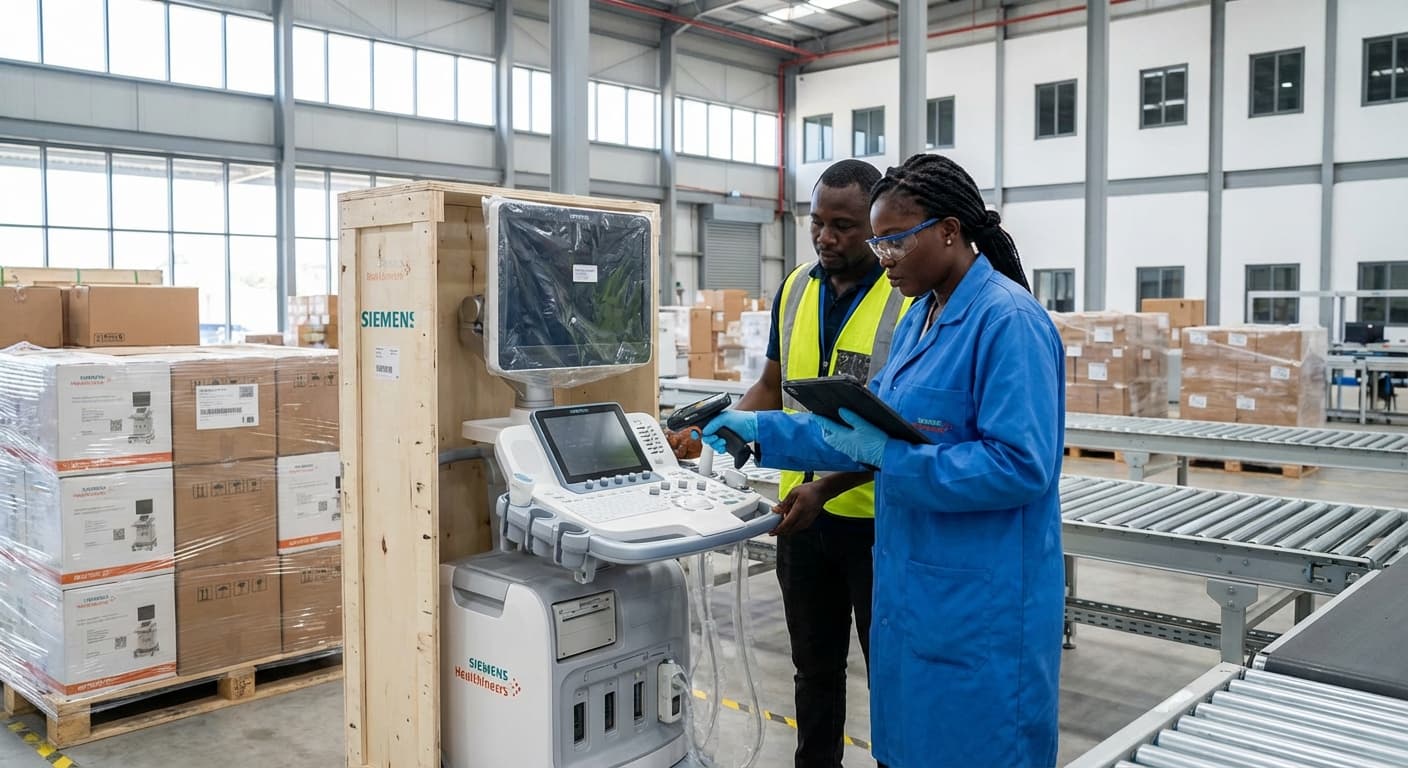
Warehouse Receiving Inspection Service (Medical Equipment) in Congo (Kinshasa)
Engineering Excellence & Technical Support
Warehouse Receiving Inspection Service (Medical Equipment) High-standard technical execution following OEM protocols and local regulatory frameworks.
Rigorous Compliance Verification
Our trained inspectors meticulously verify all incoming medical equipment against strict regulatory requirements (e.g., Ministry of Health guidelines, international standards) and manufacturer specifications. We ensure proper documentation, certifications, and quality seals are in place before acceptance, mitigating risks of non-compliant or substandard equipment entering the supply chain in Kinshasa.
Temperature-Controlled Goods Assurance
For temperature-sensitive medical equipment (e.g., vaccines, reagents), we implement specialized receiving protocols. This includes immediate verification of cold chain integrity, temperature logger data analysis, and visual inspection for any signs of thermal excursions, guaranteeing the efficacy and safety of critical medical supplies within the challenging climatic conditions of Kinshasa.
Pre-shipment Damage Assessment
We conduct thorough visual inspections for any signs of transit damage, including dents, tears, punctures, or compromised packaging, at the point of receiving. Any anomalies are immediately documented with high-resolution imagery and detailed reports, enabling prompt claims processing with carriers and preventing damaged equipment from being deployed, thereby protecting patient care in Congo.
What Is Warehouse Receiving Inspection Service (Medical Equipment) In Congo (Kinshasa)?
Warehouse Receiving Inspection Service (Medical Equipment) in Congo (Kinshasa) refers to a systematic and documented process undertaken by a qualified third-party entity or designated internal personnel upon the arrival of medical equipment at a warehouse or distribution center in the Democratic Republic of Congo. The primary objective is to verify that the received goods conform to established specifications, contractual agreements, and regulatory requirements before they are accepted into inventory and further distributed or utilized. This service is crucial for ensuring the quality, safety, efficacy, and compliance of medical devices throughout the supply chain.
| Who Needs the Service | Typical Use Cases/Scenarios | |||||
|---|---|---|---|---|---|---|
| Hospitals and Healthcare Facilities (Public and Private): Require assurance of the quality and safety of medical equipment procured for patient care. | Medical Equipment Importers and Distributors: Need to verify incoming goods before onward distribution to healthcare providers, ensuring compliance with import regulations and customer orders. | Government Health Ministries and Procurement Agencies: Oversee the acquisition of medical equipment for public health programs and require rigorous inspection to ensure value for money and adherence to specifications. | Non-Governmental Organizations (NGOs) and Humanitarian Aid Organizations: Procure and distribute medical equipment in challenging environments, necessitating robust inspection to guarantee the functionality and suitability of devices. | Manufacturers' Representatives and Local Agents: Responsible for the successful delivery and installation of medical equipment, requiring inspection to confirm product integrity upon arrival. | Third-Party Logistics (3PL) Providers: Managing warehousing and distribution for medical equipment often include receiving inspection as part of their service offering. | International Development Agencies and Donor Organizations: Funding medical equipment projects in Congo (Kinshasa) need to ensure the quality and compliance of the equipment purchased with their funds. |
| Procurement of new medical devices: For hospitals, clinics, or government tenders. | Receipt of donated medical supplies: from international organizations or private donors. | Inventory replenishment for established healthcare providers. | Importation of specialized medical equipment: requiring specific certifications and quality checks. | Distribution of essential medicines and medical devices: through national health programs. | Validation of equipment post-repair or refurbishment: before re-integration into service. | Receiving of equipment for clinical trials or research projects. |
Key Components of Warehouse Receiving Inspection Service (Medical Equipment):
- Pre-shipment Verification (as applicable): Confirmation of shipment details against purchase orders and prior documentation before departure from origin.
- Arrival Inspection: Physical examination of inbound shipments at the receiving dock, including verification of intact packaging and container seals.
- Documentation Review: Cross-referencing incoming documents (e.g., Bill of Lading, Packing List, Certificate of Origin, Quality Certificates, Manufacturer's Declarations) with purchase orders and expected specifications.
- Identity and Quantity Verification: Confirming that the correct medical equipment, by make, model, serial number, and quantity, as per the order, has been received.
- Condition Assessment: Detailed inspection of the received equipment for any visible signs of damage, defects, contamination, or tampering incurred during transit.
- Labeling and Marking Verification: Ensuring that all equipment and packaging are correctly labeled with product identifiers, lot/batch numbers, expiry dates, manufacturer information, and any required regulatory markings.
- Sampling and Testing (where applicable): Conducting random or targeted sampling for laboratory testing to verify product specifications, performance, or sterility.
- Environmental Monitoring Review (for temperature-sensitive items): Verification of temperature data logs and environmental conditions during transit and storage to ensure product integrity.
- Regulatory Compliance Check: Ascertaining that the received medical equipment complies with relevant national regulations, standards (e.g., Congolese Agency for Food and Drug Control - DRC-ANSC), and international quality standards (e.g., ISO 13485).
- Record Keeping and Reporting: Documenting all inspection findings, discrepancies, and corrective actions taken in a comprehensive inspection report.
- Acceptance or Rejection: Formal decision to accept the shipment into inventory or reject it due to non-conformances, with subsequent communication to the supplier and relevant stakeholders.
Who Needs Warehouse Receiving Inspection Service (Medical Equipment) In Congo (Kinshasa)?
Warehouse receiving inspection services for medical equipment in Congo (Kinshasa) are crucial for ensuring the quality, safety, and compliance of incoming medical devices. These services play a vital role in preventing the entry of counterfeit, damaged, or substandard equipment, which can have severe consequences for patient care and healthcare facility operations. A thorough inspection at the point of receiving helps to identify discrepancies with purchase orders, verify proper packaging and labeling, and assess the physical condition of the equipment before it enters the inventory and is distributed.
| Customer Type | Key Departments Involved in Receiving and Inspection |
|---|---|
| Hospitals (Public, Private, and Non-profit) | Procurement Department, Biomedical Engineering Department, Logistics/Warehouse Department, Quality Assurance Department, Pharmacy Department (for specific devices) |
| Clinics and Health Centers | Administration, Operations Manager, Medical Officer/In-charge, Storekeeper |
| Medical Equipment Suppliers and Distributors | Warehouse Manager, Quality Control Department, Logistics Department, Sales Department (for order verification) |
| Government Health Ministries and Agencies | Procurement Unit, Logistics Department, Medical Supplies Department, Quality Assurance Directorate |
| Non-Governmental Organizations (NGOs) involved in healthcare | Procurement Officer, Logistics Manager, Program Manager, Field Operations |
| International Aid Organizations | Logistics and Supply Chain Manager, Procurement Specialist, Project Manager, Compliance Officer |
| Research and Diagnostic Laboratories | Laboratory Manager, Procurement Officer, Technical Staff (for equipment specific checks) |
| Pharmaceutical Companies (for associated medical devices) | Supply Chain Management, Quality Assurance Department, Warehouse Operations |
Target Customers and Departments for Warehouse Receiving Inspection Service (Medical Equipment) in Congo (Kinshasa)
- Hospitals (Public, Private, and Non-profit)
- Clinics and Health Centers
- Medical Equipment Suppliers and Distributors
- Government Health Ministries and Agencies
- Non-Governmental Organizations (NGOs) involved in healthcare
- International Aid Organizations
- Research and Diagnostic Laboratories
- Pharmaceutical Companies (for associated medical devices)
Warehouse Receiving Inspection Service (Medical Equipment) Process In Congo (Kinshasa)
This document outlines the standard workflow for Warehouse Receiving Inspection Services for Medical Equipment in Kinshasa, Congo. The process is designed to ensure that all incoming medical equipment meets specified quality, safety, and regulatory standards before being accepted into the warehouse.
| Stage | Description | Key Activities | Involved Parties | Deliverables/Outcomes |
|---|---|---|---|---|
| The client initiates the process by expressing interest and providing details about the incoming medical equipment to be inspected. | Client submits an inquiry detailing: type of equipment, quantity, origin, expected arrival date, specific inspection requirements (e.g., regulatory compliance, functional testing, cosmetic condition). | Client (Importer/Distributor) | Inquiry document, initial information exchange. |
| The inspection service provider (ISP) reviews the inquiry and provides a detailed quotation and service agreement. | ISP analyzes requirements, estimates resources (personnel, equipment, time), prepares a formal quotation including scope of work, fees, and terms. Upon agreement, a service contract is signed. | ISP (Inspection Service Provider), Client | Formal Quotation, Signed Service Agreement/Contract. |
| Detailed planning is conducted to ensure an efficient and effective inspection. | ISP schedules inspection dates, assigns qualified inspectors, prepares inspection checklists and protocols based on client requirements and relevant standards (e.g., WHO guidelines, local regulations). Client provides shipping documents, packing lists, and product specifications. | ISP, Client | Inspection Schedule, Inspection Plan & Checklists, Assigned Inspection Team. |
| The physical inspection of the medical equipment takes place at the designated receiving warehouse. | Inspectors verify: quantity against documentation, packaging integrity, labeling accuracy, product identity, physical condition (damage, defects), functionality (basic tests), compliance with specifications and regulatory requirements. Records are taken via photos and notes. | ISP (Inspectors), Warehouse Staff (for access and handling), Client Representatives (optional, for clarification). | On-site inspection findings, photographic evidence, preliminary inspection notes. |
| A comprehensive inspection report is generated and submitted to the client. | ISP compiles all findings, including any non-conformities, discrepancies, or issues identified. A formal report is drafted, detailing the scope, methodology, findings, and recommendations. The report is reviewed internally before submission. | ISP | Formal Inspection Report (including non-conformity reports if applicable), photographic evidence, supporting documentation. |
| The client reviews the report, and any necessary follow-up actions are initiated. | Client reviews the report and provides feedback. If non-conformities are found, the client, in consultation with the ISP, may decide on corrective actions (e.g., rejection, repair, re-inspection). Final invoice processing occurs. | Client, ISP | Client acknowledgment of report, resolution of non-conformities, final payment and record closure. |
Key Stages of the Warehouse Receiving Inspection Service Workflow:
- Inquiry & Request for Quotation (RFQ)
- Quotation & Service Agreement
- Pre-Inspection Planning
- On-Site Inspection Execution
- Reporting & Documentation
- Feedback & Follow-up
Warehouse Receiving Inspection Service (Medical Equipment) Cost In Congo (Kinshasa)
The cost of warehouse receiving inspection services for medical equipment in Congo (Kinshasa) can vary significantly due to several factors. These services are crucial to ensure the quality, integrity, and compliance of medical equipment upon arrival at warehouses, especially in a region where logistics and infrastructure can present unique challenges. The pricing is typically determined on a per-item, per-shipment, or project basis, often influenced by the complexity and volume of the inspection. Local currency used is the Congolese Franc (CDF).
| Service Type/Complexity | Estimated Cost Range (CDF per unit/shipment) | Notes |
|---|---|---|
| Basic Visual Inspection (e.g., checking for external damage, correct labeling, documentation review for simple devices) | 15,000 - 50,000 CDF | Applies to low-complexity items. May be per unit or a minimum fee per shipment. |
| Standard Functional Testing (e.g., basic operational checks for common medical devices) | 40,000 - 150,000 CDF | Includes more detailed testing than basic visual. Cost varies with device type. |
| Comprehensive Inspection & Performance Verification (e.g., calibration, detailed functional tests for specialized equipment like imaging machines or diagnostic analyzers) | 100,000 - 500,000+ CDF | Requires skilled technicians. Costs can escalate significantly for highly complex or large equipment. Often quoted per project or major equipment piece. |
| Pre-shipment Inspection (if conducted at origin before arrival in Kinshasa, but billed locally) | Varies greatly | Costs will depend on origin, but local agency coordination fees will apply. |
| Urgent/Rush Service Surcharge | +25% to +100% of base cost | Applied to expedited requests. |
| Travel and Logistics (for remote locations) | Variable | Added based on actual costs incurred. |
| Specialized Compliance Checks (e.g., regulatory adherence) | 50,000 - 200,000+ CDF | Dependent on the specific regulations and complexity of the check. |
Key Pricing Factors for Warehouse Receiving Inspection Services (Medical Equipment) in Congo (Kinshasa)
- Type and Complexity of Medical Equipment: High-value, complex, or specialized medical equipment (e.g., MRI machines, advanced surgical robots) will generally incur higher inspection costs than simpler, less sophisticated devices (e.g., basic diagnostic tools, medical consumables). The need for specialized calibration, functional testing, or expert technical assessment drives up the price.
- Volume of Goods: A larger volume of equipment to inspect often leads to a lower per-unit cost due to economies of scale. Conversely, inspecting a small, singular item might have a higher minimum service fee.
- Scope of Inspection: The depth and breadth of the inspection are primary cost drivers. This can range from a basic visual check for damage and correct documentation to comprehensive functional testing, performance verification, calibration, and assessment of environmental conditions during transit.
- Urgency of Service: Rush inspections or those requiring immediate turnaround will typically command a premium price.
- Location and Accessibility of Warehouse: Warehouses that are difficult to access, located in remote areas, or require extensive travel time for inspectors will likely have higher costs associated with transportation and logistics.
- Required Documentation and Reporting: The level of detail and formality required in the inspection report, including photographic evidence, detailed findings, and compliance certificates, can influence the cost. Specialized regulatory compliance checks will also add to the price.
- Inspector's Qualifications and Experience: Highly specialized inspectors with specific certifications or extensive experience in medical equipment inspection will command higher fees.
- Third-Party vs. In-House Inspection: Whether the service is provided by an independent third-party inspection agency or by an internal team within the importing company can affect pricing. Independent agencies may have standardized rates.
- Market Demand and Competition: The presence of multiple inspection service providers in Kinshasa can lead to competitive pricing, while a more monopolistic market might see higher costs.
- Additional Services: Services such as sampling, testing in accredited laboratories, or minor repairs during the inspection will add to the overall cost.
Affordable Warehouse Receiving Inspection Service (Medical Equipment) Options
Finding an affordable warehouse receiving inspection service for medical equipment is crucial for maintaining compliance, ensuring product integrity, and managing costs. This service involves a thorough examination of incoming medical devices to verify their condition, documentation, and compliance with regulatory standards before they enter your inventory. Several options and strategies can help you secure cost-effective solutions without compromising on quality.
| Value Bundle/Cost-Saving Strategy | Description | How it Saves Costs | Considerations | |||
|---|---|---|---|---|---|---|
| Volume-Based Discounts: | Service providers offer lower per-unit inspection fees for higher volumes of incoming equipment. | Economies of scale directly reduce the cost per inspection. | Requires accurate forecasting of inbound volumes. Ensure the provider's capacity can meet your peak demand. | |||
| Tiered Service Packages: | Different levels of inspection (e.g., basic visual check vs. full functional testing) offered at varying price points. | Allows you to pay only for the level of inspection truly needed for each type of equipment. | Clearly define the scope of each tier to avoid unexpected costs or inadequate inspections. | |||
| Long-Term Contracts: | Committing to a service provider for an extended period (e.g., 1-3 years) often comes with preferential pricing. | Guarantees stable pricing and can offer lower rates than month-to-month agreements. | Carefully review contract terms, termination clauses, and ensure the provider's long-term viability. | |||
| Outsourced vs. In-House (Hybrid): | Fully Outsourced: Engaging a third-party specialized inspection service. | Hybrid: Maintaining a small in-house team for basic checks and outsourcing complex/specialized inspections. | Outsourced: Eliminates the need for in-house staff, training, and equipment investment. Potentially lower overhead. | Hybrid: Balances control with cost savings. Can be more efficient for highly variable needs. | Outsourced: Due diligence on provider's expertise and reliability is critical. | Hybrid: Requires effective management of internal resources and coordination with external partners. |
| Standardized Inspection Protocols: | Working with a provider who utilizes pre-defined, efficient inspection checklists and procedures. | Reduces inspection time per unit, leading to lower labor costs. | Ensure protocols are comprehensive and adaptable to different equipment types. | |||
| Technology Integration (e.g., Barcode Scanning, RFID): | Utilizing technology to automate data capture and verification during inspection. | Speeds up the inspection process, reduces manual errors, and improves data accuracy. | May require an initial investment in technology or compatibility with the provider's systems. | |||
| Risk-Based Inspection: | Focusing more intensive inspections on high-risk or high-value equipment, while applying lighter checks to lower-risk items. | Optimizes inspection resources by allocating them where they provide the most value and risk reduction. | Requires a robust system for classifying equipment risk. | |||
| Negotiation and RFPs: | Proactively soliciting quotes from multiple providers and negotiating terms. | Leveraging competition to secure the best possible pricing and service agreements. | Requires time and effort to prepare and evaluate proposals effectively. |
Understanding Value Bundles and Cost-Saving Strategies
- Value Bundles: These are packages designed to offer a comprehensive set of inspection services at a potentially discounted rate compared to individual service purchases. They often cater to specific needs or volumes, providing predictable costs and streamlined processes.
- Cost-Saving Strategies: These are proactive measures and approaches you can implement to reduce the overall expense of your receiving inspection services.
- Key Benefits of Receiving Inspection:
- Regulatory Compliance: Ensures adherence to FDA, ISO, and other relevant medical device regulations.
- Quality Assurance: Prevents the introduction of damaged, incorrect, or counterfeit products into your supply chain.
- Inventory Accuracy: Verifies quantities and product details against purchase orders and shipping documents.
- Risk Mitigation: Identifies potential issues early, reducing costly returns, rework, and patient safety incidents.
- Supplier Performance Monitoring: Provides data to evaluate and improve supplier reliability.
Verified Providers In Congo (Kinshasa)
In the Democratic Republic of Congo (Kinshasa), navigating the healthcare landscape to find reliable and accredited providers can be a significant challenge. Franance Health has emerged as a trusted name, setting a high standard for medical services. Their commitment to rigorous credentialing and patient-centered care makes them a leading choice for individuals and families seeking quality healthcare. This document outlines what makes Franance Health a superior option, highlighting their accreditation processes and the benefits they offer to patients.
| Credential/Aspect | Franance Health's Approach | Benefit to Patients |
|---|---|---|
| Licensing and Certification Verification | Mandatory verification of all medical licenses and certifications for affiliated providers. | Ensures providers are legally qualified and possess the necessary expertise. |
| Professional Experience Review | Thorough assessment of a provider's professional history, including peer reviews and case study analysis. | Guarantees access to experienced professionals with a history of successful treatments. |
| Facility Standards Compliance | Inspection and adherence to established quality and safety standards for all partner clinics and hospitals. | Provides a safe and well-equipped environment for medical procedures and treatments. |
| Continuing Medical Education (CME) Adherence | Confirmation that providers are actively engaged in ongoing professional development. | Ensures patients receive care based on the latest medical advancements and research. |
| Patient Feedback and Satisfaction Monitoring | Regular collection and analysis of patient feedback to identify areas for improvement. | Drives continuous enhancement of the patient experience and service quality. |
| Adherence to National and International Health Regulations | Strict compliance with all relevant Congolese and international healthcare regulations. | Provides assurance of safe, legal, and ethically sound medical services. |
Why Franance Health Stands Out
- Rigorous Accreditation Process: Franance Health prioritizes patient safety and quality by partnering exclusively with healthcare providers who meet stringent accreditation standards. This ensures adherence to international best practices in medical care and operational efficiency.
- Experienced and Qualified Professionals: All affiliated physicians, specialists, and healthcare facilities undergo thorough vetting, confirming their qualifications, licenses, and a proven track record of excellent patient outcomes.
- Comprehensive Range of Services: Franance Health offers access to a diverse network of providers covering a wide spectrum of medical specialties, from general practitioners to highly specialized surgeons, ensuring all your healthcare needs can be met under one trusted umbrella.
- Patient-Centric Approach: Beyond medical expertise, Franance Health emphasizes compassionate care, effective communication, and a seamless patient experience. This includes streamlined appointment scheduling, clear billing practices, and accessible support.
- Commitment to Ethical Practices: Franance Health upholds the highest ethical standards in healthcare delivery, ensuring transparency, integrity, and respect for patient privacy in all its operations and partnerships.
- Leveraging Technology for Better Care: They integrate modern technological solutions to enhance patient care, improve diagnostic accuracy, and facilitate efficient communication between patients and providers.
Scope Of Work For Warehouse Receiving Inspection Service (Medical Equipment)
This Scope of Work (SOW) outlines the requirements for comprehensive receiving inspection services for medical equipment delivered to our warehouse. The objective is to ensure that all received medical equipment meets established quality, safety, and functional standards before being accepted into inventory. This SOW details the technical deliverables and standard specifications required for this service.
| Section | Description | Standard Specifications/Requirements |
|---|---|---|
| Review of all accompanying documents to ensure accuracy and completeness. | Compare received items against Purchase Order (PO), Packing List, Bill of Lading (BOL), and Certificate of Analysis (CoA) if applicable. Verify lot/batch numbers, serial numbers, quantities, and item descriptions match PO and shipping documents. Ensure all required certifications (e.g., FDA clearance, CE marking) are present or referenced. Check for Manufacturer's Instructions for Use (IFU) and warranty information. |
| Visual examination of the exterior packaging and the equipment itself. | Inspect packaging for any signs of damage, tampering, punctures, or moisture. Document any damage with photographic evidence. Examine the equipment for visible defects, scratches, dents, corrosion, or foreign material. Verify that the equipment's model and serial number match documentation. Inspect for proper labeling, including warnings, instructions, and identification. |
| Confirmation of all included accessories and components. | Verify the presence and condition of all specified accessories, cables, power adapters, manuals, software discs, and any other included items as per the PO or IFU. Ensure accessories are compatible with the main equipment. |
| Basic operational verification to ensure fundamental functionality. | For equipment designed for simple power-on and basic operation, perform a visual check of power indicators and a brief functional test as outlined in the IFU or a pre-approved checklist (e.g., powering on, basic interface response). This is not a comprehensive performance qualification. Critical safety features will be visually confirmed as present and undamaged. |
| Assessment of packaging and equipment for environmental handling requirements. | Verify that packaging is appropriate for the equipment type and anticipated transit conditions. Check for any indications of improper storage or handling (e.g., extreme temperatures, humidity). Ensure equipment labeling complies with relevant environmental regulations if applicable. |
| Creation of detailed inspection reports. | Generate a standardized Receiving Inspection Report (RIR) for each shipment or item. The RIR shall include: Date of inspection, PO number, Supplier name, Item description, Quantity received, Quantity inspected, Details of any discrepancies or damage found, Photographic evidence of damage or discrepancies, Findings on documentation, accessory, and preliminary functional checks. RIRs should be submitted electronically within 24 hours of inspection completion. Maintain an audit trail of all inspections and findings. |
| Procedure for handling identified deviations from specifications. | Immediately flag and report any identified non-conformances to the designated point of contact. Provide detailed documentation to support the non-conformance. Follow established company procedures for quarantine, return, or disposition of non-conforming equipment. |
Key Objectives
- Verify the integrity of incoming medical equipment against purchase orders and shipping documents.
- Assess the physical condition of equipment for damage, defects, or non-conformities.
- Confirm that all accessories, documentation, and labeling are present and correct.
- Perform preliminary functional checks where applicable and feasible within the scope of receiving inspection.
- Document all findings accurately and provide timely reports to facilitate decision-making regarding acceptance or rejection.
Service Level Agreement For Warehouse Receiving Inspection Service (Medical Equipment)
This Service Level Agreement (SLA) outlines the performance standards and guarantees for Warehouse Receiving Inspection Services specifically for medical equipment. It defines the expected response times for critical issues and the required uptime for the inspection systems and personnel.
| Service Component | Metric | Target | Measurement Method | Remedy for Failure |
|---|---|---|---|---|
| Initial Inspection Assignment | Response Time (Notification to Assignment) | Within 2 business hours | System log of assignment time vs. notification receipt time | Service Credit: 5% of monthly inspection fee for each instance exceeding target. |
| Critical Defect Identification | Response Time (Discovery to Report) | Within 1 business hour of critical defect identification | Timestamped reporting system logs | Service Credit: 10% of monthly inspection fee for each instance exceeding target. |
| System Availability (Inspection Management Software) | Uptime Guarantee | 99.5% during Service Hours | System monitoring tools, measuring downtime in minutes | Service Credit: 5% of monthly inspection fee for every 0.1% of uptime below target. |
| Inspection Personnel Availability | Availability | Assigned inspectors available within 30 minutes of scheduled start time | Workforce management system logs and observer reports | Service Credit: 2% of monthly inspection fee for each unexcused delay exceeding 30 minutes. |
| Reporting Availability (SLA Performance Reports) | Uptime Guarantee | 99.0% during business hours for accessing reports | Website/portal monitoring tools | Service Credit: 1% of monthly inspection fee for every 0.5% of uptime below target. |
Key Service Components
- Scope of Service: Inspection of incoming medical equipment for damage, completeness, and conformity with purchase orders and specifications.
- Service Hours: Defined operating hours during which inspections will be conducted.
- Performance Metrics: Specific measurable targets for response times and system uptime.
- Reporting: Regular reports detailing inspection activities, findings, and performance against SLA metrics.
- Escalation Procedures: Defined steps for addressing service failures and critical issues.
Frequently Asked Questions

Ready when you are
Let's scope your Warehouse Receiving Inspection Service (Medical Equipment) in Congo (Kinshasa) project in Congo (Kinshasa).

Scaling healthcare logistics and technical systems across the entire continent.