
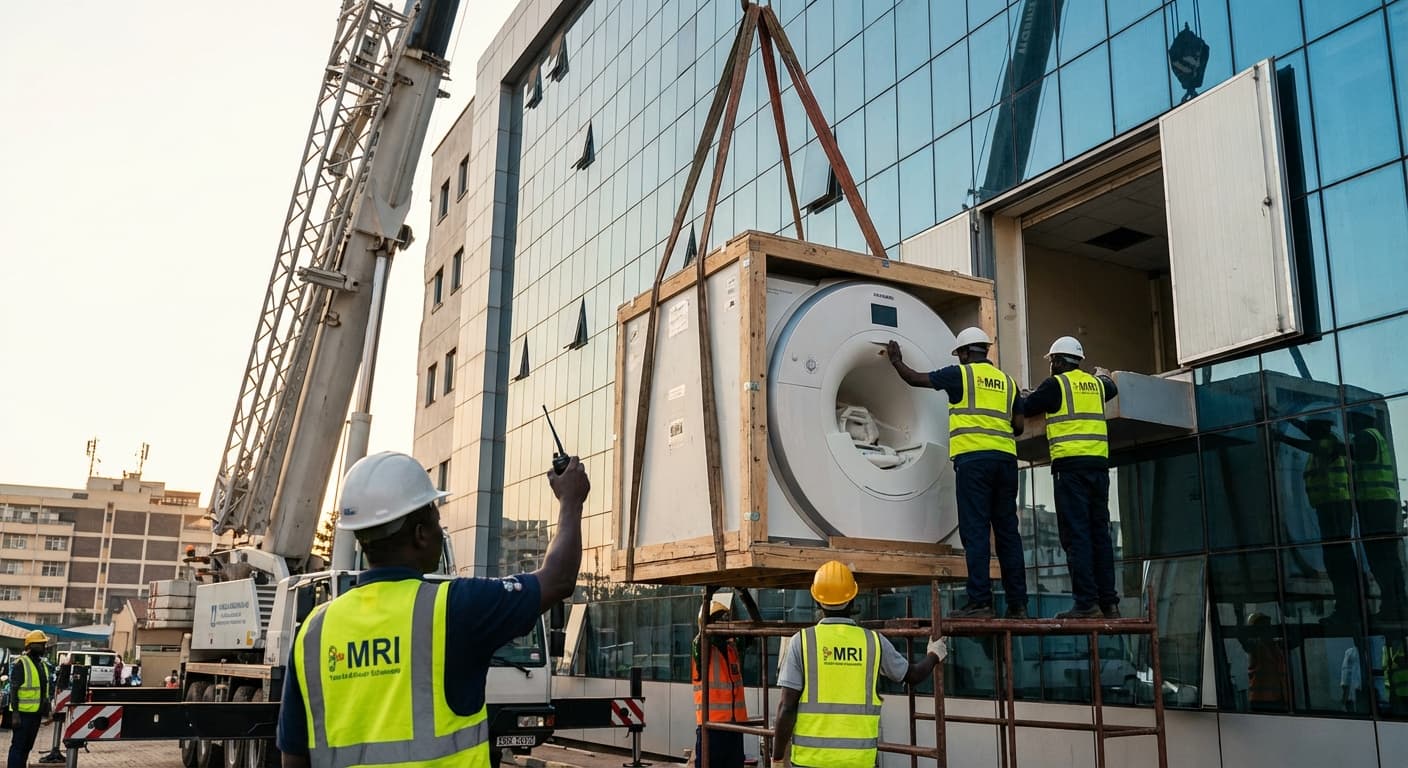
Cranage & Rigging Supervision Service in Congo (Kinshasa)
Engineering Excellence & Technical Support
Cranage & Rigging Supervision Service High-standard technical execution following OEM protocols and local regulatory frameworks.
Complex Lifts in Challenging Terrain
Expert supervision of intricate crane and rigging operations for heavy equipment and oversized modules within the demanding geographical and logistical landscape of Congo (Kinshasa), ensuring precision and safety.
Unyielding Safety & Compliance Standards
Implementation and rigorous enforcement of international safety protocols and local regulations for all lifting activities, minimizing risks and ensuring operational integrity in high-stakes projects.
Optimized Rigging Solutions for Industrial Projects
Tailored rigging strategies and supervision for large-scale industrial installations, plant shutdowns, and infrastructure development, leveraging advanced techniques to enhance efficiency and mitigate downtime.
What Is Cranage & Rigging Supervision Service In Congo (Kinshasa)?
Cranage & Rigging Supervision Service in Congo (Kinshasa) refers to the specialized oversight provided by qualified professionals during the lifting, moving, and positioning of heavy or oversized equipment and materials. This service ensures that all cranage and rigging operations are conducted safely, efficiently, and in compliance with relevant industry standards and regulations within the Democratic Republic of Congo, specifically Kinshasa. The primary objective is to mitigate risks associated with structural failure, dropped loads, personnel injury, and environmental damage.
| Who Needs Cranage & Rigging Supervision Service? | Typical Use Cases | ||||||
|---|---|---|---|---|---|---|---|
| Construction Companies: Undertaking large-scale infrastructure projects (bridges, buildings, industrial facilities). | Mining and Extractive Industries: Lifting and positioning heavy machinery, processing equipment, and structural components at mines and processing plants. | Oil and Gas Sector: Handling modules, pipes, and equipment during the construction or maintenance of offshore platforms, refineries, and onshore facilities. | Manufacturing and Industrial Facilities: Installation, relocation, or replacement of heavy machinery, production lines, and large components. | Port and Terminal Operators: Loading and unloading of heavy cargo, containers, and project-specific equipment from vessels. | Power Generation and Utilities: Installation and maintenance of turbines, generators, transformers, and transmission equipment. | Heavy Equipment Rental Companies: Ensuring safe operation and deployment of rented lifting equipment for various projects. | Project Management Firms: Overseeing complex logistical operations involving heavy lifts as part of their project execution responsibilities. |
| Installation of large-scale industrial machinery: Such as reactors, presses, generators, and turbines. | Erection of pre-fabricated structures: Including bridge segments, modular buildings, and industrial plant components. | Placement of heavy equipment during infrastructure development: Like transformers, switchgear, and concrete segments for dams or highways. | Offloading and positioning of oversized project cargo: Delivered by sea or land, requiring specialized lifting and rigging techniques. | Movement and relocation of existing heavy assets: Within a plant or across different sites. | Emergency response and recovery operations: Involving the lifting of fallen structures or damaged equipment. | Maintenance and repair activities: Requiring the temporary removal or precise positioning of heavy components. |
What Cranage & Rigging Supervision Service Involves
- Pre-Operation Planning and Risk Assessment: Detailed analysis of the lift plan, load characteristics, environmental conditions, site constraints, and potential hazards. Development of mitigation strategies and emergency procedures.
- Equipment Inspection and Certification: Verification of the integrity, load capacity, and certification of all lifting appliances (cranes, hoists, slings, shackles, etc.) and rigging gear.
- Personnel Competency Verification: Ensuring that all operators, riggers, signal persons, and supervisors possess the necessary qualifications, certifications, and experience for their roles.
- Execution Oversight: Real-time monitoring and guidance of the lifting and rigging operation to ensure adherence to the approved lift plan and safe work practices.
- Communication and Signaling: Directing crane operators and ground personnel through standardized hand signals or radio communication to maintain clear and unambiguous coordination.
- Load Stability and Control: Supervising the secure attachment of loads, ensuring proper rigging techniques are employed to maintain balance and prevent swinging.
- Environmental Monitoring: Assessing and managing the impact of weather conditions (wind, rain, temperature) on the operation's safety.
- Documentation and Reporting: Maintaining detailed records of the operation, including pre-lift checks, incident reports (if any), and post-operation reviews.
- Problem Solving: Swiftly addressing unforeseen issues or deviations from the plan to ensure continued safety and efficiency.
- Compliance Assurance: Verifying adherence to local safety regulations, international standards (e.g., ASME, LOLER), and client-specific procedures.
Who Needs Cranage & Rigging Supervision Service In Congo (Kinshasa)?
Cranage and rigging supervision services are essential for any project involving the lifting, moving, and securing of heavy or oversized loads. In Congo (Kinshasa), where industrial development and infrastructure projects are increasingly prevalent, specialized expertise in this area is critical for ensuring safety, efficiency, and compliance with international standards. These services are not just about operating cranes; they encompass meticulous planning, risk assessment, equipment inspection, and the deployment of skilled personnel to oversee complex lifting operations.
| Target Customer Industry | Specific Departments/Roles Benefiting |
|---|---|
| Construction | Project Management, Site Operations, Health & Safety, Engineering |
| Mining & Extractive Industries | Operations Management, Engineering, Maintenance, Safety Officers |
| Manufacturing & Industrial | Production Management, Plant Engineering, Logistics, Safety & Environmental Health |
| Logistics & Transportation | Operations, Warehouse Management, Cargo Handling Supervisors, Safety Compliance |
| Energy (Oil & Gas, Renewables) | Project Engineering, Site Supervisors, HSE (Health, Safety, Environment), Field Operations |
| Infrastructure Development | Project Management, Civil Engineering, Construction Management, Quality Control |
| Government & Public Works | Public Infrastructure Departments, Disaster Management Agencies, Port Authorities |
Who Needs Cranage & Rigging Supervision Service in Congo (Kinshasa)?
- Organizations undertaking large-scale construction projects.
- Companies involved in mining and resource extraction.
- Industrial manufacturers and processors requiring heavy equipment installation or relocation.
- Logistics and port operators handling oversized cargo.
- Energy sector companies involved in infrastructure development and maintenance (oil, gas, renewable energy).
- Emergency response teams managing disaster relief and recovery operations.
- Any entity that regularly handles loads exceeding standard manual lifting capacities.
Cranage & Rigging Supervision Service Process In Congo (Kinshasa)
Our Cranage & Rigging Supervision Service in Congo (Kinshasa) is designed to ensure safe, efficient, and compliant lifting operations. We manage the entire process, from the initial client inquiry to the successful execution and handover of the project. This workflow emphasizes clear communication, meticulous planning, and adherence to international safety standards.
| Stage | Activities | Key Deliverables/Outcomes | Client Involvement | Service Provider Responsibility |
|---|---|---|---|---|
| Client contacts our service with a potential project requiring cranage and rigging supervision. Discussion of project needs, scale, and preliminary requirements. | Understanding of client's core needs and initial project overview. | Provides project details, initial requirements, and potential timelines. | Listens to client needs, asks clarifying questions, and provides general service overview. |
| Detailed information gathering on the lifting operation (load weights, dimensions, lift height, surrounding environment, access). Site visit to assess conditions, identify hazards, and verify existing infrastructure. | Detailed scope of work document, hazard identification report, and site-specific risk assessment (preliminary). | Provides all available technical data, site access for assessment, and key personnel for consultation. | Conducts thorough site assessment, develops detailed lifting plans, and identifies necessary equipment and personnel. |
| Development of a comprehensive proposal outlining services, personnel, equipment recommendations, timeline, and pricing. Negotiation of terms and conditions, leading to contract finalization. | Formal proposal document, signed contract, and agreed-upon payment schedule. | Reviews proposal, provides feedback, negotiates terms, and approves contract. | Prepares detailed, competitive proposal, negotiates terms professionally, and ensures all legal and contractual requirements are met. |
| Mobilization of qualified supervisors, riggers, and crane operators. Finalization of detailed lift plans, method statements, and risk assessments. Procurement of necessary equipment and permits. Pre-job safety briefings (toolbox talks) with the execution team. | Approved lift plans, method statements, risk assessments, mobilized team, and required permits/certifications. | Ensures site readiness, facilitates access for equipment, and participates in pre-mobilization meetings. | Manages personnel and equipment mobilization, finalizes all documentation, and conducts pre-job safety planning. |
| On-site presence of experienced supervisors overseeing all aspects of the lifting operation. Ensuring adherence to lift plans, safety procedures, and regulatory requirements. Real-time risk management and incident response. | Safe and efficient execution of lifting operations, compliance with all safety protocols, and immediate addressing of any deviations. | Provides access, on-site support, and immediate feedback on operational progress and any emerging concerns. | Directly supervises the operation, manages the team, enforces safety, and makes critical decisions in real-time. |
| Confirmation of successful lifting operations. Site cleanup and restoration. Demobilization of personnel and equipment. Final inspection of the work area. | Completion certificate, cleared work site, and demobilized resources. | Approves completion of work, confirms site readiness, and facilitates demobilization. | Ensures all contractual obligations are met, manages demobilization logistics, and verifies site condition. |
| Preparation and submission of a comprehensive project report detailing all lifting activities, safety performance, incident reports (if any), and lessons learned. Formal handover of the completed project to the client. | Final project report, handover documentation, and confirmation of client satisfaction. | Reviews report, provides feedback, signs off on handover, and confirms project closure. | Compiles detailed and accurate reports, addresses client feedback, and formally closes out the project. |
Key Stages of the Cranage & Rigging Supervision Service Process:
- Inquiry & Initial Consultation
- Scope Definition & Site Assessment
- Proposal & Contract Negotiation
- Pre-Mobilization & Planning
- On-Site Supervision & Execution
- Post-Execution & Demobilization
- Reporting & Handover
Cranage & Rigging Supervision Service Cost In Congo (Kinshasa)
The cost of Cranage & Rigging Supervision services in Congo (Kinshasa) can vary significantly based on several factors, making it difficult to provide a single, definitive price. These services are critical for the safe and efficient movement of heavy loads, and the expertise of qualified supervisors is paramount. Pricing is typically quoted on a per-day basis, though longer-term projects might negotiate project-based rates.
Key Pricing Factors:
- Complexity of the Lift: Simple lifts requiring minimal equipment and planning will be less expensive than complex, multi-crane lifts or those involving highly sensitive or valuable cargo. This includes the weight, size, and shape of the object being lifted.
- Type and Number of Cranes/Equipment: The cost is directly influenced by the type, capacity, and number of cranes, forklifts, slings, shackles, and other rigging equipment required. Larger, specialized equipment naturally incurs higher rental and operational costs.
- Duration of the Project: As mentioned, daily rates are common. The longer the project, the more overall cost, but often with a slight reduction in the per-day rate for extended engagements.
- Location within Kinshasa/Congo: While Kinshasa is the primary hub, remote project sites might incur additional transportation and logistical costs for the supervision team and equipment.
- Supervision Team Size and Expertise: The number of supervisors needed will depend on the scale of the operation. Highly experienced and certified supervisors will command higher daily rates due to their specialized knowledge and the liability they manage.
- Safety Requirements and Compliance: Projects with stringent safety protocols, environmental considerations, or specific regulatory compliance needs might require more intensive supervision, potentially increasing costs.
- Emergency or Urgent Services: Short-notice or emergency cranage and rigging supervision will almost always come with a premium.
- Time of Day/Week: Overtime, weekend, or holiday work will typically be billed at a higher rate.
- Contractual Terms: Payment terms, insurance coverage, and indemnification clauses can all influence the final negotiated price.
Estimated Price Ranges (in Congolese Francs - CDF):
It's important to note that these are estimated ranges and actual quotes can be higher or lower. These figures are based on general market understanding and may not reflect the most current economic conditions. It is highly recommended to obtain detailed quotes from multiple reputable service providers.
For the purpose of this discussion, we'll consider a 'standard' day's work (e.g., 8-10 hours) for a qualified supervisor.
- Basic Cranage & Rigging Supervision (e.g., small loads, single crane, straightforward lift): You might expect to pay in the range of 500,000 CDF to 1,500,000 CDF per day.
- Intermediate Cranage & Rigging Supervision (e.g., moderate loads, multiple pieces of equipment, moderate complexity): This could range from 1,500,000 CDF to 3,500,000 CDF per day.
- Complex/Heavy-Lift Cranage & Rigging Supervision (e.g., very heavy loads, multi-crane operations, highly specialized equipment, challenging environments): These services can cost 3,500,000 CDF to upwards of 10,000,000 CDF or more per day, depending on the extreme nature of the lift and the specialized expertise required. In some cases, project-specific contracts might be negotiated rather than daily rates for very large undertakings.
Important Considerations:
- Currency Fluctuation: The Congolese Franc (CDF) can experience fluctuations. It's crucial to confirm the currency of the quote and understand the payment terms.
- Taxes and Fees: Ensure that quotes clearly outline any applicable taxes (e.g., VAT) or additional fees.
- Service Provider Reputation: Opt for established companies with a proven track record in safety and reliability. The cheapest option may not always be the safest or most efficient in the long run.
- Detailed Scope of Work: Provide a comprehensive scope of work to potential service providers to ensure accurate and comparable quotes.
Ultimately, securing accurate pricing requires direct consultation with specialized cranage and rigging companies operating in Congo (Kinshasa).
| Service Level | Estimated Daily Cost (CDF) |
|---|---|
| Basic Supervision | 500,000 - 1,500,000 |
| Intermediate Supervision | 1,500,000 - 3,500,000 |
| Complex/Heavy-Lift Supervision | 3,500,000 - 10,000,000+ |
Factors Influencing Cranage & Rigging Supervision Service Costs in Congo (Kinshasa)
- Complexity of the Lift (weight, size, shape of load)
- Type and Number of Cranes/Equipment Required
- Duration of the Project (daily vs. project-based rates)
- Project Location within Congo (Kinshasa or remote sites)
- Supervision Team Size and Level of Expertise/Certification
- Safety Requirements and Regulatory Compliance
- Urgency of Service (standard vs. emergency calls)
- Time of Work (standard hours vs. overtime/weekends)
- Contractual Terms and Conditions
Affordable Cranage & Rigging Supervision Service Options
Securing reliable and cost-effective cranage and rigging supervision is crucial for successful project execution. This service ensures the safe and efficient movement of heavy loads, preventing costly delays and accidents. We offer flexible options designed to meet diverse project needs and budgets, focusing on providing maximum value through smart planning and efficient resource utilization. Understanding and leveraging value bundles and implementing strategic cost-saving measures are key to optimizing your investment in these essential services.
| Cost-Saving Strategy | Description | Benefit |
|---|---|---|
| Early Engagement & Planning | Involving cranage and rigging experts from the project's inception allows for optimized lift planning and equipment selection, avoiding last-minute changes and potential rework. | Reduces the risk of unexpected costs, minimizes equipment rental periods, and ensures the most efficient methodology is chosen from the outset. |
| Bundle Services | Opting for bundled packages that combine planning, supervision, and specialized rigging equipment can offer significant discounts compared to procuring services individually. | Lower overall project cost, streamlined procurement, and a single point of contact for all related needs. |
| Accurate Load Assessment | Precise determination of load weight and center of gravity prevents the need for oversized or unnecessarily powerful (and expensive) equipment. | Saves on crane rental costs, reduces fuel consumption, and minimizes wear and tear on equipment. |
| Standardized Rigging Gear | Utilizing well-maintained, standardized rigging equipment that meets project requirements, rather than custom or excessive solutions. | Reduces rental costs for specialized equipment and simplifies inventory management. |
| Weather Contingency Planning | Proactive planning for potential weather delays allows for rescheduling without incurring excessive standby fees for cranes and personnel. | Minimizes downtime and avoids penalty charges associated with unpredictable weather events. |
| Efficient Crew Management | Ensuring the right number of skilled personnel are on-site for the duration required, avoiding overstaffing or extended idle times. | Optimizes labor costs and improves overall project efficiency. |
| Long-Term Contracts | For recurring or extended projects, negotiating long-term contracts can secure preferential rates and guaranteed availability of equipment and personnel. | Provides budget certainty, priority service, and potentially lower per-unit costs. |
Value-Added Cranage & Rigging Supervision Packages
- {"title":"Basic Lift Planning & Oversight","description":"Includes pre-lift analysis, basic load calculations, supervision of a single crane operation, and on-site guidance for rigging crews. Ideal for straightforward lifts with minimal complexity."}
- {"title":"Standard Project Support","description":"Builds on the Basic package with more comprehensive site assessment, detailed lift plans for multiple cranes, rigging equipment inspection, and coordination with other site activities. Suitable for medium-scale projects."}
- {"title":"Comprehensive Project Management","description":"Encompasses all aspects of cranage and rigging supervision, from initial feasibility studies and risk assessments to full project execution and post-lift debriefing. Includes expert consultation, advanced load charting, custom rigging design, and dedicated project management throughout the entire operation. Best for complex, high-risk, or large-scale projects requiring specialized expertise."}
- {"title":"On-Demand Consultation & Emergency Support","description":"Provides access to expert advice and rapid response for unforeseen challenges or urgent lift requirements. This flexible option ensures you have immediate support when you need it most, minimizing downtime."}
Verified Providers In Congo (Kinshasa)
Finding verified healthcare providers in Congo (Kinshasa) can be a daunting task, often requiring trust and a clear understanding of qualifications. Franance Health emerges as a leading credentialing body, ensuring that healthcare professionals and facilities meet rigorous standards for quality, safety, and ethical practice. Their comprehensive verification process offers peace of mind to patients seeking reliable medical care.
| Credentialing Aspect | Franance Health Verification Process | Benefits for Patients |
|---|---|---|
| Professional Qualifications | Verification of medical degrees, licenses, and certifications from recognized institutions. | Access to doctors, nurses, and specialists with legitimate and up-to-date training. |
| Experience and Competence | Review of work history, references, and potentially peer assessments. | Assurance of practitioners' practical skills and clinical judgment. |
| Ethical Conduct | Background checks for any disciplinary actions or professional misconduct. | Engagement with healthcare providers who uphold high ethical standards and patient rights. |
| Facility Standards | Assessment of infrastructure, equipment, hygiene protocols, and safety measures in healthcare facilities. | Receiving care in a clean, well-equipped, and safe medical environment. |
| Continuing Education | Confirmation of ongoing professional development and training participation. | Working with providers who are current with the latest medical advancements and practices. |
Why Franance Health Credentials Matter
- Ensures adherence to international healthcare standards.
- Promotes patient safety and reduces the risk of malpractice.
- Builds trust and confidence in the healthcare system.
- Facilitates access to qualified and competent medical professionals.
- Supports continuous improvement in healthcare delivery.
Scope Of Work For Cranage & Rigging Supervision Service
This Scope of Work (SOW) outlines the requirements for Cranage & Rigging Supervision Services, ensuring safe and efficient lifting operations. The service includes pre-lift planning, on-site supervision, adherence to safety standards, and post-lift reporting. Technical deliverables will encompass detailed lift plans, risk assessments, equipment inspection reports, and daily/weekly progress reports. Standard specifications will align with relevant international and local safety regulations, industry best practices, and client-specific requirements.
| Technical Deliverable | Description | Format | Frequency/Trigger |
|---|---|---|---|
| Lift Plan Review & Approval | Comprehensive plan detailing the lift, including load weight, center of gravity, lifting path, equipment selection, and personnel roles. | PDF / Digital | Prior to each lift operation |
| Risk Assessment (RA) | Identification of potential hazards associated with the lift and proposed mitigation measures. | PDF / Digital | Prior to each lift operation |
| Equipment Inspection Report | Confirmation of safe working load (SWL), certification validity, and physical condition of all lifting gear. | PDF / Digital | Pre-use, daily, and periodic inspections |
| Daily/Weekly Progress Report | Summary of lifting activities performed, any incidents or near misses, equipment status, and personnel performance. | PDF / Digital | Daily for critical lifts, weekly for routine operations |
| Post-Lift Report | Final documentation confirming successful completion of the lift, any lessons learned, and anomalies. | PDF / Digital | Upon completion of specific lift campaigns or project phases |
Key Responsibilities of Cranage & Rigging Supervision:
- Review and approval of lift plans and associated documentation.
- On-site presence and active supervision during all lifting operations.
- Verification of personnel competency (crane operators, riggers, signalmen).
- Inspection and certification verification of lifting equipment (cranes, slings, shackles, etc.).
- Ensuring adherence to safe lifting procedures and methodologies.
- Identification and mitigation of potential hazards and risks.
- Communication and coordination with all relevant parties on-site.
- Monitoring weather conditions and issuing stop-work orders if unsafe.
- Accident and incident investigation and reporting (if applicable).
- Preparation and submission of post-lift reports and documentation.
Service Level Agreement For Cranage & Rigging Supervision Service
This Service Level Agreement (SLA) outlines the performance expectations, response times, and uptime guarantees for the Cranage & Rigging Supervision Service provided by [Your Company Name] to [Client Company Name]. This SLA is an integral part of the Master Service Agreement (MSA) between the parties.
| Service Metric | Target | Measurement Method | Reporting Frequency | Remedy (if target not met) |
|---|---|---|---|---|
| Uptime Guarantee | 99.5% during scheduled operational hours | Calculated as (Total Operational Hours - Downtime Hours) / Total Operational Hours. Operational hours are defined as [Specify operational hours, e.g., Monday-Friday, 08:00-17:00 local time] during the contract period. | Monthly | Service credits of [Specify %] of the monthly service fee for every [Specify %] of uptime missed below the target. Maximum credit limit applies. |
| Emergency Response Time (Critical Incidents) | Within 1 hour | Time logged in the incident management system until first active on-site presence or remote consultation (if applicable and pre-agreed) by a qualified supervisor. | Real-time (logged), Monthly Review | Service credit of [Specify amount or %] per incident. Escalation to senior management. |
| Routine Response Time (Non-Critical Incidents) | Within 4 business hours | Time logged in the incident management system until acknowledgement and initiation of action by a qualified supervisor. | Monthly | Service credit of [Specify %] of the daily service fee for every 2-hour delay beyond the target, up to a maximum of [Specify %] of the daily fee. |
| Proactive Risk Assessment Completion | All lifting plans reviewed and approved at least 24 hours prior to commencement | Date and time of final review and approval logged by the supervisor. | Per lifting operation, Monthly Summary | No direct credit, but may lead to project delays and increased costs for the client, requiring review of service delivery. |
| Supervisor Availability (Scheduled) | 100% during agreed operational hours | Tracking of supervisor presence as per the agreed schedule. | Daily log, Monthly review | Replacement supervisor provided within [Specify time, e.g., 2 hours]. If not possible, credit of [Specify amount or %] of the daily fee. |
Definitions
- Service: Cranage & Rigging Supervision Service, encompassing on-site supervision, planning, risk assessment, and safe execution oversight of lifting operations.
- Downtime: Any period during which the Service is unavailable or significantly degraded, preventing the client from conducting planned lifting operations due to the absence or inadequacy of supervision. Routine maintenance and scheduled unavailability communicated in advance are excluded.
- Scheduled Downtime: Planned periods of unavailability for maintenance, upgrades, or other planned activities. These will be communicated to the client at least [Number] business days in advance.
- Emergency Response Time: The maximum time allowed from the moment a critical service request is logged to the initiation of active supervision or response by a qualified supervisor.
- Routine Response Time: The maximum time allowed from the moment a non-critical service request is logged to the initiation of an acknowledgement or action by a qualified supervisor.
- Critical Incident: An event that poses an immediate and significant risk to safety, project timelines, or substantial financial loss, requiring immediate supervision intervention. Examples include structural instability during lifting, equipment failure during operation, or critical personnel unavailability.
- Non-Critical Incident: An event that does not pose an immediate and significant risk but requires attention and resolution within a reasonable timeframe. Examples include minor equipment issues, procedural clarification requests, or planning adjustments.
Frequently Asked Questions

Ready when you are
Let's scope your Cranage & Rigging Supervision Service in Congo (Kinshasa) project in Congo (Kinshasa).

Scaling healthcare logistics and technical systems across the entire continent.