
Endoscopy Solutions in Congo (Kinshasa)
Engineering Excellence & Technical Support
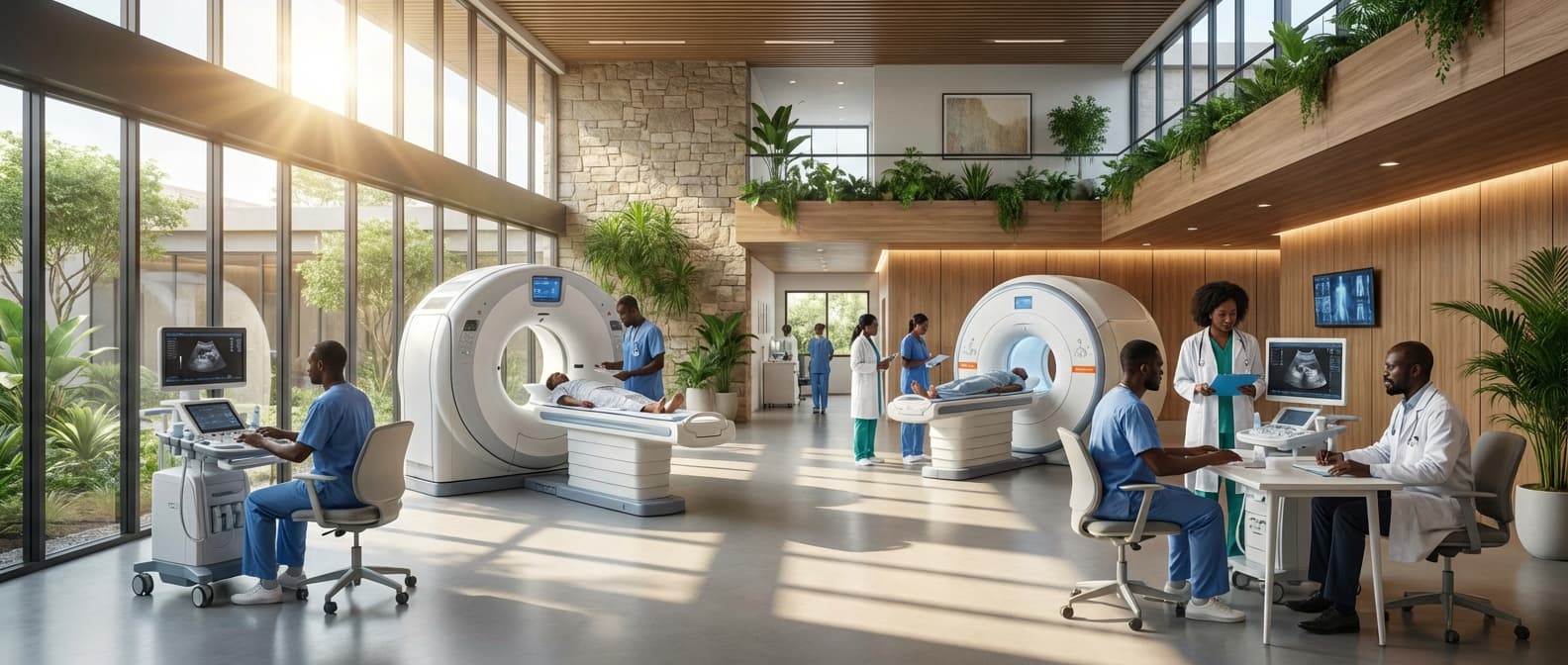
Advanced endoscopic equipment delivering superior visualization and diagnostic precision for minimally invasive procedures. High-standard technical execution following OEM protocols and local regulatory frameworks.
Advanced Imaging for Early Detection
Implementing state-of-the-art endoscopic imaging systems with high-definition resolution and enhanced visualization features to significantly improve the early detection and characterization of gastrointestinal pathologies in Kinshasa.
Robotic-Assisted Endoscopy Training
Establishing a comprehensive training program utilizing advanced simulation tools and, where feasible, introducing robotic-assisted endoscopy capabilities to elevate the skill set of local gastroenterologists and surgeons, ensuring optimal patient outcomes.
Integrated Diagnostic & Therapeutic Platform
Deploying integrated endoscopic platforms that combine advanced imaging with therapeutic capabilities (e.g., for polyp removal, hemostasis, and minimally invasive surgery) to streamline procedures and reduce the need for separate interventions in Kinshasa's healthcare facilities.
What Is Endoscopy Solutions In Congo (Kinshasa)?
Endoscopy Solutions in Congo (Kinshasa) refers to the provision of diagnostic and therapeutic procedures utilizing endoscopes within the healthcare facilities of the Democratic Republic of Congo, specifically in the capital city, Kinshasa. An endoscope is a flexible or rigid tube with a light and camera attached, allowing for internal visualization of hollow organs and cavities within the body. These solutions encompass the acquisition and maintenance of endoscopic equipment, the training of medical personnel in endoscopic techniques, and the performance of endoscopic examinations and interventions.
| Who Needs Endoscopy Solutions? | Typical Use Cases |
|---|---|
| Patients presenting with gastrointestinal symptoms: Abdominal pain, dysphagia (difficulty swallowing), persistent nausea or vomiting, unexplained weight loss, changes in bowel habits (diarrhea, constipation), rectal bleeding, or blood in stool. | Diagnostic upper endoscopy (esophagogastroduodenoscopy - EGD) to investigate symptoms related to the esophagus, stomach, and duodenum. Used for diagnosing conditions like gastritis, peptic ulcers, esophagitis, celiac disease, and upper GI malignancies. Therapeutic EGD can be used for variceal banding, foreign body removal, and dilation of esophageal strictures. |
| Patients requiring screening or surveillance for gastrointestinal cancers: Individuals with a family history of colorectal cancer, inflammatory bowel disease (IBD), or those who have undergone previous polypectomy. | Diagnostic and therapeutic colonoscopy to examine the colon and rectum. Crucial for screening and early detection of colorectal cancer, removal of polyps (polypectomy), and diagnosis of IBD, diverticular disease, and colonic strictures. |
| Patients with respiratory symptoms: Chronic cough, hemoptysis (coughing up blood), unexplained shortness of breath, or suspicion of lung masses or infections. | Diagnostic bronchoscopy to visualize the airways (trachea, bronchi) and lungs. Used for diagnosing lung cancer, infections (e.g., tuberculosis), interstitial lung diseases, and foreign body aspiration. Therapeutic bronchoscopy can involve airway clearance, stent placement, and biopsies. |
| Patients with urinary tract issues: Recurrent urinary tract infections, blood in urine (hematuria), or suspicion of urinary tract abnormalities. | Diagnostic cystoscopy to examine the bladder and urethra. Used for diagnosing bladder stones, bladder tumors, urinary tract infections, and strictures. Therapeutic cystoscopy can involve stone removal or bladder biopsy. |
| Patients requiring assessment of the biliary or pancreatic ducts: Jaundice, suspected gallstones obstructing the bile duct, or pancreatic duct abnormalities. | Endoscopic retrograde cholangiopancreatography (ERCP) for visualization and intervention in the bile and pancreatic ducts. Used for removing gallstones from the bile duct, placing stents to relieve blockages, and obtaining biopsies. |
Key Components of Endoscopy Solutions:
- Diagnostic Endoscopy: Visual inspection of internal organs for the detection of abnormalities (e.g., inflammation, ulcers, polyps, tumors).
- Therapeutic Endoscopy: Interventions performed during an endoscopic procedure, such as polyp removal (polypectomy), stricture dilation, bleeding control (hemostasis), and foreign body retrieval.
- Equipment Acquisition and Maintenance: Procurement of endoscopes, light sources, video processors, monitors, insufflators, endoscopic accessories (biopsy forceps, snares, injection needles), and associated sterilization equipment. Regular maintenance and repair are crucial for operational readiness.
- Personnel Training: Specialized training for gastroenterologists, pulmonologists, urologists, surgeons, and endoscopic technicians in the safe and effective performance of endoscopic procedures and equipment handling.
- Facility Integration: Establishment of dedicated endoscopy suites equipped with appropriate infrastructure, including patient preparation areas, procedure rooms, and recovery spaces.
Who Needs Endoscopy Solutions In Congo (Kinshasa)?
This document outlines the essential need for advanced endoscopy solutions in Congo (Kinshasa). The increasing prevalence of gastrointestinal disorders, coupled with a growing demand for accurate and minimally invasive diagnostic and therapeutic procedures, makes comprehensive endoscopy services crucial for improving patient outcomes and healthcare infrastructure.
| Target Customer/Department | Specific Needs and Applications | Key Endoscopic Procedures Supported |
|---|---|---|
| Gastroenterology Departments | Diagnosis and treatment of upper and lower GI diseases, screening for cancers, management of bleeding, removal of polyps, dilation of strictures, foreign body retrieval. | Esophagogastroduodenoscopy (EGD), Colonoscopy, Sigmoidoscopy, Flexible Sigmoidoscopy, Esophageal Manometry. |
| General Surgery Departments | Pre-operative assessment, intra-operative guidance, post-operative monitoring for various abdominal surgeries. | Laparoscopy (though not strictly endoscopy in the GI sense, often linked to diagnostic imaging in surgical planning), ERCP (Endoscopic Retrograde Cholangiopancreatography) for biliary and pancreatic issues. |
| Oncology Departments | Early detection of GI cancers (esophageal, gastric, colorectal), staging, surveillance after treatment, palliative interventions. | EGD with biopsies, Colonoscopy with biopsies, Endoscopic ultrasound (EUS) for staging. |
| Pediatric Departments | Diagnosis of pediatric GI issues like congenital anomalies, inflammatory bowel disease, foreign body ingestion. | Pediatric EGD, Pediatric Colonoscopy. |
| Emergency Departments | Rapid diagnosis of acute GI bleeding, bowel obstruction, foreign body ingestion. | Urgent EGD, Urgent Colonoscopy. |
| Pulmonology Departments (for Bronchoscopy) | Diagnosis of lung diseases, evaluation of cough, hemoptysis, screening for lung cancer, therapeutic interventions like clearing secretions. | Bronchoscopy. |
| Radiology Departments (for Interventional Procedures) | Guidance for percutaneous procedures, imaging of GI tract in conjunction with endoscopic findings. | Endoscopic Ultrasound (EUS) with Fine Needle Aspiration (FNA). |
| Medical Training and Research Institutions | Training of future endoscopists, conducting clinical research on GI diseases and endoscopic techniques. | All standard and advanced endoscopic procedures, simulation training modules. |
Target Customers and Departments for Endoscopy Solutions in Congo (Kinshasa)
- Hospitals (Public and Private)
- Specialized Gastroenterology Clinics
- Diagnostic Centers
- Research Institutions
- Medical Training Facilities
Endoscopy Solutions Process In Congo (Kinshasa)
Endoscopy solutions in Congo (Kinshasa) involve a structured process from the initial inquiry by a healthcare facility or patient to the successful execution and follow-up of endoscopic procedures. This workflow ensures that the necessary equipment, expertise, and patient care are seamlessly integrated. The process typically begins with a formal inquiry or request, which then triggers a series of evaluations, logistical arrangements, and finally, the procedure itself. Post-procedure care and reporting are also crucial components of the overall solution.
| Stage | Description | Key Stakeholders | Deliverables/Outcomes |
|---|---|---|---|
| Inquiry and Needs Assessment | Healthcare facility (hospital, clinic) or referring physician expresses interest in endoscopy services or equipment. Initial consultation to understand specific needs, patient volume, type of procedures required, and existing infrastructure. | Inquiring Facility (Doctors, Administrators), Potential Service Provider/Supplier | Understanding of needs, preliminary requirements list, identification of potential gaps. |
| Proposal and Quotation | Based on the needs assessment, the service provider/supplier develops a detailed proposal. This includes recommended equipment, consumables, training programs, technical support, and associated costs. A formal quotation is provided. | Potential Service Provider/Supplier, Inquiring Facility | Detailed proposal document, itemized quotation, service level agreements (SLAs). |
| Procurement and Logistics | Upon agreement and order placement, procurement of endoscopy equipment, accessories, and specialized consumables occurs. This involves sourcing, international/local shipping, customs clearance, and delivery to the facility. | Service Provider/Supplier, Logistics Partners, Customs Authorities, Inquiring Facility | Delivery of ordered equipment and supplies, readiness for installation and use. |
| Training and Preparation | Installation and setup of the endoscopy equipment. Comprehensive training is provided to the clinical staff (physicians, nurses, technicians) on equipment operation, maintenance, infection control protocols, and specific procedural techniques. Facility preparation for sterile processing and procedure rooms. | Service Provider/Supplier (Trainers, Biomedical Engineers), Clinical Staff of Inquiring Facility | Installed and functional equipment, trained personnel, established sterile processing procedures. |
| Procedure Execution | The actual endoscopic procedures are performed. This can be provided as a service (mobile endoscopy unit or visiting specialists) or by the facility's trained staff using the procured equipment. Includes patient preparation, procedure, and immediate post-procedure monitoring. | Performing Physician(s), Nursing Staff, Endoscopy Technicians, Patients | Successful completion of endoscopy procedures, patient safety maintained, diagnostic/therapeutic outcomes achieved. |
| Post-Procedure Care and Reporting | Management of patients immediately after the procedure, including recovery and discharge planning. Detailed documentation of the procedure, findings, and any interventions. Reporting to referring physicians and patients. | Clinical Staff of Inquiring Facility, Patients, Referring Physicians | Patient recovery and discharge, comprehensive procedure reports, patient records. |
| Follow-up and Support | Ongoing technical support for equipment maintenance and troubleshooting. Provision of consumables and replacement parts. Potential for follow-up training or advanced procedure workshops. Performance monitoring and quality assurance. | Service Provider/Supplier, Inquiring Facility | Continued equipment functionality, reliable supply chain, sustained quality of care, long-term partnership. |
Endoscopy Solutions Workflow in Congo (Kinshasa)
- Inquiry and Needs Assessment
- Proposal and Quotation
- Procurement and Logistics
- Training and Preparation
- Procedure Execution
- Post-Procedure Care and Reporting
- Follow-up and Support
Endoscopy Solutions Cost In Congo (Kinshasa)
Navigating the costs of endoscopy procedures in Kinshasa, Democratic Republic of Congo, requires understanding several key pricing factors. The overall expense is influenced by the type of endoscopy performed (gastroscopy, colonoscopy, bronchoscopy, etc.), the complexity of the procedure, the specific hospital or clinic chosen, the experience and reputation of the endoscopist, and whether sedation or anesthesia is administered. Additional costs can arise from pre-procedure examinations, post-procedure care, and the need for any biopsies or laboratory analysis. Due to the economic conditions and the availability of advanced medical equipment, prices can vary significantly across different healthcare facilities. It's crucial for patients to inquire directly with healthcare providers for the most accurate and up-to-date pricing information, as official price lists are not always readily available or standardized.
| Procedure Type (Approximate) | Estimated Price Range (USD) | Estimated Price Range (Congolese Franc - CDF) |
|---|---|---|
| Gastroscopy (Upper Endoscopy) | $150 - $400 | 270,000 - 720,000 CDF |
| Colonoscopy (Lower Endoscopy) | $200 - $500 | 360,000 - 900,000 CDF |
| Flexible Sigmoidoscopy | $120 - $300 | 216,000 - 540,000 CDF |
| Bronchoscopy | $250 - $600 | 450,000 - 1,080,000 CDF |
Key Factors Influencing Endoscopy Costs in Kinshasa
- Type of Endoscopy (e.g., Gastroscopy, Colonoscopy, Bronchoscopy)
- Complexity of the Procedure
- Healthcare Facility (Hospital vs. Clinic, Public vs. Private)
- Endoscopist's Experience and Reputation
- Anesthesia/Sedation Requirements
- Pre-Procedure Diagnostic Tests
- Post-Procedure Care and Follow-up
- Biopsy and Laboratory Analysis Costs
Affordable Endoscopy Solutions Options
Endoscopy procedures, while crucial for diagnosis and treatment, can represent a significant healthcare expense. Fortunately, various affordable endoscopy solutions and cost-saving strategies are available to individuals and healthcare systems. Understanding these options can empower patients to make informed decisions and reduce their out-of-pocket costs or contribute to more efficient resource allocation within facilities. Value bundles and carefully implemented cost-saving strategies play a vital role in making these essential medical interventions more accessible and sustainable.
| Value Bundle Component | Potential Cost-Saving Strategy | Benefit |
|---|---|---|
| Physician Fee | Negotiate bundled pricing, utilize in-network providers, consider physician extenders where appropriate (e.g., nurse endoscopists) | Reduced overall professional fees, predictable costs |
| Facility Fee | Opt for outpatient centers over hospitals, compare pricing across facilities, negotiate long-term contracts | Significant reduction in overhead costs for patients and payers |
| Anesthesia Services | Use of qualified nurse anesthetists (CRNAs) in appropriate settings, negotiate bundled rates with anesthesia groups | Potentially lower anesthesia charges |
| Pathology & Lab Services | Utilize in-network labs, explore bundled pricing with pathology groups | Lower diagnostic testing costs |
| Equipment & Disposables | Bulk purchasing, efficient inventory management, exploring refurbished equipment options (for facilities), use of cost-effective disposables | Reduced material and equipment acquisition costs |
| Medications (Sedation) | Use of generic or biosimilar alternatives, efficient drug utilization protocols | Lower pharmaceutical expenses |
Key Affordable Endoscopy Solutions & Cost-Saving Strategies
- Negotiated Package Deals: Many hospitals and endoscopy centers offer 'package deals' for common procedures, bundling the physician's fee, facility charge, anesthesia, and pathology. These often come at a reduced overall cost compared to paying for each service individually.
- Outpatient vs. Inpatient: Whenever medically appropriate, opting for outpatient endoscopy procedures is significantly less expensive than inpatient admissions.
- Generic and Biosimilar Medications: For sedation and other necessary medications during the procedure, utilizing generic or biosimilar alternatives can lead to substantial savings.
- Telehealth Consultations: Pre-procedure and post-procedure consultations can often be conducted via telehealth, reducing travel time and associated costs for the patient.
- Insurance Network Utilization: Always ensure the chosen facility and physicians are in-network with your insurance plan to minimize out-of-pocket expenses.
- Health Savings Accounts (HSAs) & Flexible Spending Accounts (FSAs): Utilizing pre-tax dollars through HSAs and FSAs can effectively lower the net cost of the procedure.
- Hospital and Center Price Transparency: Many healthcare providers are now mandated to provide price transparency. Researching and comparing costs across different facilities is a crucial first step.
- Preventive Care & Early Detection: For certain conditions, proactive screening and early detection through less invasive means (where applicable) can prevent the need for more complex and costly endoscopic interventions later.
- Bulk Purchasing & Group Contracts (for facilities): Healthcare systems and large medical groups can negotiate lower prices for equipment, disposables, and even physician services through bulk purchasing agreements and group contracts.
- Streamlined Workflow & Efficiency (for facilities): Optimizing scheduling, reducing procedure times through efficient protocols, and minimizing waste can directly impact operational costs, which can translate to more affordable procedures.
- Reprocessing of Reusable Equipment: For facilities, the proper and safe reprocessing of reusable endoscopic instruments can significantly reduce the need for new purchases.
- Technology Integration & Automation: Implementing technologies that improve accuracy, reduce manual labor, and enhance procedure efficiency can lead to long-term cost savings.
- Partnerships with Device Manufacturers: Negotiating favorable terms with medical device manufacturers for scopes, accessories, and other equipment is a significant cost-saving lever for facilities.
- Training & Skill Development: Investing in thorough training for endoscopy staff can improve procedure success rates, reduce complications, and minimize the need for repeat procedures.
Verified Providers In Congo (Kinshasa)
In Congo (Kinshasa), accessing reliable and verified healthcare providers is paramount. Franance Health stands out as a leading platform committed to ensuring that users connect with credentialed and trustworthy medical professionals. This commitment to verification not only safeguards patient well-being but also builds essential trust within the healthcare ecosystem. Franance Health's rigorous credentialing process is designed to eliminate the guesswork for patients, providing peace of mind and a higher standard of care. By prioritizing verified providers, Franance Health empowers individuals to make informed decisions about their health, knowing they are engaging with qualified and legitimate practitioners.
| Feature | Franance Health Verification | Benefits for Patients |
|---|---|---|
| License Verification | Rigorous checks of medical licenses and certifications. | Ensures providers are legally qualified to practice. |
| Professional Background Checks | Scrutiny of educational history and professional experience. | Confirms expertise and competence in their field. |
| Reputation Assessment | Consideration of professional references and potential disciplinary actions. | Helps identify providers with a good standing in the medical community. |
| Ongoing Monitoring | Mechanisms for regular review and updates of provider credentials. | Maintains the integrity and currency of verified information. |
Why Franance Health's Verified Providers are the Best Choice:
- Uncompromising Credential Verification: Franance Health goes above and beyond to meticulously check the qualifications, licenses, and accreditations of every provider on its platform. This ensures that all listed healthcare professionals are legitimately practicing and meet established standards.
- Enhanced Patient Safety and Trust: By exclusively featuring verified providers, Franance Health significantly reduces the risk of encountering unqualified or fraudulent practitioners, fostering a safer and more trustworthy healthcare experience for all users.
- Access to Quality Healthcare: The verification process is designed to identify and highlight providers who demonstrate a commitment to excellence in their practice, leading to better health outcomes for patients.
- Time and Effort Savings: Patients can save valuable time and avoid the anxiety of independently researching provider credentials. Franance Health consolidates this crucial information, making it easily accessible.
- Transparency and Accountability: Franance Health promotes transparency by clearly indicating verified status, holding providers accountable for their qualifications and professional conduct.
- Empowerment of Patient Choice: With a trusted selection of verified professionals, patients are empowered to make confident choices about their healthcare needs, selecting providers who best suit their specific requirements.
Scope Of Work For Endoscopy Solutions
This document outlines the Scope of Work (SOW) for the provision and implementation of Endoscopy Solutions. It details the technical deliverables and standard specifications required to ensure a successful and comprehensive endoscopic service.
| Category | Deliverable / Specification | Description | Standard/Requirement |
|---|---|---|---|
| Endoscopy Equipment | Endoscopes (Flexible & Rigid) | High-definition, versatile endoscopes for various procedures (e.g., gastroscopy, colonoscopy, bronchoscopy, laparoscopy). | Minimum 1080p resolution, LED light source, wide field of view, compatibility with associated imaging systems. |
| Endoscopy Equipment | Imaging & Recording Systems | Digital video processing units, monitors, and storage solutions for capturing and reviewing endoscopic procedures. | DICOM compliance, high-resolution display (minimum 24-inch, 1080p), sufficient storage capacity for at least 30 days of procedures, integrated PACS compatibility. |
| Endoscopy Equipment | Ancillary Equipment | Insufflators, light sources, suction units, endoscopy trolleys, cleaning and disinfection units. | CE marking or equivalent regulatory approval, reliable operation, ergonomic design. |
| Software & Integration | Electronic Medical Record (EMR) / Picture Archiving and Communication System (PACS) Integration | Seamless integration of endoscopy imaging and reporting data into hospital's EMR/PACS. | Bi-directional HL7 messaging, DICOM image transfer, automated patient data population. |
| Software & Integration | Reporting Software | Intuitive software for generating standardized endoscopic reports. | Template-based reporting, image annotation capabilities, customizable report fields, EMR/PACS export functionality. |
| Training & Support | Clinical Staff Training | Comprehensive training for physicians and nurses on the use of new endoscopy equipment and software. | On-site training, simulation sessions, competency assessments, ongoing remote support. |
| Training & Support | Technical Staff Training | Training for biomedical and IT staff on equipment maintenance, troubleshooting, and system administration. | Hands-on workshops, troubleshooting guides, system architecture documentation. |
| Maintenance & Service | Preventive Maintenance Program | Scheduled maintenance and inspection of all supplied endoscopy equipment. | Quarterly service visits, full equipment diagnostics, replacement of wear-and-tear parts, documented service reports. |
| Maintenance & Service | Corrective Maintenance & Response Time | On-call technical support and repair services for equipment malfunctions. | 4-hour on-site response time for critical failures, 8-hour for non-critical, 24/7 availability for critical issues. |
| Maintenance & Service | Consumables Management | Supply chain management and timely delivery of all necessary consumables (e.g., biopsy forceps, brushes, cleaning brushes). | Just-in-time delivery, quality assurance of consumables, inventory management support. |
| Regulatory & Safety | Compliance with Standards | Adherence to all relevant national and international medical device regulations and safety standards. | ISO 13485, FDA, CE marking, local health authority regulations, infection control guidelines (e.g., SPICE). |
| Regulatory & Safety | Cleaning & Disinfection Protocols | Ensuring all equipment and accessories meet stringent infection control standards. | Validated automated washer-disinfectors, documented cleaning and high-level disinfection procedures, staff training on best practices. |
Key Objectives of the Endoscopy Solutions
- To provide state-of-the-art endoscopy equipment and associated technologies.
- To ensure seamless integration of new solutions with existing hospital IT infrastructure.
- To deliver comprehensive training and support for clinical and technical staff.
- To establish robust maintenance and service protocols for long-term operational efficiency.
- To facilitate adherence to all relevant regulatory and safety standards.
Service Level Agreement For Endoscopy Solutions
This Service Level Agreement (SLA) outlines the performance commitments for Endoscopy Solutions, focusing on response times for critical issues and guaranteed uptime for the Endoscopy Solutions platform. It is designed to ensure the reliability and availability of the services provided to our clients.
| Issue Severity | Response Time Target | Resolution Time Target | Uptime Guarantee |
|---|---|---|---|
| Critical Issue | 15 minutes | 4 hours | 99.9% |
| Major Issue | 1 hour | 8 business hours | 99.9% |
| Minor Issue | 4 business hours | 48 business hours | 99.9% |
Definitions
- Endoscopy Solutions Platform: Refers to the core software and infrastructure provided for managing endoscopy procedures, including but not limited to patient scheduling, procedure documentation, image/video storage, and reporting.
- Downtime: The period during which the Endoscopy Solutions Platform is unavailable for use by the Client, as measured by the inability to log in, access patient data, or initiate/complete core functions.
- Downtime Event: A continuous period of Downtime.
- Critical Issue: A service interruption that renders the Endoscopy Solutions Platform completely unusable, preventing the completion of any endoscopy procedures or access to critical patient data.
- Major Issue: A service interruption that significantly impairs the functionality of the Endoscopy Solutions Platform, impacting a substantial portion of users or core functionalities, but not rendering the entire system unusable.
- Minor Issue: A service interruption that has minimal impact on overall functionality, affecting a small number of users or non-critical features, and has a workaround available.
- Response Time: The maximum time allowed for Endoscopy Solutions to acknowledge a reported issue and initiate investigation.
- Resolution Time: The maximum time allowed for Endoscopy Solutions to resolve a reported issue and restore full functionality.
- Uptime Guarantee: The percentage of time the Endoscopy Solutions Platform is expected to be available and operational.
Frequently Asked Questions

Ready when you are
Let's scope your Endoscopy Solutions in Congo (Kinshasa) project in Congo (Kinshasa).

Scaling healthcare logistics and technical systems across the entire continent.