
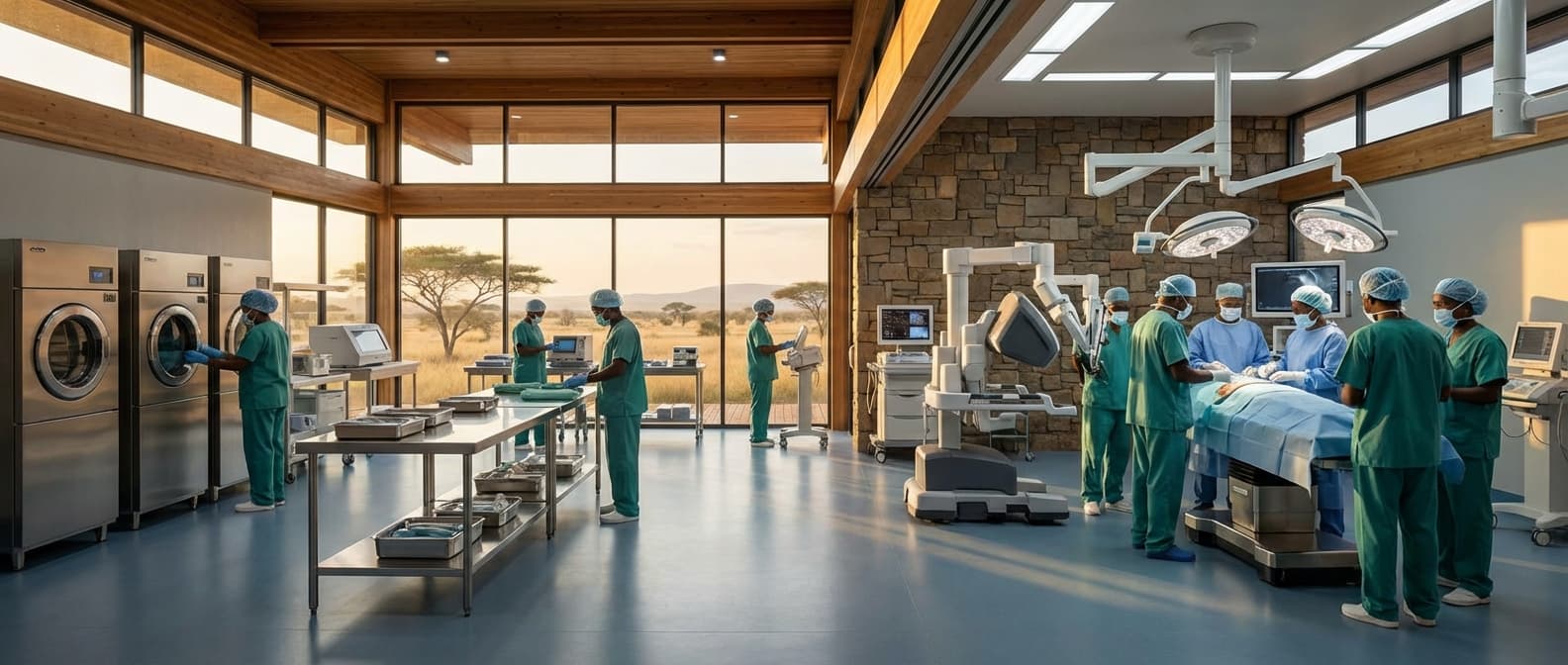
Endoscopy Reprocessing Validation in Congo (Kinshasa)
Engineering Excellence & Technical Support
AER validation, SOP development and compliance High-standard technical execution following OEM protocols and local regulatory frameworks.
Microbial Load Reduction Validation
Rigorous validation studies demonstrating a >99.999% reduction in representative microbial bioburden (e.g., *Pseudomonas aeruginosa*, *Staphylococcus aureus*, *Clostridium difficile* spores) on flexible endoscopes after reprocessing, adhering to international standards (e.g., AAMI TIR34:2014, ISO 17665) to ensure patient safety.
Automated Washer-Disinfector Efficacy Testing
Validation of automated washer-disinfector cycles using simulated soiled endoscopes and organic soil challenge materials to confirm effective removal of gross soil and critical reduction of microbial contamination, ensuring consistent and reproducible cleaning performance.
High-Level Disinfection (HLD) Chemical Residual Testing
Regular testing of high-level disinfectant residuals (e.g., glutaraldehyde, peracetic acid) post-reprocessing to confirm that concentrations remain within the manufacturer's recommended and regulatory-approved efficacy range, guaranteeing effective germicidal action against pathogenic microorganisms.
What Is Endoscopy Reprocessing Validation In Congo (Kinshasa)?
Endoscopy Reprocessing Validation (ERV) in Congo (Kinshasa) refers to the systematic process of verifying and documenting that flexible and semi-rigid endoscopic devices have been cleaned and high-level disinfected (HLD) or sterilized according to established standards and manufacturer instructions. This validation ensures that the reprocessing procedures effectively eliminate or reduce viable microorganisms to a level that is not detrimental to patient health, thereby mitigating the risk of patient-to-patient transmission of infectious agents. The process typically involves a multi-faceted approach encompassing procedural audits, environmental monitoring, and biological testing of reprocessing equipment and consumables. It is a critical component of infection prevention and control within healthcare facilities where flexible endoscopes are utilized for diagnostic and therapeutic procedures.
| Who Needs Endoscopy Reprocessing Validation? | Typical Use Cases | |||||
|---|---|---|---|---|---|---|
| Any healthcare facility in Congo (Kinshasa) performing diagnostic or therapeutic procedures utilizing flexible or semi-rigid endoscopes. This includes, but is not limited to, hospitals (public and private), specialized clinics, and surgical centers. | Gastroenterology: Upper endoscopy (esophagogastroduodenoscopy - EGD), colonoscopy, sigmoidoscopy, enteroscopy, endoscopic retrograde cholangiopancreatography (ERCP). | Pulmonology: Bronchoscopy. | Urology: Cystoscopy, ureteroscopy, nephroscopy. | Gynecology: Hysteroscopy. | Otolaryngology (ENT): Laryngoscopy, nasal endoscopy. | Arthroscopy: Used in orthopedic surgery. |
Key Components of Endoscopy Reprocessing Validation
- Procedural Audit: Assessment of the documented reprocessing protocol against current guidelines (e.g., those from regulatory bodies, professional societies, and endoscope manufacturers) and actual practice observed in the reprocessing area.
- Equipment Verification: Ensuring that automated endoscope reprocessors (AERs) and other essential reprocessing equipment (e.g., sinks, drying cabinets) are functioning optimally and calibrated according to manufacturer specifications. This includes checking parameters such as water temperature, flow rates, chemical concentration, and cycle times.
- Cleaning Efficacy Assessment: While direct validation of initial cleaning is complex, ERV often includes indirect measures. This can involve visual inspection for residual debris, user competency assessments, and ensuring the availability and proper use of cleaning brushes and detergents.
- High-Level Disinfection (HLD) / Sterilization Efficacy: This is a central tenet of validation. It involves verifying that the chemical disinfectants or sterilants used are at the correct concentration and exposure time. For HLD, this is often demonstrated through the use of surrogate biological indicators (BIs), such as Geobacillus stearothermophilus or Bacillus atrophaeus, inoculated onto test strips or endoscopes and then incubated to detect any surviving spores.
- Water Quality Testing: Verifying that the water used for rinsing and in AERs meets specified microbiological standards (e.g., potable water standards, or specific microbial limits for rinse water) to prevent recontamination.
- Drying and Storage: Validating that endoscopes are thoroughly dried after reprocessing and stored in a clean, protected environment to prevent microbial proliferation and contamination.
- Documentation and Record Keeping: Maintaining comprehensive records of all validation activities, including equipment maintenance logs, competency assessments, BI test results, and water quality reports.
Who Needs Endoscopy Reprocessing Validation In Congo (Kinshasa)?
Endoscopy reprocessing validation is a critical process for ensuring patient safety and preventing the transmission of infections. In Congo (Kinshasa), as in any healthcare setting, proper sterilization and disinfection of endoscopic equipment are paramount. This validation process confirms that the reprocessing methods used effectively eliminate pathogens, thereby protecting patients undergoing endoscopic procedures.
| Customer/Department | Key Responsibilities Related to Endoscopy Reprocessing Validation | Why Validation is Crucial |
|---|---|---|
| Hospitals and Clinics | Implementing and overseeing reprocessing protocols, ensuring staff training, maintaining equipment, and conducting regular validation checks. | Preventing healthcare-associated infections (HAIs), ensuring regulatory compliance, and safeguarding patient well-being. |
| Gastroenterology Departments | Direct users of endoscopes, responsible for initial cleaning, proper handling, and ensuring that validated reprocessing procedures are followed before each use. | High volume of procedures, direct patient contact, and the risk of transmitting gastrointestinal pathogens. |
| Pulmonology Departments | Utilizing bronchoscopes and other endoscopes for respiratory procedures, requiring meticulous reprocessing to avoid pulmonary infections. | Potential for transmitting respiratory pathogens, risk of secondary infections in immunocompromised patients. |
| Surgical Departments | Employing endoscopes for minimally invasive surgeries, where sterile and validated equipment is non-negotiable. | Risk of surgical site infections, importance of maintaining a sterile field during procedures. |
| Infection Prevention and Control (IPC) Committees | Developing, implementing, and monitoring IPC policies, including those related to endoscope reprocessing. They play a key role in advocating for and ensuring validation. | Oversight of patient safety, reduction of HAIs, and establishing evidence-based practices for reprocessing. |
| Central Sterile Supply Departments (CSSDs) / Sterilization Units | Responsible for the multi-step reprocessing of endoscopes, including cleaning, disinfection, and sterilization. They are the primary implementers of validation protocols. | Ensuring the effectiveness of disinfection/sterilization processes, compliance with manufacturer's instructions, and providing a safe supply of reusable medical devices. |
| Healthcare Regulatory Bodies and Ministries of Health | Setting standards and guidelines for medical device reprocessing, conducting inspections, and enforcing compliance with validation requirements. | Ensuring a baseline standard of patient care, protecting public health, and holding healthcare facilities accountable. |
| Medical Device Manufacturers | Providing instructions for reprocessing their specific endoscopes and often conducting initial validation studies for their products. | Ensuring their devices can be safely reprocessed to maintain performance and prevent patient harm, and providing data for healthcare facilities' validation efforts. |
Target Customers and Departments Requiring Endoscopy Reprocessing Validation in Congo (Kinshasa)
- Hospitals and Clinics offering endoscopic procedures
- Gastroenterology Departments
- Pulmonology Departments
- Surgical Departments utilizing endoscopes
- Infection Prevention and Control Committees
- Central Sterile Supply Departments (CSSDs) / Sterilization Units
- Healthcare Regulatory Bodies and Ministries of Health
- Medical Device Manufacturers and Suppliers (for product validation)
- Training Institutions for healthcare professionals
Endoscopy Reprocessing Validation Process In Congo (Kinshasa)
The Endoscopy Reprocessing Validation Process in Congo (Kinshasa) aims to ensure that reusable endoscopic instruments are cleaned and disinfected according to established protocols, minimizing the risk of healthcare-associated infections. This process involves a structured workflow from initial inquiry to the final execution and reporting of validation results.
| Stage | Description | Key Activities | Responsible Parties | Expected Outcome |
|---|---|---|---|---|
| Inquiry and Initial Assessment | The process begins when a healthcare facility or regulatory body identifies the need for validating their endoscopy reprocessing procedures. | Formal request submission, facility site visit, preliminary assessment of current reprocessing practices, identification of specific reprocessing equipment and protocols. | Healthcare Facility Management, Department of Sterilization/Reprocessing, Public Health Authorities (if applicable) | Clear understanding of the scope of validation, identification of areas needing immediate attention. |
| Protocol Development and Review | Establishing or refining the standard operating procedures (SOPs) for endoscopy reprocessing based on international guidelines and local context. | Reviewing existing SOPs, adapting international guidelines (e.g., CDC, WHO) to local resources and regulations, documenting detailed reprocessing steps (pre-cleaning, cleaning, high-level disinfection/sterilization, rinsing, drying, storage). | Infection Control Committee, Reprocessing Staff, Biomedical Engineers, potentially external consultants. | Approved and documented SOPs for all reprocessing stages. |
| Resource Mobilization and Training | Ensuring that the necessary resources and trained personnel are available for effective reprocessing and validation. | Procurement of appropriate cleaning agents, disinfectants, and sterilization equipment, ensuring availability of validated consumables (e.g., test strips), conducting refresher training for reprocessing staff on SOPs and validation procedures. | Hospital Administration, Procurement Department, Training Department, Reprocessing Staff. | Adequate supply of materials and competent, trained reprocessing personnel. |
| Pre-validation Testing and System Checks | Performing preliminary checks to ensure that the reprocessing equipment and processes are functioning optimally before formal validation. | Testing of automated reprocessors (cycle verification), calibration of temperature and pressure gauges, verification of disinfectant concentrations, checking water quality, ensuring adequate ventilation in reprocessing areas. | Reprocessing Staff, Biomedical Engineering Department. | Confirmation of equipment functionality and process parameters within acceptable ranges. |
| Validation Execution (Microbiological Testing) | The core of the validation process, involving the collection and testing of samples to assess the effectiveness of the reprocessing. | Sampling of scopes after cleaning and disinfection/sterilization, microbiological testing of these samples to detect the presence of viable microorganisms (including specific pathogens if relevant), collection of environmental samples (e.g., surfaces, air) as needed. | Reprocessing Staff, Laboratory Technicians, External Microbiology Laboratory (if applicable). | Quantification of microbial load on reprocessed scopes, indicating the efficacy of the disinfection/sterilization process. |
| Data Analysis and Interpretation | Analyzing the results of the microbiological testing and comparing them against established acceptance criteria. | Statistical analysis of microbial counts, comparison with international and national acceptable limits, identification of trends or any deviations from expected results. | Laboratory Technicians, Infection Control Team, Data Analysts. | Objective assessment of the reprocessing effectiveness and identification of any areas of concern. |
| Reporting and Recommendations | Documenting the entire validation process and its findings, and providing actionable recommendations for improvement. | Compilation of a comprehensive validation report detailing methodology, results, and interpretation; outlining specific recommendations for process adjustments, equipment maintenance, or further training; submission of the report to relevant stakeholders. | Infection Control Committee, Reprocessing Unit Head, Hospital Management, Public Health Authorities. | A clear and concise report with evidence-based recommendations for ensuring patient safety. |
| Follow-up and Continuous Improvement | Implementing the recommendations and establishing a system for ongoing monitoring and revalidation. | Implementing corrective actions based on recommendations, scheduling periodic revalidation studies (e.g., annually or after significant changes), establishing a system for regular internal audits of reprocessing procedures, ongoing staff training and competency assessment. | Hospital Management, Infection Control Team, Reprocessing Staff. | Sustained compliance with reprocessing standards and a proactive approach to infection prevention. |
Workflow Stages
- Inquiry and Initial Assessment
- Protocol Development and Review
- Resource Mobilization and Training
- Pre-validation Testing and System Checks
- Validation Execution (Microbiological Testing)
- Data Analysis and Interpretation
- Reporting and Recommendations
- Follow-up and Continuous Improvement
Endoscopy Reprocessing Validation Cost In Congo (Kinshasa)
Validating the reprocessing of endoscopes is a critical step in preventing healthcare-associated infections. In Congo (Kinshasa), the cost of this validation process can vary significantly due to several factors. These include the type and number of endoscopes requiring validation, the specific validation methods employed (e.g., biological indicators, chemical indicators, ATP testing), the laboratory performing the tests, the geographic location within Kinshasa for service provision, and the availability of certified technicians.
Pricing Factors:
- Scope of Services: Does the validation cover routine monitoring, initial process validation, or troubleshooting of reprocessing failures? The complexity and frequency of testing will impact the overall cost.
- Type and Quantity of Endoscopes: Larger and more complex endoscopes, or a higher volume of scopes, will naturally increase the cost due to more tests required.
- Validation Methodology: Biological indicators (BIs) are generally more expensive than chemical indicators (CIs). ATP testing offers rapid detection but may require more frequent confirmatory tests.
- Laboratory Accreditation and Expertise: Laboratories with international accreditation and highly skilled personnel may charge more but offer greater assurance of accuracy and reliability.
- Reagent and Consumable Costs: The cost of specialized reagents, culture media for BIs, and disposable testing kits significantly influences pricing.
- Transportation and Logistics: If the validation service requires on-site presence or sample collection, transportation costs within Kinshasa can add to the overall expense.
- Reporting and Documentation: The level of detail and formality required in the validation report can also affect pricing.
Estimated Cost Ranges (in Congolese Francs - CDF):
It's challenging to provide definitive, fixed prices due to the dynamic nature of the market and fluctuating exchange rates. However, based on available information and general healthcare service pricing in Kinshasa, the following ranges are estimated:
- Per-Scope Validation (Basic Testing - e.g., Chemical Indicators): A basic validation of a single endoscope using chemical indicators might range from 50,000 CDF to 150,000 CDF. This would typically involve checking disinfectant concentration and cycle parameters.
- Per-Scope Validation (Intermediate Testing - e.g., ATP Testing): Incorporating ATP testing for surface cleanliness could increase the cost per scope to an estimated 80,000 CDF to 200,000 CDF.
- Per-Scope Validation (Comprehensive - e.g., Biological Indicators): Using biological indicators for high-level disinfection or sterilization validation, which is more rigorous, could range from 150,000 CDF to 400,000 CDF or more per scope, depending on the specific BI used and the frequency of testing required.
- Full Process Validation (Initial or Revalidation): A comprehensive validation of the entire reprocessing workflow, including multiple tests across various stages for a set of endoscopes, could cost anywhere from 500,000 CDF to several million CDF, depending on the scale of the project and the number of endoscopes involved.
Important Considerations:
- These figures are estimates and should be used as a guide. Actual quotes from service providers are essential.
- Negotiation is often possible, especially for larger healthcare facilities or long-term contracts.
- It is crucial to obtain detailed proposals outlining the exact tests performed, the methodologies used, and the reporting standards. The reputability and accreditation of the laboratory are paramount to ensure the validity of the results and patient safety.
| Validation Type (Estimated Per-Scope Cost in CDF) | Estimated Price Range (CDF) |
|---|---|
| Basic Testing (e.g., Chemical Indicators) | 50,000 - 150,000 |
| Intermediate Testing (e.g., ATP Testing) | 80,000 - 200,000 |
| Comprehensive Testing (e.g., Biological Indicators) | 150,000 - 400,000+ |
| Full Process Validation (Project-based, multiple scopes) | 500,000 - Millions |
Key Factors Influencing Endoscopy Reprocessing Validation Costs in Congo (Kinshasa)
- Type and number of endoscopes being validated.
- Specific validation methodologies employed (e.g., biological indicators, chemical indicators, ATP testing).
- Accreditation and expertise of the laboratory conducting the validation.
- Costs of reagents, consumables, and testing kits.
- Geographic location and associated transportation/logistics expenses within Kinshasa.
- Scope of services (routine monitoring vs. comprehensive process validation).
- Reporting requirements and documentation complexity.
- Availability and cost of certified technicians.
Affordable Endoscopy Reprocessing Validation Options
Endoscopy reprocessing validation is a critical step in ensuring patient safety and preventing the transmission of infections. Historically, comprehensive validation could be costly and complex. However, several affordable options and strategic approaches now exist. This includes understanding "value bundles" which group related services at a fixed price, and implementing cost-saving strategies throughout the reprocessing lifecycle.
| Cost-Saving Strategy | Description | Potential Benefit |
|---|---|---|
| Standardized Reagents & Supplies | Purchasing validation reagents, test strips, and cleaning supplies in bulk or through contracted agreements with vendors. | Reduced per-unit cost, predictable inventory expenses. |
| Optimized Testing Frequency | Implementing a risk-based approach to determine the optimal frequency for different validation tests, avoiding unnecessary testing. | Lower overall annual validation costs. |
| Digital Documentation & Reporting | Utilizing software or systems that automate the collection, storage, and reporting of validation data. | Reduced administrative overhead, improved data accuracy, faster audit readiness. |
| Preventative Maintenance Integration | Combining routine preventative maintenance with validation checks during service visits. | Minimized equipment downtime, reduced separate service call charges. |
| Staff Training & Competency | Investing in comprehensive training and ongoing competency assessments for reprocessing staff. | Fewer reprocessing errors, leading to reduced need for re-validation due to protocol deviations. |
| Vendor Negotiation & Bundling | Actively negotiating with validation service providers and exploring bundled service offerings. | Lower overall service costs, potentially more comprehensive validation coverage. |
| Lease vs. Purchase Analysis | Evaluating whether leasing or purchasing validation equipment or service contracts offers better long-term financial benefits. | Improved cash flow management, potentially lower total cost of ownership. |
Affordable Endoscopy Reprocessing Validation Options
- Third-Party Validation Services: Engaging specialized companies that offer routine, documented validation of reprocessing equipment and processes. These services often provide tiered packages to suit different budgets.
- Bundled Testing Packages: Many vendors and service providers offer "value bundles" that combine multiple validation tests (e.g., leak testing, automated endoscope reprocessor (AER) performance, high-level disinfection efficacy) into a single, discounted package.
- Contracted Maintenance & Validation Agreements: Negotiating long-term contracts with equipment manufacturers or third-party servicers that include regular validation checks as part of the maintenance schedule. This can offer predictable costs and prevent unexpected validation expenses.
- Internal Process Improvement: Optimizing existing internal protocols and training to ensure consistent and correct reprocessing, which can reduce the need for frequent, costly re-validation due to errors. This includes investing in robust staff training programs.
- Technology Adoption (Cost-Effective Solutions): Exploring newer, more affordable validation technologies like digital data logging systems that can automate documentation and streamline validation reporting, reducing manual labor and potential errors.
- Risk-Based Validation: Focusing validation efforts on critical parameters and high-risk procedures, rather than a blanket approach, can lead to more efficient and cost-effective validation strategies. This requires careful assessment of reprocessing workflows.
- Collaborative Purchasing: For larger healthcare systems or groups of smaller facilities, pooling resources to negotiate bulk discounts on validation services or testing supplies can be a significant cost-saver.
Verified Providers In Congo (Kinshasa)
Ensuring access to quality healthcare in Congo (Kinshasa) is paramount, and for many, this involves navigating the complex landscape of medical providers. When seeking reliable and trustworthy healthcare, understanding the credentials and affiliations of providers is crucial. Franance Health stands out as a leading organization in this regard, offering a network of verified providers whose commitment to excellence benefits patients immensely.
| Provider Type | Franance Health Verification Criteria | Benefit to Patients |
|---|---|---|
| Physicians | Valid medical license, board certification (where applicable), clean disciplinary record, verified education and training. | Access to competent and well-trained doctors, reduced risk of medical errors, assurance of up-to-date knowledge. |
| Specialists (e.g., Surgeons, Cardiologists) | All physician criteria plus specific sub-specialty training and experience verification, peer reviews. | Access to highly specialized care for complex conditions, improved diagnostic accuracy, and effective treatment plans. |
| Hospitals and Clinics | Accreditation status (if available), adherence to safety protocols, quality of infrastructure, patient satisfaction scores, management oversight. | Safe and well-equipped healthcare facilities, standardized care delivery, improved patient outcomes. |
| Nurses and Allied Health Professionals | Valid professional licenses, relevant certifications, verified experience in their field. | Competent and compassionate support staff, contributing to comprehensive patient care and recovery. |
Why Franance Health Credentials Represent the Best Choice:
- Rigorous Verification Process: Franance Health employs a stringent credentialing process for all its affiliated providers. This involves thorough background checks, verification of medical licenses, educational qualifications, and professional experience. This ensures that only highly qualified and ethical medical professionals are part of their network.
- Commitment to Quality Standards: Providers associated with Franance Health adhere to established quality of care standards and best practices. This commitment translates into patient care that is safe, effective, and patient-centered.
- Access to Specialized Expertise: The Franance Health network is designed to offer access to a wide range of medical specialists, ensuring that patients can find the right expertise for their specific health needs. This is particularly important in a region where specialized care might be limited.
- Patient-Centric Approach: Franance Health prioritizes the patient experience. Their verified providers are known for their compassionate care, clear communication, and dedication to patient well-being. This focus helps build trust and confidence in the healthcare journey.
- Continuous Professional Development: Franance Health encourages and often requires its affiliated providers to engage in ongoing medical education and training. This ensures that practitioners remain up-to-date with the latest medical advancements and treatment protocols.
- Streamlined Access and Support: Being part of the Franance Health network often means easier access to appointments and a supportive system that can assist with navigating the healthcare system, making the process less daunting for patients.
Scope Of Work For Endoscopy Reprocessing Validation
This Scope of Work (SOW) outlines the requirements for the validation of the Endoscopy Reprocessing procedure to ensure patient safety and compliance with relevant regulatory standards. The objective is to confirm that the defined reprocessing steps effectively eliminate microbial contamination and are consistently reproducible.
| Deliverable | Description | Standard/Specification Reference |
|---|---|---|
| Validated Reprocessing Protocol | A comprehensive document detailing each step of the endoscope reprocessing procedure, including pre-cleaning, manual cleaning, automated cleaning, HLD/sterilization, rinsing, and drying. This protocol will be reviewed and approved by relevant stakeholders. | Manufacturer's Instructions for Use (IFUs) for endoscopes and reprocessing equipment; ASCA (Alternative to FDA-cleared Adhesives) Guidelines; CDC Guidelines for Disinfection and Sterilization in Healthcare Facilities; AAMI ST58, ST79 (if applicable) |
| Equipment Validation Report | Documentation confirming that all reprocessing equipment (AERs, washer-disinfectors, drying cabinets, etc.) are functioning within manufacturer's specifications and are properly validated (IQ/OQ/PQ). | Manufacturer's validation documentation; relevant industry standards (e.g., AAMI TIR30) |
| Microbiological Challenge Study Report | Results from studies designed to challenge the reprocessing protocol by introducing known levels of microorganisms to the endoscopes and verifying their elimination after the full reprocessing cycle. Includes validation of cleaning efficacy. | ASTM E1837 (for cleaning efficacy); simulated use studies; relevant ISO standards for validation of sterile medical devices (if applicable) |
| Chemical Indicator/Biological Indicator Performance Data | Data demonstrating the consistent performance and correct usage of chemical indicators for HLD/sterilization and biological indicators for sterilization (if applicable). | Manufacturer's IFUs for indicators; relevant ISO standards (e.g., ISO 11138 for BIs, ISO 11140 for CIs) |
| Water Quality Testing Report | Results of water quality testing performed on the water used for rinsing endoscopes, ensuring it meets the required standards for microbial and endotoxin levels. | Manufacturer's IFUs for endoscopes; relevant ISO standards (e.g., ISO 13060, ISO 17665) |
| Personnel Competency Assessment Records | Documentation of training and competency assessment for all staff involved in endoscope reprocessing, ensuring they understand and can execute the validated protocol correctly. | Internal training and competency assessment procedures; relevant professional guidelines |
| Environmental Monitoring Report | Results of any required environmental monitoring within the reprocessing area (e.g., air quality, surface bioburden), if deemed necessary by risk assessment. | Healthcare facility's infection control policies; relevant environmental standards |
| Risk Assessment Report | A documented assessment of potential risks associated with endoscope reprocessing and the mitigation strategies implemented. | ISO 14971 (Medical devices - Risk management to medical devices); facility's risk management policy |
| Validation Summary Report | A comprehensive report summarizing all validation activities, findings, and conclusions, including a statement of validation status (validated/not validated). | Internal validation report template; regulatory agency expectations |
Key Objectives
- Validate the effectiveness of the current high-level disinfection (HLD) or sterilization process for flexible endoscopes.
- Ensure the cleaning efficacy of the automated endoscope reprocessor (AER) and manual cleaning steps.
- Verify the proper functioning and validation status of all equipment used in the reprocessing cycle (e.g., AER, washer-disinfectors, drying cabinets).
- Confirm the adherence to manufacturer's instructions for use (IFUs) for both endoscopes and reprocessing equipment.
- Assess the competency and training of personnel involved in endoscope reprocessing.
- Establish a robust monitoring and documentation system for ongoing validation and quality control.
Service Level Agreement For Endoscopy Reprocessing Validation
This Service Level Agreement (SLA) outlines the response times and uptime guarantees for the Endoscopy Reprocessing Validation service. This service is critical for ensuring the safety and efficacy of reusable endoscopic instruments. Adherence to these metrics is paramount for maintaining operational efficiency and regulatory compliance.
| Service Component | Response Time (Business Hours) | Uptime Guarantee |
|---|---|---|
| Automated Reprocessor Validation (Scheduled) | 4 Business Hours | 99.5% |
| Performance Monitoring & Calibration | 8 Business Hours | 99.5% |
| Validation Failure Troubleshooting | 2 Business Hours | N/A (Focus on resolution time) |
| Reporting & Documentation | 24 Business Hours (Post-Validation Completion) | N/A |
| Emergency Support (Critical Failures) | 1 Business Hour | N/A (Focus on rapid response) |
Scope of Service
- Validation of automated endoscopy reprocessors.
- Periodic performance monitoring and calibration checks.
- Troubleshooting and resolution of validation failures.
- Reporting and documentation of validation results.
Frequently Asked Questions

Ready when you are
Let's scope your Endoscopy Reprocessing Validation in Congo (Kinshasa) project in Congo (Kinshasa).

Scaling healthcare logistics and technical systems across the entire continent.