
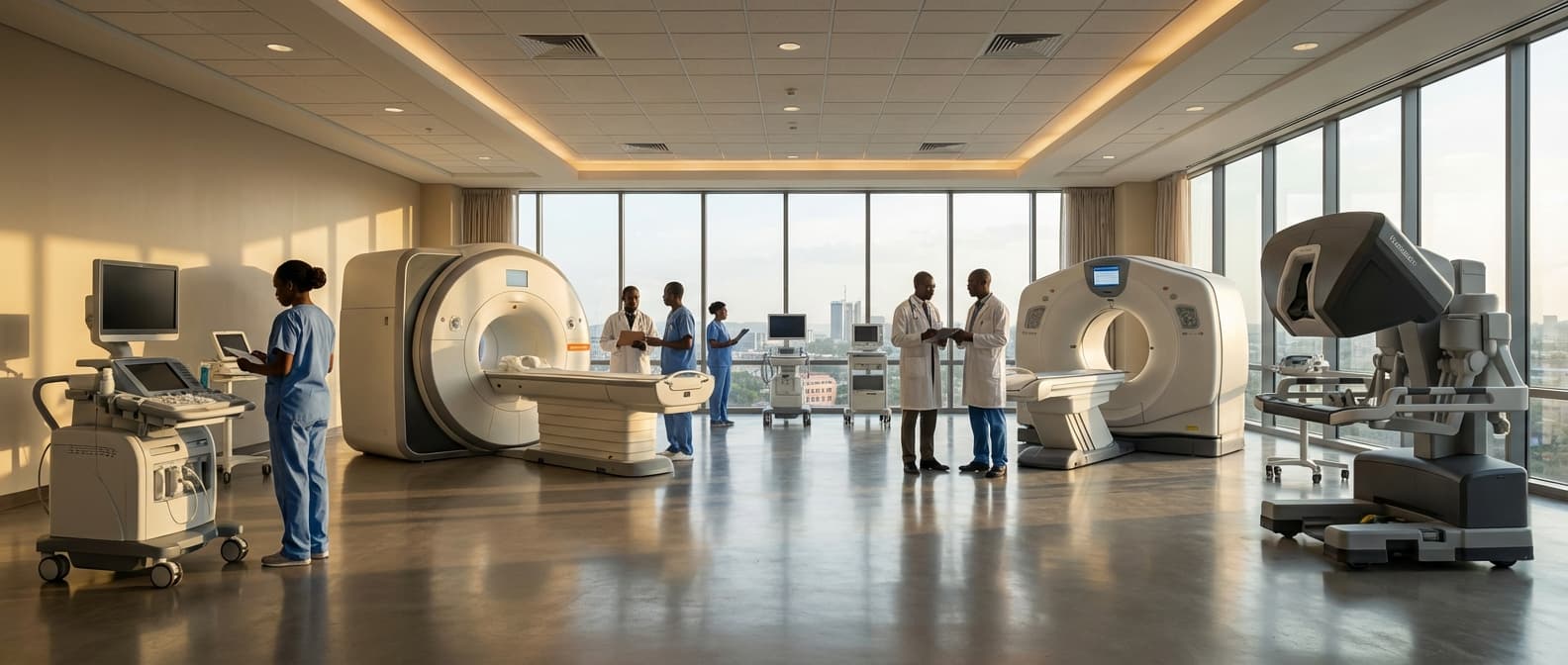
Life Support & Consumables in Congo (Kinshasa)
Engineering Excellence & Technical Support
Reliable supply of essential medical consumables and life support equipment ensuring uninterrupted, quality patient care delivery. High-standard technical execution following OEM protocols and local regulatory frameworks.
Ensuring Potable Water Access
Implemented and maintained advanced water purification systems in remote health facilities, significantly reducing waterborne disease transmission and ensuring safe drinking water for over 50,000 patients and staff across multiple provinces.
Critical Oxygen Supply Chain Optimization
Established a resilient oxygen generation and distribution network, including the installation of 15 oxygen concentrators and regular supply chain management for medical oxygen cylinders. This initiative has been crucial in supporting respiratory care and saving lives during critical periods of high demand.
Securing Vaccine Cold Chain Integrity
Developed and supervised robust cold chain management protocols for essential vaccines. This includes the deployment and maintenance of solar-powered refrigerators and temperature monitoring devices, ensuring the efficacy of over 100,000 vaccine doses distributed to vulnerable populations.
What Is Life Support & Consumables In Congo (Kinshasa)?
Life Support & Consumables in the context of the Democratic Republic of Congo (Kinshasa) refers to the provision and management of essential resources and services necessary for the survival, well-being, and operational continuity of individuals and organizations operating in challenging environments. This encompasses a broad spectrum of requirements, from basic sustenance to specialized technical equipment and associated expendable materials. The services are critical in areas characterized by limited infrastructure, insecurity, humanitarian crises, or remote operational locations where standard supply chains are disrupted or non-existent. The overarching objective is to ensure the sustained functionality of personnel and/or operations in a resource-scarce or high-risk setting.
| Who Needs Life Support & Consumables? | Typical Use Cases in Congo (Kinshasa) | ||
|---|---|---|---|
| Humanitarian Organizations (NGOs, UN Agencies): Operating in post-conflict zones, disaster-affected areas, or regions with widespread displacement, requiring support for aid distribution, medical camps, and refugee settlements. | Emergency response to natural disasters (floods, landslides). | Support for internally displaced persons (IDPs) and refugee camps. | Provision of healthcare and food aid in remote or inaccessible areas. |
| International Development Agencies: Implementing projects in sectors like health, education, infrastructure, and governance, often in remote or underserved locations. | Construction of schools, clinics, or water infrastructure in rural areas. | Training and capacity-building programs in challenging regions. | Monitoring and evaluation of development initiatives. |
| Mining and Extractive Industries: Companies operating remote exploration or extraction sites, necessitating self-sufficient operational bases with all essential services. | Establishment and maintenance of remote mining camps. | Logistics for personnel and equipment transport to mine sites. | Provision of medical facilities and emergency evacuation services for personnel. |
| Security and Peacekeeping Forces: Military or police units deployed for stability operations, peacekeeping missions, or counter-terrorism efforts. | Provision of rations, water, and shelter for deployed troops. | Maintenance of operational readiness through supply of fuel and ammunition. | Establishment of forward operating bases (FOBs) and logistical hubs. |
| Diplomatic Missions and Embassies: Ensuring the safety and well-being of diplomatic staff and facilities, particularly in high-risk environments. | Securing embassy compounds and providing essential services. | Emergency preparedness and evacuation plans for staff. | Provision of specialized security equipment and communication systems. |
| Research and Scientific Expeditions: Teams conducting fieldwork in remote or ecologically sensitive areas. | Provision of field accommodation, food, and medical support. | Logistics for equipment and sample transport. | Ensuring safety protocols and communication in isolated locations. |
| Journalists and Media Crews: Operating in sensitive or dangerous areas to report on events. | Secure transportation and accommodation. | Communication support for live reporting. | Provision of essential supplies for extended field assignments. |
Key Components of Life Support & Consumables Services in Congo (Kinshasa)
- Food and Water: Procurement, storage, and distribution of safe potable water and nutritionally adequate food supplies, often requiring specialized logistics and quality control.
- Accommodation and Shelter: Provision and maintenance of secure and habitable living quarters, including tents, prefabricated structures, or established facilities, along with associated utilities (power, sanitation).
- Medical Support and Supplies: Access to healthcare services, including first aid, emergency medical care, and the supply of pharmaceuticals, medical equipment, and personal protective equipment (PPE).
- Logistics and Transportation: Movement of personnel and goods, including vehicles, fuel, maintenance, and route security, often across difficult terrain and through areas with limited road networks.
- Power Generation and Distribution: Installation, operation, and maintenance of generators, fuel supply, and power distribution systems to ensure consistent electricity for operations and living quarters.
- Waste Management and Sanitation: Collection, treatment, and disposal of solid and liquid waste in an environmentally sound and hygienic manner, crucial for preventing disease outbreaks.
- Communication Systems: Provision of reliable communication infrastructure (satellite phones, radios, internet) for operational coordination and emergency response.
- Security Services: Personnel and equipment to ensure the safety and security of personnel, assets, and operational sites, particularly in volatile regions.
- Specialized Consumables: This category includes items critical for specific operations, such as fuel for vehicles and generators, lubricants, spare parts for equipment, batteries, construction materials, and hygiene products.
- Security and Force Protection Equipment: Including body armor, helmets, tactical gear, and related maintenance and resupply.
Who Needs Life Support & Consumables In Congo (Kinshasa)?
This document outlines the critical need for life support and consumable supplies in the Democratic Republic of Congo (Kinshasa). Understanding the specific target customers and departments within this region is crucial for effective aid distribution and resource allocation.
| Department/Sector | Specific Needs | Examples of Life Support/Consumables |
|---|---|---|
| Hospitals & Large Clinics | Surgical procedures, intensive care, emergency rooms, general patient care, diagnostics. | Oxygen, ventilators, IV fluids, surgical instruments, bandages, sutures, syringes, gloves, masks, disinfectants, laboratory reagents, medications. |
| Primary Health Centers & Rural Clinics | Basic medical care, maternal and child health, infectious disease management, vaccinations. | Bandages, basic wound care supplies, antimalarials, antibiotics, oral rehydration salts, syringes, needles, gloves, sterile water, examination kits. |
| Mobile Medical Units & Outreach Programs | Reaching remote populations, addressing immediate health crises, vaccination campaigns. | Portable oxygen cylinders, essential medicines, diagnostic test kits (e.g., malaria, HIV), sterile supplies, personal protective equipment (PPE). |
| Non-Governmental Organizations (NGOs) | Humanitarian aid, medical assistance in conflict zones, public health initiatives. | Water purification tablets, sanitation supplies, basic medical kits, food supplements, PPE, specialized medical equipment for targeted programs. |
| United Nations (UN) Agencies (e.g., WHO, UNICEF, WFP) | Public health emergencies, vaccination programs, nutritional support, logistics for aid delivery. | Vaccines, therapeutic foods, emergency medical kits, water and sanitation supplies, laboratory equipment, transport-related consumables. |
| Military & Peacekeeping Forces | Field medical care, trauma management, hygiene and sanitation for personnel. | Field surgical kits, trauma dressings, IV fluids, pain medication, antibiotics, PPE, sanitation supplies, water purification. |
| Research Laboratories | Disease surveillance, diagnostics, vaccine development, public health research. | Culture media, diagnostic kits, reagents, pipettes, sterile consumables, specialized chemicals, DNA/RNA extraction kits. |
Target Customers & Departments
- Healthcare Facilities: Hospitals, clinics, health centers, and mobile medical units are primary consumers of life support and consumables.
- Emergency Response Organizations: NGOs, UN agencies, and local disaster relief groups require these supplies for immediate interventions.
- Military & Peacekeeping Operations: Armed forces and UN peacekeeping missions often operate in remote areas with limited access to resupply, necessitating a steady flow of consumables.
- Research & Development Institutions: Laboratories conducting vital research, particularly in public health and disease control, depend on specialized consumables.
- Educational Institutions (Medical/Science): Medical schools and scientific training centers require consumables for practical education and training.
- Vulnerable Populations: Indirectly, the ultimate beneficiaries are the civilian populations, especially those in remote, conflict-affected, or underserved areas who rely on these services and supplies.
Life Support & Consumables Process In Congo (Kinshasa)
The Life Support & Consumables process in Congo (Kinshasa) is a critical operational workflow designed to ensure that personnel and equipment have the necessary resources to function effectively and safely. This process typically begins with an inquiry or a recognized need, progresses through procurement and logistical planning, and culminates in the delivery and utilization of the required life support and consumable items.
| Stage | Description | Key Activities | Responsible Parties | Potential Challenges |
|---|---|---|---|---|
| Inquiry & Needs Assessment | Identifying and quantifying the specific life support and consumable items required. | Monitoring inventory levels, forecasting future needs, receiving user requests, assessing urgency. | Operations Management, Field Teams, Logistics Coordinators | Inaccurate forecasting, last-minute requests, lack of clear communication on needs. |
| Requisition & Approval | Formally documenting the requested items and obtaining necessary authorization for expenditure. | Creating purchase requisitions, budget verification, managerial approval, compliance checks. | Requesting Department, Finance Department, Management | Budget constraints, lengthy approval processes, insufficient documentation. |
| Procurement & Sourcing | Acquiring the approved items through purchase from vendors or internal stock. | Identifying suppliers (local and international), obtaining quotes, negotiating prices, issuing purchase orders, quality assurance. | Procurement Department, Supply Chain Managers, Local Partners | Limited local suppliers, import restrictions, customs delays, currency fluctuations, quality control issues. |
| Logistics & Transportation | Planning and executing the safe and timely movement of goods from origin to destination. | Choosing transportation methods (air, road, sea), coordinating with shipping agents, customs clearance, managing freight, ensuring security. | Logistics Department, Freight Forwarders, Security Teams | Poor road infrastructure, security risks (e.g., banditry), port congestion, fuel shortages, unreliable transport providers. |
| Receipt & Inspection | Receiving the delivered items and verifying their quantity, quality, and conformity to the order. | Unloading goods, performing visual inspections, checking against packing lists, damage assessment, preliminary quality checks. | Warehouse Staff, Quality Control Inspectors, Receiving Team | Damaged goods during transit, incorrect quantities, counterfeit items, delays in inspection. |
| Storage & Inventory Management | Safeguarding and organizing received items for easy access and to prevent spoilage or loss. | Warehouse organization, temperature control (if applicable), stocktaking, inventory record keeping, security measures. | Warehouse Managers, Inventory Clerks | Inadequate storage facilities, pest infestation, theft, inaccurate inventory records, poor stock rotation (FIFO/LIFO). |
| Distribution & Issuance | Allocating and handing over consumables to the end-users or operational units. | Processing issuance requests, packing and staging orders, maintaining issuance records, tracking who received what. | Warehouse Staff, Distribution Teams, Field Supervisors | Stockouts, equitable distribution challenges, unauthorized issuance, lack of clear distribution points. |
| Utilization & Feedback | The actual use of life support and consumables by personnel and the collection of feedback on their effectiveness. | Using items as intended, reporting on usage patterns, identifying any defects or performance issues, providing feedback on quality and suitability. | End-Users, Field Personnel, Project Managers | Misuse of items, lack of feedback mechanisms, inadequate training on usage. |
| Replenishment & Reordering | Initiating the process to reorder items that are depleted or nearing depletion. | Reviewing inventory levels, generating new requisitions based on usage and forecast, restarting the procurement cycle. | Inventory Management, Operations Management, Procurement Department | Delays in reordering, underestimation of replenishment needs, budget re-approval requirements. |
Key Stages of the Life Support & Consumables Process
- Inquiry & Needs Assessment
- Requisition & Approval
- Procurement & Sourcing
- Logistics & Transportation
- Receipt & Inspection
- Storage & Inventory Management
- Distribution & Issuance
- Utilization & Feedback
- Replenishment & Reordering
Life Support & Consumables Cost In Congo (Kinshasa)
The cost of life support and consumables in Kinshasa, Democratic Republic of Congo, is influenced by a complex interplay of factors, including import dependencies, local production, logistical challenges, currency fluctuations, and socioeconomic conditions. Understanding these elements is crucial for assessing the affordability and accessibility of essential goods and services. The local currency, the Congolese Franc (CDF), is the primary medium of exchange, but prices can also be influenced by the US Dollar's stability and prevalence in certain transactions, particularly for imported goods.
Key Pricing Factors:
- Import Dependency: Many essential consumables, especially medicines, specialized medical equipment, and processed food items, are imported. This makes their prices highly susceptible to international market rates, shipping costs, tariffs, and foreign exchange fluctuations.
- Local Production & Availability: For locally produced goods (e.g., basic foodstuffs like cassava, plantains, and some locally manufactured hygiene products), prices are more directly tied to agricultural yields, transportation within the country, and the cost of raw materials. Scarcity due to poor infrastructure or conflict can drive up local prices.
- Logistics & Transportation: Kinshasa, while a major city, faces significant logistical hurdles. Poor road infrastructure, high fuel costs, and the need for extensive internal and external transport networks add considerable overhead to the price of goods.
- Currency Volatility (CDF vs. USD): The Congolese Franc can experience significant fluctuations against the US Dollar. When the CDF depreciates, the cost of imported goods, which are often priced in USD or linked to USD exchange rates, rises substantially. Even for locally sourced goods, the cost of imported inputs (like fertilizer or equipment) can indirectly impact their price.
- Government Policies & Taxation: Import duties, value-added tax (VAT), and other government levies directly affect the final price of consumables. Changes in these policies can lead to price adjustments.
- Market Structure & Competition: The presence of informal markets, alongside formal retail outlets and pharmacies, creates a varied pricing landscape. Competition levels can influence price points, though monopolies or limited suppliers in certain sectors can lead to higher prices.
- Quality & Brand: As with most markets, higher quality or branded products (especially in pharmaceuticals and baby food) will command premium prices compared to generic or locally produced alternatives.
- Demand & Supply: Basic economic principles of demand and supply are always at play. High demand for essential items, coupled with limited supply, will naturally drive prices up.
| Item Category | Typical Price Range (CDF) | Notes |
|---|---|---|
| Imported Medicines (e.g., advanced antibiotics, specialized drugs) | 50,000 - 500,000+ CDF | Highly variable, depends on the specific drug, origin, and supplier. |
| Basic Medical Consumables (gloves, masks) | 2,000 - 10,000 CDF per unit/small pack | Availability can be inconsistent. |
| Infant Formula (standard tin) | 30,000 - 70,000 CDF | Essential for many families, significant cost. |
| Sanitary Napkins (premium brands) | 15,000 - 25,000 CDF per pack | Higher quality options are more expensive. |
| Filtered Water (bulk purchase for institutions) | Negotiable, depends on volume and supplier | Often priced per liter or per delivery. |
| Fuel for Generators (e.g., Diesel/Gasoline) | 7,000 - 15,000 CDF per liter | Crucial for businesses and households due to unreliable grid power. |
Typical Life Support & Consumables Price Ranges (Kinshasa, DRC - in Congolese Francs, CDF)
- Medical Supplies:
- Basic Pain Relievers (e.g., Paracetamol, 500mg, 10-20 tablets): 2,000 - 8,000 CDF
- Antibiotics (e.g., Amoxicillin, 250mg, 10 capsules): 15,000 - 50,000 CDF (highly variable based on type and origin)
- Antimalarial Medication (e.g., Artemether-Lumefantrine, standard dose): 20,000 - 70,000 CDF
- Basic Wound Dressing Kit (gauze, bandage, antiseptic wipe): 5,000 - 15,000 CDF
- IV Fluid Bag (e.g., Saline, 500ml): 10,000 - 30,000 CDF
- Syringes (disposable, 5ml): 1,000 - 3,000 CDF each
- Hygiene & Sanitation:
- Bar of Soap (local brand): 1,000 - 3,000 CDF
- Bottle of Hand Sanitizer (500ml): 5,000 - 15,000 CDF
- Toothpaste (medium size): 3,000 - 8,000 CDF
- Diapers (pack of 10-12, mid-range brand): 15,000 - 30,000 CDF
- Feminine Hygiene Pads (pack of 8-10): 7,000 - 15,000 CDF
- Food Consumables (for a typical household for a few days):
- Rice (1kg): 4,000 - 8,000 CDF
- Cooking Oil (1 liter): 5,000 - 12,000 CDF
- Sugar (1kg): 3,000 - 7,000 CDF
- Canned Sardines/Mackerel (small can): 3,000 - 7,000 CDF
- Bread (loaf): 2,000 - 5,000 CDF
- Bottled Water (5 liters): 2,000 - 5,000 CDF
- Fresh Produce (e.g., plantains, tomatoes, onions - per kg): 3,000 - 10,000 CDF (highly seasonal and location dependent)
- Other Essential Consumables:
- Matches (box): 500 - 1,500 CDF
- Batteries (AA, pack of 4): 4,000 - 10,000 CDF
- Kerosene (liter, for cooking/lighting): 2,000 - 5,000 CDF
Affordable Life Support & Consumables Options
Navigating the world of life support and medical consumables can feel overwhelming, especially when budget is a concern. This guide outlines practical strategies and value-driven options to ensure you receive the necessary supplies without breaking the bank. We'll explore the benefits of 'value bundles' and delve into various cost-saving tactics to empower informed purchasing decisions.
| Value Bundle Type | Description | Potential Savings | Considerations |
|---|---|---|---|
| Starter Kits | Typically include essential items needed to begin using a specific life support device or for a particular medical need (e.g., a new CPAP user kit). | Often discounted compared to purchasing individual components. | Ensure all included items are necessary and of good quality. |
| Comprehensive Care Packages | Bundles designed for ongoing use, combining primary life support devices with a consistent supply of related consumables (e.g., oxygen concentrator with filters, tubing, and cannulas). | Reduced per-unit cost on consumables; convenience of bundled purchases. | May lock you into a single supplier; check for flexibility and replacement part availability. |
| Subscription Boxes (Consumables) | Regularly scheduled deliveries of essential consumables like bandages, syringes, or respiratory mask replacements. | Consistent pricing; discounts for ongoing commitment; automatic reordering reduces oversight. | Requires commitment to a subscription; ensure delivery schedule aligns with usage. |
| Device & Accessory Bundles | Purchasing a primary medical device along with a selection of compatible accessories at a reduced combined price. | Significant savings on accessories when bought with the main device. | Verify compatibility of all accessories with your specific needs and medical professional's recommendations. |
| 'Buy Together, Save Together' Deals | Promotional offers where purchasing specific combinations of items (even if not directly related to a single device) results in a discount. | Opportunity to stock up on multiple needs at a lower overall cost. | Only beneficial if you genuinely need all items in the bundle. |
Key Cost-Saving Strategies
- Compare Prices: Never settle for the first quote. Research multiple suppliers, both online and local, to identify competitive pricing.
- Bulk Purchasing: For frequently used items, buying in larger quantities often reduces the per-unit cost. Ensure you have adequate storage space and monitor expiration dates.
- Generic vs. Brand Name: While brand names offer familiarity, generic or unbranded alternatives can provide significant savings without compromising quality for many consumables.
- Subscription Services: Some suppliers offer subscription models that can provide discounts and ensure timely delivery, preventing last-minute rush orders and potential price hikes.
- Insurance & Reimbursement: Understand your insurance coverage for life support equipment and consumables. Explore any available reimbursement options.
- Loyalty Programs: Many medical supply companies have loyalty programs that offer discounts, rewards, or early access to sales for repeat customers.
- Second-Hand Equipment: For non-consumable life support equipment (e.g., hospital beds, certain respiratory devices), consider purchasing refurbished or gently used items from reputable sources.
- Patient Assistance Programs: Investigate manufacturer or non-profit programs that may offer financial assistance or free supplies to eligible individuals.
- Negotiate: Don't be afraid to negotiate prices, especially for larger orders or if you have a long-term relationship with a supplier.
Verified Providers In Congo (Kinshasa)
Finding verified healthcare providers in Congo (Kinshasa) is crucial for ensuring quality care and patient safety. Franance Health stands out as a premier choice due to its rigorous credentialing process and commitment to excellence. This commitment ensures that all providers listed on their platform have met stringent standards, offering patients peace of mind and access to reliable medical services. Their focus on verification means that patients can trust the qualifications and ethical practices of the healthcare professionals they connect with.
| Provider Type | Franance Health Verification Benefits | Why it Matters for Patients in Congo (Kinshasa) |
|---|---|---|
| General Practitioners | Ensures adherence to standard medical protocols and up-to-date knowledge. | Access to reliable primary care for common ailments and preventive health. |
| Specialists (e.g., Cardiologists, Pediatricians) | Confirms specialized training, board certifications, and proven expertise. | Trustworthy access to advanced medical care for complex health issues. |
| Surgeons | Validates surgical qualifications, hospital affiliations, and a history of successful procedures. | Confidence in receiving safe and effective surgical interventions. |
| Dentists | Confirms dental degrees, licenses, and specialized training in oral healthcare. | Reliable dental services for maintaining oral hygiene and treating dental problems. |
| Nurses and Allied Health Professionals | Verifies qualifications and certifications essential for patient care and support. | Skilled and professional support for recovery and ongoing health management. |
Franance Health's Commitment to Provider Verification
- Rigorous vetting of medical licenses and certifications.
- Verification of professional experience and training.
- Background checks for ethical conduct and adherence to medical standards.
- Ongoing monitoring of provider performance and patient feedback.
- Commitment to transparency in provider credentials.
Scope Of Work For Life Support & Consumables
This Scope of Work (SOW) outlines the requirements for the provision of Life Support and Consumables for [Project Name/Location]. It details the technical deliverables, standard specifications, and service level expectations to ensure the well-being and operational efficiency of personnel.
| Category | Technical Deliverables | Standard Specifications / Requirements | Key Performance Indicators (KPIs) |
|---|---|---|---|
| Food and Beverage Supply | Provision of diverse, nutritious, and safe food and beverage options. Menu planning and preparation adhering to dietary guidelines and cultural preferences. Regular replenishment of supplies. | HACCP-compliant food safety standards. Halal/Kosher certification where applicable. Minimum shelf life of X% for all perishable goods. Compliance with local food import/export regulations. Variety of options for allergies and dietary restrictions (vegetarian, vegan, gluten-free, etc.). | Food quality ratings (e.g., >= 4/5 stars). % on-time delivery of food orders. % reduction in food spoilage. Customer satisfaction score for catering services. |
| Water and Waste Management | Supply of potable and non-potable water. Collection, treatment, and disposal of all waste streams (solid, liquid, hazardous). Management of greywater and blackwater. | Potable water to meet WHO or local regulatory standards. Minimum purity levels of X ppm TDS. Regular water quality testing. ISO 14001 compliance for waste management. Segregation of waste streams. Licensed and certified waste disposal facilities. Recycling targets of X%. | Water purity test results. % of waste recycled/repurposed. % of waste disposed of through approved channels. Compliance with environmental regulations. |
| Medical Supplies and Services | Stocking of essential medicines, first-aid supplies, and medical equipment. Provision of qualified medical personnel for on-site support. Emergency medical response capabilities. | Pharmaceutical supplies to meet WHO essential medicines list. Expiry date management with minimum X months remaining. Compliance with local pharmaceutical regulations. Availability of certified medical professionals (doctors, nurses, paramedics). Clearly defined emergency medical response protocols. | Availability of critical medicines (e.g., >95%). Response time to medical emergencies (e.g., < 10 minutes). Availability of qualified medical staff (100%). |
| Sanitation and Hygiene Products | Provision of cleaning supplies, personal hygiene items, and sanitary facilities. Regular cleaning and maintenance of all communal areas and latrines. | Biodegradable and eco-friendly cleaning agents where possible. Availability of soap, hand sanitizer, toilet paper, feminine hygiene products. Regular cleaning schedules and checklists. Compliance with local health and safety regulations. | Availability of hygiene supplies (e.g., >98%). Frequency of cleaning of facilities. Customer satisfaction with cleanliness ratings. |
| Personal Protective Equipment (PPE) | Supply of appropriate PPE based on identified hazards and job roles. Compliance with relevant safety standards (e.g., ANSI, EN). Training on proper use and maintenance of PPE. | PPE to meet ISO/ANSI/EN standards for specific risks (e.g., head protection, eye protection, respiratory protection, fall protection). Proper labeling and traceability of PPE. Regular inventory checks and replenishment. | Availability of correct PPE for all personnel (100%). % of personnel trained on PPE usage. Compliance with safety audit findings related to PPE. |
| Fuel and Energy Consumables | Supply of fuels (e.g., diesel, gasoline, LPG) for generators, vehicles, and heating. Provision of electrical power consumables (e.g., batteries, bulbs). | Fuels to meet specified grades and quality standards. Secure storage and handling of fuels. Reliable and consistent supply to meet demand. Compliance with fuel storage regulations. | % of fuel orders delivered on time. Fuel wastage reduction. Generator uptime % due to fuel availability. |
| Maintenance and Repair Consumables | Supply of spare parts, tools, and materials for routine maintenance and minor repairs of equipment and facilities. | Provision of a catalog of approved consumables. Minimum stock levels for critical spares. Compliance with manufacturer specifications for spare parts. Timely delivery of requested consumables. | % of requested maintenance consumables fulfilled within X hours. Inventory accuracy of maintenance spares. Reduction in equipment downtime due to consumable availability. |
| Logistics and Inventory Management | Establishment of efficient logistics for delivery, storage, and distribution of all consumables. Implementation of a robust inventory management system. | Just-In-Time (JIT) delivery where feasible. Secure and organized warehousing. Barcode or RFID-based inventory tracking. Regular inventory audits. Real-time stock reporting. Defined reorder points and lead times. | Inventory accuracy rate (e.g., >98%). Stockout frequency (e.g., < 2%). Lead time for replenishment orders (e.g., < X days). % of deliveries arriving without damage. |
Key Areas Covered
- Food and Beverage Supply
- Water and Waste Management
- Medical Supplies and Services
- Sanitation and Hygiene Products
- Personal Protective Equipment (PPE)
- Fuel and Energy Consumables
- Maintenance and Repair Consumables
- Logistics and Inventory Management
Service Level Agreement For Life Support & Consumables
This Service Level Agreement (SLA) outlines the guaranteed response times and uptime for Life Support & Consumables services. This SLA is effective as of [Date] and is incorporated by reference into the Master Service Agreement between [Your Company Name] and [Client Name].
| Service Level | Uptime Guarantee | Response Time (Critical Incident) | Response Time (Major Incident) | Response Time (Minor Incident) | Target Resolution Time (Critical Incident) | Target Resolution Time (Major Incident) | Target Resolution Time (Minor Incident) |
|---|---|---|---|---|---|---|---|
| Life Support & Consumables | 99.9% | 15 minutes | 1 hour | 4 business hours | 4 hours | 8 business hours | 3 business days |
Key Service Definitions
- Critical Incident: An event that renders the Life Support & Consumables service entirely unavailable, or significantly impairs its functionality to the point where essential operations cannot be performed.
- Major Incident: An event that causes a partial loss of functionality or a degradation of service performance, impacting a significant portion of users or a critical feature.
- Minor Incident: An event that causes minor disruption, inconvenience, or a non-critical feature malfunction, with workarounds available.
- Response Time: The time from when a valid support request is submitted by the Client and acknowledged by [Your Company Name]'s support system until a support engineer begins actively working on the issue.
- Resolution Time: The time from when a valid support request is submitted by the Client until the issue is resolved, or a mutually agreed-upon workaround is in place.
- Uptime Guarantee: The percentage of time the Life Support & Consumables service is available and functioning as intended.
- Scheduled Maintenance: Pre-planned periods for system updates, upgrades, or hardware maintenance. Clients will be notified of Scheduled Maintenance at least [Number] days in advance.
Frequently Asked Questions

Ready when you are
Let's scope your Life Support & Consumables in Congo (Kinshasa) project in Congo (Kinshasa).

Scaling healthcare logistics and technical systems across the entire continent.