
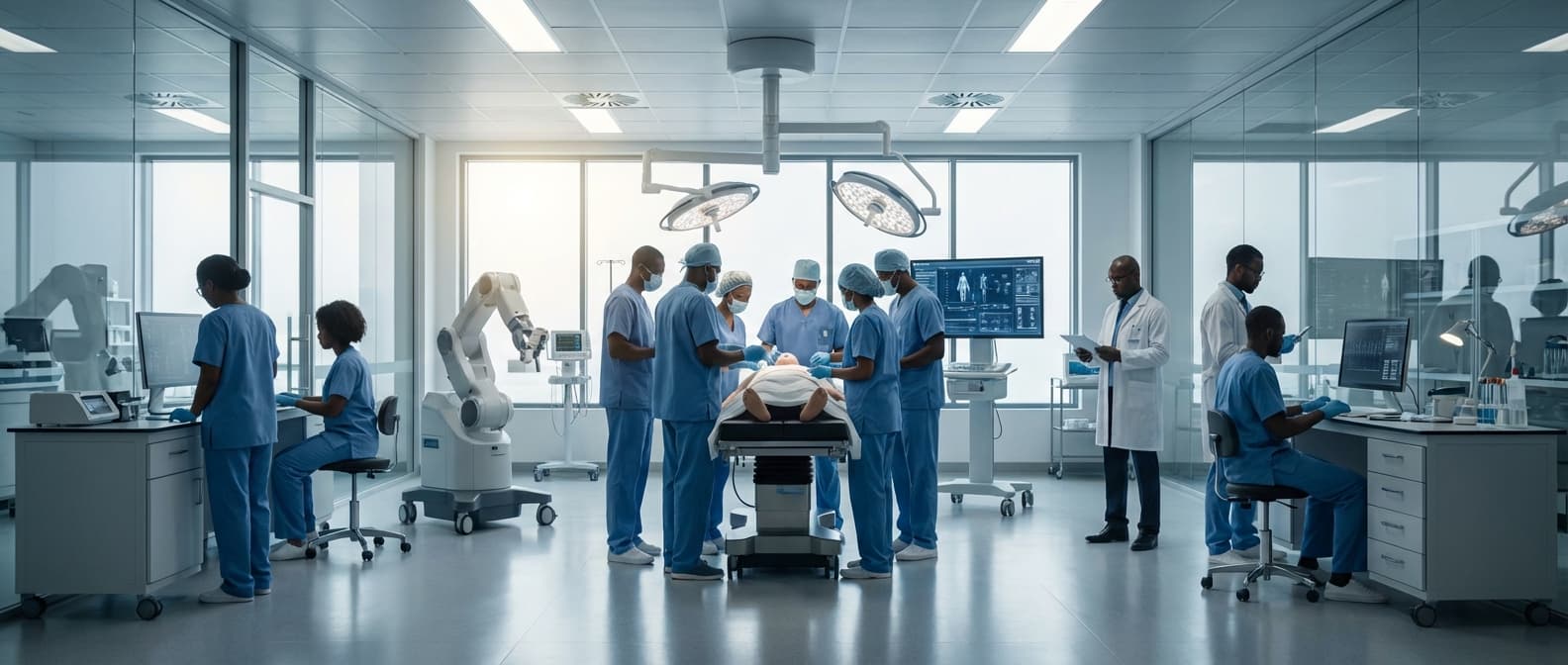
Calibration & Electrical Safety Testing in Congo (Kinshasa)
Engineering Excellence & Technical Support
Equipment calibration and IEC safety testing High-standard technical execution following OEM protocols and local regulatory frameworks.
Precision Calibration Services
Ensuring the accuracy and reliability of critical measurement instruments for industries in Kinshasa, from mining to healthcare. Our accredited technicians utilize state-of-the-art calibration equipment to maintain traceability to national and international standards.
Comprehensive Electrical Safety Audits
Proactively identifying and mitigating electrical hazards in commercial and industrial facilities across Kinshasa. We conduct thorough inspections, testing, and risk assessments to guarantee compliance with safety regulations and protect personnel and assets.
Advanced Meter & Device Certification
Providing rigorous certification for electricity meters and electrical safety devices essential for power distribution and grid management in the Congo. Our services ensure optimal performance, accurate billing, and robust protection against electrical faults.
What Is Calibration & Electrical Safety Testing In Congo (Kinshasa)?
Calibration and electrical safety testing are critical services ensuring that medical and laboratory equipment operates within specified tolerances and adheres to relevant safety standards. In the context of Congo (Kinshasa), these services are vital for maintaining the accuracy, reliability, and safety of diagnostic, therapeutic, and research instrumentation, ultimately safeguarding patient outcomes and personnel.
Calibration involves the process of comparing the measurements of a device against a known standard (traceable to national or international metrology institutes). This comparison allows for the detection and correction of any inaccuracies or deviations in the equipment's performance. The goal is to ensure the device provides accurate readings and outputs consistently over time.
Electrical Safety Testing (also known as biomedical electrical safety testing or performance verification) is a systematic evaluation of electrical medical equipment to ensure it meets stringent safety requirements and poses no risk of electric shock, fire, or other hazards to patients or operators. This testing verifies the integrity of insulation, grounding, and leakage currents, among other parameters, according to international standards like IEC 60601 series or locally adapted regulations.
Who Needs It:
- Hospitals and Clinics: All healthcare facilities, from large tertiary hospitals to small clinics, rely on a vast array of calibrated and electrically safe medical devices for patient diagnosis, monitoring, and treatment.
- Diagnostic Laboratories: Laboratories performing clinical tests require accurate and reliable analytical instruments (e.g., spectrophotometers, centrifuges, incubators) for precise diagnostic results.
- Research Institutions and Universities: Facilities engaged in scientific research and development depend on a wide range of specialized scientific equipment that must be calibrated for experimental validity and safety.
- Government and Public Health Agencies: Organizations involved in public health initiatives, disease surveillance, and quality control of medical products often require their own equipment to be calibrated and safe.
- Medical Device Manufacturers and Distributors: Companies operating within the medical device sector may need these services for quality assurance, regulatory compliance, and post-market surveillance of their products.
- Third-Party Service Providers: Biomedical engineering departments or specialized service companies contracted to maintain and repair medical equipment.
Typical Use Cases:
- Preventive Maintenance (PM) Programs: Routine calibration and electrical safety testing are integral components of comprehensive PM programs to detect potential issues before they lead to equipment failure or safety hazards.
- Post-Repair Verification: After any repair or servicing of medical equipment, calibration and electrical safety tests are mandatory to confirm that the equipment is functioning correctly and safely.
- New Equipment Commissioning: Before any new piece of medical or laboratory equipment is put into service, it must undergo initial calibration and electrical safety testing to ensure it meets performance and safety specifications.
- Regulatory Compliance: Adherence to national and international standards for medical device safety and performance is often a prerequisite for operating legally and ethically. Regular testing demonstrates this compliance.
- Quality Management Systems (QMS): Calibration and safety testing are fundamental elements of QMS in healthcare and laboratory settings, ensuring consistent quality of care and research.
- Accreditation Processes: Healthcare facilities seeking accreditation from national or international bodies often need to demonstrate that their equipment is regularly calibrated and safe.
- Risk Management: Proactive testing helps mitigate risks associated with equipment malfunction, such as misdiagnosis, incorrect treatment, or patient harm due to electrical hazards.
- Interoperability and Data Integrity: For networked medical devices or laboratory equipment generating data, accurate calibration is crucial for ensuring data integrity and successful interoperability within larger systems.
| Equipment Type | Calibration Parameters | Electrical Safety Tests | Frequency (Typical) |
|---|---|---|---|
| Vital Signs Monitors (ECG, SpO2, NIBP) | Accuracy of readings (e.g., ±5% for SpO2, ±2 mmHg for NIBP) | Leakage current, grounding continuity, insulation resistance | Annually |
| Anesthesia Machines | Flow rates, pressure, volume accuracy | Leakage current, grounding, alarm functionality | Semi-annually to Annually |
| Infusion Pumps | Flow rate accuracy, volume delivered accuracy | Leakage current, grounding continuity, insulation resistance | Annually |
| Centrifuges | Rotational speed (RPM) accuracy, timer accuracy | Leakage current, grounding, mechanical stability | Annually |
| Incubators (Medical/Laboratory) | Temperature accuracy and uniformity | Leakage current, grounding, insulation resistance, alarm functionality | Annually |
| Diagnostic X-ray Machines | Radiation output accuracy, timer accuracy, kVp and mA accuracy | Leakage current, grounding, insulation resistance, mechanical safety | Annually |
| Electrosurgical Units (ESUs) | Power output accuracy, waveform verification | Leakage current (active and inactive electrodes), grounding, insulation resistance | Annually |
Key Components of Calibration and Electrical Safety Testing
- Calibration of measuring instruments (e.g., thermometers, pressure gauges, pH meters).
- Performance verification of analytical and diagnostic equipment (e.g., blood analyzers, ECG machines, ventilators).
- Electrical leakage current testing (chassis, patient, and patient auxiliary currents).
- Grounding resistance and continuity testing.
- Insulation resistance testing.
- High potential (Hi-Pot) testing.
- Visual inspection for physical damage and proper grounding.
- Functional testing of safety features (e.g., alarms, circuit breakers).
- Documentation of test results and issuance of calibration certificates and safety compliance reports.
Who Needs Calibration & Electrical Safety Testing In Congo (Kinshasa)?
Ensuring the accuracy of scientific instruments and the safety of electrical equipment is crucial across various sectors in Congo (Kinshasa). Regular calibration and electrical safety testing are not just best practices; they are often regulatory requirements and essential for operational efficiency, product quality, and the well-being of personnel. This service caters to a diverse range of clients, from large industrial complexes to specialized laboratories and healthcare facilities. The primary goal is to provide reliable, accurate, and safe operational environments.
| Customer Type | Key Departments Involved | Primary Needs for Calibration & Electrical Safety Testing |
|---|---|---|
| Industrial Manufacturers | Production, Quality Control, Maintenance, Engineering | Ensuring product consistency and accuracy, preventing equipment failure, maintaining regulatory compliance, workplace safety. |
| Mining Operations | Operations, Maintenance, Safety, Environmental Monitoring | Accurate measurement of ore grades and process parameters, reliable operation of heavy machinery and safety equipment, environmental compliance. |
| Oil and Gas Sector | Production, Exploration, Refining, Safety, Maintenance | Precise measurement of flow rates, pressures, and temperatures; safe operation of electrical equipment in hazardous environments; regulatory adherence. |
| Healthcare Facilities | Medical Equipment Maintenance, Biomedical Engineering, Patient Care Units, Radiology, Anesthesiology | Accurate diagnosis and treatment through calibrated medical devices, patient safety from electrical hazards, compliance with medical device regulations. |
| Research and Development Laboratories | Research Scientists, Lab Technicians, Quality Assurance | Reliable experimental results, data integrity, safety in handling sensitive equipment and chemicals. |
| Food and Beverage Producers | Quality Control, Production, Sanitation, Packaging | Maintaining food safety and quality standards, accurate temperature and measurement for processing, equipment reliability. |
| Water Treatment Plants | Operations, Maintenance, Water Quality Testing | Accurate monitoring of water parameters (pH, conductivity, chlorine levels), reliable operation of pumps and control systems, public health safety. |
| Telecommunications Companies | Network Operations, Field Technicians, Maintenance | Ensuring signal integrity, accurate performance of testing equipment, safety of field personnel. |
| Construction Companies | Site Management, Equipment Maintenance, Safety Officers | Accurate measurements for surveying and material estimation, safe operation of power tools and site electrical infrastructure. |
| Educational Institutions | Science Departments, Engineering Faculties, Technical Workshops | Accurate teaching and learning aids, safe laboratory environments, practical training for students. |
| Government Agencies | Regulatory Compliance Departments, Public Works, Standards Bureaus | Enforcing industry standards, ensuring public safety, verifying equipment used in public services. |
| Laboratories (Environmental, QC, Petrochemical) | Lab Analysts, Quality Managers, Safety Officers | Accurate analytical results, compliance with environmental regulations, ensuring the integrity of testing procedures. |
Target Customers & Departments for Calibration & Electrical Safety Testing in Congo (Kinshasa)
- Industrial Manufacturers
- Mining Operations
- Oil and Gas Sector
- Healthcare Facilities (Hospitals, Clinics, Diagnostic Centers)
- Research and Development Laboratories
- Food and Beverage Producers
- Water Treatment Plants
- Telecommunications Companies
- Construction Companies
- Educational Institutions (Universities, Technical Colleges)
- Government Agencies (Regulatory bodies, Public Works)
- Laboratories (Environmental, Quality Control, Petrochemical)
Calibration & Electrical Safety Testing Process In Congo (Kinshasa)
This document outlines the workflow for Calibration and Electrical Safety Testing services in Congo (Kinshasa), covering the process from initial inquiry to the final execution of services. The aim is to provide a clear, step-by-step understanding of how clients can engage with our services and what to expect throughout the engagement. This process is designed to ensure efficiency, transparency, and adherence to international standards where applicable. Our team is committed to delivering high-quality testing and calibration services to maintain the safety and reliability of electrical equipment.
| Step | Description | Key Activities | Deliverables | Responsibility |
|---|---|---|---|---|
| Client initiates contact expressing interest in calibration and/or electrical safety testing services. Understanding the scope of work is crucial at this stage. | Client contact (email, phone, website form). Discussion of equipment types, quantities, specific testing standards (if any), desired turnaround time, and location. | Initial understanding of client's needs, list of equipment for testing. | Client, Service Provider |
| Based on the gathered requirements, a detailed quotation and proposal are prepared. | Analysis of equipment, complexity of tests, consumables, travel, and labor costs. Preparation of a formal quotation including scope of work, pricing, terms, and conditions. Submission of the proposal to the client. | Formal Quotation & Proposal Document. | Service Provider |
| Upon client's acceptance of the quotation, a formal agreement is established, and services are scheduled. | Client review and acceptance of the proposal. Issuance of a Purchase Order (PO) or Service Agreement. Confirmation of service dates and times, coordinating with client's operational schedule. | Signed Agreement/PO. Confirmed Service Schedule. | Client, Service Provider |
| Ensuring all necessary resources and logistical arrangements are in place for the service execution. | Mobilization of trained technicians. Packing of calibrated test equipment, tools, and safety gear. Arranging transportation and accommodation (if required). Pre-site risk assessment and safety briefing for the team. | Readiness for on-site execution. | Service Provider |
| The core service delivery phase where on-site testing and calibration are performed. | Performing electrical safety tests (e.g., insulation resistance, earth continuity, dielectric strength). Performing calibration of measuring instruments using traceable standards. Recording all test results and measurements accurately. Identifying any non-conformities and taking corrective actions (if feasible and agreed upon). | Raw test data, calibration records. | Service Provider |
| Comprehensive reports are generated and provided to the client detailing the results of the testing and calibration. | Compilation of all test and calibration data. Generation of detailed reports including equipment identification, test procedures, results, pass/fail status, and calibration certificates (for calibrated instruments). Review and approval of reports by internal quality control. | Calibration Certificates, Electrical Safety Test Reports, Service Completion Report. | Service Provider |
| Ensuring client satisfaction and addressing any subsequent queries or needs. | Delivery of reports to the client. Answering any client questions regarding the reports. Seeking feedback on the service provided. Discussing any recommendations for future maintenance or re-testing. | Client satisfaction, potential for future services. | Service Provider, Client |
Calibration & Electrical Safety Testing Workflow in Congo (Kinshasa)
- Inquiry & Requirement Gathering
- Quotation & Proposal
- Agreement & Scheduling
- On-site Preparation & Logistics
- Execution of Testing & Calibration
- Reporting & Documentation
- Post-Service Follow-up
Calibration & Electrical Safety Testing Cost In Congo (Kinshasa)
Obtaining accurate calibration and electrical safety testing for equipment in Kinshasa, Congo, involves several key pricing factors. These include the type and complexity of the equipment, the specific standards being tested against (e.g., IEC, national standards), the required turnaround time, and the reputation and accreditation of the testing laboratory. Specialized equipment requiring advanced calibration techniques or possessing unique safety features will generally incur higher costs. Similarly, urgent requests might be subject to premium fees. Laboratories with international accreditation and advanced testing facilities might also have higher price points compared to local, less established providers. The fluctuating exchange rate of the Congolese Franc (CDF) against major international currencies can also influence pricing, especially for imported calibration equipment or consumables used in the testing process. It's advisable to obtain multiple quotes from reputable service providers to ensure competitive pricing and to clarify what is included in the quoted cost.
| Service Type | Estimated Price Range (CDF) | Notes |
|---|---|---|
| Basic Electrical Safety Test (e.g., continuity, insulation resistance) | 50,000 - 150,000 CDF | For simple devices like power cords, extension leads, or basic appliances. May vary by number of test points. |
| Comprehensive Electrical Safety Test (e.g., leakage current, earth bond, dielectric strength) | 100,000 - 300,000 CDF | For medical devices, IT equipment, or industrial machinery requiring more rigorous testing. |
| Calibration of a Single Measurement Instrument (e.g., multimeter, oscilloscope) | 75,000 - 250,000 CDF | Price depends on instrument type, accuracy class, and whether traceable calibration is required. |
| Calibration of a Small Batch of Identical Instruments (e.g., 5-10 units) | 300,000 - 1,000,000 CDF | Volume discounts may apply. Cost per unit decreases with larger batches. |
| Calibration of Specialized Industrial Equipment (e.g., pressure gauges, temperature sensors) | 150,000 - 500,000 CDF per instrument | Highly dependent on the complexity, range, and required accuracy of the equipment. |
| Full Calibration and Electrical Safety Testing Package (e.g., for a small workshop) | 1,000,000 - 5,000,000 CDF | Negotiable and depends on the quantity and variety of equipment to be tested. |
| On-Site Service Fee (per visit) | 50,000 - 150,000 CDF | Excludes the cost of individual tests/calibrations. May include travel expenses for longer distances. |
| Urgent/Expedited Service Fee | 20% - 50% of the total service cost | Applied on top of the standard service charges for faster turnaround. |
Key Pricing Factors for Calibration & Electrical Safety Testing in Kinshasa, Congo
- Equipment Type and Complexity: More intricate or specialized equipment demands higher calibration and testing costs.
- Testing Standards: Adherence to specific international (IEC) or national standards can affect pricing.
- Turnaround Time: Urgent requests often come with additional expedited fees.
- Laboratory Accreditation and Reputation: Accredited and reputable labs may charge more due to their quality assurance and expertise.
- Scope of Services: Comprehensive testing packages might be more cost-effective than individual service fees.
- Location of Service: On-site testing might incur travel and logistical charges.
- Exchange Rate Fluctuations: The value of the Congolese Franc (CDF) can influence the cost of imported materials or services.
Affordable Calibration & Electrical Safety Testing Options
Securing reliable electrical safety testing and calibration services is crucial for compliance, operational efficiency, and the safety of your personnel and equipment. However, costs can be a significant consideration, especially for smaller businesses or those with budget constraints. This guide explores affordable calibration and electrical safety testing options, highlighting the value of bundled services and effective cost-saving strategies.
| Service | Typical Cost (Approximate Range) | Cost-Saving Considerations |
|---|---|---|
| Basic Electrical Safety Test (e.g., PAT Test) | $10 - $30 per item | Volume discounts, bundled with calibration, scheduled service. |
| Standard Calibration (e.g., Multimeter) | $50 - $150 per instrument | Value bundles, long-term contracts, off-site service for bulk. |
| Advanced Calibration (e.g., Oscilloscope, Power Meter) | $150 - $500+ per instrument | Bundled with other services, accredited labs for accuracy assurance. |
| Comprehensive Safety & Calibration Package | Variable (depends on scope) | Significant discounts through bundling, long-term agreements, proactive scheduling. |
Understanding Value Bundles and Cost-Saving Strategies
- Value Bundles: Many service providers offer "value bundles" that combine multiple services at a reduced overall cost. This can include calibration of various instruments, safety testing of different equipment types, or a combination of both. Bundling simplifies procurement and often leverages economies of scale for the provider, translating into savings for the customer.
- Scheduled/Regular Maintenance: Proactive scheduling of calibration and safety testing, rather than reactive responses to failures or deadlines, often leads to lower costs. Providers can optimize their schedules, and you can budget more effectively. Regular checks also prevent costly downtime and major repairs.
- Volume Discounts: For organizations with a large number of instruments or equipment requiring testing, negotiating volume discounts is a straightforward way to reduce per-unit costs. This applies both to one-off large-scale projects and ongoing service contracts.
- Off-Site vs. On-Site Services: Evaluate whether off-site or on-site services are more cost-effective for your specific needs. Off-site can sometimes be cheaper for bulk testing as the provider has a controlled environment and can batch work. However, on-site services eliminate shipping costs and minimize downtime for critical equipment.
- Tiered Service Levels: Some providers offer different tiers of service, with basic packages for routine testing and premium options that might include expedited turnaround, detailed reporting, or advanced diagnostics. Choosing the appropriate tier can optimize cost without compromising essential requirements.
- Long-Term Contracts: Committing to a longer-term service contract (e.g., 1-3 years) can often secure preferential pricing. This offers predictability for both parties and allows providers to better plan resources, leading to cost efficiencies.
- Accreditation and Certification: While not a direct cost-saving strategy, ensuring your provider is accredited (e.g., ISO 17025 for calibration) and certified for electrical safety testing gives you confidence in the quality and accuracy of the work, preventing costly re-testing or compliance issues down the line.
- In-House Training (Limited Scope): For very basic electrical safety checks (e.g., visual inspections, PAT testing of simple appliances), investing in in-house training for designated personnel can be cost-effective. However, this should not replace professional calibration and complex safety testing.
- Used/Refurbished Test Equipment: If your organization needs to purchase its own test equipment, consider acquiring certified, refurbished equipment. This can significantly reduce capital expenditure while still offering reliable performance.
- Negotiation and Comparison: Always obtain multiple quotes from different providers. Don't hesitate to negotiate on pricing, especially when discussing bundled services or long-term commitments. Understanding the market rates will empower you to secure the best deal.
- Preventive Maintenance Programs: Integrate calibration and safety testing into your broader preventive maintenance program. This holistic approach ensures all aspects of equipment health are addressed, minimizing unexpected failures and associated repair costs.
Verified Providers In Congo (Kinshasa)
In the Democratic Republic of Congo (Kinshasa), finding healthcare providers with verified credentials is paramount for ensuring quality and safety. Franance Health stands out as a leading entity in this regard, meticulously vetting healthcare professionals to provide citizens with access to the best possible care. Their rigorous credentialing process not only verifies medical licenses and qualifications but also assesses experience, ethical standing, and commitment to patient well-being. Choosing a Franance Health-verified provider means entrusting your health to individuals who have met the highest standards of professionalism and competence, offering peace of mind and confidence in the care you receive.
| Provider Type | Franance Health Verification Benefits | Why it's the Best Choice |
|---|---|---|
| Doctors (General Practitioners & Specialists) | Confirms board certification, surgical credentials, and specialization expertise. Verifies absence of disciplinary actions. | Access to highly skilled physicians with proven expertise in their respective fields, ensuring accurate diagnosis and effective treatment plans. |
| Nurses | Validates nursing licenses, certifications in specialized areas (e.g., pediatrics, critical care), and adherence to professional standards. | Ensures compassionate and competent nursing care, vital for patient recovery and overall hospital experience. |
| Pharmacists | Confirms pharmacy licenses and the integrity of pharmaceutical practice, including prescription verification and dispensing protocols. | Provides assurance of safe and accurate medication management, preventing errors and ensuring treatment efficacy. |
| Therapists (Physical, Occupational, etc.) | Verifies qualifications and licenses for therapeutic disciplines, ensuring proper rehabilitation techniques and patient progress. | Access to qualified professionals dedicated to restoring function and improving quality of life through evidence-based therapies. |
| Diagnostic Technicians (Radiology, Lab) | Confirms certifications and training for operating medical imaging equipment and performing laboratory tests accurately. | Reliable diagnostic results are crucial for accurate medical assessments and treatment decisions. |
Why Franance Health Credentials Matter:
- Guaranteed Qualification: All verified providers hold legitimate medical licenses and certifications recognized within the DRC.
- Proven Experience: Franance Health assesses the practical experience of practitioners, ensuring they have a track record of successful patient care.
- Ethical Standards: A thorough background check and review of professional conduct ensure adherence to ethical medical practices.
- Commitment to Excellence: Verified providers demonstrate a dedication to continuous learning and staying abreast of the latest medical advancements.
- Patient Safety First: The credentialing process prioritizes patient safety and well-being above all else.
- Trust and Reliability: Franance Health's verification offers a layer of trust, allowing patients to make informed decisions about their healthcare.
Scope Of Work For Calibration & Electrical Safety Testing
This Scope of Work (SOW) outlines the requirements for the calibration and electrical safety testing of designated equipment. The objective is to ensure that all tested equipment meets specified performance standards and is safe for its intended use. This SOW details the technical deliverables expected from the service provider and the standard specifications that will be adhered to during the testing and calibration process.
| Parameter | Standard Specification | Testing Method/Procedure | Acceptance Criteria |
|---|---|---|---|
| Calibration Accuracy | As per manufacturer's specifications or relevant industry standards (e.g., ISO 17025). | Comparison against traceable reference standards. | Within stated tolerance limits. |
| Electrical Safety - Grounding Continuity | IEC 60601-1 / UL 60601-1 / IEC 62353 | Low resistance measurement between chassis ground and protective earth contact. | Resistance < 0.1 Ohm (or as specified by standard). |
| Electrical Safety - Insulation Resistance | IEC 60601-1 / UL 60601-1 / IEC 62353 | Measurement of resistance between live parts and accessible conductive parts (or earth). | Resistance > 1 MOhm (typically at 500V DC). |
| Electrical Safety - Leakage Current (Earth Leakage) | IEC 60601-1 / UL 60601-1 / IEC 62353 | Measurement of current flowing to earth under normal and single-fault conditions. | Within specified limits for Class I/II devices (e.g., < 0.5 mA normal, < 1 mA single fault). |
| Electrical Safety - Leakage Current (Touch Current) | IEC 60601-1 / UL 60601-1 / IEC 62353 | Measurement of current that can flow through a person touching accessible parts and earth. | Within specified limits (e.g., < 0.1 mA for Type BF applied parts). |
| Electrical Safety - Dielectric Strength (Hi-Pot) | IEC 60601-1 / UL 60601-1 | Application of a high voltage between conductive parts to test insulation integrity. | No breakdown or excessive leakage current. |
| Instrument Functionality | Manufacturer's specifications and operational requirements. | Verification of all operational modes and functions. | All functions operate as intended and within specifications. |
| Environmental Conditions for Testing | As per standard specifications (e.g., controlled temperature and humidity). | Monitoring and control of environmental factors during testing. | Within specified ranges (e.g., 20-25°C, 40-60% RH). |
Technical Deliverables
- Calibration Certificates for each tested instrument, including 'as found' and 'as left' data where applicable.
- Electrical Safety Test Reports for each tested piece of equipment, detailing test parameters, pass/fail status, and any observed anomalies.
- Detailed list of all equipment tested, including serial numbers and asset tags.
- Summary report highlighting any equipment that failed calibration or electrical safety tests, with recommendations for action.
- Traceability statements linking calibration results to national or international standards.
- Digital copies of all reports and certificates.
Service Level Agreement For Calibration & Electrical Safety Testing
This Service Level Agreement (SLA) outlines the response times and uptime guarantees for Calibration & Electrical Safety Testing services provided by [Your Company Name] to [Client Company Name]. This agreement is effective as of [Start Date] and will remain in effect until [End Date].
| Service Component | Response Time Guarantee | Resolution Time Target | Uptime Guarantee |
|---|---|---|---|
| Routine Calibration Scheduling & Execution | Within 2 business days of request receipt | To be mutually agreed upon per calibration project scope | N/A (Service availability for scheduling is 99.5%) |
| Urgent Calibration Request (e.g., critical equipment failure) | Within 1 business day of request receipt | To be mutually agreed upon per calibration project scope | N/A (Service availability for scheduling is 99.5%) |
| Electrical Safety Testing Scheduling & Execution | Within 3 business days of request receipt | To be mutually agreed upon per testing project scope | N/A (Service availability for scheduling is 99.5%) |
| Urgent Electrical Safety Testing Request (e.g., post-incident inspection) | Within 1 business day of request receipt | To be mutually agreed upon per testing project scope | N/A (Service availability for scheduling is 99.5%) |
| System Availability (for booking, reporting, and support) | Within 4 business hours for critical issues | Within 8 business hours for critical issues | 99.8% (excluding scheduled maintenance) |
Definitions
- Calibration: The process of comparing measurements from a device against a measurement standard of known accuracy. This ensures the device is providing accurate and reliable readings.
- Electrical Safety Testing: The process of verifying that electrical equipment meets safety standards and poses no risk of electric shock, fire, or other electrical hazards.
- Downtime: Any period during which the Calibration & Electrical Safety Testing service is unavailable to the Client due to a failure or scheduled maintenance that exceeds the agreed-upon notification period.
- Response Time: The maximum time allowed for [Your Company Name] to acknowledge and begin working on a reported issue.
- Resolution Time: The maximum time allowed for [Your Company Name] to fully resolve a reported issue and restore the service to normal operation.
- Uptime Guarantee: The percentage of time that the Calibration & Electrical Safety Testing service is available and operational.
- Scheduled Maintenance: Planned periods of downtime for system updates, upgrades, or routine maintenance. [Your Company Name] will provide [Number] days' notice for all scheduled maintenance.
- Emergency Maintenance: Unplanned downtime required to address critical issues that could compromise service stability or security. Notice may be provided with less than [Number] days' warning if deemed necessary.
Frequently Asked Questions

Ready when you are
Let's scope your Calibration & Electrical Safety Testing in Congo (Kinshasa) project in Congo (Kinshasa).

Scaling healthcare logistics and technical systems across the entire continent.