
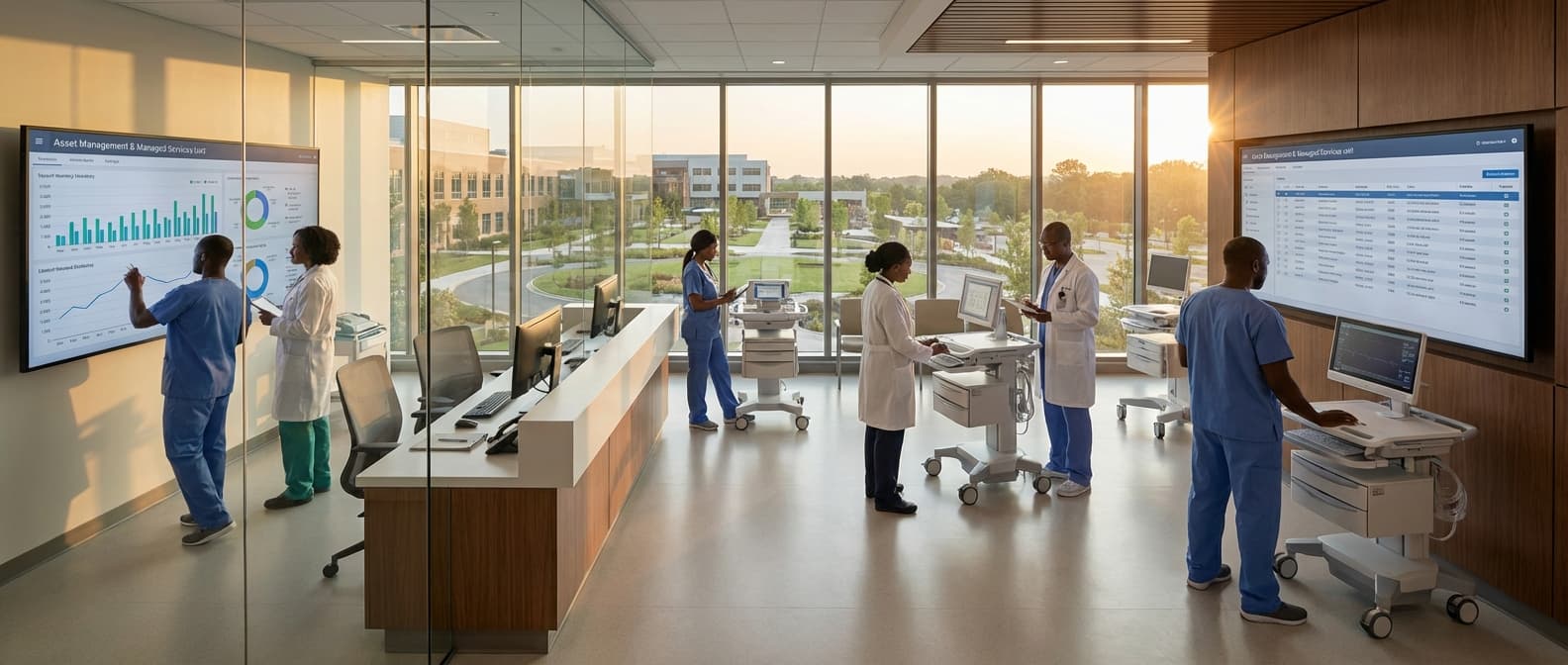
Equipment Fleet Standardization Consulting Service in Congo (Kinshasa)
Engineering Excellence & Technical Support
Equipment Fleet Standardization Consulting Service High-standard technical execution following OEM protocols and local regulatory frameworks.
Optimized Asset Allocation & Utilization
Leverage advanced data analytics to map current equipment distribution against operational demands in Kinshasa. We identify underutilized assets and bottlenecks, proposing standardized fleet configurations that maximize availability and minimize idle time for critical infrastructure and mining projects.
Reduced Total Cost of Ownership (TCO) via Unified Maintenance
Implement standardized equipment models to streamline maintenance, repair, and overhaul (MRO) processes. This reduces spare parts inventory, simplifies technician training, and leverages bulk purchasing power, leading to significant cost savings and increased equipment uptime across your Kinshasa operations.
Enhanced Operational Efficiency & Performance Metrics
Establish consistent operational parameters and performance benchmarks for standardized equipment. Our consulting will integrate real-time monitoring systems, enabling predictive maintenance and data-driven decision-making to boost productivity, improve safety records, and ensure compliance with local regulations in the DRC.
What Is Equipment Fleet Standardization Consulting Service In Congo (Kinshasa)?
Equipment Fleet Standardization Consulting Service in Congo (Kinshasa) refers to a specialized advisory offering focused on optimizing the acquisition, deployment, maintenance, and management of a company's diverse fleet of machinery and vehicles within the geographical and economic context of the Democratic Republic of Congo, specifically Kinshasa. This service aims to reduce operational complexities, enhance efficiency, and improve cost-effectiveness by promoting the adoption of a uniform or highly compatible set of equipment types and models across an organization's operations. Key aspects include strategic procurement, lifecycle management, data analytics for performance monitoring, and the development of standardized operational and maintenance protocols tailored to the local operating environment, including its unique logistical challenges and regulatory landscape.
| Target Industries/Sectors | Who Needs This Service | Typical Use Cases |
|---|---|---|
| Mining and Extractive Industries | Companies with large, diverse fleets of heavy machinery (excavators, haul trucks, drills) operating in challenging terrains and remote locations. | Reducing spare parts inventory, improving technician specialization, standardizing fuel consumption monitoring, optimizing equipment uptime for continuous operations. |
| Construction and Infrastructure Development | Firms undertaking large-scale projects requiring a variety of earthmoving equipment, cranes, concrete mixers, and transport vehicles. | Streamlining site logistics, simplifying equipment deployment and redeployment, reducing training overhead for diverse equipment operation, ensuring consistent project timelines through reliable equipment availability. |
| Logistics and Transportation | Businesses managing fleets of trucks, vans, and specialized vehicles for freight movement and delivery services. | Optimizing fleet utilization, standardizing maintenance for reduced downtime, improving fuel efficiency through model-specific tracking, simplifying driver training and compliance. |
| Agriculture and Agribusiness | Large-scale agricultural operations requiring tractors, harvesters, and other specialized farming machinery. | Ensuring interoperability of implements, standardizing maintenance for seasonal demands, reducing reliance on scarce specialized repair expertise, optimizing crop cycle efficiency. |
| Energy (Oil & Gas, Power Generation) | Companies operating exploration, production, and power generation facilities with fleets of specialized vehicles and heavy equipment. | Enhancing operational safety through standardized controls, simplifying emergency response protocols, ensuring parts availability in remote operational zones, reducing maintenance complexity. |
| Telecommunications and Utilities | Organizations deploying and maintaining extensive networks requiring vehicles for field service, installation, and maintenance. | Improving response times with standardized equipment, reducing the variety of tools and spare parts required by field technicians, optimizing vehicle allocation for service routes. |
Key Components of Equipment Fleet Standardization Consulting
- Fleet Audit and Analysis: Comprehensive review of existing equipment inventory, utilization rates, maintenance records, and associated costs.
- Strategic Standardization Planning: Development of a roadmap for reducing fleet diversity through phased replacement and targeted acquisition strategies.
- Equipment Selection and Sourcing: Identification and recommendation of standardized equipment models based on operational needs, reliability, local availability of parts and service, and total cost of ownership (TCO).
- Procurement Support: Assistance in negotiating with manufacturers and suppliers for favorable terms, bulk discounts, and after-sales support.
- Maintenance and Repair Optimization: Establishment of standardized maintenance schedules, diagnostic procedures, and training programs for technical personnel.
- Training and Capacity Building: Development and delivery of training programs for operators and maintenance technicians on standardized equipment.
- Technology Integration: Implementation of fleet management software (FMS) and telematics for real-time monitoring, data collection, and performance analysis.
- Risk Management and Safety Protocols: Development of standardized safety procedures and risk mitigation strategies specific to the operating environment.
- Regulatory Compliance Advisory: Ensuring that standardized equipment and operational practices adhere to Congolese regulations and industry standards.
Who Needs Equipment Fleet Standardization Consulting Service In Congo (Kinshasa)?
In the dynamic and resource-rich landscape of Congo (Kinshasa), optimizing the efficiency and cost-effectiveness of equipment fleets is paramount for businesses operating in various sectors. Equipment fleet standardization consulting services are crucial for organizations looking to streamline operations, reduce maintenance costs, improve safety, and enhance overall productivity. These services help companies in making strategic decisions about the types of equipment they acquire, manage, and maintain, leading to significant long-term benefits.
| Customer Type | Typical Departments Involved | Key Needs & Benefits of Standardization |
|---|---|---|
| Mining Companies | Operations, Maintenance, Procurement, Fleet Management, Finance | Standardizing haul trucks, excavators, and drilling equipment reduces training needs, simplifies spare parts inventory, streamlines maintenance procedures, and allows for bulk purchasing discounts. |
| Construction Firms | Project Management, Site Operations, Equipment Management, Procurement, Maintenance | Standardizing earthmoving equipment, cranes, and concrete machinery leads to faster deployment, reduced on-site repair times, common operator training, and better utilization rates across multiple projects. |
| Logistics and Transportation Providers | Fleet Operations, Maintenance, Procurement, Dispatch, Finance | Standardizing trucks, trailers, and forklifts improves driver training, simplifies maintenance schedules, optimizes fuel efficiency, and allows for better negotiation on parts and service contracts. |
| Energy and Utilities Sector | Field Operations, Maintenance, Procurement, Safety, Project Management | Standardizing specialized vehicles (e.g., for line repair, drilling), generators, and heavy-duty transport equipment ensures interoperability, simplifies emergency response, and reduces downtime for critical infrastructure. |
| Agribusiness and Forestry Operations | Farm Management, Harvesting Operations, Maintenance, Procurement | Standardizing tractors, harvesters, and logging equipment simplifies operator training, reduces the complexity of spare parts, and allows for more efficient use of a uniform fleet for seasonal demands. |
| Government Agencies and Municipalities | Public Works, Fleet Management, Procurement, Parks & Recreation, Emergency Services | Standardizing vehicles for road maintenance, waste management, emergency response, and public services leads to cost savings through bulk purchasing, standardized maintenance protocols, and improved inter-agency cooperation. |
| Large-Scale Industrial Manufacturers | Plant Operations, Maintenance, Logistics, Procurement, Warehouse Management | Standardizing forklifts, industrial vehicles, and material handling equipment optimizes internal logistics, reduces training costs for operators and mechanics, and ensures consistent operational efficiency within the plant. |
| Telecommunications Infrastructure Providers | Field Operations, Network Deployment, Maintenance, Fleet Management, Procurement | Standardizing vehicles for site access, equipment transport, and crew deployment improves logistical planning, simplifies maintenance in remote locations, and ensures the reliable operation of installation and repair fleets. |
Target Customers and Departments in Congo (Kinshasa) Requiring Equipment Fleet Standardization Consulting Services
- Mining Companies
- Construction Firms
- Logistics and Transportation Providers
- Energy and Utilities Sector (Oil & Gas, Power Generation)
- Agribusiness and Forestry Operations
- Government Agencies and Municipalities
- Large-Scale Industrial Manufacturers
- Telecommunications Infrastructure Providers
Equipment Fleet Standardization Consulting Service Process In Congo (Kinshasa)
This document outlines the typical workflow for an Equipment Fleet Standardization Consulting Service in Congo (Kinshasa), from initial client inquiry through the successful execution and delivery of the project. The process is designed to be comprehensive, collaborative, and tailored to the specific needs and context of businesses operating in this region.
| Phase | Key Activities | Deliverables | Key Stakeholders | Timeline (Typical) |
|---|---|---|---|---|
| Client contacts the consulting firm. Initial meeting to understand client's challenges, objectives, and current fleet situation. Discussion of potential benefits of standardization. Preliminary assessment of scope and feasibility. | Understanding of client's needs, preliminary scope definition, commitment to further engagement. | Client Management, Operations, Procurement, Finance; Consulting Firm Business Development, Senior Consultants. | 1-2 Weeks |
| Consulting firm develops a detailed proposal outlining scope of work, methodology, timelines, team composition, and pricing. Presentation of proposal to the client. Negotiation and finalization of contract/agreement. | Formal Proposal, Signed Contract/Service Agreement. | Client Executive Leadership, Procurement, Finance; Consulting Firm Management, Project Lead. | 2-4 Weeks |
| Kick-off meeting to formally launch the project. Detailed project plan development, including specific tasks, milestones, responsibilities, communication protocols, and risk mitigation strategies. Establishment of project governance. Mobilization of consulting team. | Project Charter, Detailed Project Plan, Stakeholder Register, Communication Plan, Risk Register. | Client Project Team, End-Users, Operational Staff; Consulting Firm Project Manager, Consultants. | 1-2 Weeks |
| Gathering comprehensive data on the current equipment fleet: inventory, age, utilization, maintenance records, operating costs, fuel consumption, technical specifications, usage patterns, and vendor information. Site visits and interviews. Data validation and cleansing. | Comprehensive Fleet Inventory, Cost Analysis Reports, Utilization Benchmarks, Maintenance Performance Metrics. | Client Operations, Maintenance, Procurement, IT; Consulting Firm Data Analysts, Consultants. | 4-8 Weeks |
| Analyzing collected data to identify inefficiencies and opportunities. Defining standardization criteria (e.g., manufacturer, model, engine type, fuel efficiency, parts compatibility). Developing a recommended standardized fleet model, considering operational needs, cost-effectiveness, and local availability of parts/service. Conducting cost-benefit analysis of standardization scenarios. | Standardization Strategy Document, Recommended Fleet Model, Cost-Benefit Analysis Report, Technical Specifications for Standardized Equipment. | Client Senior Management, Operations, Technical Teams; Consulting Firm Strategy Consultants, Technical Specialists. | 4-6 Weeks |
| Developing a phased implementation roadmap for transitioning to the standardized fleet. Identifying potential challenges and developing mitigation plans. Planning for procurement, training, and disposal of existing assets. Defining key performance indicators (KPIs) for measuring success. Securing necessary approvals and resources. | Implementation Roadmap, Procurement Strategy, Training Plan, Change Management Plan, KPI Framework. | Client Project Team, Procurement, HR, Finance, Operations; Consulting Firm Implementation Specialists, Project Manager. | 3-5 Weeks |
| Overseeing the implementation of the standardization plan. Managing procurement processes, coordinating with vendors, supporting training initiatives, and monitoring asset disposal. Regular progress reporting and problem-solving. Ensuring adherence to the project plan and budget. | Progress Reports, Procurement Updates, Training Session Records, Milestone Achievement Confirmation. | Client Project Team, Procurement, Operations, Maintenance; Consulting Firm Project Manager, Consultants. | Variable (depends on fleet size and complexity) |
| Compiling a comprehensive final report detailing the project's outcomes, achieved benefits, lessons learned, and recommendations for ongoing fleet management. Conducting knowledge transfer sessions to equip the client's team with the skills and processes for maintaining the standardized fleet. | Final Project Report, Lessons Learned Document, Training Materials, Best Practice Guides. | Client Executive Leadership, Project Team, Operational Staff; Consulting Firm Project Manager, Senior Consultants. | 2-3 Weeks |
| Conducting a follow-up review to assess the impact of the standardization on operational efficiency, cost savings, and overall performance. Providing ongoing advisory support as needed for continuous improvement and optimization of the standardized fleet. | Post-Implementation Review Report, Performance Trend Analysis, Recommendations for Future Improvements, Ongoing Support Agreements. | Client Senior Management, Operations, Maintenance; Consulting Firm Project Manager, Senior Consultants. | Ongoing (as per agreement) |
Equipment Fleet Standardization Consulting Service Process Workflow in Congo (Kinshasa)
- Phase 1: Initial Inquiry & Consultation
- Phase 2: Proposal Development & Agreement
- Phase 3: Project Inception & Planning
- Phase 4: Data Collection & Analysis
- Phase 5: Standardization Strategy Development
- Phase 6: Implementation Planning & Support
- Phase 7: Project Execution & Monitoring
- Phase 8: Final Reporting & Knowledge Transfer
- Phase 9: Post-Implementation Review & Support
Equipment Fleet Standardization Consulting Service Cost In Congo (Kinshasa)
Estimating the cost of Equipment Fleet Standardization Consulting Services in Congo (Kinshasa) requires a nuanced understanding of several key factors. The complexity of the existing fleet, the desired level of standardization, the scope of the project, and the experience of the consulting firm all play a significant role. Prices are typically quoted in local currency, the Congolese Franc (CDF), and can vary considerably.
| Service Component | Typical Cost Range (CDF per day/project) |
|---|---|
| Initial Fleet Assessment & Analysis | 500,000 - 1,500,000 CDF (daily rate) |
| Development of Standardization Strategy & Policy | 2,000,000 - 10,000,000 CDF (project-based, depending on complexity) |
| Equipment Specification & Selection | 750,000 - 2,500,000 CDF (project-based, per category) |
| Procurement Strategy & Support | 1,000,000 - 5,000,000 CDF (project-based, depending on negotiation complexity) |
| Implementation Planning & Oversight | 750,000 - 2,000,000 CDF (daily rate) |
| Training Material Development & Delivery | 1,500,000 - 7,000,000 CDF (project-based, depending on scope and audience) |
| Overall Project Management & Consulting Fees | Variable, often a percentage of project scope or based on daily rates. Full project could range from 15,000,000 CDF to 100,000,000+ CDF depending on the factors listed above. |
Key Pricing Factors for Equipment Fleet Standardization Consulting in Congo (Kinshasa)
- Fleet Size and Diversity: The larger and more varied the equipment fleet (e.g., construction machinery, vehicles, agricultural equipment), the more extensive the analysis and planning required, leading to higher costs.
- Scope of Standardization: Are we talking about standardizing across a single type of equipment, or a comprehensive overhaul across multiple categories? The depth of the standardization effort directly impacts consulting hours.
- Project Complexity: Factors like geographically dispersed operations, existing contractual obligations with suppliers, and the need for significant technological integration will increase complexity and cost.
- Consulting Firm Expertise and Reputation: Highly specialized and reputable consulting firms with a proven track record in fleet management and standardization will command higher fees.
- Duration of the Engagement: The estimated time required for the project, from initial assessment to implementation support, is a primary driver of cost. This can range from a few weeks for a focused assessment to several months for a full implementation.
- Deliverables Required: The specific outputs expected from the consultants (e.g., detailed reports, procurement strategies, training materials, implementation plans) will influence the scope and therefore the price.
- Level of Client Involvement: The extent to which the client's internal team can actively participate in data collection, analysis, and decision-making can impact the overall consulting hours needed.
- Geographical Reach within Congo (Kinshasa): If the fleet is spread across multiple regions within Congo (Kinshasa), travel and logistical costs for the consultants will add to the overall price.
Affordable Equipment Fleet Standardization Consulting Service Options
Our Affordable Equipment Fleet Standardization Consulting Service helps businesses of all sizes optimize their equipment operations by reducing costs, improving efficiency, and enhancing safety through strategic fleet standardization. We offer flexible value bundles tailored to your specific needs and budget, alongside proven cost-saving strategies. Standardization simplifies maintenance, reduces training overhead, streamlines parts inventory, and improves resale value. Our consulting focuses on identifying the most impactful standardization opportunities for your fleet, whether it's a small construction company or a large logistics provider.
| Cost-Saving Strategy | Description | Estimated Impact on Total Fleet Cost |
|---|---|---|
| Reduced Maintenance Complexity | Standardizing on fewer models/brands simplifies technician training, reduces specialized tool requirements, and allows for bulk purchasing of common parts. | 5-15% |
| Optimized Parts Inventory | Fewer unique parts needed mean lower inventory holding costs, reduced risk of obsolescence, and faster part availability. | 3-10% |
| Lower Procurement Costs | Consolidated purchasing power for standardized equipment leads to better volume discounts and favorable negotiation terms with fewer suppliers. | 7-12% |
| Improved Resale Value | Standardized fleets are often more attractive to buyers, leading to higher residual values and better trade-in options. | 2-5% |
| Streamlined Operator Training | Operators trained on one or two core equipment types can be cross-trained more easily, reducing training time and costs. | 3-8% |
| Enhanced Uptime and Productivity | Fewer equipment variations mean less troubleshooting, quicker repairs, and more consistent operational performance. | 4-10% |
Value Bundles
- {"title":"Essential Standardization Package","description":"Ideal for smaller fleets or those new to standardization. Includes initial fleet assessment, basic standardization recommendations, and a prioritized action plan for 1-2 key equipment categories.","price_range":"$1,500 - $3,000"}
- {"title":"Growth Standardization Package","description":"Suitable for medium-sized fleets or businesses looking for more comprehensive standardization. Covers a deeper fleet analysis, standardization across multiple equipment categories, vendor negotiation support, and a detailed implementation roadmap.","price_range":"$3,500 - $7,000"}
- {"title":"Enterprise Standardization Solution","description":"Comprehensive service for larger fleets and complex operations. Includes full fleet diagnostics, strategic standardization across all relevant categories, procurement optimization, advanced data analytics for ROI tracking, and ongoing support. Custom pricing based on fleet size and complexity.","price_range":"Custom Quote"}
- {"title":"Module Add-ons","description":"Customize your chosen package with specific modules like 'Telematics Integration for Standardization,' 'Operator Training Standardization,' or 'Sustainable Equipment Sourcing.'","price_range":"A la carte pricing ($500 - $2,000 per module)"}
Verified Providers In Congo (Kinshasa)
In the Democratic Republic of Congo (Kinshasa), navigating the healthcare landscape can be challenging. Ensuring you receive quality care from trusted professionals is paramount. Franance Health has emerged as a leading platform for verifying healthcare providers, offering unparalleled assurance and efficiency. Their rigorous credentialing process and commitment to patient well-being make them the optimal choice for anyone seeking reliable medical services in Kinshasa.
| Key Franance Health Credentials | Description |
|---|---|
| License Verification | Confirms that healthcare providers possess valid and current licenses to practice within the DRC. |
| Educational Attainment Confirmation | Verifies the authenticity of medical degrees and diplomas from accredited institutions. |
| Professional Experience Validation | Cross-references reported work history and specialized training with reliable sources. |
| Background Checks | Includes checks for any disciplinary actions or malpractice claims against the provider. |
| Continuing Medical Education (CME) Compliance | Ensures providers are up-to-date with the latest medical advancements and best practices. |
| Specialty Certification | Validates specific certifications in areas of medical expertise. |
Why Franance Health is the Best Choice for Verified Providers:
- Rigorous Verification Process: Franance Health employs a multi-faceted approach to verify the qualifications, licenses, and professional history of every provider on their platform. This includes checks with relevant medical boards, educational institutions, and professional organizations, ensuring that only legitimate and competent practitioners are listed.
- Commitment to Patient Safety: The primary objective of Franance Health is to safeguard patient well-being. By meticulously vetting providers, they minimize the risk of encountering unqualified or fraudulent individuals, thereby enhancing the overall safety and quality of healthcare received.
- Transparency and Accessibility: Franance Health provides clear and accessible information about each verified provider, including their specializations, experience, and any relevant certifications. This empowers patients to make informed decisions about their healthcare choices.
- Streamlined Access to Care: The platform simplifies the process of finding and booking appointments with verified healthcare professionals, saving patients valuable time and reducing the stress often associated with seeking medical attention in a complex environment.
- Continuous Monitoring and Updates: Franance Health doesn't just verify providers once. They maintain ongoing monitoring and regularly update their verification status to ensure that all listed professionals continue to meet their high standards.
- Building Trust in the Healthcare System: By establishing a benchmark for provider credibility, Franance Health contributes to rebuilding trust within the healthcare system in Kinshasa, benefiting both patients and ethical practitioners.
Scope Of Work For Equipment Fleet Standardization Consulting Service
This Scope of Work (SOW) outlines the consulting services required for the standardization of the client's equipment fleet. The objective is to improve operational efficiency, reduce maintenance costs, enhance safety, and streamline procurement processes through the adoption of a standardized equipment catalog. This SOW details the technical deliverables and the standard specifications that will be developed and implemented.
| Deliverable | Description | Format/Output | Timeline (Weeks) |
|---|---|---|---|
| Current Fleet Assessment Report | Analysis of the existing equipment fleet, identifying types, age, utilization, maintenance history, and operational gaps. | Written report with supporting data analysis and visualizations. | 2 |
| Standardized Equipment Catalog | A curated list of recommended equipment types, models, and configurations to be adopted across the fleet, categorized by function and operational role. | Digital catalog (e.g., Excel, database format) with unique identifiers and descriptions. | 4 |
| Technical Specification Documents | Detailed technical requirements for each standardized equipment type, including performance metrics, safety features, materials, emissions standards, warranty requirements, and approved vendor lists. | Formal specification documents (e.g., PDF) for each equipment category. | 6 |
| Implementation Roadmap | A phased plan for introducing standardized equipment, including timelines, budget considerations, disposal of non-standard equipment, and training schedules. | Project plan document with Gantt charts and key milestones. | 3 |
| Procurement Strategy Recommendations | Guidelines for purchasing standardized equipment, including vendor evaluation criteria, contract negotiation points, and bulk purchasing opportunities. | Written recommendations report. | 2 |
| Training Material Development | Creation of user manuals, maintenance guides, and safety training modules for the standardized equipment. | Digital training materials (e.g., presentations, PDFs, videos). | 4 |
| Pilot Program Support | Assistance in the implementation of a pilot program for a select set of standardized equipment, including data collection and performance monitoring. | On-site support, data analysis, and progress reports. | 8 |
| Final Project Report | Comprehensive summary of the project, including achieved standardization levels, cost savings analysis, and recommendations for ongoing fleet management. | Final written report and presentation. | 2 |
Key Objectives
- Develop a comprehensive equipment catalog based on operational needs and standardization principles.
- Define detailed technical specifications for each standardized equipment category.
- Establish a phased implementation plan for fleet standardization.
- Provide recommendations for procurement strategies to support standardization.
- Develop training materials for relevant personnel on the standardized equipment and specifications.
- Assist in the initial rollout and validation of standardized equipment and processes.
Service Level Agreement For Equipment Fleet Standardization Consulting Service
This Service Level Agreement (SLA) outlines the terms and conditions for the Equipment Fleet Standardization Consulting Service provided by [Your Company Name] to [Client Company Name]. It specifically addresses response times for technical support and guarantees regarding the uptime of the provided consulting platform and associated tools. This SLA aims to ensure the efficient and effective implementation of fleet standardization strategies.
| Issue Severity | Definition | Acknowledgement & Troubleshooting Start Time | Resolution Target (Best Effort) |
|---|---|---|---|
| Critical | System outage impacting core analysis, inability to access essential data. | Within 1 hour | Immediate or within 4 business hours |
| High-Priority | Significant functional impairment, slow performance affecting user productivity. | Within 4 business hours | Within 2 business days |
| Medium-Priority | Minor functional issues, reporting inaccuracies, feature requests. | Within 8 business hours | Within 5 business days |
| Low-Priority | General inquiries, documentation requests, minor cosmetic bugs. | Within 2 business days | As per project roadmap or next scheduled update |
Key Service Components and Uptime Guarantees
- Consulting Platform Uptime: The consulting platform and all associated digital tools provided by [Your Company Name] will be available and operational for at least 99.5% of the time during the agreed-upon service hours.
- Response Times for Critical Issues: For issues categorized as 'Critical' (e.g., system outage impacting core analysis, inability to access essential data), [Your Company Name] will acknowledge and begin active troubleshooting within 1 hour of notification.
- Response Times for High-Priority Issues: For issues categorized as 'High-Priority' (e.g., significant functional impairment, slow performance affecting user productivity), [Your Company Name] will acknowledge and begin active troubleshooting within 4 business hours of notification.
- Response Times for Medium-Priority Issues: For issues categorized as 'Medium-Priority' (e.g., minor functional issues, reporting inaccuracies, feature requests), [Your Company Name] will acknowledge and provide an initial response or a plan for resolution within 8 business hours of notification.
- Response Times for Low-Priority Issues: For issues categorized as 'Low-Priority' (e.g., general inquiries, documentation requests, minor cosmetic bugs), [Your Company Name] will acknowledge and provide a response within 2 business days of notification.
- Definition of Business Hours: Business hours are defined as Monday through Friday, 9:00 AM to 5:00 PM [Client's Time Zone], excluding national holidays.
Frequently Asked Questions

Ready when you are
Let's scope your Equipment Fleet Standardization Consulting Service in Congo (Kinshasa) project in Congo (Kinshasa).

Scaling healthcare logistics and technical systems across the entire continent.