
Clinical Needs Assessment for Medical Equipment in Congo (Brazzaville)
Engineering Excellence & Technical Support
Clinical Needs Assessment for Medical Equipment High-standard technical execution following OEM protocols and local regulatory frameworks.
Community-Centered Needs Identification
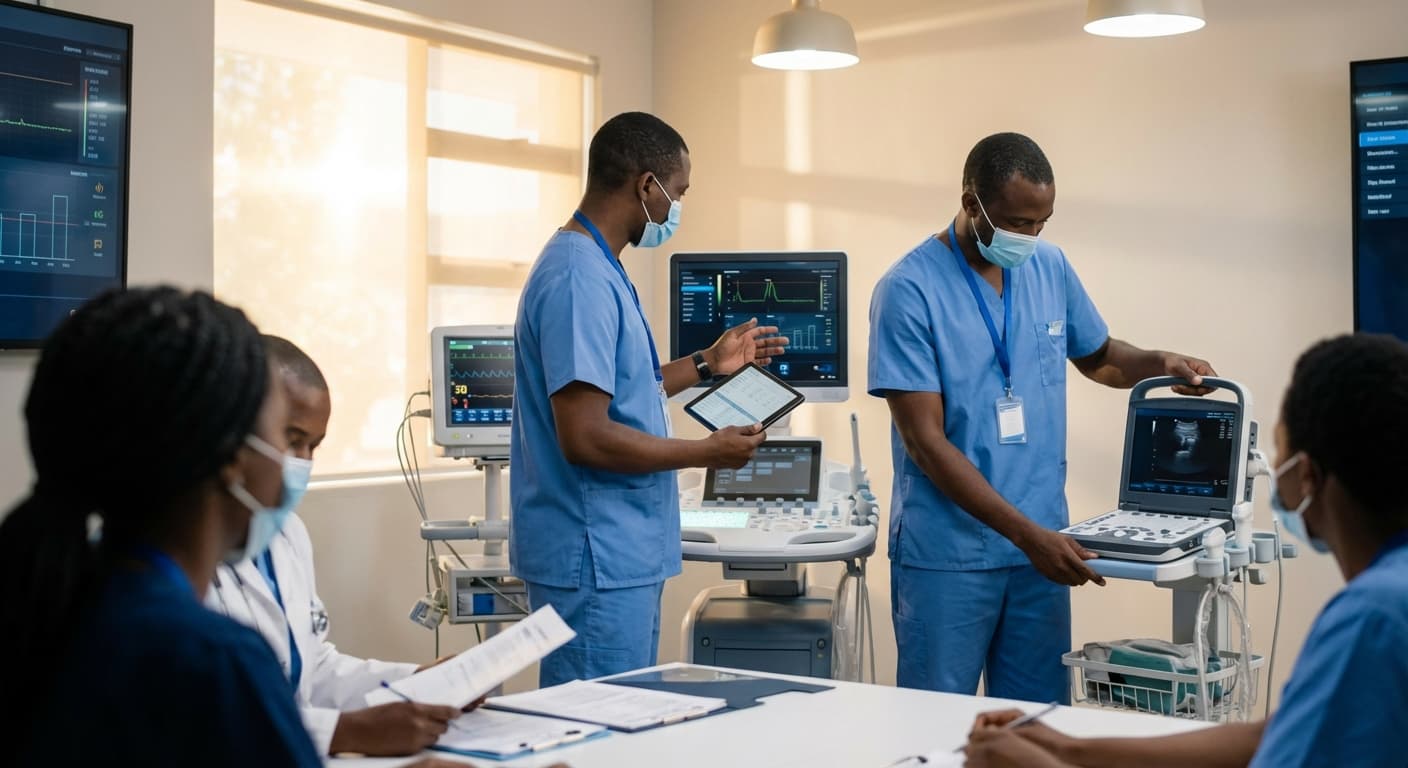
Leveraged participatory rural appraisal (PRA) techniques and engaged directly with frontline healthcare workers and community health agents in remote areas of Congo-Brazzaville. This ensured equipment needs were grounded in actual patient caseloads, prevalent diseases, and existing infrastructure limitations, fostering community ownership and long-term sustainability.
Data-Driven Prioritization Framework
Developed and implemented a data-driven prioritization framework for medical equipment, analyzing disease prevalence, mortality rates, existing equipment status (functionality, age, maintenance history), and cost-effectiveness. This allowed for strategic allocation of limited resources to address the most critical public health challenges in Congo-Brazzaville.
Logistical & Maintenance Pathway Design
Integrated logistical planning and a sustainable maintenance strategy from the outset of the needs assessment. Identified key supply chain vulnerabilities, assessed local technical capacity for repairs and upkeep, and recommended appropriate training programs for biomedical technicians to ensure the long-term operational viability of acquired medical equipment in Congo-Brazzaville.
What Is Clinical Needs Assessment For Medical Equipment In Congo (Brazzaville)?
Clinical Needs Assessment for Medical Equipment in Congo (Brazzaville) is a systematic and comprehensive evaluation process designed to identify, quantify, and prioritize the medical equipment requirements of healthcare facilities and the broader healthcare system within the Republic of Congo. This service aims to ensure that existing and future medical equipment procurement, deployment, and utilization are aligned with specific clinical demands, patient populations, disease prevalence, and service delivery objectives. It involves a detailed analysis of current healthcare infrastructure, operational workflows, available human resources, and clinical service offerings to determine deficits and recommend appropriate technological solutions. The assessment is crucial for optimizing resource allocation, enhancing healthcare quality, improving patient outcomes, and achieving sustainable healthcare development.
| Who Needs This Service? | Typical Use Cases | |||
|---|---|---|---|---|
| Ministry of Health of Congo (Brazzaville): For national health policy development, strategic planning, and resource allocation for the entire healthcare sector. | Developing national medical equipment procurement strategies and master plans. | Identifying critical equipment gaps in underserved regions or for specific disease programs (e.g., maternal and child health, infectious diseases). | Prioritizing equipment investments for new healthcare facility construction or renovation projects. | |
| Regional and District Health Directorates: For localized planning and resource management within their administrative areas. | Optimizing equipment distribution across primary, secondary, and tertiary healthcare facilities within a region. | Assessing equipment needs for district hospitals and health centers based on local population demographics and health challenges. | Developing regional equipment maintenance and repair plans. | |
| Public and Private Healthcare Facilities (Hospitals, Clinics, Diagnostic Centers): For direct operational planning and service improvement. | Updating or expanding existing medical equipment inventories to meet growing patient demand or introduce new services. | Justifying funding requests for new equipment acquisition to government bodies, NGOs, or international donors. | Identifying redundant or obsolete equipment for decommissioning and replacement. | Planning for equipment upgrades to enhance diagnostic accuracy or therapeutic efficacy. |
| International Development Agencies and Non-Governmental Organizations (NGOs): For targeted project design and funding allocation. | Designing specific health intervention projects that require new or upgraded medical equipment. | Ensuring that donated or funded equipment aligns with the actual clinical needs of recipient facilities. | Evaluating the long-term sustainability of equipment-based projects through effective needs assessment. | |
| Medical Equipment Manufacturers and Suppliers: To inform their market entry and product development strategies. | Understanding the specific technological requirements and preferences of the Congolese healthcare market. | Tailoring product offerings and support services to address identified clinical needs and challenges. | Identifying opportunities for long-term partnerships and capacity building. |
Key Components of a Clinical Needs Assessment for Medical Equipment
- Facility-level assessment: Evaluating the current state of medical equipment, its condition, functionality, and utilization within individual hospitals, clinics, and health centers.
- Clinical service analysis: Mapping existing and planned clinical services against the equipment required for their effective delivery, considering both general and specialized care.
- Disease burden and epidemiological data review: Incorporating local epidemiological data to understand prevalent diseases and associated diagnostic and therapeutic equipment needs.
- Human resource capacity evaluation: Assessing the availability of trained personnel to operate, maintain, and repair medical equipment.
- Infrastructure and utilities assessment: Verifying the availability and reliability of essential utilities (power, water, internet) required for specific equipment.
- Cost-benefit analysis and return on investment (ROI) projections: Evaluating the financial implications of equipment acquisition, including operational costs, training, and maintenance, against anticipated improvements in healthcare delivery.
- Regulatory and standards compliance: Ensuring proposed equipment meets national and international healthcare standards and regulatory requirements.
- Technology obsolescence forecasting: Identifying equipment nearing the end of its lifecycle and planning for replacements.
- User feedback and stakeholder consultation: Engaging with clinicians, technicians, administrators, and patients to gather qualitative insights into equipment needs and usability.
Who Needs Clinical Needs Assessment For Medical Equipment In Congo (Brazzaville)?
A comprehensive clinical needs assessment is crucial for optimizing the acquisition and utilization of medical equipment in Congo (Brazzaville). This process ensures that resources are allocated effectively, aligning with the actual healthcare demands and service delivery capabilities of various institutions. Without a proper assessment, there's a risk of purchasing inappropriate, underutilized, or outdated equipment, leading to wasted investment and compromising patient care. The assessment identifies gaps in existing infrastructure, technological requirements, and the availability of trained personnel, guiding procurement decisions and contributing to a more sustainable and efficient healthcare system.
| Department/Unit | Key Needs | Examples of Equipment to Assess |
|---|---|---|
| Emergency Room/Trauma Center | Immediate life support, resuscitation, stabilization, diagnostic imaging. | Ventilators, defibrillators, ECG machines, X-ray machines, ultrasound, patient monitors, suction units, trauma kits. |
| Intensive Care Unit (ICU) | Continuous monitoring, advanced life support, invasive procedures. | High-end ventilators, advanced patient monitors, infusion pumps, dialysis machines, specialized beds, blood gas analyzers. |
| Surgical Departments (General, Orthopedic, Obstetrics/Gynecology, etc.) | Surgical procedures, anesthesia, post-operative care. | Operating tables, surgical lights, anesthesia machines, electrosurgical units, sterilizers, surgical instruments, patient monitors, ventilators. |
| Maternity and Neonatal Units | Antenatal care, labor and delivery, neonatal care, management of premature infants. | Incubators, radiant warmers, phototherapy units, neonatal ventilators, fetal dopplers, ultrasound machines, delivery beds. |
| Pediatric Departments | Child-specific diagnostics, treatment, and monitoring. | Pediatric ventilators, incubators, infant warmers, specialized diagnostic equipment (e.g., pediatric stethoscopes), nebulizers. |
| Internal Medicine/General Wards | Diagnosis and treatment of common diseases, patient monitoring. | Patient monitors, ECG machines, diagnostic ultrasound, nebulizers, infusion pumps, vital signs monitors. |
| Diagnostic Imaging (Radiology, Ultrasound) | Diagnostic imaging for a wide range of conditions. | X-ray machines (including mobile), CT scanners, MRI scanners, ultrasound machines (various types), PACS systems. |
| Laboratory Services | Diagnostic testing for blood, urine, and other bodily fluids. | Hematology analyzers, chemistry analyzers, microscopes, centrifuges, incubators, ELISA readers, PCR machines. |
| Outpatient Clinics/Primary Healthcare Centers | Basic diagnostics, screening, essential treatment, and referral. | Vital signs monitors, ECG machines, basic ultrasound, diagnostic kits, nebulizers, basic laboratory equipment. |
| Rehabilitation Services | Therapeutic interventions for recovery and improved function. | Physiotherapy equipment (e.g., treadmills, exercise bikes, electrotherapy units), occupational therapy supplies, assistive devices. |
| Pharmacy | Drug storage, dispensing, and potentially compounding. | Refrigerators for medications, compounding equipment (if applicable), dispensing systems. |
| Central Sterile Supply Department (CSSD) | Sterilization and decontamination of medical equipment. | Autoclaves, ultrasonic cleaners, washer-disinfectors, packaging materials. |
| Information Technology (IT) and Health Informatics | Electronic Health Records (EHR), Picture Archiving and Communication Systems (PACS), data management. | Servers, workstations, networking equipment, specialized software. |
Target Customers and Departments Requiring Clinical Needs Assessment for Medical Equipment in Congo (Brazzaville)
- Ministry of Health and Population (MOHP)
- Public Hospitals
- Private Hospitals
- Clinics and Health Centers
- Specialized Medical Centers
- Non-Governmental Organizations (NGOs) involved in healthcare
- International Aid Organizations
- Medical Training Institutions
Clinical Needs Assessment For Medical Equipment Process In Congo (Brazzaville)
This document outlines the workflow for a Clinical Needs Assessment for Medical Equipment in Congo (Brazzaville). The process is designed to systematically identify, prioritize, and plan for the procurement of essential medical equipment to meet the healthcare needs of the population. The workflow begins with an initial inquiry and culminates in the execution and implementation of the identified equipment solutions.
| Stage | Key Activities | Responsible Parties | Expected Outcome |
|---|---|---|---|
| Receive request, confirm scope, initiate dialogue. | Healthcare Facility/Ministry of Health, Project Initiator. | Formal agreement to proceed with assessment. |
| Define geographical coverage, service areas, and assessment goals. | Project Team, Ministry of Health, Key Stakeholders. | Clearly defined scope and objectives for the assessment. |
| Identify all relevant individuals/groups and plan engagement strategies. | Project Team, Ministry of Health. | Informed and supportive stakeholders. |
| Design questionnaires, interview guides, site visit protocols. | Project Team (Technical Experts). | Robust plan for data gathering. |
| Conduct interviews, surveys, facility assessments, gather equipment data. | Project Team, Healthcare Staff, Administrators. | Comprehensive and accurate data on existing situation. |
| Analyze collected data, identify unmet needs, and quantify equipment shortages. | Project Team (Analysts, Technical Experts). | Quantified list of equipment needs and service gaps. |
| Rank equipment needs based on impact and urgency, define technical details. | Project Team (Clinical and Technical Experts), Ministry of Health. | Prioritized list of equipment with detailed specifications. |
| Compile assessment findings and recommendations into a formal report; seek feedback. | Project Team, Ministry of Health, Stakeholders. | Validated needs assessment report. |
| Develop procurement strategy, timelines, and detailed budget. | Project Team (Procurement Specialists, Finance Officers), Ministry of Health. | Actionable procurement plan and budget. |
| Secure necessary funds and obtain official approvals. | Project Team, Ministry of Health, Funding Agencies. | Approved funding for equipment procurement. |
| Execute tendering, select suppliers, and purchase equipment. | Project Team (Procurement Unit), Suppliers. | Acquired medical equipment. |
| Install, test, and train users on the new equipment. | Suppliers, Project Team (Technical Staff), Healthcare Staff. | Operational and well-utilized medical equipment. |
| Track equipment performance, utilization, and impact on services. | Ministry of Health, Healthcare Facilities, Project Team. | Sustained functionality and improved healthcare outcomes. |
Workflow Stages and Descriptions
- {"stage":"1. Inquiry & Initial Contact","description":"The process is initiated by an inquiry from a healthcare institution (hospital, clinic, ministry of health department) or a funding partner regarding the need for a clinical needs assessment for medical equipment. This triggers the formal engagement and planning phase."}
- {"stage":"2. Scoping & Objective Definition","description":"Upon initial contact, the scope of the assessment is defined. This involves identifying the specific healthcare facilities or regions to be covered, the target patient populations, and the overarching objectives of the assessment (e.g., improving specific service lines, addressing critical shortages, supporting new health programs)."}
- {"stage":"3. Stakeholder Identification & Engagement","description":"Key stakeholders are identified, including healthcare professionals (doctors, nurses, technicians), hospital administrators, Ministry of Health officials, potential beneficiaries, and any relevant NGOs or international organizations. Early and continuous engagement with these stakeholders is crucial for gathering accurate information and ensuring buy-in."}
- {"stage":"4. Data Collection Strategy Development","description":"A comprehensive data collection strategy is developed. This includes defining the types of data to be collected (e.g., current equipment inventory, equipment condition, utilization rates, maintenance capacity, patient demographics, disease prevalence, service needs), the methodologies to be used (e.g., surveys, interviews, site visits, record reviews), and the tools and templates for data recording."}
- {"stage":"5. Data Collection & Site Visits","description":"The core of the assessment involves systematically collecting data. This often includes site visits to healthcare facilities to observe current practices, assess existing infrastructure, and verify information. Data is collected from various sources as per the developed strategy."}
- {"stage":"6. Data Analysis & Gap Identification","description":"Collected data is analyzed to identify critical gaps in medical equipment. This involves comparing existing resources against current and projected needs, considering factors like technological advancements, disease burden, and service delivery models. Equipment needs are categorized by priority."}
- {"stage":"7. Equipment Prioritization & Specification","description":"Based on the gap analysis, essential medical equipment is prioritized for procurement. This prioritization considers factors such as impact on patient care, cost-effectiveness, availability of consumables and maintenance, and alignment with national health priorities. Technical specifications for each prioritized equipment item are defined."}
- {"stage":"8. Report Generation & Validation","description":"A comprehensive report is generated, detailing the methodology, findings, identified equipment needs, prioritized list, and recommended specifications. This report is then validated with key stakeholders to ensure accuracy and consensus."}
- {"stage":"9. Procurement Planning & Budgeting","description":"Following the validation of the report, a detailed procurement plan is developed, including timelines, potential suppliers, estimated costs, and funding sources. A budget is prepared for the acquisition, installation, training, and ongoing maintenance of the identified equipment."}
- {"stage":"10. Funding Acquisition & Approval","description":"The project seeks funding from appropriate sources (government budgets, grants, donations). The procurement plan and budget are submitted for approval by relevant authorities and funding bodies."}
- {"stage":"11. Procurement & Acquisition","description":"Once funding is secured and approvals are obtained, the procurement process commences. This involves tendering, supplier selection, contract negotiation, and the actual purchase of the medical equipment."}
- {"stage":"12. Installation, Training & Commissioning","description":"Upon delivery, the equipment is installed, tested, and commissioned. Crucially, healthcare personnel receive comprehensive training on the operation, maintenance, and safe use of the new equipment."}
- {"stage":"13. Monitoring & Evaluation","description":"Post-installation, a system for monitoring the utilization, performance, and maintenance of the equipment is established. Regular evaluations are conducted to assess the impact of the new equipment on healthcare delivery and patient outcomes, informing future needs assessments and investments."}
Clinical Needs Assessment For Medical Equipment Cost In Congo (Brazzaville)
This document outlines a clinical needs assessment for medical equipment costs in Congo (Brazzaville), aiming to provide an understanding of pricing factors and approximate ranges in the local currency, the Central African CFA franc (XAF). Accurate and up-to-date pricing is crucial for effective healthcare resource allocation, procurement, and the overall improvement of healthcare services. The assessment considers a range of essential medical equipment commonly required by various clinical settings, from primary healthcare centers to specialized hospitals.
Key Pricing Factors:
Several factors significantly influence the cost of medical equipment in Congo (Brazzaville):
- Equipment Type and Complexity: Basic diagnostic tools will be less expensive than advanced imaging systems or surgical robots.
- Brand and Manufacturer: Reputable international brands generally command higher prices due to perceived quality, reliability, and after-sales support. Local or less-established brands might offer lower-cost alternatives, but their long-term performance and support need careful evaluation.
- New vs. Refurbished/Used: New equipment comes with warranties and the latest technology but at a premium. Refurbished or used equipment can offer substantial cost savings but requires rigorous inspection and a clear understanding of its remaining lifespan and potential maintenance needs.
- Import Duties and Taxes: Congo (Brazzaville) levies import duties and taxes on medical equipment. These can significantly increase the final landed cost.
- Logistics and Shipping: Transportation costs from the point of origin to Brazzaville, including air or sea freight, customs clearance, and inland transportation, are a major component of the total price.
- Installation and Training: Many complex medical devices require specialized installation and comprehensive training for healthcare professionals. These services often represent an additional cost.
- After-Sales Service and Maintenance Contracts: The availability and cost of maintenance contracts are vital for ensuring the long-term operational viability of equipment. These can vary significantly depending on the provider and the scope of coverage.
- Supplier and Distributor Markups: Local distributors and suppliers add their own markups to cover operational costs, profit margins, and to provide local support.
- Currency Fluctuations: While the XAF is pegged to the Euro, global economic shifts and local market dynamics can still indirectly influence pricing, especially for imported goods.
- Local Market Demand and Availability: Scarcity or high demand for specific equipment can drive up prices.
Estimated Pricing Ranges in XAF:
It is important to note that these are estimated ranges and actual prices can vary significantly based on the factors listed above. Prices are presented in Central African CFA francs (XAF). It is highly recommended to obtain formal quotations from multiple suppliers for any specific procurement.
Disclaimer: The figures provided are indicative and intended for planning purposes only. Actual costs will depend on specific supplier quotes, the exact specifications of the equipment, and prevailing market conditions at the time of purchase.
| Equipment Category | Example Items | Estimated Price Range (XAF) |
|---|---|---|
| Diagnostic (Basic) | Stethoscope, Sphygmomanometer | 50,000 - 500,000 |
| Laboratory (Basic) | Microscope (Manual), Centrifuge (Basic) | 200,000 - 1,500,000 |
| Vital Signs Monitors | Basic Multi-parameter Monitor | 600,000 - 3,000,000 |
| Surgical (Basic) | Electrocautery Unit (Basic) | 800,000 - 4,000,000 |
| Anesthesia (Basic) | Basic Anesthesia Machine | 2,000,000 - 10,000,000 |
| Imaging (Portable Ultrasound) | Entry-level Ultrasound | 5,000,000 - 20,000,000 |
| Imaging (X-ray - Basic Stationary) | General Radiography X-ray | 10,000,000 - 40,000,000 |
| Dental Equipment | Basic Dental Chair Unit | 3,000,000 - 15,000,000 |
| Sterilization | Autoclave (Medium Size) | 1,000,000 - 6,000,000 |
| Patient Care (Beds) | Manual Hospital Bed | 100,000 - 600,000 |
| Patient Aids | Wheelchair | 50,000 - 300,000 |
| Respiratory Support | Oxygen Concentrator | 300,000 - 1,500,000 |
| Cardiology | ECG Machine (3-channel) | 500,000 - 2,500,000 |
Common Medical Equipment Categories and Estimated Price Ranges (XAF)
- {"item":"Basic Diagnostic Equipment","description":"Stethoscopes, sphygmomanometers, thermometers, otoscopes, ophthalmoscopes, reflex hammers."}
- {"item":"Laboratory Equipment (Basic)","description":"Microscopes (manual), centrifuges (basic), hot plates, water baths, glassware."}
- {"item":"Vital Signs Monitors (Basic)","description":"Single-parameter or basic multi-parameter monitors."}
- {"item":"Electrocautery Units (Basic)","description":"Monopolar units for minor surgical procedures."}
- {"item":"Anesthesia Machines (Basic)","description":"Non-ventilated or basic semi-open circuit machines."}
- {"item":"Portable Ultrasound Machines","description":"Entry-level models for general diagnostics."}
- {"item":"X-ray Machines (Stationary, Basic)","description":"Simple fixed X-ray units for general radiography."}
- {"item":"Dental Chairs and Equipment","description":"Basic units with essential handpieces and instrumentation."}
- {"item":"Sterilizers (Autoclaves)","description":"Benchtop or small-to-medium sized autoclaves."}
- {"item":"Hospital Beds (Manual)","description":"Basic manual adjustable beds."}
- {"item":"Wheelchairs and Mobility Aids","description":"Standard wheelchairs, crutches, walkers."}
- {"item":"Oxygen Concentrators","description":"Portable or stationary units."}
- {"item":"ECG Machines","description":"Single or three-channel ECG machines."}
Affordable Clinical Needs Assessment For Medical Equipment Options
Conducting a thorough clinical needs assessment for medical equipment is crucial for optimizing patient care and ensuring efficient resource allocation. This process involves identifying current and future equipment requirements based on patient demographics, existing service lines, technological advancements, and regulatory compliance. A well-executed needs assessment empowers healthcare facilities to make informed purchasing decisions, avoiding unnecessary expenditure and ensuring that investments directly support clinical objectives. This approach prioritizes functionality, reliability, and long-term value over short-term cost, ultimately leading to improved operational efficiency and patient outcomes. Understanding how to leverage value bundles and implementing cost-saving strategies are key components of this financial prudence.
| Value Bundle Type | Description | Cost-Saving Strategy | Benefits |
|---|---|---|---|
| Equipment + Service Contracts: | Purchasing medical equipment bundled with comprehensive maintenance, repair, and preventative service agreements. | Negotiated Service Rates: Securing bulk discounts on service contracts by bundling multiple equipment purchases. Extended Warranties: Including longer warranty periods as part of the initial negotiation to defer out-of-pocket repair costs. | Predictable maintenance costs, reduced downtime, extended equipment lifespan, improved operational continuity. |
| Technology + Training: | Acquiring equipment that includes integrated training programs for clinical staff on its proper use and maintenance. | On-site Training Packages: Negotiating for customized training sessions that minimize travel and time away from patient care. Train-the-Trainer Programs: Empowering internal staff to become trainers, reducing ongoing training expenses. | Enhanced staff competency, improved patient safety, increased equipment utilization, faster adoption of new technologies. |
| System Integration Bundles: | Purchasing complementary equipment that is designed to work seamlessly together within a larger clinical system (e.g., imaging machines integrated with PACS). | Reduced Interoperability Costs: Avoiding the expense and complexity of integrating disparate systems. Bulk Purchasing Discounts: Negotiating lower prices for integrated system components. | Streamlined workflows, improved data management, enhanced diagnostic accuracy, more efficient patient throughput. |
| Consumables & Accessories Packages: | Acquiring essential consumables and accessories required for specific equipment as part of a package deal. | Bulk Purchasing Discounts on Consumables: Leveraging lower prices for high-volume purchases of disposables. Just-In-Time Inventory Management: Reducing waste and storage costs through coordinated delivery. | Ensured availability of necessary supplies, reduced per-unit cost of consumables, minimized stock-outs. |
| Refurbished & Pre-owned Equipment Programs: | Considering high-quality, professionally refurbished medical equipment from reputable vendors, often bundled with limited warranties. | Significant Upfront Cost Reduction: Acquiring equipment at a fraction of the cost of new. Extended Lifespan for Mature Technologies: Leveraging well-established, reliable equipment that still meets clinical needs. | Substantial capital savings, quicker deployment of essential equipment, sustainable procurement practices. |
Key Components of an Affordable Clinical Needs Assessment
- Define Scope & Objectives: Clearly outline the purpose and boundaries of the assessment, including specific departments or clinical areas.
- Gather Clinical Input: Engage physicians, nurses, technicians, and administrators to understand their current challenges and future needs.
- Analyze Patient Data: Review patient volumes, case complexity, and expected growth trends to project equipment demand.
- Evaluate Existing Equipment: Assess the condition, utilization, and maintenance costs of current assets to determine replacement or upgrade needs.
- Research Technological Advancements: Stay abreast of new medical technologies that can improve patient care or operational efficiency.
- Consider Regulatory & Compliance Requirements: Ensure all proposed equipment meets relevant safety and quality standards.
- Develop a Prioritized List: Rank identified needs based on clinical impact, urgency, and return on investment.
- Explore Funding & Procurement Options: Investigate various financial models and purchasing strategies.
Verified Providers In Congo (Brazzaville)
In the Democratic Republic of Congo (Brazzaville), navigating the healthcare landscape and finding trustworthy providers can be a significant challenge. Ensuring that healthcare services are delivered by qualified and verified professionals is paramount for patient safety and effective treatment. This is where organizations like Franance Health play a crucial role in establishing a benchmark for excellence and reliability. Their rigorous credentialing process not only validates the expertise of healthcare providers but also instills confidence in patients seeking quality medical care. By adhering to stringent standards, Franance Health empowers individuals to make informed decisions about their health and well-being, knowing they are engaging with providers who meet the highest professional benchmarks.
| Credentialing Aspect | Franance Health's Role | Patient Benefit |
|---|---|---|
| Educational Verification | Confirms the authenticity and validity of degrees and diplomas. | Assurance of foundational medical knowledge and training. |
| Licensure and Certification Checks | Ensures providers hold current and legitimate professional licenses. | Confirmation of legal authorization to practice. |
| Experience Assessment | Evaluates the depth and breadth of practical experience. | Confidence in a provider's practical skills and track record. |
| Professional Standing Review | Investigates any disciplinary actions or malpractice claims. | Mitigation of risks associated with unprofessional conduct. |
| Continuing Education Compliance | Verifies ongoing commitment to professional development. | Access to the latest medical advancements and techniques. |
Why Franance Health Credentials Matter in Congo (Brazzaville)
- Ensuring Competence and Expertise: Franance Health's verification process scrutinizes the academic qualifications, licenses, and practical experience of healthcare professionals, guaranteeing they possess the necessary skills and knowledge.
- Promoting Patient Safety: By identifying and endorsing verified providers, Franance Health significantly reduces the risk of patients encountering unqualified or fraudulent practitioners, thereby enhancing overall safety.
- Upholding Ethical Standards: The credentialing includes an assessment of professional conduct and adherence to ethical guidelines, ensuring providers deliver care with integrity and respect.
- Facilitating Access to Quality Care: Verified providers are more likely to offer up-to-date and evidence-based medical practices, leading to better health outcomes for patients.
- Building Trust and Confidence: In a market where trust can be scarce, Franance Health's stamp of approval serves as a powerful indicator of reliability, empowering patients to choose with certainty.
- Encouraging Continuous Professional Development: The ongoing nature of verification often encourages providers to maintain and enhance their skills through continuous learning and training.
- Standardizing Healthcare Delivery: By setting a clear standard for what constitutes a qualified provider, Franance Health contributes to a more consistent and higher quality of healthcare across the region.
Scope Of Work For Clinical Needs Assessment For Medical Equipment
This Scope of Work (SOW) outlines the requirements for a comprehensive clinical needs assessment for medical equipment. The objective is to identify and prioritize essential medical equipment for [Hospital/Clinic Name] based on current and future clinical needs, patient demographics, service lines, and strategic goals. This assessment will inform procurement decisions, ensure optimal utilization of resources, and enhance patient care quality and safety.
| Phase | Activities | Technical Deliverables | Standard Specifications/Considerations |
|---|---|---|---|
| Phase 1: Planning and Data Gathering | Define assessment scope and methodology. Engage key stakeholders (clinicians, IT, biomedical engineering, administration). Collect data on patient volumes, diagnoses, procedures, and service line expansion plans. Inventory current medical equipment, including age, condition, and usage. Review existing equipment maintenance records and costs. | Project Charter. Stakeholder engagement plan. Data collection templates. Existing equipment inventory report. | Data privacy and security protocols. Standardized data collection forms. Confidentiality agreements. |
| Phase 2: Clinical Needs Analysis | Analyze current and future clinical workflows. Identify unmet clinical needs and opportunities for improvement. Benchmark against best practices and relevant standards. Assess technology trends and potential impact on patient care. Identify potential for equipment consolidation or standardization. | Workflow analysis diagrams. Needs assessment report (identifying gaps and opportunities). Benchmarking report. | HIPAA compliance. Clinical guidelines and protocols. Evidence-based practice recommendations. |
| Phase 3: Equipment Specification and Prioritization | Define functional and performance requirements for new/replacement equipment. Develop technical specifications, including interoperability and cybersecurity requirements. Research available equipment options and vendors. Evaluate total cost of ownership (TCO), including acquisition, maintenance, training, and disposa l. Prioritize equipment based on clinical urgency, strategic importance, and financial impact. | Detailed equipment requirement documents. Technical specification sheets. Vendor evaluation criteria. Prioritized equipment procurement list with justification. Preliminary budget estimates. | IEC 60601 series (medical electrical equipment safety). ISO 13485 (medical devices quality management). Interoperability standards (e.g., HL7, DICOM). Cybersecurity frameworks (e.g., NIST). Ergonomics and usability standards. |
| Phase 4: Reporting and Recommendation | Compile findings and recommendations into a comprehensive report. Present findings to stakeholders. Develop an implementation roadmap for equipment acquisition and integration. | Final Needs Assessment Report. Presentation slides. Implementation roadmap. | Clear and concise language. Data-driven recommendations. Actionable next steps. |
Key Objectives and Deliverables
- Conduct a thorough review of existing clinical services and projected growth.
- Identify critical medical equipment gaps and obsolescence issues.
- Define functional and technical specifications for required equipment.
- Assess integration capabilities with existing IT infrastructure and other medical devices.
- Evaluate equipment maintenance and support requirements.
- Prioritize equipment based on clinical impact, cost-effectiveness, and strategic alignment.
- Develop a comprehensive report with actionable recommendations.
Service Level Agreement For Clinical Needs Assessment For Medical Equipment
This Service Level Agreement (SLA) outlines the guaranteed response times and uptime for the Clinical Needs Assessment (CNA) service for medical equipment. The CNA service is critical for ensuring that healthcare facilities have appropriate, functional, and cost-effective medical equipment to meet patient care demands. This SLA defines the performance expectations for the provision of this service.
| Service Component | Service Level Objective (SLO) | Measurement Metric | Notes |
|---|---|---|---|
| Initial Response to Assessment Request | Acknowledge and initiate assessment planning within 4 business hours of request submission. | Time from request submission to documented initiation of planning. | Business hours are defined as Monday-Friday, 9:00 AM - 5:00 PM in the client's primary time zone, excluding public holidays. |
| Delivery of Draft Assessment Report | Deliver a draft Clinical Needs Assessment report within 10 business days of the initial request acknowledgement, for standard assessments (up to 5 equipment types). | Time from initial request acknowledgement to draft report delivery. | Complex assessments (more than 5 equipment types or requiring extensive site surveys) may have a revised timeline communicated within 2 business days of the initial acknowledgement. |
| CNA Service Platform Availability | 99.5% uptime during standard business hours. | Percentage of time the CNA platform is accessible and functional. | Downtime includes scheduled maintenance. Unscheduled downtime will be minimized. |
| Emergency Assessment Support (Critical Equipment Failure) | Acknowledge and begin preliminary needs assessment for critical equipment failure within 2 business hours. | Time from notification of critical equipment failure to documented initiation of preliminary assessment. | This applies to equipment directly impacting immediate patient safety and care. |
| Scheduled Maintenance Notification | Provide at least 48 hours' notice for any planned system maintenance that will cause downtime. | Time from maintenance notification to the start of maintenance. | Maintenance will be scheduled outside of peak operational hours where possible. |
Key Performance Indicators (KPIs) for Clinical Needs Assessment Service
- Response Time: The maximum time allowed for the service provider to acknowledge and begin addressing a request for a Clinical Needs Assessment.
- Uptime Guarantee: The percentage of time the CNA service platform and its associated resources are available and operational for use by authorized personnel.
- Reporting: Regular reporting on performance against defined KPIs.
Frequently Asked Questions

Ready when you are
Let's scope your Clinical Needs Assessment for Medical Equipment in Congo (Brazzaville) project in Congo (Brazzaville).

Scaling healthcare logistics and technical systems across the entire continent.