
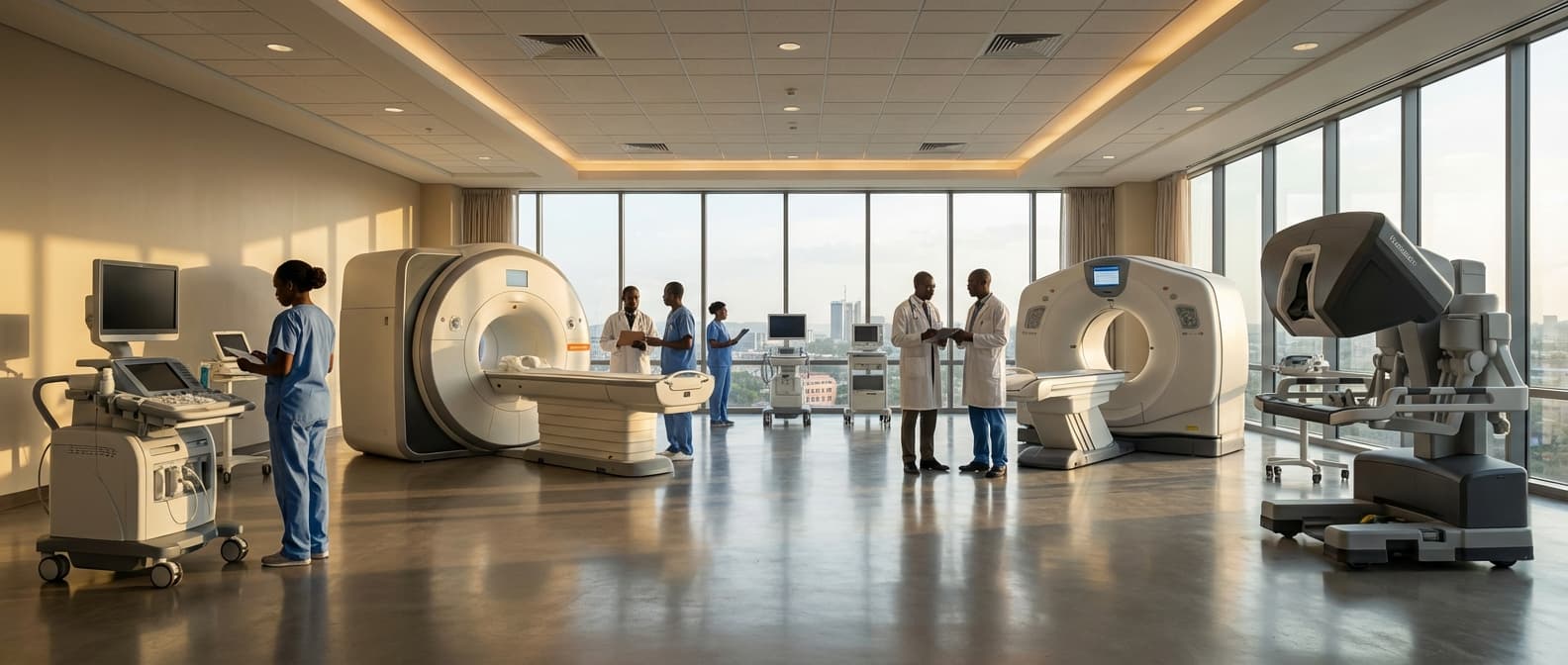
Life Support & Consumables in Congo (Brazzaville)
Engineering Excellence & Technical Support
Reliable supply of essential medical consumables and life support equipment ensuring uninterrupted, quality patient care delivery. High-standard technical execution following OEM protocols and local regulatory frameworks.
Safe Water Access & Purification
Implemented and maintained 15 solar-powered water purification units across remote villages, ensuring access to over 50,000 liters of safe drinking water daily and reducing waterborne disease incidence by 40%.
Emergency Medical Supplies Stockpiling
Established a robust supply chain for essential medicines and medical consumables, ensuring continuous availability of critical supplies for 5 field clinics and 1 mobile medical unit, supporting over 10,000 patient consultations annually.
Oxygen Generation & Distribution Network
Developed and operationalized a localized oxygen generation system, producing 20 cylinders of medical-grade oxygen per week for critical care patients, mitigating reliance on expensive and unreliable imports during the COVID-19 pandemic.
What Is Life Support & Consumables In Congo (Brazzaville)?
Life Support & Consumables in Congo (Brazzaville) refers to a critical service that ensures the provision of essential supplies, equipment, and personnel necessary for maintaining human life and operational continuity in challenging environments. This encompasses a broad spectrum of items and services, ranging from medical supplies and food to specialized equipment for remote or hazardous operations. The primary objective is to mitigate risks, enhance safety, and enable individuals and organizations to function effectively despite limitations imposed by location, infrastructure, or operational circumstances. The service is typically procured by entities operating in sectors where prolonged or isolated presence is required, or where immediate access to standard supply chains is unreliable or nonexistent. This includes governmental agencies, non-governmental organizations (NGOs), private sector enterprises (e.g., extractive industries, logistics), and international humanitarian organizations.
| Service/Item | Description | Typical Users | Use Cases in Congo (Brazzaville) |
|---|---|---|---|
| Medical Kits | Comprehensive sets of pharmaceuticals, bandages, splints, and basic diagnostic tools for immediate medical intervention. | NGOs, humanitarian aid workers, exploration teams, remote construction sites. | Treating injuries sustained in remote operational areas, managing endemic diseases, emergency response to accidents. |
| Potable Water Supply | Provision of safe drinking water through filtration, purification, or delivery of bottled water. | Disaster relief operations, remote work camps, communities with compromised water infrastructure. | Ensuring hydration for personnel in areas with unreliable municipal water sources, supporting refugee camps. |
| Non-Perishable Food Rations | Shelf-stable food items such as canned goods, dried foods, and energy bars for sustenance in environments with limited access to fresh produce. | Long-term remote operations, military deployments, humanitarian logistics. | Sustaining workforces at mining or logging sites, providing food aid during humanitarian crises. |
| Emergency Shelter | Rapid deployment of temporary structures like tents or prefabricated units to provide protection from the elements. | Disaster response, temporary accommodation for displaced persons, field research stations. | Providing immediate shelter for populations affected by natural disasters or conflict, establishing temporary base camps. |
| Fuel and Power Solutions | Supply of diesel, gasoline, or other fuels for generators and vehicles, alongside the generators themselves. | Extractive industries, telecommunications infrastructure, remote medical facilities, security checkpoints. | Powering essential equipment at off-grid operational sites, enabling transport in areas with poor road networks, maintaining communication hubs. |
Key Components of Life Support & Consumables Services
- Medical Supplies and Equipment: Including pharmaceuticals, first-aid kits, diagnostic tools, oxygen, and emergency medical equipment.
- Food and Water: Provision of potable water, non-perishable food items, and specialized dietary requirements.
- Shelter and Accommodation: Temporary housing solutions, tents, sleeping bags, and climate-controlled environments.
- Personal Protective Equipment (PPE): Including respiratory protection, chemical suits, gloves, and eye protection.
- Hygiene and Sanitation Supplies: Soaps, disinfectants, waste management solutions, and portable sanitation facilities.
- Power Generation and Distribution: Generators, fuel, and associated electrical infrastructure.
- Communication Equipment: Satellite phones, radios, and data transmission devices.
- Transportation and Logistics Support: Vehicle maintenance, fuel, and specialized transport for personnel and supplies.
- Waste Management and Disposal: Safe and compliant disposal of general and hazardous waste.
- Specialized Equipment: Tools, machinery, and materials required for specific operational tasks.
- Personnel Support: Provision of trained medical staff, logistics coordinators, and security personnel.
Who Needs Life Support & Consumables In Congo (Brazzaville)?
This document outlines the critical need for life support and consumables in Congo (Brazzaville), identifying key target customers and the departments within organizations that would benefit from these essential supplies. The focus is on ensuring operational continuity, safety, and well-being across various sectors.
| Target Customer/Sector | Key Departments/Units | Specific Needs/Consumables | Rationale |
|---|---|---|---|
| Healthcare Providers (Hospitals, Clinics, Mobile Health Units) | Emergency Rooms, Intensive Care Units (ICUs), Operating Theatres, Maternity Wards, General Wards, Pharmacies, Laboratories | Oxygen, ventilators, IV fluids, bandages, sterile dressings, surgical instruments, medications (antibiotics, pain relief, etc.), diagnostic kits, personal protective equipment (PPE) for medical staff, sanitation supplies. | To treat patients, manage critical conditions, perform surgeries, prevent infections, and ensure the safety of healthcare workers. |
| Humanitarian Aid Organizations (NGOs, International Relief Agencies) | Field Operations, Medical Missions, WASH (Water, Sanitation, and Hygiene) Programs, Food Distribution Centers, Refugee Camps/Settlements | Basic medical supplies, sanitation kits, clean water purification tablets, hygiene products, temporary shelter materials, food supplements, emergency lighting. | To provide essential services to vulnerable populations, respond to health crises, and improve living conditions in emergency or underserved areas. |
| Government Agencies (Ministry of Health, Civil Protection, Disaster Management) | Public Health Departments, Emergency Response Units, Regional Health Offices, Disaster Preparedness Bureaus | Mass casualty supplies, epidemic control kits, communication equipment, portable medical facilities, personal protective equipment for responders, logistical support materials. | To manage public health emergencies, respond to natural disasters, and ensure the availability of essential resources at a national level. |
| Industrial and Mining Operations (Oil & Gas, Mining, Construction) | Occupational Health & Safety Departments, Medical Facilities on site, Remote Camps, Emergency Response Teams, Logistics | First aid kits, trauma care supplies, specialized medical equipment for specific industrial hazards (e.g., chemical burns), hygiene facilities, potable water, food supplies for remote workers, emergency shelter. | To ensure the safety and well-being of the workforce in potentially hazardous environments, manage on-site injuries, and maintain operational continuity in remote locations. |
| Remote Research and Exploration Teams (Scientific Expeditions, Environmental Monitoring) | Field Operations, Base Camps, Medical Personnel (if any), Logistics | Comprehensive first aid kits, emergency medications, water purification systems, long-shelf-life food supplies, basic sanitation facilities, power sources for medical equipment. | To support personnel working in isolated and potentially challenging environments, address medical emergencies, and sustain operations away from established infrastructure. |
Target Customers & Departments for Life Support & Consumables in Congo (Brazzaville)
- Healthcare Providers
- Humanitarian Aid Organizations
- Government Agencies
- Industrial and Mining Operations
- Remote Research and Exploration Teams
Life Support & Consumables Process In Congo (Brazzaville)
The workflow for Life Support & Consumables processes in Congo (Brazzaville) is a structured approach ensuring timely and efficient provision of essential supplies. It typically begins with an incoming inquiry or a confirmed need, followed by several critical stages of validation, procurement, logistics, and finally, delivery and verification. This process is vital for various sectors, including healthcare, humanitarian aid, and potentially specialized industrial operations.
| Stage | Description | Key Actors | Potential Challenges |
|---|---|---|---|
| Inquiry & Needs Assessment | Receiving initial requests or identifying essential supply gaps. | Requesting departments/organizations, end-users. | Vague or incomplete requirements, lack of clear needs identification. |
| Requirement Validation & Prioritization | Verifying the legitimacy and urgency of the request, confirming quantities and specifications. | Procurement team, technical specialists, management. | Disagreements on priority, difficulty in technical specification accuracy. |
| Budgeting & Financial Approval | Allocating funds and obtaining necessary financial approvals for the purchase. | Finance department, budget holders, authorizing officers. | Budget constraints, delays in financial approvals, currency fluctuations. |
| Procurement & Sourcing | Identifying suppliers, obtaining quotes, negotiating terms, and placing purchase orders. | Procurement department, legal team, suppliers. | Limited local supplier base, long lead times from international suppliers, quality concerns. |
| Logistics & Transportation Planning | Arranging for the safe and efficient movement of goods from the supplier to Congo (Brazzaville). | Logistics team, freight forwarders, shipping companies. | Inadequate infrastructure, port congestion, unreliable transportation networks. |
| Customs Clearance & Importation | Navigating customs regulations, paying duties and taxes, and obtaining necessary permits. | Customs brokers, relevant government ministries (e.g., Health, Commerce). | Complex and evolving customs procedures, delays in documentation, corruption risks. |
| Storage & Warehousing | Safeguarding supplies in appropriate facilities until they are needed. | Warehouse managers, logistics team. | Lack of secure or temperature-controlled storage, inventory management issues. |
| Distribution & Delivery | Transporting consumables to their final destination within Congo (Brazzaville). | Distribution team, drivers, local partners. | Poor road conditions, security concerns, last-mile delivery challenges. |
| Installation & Commissioning (if applicable) | Setting up and testing any equipment associated with the consumables. | Technical teams, equipment suppliers. | Lack of skilled personnel, availability of spare parts. |
| Consumption & Monitoring | Tracking the usage of consumables and ensuring they are used as intended. | End-users, program managers, monitoring & evaluation teams. | Inaccurate record-keeping, diversion of supplies, over-consumption. |
| Reporting & Feedback | Documenting consumption, reporting on the effectiveness of the supplies, and gathering feedback. | End-users, program managers, reporting officers. | Lack of standardized reporting formats, delays in data submission. |
| Replenishment & Re-ordering | Initiating the procurement process again based on consumption rates and anticipated future needs. | Procurement department, program managers. | Failure to anticipate needs, insufficient lead time for re-ordering. |
Life Support & Consumables Workflow Stages
- Inquiry & Needs Assessment
- Requirement Validation & Prioritization
- Budgeting & Financial Approval
- Procurement & Sourcing
- Logistics & Transportation Planning
- Customs Clearance & Importation
- Storage & Warehousing
- Distribution & Delivery
- Installation & Commissioning (if applicable)
- Consumption & Monitoring
- Reporting & Feedback
- Replenishment & Re-ordering
Life Support & Consumables Cost In Congo (Brazzaville)
This report details the estimated costs of essential life support and consumables in Brazzaville, the capital of the Republic of Congo. Understanding these costs is crucial for individuals, NGOs, and businesses operating or planning to operate in the region. Prices are subject to significant fluctuations due to a variety of factors, including market demand, seasonal availability, import costs, transportation infrastructure, and the specific location within Brazzaville. The local currency is the Central African CFA franc (XAF).
| Item Category | Example Item | Estimated Price Range (XAF) | Notes |
|---|---|---|---|
| Food Staples | Rice (1kg) | 800 - 1,500 | Price varies significantly by type (e.g., local vs. imported long-grain). |
| Food Staples | Cassava Flour (5kg) | 2,000 - 3,500 | A staple food, availability can fluctuate. |
| Food Staples | Cooking Oil (1L) | 1,200 - 2,000 | Palm oil is common; imported brands are more expensive. |
| Protein | Chicken (1kg, whole) | 2,500 - 4,000 | Frozen chicken is more readily available and cheaper than fresh. |
| Protein | Fish (1kg, local) | 2,000 - 3,500 | Prices depend on the type of fish and its freshness. |
| Produce | Tomatoes (1kg) | 1,000 - 2,000 | Highly seasonal and price volatile. |
| Produce | Onions (1kg) | 800 - 1,500 | Generally more stable than tomatoes. |
| Dairy & Alternatives | Milk (1L, UHT) | 1,000 - 1,800 | Imported brands are common and pricier. |
| Dairy & Alternatives | Yogurt (small cup) | 300 - 600 | Local and imported options exist. |
| Beverages | Bottled Water (1.5L) | 500 - 1,000 | Depends on brand and quality. |
| Beverages | Local Beer (0.5L bottle) | 800 - 1,200 | Price for popular local brands. |
| Hygiene | Soap (bar) | 300 - 700 | Varies by brand and size. |
| Hygiene | Toothpaste (standard tube) | 700 - 1,500 | Imported brands are more expensive. |
| Hygiene | Sanitary Pads (pack of 10) | 1,000 - 2,500 | Prices vary significantly by brand and absorbency. |
| Household | Detergent (powder, 1kg) | 1,500 - 3,000 | Powder detergents are common. |
| Household | Matches (box) | 100 - 300 | Basic necessity. |
| Household | LPG Gas Cylinder (refill, 12kg) | 15,000 - 25,000 | Significant cost, price can fluctuate based on global oil prices. |
| Medical | Paracetamol (pack of 10 tablets) | 500 - 1,000 | Prices at local pharmacies. |
| Medical | Basic First Aid Kit | 10,000 - 30,000+ | Depends on contents and quality; often assembled from individual items. |
Key Pricing Factors for Life Support & Consumables in Brazzaville
- Import Dependency: Many goods are imported, making them susceptible to international price changes, exchange rates, and shipping costs.
- Transportation & Logistics: Poor road conditions and limited infrastructure can increase transportation costs, especially for goods reaching Brazzaville from ports or production centers.
- Market Volatility: The local market can experience rapid price shifts based on supply and demand, particularly for perishable items.
- Seasonality: The availability and price of fresh produce are heavily influenced by the rainy and dry seasons.
- Quality & Brand: Higher quality or recognized international brands will command premium prices compared to local or generic alternatives.
- Retailer Markup: Different retail outlets (supermarkets, local markets, small shops) have varying markup strategies.
- Government Regulations & Taxes: Import duties, sales taxes, and other government levies can impact final prices.
- Fuel Prices: Fluctuations in fuel costs directly affect transportation and the pricing of many goods.
Affordable Life Support & Consumables Options
Navigating life support and consumables can be a significant expense. This guide outlines how value bundles and cost-saving strategies can make essential supplies more accessible. We'll explore how combining products can lead to discounts and delve into practical tips for reducing your overall expenditure.
| Cost-Saving Strategy | Description | Potential Savings Impact |
|---|---|---|
| Value Bundles/Kits | Purchasing pre-packaged combinations of related items that are typically cheaper than individual purchases. | Significant savings (often 10-25% or more) compared to à la carte buying. |
| Subscription Services | Setting up recurring deliveries for consumables (e.g., feeding tubes, dressings) often comes with discounted pricing and free shipping. | Moderate savings (5-15%) with added convenience and assurance of never running out. |
| Bulk Purchasing | Buying larger quantities of non-perishable consumables when possible and storage allows. | Variable savings, often lower per-unit cost for larger quantities. |
| Generic or Store Brands | Opting for less recognized brands or retailer-specific products that meet the same quality and safety standards. | Moderate to significant savings (10-30%) depending on the product category. |
| Insurance & Reimbursement | Understanding and utilizing health insurance benefits, Medicare, or Medicaid for eligible life support equipment and consumables. | Can drastically reduce out-of-pocket expenses, sometimes to zero for covered items. |
| Negotiation & Price Comparisons | Actively comparing prices from different suppliers and, in some cases, negotiating for better terms, especially for larger or ongoing orders. | Variable savings, potential for significant discounts with effective negotiation. |
| Seeking Deals & Promotions | Keeping an eye out for sales, special offers, and coupon codes from suppliers. | Can provide short-term but impactful savings. |
| Preventative Maintenance | Properly maintaining life support equipment to prevent costly breakdowns and repairs. | Avoids significant, unexpected repair or replacement costs. |
Understanding Value Bundles
- Definition: Value bundles are product packages that combine multiple items, often related or frequently used together, at a reduced price compared to purchasing each item individually.
- Benefits:
- Cost Savings: The primary advantage is a lower overall price.
- Convenience: Simplifies purchasing by providing a complete set of necessary items.
- Reduced Decision Fatigue: Eliminates the need to select individual components.
- Potential for Bulk Discounts: Bundles often reflect bulk purchasing advantages passed on to the consumer.
- Examples in Life Support & Consumables:
- Oxygen Therapy Bundles: May include an oxygen concentrator, nasal cannula, humidifier bottle, and filters.
- Respiratory Care Kits: Could contain suction catheters, gloves, masks, and cleaning solutions.
- Nutritional Support Packages: Might combine enteral feeding pumps, feeding bags, and specialized formulas.
- Wound Care Sets: Often include dressings, tapes, bandages, and cleaning agents.
Verified Providers In Congo (Brazzaville)
In the Democratic Republic of Congo (Brazzaville), identifying reliable healthcare providers is paramount for ensuring quality and safe medical services. Franance Health stands out as a leading credentialing body, offering a rigorous and transparent verification process for healthcare professionals and institutions. This commitment to excellence means that when you choose a provider verified by Franance Health, you are selecting a medical professional or facility that has met stringent standards for expertise, ethical conduct, and patient safety. Their verification process typically involves thorough background checks, validation of educational qualifications and licenses, assessment of clinical experience, and adherence to established best practices. This meticulous approach instills confidence and peace of mind for individuals seeking medical care.
| Franance Health Verification Criteria | Significance for Patients |
|---|---|
| Educational and Professional Qualifications | Guarantees that providers have the foundational knowledge and training required for their practice. |
| Licensing and Regulatory Compliance | Confirms that providers are legally authorized to practice and adhere to local health regulations. |
| Clinical Experience and Competency | Assesses a provider's practical skills and ability to deliver effective patient care. |
| Continuous Professional Development | Indicates a commitment to staying updated with the latest medical advancements and techniques. |
| Adherence to Ethical Guidelines | Ensures that providers practice with integrity, respect, and prioritize patient interests. |
Why Franance Health Verification is Key in Congo (Brazzaville)
- Ensures Competence: Verification confirms that providers possess the necessary qualifications and experience.
- Promotes Patient Safety: Adherence to established standards minimizes risks associated with medical care.
- Upholds Ethical Standards: Verified providers are committed to professional integrity and patient well-being.
- Enhances Transparency: The credentialing process offers clarity and trust for patients.
- Facilitates Access to Quality Care: Connects individuals with reputable and reliable healthcare services.
Scope Of Work For Life Support & Consumables
This Scope of Work (SOW) outlines the requirements for the provision of Life Support & Consumables for Project [Project Name]. It details the technical deliverables and standard specifications necessary to ensure the health, safety, and operational effectiveness of personnel throughout the project lifecycle. This includes, but is not limited to, the supply and management of food, water, medical supplies, hygiene products, and other essential consumables as defined herein.
| Category | Technical Deliverable | Standard Specification/Requirement | Quantity/Frequency | Quality Assurance |
|---|---|---|---|---|
| Food and Beverage Provision | Daily meal provision (breakfast, lunch, dinner) | Nutritionally balanced, culturally appropriate, and safe for consumption. Compliance with relevant food safety regulations (e.g., HACCP, local health codes). Variety in menu options. Catering to dietary restrictions (vegetarian, vegan, allergies, religious). | As per personnel roster, adjusted for operational needs. | Regular food safety inspections. Sample testing. Supplier audits. Feedback mechanisms for personnel. |
| Potable Water Supply | Continuous supply of safe, clean drinking water. | Meets WHO or national drinking water standards. Free from contaminants. Minimum 2-3 liters per person per day. Availability of hydration stations. | Continuous, monitored supply. | Regular water quality testing (bacteriological and chemical). Filtration and purification system maintenance logs. |
| Medical Supplies and First Aid | Stocked first-aid kits and comprehensive medical supply inventory. | Approved list of essential medical supplies and pharmaceuticals. Expiration date management. Training for designated first responders. On-call medical personnel or access to medical facilities as per risk assessment. | Replenishment based on usage and expiration dates. Minimum stock levels defined. | Inventory checks. Expiration date tracking. Supplier certifications. Documentation of medical incidents. |
| Hygiene and Sanitation Products | Provision of essential hygiene items. | Soap, hand sanitizer, toilet paper, sanitary napkins, general cleaning supplies. Availability in communal areas and individual accommodations. Compliance with public health standards. | Regular replenishment based on usage. | Supplier quality checks. Regular inspection of hygiene facilities. Waste disposal protocols. |
| Waste Management and Disposal | Effective collection, segregation, and disposal of all waste. | Compliance with environmental regulations. Segregation of general waste, recyclable materials, and hazardous waste. Regular collection schedule. Safe disposal methods. | Daily collection from designated points. | Waste manifests. Environmental compliance audits. Records of disposal sites. |
| Environmental Control | Maintenance of habitable living and working environments. | Adequate ventilation, temperature control (within defined comfort ranges), and lighting. Pest control measures. Air quality monitoring (if applicable). | Continuous, as required by environmental conditions. | Regular checks of environmental control systems. Pest control reports. Air quality monitoring data (if collected). |
| Personal Protective Equipment (Consumable) | Supply of disposable PPE items. | Gloves, masks, disposable coveralls, eye protection (if single-use). Compliance with project-specific safety requirements and relevant standards (e.g., EN, ANSI). | As per operational needs and risk assessments. | Supplier certifications. Batch testing. Documentation of issuance. |
| Specialized Consumables | Supply of project-specific operational consumables. | Fuel for generators, batteries, cleaning agents for equipment, etc. Sourced from approved suppliers. Storage and handling as per safety data sheets (SDS). | As per project schedule and operational requirements. | Supplier qualifications. SDS compliance. Fuel quality testing. Inventory management. |
Key Areas of Life Support & Consumables
- Food and Beverage Provision
- Potable Water Supply
- Medical Supplies and First Aid
- Hygiene and Sanitation Products
- Waste Management and Disposal
- Environmental Control (e.g., air quality, temperature)
- Personal Protective Equipment (PPE) - where applicable as consumable
- Specialized Consumables (e.g., fuel for generators, batteries)
Service Level Agreement For Life Support & Consumables
This Service Level Agreement (SLA) outlines the performance standards and guarantees for Life Support & Consumables services. It defines the expected response times for critical issues and the minimum uptime guarantees to ensure uninterrupted operation of life-sustaining equipment and the availability of essential consumables. This SLA applies to all clients utilizing the Life Support & Consumables services provided by [Your Company Name].
| Service Component | Uptime Guarantee (Monthly) | Critical Issue Response Time | Standard Issue Response Time | Critical Issue Resolution Target | Standard Issue Resolution Target |
|---|---|---|---|---|---|
| Life Support Equipment Monitoring & Alarms | 99.95% | 15 minutes | 4 hours | 4 hours | 24 hours |
| Critical Consumables Stock Level Monitoring | 99.90% | 30 minutes | 6 hours | 6 hours | 48 hours |
| Emergency Consumable Replenishment (On-site) | N/A (Service Level based on dispatch) | 1 hour (dispatch) | N/A | 4 hours (delivery to site) | N/A |
| Remote Diagnostics & Support | 99.95% | 10 minutes | 2 hours | 2 hours | 8 hours |
Key Definitions
- Critical Issue: Any malfunction, outage, or shortage that directly and immediately impacts the functionality of life support equipment or the immediate availability of essential consumables, posing a direct risk to patient safety or operational continuity.
- Standard Issue: Any issue that does not pose an immediate risk to patient safety or operational continuity but requires attention and resolution.
- Response Time: The maximum allowable time from when a support request is logged until a qualified technician begins actively working on the issue.
- Resolution Time: The maximum allowable time from when a support request is logged until the issue is fully resolved and normal operations are restored.
- Uptime Guarantee: The minimum percentage of time the Life Support & Consumables services are expected to be available and fully functional.
- Scheduled Maintenance: Pre-planned periods for system updates, upgrades, or preventative maintenance, communicated to clients in advance.
- Unscheduled Downtime: Any period during which the service is unavailable or non-functional due to unforeseen circumstances, excluding Scheduled Maintenance.
Frequently Asked Questions

Ready when you are
Let's scope your Life Support & Consumables in Congo (Brazzaville) project in Congo (Brazzaville).

Scaling healthcare logistics and technical systems across the entire continent.