
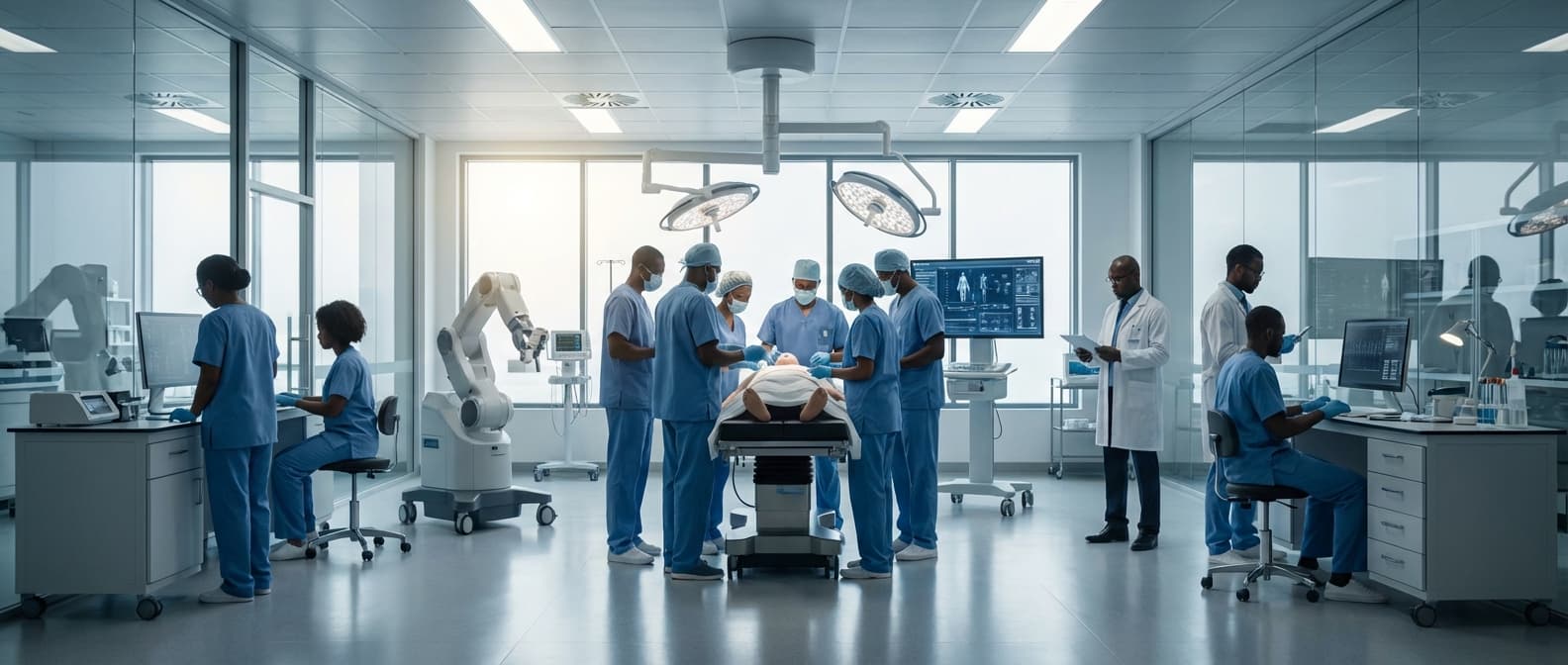
Calibration & Electrical Safety Testing in Congo (Brazzaville)
Engineering Excellence & Technical Support
Equipment calibration and IEC safety testing High-standard technical execution following OEM protocols and local regulatory frameworks.
On-Site Calibration for Critical Instrumentation
Our expert technicians provide traceable on-site calibration services for a wide range of industrial and laboratory instruments, ensuring your critical measurements in Congo (Brazzaville) remain accurate and compliant with international standards. This minimizes downtime and guarantees the integrity of your processes.
Comprehensive Electrical Safety Audits & Compliance
We conduct thorough electrical safety audits for industrial facilities and construction sites in Congo (Brazzaville). Our services include testing of electrical equipment, grounding systems, and fault protection devices to ensure adherence to safety regulations and mitigate risks of electrical hazards.
Certified Traceable Calibration & Test Reports
Receive fully certified and traceable calibration certificates and electrical safety test reports recognized internationally. This documentation is vital for regulatory compliance, quality assurance, and operational reliability in Congo (Brazzaville)'s growing industrial sector.
What Is Calibration & Electrical Safety Testing In Congo (Brazzaville)?
Calibration and Electrical Safety Testing are critical metrological and safety assurance services. Calibration involves the process of comparing a measurement instrument's readings against a traceable standard of known accuracy. This ensures the instrument's measurements are reliable, accurate, and conform to defined specifications. Electrical Safety Testing, conversely, assesses the integrity of electrical equipment to prevent hazards such as electric shock, fire, and equipment damage due to electrical faults. This typically involves a series of tests designed to identify insulation failures, ground continuity issues, and other potential electrical risks. These services are paramount for maintaining product quality, ensuring regulatory compliance, and safeguarding personnel and assets within industrial, medical, and commercial sectors in Congo (Brazzaville).
| Service Component | Description | Target Audience | Typical Use Cases |
|---|---|---|---|
| Calibration (Metrology) | Comparison of an instrument's output against a reference standard of higher accuracy. Includes adjustment if necessary to bring it within specified tolerance. Verification of accuracy and traceability to national/international standards. | Manufacturers, laboratories (R&D, QC, environmental), industrial facilities, healthcare providers, energy sector, research institutions. | Ensuring the accuracy of temperature sensors in chemical processing, verifying the precision of scales in manufacturing, validating the output of pressure gauges in oil & gas, certifying medical diagnostic equipment, maintaining quality control in food production. |
| Electrical Safety Testing (Electrical Engineering & Safety) | Systematic evaluation of electrical equipment to detect potential hazards. Includes tests like insulation resistance, dielectric strength (hi-pot), ground continuity, leakage current, and earth impedance. | Manufacturers of electrical and electronic equipment, importers, maintenance companies, facilities management, healthcare institutions, industrial sites, laboratories, public spaces. | Pre-shipment inspection of manufactured appliances, periodic safety checks on medical devices, ensuring compliance for machinery in factories, verifying the safety of portable electrical equipment used in offices, certification for equipment used in hazardous environments, ensuring compliance with local electrical codes. |
Key Aspects of Calibration and Electrical Safety Testing in Congo (Brazzaville):
- Calibration: Establishing traceable measurement accuracy and conformity to standards.
- Electrical Safety Testing: Verifying the prevention of electrical hazards.
- Traceability: Ensuring measurements are linked to national or international standards.
- Compliance: Adhering to relevant local and international safety regulations and quality management systems.
- Risk Mitigation: Reducing the probability of equipment failure, accidents, and associated financial losses.
Who Needs Calibration & Electrical Safety Testing In Congo (Brazzaville)?
Calibration and electrical safety testing are crucial for a wide range of organizations and individuals in Congo (Brazzaville) to ensure the accuracy of their instruments, the reliability of their equipment, and the safety of their personnel and patients. These services are essential for maintaining operational efficiency, complying with regulations, and preventing accidents.
| Customer Type | Key Departments/Functions Requiring Services | Specific Needs/Examples | ||||||
|---|---|---|---|---|---|---|---|---|
| Healthcare Facilities (Hospitals, Clinics, Diagnostic Centers) | Biomedical Engineering/Maintenance | Radiology (X-ray, MRI, CT scanners) | Operating Rooms (Anesthesia machines, monitors, defibrillators) | Laboratories (Analyzers, microscopes, centrifuges) | General Wards (Patient monitors, infusion pumps) | Sterilization Departments (Autoclaves) | Therapy Departments (Physiotherapy equipment) | Calibration of medical devices for accuracy and patient safety. Electrical safety testing of all patient-connected equipment to prevent electric shock. |
| Industrial and Manufacturing Companies | Production/Operations | Quality Control/Assurance | Maintenance/Engineering | Process Control | Environmental Monitoring | Calibration of measurement instruments (pressure gauges, flow meters, temperature sensors, multimeters, oscilloscopes). Electrical safety testing of production machinery and electrical systems. | ||
| Research and Development Laboratories | Scientific Research | Analytical Chemistry | Biology and Life Sciences | Physics | Materials Science | Calibration of laboratory equipment (spectrophotometers, pH meters, balances, chromatographs). Electrical safety testing of lab instruments. | ||
| Educational Institutions (Universities, Technical Colleges) | Engineering Departments | Science Departments | Vocational Training Centers | Calibration of teaching laboratory equipment. Electrical safety testing of equipment used by students and faculty. | ||||
| Telecommunications Providers | Network Operations | Field Service Technicians | Equipment Maintenance | Calibration of test equipment (spectrum analyzers, signal generators, power meters). Electrical safety testing of base stations and network infrastructure. | ||||
| Energy and Utility Companies | Power Generation | Transmission and Distribution | Maintenance and Repair | Calibration of measurement devices in power plants and substations. Electrical safety testing of electrical equipment and tools. | ||||
| Food and Beverage Producers | Quality Control | Process Engineering | Production Lines | Calibration of temperature, humidity, and pressure sensors. Calibration of scales and measuring instruments. Electrical safety testing of processing equipment. | ||||
| Pharmaceutical Companies | Quality Control/Assurance | Manufacturing | Research and Development | Calibration of laboratory instruments, manufacturing equipment, and environmental monitoring systems. Electrical safety testing of all electrical equipment. | ||||
| Government Agencies and Public Services | Public Health Laboratories | Environmental Protection Agencies | Transportation Authorities | Calibration and safety testing of equipment used in public service roles. | ||||
| Automotive Workshops and Service Centers | Mechanical Repair | Electrical Diagnostics | Calibration of diagnostic equipment, battery testers, and multimeters. Electrical safety testing of diagnostic tools and vehicle electrical systems. | |||||
| Construction Companies | Site Management | Electrical Installation | Calibration of measuring tools (surveying equipment, laser levels). Electrical safety testing of power tools and site electrical infrastructure. | |||||
| Small and Medium-sized Enterprises (SMEs) | Operations | Maintenance | Depending on the specific industry, SMEs with specialized equipment (e.g., analytical labs, precision manufacturing) will require calibration and safety testing. |
Target Customers and Departments for Calibration & Electrical Safety Testing in Congo (Brazzaville)
- Healthcare Facilities
- Industrial and Manufacturing Companies
- Research and Development Laboratories
- Educational Institutions
- Telecommunications Providers
- Energy and Utility Companies
- Food and Beverage Producers
- Pharmaceutical Companies
- Government Agencies and Public Services
- Automotive Workshops and Service Centers
- Construction Companies
- Small and Medium-sized Enterprises (SMEs) with specialized equipment
Calibration & Electrical Safety Testing Process In Congo (Brazzaville)
This document outlines the typical workflow for calibration and electrical safety testing services in Congo (Brazzaville), from the initial client inquiry to the final execution of the services. The process emphasizes clear communication, defined steps, and compliance with relevant standards to ensure accurate and safe testing.
| Stage | Description | Key Activities | Responsible Party | Key Documents/Outputs |
|---|---|---|---|---|
| The client contacts the service provider to request calibration and/or electrical safety testing services. | Client provides details of equipment to be tested, quantity, desired services, location, and any specific requirements or deadlines. Service provider gathers preliminary information to understand scope. | Client (Inquirer), Service Provider (Responder) | Initial email/phone request, equipment list (if provided) |
| Based on the gathered information, the service provider prepares a detailed quotation and proposal. | Service provider assesses the scope, identifies necessary resources (personnel, equipment, time), and calculates costs. Proposal outlines services, methodology, timelines, pricing, and terms and conditions. | Service Provider | Formal Quotation, Technical Proposal |
| The client reviews the proposal and, if accepted, formalizes the agreement. | Client approves the quotation and proposal. A contract or service agreement is drafted and signed by both parties, outlining the legal and commercial terms of the engagement. | Client (Approver), Service Provider (Contractor) | Signed Contract/Service Agreement |
| The service provider and client agree on a convenient date and time for the testing to be performed. | Coordination of schedules, arrangement of personnel travel and accommodation (if necessary), and confirmation of site access. Consideration for any specific site entry requirements or permits. | Service Provider (Scheduler), Client (Confirmer) | Confirmed Schedule, Logistics Plan |
| The service provider prepares for the on-site execution of the testing. | Service provider ensures all necessary calibrated test equipment, tools, and safety gear are prepared and transported to the site. Review of client's site-specific safety rules and procedures. | Service Provider | Pre-test Checklist, Safety Briefing Materials |
| The core testing activities are performed on-site. | Technicians conduct calibration of measurement instruments against traceable standards and perform electrical safety tests (e.g., insulation resistance, earth continuity, dielectric strength) on electrical equipment according to relevant standards (e.g., IEC 60601 series for medical devices). | Service Provider (Technicians) | Raw Test Data, Calibration Records, Test Logs |
| Detailed reports of the testing results are generated. | Service provider compiles all collected data into comprehensive reports, including equipment details, test procedures, results, deviations (if any), and recommendations. Calibration certificates and test reports are prepared. | Service Provider (Technical Staff) | Calibration Certificates, Electrical Safety Test Reports, Summary Reports |
| The completed reports and certificates are formally issued to the client. | Service provider submits the final documentation to the client. Address any client queries regarding the reports or results. Ensure client satisfaction. | Service Provider | Final Reports, Certificates |
| The service provider issues an invoice for the completed services, and the client settles the payment. | Service provider submits the invoice based on the agreed-upon contract terms. Client processes payment according to the invoice due date. | Service Provider (Billing), Client (Payer) | Invoice, Proof of Payment |
Calibration & Electrical Safety Testing Process in Congo (Brazzaville) - Workflow
- Initial Inquiry & Information Gathering
- Quotation & Proposal
- Agreement & Contract
- Scheduling & Logistics
- On-site Preparation
- Execution of Testing (Calibration/Electrical Safety)
- Reporting & Documentation
- Follow-up & Certification Issuance
- Invoice & Payment
Calibration & Electrical Safety Testing Cost In Congo (Brazzaville)
The cost of calibration and electrical safety testing in Congo (Brazzaville) can vary significantly based on several factors. These include the type of equipment being tested, the complexity of the calibration required, the number of items, the reputation and accreditation of the testing service provider, and the urgency of the service. Testing services are often provided by specialized engineering firms, laboratories, or dedicated safety testing companies. While there isn't a universally published price list, obtaining quotes from multiple providers is the best approach to understanding current market rates. It's also important to consider whether the testing is for regulatory compliance, internal quality control, or routine maintenance.
| Service Type | Estimated Price Range (CFA Francs) | Notes |
|---|---|---|
| Basic Calibration (e.g., handheld multimeter) | 20,000 - 60,000 | May include a few calibration points and standard certificate. Price depends on specific model and required accuracy. |
| Advanced Calibration (e.g., industrial sensor, process controller) | 75,000 - 300,000+ | Complex procedures, multiple calibration points, specific industry standards, and adjustment may be required. Can be significantly higher for highly specialized equipment. |
| Standard Electrical Safety Testing (per item, e.g., PAT testing) | 10,000 - 30,000 | Covers basic insulation resistance, earth continuity, and visual inspection. Price is per unit tested. |
| Comprehensive Electrical Safety Testing (per item) | 30,000 - 75,000+ | May include high voltage (Hipot) testing and other specialized safety assessments. |
| On-Site Service Fee (daily rate) | 100,000 - 250,000+ | This is in addition to the per-item or per-test charges. Varies greatly based on technician expertise and travel distance. |
Key Pricing Factors for Calibration & Electrical Safety Testing in Congo (Brazzaville):
- Equipment Type and Complexity: Simple handheld multimeters will cost less to calibrate than intricate industrial process control sensors or medical diagnostic equipment.
- Calibration Scope and Standards: The number of calibration points, the specific standards being referenced (e.g., ISO, national standards), and whether adjustments are required all influence the price.
- Electrical Safety Test Types: Standard tests like insulation resistance, earth continuity, and high voltage withstand will have different pricing than more specialized tests.
- Number of Items: Bulk discounts are often available when testing a larger quantity of equipment.
- Service Provider Accreditation and Reputation: Highly accredited laboratories with established reputations may command higher prices but offer greater assurance of quality and compliance.
- Urgency of Service: Rush services or on-site testing can incur additional charges.
- Travel and Logistics: For on-site testing, travel expenses for technicians and equipment will be factored into the cost.
- Reporting and Certification: The level of detail in the calibration certificate or safety report can also affect pricing.
Affordable Calibration & Electrical Safety Testing Options
Ensuring your electrical equipment is accurately calibrated and meets safety standards is crucial for reliable operation and the well-being of your personnel. Finding affordable solutions doesn't mean compromising on quality. This guide outlines how to leverage value bundles and implement cost-saving strategies for calibration and electrical safety testing.
| Bundle/Strategy | Description | Typical Savings |
|---|---|---|
| Comprehensive Equipment Safety Bundle | Includes calibration of key measurement devices and a full electrical safety test for a range of equipment. | 10-20% on individual service costs |
| Annual Calibration Package | Covers all required calibrations for a specified set of equipment throughout the year, often with scheduled service visits. | 15-25% on annual individual service costs |
| Preventative Maintenance & Testing Plan | Combines scheduled maintenance with calibration and safety testing, performed during the same visit. | 10-15% on combined service costs |
| Frequent Service Agreement | A contract for regular calibration and testing at predetermined intervals, often with priority scheduling. | 5-10% on standard rates, plus reduced downtime |
| Volume-Based Discounts | Lower per-unit pricing when a large number of items are submitted for calibration/testing. | Tiered discounts, e.g., 5% for 50-100 items, 10% for 100+ items |
| Off-Peak Scheduling | Scheduling services during non-peak hours or seasons may be offered at a reduced rate. | Negotiable, potentially 5-10% reduction |
Understanding Value Bundles and Cost-Saving Strategies
- Value Bundles: These are pre-packaged service offerings that combine multiple calibration and testing services at a discounted rate compared to individual bookings. Bundles are designed to cater to common needs and provide a comprehensive solution.
- Cost-Saving Strategies: These are proactive measures you can take to minimize your expenditure on calibration and electrical safety testing, even outside of bundled offerings.
- Tiered Service Packages: Many providers offer different levels of service (e.g., standard, premium, expedited) with varying price points and included features. Choosing the appropriate tier can optimize costs.
- Frequency Optimization: Re-evaluate the required calibration and testing frequency for your equipment based on manufacturer recommendations, regulatory requirements, and actual usage. Over-testing can lead to unnecessary expenses.
- Preventative Maintenance Integration: Combine routine maintenance checks with calibration and safety testing. Often, these tasks can be performed concurrently by the same technician, reducing travel and labor costs.
- On-site vs. Off-site Calibration: On-site calibration can save on shipping costs and downtime for your equipment, but may incur higher labor rates. Off-site calibration can sometimes be more cost-effective for larger volumes of equipment or specialized testing.
- Bulk Discounts: Negotiate discounts for committing to a larger volume of calibration and testing services over a specific period.
- Long-Term Contracts: Consider longer-term contracts with your chosen service provider. These often come with preferential pricing and guaranteed service availability.
- Accreditation Recognition: Choose providers accredited by recognized bodies (e.g., ISO 17025). While accreditation has a cost for the provider, it signifies a commitment to quality and can sometimes lead to more streamlined processes and potentially better pricing.
- In-House vs. Outsourced Analysis: For some basic electrical safety checks, consider if your internal team has the capability and accreditation to perform certain tests, reducing the need for external services.
- Digital Record Keeping: Opt for providers who offer digital calibration certificates and reports. This reduces paper costs and simplifies record management.
- Group Purchasing: If you are part of an industry association or a larger organization, explore opportunities for group purchasing of calibration and testing services to leverage collective bargaining power.
Verified Providers In Congo (Brazzaville)
Finding reliable and reputable healthcare providers is paramount for individuals and families in Congo (Brazzaville). Franance Health stands out as a leading organization dedicated to verifying and credentialing healthcare professionals, ensuring that patients have access to safe, competent, and ethical medical services. Their rigorous vetting process and commitment to quality make them the premier choice for identifying trusted healthcare partners.
| Provider Type | Franance Health Credentialing Benefits | Why This Benefits Patients |
|---|---|---|
| Doctors (General Practitioners & Specialists) | Verified medical degrees, licenses, and specializations. Background checks and peer reviews. | Ensures competence, up-to-date knowledge, and adherence to medical best practices for accurate diagnosis and effective treatment. |
| Nurses | Validated nursing education, licensure, and practical experience. Assessment of patient care skills. | Guarantees compassionate and skilled nursing care, vital for recovery and ongoing health management. |
| Dentists | Confirmed dental qualifications, licenses, and any specialized training. Verification of ethical practice. | Provides assurance of safe and effective dental treatments, promoting oral health. |
| Pharmacists | Verified pharmacy degrees, licenses, and regulatory compliance. Checks for dispensing accuracy and drug interaction knowledge. | Ensures safe and accurate dispensing of medications, crucial for patient safety and treatment efficacy. |
| Hospitals & Clinics | Assessment of infrastructure, equipment, safety protocols, and quality of care standards. Verification of licensed medical staff. | Offers a safe and well-equipped environment for medical procedures, with competent professionals overseeing care. |
Why Franance Health Credentials Matter
- Rigorous Verification Process: Franance Health employs a multi-stage verification system that meticulously examines each provider's educational background, licenses, certifications, and professional experience. This ensures that all credentialed professionals meet the highest standards of medical practice.
- Commitment to Patient Safety: Patient safety is at the core of Franance Health's mission. By verifying credentials, they significantly reduce the risk of encountering unqualified or fraudulent practitioners, thereby protecting the well-being of the public.
- Ethical Practice Standards: Beyond technical qualifications, Franance Health assesses providers for their adherence to ethical guidelines and professional conduct. This fosters trust and confidence in the healthcare system.
- Enhanced Patient Confidence: Knowing that a provider has been vetted by a respected organization like Franance Health offers patients peace of mind and empowers them to make informed decisions about their healthcare.
- Promoting Quality Healthcare: By setting and enforcing high credentialing standards, Franance Health actively contributes to the overall improvement and elevation of healthcare quality in Congo (Brazzaville).
Scope Of Work For Calibration & Electrical Safety Testing
This document outlines the Scope of Work (SOW) for Calibration and Electrical Safety Testing services. It details the technical deliverables, standard specifications, and project requirements to ensure accurate and safe operation of electrical equipment.
| Service Category | Description | Technical Deliverables | Standard Specifications/Reference Documents | Frequency/Conditions |
|---|---|---|---|---|
| Calibration Services | Calibration of measuring instruments, process control equipment, and laboratory devices. | Calibration Certificates (traceable to national/international standards), Calibration Stickers, Calibration Reports detailing 'As Found' and 'As Left' data, Uncertainty Statements. | ISO 17025, Manufacturer's Specifications, ANSI/NCSL Z540-1, relevant industry standards (e.g., ASTM, IEC). | As per manufacturer recommendations, regulatory requirements, or internal quality procedures (e.g., annually, semi-annually). |
| Electrical Safety Testing | Testing of electrical equipment (medical devices, industrial machinery, laboratory equipment) for compliance with electrical safety standards. | Electrical Safety Test Reports, Compliance Certificates, Labels indicating passing status. | IEC 60601 series (Medical), IEC 61010 series (Laboratory), NFPA 70E (Electrical Safety in the Workplace), UL standards, CSA standards. | As per regulatory requirements, product lifecycle, or post-repair/modification. |
| Preventive Maintenance (Related) | Inspection and minor adjustments to ensure continued optimal performance and safety. | Maintenance Logs, Inspection Reports. | Manufacturer's Service Manuals, Best Practices. | Scheduled intervals based on usage and environmental conditions. |
Key Objectives
- To verify the accuracy and performance of specified electrical equipment through calibration.
- To ensure all electrical equipment meets current safety standards and regulations.
- To provide documented evidence of calibration and safety test results.
- To minimize equipment downtime and ensure operational reliability.
Service Level Agreement For Calibration & Electrical Safety Testing
This Service Level Agreement (SLA) outlines the commitment to response times and uptime guarantees for Calibration and Electrical Safety Testing services provided by [Your Company Name] to [Client Name]. This SLA is an integral part of the Master Service Agreement between the parties.
| Service | Response Time (Initial Contact) | Resolution Time (Target) | Uptime Guarantee |
|---|---|---|---|
| Routine Calibration (On-site) | Within 4 business hours | Within 5 business days (dependent on scope and availability) | N/A (Service is scheduled and performed on-site) |
| Rush Calibration (On-site) | Within 2 business hours | Within 2 business days (dependent on scope and availability, subject to additional fees) | N/A (Service is scheduled and performed on-site) |
| Calibration Mail-in Service | Within 1 business hour of receiving equipment | Within 7 business days of receiving equipment (dependent on scope) | N/A (Service is performed off-site at our facility) |
| Routine Electrical Safety Testing (On-site) | Within 4 business hours | Within 3 business days (dependent on scope and availability) | N/A (Service is scheduled and performed on-site) |
| Rush Electrical Safety Testing (On-site) | Within 2 business hours | Within 1 business day (dependent on scope and availability, subject to additional fees) | N/A (Service is scheduled and performed on-site) |
Service Level Objectives
- Calibration Services:
- Electrical Safety Testing Services:
- Definitions:
Frequently Asked Questions

Ready when you are
Let's scope your Calibration & Electrical Safety Testing in Congo (Brazzaville) project in Congo (Brazzaville).

Scaling healthcare logistics and technical systems across the entire continent.