
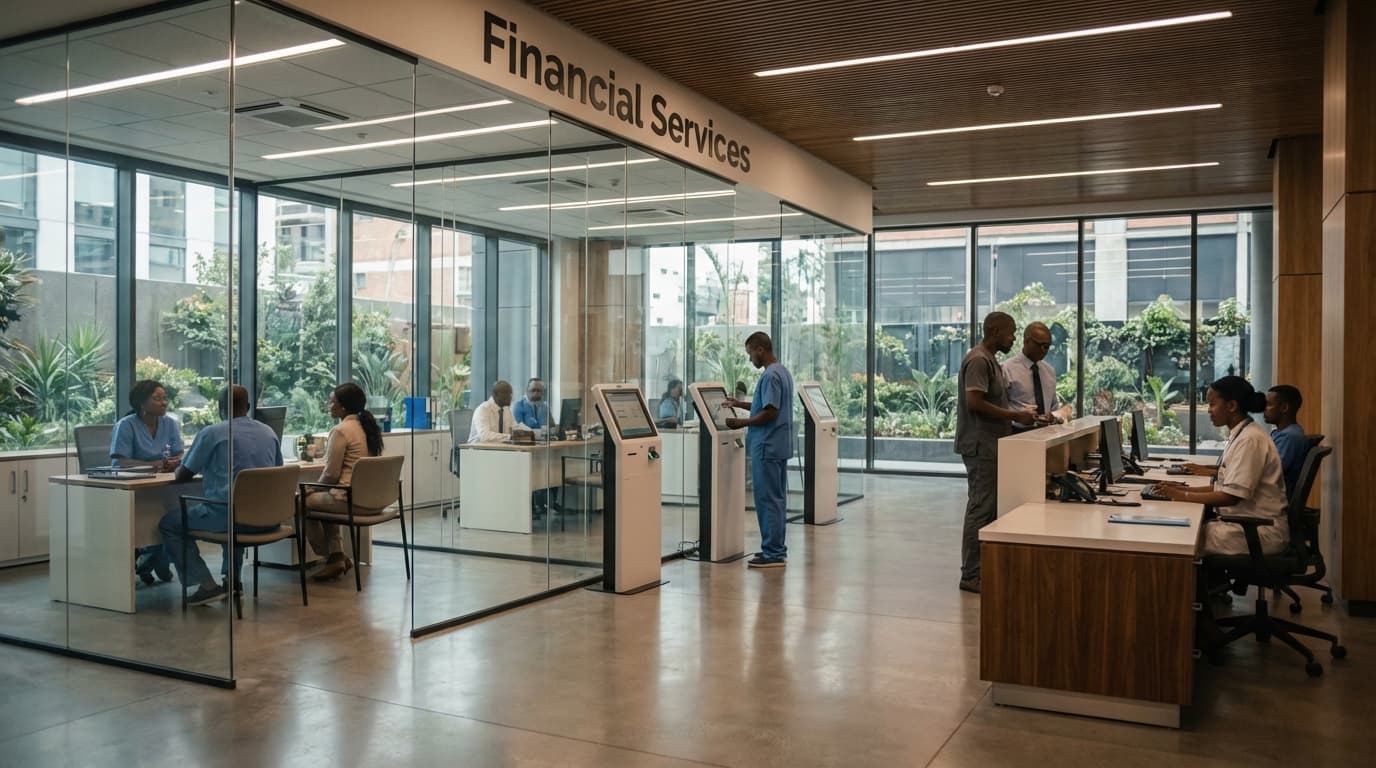
Medical Equipment Financing in Comoros
Engineering Excellence & Technical Support
Leasing and financing solutions for medical equipment High-standard technical execution following OEM protocols and local regulatory frameworks.
Tailored Financing for Vital Healthcare Infrastructure
We provide specialized financing solutions for essential medical equipment in Comoros, enabling healthcare providers to acquire state-of-the-art diagnostic tools, surgical instruments, and patient care systems. Our flexible terms and competitive rates are designed to address the unique budgetary constraints and operational needs of hospitals, clinics, and specialized medical facilities across the archipelago.
Accelerated Access to Life-Saving Technology
Our efficient application and approval process ensures rapid access to critical medical equipment, minimizing downtime and enhancing patient outcomes. We understand the urgency of equipping healthcare facilities in Comoros with the latest advancements, and our financing streamlines procurement to bridge the gap between need and availability, contributing to improved public health.
Growth and Sustainability Through Strategic Investment
We empower healthcare organizations in Comoros to invest strategically in revenue-generating medical equipment and upgrades. Our financing options support the expansion of services, adoption of new medical technologies, and overall modernization of healthcare infrastructure, fostering long-term growth and sustainability within the Comorian healthcare sector and improving the quality of care for its citizens.
What Is Medical Equipment Financing In Comoros?
Medical Equipment Financing in Comoros refers to the provision of capital, typically through loans or leases, specifically for the acquisition of medical technology and apparatus by healthcare providers operating within the Comoros archipelago. This financial service is designed to enable healthcare institutions to procure essential or advanced medical equipment that they might not have the immediate capital reserves to purchase outright. The financing arrangements are structured to be repaid over a defined period, often with interest, or through regular lease payments, thereby allowing for staggered capital outlay and preserving working capital for other operational needs. This mechanism is crucial for the modernization and expansion of healthcare infrastructure in a developing economic context like Comoros, where upfront investment in sophisticated medical technology can be a significant barrier.
| Who Needs Medical Equipment Financing in Comoros? | Typical Use Cases for Financed Medical Equipment | |||||||
|---|---|---|---|---|---|---|---|---|
| Hospitals (Public and Private): Seeking to upgrade existing infrastructure or acquire new technologies for expanded service offerings. | Diagnostic Imaging Equipment: X-ray machines, ultrasound devices, CT scanners, MRI units for radiological diagnosis. | Specialty Clinics (e.g., Cardiology, Ophthalmology, Dentistry): Requiring specialized diagnostic and treatment apparatus. | Surgical Equipment: Operating room instruments, anesthesia machines, patient monitoring systems for surgical interventions. | Laboratories and Diagnostic Centers: Acquiring advanced laboratory analyzers, microscopes, and specimen processing equipment. | Primary Healthcare Centers and Dispensaries: Procuring essential medical devices, basic diagnostic tools, and sterilization equipment. | Medical Training Institutions: Outfitting simulation labs and practical training facilities with modern equipment. | Rehabilitation and Physiotherapy Centers: Acquiring specialized therapeutic equipment, exercise machines, and electrotherapy devices. | Emergency Medical Services: Funding ambulances equipped with critical care technology and diagnostic tools. |
Key Aspects of Medical Equipment Financing in Comoros:
- Objective: To facilitate the procurement of medical equipment, ranging from basic diagnostic tools to advanced surgical and imaging systems.
- Financing Modalities: Primarily includes term loans and leasing agreements (operating and finance leases).
- Target Lenders: Financial institutions (local banks, microfinance institutions), specialized equipment financing companies, and potentially international development finance organizations.
- Collateral: Often secured by the financed equipment itself, or by other assets of the borrowing institution.
- Repayment Structure: Amortizing loan schedules or fixed/variable lease payments over the agreed tenor.
- Impact: Enhances diagnostic capabilities, treatment efficacy, patient outcomes, and overall service delivery within the Comorian healthcare sector.
Who Needs Medical Equipment Financing In Comoros?
Medical equipment financing plays a crucial role in the Comoros, a nation with a developing healthcare infrastructure. Ensuring access to modern, well-maintained medical devices is paramount for improving patient care, diagnostic capabilities, and overall health outcomes. This financing mechanism allows healthcare providers to acquire essential equipment without the burden of immediate large capital outlays, fostering growth and sustainability within the sector.
| Target Customer/Department | Specific Needs/Equipment | Benefits of Financing |
|---|---|---|
| General Wards (Public Hospitals) | Hospital beds, patient monitors, infusion pumps, basic diagnostic tools (e.g., thermometers, stethoscopes). | Improved patient comfort and monitoring, enabling treatment of a wider range of acute conditions. |
| Maternity and Neonatal Units (Public & Private) | Incubators, phototherapy units, fetal dopplers, ultrasound machines, neonatal ventilators. | Reduced infant mortality, improved care for premature and high-risk newborns. |
| Surgical Departments (Public & Private) | Operating tables, surgical lights, anesthesia machines, basic surgical instruments, electrocautery units. | Enhanced surgical capacity, ability to perform more complex procedures, improved patient safety during surgery. |
| Diagnostic Laboratories (Public & Private) | Microscopes, centrifuges, automated analyzers for blood/urine tests, PCR machines (for infectious diseases). | Faster and more accurate diagnoses, enabling timely and effective treatment, better disease surveillance. |
| Radiology/Imaging Departments (Public & Private) | X-ray machines, ultrasound machines, CT scanners (potentially in larger facilities or through shared services). | Improved diagnostic accuracy, ability to detect a wider range of pathologies, reduced need for overseas referrals for imaging. |
| Emergency and Trauma Units (Public & Private) | Defibrillators, advanced cardiac monitors, portable ventilators, trauma resuscitation equipment. | Quicker response to emergencies, improved survival rates for critical patients. |
| Primary Healthcare Centers (Public) | Basic diagnostic kits, vital signs monitors, simple medical equipment for minor procedures. | Increased accessibility to essential healthcare services at the community level. |
| NGO Healthcare Projects | Tailored to project-specific needs, often including mobile clinics, specialized treatment equipment, or public health screening tools. | Facilitates the delivery of targeted health interventions and services to underserved populations. |
Target Customers and Departments for Medical Equipment Financing in Comoros:
- Public Hospitals and Clinics
- Private Healthcare Facilities
- Non-Governmental Organizations (NGOs) involved in healthcare
- Diagnostic Laboratories
- Specialized Medical Centers
Medical Equipment Financing Process In Comoros
The medical equipment financing process in Comoros, while subject to the specific policies of individual financial institutions and manufacturers, generally follows a structured workflow. This process aims to ensure due diligence, risk assessment, and the secure disbursement of funds. The journey from an initial inquiry to the final execution of the financing agreement involves several key stages. These stages are designed to be transparent and to provide a clear path for healthcare providers seeking to acquire essential medical technology.
| Stage | Description | Key Activities | Responsible Parties | Potential Challenges |
|---|---|---|---|---|
| Inquiry and Needs Assessment | The initial contact where a healthcare provider expresses interest in financing medical equipment. | Contacting financial institutions or equipment suppliers; defining specific equipment needs, quantity, and purpose. | Healthcare Provider, Financial Institution/Equipment Supplier | Unclear equipment requirements, lack of knowledge about financing options. |
| Application Submission | Formalizing the request for financing by submitting a detailed application. | Completing loan/lease application forms; providing business plans, financial statements, ownership details, and projected revenue. | Healthcare Provider | Incomplete or inaccurate documentation, difficulty accessing financial records. |
| Credit Appraisal and Risk Assessment | The financial institution evaluates the applicant's creditworthiness and the risk associated with the financing. | Reviewing financial history, cash flow projections, market analysis, and operational capacity; assessing collateral (if any). | Financial Institution | Poor credit history, insufficient collateral, high market volatility. |
| Equipment Sourcing and Quotation | Identifying and obtaining precise costings for the required medical equipment. | Selecting specific equipment models, obtaining quotes from reputable suppliers, verifying specifications. | Healthcare Provider, Equipment Supplier | Limited supplier options, price fluctuations, long lead times for equipment. |
| Approval and Offer | The financial institution communicates its decision on the financing request and presents the terms. | Issuing a Letter of Offer/Sanction Letter outlining loan amount, interest rate, repayment period, fees, and any conditions. | Financial Institution | Unfavorable terms, rejection of the application. |
| Documentation and Legalities | Formalizing the agreement through legal documentation and compliance checks. | Signing loan/lease agreements, security documents, guarantees, and any other required legal paperwork; conducting KYC (Know Your Customer) checks. | Healthcare Provider, Financial Institution, Legal Counsel | Complex legal jargon, delays in legal review, disputes over terms. |
| Disbursement | The release of funds to the equipment supplier. | Direct transfer of funds to the supplier's account upon confirmation of equipment readiness and agreed-upon milestones. | Financial Institution, Equipment Supplier | Discrepancies in payment details, delays in supplier verification. |
| Installation and Commissioning | Ensuring the equipment is properly installed and operational. | Facilitating site preparation, overseeing installation by the supplier, conducting user training and testing. | Healthcare Provider, Equipment Supplier | Technical issues during installation, inadequate training. |
| Repayment and Servicing | The ongoing process of the healthcare provider meeting their financial obligations. | Making regular installment payments as per the agreed schedule; maintaining communication with the financial institution for any queries or issues. | Healthcare Provider, Financial Institution | Cash flow challenges, late payments, default. |
| Asset Management and Return (if applicable) | Managing the financed asset throughout its lifecycle and potentially returning it. | Regular maintenance of equipment, insurance, and adherence to lease terms; returning equipment at the end of a lease period if not purchased. | Healthcare Provider, Financial Institution, Equipment Supplier | Equipment depreciation, disputes over return conditions, end-of-lease buy-out negotiations. |
Key Stages in the Medical Equipment Financing Process in Comoros
- Inquiry and Needs Assessment
- Application Submission
- Credit Appraisal and Risk Assessment
- Equipment Sourcing and Quotation
- Approval and Offer
- Documentation and Legalities
- Disbursement
- Installation and Commissioning
- Repayment and Servicing
- Asset Management and Return (if applicable)
Medical Equipment Financing Cost In Comoros
Financing medical equipment in Comoros involves a complex interplay of factors that influence cost. Unlike established markets with standardized rates, the Comorian market is characterized by unique economic conditions, import complexities, and local financial institution practices. Therefore, providing precise pricing ranges is challenging, but understanding the contributing factors allows for a better estimation of potential costs.
Key Pricing Factors for Medical Equipment Financing in Comoros:
- Equipment Type and Cost: This is the most significant driver. High-end diagnostic machines (MRI, CT scanners) will naturally have much higher financing costs than basic hospital beds or examination tables. The original purchase price of the equipment is the base upon which all other financing costs are calculated.
- Import Duties and Taxes: Comoros imposes import duties and taxes on medical equipment. These can vary based on the specific item, its country of origin, and current government regulations. These costs are often factored into the total financed amount, increasing the principal.
- Shipping and Logistics: The cost of transporting medical equipment to Comoros, including freight, insurance, and local handling, adds to the overall expense. These logistical costs are typically incorporated into the financed sum.
- Financing Institution Type: The source of financing significantly impacts the cost. Options may include:
* **Local Banks:** Comorian banks offer financing, but their interest rates can be higher due to perceived risk, limited liquidity, and the cost of capital. They may require substantial collateral.
* **International Financial Institutions (IFIs):** Organizations like the African Development Bank (AfDB) or regional development banks might offer concessional loans for healthcare infrastructure, potentially at lower rates, but often with stricter eligibility criteria and longer application processes.
* **Equipment Suppliers/Manufacturers:** Some international medical equipment suppliers may offer direct financing or leasing options, often bundled with installation and maintenance. The cost structure here is integrated into the overall package.
* **Expatriate/Diaspora Investments:** In some cases, individuals or organizations with connections outside Comoros might provide financing, with terms negotiated directly.
- Interest Rates (Annual Percentage Rate - APR): This is the core cost of borrowing. Local bank rates are generally higher than international benchmarks. Factors influencing these rates include:
* **Central Bank Policy Rates:** The policy of the Central Bank of Comoros (Banque Centrale des Comores) influences the cost of money.
* **Inflation:** High inflation erodes the purchasing power of money and typically leads to higher nominal interest rates.
* **Risk Premium:** Lenders assess the risk of default. Factors like economic stability, the financial health of the borrowing institution (hospital, clinic), and collateral availability influence this premium.
- Loan Tenure/Repayment Period: Longer repayment periods spread the cost over time but usually result in higher total interest paid. Shorter tenures mean higher periodic payments but less overall interest.
- Upfront Fees and Charges: Lenders often charge various fees, including:
* **Loan Origination Fees:** A percentage of the loan amount for processing.
* **Appraisal Fees:** For valuing collateral.
* **Administrative Fees:** For managing the loan.
* **Insurance Premiums:** If collateral requires specific insurance.
- Collateral Requirements: The type and value of collateral offered can influence the interest rate. Strong, easily liquidatable collateral may lead to lower rates. For medical equipment itself, the lender might take a charge over the financed asset.
- Currency Exchange Rate Fluctuations: As much of the medical equipment is imported, financing in a foreign currency (like USD or EUR) exposes borrowers to exchange rate risks. If the Comorian Franc (KMF) depreciates against the financing currency, the repayment cost in KMF increases.
- Government Subsidies or Guarantees: In some rare cases, government initiatives or guarantees for essential healthcare equipment might lower financing costs, though these are not common.
Estimated Pricing Ranges in Comorian Franc (KMF):
Given the variability, it's crucial to understand these are illustrative ranges and actual costs will vary significantly. These estimates are based on general observations of financial markets in similar economies and discussions with potential stakeholders.
1. Interest Rates (APR):
- Local Bank Loans: 15% to 25% per annum.
- International Development Finance (if available): Potentially 5% to 10% per annum, but with stricter conditions.
- Supplier Financing/Leasing: Can range from 10% to 20% equivalent, often bundled.
2. Upfront Fees (as a percentage of loan amount):
- Loan Origination Fees: 1% to 3%
- Appraisal/Valuation Fees: 0.5% to 1.5%
- Administrative/Processing Fees: 0.5% to 2%
3. Total Cost of Financing (Illustrative Example):
Let's consider a hypothetical financing scenario for a mid-range medical device costing approximately 50,000,000 KMF (this would include import costs, taxes, etc.).
- Scenario A: Local Bank Loan
* Loan Amount: 50,000,000 KMF
* Interest Rate: 20% p.a.
* Loan Tenure: 5 years (60 months)
* Upfront Fees (average 4%): 2,000,000 KMF
* **Estimated Monthly Repayment:** Approximately 1,300,000 KMF (principal + interest)
* **Total Interest Paid over 5 years:** Approximately 28,000,000 KMF
* **Total Repaid (Principal + Interest + Fees):** Approximately 80,000,000 KMF
* **Total Cost of Financing (Interest + Fees):** Approximately 30,000,000 KMF (or 60% of the original loan)
- Scenario B: Hypothetical concessional loan (if available)
* Loan Amount: 50,000,000 KMF
* Interest Rate: 8% p.a.
* Loan Tenure: 5 years (60 months)
* Upfront Fees (average 2%): 1,000,000 KMF
* **Estimated Monthly Repayment:** Approximately 1,050,000 KMF
* **Total Interest Paid over 5 years:** Approximately 13,000,000 KMF
* **Total Repaid:** Approximately 64,000,000 KMF
* **Total Cost of Financing:** Approximately 15,000,000 KMF (or 30% of the original loan)
Conclusion:
Financing medical equipment in Comoros is costly, largely driven by higher local interest rates, import expenses, and logistical challenges. Institutions seeking to acquire such equipment should engage early with local financial institutions, explore potential international funding avenues, and meticulously factor in all associated import costs and fees. Transparent negotiations and strong financial planning are essential to secure affordable and sustainable financing solutions.
| Financing Component | Estimated Range (KMF) | Notes |
|---|---|---|
| Local Bank Annual Interest Rate (APR) | 15% - 25% | Influenced by inflation, risk premium, and central bank rates. |
| International Development Finance Annual Interest Rate (APR) | 5% - 10% | Subject to strict eligibility and often longer application processes. |
| Supplier Financing/Leasing Equivalent APR | 10% - 20% | Often integrated into equipment package pricing. |
| Loan Origination Fees | 1% - 3% of loan amount | Charged by financial institutions for processing the loan. |
| Appraisal/Valuation Fees | 0.5% - 1.5% of loan amount | For assessing the value of collateral. |
| Administrative/Processing Fees | 0.5% - 2% of loan amount | Covers ongoing management of the loan. |
Factors Influencing Medical Equipment Financing Costs in Comoros
- Equipment Type and Original Purchase Price
- Import Duties and Taxes
- Shipping and Logistics Costs
- Financing Institution Type (Local Banks, IFIs, Suppliers)
- Annual Percentage Rate (APR) / Interest Rates
- Loan Tenure and Repayment Period
- Upfront Fees (Origination, Appraisal, Administrative)
- Collateral Requirements
- Currency Exchange Rate Fluctuations
- Government Subsidies or Guarantees (rare)
Affordable Medical Equipment Financing Options
Securing affordable medical equipment is crucial for healthcare providers, impacting patient care and operational efficiency. Fortunately, various financing options and cost-saving strategies exist to make this accessible. This guide explores value bundles and key strategies to reduce the overall cost of acquiring necessary medical devices.
| Cost-Saving Strategy | Description | Impact on Affordability |
|---|---|---|
| Leasing vs. Buying | Leasing offers lower upfront costs and allows for regular upgrades to the latest technology. Buying involves a larger initial investment but provides ownership and no ongoing rental fees. | Leasing significantly reduces initial capital outlay, making equipment accessible for practices with limited upfront funds. Buying can be more affordable long-term if depreciation is managed. |
| Refurbished Equipment | Purchasing certified pre-owned or refurbished medical equipment from reputable vendors. These devices are often restored to full working order and come with warranties. | Substantially lowers the purchase price compared to new equipment, offering a significant cost reduction without compromising quality or functionality for many needs. |
| Negotiating Bulk Discounts | Purchasing multiple pieces of equipment from a single vendor or during a single transaction. This can leverage purchasing power for lower prices. | Directly reduces the per-unit cost of equipment, especially beneficial for clinics or hospitals expanding their services or replacing multiple items. |
| Exploring Government and Non-Profit Programs | Investigating grants, subsidies, or financing programs offered by government bodies or non-profit organizations aimed at supporting healthcare providers, especially in underserved areas. | Can provide significant financial assistance, grants, or low-interest loans that drastically improve affordability and accessibility. |
| Long-Term Service Agreements | While an upfront cost, a well-negotiated, long-term service agreement can prevent unexpected repair bills and ensure optimal equipment performance, leading to cost savings over time. | Prevents costly emergency repairs and downtime, contributing to predictable operational expenses and avoiding the cost of premature equipment replacement. |
| Consignment or Rental Options | For infrequent or specialized equipment needs, consider consignment models or short-term rentals instead of outright purchase. | Eliminates the need for capital investment in equipment that is not used regularly, making specialized care more accessible without significant financial commitment. |
Value Bundles in Medical Equipment Financing
- {"title":"What are Value Bundles?","description":"Value bundles, often referred to as 'all-inclusive' or 'bundled' packages, combine the purchase of medical equipment with additional services. These services can include installation, training, maintenance contracts, software updates, and sometimes even consumables."}
- {"title":"Benefits of Value Bundles","description":"By consolidating multiple needs into a single purchase, value bundles can offer significant advantages. They often result in a lower overall price compared to procuring each item or service separately. This also simplifies vendor management and can lead to predictable budgeting."}
- {"title":"Common Components of Value Bundles","description":"These packages frequently include: equipment purchase or lease, initial training for staff, preventative maintenance plans, extended warranties, software upgrades, and sometimes delivery and installation."}
- {"title":"Finding and Negotiating Value Bundles","description":"Look for manufacturers and equipment suppliers who offer these comprehensive packages. Be prepared to negotiate the terms and inclusions to ensure they align with your specific operational needs and budget."}
Verified Providers In Comoros
Navigating healthcare in a new country can be challenging. In Comoros, understanding which healthcare providers are reliable and credentialed is paramount for ensuring quality care. Franance Health has emerged as a leading entity, dedicated to verifying and promoting healthcare providers who meet stringent international standards. Their rigorous credentialing process ensures that patients have access to safe, effective, and trustworthy medical services. By choosing Franance Health-verified providers, individuals can have greater confidence in the expertise and qualifications of their healthcare professionals, leading to better health outcomes.
| Provider Type | Franance Health Verification Focus | Benefits for Patients |
|---|---|---|
| General Practitioners | Accurate medical licensing, up-to-date continuing medical education, adherence to primary care best practices. | Reliable diagnosis and treatment for common illnesses, coordinated care, trusted first point of contact. |
| Specialists (e.g., Cardiologists, Dermatologists, Pediatricians) | Board certification, specialized training and experience in their field, evidence of successful patient outcomes. | Access to expert care for complex conditions, advanced diagnostic and treatment options, specialized medical advice. |
| Surgeons | Surgical board certification, extensive surgical training, proven track record of safe and effective procedures, adherence to sterile techniques. | Confidence in surgical expertise, reduced risk of complications, optimal surgical outcomes. |
| Diagnostic Centers (e.g., Imaging, Labs) | Accreditation of facilities, qualification of technicians and radiologists, use of calibrated and maintained equipment, adherence to quality control standards. | Accurate and reliable diagnostic results, timely reporting, professional interpretation of findings. |
| Hospitals and Clinics | Overall facility accreditation, quality of patient care management, adherence to infection control policies, availability of essential medical equipment and staff. | Safe and well-equipped healthcare environments, comprehensive medical services, coordinated patient management. |
Why Franance Health Credentials Matter in Comoros
- Uncompromising Quality Assurance: Franance Health employs a multi-faceted verification process that scrutinizes a provider's education, training, licenses, and professional experience.
- Patient Safety First: Their credentialing focuses on ensuring providers adhere to the highest safety protocols and ethical standards in patient care.
- Access to Specialized Expertise: By identifying and endorsing qualified specialists, Franance Health helps patients connect with the right medical professionals for their specific needs.
- International Standards Alignment: Franance Health's criteria are often benchmarked against internationally recognized healthcare quality benchmarks, offering a familiar and reliable standard for patients.
- Building Trust and Transparency: The "Franance Health Verified" badge signifies a commitment to transparency and provides patients with a clear indicator of a provider's legitimacy and competence.
- Enhanced Patient Confidence: Knowing that a provider has undergone rigorous vetting by a trusted organization like Franance Health significantly boosts patient confidence and reduces anxiety about seeking medical attention.
Scope Of Work For Medical Equipment Financing
This Scope of Work (SOW) outlines the technical deliverables and standard specifications required for the successful financing of medical equipment. It aims to ensure that all procured equipment meets the necessary functional, performance, and safety standards to support the client's healthcare operations.
| Equipment Category | Key Technical Specifications | Applicable Standards | Performance Metrics |
|---|---|---|---|
| Diagnostic Imaging Equipment (e.g., MRI, CT Scanner) | Image Resolution, Scan Speed, Radiation Dose Control, Detector Technology, Field Strength (for MRI) | IEC 60601 series, DICOM standards, FDA regulations | Signal-to-noise ratio, Spatial resolution, Throughput, Image quality assessment |
| Surgical Equipment (e.g., Electrosurgical Units, Surgical Robots) | Power Output, Waveform Control, Safety Features (e.g., patient return electrode monitoring), Ergonomics, Precision Control | IEC 60601 series, ISO 13485 | Cutting/coagulation effectiveness, Battery life, Response time, Accuracy |
| Patient Monitoring Systems (e.g., ECG, Blood Pressure) | Accuracy, Sampling Rate, Alarm Functions, Data Connectivity, Battery Backup | IEC 60601 series, AAMI standards | Measurement accuracy, Trend monitoring capabilities, Alarm response time, Data integrity |
| Laboratory Equipment (e.g., Analyzers, Microscopes) | Throughput, Accuracy, Sensitivity, Specificity, Sample Volume, Automation Features | CLIA regulations, ISO 15189, ISO 13485 | Assay precision, Detection limits, Run time, Quality control performance |
| Anesthesia Machines | Ventilation Modes, Gas Delivery Accuracy, Safety Interlocks, Vaporizer Calibration, Integrated Monitoring | IEC 60601 series, ISO 13485 | Breathing circuit compliance, Gas mixture accuracy, Alarm system reliability, Vaporizer output consistency |
Technical Deliverables
- Detailed Technical Specifications for each Medical Equipment Item (as per Appendix A).
- Manufacturer's Certifications of Compliance (e.g., ISO 13485, CE Marking, FDA Approval).
- User Manuals (English language), including installation, operation, maintenance, and troubleshooting guides.
- Service and Maintenance Manuals (English language).
- Warranty Certificates for all equipment.
- Calibration Certificates (where applicable) for specific equipment.
- Training Plans and Materials for end-users and technical staff.
- Installation and Commissioning Reports, signed by authorized personnel.
- Acceptance Testing Protocols and Results.
- List of Consumables and Spare Parts with recommended stock levels.
- Software Licenses and Updates (if applicable).
Service Level Agreement For Medical Equipment Financing
This Service Level Agreement (SLA) outlines the response times and uptime guarantees for the financing of medical equipment provided by [Financing Company Name] to [Client Name]. This agreement is designed to ensure minimal disruption to patient care by maintaining the operational readiness of the financed equipment.
| Service Element | Target Response Time (Business Hours) | Uptime Guarantee | Measurement & Reporting |
|---|---|---|---|
| Initial Acknowledgement of Financing Inquiry/Issue: | 1 Business Hour | N/A | [Financing Company Name] will acknowledge all incoming financing-related inquiries (e.g., billing questions, loan status updates, amendment requests) within the specified timeframe. Reporting via email to [support@financingcompany.com] and phone to [1-800-XXX-XXXX]. |
| Initial Response to Equipment Financing Status Issue (e.g., payment status dispute impacting use): | 4 Business Hours | N/A | For issues directly impacting the operational status of the equipment due to financing discrepancies, [Financing Company Name] will initiate investigation and provide an update on the resolution plan. Reporting via dedicated client portal or email to [clientrelations@financingcompany.com]. |
| Scheduled Downtime Notification: | 7 Business Days Prior | N/A | Advance notice for any planned maintenance or review periods that may temporarily affect access to financing portals or services. Communication via email to designated client contacts. |
| Equipment Financing Uptime Guarantee (for equipment financed under specific lease/loan terms): | N/A | 99.5% (excluding scheduled maintenance) | This guarantee applies to the financing of the equipment itself, ensuring its financing terms remain active and supportive of its operational use. The equipment manufacturer's warranty and maintenance schedule are the primary drivers of actual equipment uptime. [Financing Company Name]'s role is to ensure financing does not impede access to maintenance or operational status due to administrative delays. Monthly reports will be provided if requested, detailing any financing-related service interruptions. |
| Escalation for Critical Financing Issues: | Within 2 Business Hours of Escalation Request | N/A | If a critical financing issue remains unresolved and is impacting patient care, a formal escalation can be requested. The escalation point is [Escalation Manager Name] at [escalation.email@financingcompany.com] or [1-800-XXX-XXXX ext. XXX]. |
Key Service Level Objectives
- Response Times: The time taken for [Financing Company Name] to acknowledge and begin addressing a reported issue related to the financing agreement or the financed equipment's financing status.
- Uptime Guarantees: The percentage of time the financed medical equipment is expected to be operational, factoring in scheduled maintenance and reasonable downtime for repairs covered under the financing agreement.
- Notification Procedures: The defined channels and methods for reporting issues and for [Financing Company Name] to communicate updates.
- Escalation Procedures: The steps to be taken if initial response times are not met or if an issue significantly impacts patient care.
Frequently Asked Questions

Ready when you are
Let's scope your Medical Equipment Financing in Comoros project in Comoros.

Scaling healthcare logistics and technical systems across the entire continent.