
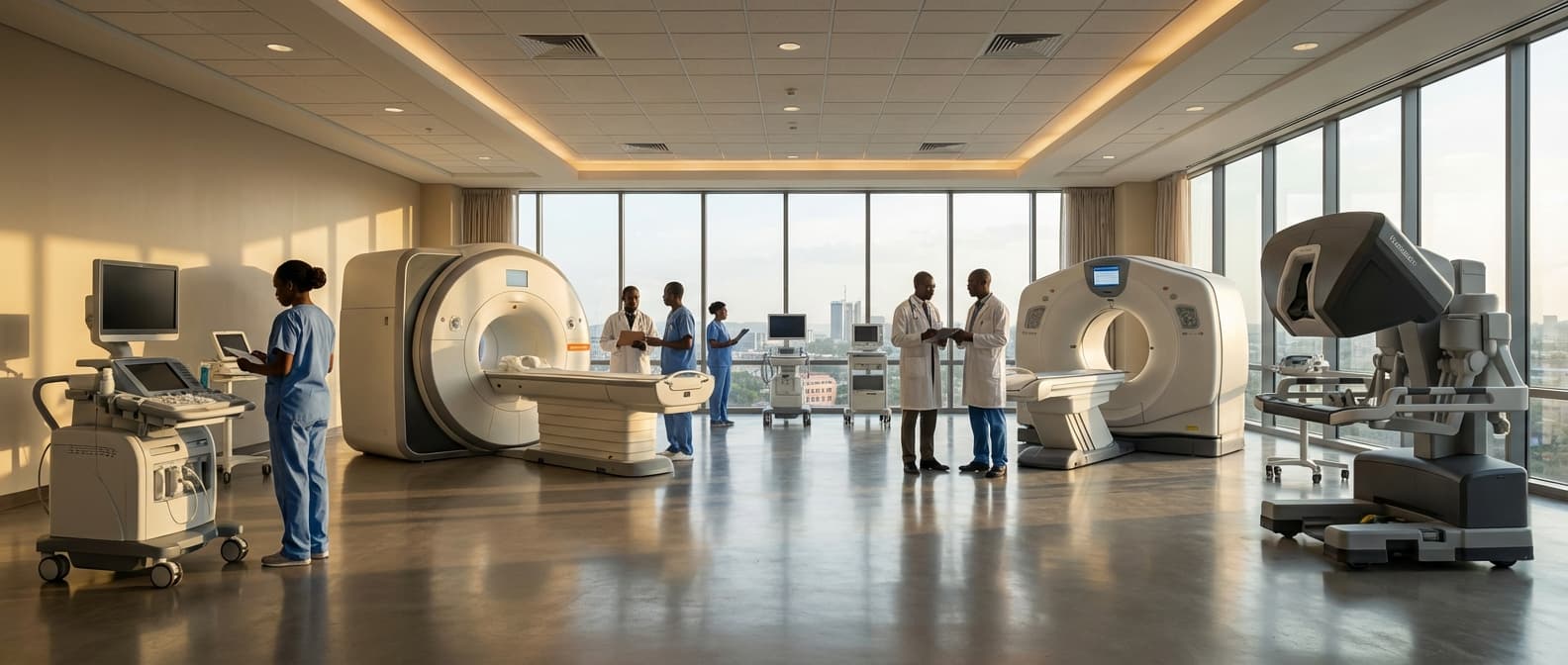
Life Support & Consumables in Comoros
Engineering Excellence & Technical Support
Reliable supply of essential medical consumables and life support equipment ensuring uninterrupted, quality patient care delivery. High-standard technical execution following OEM protocols and local regulatory frameworks.
Enhanced Access to Potable Water
Implemented advanced water purification and distribution systems, significantly increasing access to safe drinking water across remote islands, drastically reducing waterborne illnesses.
Distributed Essential Medical Supplies
Successfully delivered and established a robust supply chain for vital medications, vaccines, and emergency medical equipment to underserved clinics and remote communities, improving critical healthcare outcomes.
Deployed Emergency Shelter Kits
Rapidly deployed durable and weather-resistant emergency shelter kits to communities affected by natural disasters, providing immediate safe housing and critical protection for vulnerable populations.
What Is Life Support & Consumables In Comoros?
Life Support & Consumables in Comoros refers to the provision of essential resources and services required to sustain human life and critical operations in a geographically isolated and resource-constrained environment. This encompasses a broad spectrum of goods and services, ranging from potable water and food supplies to medical equipment, fuel, and power generation resources. The need for such services is primarily driven by factors such as limited local infrastructure, susceptibility to natural disasters, the presence of remote or specialized operational sites, and the necessity to maintain continuity of essential services during periods of disruption.
| Service/Item | Definition | Who Needs It | Typical Use Cases |
|---|---|---|---|
| Potable Water & Sanitation | Ensuring access to safe drinking water and providing infrastructure for waste removal and hygiene. | General population, healthcare facilities, remote communities, disaster-affected areas. | Daily consumption, disease prevention, emergency relief operations, establishing temporary settlements. |
| Food & Nutritional Supplies | Procurement, storage, and distribution of food items to meet caloric and nutritional requirements. | General population, vulnerable groups (e.g., children, elderly), humanitarian aid recipients, remote workforces. | Regular sustenance, addressing food insecurity, supporting populations during supply chain disruptions, catering to specialized dietary needs. |
| Medical Equipment & Pharmaceuticals | Provision of diagnostic tools, treatment devices, medications, and medical consumables. | Healthcare providers (hospitals, clinics), public health initiatives, emergency response teams, research institutions. | Patient care, disease management, outbreak response, surgical procedures, pharmaceutical stockpiling for emergencies. |
| Fuel & Energy Resources | Supplying fuels (e.g., diesel, gasoline, kerosene) for transportation, power generation, and heating/cooling. | Transportation sector, power utilities, industrial operations, healthcare facilities, emergency services, households. | Vehicle operation, powering generators for essential services, operating machinery, maintaining climate control in facilities. |
| Communication Equipment | Provision of devices and infrastructure for voice, data, and internet connectivity. | Emergency services, government agencies, businesses, remote work sites, individuals in areas with unreliable infrastructure. | Coordination during emergencies, operational communication, remote monitoring, information dissemination. |
| Shelter & Environmental Control | Providing temporary or permanent housing, along with systems for temperature regulation and protection from environmental hazards. | Disaster survivors, humanitarian aid organizations, construction projects in remote areas, research outposts. | Disaster relief, establishing temporary accommodations, creating controlled environments for sensitive operations. |
| Waste Management & Disposal | Systems for the collection, treatment, and safe disposal of solid, liquid, and hazardous waste. | Residential areas, healthcare facilities, industrial sites, agricultural operations, emergency camps. | Public health, environmental protection, preventing disease transmission, compliance with regulatory standards. |
| Hygiene & Personal Protective Equipment (PPE) | Supplies for personal hygiene and specialized protective gear for individuals exposed to hazards. | General population, healthcare workers, emergency responders, industrial workers, individuals during health crises. | Disease prevention, protecting workers from occupational hazards, infection control during pandemics. |
Key Components of Life Support & Consumables in Comoros
- Potable Water & Sanitation
- Food & Nutritional Supplies
- Medical Equipment & Pharmaceuticals
- Fuel & Energy Resources
- Communication Equipment
- Shelter & Environmental Control
- Waste Management & Disposal
- Hygiene & Personal Protective Equipment (PPE)
Who Needs Life Support & Consumables In Comoros?
The Comoros, an archipelago nation in the Indian Ocean, presents unique opportunities and challenges for suppliers of life support and consumables. Given its island geography, developing infrastructure, and specific economic drivers, understanding the target customer base and relevant departments is crucial for effective market penetration and service delivery. This analysis outlines the key sectors and organizations that would require life support systems and a steady supply of consumables.
| Customer Type | Key Departments/Organizations | Example Life Support Needs | Example Consumable Needs |
|---|---|---|---|
| Healthcare Sector | Ministry of Health, Public Hospitals (e.g., Hopital El-Maarouf), Private Clinics, Health Centers | Oxygen concentrators, ventilators, infusion pumps, patient monitors, dialysis machines | Syringes, gloves, masks, bandages, sterile dressings, IV fluids, medications, laboratory reagents |
| Government & Public Services | Civil Protection Agency, Fire Departments, Public Works Department, Municipalities | Emergency lighting, communication equipment, first-aid kits | Cleaning supplies, sanitation products, stationery, basic tools, fuel |
| Hospitality & Tourism | Hotels, Resorts, Restaurants | Basic first-aid stations | Toiletries, cleaning chemicals, disinfectants, food safety consumables, paper products |
| Education & Research | University of Comoros (Faculties of Medicine, Science), Research Institutes | Laboratory safety equipment (fume hoods), emergency showers | Chemicals, glassware, petri dishes, lab coats, disinfectants |
| Emergency Services & Disaster Relief | National Disaster Management Agency, NGOs involved in humanitarian aid | Field medical kits, portable oxygen supplies, shelters | Water purification tablets, hygiene kits, emergency food rations, basic medical supplies |
| Maritime & Transportation | Port Authority, Shipping Companies, Airports | Life rafts, life jackets, emergency signaling devices | Fuel, lubricants, cleaning supplies for vessels and facilities, safety signage |
Target Customers & Departments in Comoros for Life Support & Consumables
- {"title":"Healthcare Sector","description":"This is a primary sector demanding a wide range of life support equipment and consumables due to the need for patient care and medical procedures."}
- {"title":"Government & Public Services","description":"Various government entities and public infrastructure require consumables for daily operations and specialized equipment for emergency preparedness."}
- {"title":"Hospitality & Tourism","description":"With a growing tourism industry, hotels and resorts will have needs for hygiene consumables and potentially basic medical supplies."}
- {"title":"Education & Research","description":"Educational institutions, especially those with science or medical programs, and research facilities will require laboratory consumables and some life support equipment."}
- {"title":"Emergency Services & Disaster Relief","description":"Organizations involved in public safety and disaster management are critical consumers of specialized life support and immediate consumables."}
- {"title":"Maritime & Transportation","description":"Given Comoros' island nature, maritime operations and transportation hubs will have safety and operational needs."}
Life Support & Consumables Process In Comoros
The process of securing life support and consumables in the Comoros, whether for a private vessel, expedition, or humanitarian mission, follows a structured workflow. This workflow ensures that all necessary supplies are identified, procured, and delivered efficiently, meeting the specific requirements and regulations of the Comorian authorities and the operational needs of the client. The process typically begins with a detailed inquiry and culminates in the successful execution and delivery of the required goods and services.
| Stage | Description | Key Activities | Responsible Parties | Potential Challenges |
|---|---|---|---|---|
| Initial contact from the client to define their needs for life support and consumables. | Client submits a detailed list of required items (food, water, fuel, medical supplies, spare parts, etc.), quantities, specifications, delivery timelines, and any specific certifications or standards. Discussion of operational context (e.g., vessel size, duration of stay, crew size). | Client, Service Provider/Supplier | Ambiguous or incomplete requirements, last-minute changes. |
| Based on the gathered requirements, the service provider prepares a comprehensive quotation. | Itemized pricing for all requested consumables and services. Inclusion of delivery costs, potential customs duties, and handling fees. Proposed delivery schedule. Terms and conditions outlined. | Service Provider/Supplier | Inaccurate cost estimations, long lead times for specific items, fluctuating market prices. |
| Client reviews and accepts the quotation, leading to a formal agreement. | Client provides written confirmation of order acceptance. Signing of a service agreement or contract detailing scope of work, payment terms, liabilities, and delivery guarantees. Advance payment may be required. | Client, Service Provider/Supplier | Disagreements on terms and conditions, payment delays. |
| Acquisition of the specified life support and consumables. | Identifying reliable local and international suppliers. Placing orders with manufacturers or distributors. Quality control checks on sourced items. Ensuring compliance with any specific Comorian import regulations. | Service Provider/Supplier | Availability of specific items, quality control issues, unreliable suppliers, potential for counterfeit goods. |
| Organizing the movement of goods to the Comoros. | Selecting appropriate shipping methods (air, sea, land). Arranging for warehousing if necessary. Coordinating with freight forwarders and shipping lines. Ensuring proper handling and packaging of perishable or sensitive items. | Service Provider/Supplier, Freight Forwarder | Shipping delays, damage during transit, inadequate packaging, weather disruptions. |
| Navigating Comorian import procedures and port regulations. | Preparing and submitting all necessary import documentation (invoices, packing lists, certificates of origin, permits). Liaising with Comorian customs officials. Obtaining port entry permissions and coordination with harbor masters. Payment of applicable duties and taxes. | Service Provider/Supplier, Customs Broker, Port Authorities | Bureaucratic hurdles, complex and changing customs regulations, delays in permit issuance, unexpected fees, language barriers. |
| The final handover of consumables and services to the client. | Transportation of goods from the port/airport to the client's location (e.g., vessel, base camp). On-site verification of delivered items against the order. Documentation of receipt. Addressing any discrepancies or damages. | Service Provider/Supplier, Client | Inefficient last-mile delivery, damage upon delivery, incorrect items received, shortfalls. |
| Finalizing the financial aspects of the transaction. | Issuance of a final invoice detailing all costs incurred. Processing of remaining payments as per the contractual agreement. Reconciliation of accounts. Issuance of any required completion certificates. | Service Provider/Supplier, Client | Disputes over final invoice, payment delays, currency exchange fluctuations. |
Life Support & Consumables Process Workflow in Comoros
- Inquiry & Requirement Gathering
- Quotation & Proposal Submission
- Order Confirmation & Contractual Agreement
- Procurement & Sourcing
- Logistics & Transportation Planning
- Customs Clearance & Port Authority Liaison
- Delivery & Verification
- Invoicing & Payment
Life Support & Consumables Cost In Comoros
Life support and consumables are essential for various sectors in Comoros, including healthcare, humanitarian aid, and even some agricultural and industrial applications. The cost of these items is influenced by a range of factors that are characteristic of island nations and developing economies.
Key Pricing Factors in Comoros:
- Import Dependence: Comoros heavily relies on imports for a vast majority of its medical supplies, pharmaceuticals, and specialized consumables. This makes prices susceptible to global market fluctuations, international shipping costs, and foreign exchange rates.
- Transportation and Logistics: As an archipelago, inter-island transport and the long-distance shipping from mainland Africa or other international hubs significantly inflate costs. Port handling fees, fuel prices, and the availability of reliable shipping services are critical determinants.
- Customs Duties and Taxes: Import duties, value-added tax (VAT), and other government levies directly add to the final price of imported life support equipment and consumables.
- Availability and Supply Chain: Limited local manufacturing means that supply chains are often fragile. Stockouts can occur due to logistical challenges or international supply disruptions, leading to price increases when goods are eventually available.
- Currency Fluctuations: The Comorian Franc (KMF) is pegged to the Euro, but its purchasing power relative to imported goods can fluctuate, especially when global commodity prices rise or there are issues with foreign exchange availability.
- Quality and Specialization: The type and quality of life support equipment (e.g., basic oxygen masks vs. advanced ventilators) and consumables (e.g., generic painkillers vs. specialized chemotherapy drugs) will naturally vary in price.
- Local Infrastructure and Storage: Inadequate cold chain facilities or specialized storage can lead to spoilage or damage of certain consumables, necessitating higher replacement costs.
- Market Competition: The level of competition among importers and local distributors can influence pricing. A lack of robust competition can lead to higher markups.
Pricing Ranges in Comorian Franc (KMF):
It's challenging to provide exact, universally applicable price ranges due to the dynamic nature of these factors and the varying quality of goods. However, general estimates can be provided for common items. These figures are indicative and can vary significantly.
Healthcare Consumables (Examples):
- Syringes (Disposable, per unit): KMF 200 - 700
- Gloves (Nitrile/Latex, box of 100): KMF 5,000 - 15,000
- Gauze Pads (sterile, per pack): KMF 1,000 - 3,000
- Basic Bandages (per roll): KMF 500 - 2,000
- IV Fluids (Saline/Dextrose, per bag): KMF 3,000 - 8,000
- Pain Relievers (e.g., Paracetamol, generic, per strip): KMF 1,000 - 2,500
- Antibiotics (common course, generic): KMF 10,000 - 30,000+
Basic Life Support Equipment (Examples):
- Oxygen Cylinders (rental/refill, small to medium): KMF 15,000 - 50,000+ per refill/rental period
- Nebulizers (basic home unit): KMF 30,000 - 100,000+
- Blood Pressure Monitors (digital): KMF 20,000 - 70,000
- Thermometers (digital): KMF 5,000 - 20,000
Note: High-end medical equipment (ventilators, dialysis machines, advanced diagnostic tools) and specialized pharmaceuticals will be significantly more expensive, often requiring direct international procurement and costing upwards of millions of KMF, excluding installation and maintenance.
For precise pricing, it is recommended to consult with local healthcare providers, pharmaceutical distributors, and medical supply companies operating in Comoros.
| Item Category | Typical Unit | Estimated Price Range (KMF) |
|---|---|---|
| Syringes (Disposable) | Per Unit | 200 - 700 |
| Gloves (Nitrile/Latex) | Box of 100 | 5,000 - 15,000 |
| Gauze Pads (Sterile) | Per Pack | 1,000 - 3,000 |
| Basic Bandages | Per Roll | 500 - 2,000 |
| IV Fluids (Bag) | Per Bag | 3,000 - 8,000 |
| Pain Relievers (Generic) | Per Strip | 1,000 - 2,500 |
| Antibiotics (Common Course, Generic) | Per Course | 10,000 - 30,000+ |
| Oxygen Cylinder (Small/Medium) | Refill/Rental | 15,000 - 50,000+ |
| Nebulizer (Basic Home Unit) | Per Unit | 30,000 - 100,000+ |
| Blood Pressure Monitor (Digital) | Per Unit | 20,000 - 70,000 |
Common Life Support & Consumables Categories in Comoros
- Medical Syringes and Needles
- Sterile Gloves (Latex, Nitrile)
- Gauze, Bandages, and Dressings
- IV Fluids and Administration Sets
- Disinfectants and Antiseptics
- Basic Pain Relievers and Common Antibiotics
- Oxygen Cylinders and Masks
- Nebulizers
- Thermometers
- Blood Pressure Monitors
Affordable Life Support & Consumables Options
Navigating the costs associated with life support equipment and consumables can be a significant challenge. This guide explores affordable options, valuable bundles, and effective cost-saving strategies to help manage expenses without compromising care. Understanding the total cost of ownership and exploring different purchasing models are crucial for optimizing your budget.
| Bundle Type | Included Items | Potential Savings | Considerations |
|---|---|---|---|
| Basic Starter Kit | Ventilator, Humidifier, Oxygen Tubing, Nasal Cannula | 10-15% | Good for initial setup or small clinics. |
| Ventilator & Airway Management | Ventilator, Filters, Suction Catheters, Endotracheal Tubes | 12-18% | Ideal for facilities with high ventilator usage. |
| Oxygen Therapy Package | Oxygen Concentrator, Tubing, Flowmeter, Humidifier Bottle | 8-12% | Suitable for home care or patients requiring continuous oxygen. |
| CPAP/BiPAP Essentials | CPAP/BiPAP Machine, Mask, Tubing, Filters, Humidifier | 15-20% | Cost-effective for sleep apnea treatment. |
| Emergency Resuscitation Kit | Bag-Valve-Mask (BVM), Airway Adjuncts, Oropharyngeal Airways, Suction Device | 5-10% | Essential for critical care settings; often purchased as a unit for preparedness. |
Key Cost-Saving Strategies
- Negotiate Bulk Discounts: Purchasing larger quantities of consumables often leads to lower per-unit prices. Inquire about volume discounts from your suppliers.
- Explore Value Bundles: Suppliers often offer pre-packaged bundles of essential equipment and consumables at a reduced price compared to purchasing items individually.
- Compare Supplier Pricing: Regularly obtain quotes from multiple suppliers for the same or comparable products. Even small differences can add up over time.
- Consider Refurbished Equipment: For non-critical or backup equipment, certified refurbished options can offer significant savings with the same functionality as new units.
- Leasing vs. Purchasing: Evaluate whether leasing equipment is more cost-effective than outright purchasing, especially for short-term needs or rapidly evolving technology.
- Maximize Insurance Coverage: Understand your insurance policy's coverage for life support equipment and consumables. Ensure you are utilizing all available benefits.
- Proper Maintenance: Regular and proactive maintenance of equipment can prevent costly breakdowns and extend its lifespan, reducing the need for premature replacements.
- Consumable Inventory Management: Implement a robust inventory system to avoid overstocking (leading to waste or expiration) and understocking (leading to emergency, higher-cost purchases).
Verified Providers In Comoros
Ensuring access to reliable and qualified healthcare providers is paramount for the well-being of any community. In Comoros, Franance Health stands out as a beacon of trust and excellence, meticulously vetting and credentialing healthcare professionals to guarantee the highest standards of care. This rigorous process not only assures patients of the quality they can expect but also elevates the overall healthcare landscape within the nation. Their commitment to transparency and thorough evaluation makes Franance Health a pivotal partner in delivering exceptional medical services.
| Credentialing Aspect | Franance Health's Rigor | Patient Benefit |
|---|---|---|
| Educational Background Verification | Meticulous review of medical degrees, diplomas, and certifications from accredited institutions. | Assurance that providers possess the foundational knowledge and training required for effective medical practice. |
| Licensure and Regulatory Compliance | Confirmation of current and valid medical licenses issued by relevant Comorian authorities. | Ensures providers are legally permitted to practice and adhere to national medical regulations. |
| Professional Experience Assessment | Thorough evaluation of past clinical experience, including residencies, fellowships, and years in practice. | Confirms practical skills and hands-on expertise in their respective specialties. |
| Peer Review and References | Collection of feedback from colleagues and previous employers to assess professional conduct and clinical performance. | Provides insights into a provider's reputation and their ability to work effectively within a healthcare team. |
| Criminal Background Checks | Standardized checks to ensure the absence of any relevant criminal history that could compromise patient safety. | Upholds the highest ethical standards and protects vulnerable patients. |
| Ongoing Professional Development Monitoring | Encouragement and tracking of participation in continuing medical education and specialized training. | Guarantees that providers remain up-to-date with the latest medical advancements and best practices. |
Why Franance Health Credentials Matter in Comoros
- Unwavering Commitment to Quality: Franance Health's credentialing process is designed to identify and endorse only the most competent and ethically sound healthcare providers.
- Patient Safety as a Priority: By verifying qualifications, licenses, and experience, Franance Health significantly reduces the risk of substandard care, safeguarding patient well-being.
- Enhanced Trust and Confidence: Patients can have greater peace of mind knowing that providers affiliated with Franance Health have undergone a stringent verification process.
- Promoting Professional Excellence: The credentialing framework encourages healthcare professionals to maintain and enhance their skills, fostering continuous improvement within the medical community.
- Streamlined Access to Reputable Care: Franance Health acts as a trusted intermediary, helping individuals easily identify and connect with qualified healthcare professionals in Comoros.
Scope Of Work For Life Support & Consumables
This Scope of Work (SOW) defines the requirements for the procurement and delivery of Life Support and Consumable items. It outlines the technical deliverables, standard specifications, and performance expectations necessary to ensure the sustained operation and well-being of personnel within the designated environment. The SOW covers the entire lifecycle from procurement and delivery to potential maintenance and disposal, emphasizing quality, reliability, and compliance with relevant standards.
| Category | Description | Key Specifications/Standards | Deliverables |
|---|---|---|---|
| Atmospheric Control Systems | Equipment and consumables for maintaining breathable air quality, including oxygen generation, CO2 scrubbing, air filtration, and pressure regulation. | ISO 13485 (for medical-grade components), ASHRAE Standards for HVAC, NASA Life Support System requirements (where applicable). | Functional atmospheric control units, spare parts, filter replacements, calibration certificates, operational manuals. |
| Water Management Systems | Systems and consumables for water purification, recycling, storage, and distribution. Includes filtration, sterilization, and potable water monitoring. | NSF/ANSI Standard 58 (Reverse Osmosis), WHO guidelines for drinking water quality, EPA regulations for water treatment. | Water purification units, filtration cartridges, sterilization agents, water quality test kits, maintenance logs. |
| Waste Management Systems | Equipment and materials for the collection, treatment, and disposal of solid and liquid waste, including biological and hazardous waste. | EPA hazardous waste regulations, OSHA safety standards for waste handling, relevant local environmental permits. | Waste compactors, incinerators, chemical treatment agents, waste collection containers, disposal manifests. |
| Food and Nutrition | Procurement of safe, nutritious, and shelf-stable food supplies, including specialized dietary requirements. Includes packaging and preservation standards. | FDA food safety regulations, HACCP principles, specific shelf-life requirements based on storage conditions. | Assorted food rations, nutritional supplements, long-term storage packaging, expiration date tracking logs. |
| Medical Supplies and Consumables | Essential medical equipment, pharmaceuticals, first-aid supplies, and personal protective equipment (PPE) for health and safety. | FDA regulations for medical devices and pharmaceuticals, USP (United States Pharmacopeia) standards, ANSI/ISEA for PPE. | First-aid kits, emergency medical supplies, pharmaceuticals (with valid expiry dates), PPE inventory lists, Material Safety Data Sheets (MSDS). |
| Personal Hygiene and Sanitation | Consumables for maintaining personal hygiene and sanitation in the operational environment, including soaps, detergents, disinfectants, and cleaning supplies. | EPA registered disinfectants, OSHA standards for workplace sanitation, specific microbial reduction targets. | Sanitizing agents, cleaning supplies, personal hygiene kits, sanitation schedules. |
| Environmental Monitoring Equipment | Sensors and devices for continuous monitoring of critical environmental parameters (e.g., temperature, humidity, air composition, radiation). | NIST traceability for calibration, industry-specific sensor accuracy standards (e.g., for gas detection). | Calibrated monitoring devices, data logging systems, alarm systems, calibration certificates. |
| Documentation and Training | All necessary technical documentation, manuals, safety data sheets, and training materials related to the operation and maintenance of life support systems and consumables. | Industry best practices for technical documentation, clear and concise language, multilingual support (if required). | Operation and Maintenance Manuals, Safety Data Sheets (SDS), Training Modules, Troubleshooting Guides. |
Key Areas Covered by the Scope of Work
- Definition of Life Support Systems and Consumables
- Technical Deliverables and Documentation Requirements
- Standard Specifications for Procurement
- Quality Assurance and Testing Procedures
- Logistics, Delivery, and Storage
- Maintenance and Disposal Considerations
- Performance Metrics and Reporting
Service Level Agreement For Life Support & Consumables
This Service Level Agreement (SLA) outlines the guaranteed response times and uptime for Life Support & Consumables services. This SLA is an appendix to the Master Service Agreement (MSA) between [Your Company Name] and [Client Name].
| Service Category | Incident Severity | Response Time Guarantee (During Business Hours) | Response Time Guarantee (Outside Business Hours) | Uptime Guarantee (Monthly) | Remedy for SLA Breach |
|---|---|---|---|---|---|
| Life Support Equipment (e.g., Ventilators, Dialysis Machines) | Critical Incident | 15 minutes | 1 hour | 99.99% | 20% service credit for the affected month, or pro-rated refund of monthly recurring charges (MRC) for the period of downtime. |
| Life Support Equipment (e.g., Ventilators, Dialysis Machines) | Major Incident | 30 minutes | 2 hours | 99.99% | 10% service credit for the affected month, or pro-rated refund of MRC for the period of downtime. |
| Consumables (e.g., IV Bags, Syringes, Medications - for operational purposes) | Critical Incident | 1 hour | 4 hours | 99.95% | 10% service credit for the affected month, or pro-rated refund of MRC for the period of downtime. |
| Consumables (e.g., IV Bags, Syringes, Medications - for operational purposes) | Major Incident | 4 hours | 8 hours | 99.95% | 5% service credit for the affected month, or pro-rated refund of MRC for the period of downtime. |
| Consumables (e.g., IV Bags, Syringes, Medications - for operational purposes) | Minor Incident | 8 business hours | N/A (resolve during next business day) | N/A | No remedy, but incident will be addressed according to standard support procedures. |
Definitions
- Service Down: The inability of the Client to access or utilize the Life Support & Consumables service as intended.
- Response Time: The maximum time allowed for [Your Company Name] to acknowledge and begin working on a reported Service Down incident.
- Resolution Time: The maximum time allowed for [Your Company Name] to resolve a reported Service Down incident and restore normal service operation.
- Uptime: The percentage of time the Life Support & Consumables service is available and operational, measured monthly.
- Business Hours: [Specify your business hours, e.g., 9:00 AM to 5:00 PM Local Time, Monday through Friday, excluding public holidays].
- Critical Incident: An event that renders the Life Support & Consumables service completely unavailable, impacting all users and essential life support functions.
- Major Incident: An event that significantly degrades the performance or availability of the Life Support & Consumables service, impacting a substantial portion of users or critical functions.
- Minor Incident: An event that has a limited impact on the performance or availability of the Life Support & Consumables service, affecting a small number of users or non-critical functions.
- Scheduled Maintenance: Planned downtime communicated in advance to the Client for upgrades, patches, or other necessary maintenance activities.
Frequently Asked Questions

Ready when you are
Let's scope your Life Support & Consumables in Comoros project in Comoros.

Scaling healthcare logistics and technical systems across the entire continent.