
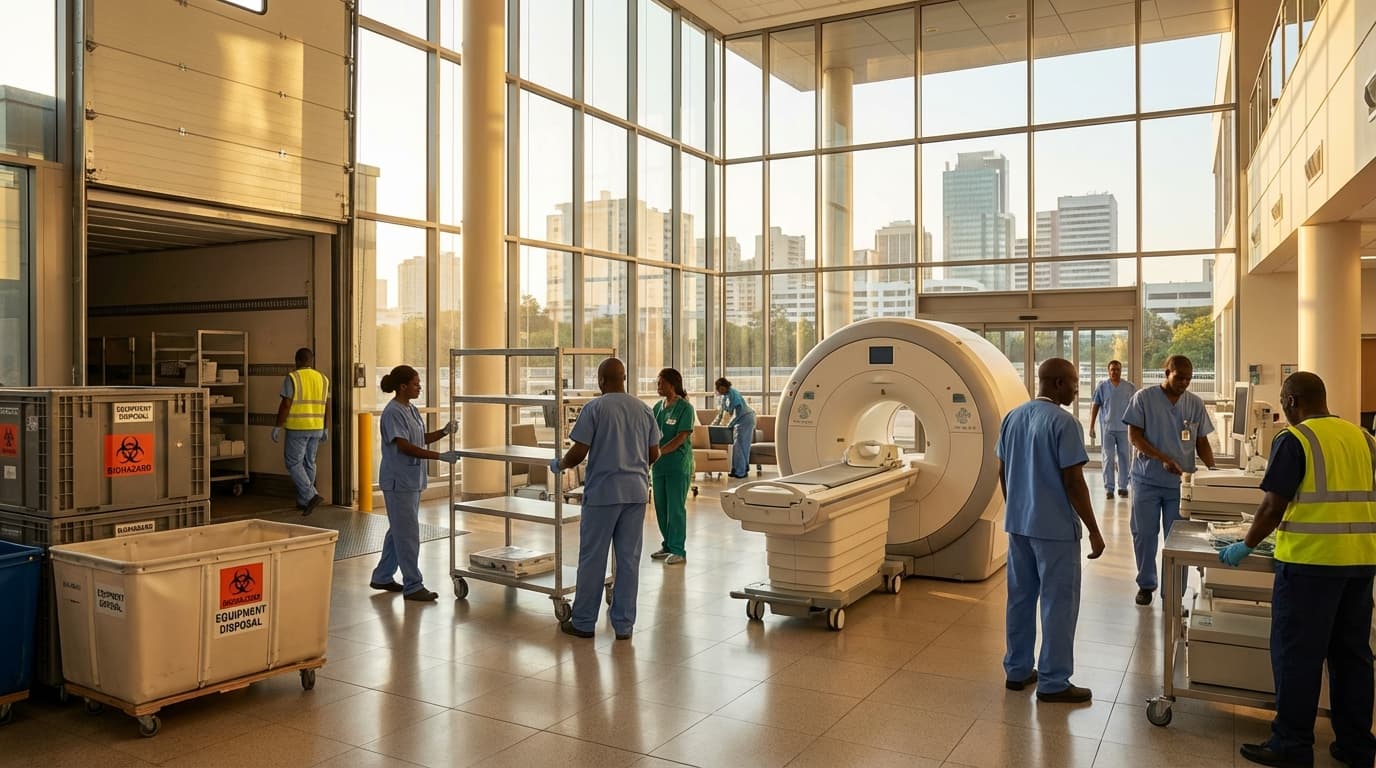
Site Restoration Service After Equipment Removal in Chad
Engineering Excellence & Technical Support
Site Restoration Service After Equipment Removal High-standard technical execution following OEM protocols and local regulatory frameworks.
Subsurface Contaminant Remediation
Utilizing advanced soil sampling and in-situ bioremediation techniques to neutralize and remove residual hydrocarbon and chemical contaminants left by heavy equipment operations, ensuring soil and groundwater safety in Chad's arid climate.
Structural Decommissioning & Earthworks
Safe and efficient dismantling of any temporary structures, foundations, or impacted infrastructure, followed by precise grading and compaction of the site to restore natural topography and prevent erosion, respecting the unique geological conditions of Chad.
Ecological Land Rehabilitation
Implementing native vegetation seeding and planting strategies tailored to Chad's specific arid and semi-arid ecosystems. This includes soil stabilization with erosion control blankets and targeted irrigation solutions to promote rapid regrowth and biodiversity.
What Is Site Restoration Service After Equipment Removal In Chad?
Site restoration after equipment removal in Chad refers to the comprehensive process of rehabilitating land that has been impacted by the installation, operation, and subsequent decommissioning of industrial, commercial, or energy-related equipment. This service aims to return the affected site to a safe, stable, and environmentally sound condition, meeting regulatory requirements and the client's specific objectives. The scope of work is dictated by the nature of the removed equipment, the geological and ecological characteristics of the site, and the intended future land use. Key objectives typically include the remediation of soil and groundwater contamination, the removal of all man-made debris, the re-establishment of natural topography, and the revegetation of the disturbed area.
| Who Needs Site Restoration? | Typical Use Cases |
|---|---|
| Energy Sector Operators (Oil, Gas, Mining): Companies involved in exploration, extraction, processing, and transport of natural resources often require restoration of drill sites, processing facilities, pipelines, and associated infrastructure. | Decommissioning of oil and gas wells, exploration camps, and mining facilities. Removal of storage tanks and associated spill containment areas. Rehabilitation of seismic survey lines. |
| Industrial Manufacturers: Factories and processing plants that undergo equipment upgrades or complete closures. | Removal of heavy machinery, processing units, and storage facilities. Remediation of industrial spills and soil contamination within plant boundaries. |
| Construction and Infrastructure Projects: While primarily focused on new development, projects involving the removal of existing, older infrastructure can necessitate restoration. | Demolition and removal of obsolete industrial buildings or former military installations. Restoration of sites impacted by temporary construction facilities. |
| Government and Public Agencies: Responsible for managing former industrial or defense sites, or for enforcing environmental regulations. | Remediation of abandoned industrial sites. Cleaning up former military bases. Enforcement actions requiring responsible parties to restore contaminated land. |
| Agricultural Sector (Less Common): In some specific instances where agricultural equipment or storage facilities are removed and have caused localized contamination. | Removal of aged agricultural chemical storage or processing units. |
| Telecommunications and Utility Companies: Removal of old transmission towers, substations, or underground infrastructure. | Decommissioning of old communication towers or energy substations. |
Key Components of Site Restoration Services:
- Site Assessment and Characterization: Initial evaluation of the extent of contamination (soil, water, air), structural integrity of the land, and identification of any residual hazards.
- Hazardous Material Abatement: Safe removal and disposal of any hazardous substances associated with the equipment or its operation (e.g., oils, chemicals, asbestos-containing materials).
- Decontamination: Cleaning and removal of contaminants from soil, surfaces, and any remaining infrastructure.
- Demolition and Decommissioning Support: Ensuring that the dismantling and removal of equipment are conducted in a manner that minimizes further environmental impact.
- Waste Management and Disposal: Proper handling, transportation, and disposal of all generated waste materials in accordance with Chadian environmental regulations.
- Remediation of Contaminated Soil and Groundwater: Employing various techniques such as excavation and off-site disposal, in-situ treatment (e.g., bioremediation, chemical oxidation), or containment.
- Regrading and Landscaping: Re-establishing natural contours, stabilizing slopes, and preparing the surface for revegetation.
- Revegetation and Landscaping: Planting native or suitable vegetation to prevent erosion, restore ecological function, and meet aesthetic or functional requirements for future land use.
- Monitoring and Verification: Post-restoration monitoring to ensure the effectiveness of remediation efforts and the long-term stability of the site.
Who Needs Site Restoration Service After Equipment Removal In Chad?
Site restoration after equipment removal is a critical service for businesses and organizations operating in Chad, particularly those involved in industries with a significant physical footprint. This process ensures that land is returned to a safe, usable, and environmentally sound condition, mitigating potential liabilities and promoting responsible land management. Understanding who requires this service and which departments are typically involved is key to successful project planning and execution.
| Customer Type | Relevant Departments/Roles | Typical Restoration Needs |
|---|---|---|
| Oil and Gas Companies | Environmental Health & Safety (EHS), Operations, Project Management, Land Management, Legal | Well pad decommissioning, pipeline right-of-way reclamation, soil remediation, vegetation re-establishment, site grading. |
| Mining Operations | Mine Closure Planning, Environmental Management, Engineering, Operations, Legal | Tailings dam capping, pit backfilling, waste rock pile stabilization, topsoil replacement, revegetation, water management system restoration. |
| Construction and Infrastructure Developers | Project Management, Site Supervision, Environmental Compliance, Procurement, Legal | Demolition of temporary structures, removal of debris, soil compaction/grading, landscaping, erosion control. |
| Telecommunications Companies | Network Operations, Site Acquisition, Engineering, Environmental Compliance | Removal of concrete pads, fencing, and minor structures; soil stabilization; vegetation regrowth. |
| Government Agencies | Environmental Protection Agencies, Public Works, Land Management, Forestry, Parks and Wildlife | Restoration of former industrial sites, rehabilitation of degraded lands, public land remediation. |
| Agricultural Enterprises | Farm Management, Operations, Environmental Compliance | Removal of old structures, soil remediation from spills, land leveling for new use. |
| Development Organizations/NGOs | Project Management, Logistics, Environmental Officer | Dismantling of temporary camps, rehabilitation of construction sites, reforestation efforts. |
| Military/Defense Contractors | Logistics, Facilities Management, Environmental Compliance | Demolition and removal of temporary structures, hazardous material abatement, land contouring. |
Target Customers and Departments for Site Restoration Services in Chad
- Oil and Gas Companies: These are major stakeholders due to extensive exploration, drilling, and processing operations across the country. Their need for restoration arises from well sites, production facilities, pipelines, and associated infrastructure.
- Mining Operations: Similar to oil and gas, mining activities (gold, uranium, etc.) leave significant land impacts requiring remediation. This includes open pits, waste rock piles, tailings ponds, and processing plants.
- Construction and Infrastructure Developers: Companies involved in building roads, bridges, dams, power plants, and other large-scale infrastructure projects will require site restoration for temporary worksites, material storage areas, and impacted natural landscapes.
- Telecommunications Companies: While often less intensive, the installation and removal of cell towers, base stations, and related equipment can necessitate localized site restoration.
- Government Agencies and Public Works Departments: Responsible for managing public lands, national parks, and infrastructure projects, these entities will commission restoration services to ensure environmental compliance and public safety.
- Agricultural and Agribusiness Enterprises: Large-scale farms, processing plants, and storage facilities that may have undergone significant land modification or equipment installation/removal.
- International Development Organizations and NGOs: Involved in projects that may require land clearing, construction, and subsequent restoration of temporary facilities or agricultural interventions.
- Military and Defense Contractors: Establishing and decommissioning forward operating bases, training areas, or logistical hubs can leave behind sites requiring specialized restoration.
Site Restoration Service After Equipment Removal Process In Chad
This document outlines the typical workflow for site restoration services following equipment removal in Chad. The process emphasizes a structured, transparent, and efficient approach to ensure environmental compliance, safety, and client satisfaction. It covers stages from the initial client inquiry to the final handover and post-restoration monitoring.
| Stage | Key Activities | Deliverables/Outcomes | Responsible Parties | Notes |
|---|---|---|---|---|
| Initial Inquiry & Consultation | Client contacts restoration service provider. Discussion of project scope, site history, equipment removed, and desired restoration outcomes. Initial site visit confirmation. | Understanding of client needs, preliminary scope definition, agreement on site visit. | Client, Restoration Service Provider (RSP) Business Development/Project Manager | Crucial for setting expectations and understanding unique site challenges. |
| Site Assessment & Planning | Detailed site survey to identify contamination (soil, water, air), assess environmental conditions, document existing infrastructure, and understand ecological sensitivities. Development of a comprehensive Restoration Plan. | Site Assessment Report, Preliminary Restoration Plan, Risk Assessment. | RSP Environmental Scientists, Engineers, Project Manager | Involves sampling, testing, and analysis. May require specialized equipment. |
| Permitting & Approvals | Submission of Restoration Plan and necessary documentation to relevant Chadian environmental authorities and local government bodies. Obtaining all required permits and approvals. | Approved Restoration Plan, Environmental Permits. | RSP Regulatory Affairs Specialist, Project Manager | Timelines can vary significantly depending on local bureaucracy. |
| Mobilization & Site Preparation | Mobilization of personnel, equipment, and materials to the site. Establishment of site control measures, safety protocols (PPE, hazard communication), and environmental protection measures (e.g., erosion control). | Safe operational site, Established safety zones, Environmental controls in place. | RSP Site Manager, Safety Officer, Operations Team | Focus on HSEQ (Health, Safety, Environment, Quality). |
| Execution of Restoration Activities | Implementation of remediation techniques as per the approved Restoration Plan (e.g., excavation and disposal of contaminated soil, in-situ treatment, revegetation, soil stabilization, grading). | Site progressively restored to agreed-upon condition. | RSP Operations Team, Site Supervisors | Activities tailored to specific contaminants and site conditions. |
| Waste Management & Disposal | Proper segregation, characterization, transportation, and disposal of all removed materials and generated waste in accordance with Chadian regulations and international best practices. | Certified waste disposal documentation, minimized environmental impact from waste. | RSP Waste Management Coordinator, Operations Team | Crucial for environmental compliance and preventing secondary contamination. |
| Post-Restoration Assessment & Monitoring | Conducting post-restoration sampling and analysis to verify achievement of remediation objectives. Initial monitoring to assess the stability and effectiveness of the restoration. | Post-Restoration Verification Report, Initial Monitoring Data. | RSP Environmental Scientists, Laboratory Technicians | Confirms that the site meets the required standards. |
| Reporting & Handover | Preparation of a final Restoration Report detailing all activities, results, and compliance documentation. Official handover of the restored site to the client. | Comprehensive Final Restoration Report, Signed Handover Certificate. | RSP Project Manager, Client Representative | Provides a record of work completed and assures client satisfaction. |
| Follow-up & Long-Term Monitoring (if applicable) | If stipulated in the contract or by regulatory requirements, continued monitoring of the site's environmental status over a defined period. | Ongoing Monitoring Reports. | RSP Environmental Scientists | Ensures the long-term success of the restoration and early detection of any issues. |
Site Restoration Workflow After Equipment Removal in Chad
- Initial Inquiry & Consultation
- Site Assessment & Planning
- Permitting & Approvals
- Mobilization & Site Preparation
- Execution of Restoration Activities
- Waste Management & Disposal
- Post-Restoration Assessment & Monitoring
- Reporting & Handover
- Follow-up & Long-Term Monitoring (if applicable)
Site Restoration Service After Equipment Removal Cost In Chad
Site restoration after equipment removal in Chad is a critical step to ensure environmental compliance and land usability. The cost of these services can vary significantly due to a range of influencing factors. These factors often include the size and complexity of the site, the type of equipment removed, the extent of environmental impact (e.g., soil contamination, vegetation damage), the required restoration methods, and the location within Chad. Specialized services like hazardous material containment and disposal will naturally incur higher costs. The demand for these services, the availability of skilled labor and specialized equipment, and the specific regulatory requirements set by Chadian authorities also play a pivotal role in pricing.
| Restoration Service Component | Estimated Cost Range (XAF - Central African CFA franc) |
|---|---|
| Site Assessment and Planning | 50,000 - 200,000+ |
| Decontamination (minor spills) | 100,000 - 500,000+ |
| Soil Remediation (excavation, treatment) | 500,000 - 2,000,000+ per cubic meter |
| Hazardous Waste Disposal | Variable, highly dependent on type and quantity |
| Re-vegetation/Landscaping (basic) | 200,000 - 1,000,000+ |
| Topsoil Replacement | 150,000 - 600,000+ per cubic meter |
| Erosion Control Measures | 100,000 - 500,000+ |
| Waterway/Drainage Restoration | 200,000 - 1,500,000+ |
| Waste Removal and Disposal (non-hazardous) | 50,000 - 300,000+ (depending on volume) |
| Project Management and Reporting | 10% - 20% of total project cost |
Key Pricing Factors for Site Restoration in Chad
- Site Size and Complexity: Larger and more complex sites generally require more time, labor, and resources, leading to higher costs.
- Type and Quantity of Equipment Removed: Removal of heavy or specialized industrial equipment can be more challenging and expensive.
- Extent of Environmental Impact: The degree of soil contamination, potential groundwater impact, or significant vegetation disturbance will dictate the remediation efforts and associated costs.
- Restoration Methodology: Techniques like topsoil replacement, re-vegetation, soil remediation (e.g., excavation, bioremediation), and landscaping contribute to the overall expense.
- Hazardous Material Handling: If hazardous materials were used or stored with the equipment, specialized containment, disposal, and site decontamination are required, significantly increasing costs.
- Location within Chad: Accessibility of the site, remoteness, and local infrastructure can affect logistics, transportation of materials and personnel, and overall project duration.
- Regulatory Requirements: Compliance with Chadian environmental laws and permits for restoration activities can influence the scope and cost of the work.
- Labor Costs: Availability and rates of skilled labor (e.g., environmental technicians, heavy machinery operators) in the region.
- Equipment and Material Costs: Rental or purchase of specialized restoration equipment and the cost of materials like topsoil, seeds, and fertilizers.
- Project Management and Supervision: The need for experienced project managers and on-site supervision.
Affordable Site Restoration Service After Equipment Removal Options
Removing heavy equipment from a site can leave a significant impact, requiring careful restoration to ensure safety, functionality, and aesthetic appeal. Our affordable site restoration service offers a range of options designed to meet your budget while effectively addressing the aftermath of equipment removal. We understand that cost is a primary concern, so we've developed value bundles and implemented cost-saving strategies to provide the most economical solutions for your restoration needs.
| Cost-Saving Strategy | Description | Benefit |
|---|---|---|
| Bulk Material Sourcing | We negotiate bulk pricing on soil, mulch, seed, and other restoration materials by consolidating orders for multiple projects. | Reduced material costs passed directly to the customer. |
| Efficient Equipment Utilization | Optimizing the use of our restoration equipment to minimize operational downtime and fuel consumption. | Lower labor and operational expenses. |
| Phased Restoration Approach | Breaking down larger restoration projects into manageable phases, allowing for staggered budgeting and execution. | Improved cash flow management and ability to address urgent needs first. |
| Local Material Procurement | Prioritizing local suppliers for materials whenever possible to reduce transportation costs and support local economies. | Reduced delivery fees and faster material availability. |
| Preventative Maintenance | Regular maintenance of our equipment ensures peak performance and prevents costly breakdowns, keeping projects on schedule. | Avoids unexpected project delays and associated cost overruns. |
| Early Intervention | Addressing minor damage promptly before it escalates into more significant and expensive issues. | Minimizes the scope and cost of restoration. |
Value Bundles for Site Restoration
- {"title":"Basic Site Cleanup","description":"Ideal for minor disturbances. Includes debris removal, basic grading, and spot seeding of disturbed soil areas. Perfect for situations where equipment left minimal physical impact."}
- {"title":"Standard Ground Restoration","description":"A comprehensive package for moderate damage. Encompasses debris removal, more extensive grading and leveling, soil amendment, and hydroseeding for improved vegetation regrowth. Suitable for most common equipment removal scenarios."}
- {"title":"Advanced Site Remediation","description":"Our premium bundle for significant impact. Includes all features of the Standard package plus pothole filling, compaction of sub-base materials, drainage correction, and specialized erosion control measures. Recommended for heavy-duty equipment or challenging terrain."}
- {"title":"Customizable Bundles","description":"Don't see a perfect fit? We can tailor a bundle to your specific needs, combining elements from different packages for a personalized and cost-effective solution."}
Verified Providers In Chad
In Chad, identifying verified healthcare providers is crucial for ensuring quality and safe medical care. Franance Health stands out as a premier resource for accessing such providers. Their rigorous credentialing process ensures that all affiliated healthcare professionals meet high standards of expertise, experience, and ethical practice. This commitment to verification offers patients peace of mind, knowing they are receiving care from qualified individuals. Choosing a Franance Health verified provider means opting for reliability, professionalism, and a higher standard of healthcare.
| Credentialing Aspect | Franance Health Standard | Benefit to Patients |
|---|---|---|
| Medical Licenses & Certifications | Verified current and valid licenses and board certifications. | Confirms legal and professional authorization to practice. |
| Educational Background | Thorough review of medical school and postgraduate training. | Ensures foundational knowledge and specialized training. |
| Professional Experience | Verification of previous employment and practice history. | Indicates practical application of skills and patient care. |
| Reputation & Ethics | Checks for disciplinary actions and professional conduct. | Guarantees ethical and trustworthy medical service. |
| Continuing Medical Education (CME) | Confirms ongoing engagement in professional development. | Ensures providers stay updated with the latest medical advancements. |
Why Franance Health Credentials Matter in Chad
- Rigorous vetting process for all affiliated healthcare professionals.
- Ensures high standards of expertise and clinical competence.
- Guarantees adherence to ethical medical practices.
- Provides patients with confidence in the quality of care.
- Offers access to experienced and qualified medical practitioners.
- Reduces the risk of receiving sub-standard medical services.
- Facilitates informed healthcare decisions for individuals and families.
Scope Of Work For Site Restoration Service After Equipment Removal
This Scope of Work (SOW) outlines the requirements for professional site restoration services following the successful removal of specified equipment. The objective is to return the site to a safe, stable, and aesthetically acceptable condition, meeting all relevant regulatory and standard specifications. This SOW covers all labor, materials, equipment, and supervision necessary for the complete and satisfactory execution of the restoration activities.
| Task ID | Description of Work | Standard Specifications / Deliverables | Acceptance Criteria |
|---|---|---|---|
| 1.0 | Site Assessment and Preparation | Pre-work survey to document existing site conditions. Marking of underground utilities in the work area. Establishment of site safety plan and implementation of necessary safety controls (e.g., barricades, signage). | Photographic and written report of pre-work conditions. Utility clearance confirmation. Signed safety plan and evidence of safety control implementation. |
| 2.0 | Debris Removal and Site Clearing | Removal of all residual debris, materials, and equipment components from the area impacted by the removal. Clearing of vegetation, rocks, and other obstructions as necessary to achieve the desired final grade. | Site cleared of all specified debris and obstructions. Visual inspection for residual materials. |
| 3.0 | Surface Restoration (Paved Areas) | Repair of any asphalt or concrete surfaces disturbed by equipment removal. This may include patching, resurfacing, or full slab replacement as determined by the nature and extent of the damage. All repairs shall match the surrounding surface in terms of material and finish. | Repaired surfaces are smooth, level, and free of cracks or unevenness. Material and finish match existing surfaces. Compliance with relevant ASTM or local paving standards. |
| 4.0 | Surface Restoration (Unpaved Areas) | Re-grading of disturbed soil to achieve the original or desired final contour. Importation of clean fill material (if necessary) meeting specified compaction requirements. Placement and compaction of topsoil (minimum 4-6 inches depth). | Final grade achieved as per approved site plan. Soil compaction meeting minimum 95% Standard Proctor Density (ASTM D698). Uniform topsoil depth verified by probing. |
| 5.0 | Vegetation Establishment | Seeding or sodding of restored unpaved areas with an approved seed mix or sod type appropriate for the local climate and site conditions. Watering and initial maintenance to promote healthy growth. | Uniform and established vegetation cover (minimum 85% density) within 90 days. Seed mix/sod type approved by Client. Evidence of watering schedule adherence. |
| 6.0 | Drainage System Restoration | Inspection and repair of any damaged storm drains, culverts, or other drainage features. Ensuring proper water flow and preventing erosion. Re-establishment of any disturbed swales or ditches. | Drainage systems function as intended without obstruction. No evidence of ponding or erosion in restored areas. Visual inspection of flow paths. |
| 7.0 | Final Site Inspection and Handover | Joint walk-through with the Client or their representative to verify completion of all work according to the SOW. Addressing any punch list items identified during the inspection. Submission of final project documentation. | Client sign-off on completed restoration work. Submission of all required documentation including as-built drawings (if applicable), material certifications, and disposal manifests. |
General Requirements and Exclusions
- All work shall be performed by qualified and experienced personnel under the supervision of a competent site supervisor.
- The Contractor shall be responsible for obtaining all necessary permits and licenses required for the restoration work.
- The Contractor shall comply with all applicable local, state, and federal regulations, including environmental, health, and safety standards.
- The Contractor shall provide all necessary tools, equipment, and materials for the proper execution of the work.
- The Contractor shall maintain a clean and organized work site throughout the duration of the project.
- The Contractor shall be responsible for the safe disposal of all waste materials generated during the restoration process, in accordance with all applicable regulations.
- Exclusions: Any work not explicitly detailed within this SOW is considered excluded. This includes, but is not limited to, any structural repairs to existing buildings not directly impacted by equipment removal, replacement of utilities beyond the immediate area of disturbance, or landscaping beyond the scope of topsoil and seeding. Any required remediation of pre-existing environmental conditions is also excluded unless specifically stated.
Service Level Agreement For Site Restoration Service After Equipment Removal
This Service Level Agreement (SLA) outlines the guaranteed response times and uptime for the site restoration service following the removal of equipment. This agreement is designed to ensure minimal disruption and efficient restoration of the affected site to its agreed-upon pre-removal condition.
| Service Component | Response Time Guarantee | Uptime Guarantee (Post-Restoration) |
|---|---|---|
| Initial Site Assessment & Damage Report | Within 24 business hours of confirmed equipment removal completion. | N/A |
| Commencement of Restoration Work | Within 48 business hours of approved restoration plan (if required). | N/A |
| Completion of Restoration Work | Target completion within 5 business days, subject to complexity and material availability. (Specific timelines to be defined in the Project Plan for each restoration). | N/A |
| Site Restoration Uptime Guarantee | N/A | 99.5% uptime for restored site functionality (e.g., access, basic structural integrity) for a period of 30 days post-completion. This excludes scheduled maintenance or issues unrelated to the restoration service. |
| Emergency Restoration Response (if applicable) | Within 4 business hours for critical infrastructure damage impacting site safety or essential operations. | N/A |
Scope of Service
- Site assessment and survey post-equipment removal.
- Removal of all residual materials and debris related to the equipment and its installation/operation.
- Repair of any damage caused to the site during the removal process, including but not limited to surfaces, landscaping, and utility connections.
- Restoration of the site to its agreed-upon baseline condition as documented in the pre-removal site survey.
- Disposal of all removed materials and debris in accordance with environmental regulations.
Frequently Asked Questions

Ready when you are
Let's scope your Site Restoration Service After Equipment Removal in Chad project in Chad.

Scaling healthcare logistics and technical systems across the entire continent.