
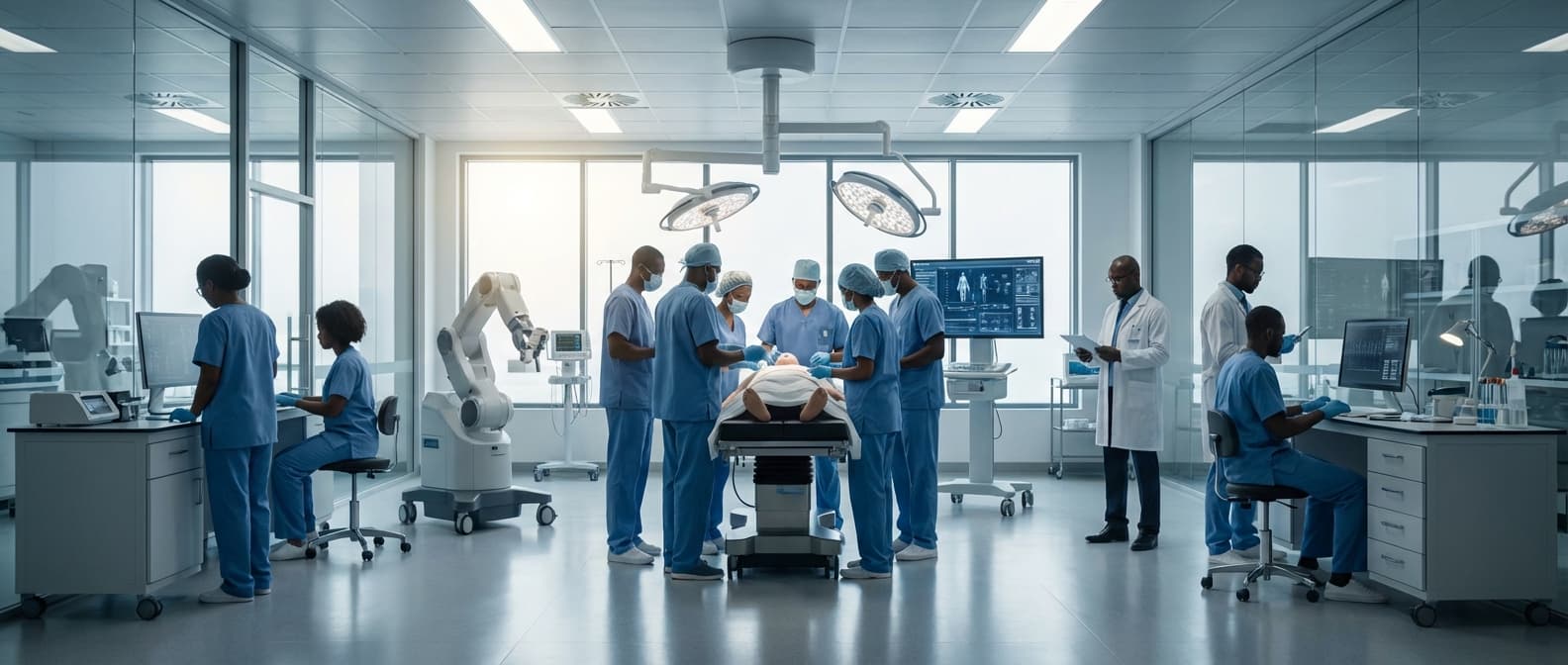
Calibration & Electrical Safety Testing in Chad
Engineering Excellence & Technical Support
Equipment calibration and IEC safety testing High-standard technical execution following OEM protocols and local regulatory frameworks.
Ensuring Accurate Power Quality and Equipment Reliability
Our calibration services for electrical measurement devices guarantee precise readings of voltage, current, and power, essential for optimizing energy consumption and preventing premature equipment failure in Chad's demanding operational environments.
Mitigating Electrical Hazards for Workforce Safety
Through rigorous electrical safety testing, including insulation resistance and grounding integrity checks, we identify and rectify potential hazards, creating a safer working environment and minimizing the risk of electrical accidents for personnel across Chad's industries.
Optimizing Industrial Processes with Certified Equipment
We provide certified calibration for critical industrial control and instrumentation equipment, ensuring adherence to international standards and maximizing the efficiency and output of manufacturing and processing operations throughout Chad.
What Is Calibration & Electrical Safety Testing In Chad?
Calibration and Electrical Safety Testing are critical metrological and regulatory services ensuring the accuracy, reliability, and safe operation of electrical equipment. Calibration involves the comparison of a measuring instrument's readings against a known, traceable standard to determine and document any deviations. This process quantifies the instrument's error and allows for adjustment or correction to bring it within specified tolerances. Electrical Safety Testing, on the other hand, is a series of diagnostic procedures designed to identify potential electrical hazards in equipment. This typically involves verifying the integrity of insulation, grounding systems, and the presence of protective measures to prevent electric shock, fire, or other electrical malfunctions. These services are indispensable across a broad spectrum of industries, from manufacturing and healthcare to research and development and public utilities.
| Service Aspect | Who Needs It | Typical Use Cases |
|---|---|---|
| Calibration | Manufacturers (quality control), Laboratories (research, testing), Healthcare Facilities (medical devices), Industrial Operations (process control), Energy Sector (metering) | Ensuring product quality and consistency, validating scientific experiments, maintaining accuracy of medical diagnostic equipment, optimizing industrial processes, accurate billing in utilities. |
| Electrical Safety Testing | Manufacturers (product safety certification), Healthcare Facilities (patient safety), Educational Institutions (laboratory equipment), Service & Repair Shops (appliance and equipment maintenance), Commercial & Industrial Facilities (workplace safety) | CE marking and other certifications, preventing patient harm from medical equipment, safeguarding students and staff in labs, ensuring repaired equipment is safe for use, compliance with occupational health and safety regulations. |
Key Aspects of Calibration and Electrical Safety Testing in Chad:
- {"title":"Calibration","description":"The process of verifying and adjusting an instrument's performance against a recognized standard. This ensures measurement accuracy and traceability."}
- {"title":"Electrical Safety Testing","description":"A suite of tests to identify and mitigate electrical hazards, ensuring compliance with relevant safety standards and regulations."}
- {"title":"Traceability","description":"The ability to relate the calibration results of an instrument to national or international standards through an unbroken chain of comparisons."}
- {"title":"Accuracy and Precision","description":"Calibration aims to improve both the accuracy (closeness to the true value) and precision (repeatability of measurements) of instruments."}
- {"title":"Compliance","description":"Essential for meeting regulatory requirements, industry standards, and product quality certifications."}
- {"title":"Risk Mitigation","description":"Electrical safety testing reduces the risk of equipment failure, electrical accidents, and associated liabilities."}
Who Needs Calibration & Electrical Safety Testing In Chad?
Regular calibration and electrical safety testing are crucial for a wide range of organizations in Chad to ensure accuracy, reliability, and the safety of their equipment and personnel. These services are not just a regulatory requirement but a vital component of operational efficiency and risk management. This document outlines the primary customer segments and their relevant departments that benefit most from these essential services in Chad.
| Customer Type | Key Departments/Functions Involved | Reason for Calibration & Electrical Safety Testing |
|---|---|---|
| Healthcare Facilities (Hospitals, Clinics) | Biomedical Engineering, Laboratory Services, Radiology, Anesthesiology | Patient Safety, Diagnostic Accuracy, Treatment Efficacy, Compliance |
| Industrial Manufacturing Plants | Quality Control, Production, Maintenance, Engineering | Product Quality, Process Efficiency, Equipment Reliability, Worker Safety |
| Oil & Gas Operations | Process Engineering, Production, Safety & Compliance, Maintenance | Operational Integrity, Safety Standards, Environmental Protection, Accurate Measurement |
| Power Generation & Distribution Utilities | Operations, Maintenance, Grid Management, Safety Departments | Grid Stability, Equipment Performance, Safety of Personnel and Public |
| Telecommunications Providers | Network Operations, Field Maintenance, Quality Assurance | Network Reliability, Service Quality, Equipment Functionality |
| Government Agencies (e.g., Ministry of Health, Ministry of Environment) | Regulatory Compliance, Public Health, Environmental Monitoring, Standards Laboratories | Public Safety, Data Integrity, Enforcement of Standards |
| Educational & Research Institutions | Laboratories, Science Departments, Engineering Faculties | Research Accuracy, Experimental Validity, Student Safety |
| Transportation & Logistics Companies | Fleet Maintenance, Operations, Safety Compliance | Vehicle Safety, Operational Efficiency, Regulatory Adherence |
| Food & Beverage Manufacturers | Quality Assurance, Production Management, R&D | Product Safety, Quality Consistency, Regulatory Compliance |
Target Customers and Departments in Chad Requiring Calibration & Electrical Safety Testing
- {"title":"Healthcare Sector","description":"Hospitals, clinics, and diagnostic laboratories rely heavily on accurate medical equipment for patient diagnosis and treatment. Malfunctioning or improperly calibrated devices can lead to misdiagnosis, ineffective treatments, and serious patient harm. Electrical safety testing is paramount to prevent electrical hazards for both patients and staff."}
- {"title":"Industrial Manufacturing & Processing","description":"Factories and processing plants utilize a vast array of machinery, sensors, and control systems. Calibration ensures that production processes meet quality standards and that measurements (temperature, pressure, flow, etc.) are precise, preventing product defects and waste. Electrical safety testing is vital for machinery operation and worker protection."}
- {"title":"Energy Sector (Oil & Gas, Power Generation)","description":"This sector involves critical infrastructure where safety and operational integrity are non-negotiable. Accurate measurement of flow rates, pressures, voltages, and currents is essential for efficient operations and preventing catastrophic failures. Regular electrical safety checks are mandatory for all equipment and facilities."}
- {"title":"Telecommunications","description":"Ensuring the reliability and performance of communication networks requires calibrated testing equipment. Accurate signal strength measurements, frequency analysis, and power level readings are critical. Electrical safety is also a concern for network infrastructure and associated equipment."}
- {"title":"Government & Public Services","description":"Various government agencies, including those involved in public safety, environmental monitoring, and infrastructure management, utilize calibrated instruments for their operations. This includes testing laboratories, public works departments, and emergency services."}
- {"title":"Research & Development Institutions","description":"Universities, research centers, and private R&D facilities depend on precise measurements for experimental accuracy. Calibration ensures that data collected is reliable, leading to valid research outcomes."}
- {"title":"Transportation Sector","description":"Airports, vehicle maintenance facilities, and logistics companies use a range of equipment that requires calibration and electrical safety checks. This includes navigation aids, engine diagnostic tools, and ground support equipment."}
- {"title":"Food & Beverage Industry","description":"Quality control in food and beverage production relies on calibrated equipment for temperature, pH, weight, and other critical parameters. Electrical safety is essential to prevent contamination and ensure safe working environments."}
Calibration & Electrical Safety Testing Process In Chad
This document outlines the standard workflow for calibration and electrical safety testing services in Chad, from initial inquiry to the completion of the testing process. The workflow ensures a structured and efficient approach to providing these critical safety and quality assurance services.
| Stage | Description | Key Activities | Responsible Party | Deliverables | Typical Timeline |
|---|---|---|---|---|---|
| Client expresses interest in calibration and/or electrical safety testing services. | Client contacts service provider, outlines needs, specifies equipment and desired tests. Service provider provides initial information on services, scope, and general pricing. | Client, Service Provider | Initial understanding of client's needs, preliminary service offering. | 1-2 business days |
| Detailed proposal and pricing is provided to the client. | Service provider assesses scope, equipment types, quantity, and required certifications. Develops a formal quotation with itemized costs, service descriptions, validity period, and terms & conditions. Client reviews and accepts quotation, leading to a formal agreement or purchase order. | Service Provider, Client | Formal Quotation, Signed Agreement/Purchase Order | 2-5 business days |
| Arrangements are made for the testing to take place. | Service provider and client agree on the testing date(s) and time(s). Logistics are confirmed, including site access, availability of equipment, and any necessary client personnel support. Travel arrangements for technicians are made if required. | Service Provider, Client | Confirmed Schedule, Logistics Plan | 1-3 business days (post-agreement) |
| Ensuring all necessary resources and information are ready. | Service provider prepares calibrated testing equipment, necessary documentation (standards, procedures), and safety gear. Client ensures equipment to be tested is accessible, powered, and that relevant operating manuals or specifications are available. | Service Provider, Client | Ready testing equipment, documentation, and site access. | Ongoing (leading up to testing date) |
| The actual calibration and electrical safety tests are performed. | Technicians arrive at the client's site. Visual inspections are conducted. Calibration procedures are followed using traceable standards. Electrical safety tests (e.g., earth bond, insulation resistance, leakage current) are performed according to relevant national or international standards (e.g., IEC 60601 for medical devices, local electrical safety regulations). Any identified issues or deviations are noted. | Service Provider (Technicians) | Completed Test Records, Observed Deviations | Varies based on quantity and complexity of equipment (hours to days) |
| Results are compiled, analyzed, and formally reported. | Test data is collected and analyzed. Calibration certificates are issued for successfully calibrated equipment, detailing measurement results, uncertainties, and traceability. Electrical safety test reports are generated, documenting compliance or non-compliance with standards, and outlining any required corrective actions. Reports are submitted to the client. | Service Provider | Calibration Certificates, Electrical Safety Test Reports | 3-7 business days (post-testing) |
| Addressing any outstanding issues and planning future needs. | Client reviews reports and addresses any recommended corrective actions. Service provider may offer advice on repairs or adjustments. If re-testing is required after corrective actions, this stage initiates a new cycle of scheduling and execution. Discussions about future calibration/testing schedules are initiated. | Client, Service Provider | Resolution of issues, plan for re-testing, future service arrangements. | Ongoing |
Calibration & Electrical Safety Testing Workflow in Chad
- Inquiry & Initial Consultation
- Quotation & Agreement
- Scheduling & Logistics
- Pre-Testing Preparations
- On-Site Testing Execution
- Post-Testing Documentation & Reporting
- Follow-up & Re-testing Arrangements
Calibration & Electrical Safety Testing Cost In Chad
The cost of calibration and electrical safety testing in Chad can vary significantly depending on several factors. These include the type and complexity of the equipment being tested, the number of devices, the location of testing (on-site vs. in a lab), the reputation and specialization of the service provider, and the urgency of the service required. It's important to note that specialized calibration services might be less readily available in Chad compared to more developed economies, potentially impacting both cost and lead time. For many businesses, ensuring equipment is calibrated and electrically safe is crucial for compliance, operational efficiency, and safety, making it a necessary investment. Prices are typically quoted in the local currency, the Chadian Franc (XAF).
| Service Type | Estimated Cost Range (XAF) | Notes |
|---|---|---|
| Basic Electrical Safety Testing (e.g., PAT testing for common equipment) | 15,000 - 50,000 XAF per device | Covers fundamental checks like insulation resistance, earth continuity, and polarity. Price may decrease for bulk testing. |
| Standard Calibration (e.g., multimeters, basic measurement tools) | 25,000 - 75,000 XAF per device | Includes verification against traceable standards. Complexity of the instrument is a major factor. |
| Advanced Calibration (e.g., oscilloscopes, power analyzers, specialized sensors) | 75,000 - 300,000+ XAF per device | Requires specialized equipment and expertise. Costs can escalate significantly for highly complex or high-precision instruments. |
| On-site Service Call (per day) | 50,000 - 150,000 XAF + testing fees | Covers travel, labor, and setup for testing at the client's premises. Additional fees for each device tested. |
| Calibration Certification Issuance | 5,000 - 20,000 XAF per certificate | Often included in the testing cost but can be itemized separately. |
Key Pricing Factors for Calibration & Electrical Safety Testing in Chad
- Equipment Type and Complexity: Simple multimeters will cost less to calibrate than complex industrial machinery or medical equipment requiring specialized probes and standards.
- Number of Devices: Bulk testing of multiple items often leads to a lower per-unit cost.
- On-site vs. Laboratory Testing: On-site testing incurs additional costs for travel, accommodation, and potential downtime of the testing personnel's primary lab.
- Service Provider Reputation and Expertise: Established and certified providers may command higher prices due to their proven reliability and specialized knowledge.
- Urgency of Service: Rush jobs or expedited testing services will typically come with a premium.
- Accreditation and Certification Requirements: Testing to specific international standards (e.g., ISO) might involve more rigorous procedures and thus higher costs.
- Geographic Location within Chad: Services in major cities like N'Djamena may have more competitive pricing due to a higher concentration of providers, while remote areas could be more expensive due to travel logistics.
Affordable Calibration & Electrical Safety Testing Options
Maintaining the accuracy of your electrical testing equipment and ensuring workplace safety are paramount. Regular calibration and electrical safety testing are not just compliance requirements but crucial for reliable results and preventing accidents. This guide explores affordable calibration and electrical safety testing options, highlighting the value of bundled services and effective cost-saving strategies.
| Cost-Saving Strategy | Description | Benefits |
|---|---|---|
| Value Bundles | Combining multiple services (e.g., calibration and safety testing for a set of instruments, or multiple testing cycles) into a single package, often at a reduced overall cost compared to individual services. | Significant price reduction, simplified scheduling and invoicing, streamlined vendor management. |
| Preventive Maintenance Programs | Scheduling regular calibration and testing to prevent equipment failure rather than reacting to it. This often involves a service contract. | Reduced risk of unexpected downtime, lower overall repair costs, predictable budgeting. |
| Volume Discounts | Negotiating lower per-unit costs when a large quantity of instruments or tests are serviced at once. | Direct cost savings on a per-item basis, encouraging comprehensive testing. |
| Off-Peak Scheduling | Arranging for services during less busy periods for the testing provider, which may lead to discounted rates. | Lower service fees, potentially faster turnaround times. |
| In-House vs. Outsourced Analysis | Evaluating whether certain basic tests can be performed in-house with trained personnel, reserving external services for complex calibrations or specialized testing. | Reduced external service costs, increased control over scheduling for basic checks. |
| Manufacturer Partnerships | Exploring bundled offers or discounts directly from equipment manufacturers for their specific product lines. | Potentially specialized expertise, competitive pricing for proprietary equipment. |
| Comparison Shopping | Obtaining quotes from multiple accredited calibration and testing laboratories to ensure competitive pricing. | Finding the best balance of cost, quality, and service. |
Why Calibration and Electrical Safety Testing are Essential
- Ensures Accuracy: Calibrated equipment provides reliable measurements, leading to better decision-making and preventing costly errors.
- Compliance: Meets industry standards and regulatory requirements, avoiding penalties and legal issues.
- Safety: Identifies potential hazards in electrical equipment, protecting personnel and preventing equipment damage.
- Extended Equipment Lifespan: Proactive testing and maintenance can identify issues early, preventing minor problems from escalating into major repairs.
- Improved Efficiency: Well-maintained and accurate equipment operates more efficiently, reducing downtime and improving productivity.
Verified Providers In Chad
Navigating healthcare in Chad requires assurance of quality and reliability. Franance Health stands out as a premier provider, offering a robust network of verified healthcare professionals and facilities. Their commitment to rigorous credentialing ensures that every provider listed is thoroughly vetted for qualifications, experience, and ethical practice. This meticulous approach guarantees patients receive safe, effective, and compassionate care. By prioritizing transparency and excellence, Franance Health empowers individuals to make informed decisions about their health, fostering trust and peace of mind in a critical sector.
| Provider Type | Key Credentials Verified | Franance Health Assurance |
|---|---|---|
| General Practitioners | Medical Degree (MD/DO), Valid Medical License, Board Certification (where applicable) | Verified through national and international medical boards and licensing authorities. |
| Specialist Physicians (e.g., Cardiologists, Pediatricians) | Medical Degree, Valid Medical License, Board Certification in Specialty, Fellowship Training (if applicable) | Comprehensive review of academic records, practice history, and peer references. |
| Surgeons | Medical Degree, Valid Medical License, Board Certification in Surgical Specialty, Extensive Surgical Experience | Verification of surgical privileges at accredited institutions and ongoing competency assessments. |
| Hospitals and Clinics | Accreditation by national/international health organizations, Compliance with safety and quality standards, Licensed operational permits | On-site inspections and verification of adherence to stringent healthcare regulations and quality metrics. |
| Diagnostic Laboratories | Accreditation by relevant health authorities, Certified laboratory technicians, Quality control protocols | Ensuring accuracy and reliability of diagnostic services through verified procedures and equipment. |
Why Franance Health is the Best Choice for Verified Providers in Chad:
- Rigorous Credentialing Process: Franance Health employs a comprehensive vetting system for all providers, ensuring they meet the highest standards of medical expertise and ethical conduct.
- Extensive Network: Access a wide array of specialists and facilities across Chad, making it easier to find the care you need, when you need it.
- Commitment to Patient Safety: Prioritizing your well-being through verified professionals who adhere to best practices and safety protocols.
- Transparency and Trust: Franance Health provides clear information about provider credentials, fostering an environment of trust and empowering informed healthcare choices.
- Quality Assurance: Continuous monitoring and evaluation of providers to maintain a consistently high level of service and patient satisfaction.
Scope Of Work For Calibration & Electrical Safety Testing
This Scope of Work (SOW) outlines the requirements for Calibration and Electrical Safety Testing services for [Client Name]'s equipment. The objective is to ensure that all specified equipment is functioning within its stated accuracy and tolerances and meets all relevant electrical safety standards.
| Equipment Identification | Manufacturer | Model Number | Serial Number | Calibration Standard | Electrical Safety Standard | Required Tests |
|---|---|---|---|---|---|---|
| Multimeter | Fluke | 189 | SN12345678 | ANSI/NCSL Z540-1 | IEC 60950-1 | Voltage, Current, Resistance Accuracy, Insulation Resistance, Ground Bond |
| Oscilloscope | Tektronix | MDO3024 | SN87654321 | ANSI/NCSL Z540-1 | IEC 61010-1 | Bandwidth, Rise Time, Vertical Accuracy, Input Impedance, Ground Bond |
| Power Supply | Keysight | E3631A | SN98765432 | ANSI/NCSL Z540-1 | IEC 60950-1 | Voltage Regulation, Current Limit, Ripple & Noise, Ground Bond |
| Environmental Chamber | Despatch | LBB5-11 | SN11223344 | ASTM E1970 | IEC 61010-1 | Temperature Uniformity, Temperature Accuracy, Humidity Control (if applicable), Insulation Resistance, Ground Bond |
Key Objectives
- Verify and document the accuracy and performance of specified equipment against manufacturer specifications or established standards.
- Ensure all equipment meets applicable electrical safety regulations and standards to guarantee user safety and prevent hazards.
- Provide traceable calibration certificates and electrical safety test reports for all serviced equipment.
- Minimize equipment downtime through efficient and professional service delivery.
Service Level Agreement For Calibration & Electrical Safety Testing
This Service Level Agreement (SLA) outlines the agreed-upon service levels for Calibration and Electrical Safety Testing services provided by [Your Company Name] to [Client Company Name]. It defines response times for incidents and downtime, as well as uptime guarantees for critical services.
| Service Category | Priority Level | Response Time (Business Hours) | Target Resolution Time (Business Hours) | Uptime Guarantee |
|---|---|---|---|---|
| Routine Calibration | Low | 24 Business Hours | 5 Business Days (for scheduled service completion) | N/A (Service is scheduled and dependent on technician availability) |
| Scheduled Electrical Safety Testing | Low | 24 Business Hours | 7 Business Days (for scheduled service completion) | N/A (Service is scheduled and dependent on technician availability) |
| Urgent Calibration Request (Critical Equipment) | Medium | 8 Business Hours | 3 Business Days (for scheduled service completion, prioritized) | N/A |
| Urgent Electrical Safety Testing Request (Critical Equipment) | Medium | 8 Business Hours | 5 Business Days (for scheduled service completion, prioritized) | N/A |
| Service Disruption/Incident (System-wide) | High | 4 Business Hours | 24 Business Hours (for initiation of corrective action/rescheduling) | 99.5% |
| Service Disruption/Incident (Single Equipment/Site) | Medium | 8 Business Hours | 48 Business Hours (for initiation of corrective action/rescheduling) | N/A (Service is equipment/site specific) |
Definitions
- Service Request: Any formal request for calibration or electrical safety testing services submitted by the Client through [Designated Communication Channel, e.g., online portal, email address].
- Incident: Any event that causes a deviation from the expected performance of the calibration/testing service, leading to a disruption or potential disruption in the Client's operations.
- Downtime: The period during which the calibration/testing service is unavailable to the Client due to reasons within the control of [Your Company Name].
- Uptime: The percentage of time the calibration/testing service is available and functioning as expected.
- Response Time: The maximum time allowed for [Your Company Name] to acknowledge a Service Request or Incident and begin active work towards resolution.
- Resolution Time: The maximum time allowed for [Your Company Name] to resolve an Incident or complete a Service Request to the Client's satisfaction. (Note: For calibration/testing, this may refer to the completion of the scheduled service once initiated, not the entire process from request to completion).
Frequently Asked Questions

Ready when you are
Let's scope your Calibration & Electrical Safety Testing in Chad project in Chad.

Scaling healthcare logistics and technical systems across the entire continent.