
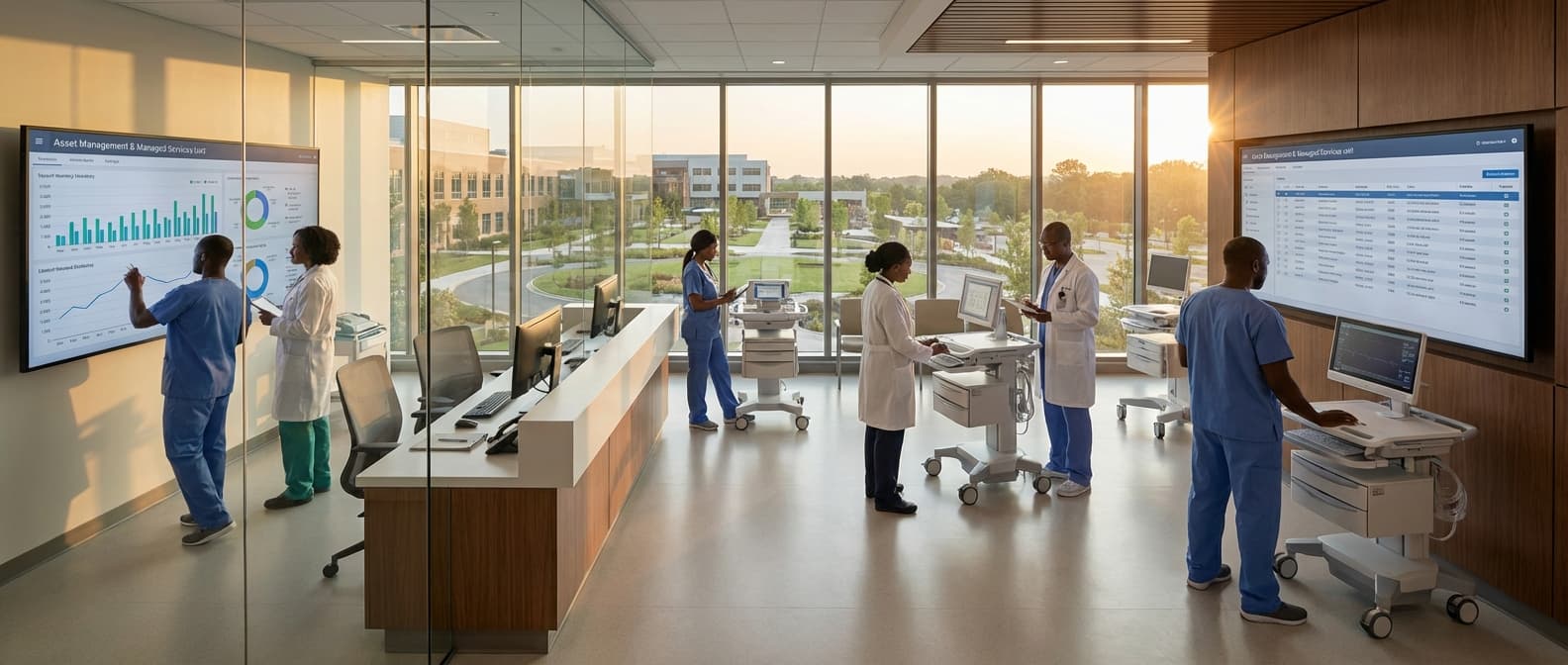
Equipment Fleet Standardization Consulting Service in Chad
Engineering Excellence & Technical Support
Equipment Fleet Standardization Consulting Service High-standard technical execution following OEM protocols and local regulatory frameworks.
Optimized Equipment Uptime & Efficiency
Leveraging our expertise in fleet standardization, we analyze your current equipment mix in Chad to identify redundancies and inefficiencies. Through strategic recommendations for standardized models, we reduce spare parts inventory, simplify maintenance procedures, and minimize downtime, directly boosting operational productivity and profitability.
Reduced Operational & Lifecycle Costs
Our standardization approach focuses on consolidating your equipment fleet with fewer, more versatile models suited for Chad's unique operational environment. This strategy drives down acquisition costs through bulk purchasing, lowers maintenance expenses via specialized technician training, and extends equipment lifespan through consistent, optimized usage and repair protocols.
Enhanced Maintenance & Support Network
By standardizing your fleet, we enable the development of a streamlined and efficient maintenance ecosystem in Chad. This includes targeted training for local technicians on specific, common equipment, facilitating access to specialized parts, and building stronger relationships with fewer, more responsive equipment suppliers, ensuring reliable and cost-effective support across your operations.
What Is Equipment Fleet Standardization Consulting Service In Chad?
Equipment Fleet Standardization Consulting Service in Chad refers to the provision of expert advisory and implementation support aimed at optimizing an organization's equipment fleet through the adoption of uniform specifications, makes, models, and maintenance protocols. This service focuses on reducing operational complexities, enhancing efficiency, and achieving cost savings by minimizing fleet diversity. Key activities include fleet audit and analysis, development of standardization strategies, vendor selection and negotiation, implementation of standardized maintenance programs, and training of operational and maintenance personnel. The objective is to create a more homogenous and manageable equipment pool tailored to the specific operational demands and environmental conditions prevalent in Chad.
| Who Needs This Service? | Typical Use Cases in Chad | ||||||||
|---|---|---|---|---|---|---|---|---|---|
| Large-scale agricultural enterprises utilizing diverse fleets of tractors, harvesters, and irrigation equipment. | Optimizing a fleet of construction machinery (e.g., excavators, loaders, bulldozers) for infrastructure development projects, ensuring interoperability and simplified maintenance. | Mining and resource extraction companies operating heavy-duty vehicles, drilling rigs, and material handling equipment in remote Chadian locations. | Logistics and transportation companies managing fleets of trucks and utility vehicles for distribution across Chad's varied road networks. | Governmental and non-governmental organizations (NGOs) involved in humanitarian aid, development projects, and public services (e.g., water management, health services) requiring reliable and efficiently maintainable transportation and operational equipment. | Energy sector operators (oil and gas, renewable energy) requiring specialized vehicles and equipment for exploration, production, and maintenance activities. | Companies with a history of acquiring equipment from multiple manufacturers, leading to increased maintenance costs, spare parts inventory complexity, and operator training challenges. | Organizations seeking to improve operational efficiency, reduce downtime, and enhance cost predictability of their equipment fleet. | Entities looking to leverage technology for better fleet management, predictive maintenance, and real-time performance monitoring. | Businesses operating in regions with limited access to specialized technical expertise and spare parts, where fleet standardization simplifies support requirements. |
Key Components of Equipment Fleet Standardization Consulting Service in Chad
- Fleet Audit and Requirements Analysis: Comprehensive assessment of existing equipment inventory, operational usage patterns, maintenance histories, and identification of critical performance gaps and redundancies. This phase includes evaluating suitability for Chad's specific environmental and operational contexts (e.g., arid conditions, varied terrain, infrastructure limitations).
- Development of Standardization Strategy: Formulation of a phased approach to achieve fleet homogeneity, defining target equipment specifications, preferred manufacturers, and model rationalization. This includes considering lifecycle cost analysis, availability of spare parts, and local technical support.
- Procurement and Vendor Management: Assisting in the selection of equipment suppliers that align with the standardization strategy, negotiating favorable terms, and establishing long-term relationships with manufacturers and authorized service providers. Emphasis on local dealership capabilities and responsiveness is crucial in the Chadian context.
- Maintenance and Support Optimization: Designing and implementing standardized preventive and corrective maintenance schedules, establishing uniform diagnostic procedures, and optimizing spare parts inventory management. This also involves assessing and potentially upgrading local workshop capabilities for specialized maintenance.
- Training and Capacity Building: Developing and delivering training programs for operators and maintenance technicians on the standardized equipment fleet, focusing on best practices, safety protocols, and troubleshooting common issues. This is critical for ensuring effective utilization and maintenance in remote or underserviced areas of Chad.
- Technology Integration: Advising on the integration of telematics and fleet management software to monitor equipment performance, track utilization, manage maintenance schedules, and generate performance reports, facilitating data-driven decision-making.
- Change Management and Implementation Support: Guiding the organization through the transition process, managing resistance to change, and ensuring seamless integration of standardized equipment and processes.
Who Needs Equipment Fleet Standardization Consulting Service In Chad?
Equipment fleet standardization consulting services in Chad are crucial for organizations that operate and manage a diverse range of vehicles and heavy machinery. This process aims to streamline fleet operations by reducing the variety of equipment types, makes, and models, leading to significant benefits in cost reduction, operational efficiency, and maintenance management. Identifying the right target customers and their specific departmental needs is key to understanding the value proposition of such consulting services.
| Customer Type | Relevant Departments/Functions | Key Needs/Challenges Addressed by Standardization |
|---|---|---|
| Government Agencies | Public Works, Transportation, Disaster Management, Agriculture, Defence | Reducing maintenance costs for diverse vehicle fleets, improving procurement efficiency, ensuring interoperability of equipment in emergency response, optimizing spare parts inventory. |
| Non-Governmental Organizations (NGOs) | Operations, Logistics, Field Programs, Procurement | Lowering operational costs for aid delivery, simplifying maintenance and repairs in remote areas, enhancing fleet reliability for program delivery, ensuring compatibility of vehicles for shared use. |
| Mining and Extractive Industries | Fleet Management, Maintenance & Engineering, Operations, Procurement | Minimizing downtime of heavy-duty equipment, optimizing spare parts management, reducing specialized training needs for mechanics, improving safety by standardizing operator controls. |
| Oil and Gas Companies | Fleet Operations, Field Services, Logistics, Maintenance | Ensuring equipment suitability for harsh environments, standardizing safety features, streamlining maintenance schedules, reducing the complexity of managing a large and varied fleet. |
| Construction and Infrastructure Development Companies | Project Management, Fleet Operations, Site Management, Procurement | Reducing equipment rental costs by owning standardized, efficient machinery, improving site efficiency through predictable equipment performance, simplifying training for operators and mechanics. |
| Agricultural Cooperatives and Large Farms | Farm Management, Operations, Maintenance, Procurement | Optimizing the use of tractors and harvesting equipment, reducing repair downtime during critical seasons, simplifying parts procurement for various machinery, improving fuel efficiency. |
| Logistics and Transportation Companies | Fleet Management, Operations, Maintenance, Procurement | Standardizing truck and trailer fleets for easier maintenance and repair, improving fuel efficiency through consistent vehicle types, streamlining driver training, optimizing route planning with reliable equipment. |
| International Development Agencies | Program Implementation, Logistics, Procurement, Field Operations | Ensuring equipment is suitable for local conditions and maintenance capabilities, reducing the cost of equipment deployment and support, facilitating knowledge transfer for local mechanics. |
| Large Agricultural Processing Plants | Operations, Logistics, Maintenance, Procurement | Standardizing vehicles used for raw material transport, optimizing maintenance for equipment that supports processing lines, ensuring timely delivery of inputs and outputs. |
| Utilities and Energy Providers | Operations, Field Services, Maintenance, Fleet Management | Ensuring reliable transport for maintenance crews, standardizing specialized vehicles (e.g., bucket trucks, utility vans), simplifying the management of diverse operational fleets. |
Target Customers for Equipment Fleet Standardization Consulting in Chad:
- Government Agencies (National and Local)
- Non-Governmental Organizations (NGOs)
- Mining and Extractive Industries
- Oil and Gas Companies
- Construction and Infrastructure Development Companies
- Agricultural Cooperatives and Large Farms
- Logistics and Transportation Companies
- International Development Agencies
- Large Agricultural Processing Plants
- Utilities and Energy Providers
Equipment Fleet Standardization Consulting Service Process In Chad
This document outlines the standard workflow for our Equipment Fleet Standardization Consulting Service in Chad, from initial inquiry to project execution and completion.
| Phase | Key Activities | Deliverables | Timeline (Typical) | Responsible Parties |
|---|---|---|---|---|
| Receive client inquiry (phone, email, website). Conduct initial needs assessment call/meeting. Understand client's current fleet situation, objectives, and pain points. | Needs assessment summary, preliminary scope understanding. | 1-3 business days | Sales/Business Development Team, Client Representative |
| Develop a detailed consulting proposal outlining scope of work, methodology, team, timeline, and pricing. Present proposal to client. Address client questions and feedback. Negotiate terms. | Formal Consulting Proposal, Revised Proposal (if applicable). | 3-7 business days | Consulting Team Lead, Sales/Business Development Team, Client Representative |
| Finalize contract agreement. Secure necessary approvals. Initiate onboarding process, including gathering client access details and introducing the project team. | Signed Contract, Project Kick-off Meeting Invitation, Initial Project Team Introductions. | 2-5 business days | Legal Department, Project Manager, Client Representative |
| Gather comprehensive data on current fleet (types, ages, usage, maintenance history, costs, operator skills). Conduct site visits and interviews. Analyze data to identify inefficiencies, redundancies, and opportunities for standardization. | Fleet Data Inventory, Performance Metrics Report, Gap Analysis Report. | 2-4 weeks | Consulting Team, Client's Fleet Management Personnel |
| Develop a tailored fleet standardization strategy based on analysis. Define target fleet composition, procurement guidelines, maintenance strategies, and operator training plans. Present findings and recommendations to client. | Standardization Strategy Document, Recommended Fleet Matrix, Procurement Guidelines, Maintenance Plan Recommendations, Training Program Outline. | 1-2 weeks | Consulting Team, Client's Senior Management |
| Develop a detailed, phased implementation plan. Outline specific actions, responsibilities, timelines, and resource requirements. Identify potential risks and mitigation strategies. | Detailed Implementation Plan, Project Gantt Chart, Risk Management Plan. | 1-2 weeks | Project Manager, Consulting Team, Client's Operational Team |
| Guide and support the client through the implementation of the standardization strategy. This may include assisting with procurement, vendor selection, training program delivery, and process adjustments. | Progress Reports, Training Sessions, Vendor Support (as defined in scope). | Duration varies based on implementation scope (e.g., 3-12 months) | Project Manager, Consulting Team, Client's Implementation Team, Relevant Third Parties |
| Continuously monitor the progress of the standardization efforts against defined KPIs. Evaluate the effectiveness of implemented strategies. Provide regular progress and performance reports to the client. | Regular Performance Reports, KPI Tracking Dashboards, Mid-term Evaluation Report. | Ongoing during execution phase | Project Manager, Consulting Team, Client's Management |
| Conduct a final project review. Document lessons learned. Formally hand over all project deliverables and documentation to the client. Ensure client satisfaction and identify potential for future engagements. | Final Project Report, Lessons Learned Document, Project Close-out Meeting, Case Study (with client permission). | 1-2 weeks | Project Manager, Consulting Team, Client Representative |
Equipment Fleet Standardization Consulting Service Process in Chad
- Inquiry & Initial Consultation:
- Proposal Development & Negotiation:
- Contracting & Onboarding:
- Assessment & Analysis Phase:
- Strategy Development & Recommendations:
- Implementation Planning:
- Execution & Support:
- Monitoring, Evaluation & Reporting:
- Project Closure & Handover:
Equipment Fleet Standardization Consulting Service Cost In Chad
Consulting services for equipment fleet standardization in Chad are subject to a variety of factors that influence the overall cost. These factors can range from the scope and complexity of the project to the experience and reputation of the consulting firm. Understanding these elements is crucial for businesses seeking to optimize their fleet operations in Chad. Costs are typically presented in local currency, the Chadian Franc (XAF).
| Service Component | Estimated Cost Range (XAF) |
|---|---|
| Initial Fleet Assessment & Analysis | 1,500,000 - 4,000,000 |
| Strategy Development & Standardization Plan | 2,000,000 - 5,000,000 |
| Vendor Selection & Procurement Support | 1,000,000 - 3,000,000 |
| Technology Integration Consulting | 2,500,000 - 7,000,000 |
| Implementation Support & Training | 1,800,000 - 5,500,000 |
| Ongoing Fleet Management Optimization | 3,000,000 - 10,000,000+ (per year, depending on scope) |
| Small-to-Medium Scale Project (e.g., 20-50 assets) | 5,000,000 - 15,000,000 |
| Large-Scale Project (e.g., 100+ assets, complex operations) | 15,000,000 - 50,000,000+ |
Key Pricing Factors for Equipment Fleet Standardization Consulting in Chad:
- Scope of Work: This is the most significant driver of cost. Projects involving a complete overhaul, including assessment, strategy development, vendor selection, and implementation support, will be more expensive than those focused on a specific aspect, such as technology integration or maintenance procedure standardization.
- Fleet Size and Complexity: The number of vehicles and types of equipment within the fleet directly impacts the time and resources required for analysis and recommendation. A diverse fleet with specialized machinery will command higher consulting fees.
- Project Duration: Longer-term engagements requiring ongoing support, training, and monitoring will naturally incur higher costs than shorter, more focused advisory roles.
- Consultant's Expertise and Reputation: Highly specialized consultants or established firms with a proven track record in fleet management and standardization in similar economic contexts will charge premium rates.
- Data Availability and Quality: The ease of accessing and the quality of existing fleet data (maintenance logs, fuel consumption, asset tracking) will affect the consultant's efficiency. Poorly organized or incomplete data can increase the time spent on data cleaning and analysis.
- Geographic Spread of Operations: If the fleet operates across multiple remote or challenging locations within Chad, this can increase travel and logistical costs for the consultants, thereby impacting the overall price.
- Technology Integration Requirements: The need to integrate new fleet management software, telematics systems, or other technologies will add complexity and potentially increase the consulting fees due to specialized knowledge required.
- Level of Customization: The degree to which the standardization strategy needs to be tailored to the specific needs and operational environment of the client in Chad will influence the effort involved.
- Risk and Complexity of the Chadian Market: Operating in a developing market like Chad may involve unique challenges related to infrastructure, local regulations, and supplier availability, which consultants will factor into their pricing.
Affordable Equipment Fleet Standardization Consulting Service Options
Our affordable Equipment Fleet Standardization Consulting service helps businesses optimize their fleets for maximum efficiency and cost savings. Standardization reduces complexity, improves maintenance, streamlines training, and lowers acquisition and operational costs. We offer flexible value bundles tailored to your specific needs and provide actionable cost-saving strategies.
| Strategy | Description | Estimated Savings Potential |
|---|---|---|
| Bulk Purchasing | Leveraging standardized equipment allows for larger quantity orders, leading to significant discounts from manufacturers and suppliers. | $Y,YYY - $ZZ,ZZZ annually |
| Reduced Maintenance Complexity | Fewer unique equipment types mean standardized parts, tools, and technician training, lowering repair times and costs. | $A,AAA - $B,BBB annually |
| Optimized Inventory Management | Standardization reduces the variety of spare parts needed, minimizing inventory holding costs and avoiding obsolescence. | $C,CCC - $D,DDD annually |
| Streamlined Operator Training | Operators can be cross-trained on similar equipment, increasing flexibility and reducing downtime due to specialized training needs. | $E,EEE - $F,FFF annually |
| Improved Resale Value | Well-maintained, standardized fleets are often more attractive to buyers and command higher resale values. | Up to X% higher resale value |
| Fuel Efficiency Enhancements | Focusing on a select range of equipment allows for selection of models with superior fuel efficiency. | $G,GGG - $H,HHH annually |
| Reduced Administrative Overhead | Fewer equipment types simplify asset tracking, record-keeping, and fleet management software requirements. | $I,III - $J,JJJ annually |
Value Bundles
- {"price":"$X,XXX","title":"Foundation Bundle","description":"Ideal for smaller fleets or businesses new to standardization. Includes initial fleet assessment, standardization recommendation report, and basic training plan outline."}
- {"price":"$X,XXX","title":"Growth Bundle","description":"For growing fleets requiring more in-depth analysis. Includes Foundation Bundle services plus detailed parts inventory analysis, vendor negotiation support, and advanced training module development."}
- {"price":"$X,XXX+","title":"Enterprise Bundle","description":"Comprehensive solution for large, complex fleets. Includes Growth Bundle services plus lifecycle cost analysis, predictive maintenance integration, and ongoing fleet management optimization strategies."}
Verified Providers In Chad
In Chad's healthcare landscape, identifying reliable and skilled medical practitioners is paramount. Franance Health has emerged as a leading platform for verifying healthcare providers, ensuring patients have access to trusted professionals. This commitment to credentialing and quality makes Franance Health the best choice for those seeking medical services in Chad.
| Provider Name | Specialty | Verification Status | Key Credentials |
|---|---|---|---|
| Dr. Aisha Hassan | General Practitioner | Verified | MD, Licensed Physician (Ministry of Health Chad) |
| Dr. Moussa Kaboré | Pediatrician | Verified | MD, Certified Pediatric Specialist |
| Nurse Fatima Diallo | Registered Nurse | Verified | RN, Certified in Emergency Care |
| Dr. Jean-Pierre Dubois | Surgeon | Verified | MD, Fellow of the Royal College of Surgeons |
Why Franance Health Credentials Matter
- Rigorous Verification Process: Franance Health employs a multi-stage verification process to confirm the qualifications, licenses, and certifications of all listed providers.
- Commitment to Quality: By vetting providers, Franance Health ensures a higher standard of care and patient safety.
- Accessibility and Trust: The platform simplifies the process of finding credible healthcare professionals, fostering trust between patients and providers.
- Comprehensive Provider Information: Users can access detailed profiles, including specializations, experience, and patient reviews, empowering informed decisions.
Scope Of Work For Equipment Fleet Standardization Consulting Service
This Scope of Work (SOW) outlines the services to be provided by [Consulting Firm Name] (hereinafter referred to as "Consultant") to [Client Company Name] (hereinafter referred to as "Client") for the purpose of developing and implementing an equipment fleet standardization strategy. The objective is to optimize operational efficiency, reduce maintenance costs, improve safety, and enhance asset utilization across the Client's fleet. This SOW details the deliverables, key activities, and timeline for this consulting engagement.
| Phase | Key Activities | Technical Deliverables | Timeline (Weeks) |
|---|---|---|---|
| Kick-off meeting, stakeholder interviews, current fleet data collection and analysis, review of existing policies and procedures. | Project Charter, Fleet Inventory Data Report, Stakeholder Analysis Report. | 2 |
| Detailed analysis of equipment utilization, maintenance history, operating costs, operator feedback, and future operational needs. Identification of standardization opportunities and gaps. | Fleet Utilization Report, Cost Analysis Report, Gap Analysis Report. | 4 |
| Define standardization criteria (e.g., performance, cost, safety, fuel efficiency, maintainability). Develop a tiered standardization model (e.g., core, secondary, specialized). Identify preferred equipment manufacturers and models. | Standardization Criteria Document, Proposed Standardization Model, Preferred Equipment Catalog. | 5 |
| Create detailed technical specifications for standardized equipment categories. This includes defining performance requirements, safety features, emissions standards, fuel types, component interchangeability, and warranty requirements. | Standard Equipment Specification Documents (per category), Minimum Performance Requirements Matrix, Safety Feature Checklist. | 6 |
| Develop a phased implementation roadmap, including procurement strategies, disposal plans for non-standardized equipment, training plans, and change management strategies. | Fleet Standardization Implementation Roadmap, Procurement Strategy Outline, Training Needs Assessment. | 3 |
| Develop or revise operational, maintenance, and procurement policies and procedures to support the standardized fleet. This includes developing standardized maintenance checklists and repair procedures. | Revised Operational Manual, Standardized Maintenance Procedures Manual, Standardized Procurement Policy. | 4 |
| If applicable, design and oversee a pilot program to test the standardized equipment and procedures in a real-world operational setting. Gather feedback and make necessary adjustments. | Pilot Program Plan, Pilot Program Performance Report, Lessons Learned Document. | 5 |
| Finalize all deliverables, provide training to client personnel on new policies and procedures, and ensure a smooth handover of all project documentation and knowledge. | Final Project Report, Comprehensive Training Materials, Knowledge Transfer Documentation. | 2 |
Key Objectives of the Fleet Standardization Project
- Identify opportunities for reducing the number of distinct equipment models and types within the fleet.
- Establish a framework for selecting new equipment based on standardized criteria.
- Develop standardized maintenance procedures and schedules for standardized equipment.
- Enhance operator training and competency through standardized equipment operation.
- Improve inventory management for spare parts and consumables.
- Leverage bulk purchasing power for standardized equipment and parts.
- Increase uptime and reduce unplanned downtime through predictable maintenance and readily available parts.
- Ensure compliance with relevant safety and environmental regulations.
Service Level Agreement For Equipment Fleet Standardization Consulting Service
This Service Level Agreement (SLA) outlines the response times and uptime guarantees for the Equipment Fleet Standardization Consulting Service provided by [Consulting Firm Name] to [Client Name]. This SLA is an integral part of the Master Service Agreement (MSA) between the parties.
| Issue Priority | Initial Response Time (during Business Hours) | Target Resolution Time (during Business Hours) | Escalation Protocol |
|---|---|---|---|
| Critical Issue | 1 hour | 4 business hours | Immediate escalation to Senior Consultant and Project Manager. Daily status updates required. |
| High-Priority Issue | 2 business hours | 8 business hours | Escalation to Senior Consultant within 4 business hours. Bi-weekly status updates required. |
| Medium-Priority Issue | 4 business hours | 2 business days | Escalation to Consultant within 1 business day. Weekly status updates provided. |
| Low-Priority Issue | 1 business day | 3 business days | Addressed by assigned Consultant. Status updates provided upon request. |
Key Service Components
- Consulting Service Scope: The consulting service encompasses analysis of existing equipment fleet, identification of standardization opportunities, development of standardization strategies, vendor evaluation, and implementation support for standardized equipment.
- Support Channels: Client may initiate support requests via email to [support email address] or by phone to [support phone number].
- Definitions:
- Business Hours: Monday to Friday, 9:00 AM to 5:00 PM [Client's Time Zone], excluding public holidays.
- Critical Issue: An issue that renders a significant portion or the entirety of the client's fleet unusable or severely impacts core business operations.
- High-Priority Issue: An issue that significantly degrades the performance of the fleet or impacts a critical but not all-encompassing business function.
- Medium-Priority Issue: An issue that causes minor inconvenience or affects non-critical functions of the fleet.
- Low-Priority Issue: A general inquiry or a request for clarification that does not impact fleet functionality.
- Resolution: The successful implementation of a fix or workaround that restores the affected service to its intended functionality.
- Downtime: The period during which the consulting services, or specific deliverables critical to fleet operations, are unavailable to the client.
Frequently Asked Questions

Ready when you are
Let's scope your Equipment Fleet Standardization Consulting Service in Chad project in Chad.

Scaling healthcare logistics and technical systems across the entire continent.