
CT Operator Training Service (Radiographers) in Central African Republic
Engineering Excellence & Technical Support
CT Operator Training Service (Radiographers) High-standard technical execution following OEM protocols and local regulatory frameworks.
Advanced Radiation Safety Protocols
Comprehensive training on international radiation safety standards (ALARA principle) and emergency response procedures specifically tailored to the CAR's infrastructure and resource landscape, ensuring patient and personnel protection.
Equipment Proficiency & Maintenance
Hands-on training for operating and performing basic maintenance on a range of CT scanner models, including troubleshooting common technical issues and optimizing image quality with limited resources and spare parts availability.
Image Acquisition & Interpretation Skills
Focus on standardized protocols for acquiring high-quality diagnostic CT images across common pathologies relevant to the CAR, coupled with fundamental interpretation skills and best practices for reporting findings to referring physicians.
What Is Ct Operator Training Service (Radiographers) In Central African Republic?
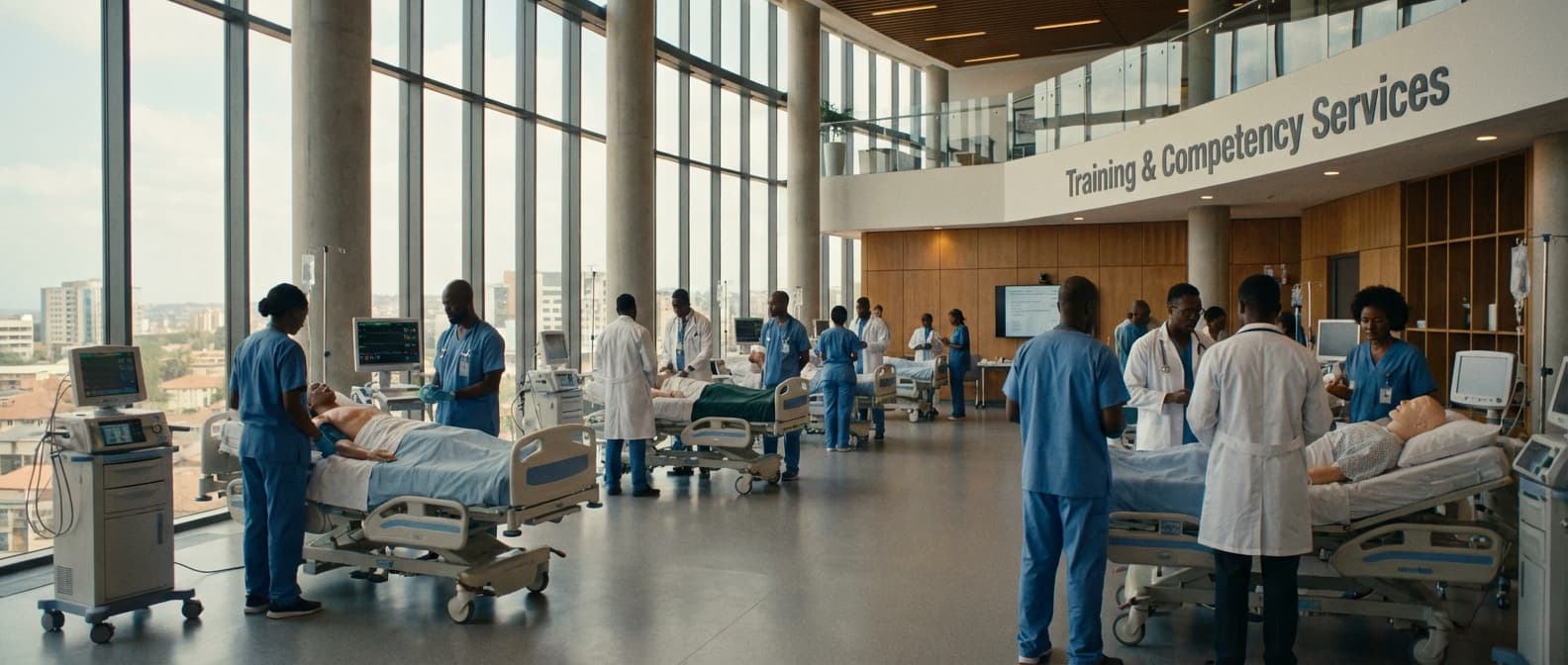
The CT Operator Training Service (Radiographers) in the Central African Republic refers to specialized educational programs designed to equip radiographers with the theoretical knowledge and practical skills necessary to proficiently operate Computed Tomography (CT) scanners. This service aims to enhance diagnostic imaging capabilities within the nation's healthcare infrastructure by ensuring competent personnel are available to perform CT examinations safely and effectively. The curriculum typically covers principles of CT physics, image acquisition protocols, patient positioning, radiation safety, image processing, artifact recognition and reduction, and quality assurance procedures. Emphasis is placed on understanding cross-sectional anatomy, pathology as visualized by CT, and the application of various contrast agents. The training is often delivered through a combination of classroom lectures, hands-on simulator practice, and supervised clinical experience on actual CT equipment.
| Who Needs CT Operator Training? | Typical Use Cases | ||||||
|---|---|---|---|---|---|---|---|
| Radiographers seeking to specialize in CT imaging. | Acquiring diagnostic images for trauma patients (e.g., head injuries, fractures). | Diagnosis and staging of oncological conditions (e.g., lung nodules, abdominal masses). | Evaluation of neurological disorders (e.g., stroke, brain tumors). | Assessment of cardiovascular diseases (e.g., coronary artery disease, aortic dissection). | Imaging of the gastrointestinal and genitourinary systems for pathologies like appendicitis, kidney stones, or bowel obstructions. | Pre-operative planning for surgical interventions. | Monitoring treatment response in various diseases. |
| Existing radiographers within the Central African Republic's healthcare facilities to upskill and meet evolving diagnostic demands. | Newly qualified radiographers entering the workforce. | Technicians responsible for the maintenance and operation of CT equipment in hospitals and diagnostic centers. | Public health initiatives requiring enhanced diagnostic imaging capabilities. |
Key Components of CT Operator Training Service (Radiographers):
- Foundational CT Physics: Understanding X-ray beam generation, detector technology, slice acquisition, and reconstruction algorithms.
- CT Scanner Operation: Hands-on proficiency with specific CT scanner models, including console operation, protocol selection, and parameter adjustment.
- Image Acquisition Techniques: Mastering patient positioning, scan planning, and optimization for various anatomical regions and clinical indications.
- Radiation Safety and Protection: Implementing ALARA principles, understanding dose monitoring, and complying with national radiation safety regulations.
- Contrast Media Administration and Management: Knowledge of contrast agent types, administration routes, contraindications, and potential adverse reactions.
- Image Processing and Manipulation: Techniques for windowing, leveling, and using advanced post-processing tools for enhanced visualization.
- Artifact Identification and Mitigation: Recognizing common artifacts (e.g., beam hardening, motion) and implementing strategies to reduce their impact.
- Quality Assurance and Control: Performing routine checks, calibration, and maintenance to ensure optimal image quality and equipment performance.
- Clinical Application and Interpretation Principles: Understanding the role of CT in diagnosing various pathologies and correlating findings with clinical context.
Who Needs Ct Operator Training Service (Radiographers) In Central African Republic?
In the Central African Republic, comprehensive CT Operator Training Services are crucial for ensuring the effective and safe operation of CT scanners. This training is vital for radiographers who are at the forefront of medical imaging, directly impacting patient diagnosis and care. The need arises from the critical role CT scans play in diagnosing a wide range of conditions, from trauma and infections to cancer and cardiovascular diseases. Without proper training, there is a significant risk of image artifacts, misdiagnosis, unnecessary radiation exposure for patients, and equipment damage.
| Target Customer Segment | Relevant Departments | Specific Roles Requiring Training | ||
|---|---|---|---|---|
| Public Hospitals | Radiology Department | Radiographers (CT Technologists) | Radiologists (for image interpretation and protocol oversight) | Biomedical Engineers (for understanding technical aspects and maintenance) |
| Private Hospitals | Radiology/Imaging Department | CT Radiographers | Radiologists | Imaging Supervisors |
| Diagnostic Imaging Centers | CT Imaging Services | Lead CT Radiographer | CT Technicians | Quality Assurance Officers |
| Clinics with Advanced Imaging Capabilities | Imaging Unit | Clinic Radiographer/Technician | Clinic Manager (for operational oversight) | |
| Mobile Imaging Units | Onboard Radiology Team | Mobile CT Radiographer | Field Operations Manager | |
| Military Medical Facilities | Medical Imaging Section | Military Radiographers | Medical Officers (responsible for imaging services) | |
| NGO Healthcare Facilities | Diagnostic Imaging Service | NGO Employed Radiographers | Program Coordinators (for medical services) |
Target Customers and Departments for CT Operator Training in the Central African Republic
- Hospitals (Public and Private)
- Diagnostic Imaging Centers
- Clinics with Advanced Imaging Capabilities
- Mobile Imaging Units
- Military Medical Facilities
- Non-Governmental Organization (NGO) Healthcare Facilities
Ct Operator Training Service (Radiographers) Process In Central African Republic
This document outlines the workflow for providing CT Operator Training Services to Radiographers in the Central African Republic (CAR). The process begins with an initial inquiry from a healthcare facility or government health agency in CAR and culminates in the successful execution of the training program.
| Stage | Description | Key Activities | Responsible Party | Deliverables/Outcomes |
|---|---|---|---|---|
| Inquiry & Needs Assessment | Initial contact from a client in CAR requesting CT operator training. This stage involves understanding the client's specific needs, current skill levels, available equipment, and desired outcomes. | Receive and acknowledge inquiry. Conduct preliminary discussions to understand training scope. Identify number of trainees, existing CT equipment, and specific training requirements (e.g., specific CT scanner models, advanced protocols). Assess language proficiency and cultural considerations. | Training Service Provider (TSP) & Client | Clear understanding of training scope and objectives. Identified training gaps. Initial assessment of feasibility. |
| Proposal Development & Negotiation | Based on the needs assessment, the TSP develops a comprehensive training proposal, including curriculum, duration, trainers, methodology, and cost. This is followed by negotiation with the client. | Develop detailed training curriculum (theory and practical). Identify qualified and experienced CT trainers. Outline training schedule and location(s). Prepare a detailed cost breakdown. Present proposal to the client. Engage in negotiations regarding scope, timeline, and budget. | Training Service Provider (TSP) | Approved training proposal. Agreed-upon curriculum and schedule. Finalized costings. |
| Contracting & Agreement | Formalization of the agreement between the TSP and the client through a legally binding contract. | Draft and review the training service contract. Include terms of payment, cancellation policy, confidentiality, and intellectual property. Sign the contract by authorized representatives of both parties. | TSP & Client Legal Teams/Representatives | Signed training service contract. |
| Logistics & Pre-Training Preparations | All logistical arrangements are made to ensure the training can be conducted smoothly. This involves travel, accommodation, training materials, and equipment readiness. | Arrange travel and accommodation for trainers. Secure visas and necessary permits for trainers. Arrange travel and accommodation for trainees (if applicable). Prepare training materials (manuals, presentations, handouts) in appropriate languages. Ensure CT scanner(s) are operational and accessible for practical sessions. Arrange for any specialized training equipment or phantoms. Communicate final training details to trainees. | Training Service Provider (TSP) & Client | Trainers and trainees confirmed for attendance. All logistical arrangements completed. Training materials and equipment ready. |
| Training Delivery | The core of the service, where the theoretical and practical training is conducted by the TSP's qualified trainers. | Conduct theoretical sessions (e.g., CT physics, image acquisition principles, radiation safety, quality control, specific protocols). Conduct practical sessions on the CT scanner(s) (e.g., patient positioning, protocol selection, image optimization, artifact reduction). Provide hands-on supervision and feedback. Facilitate Q&A sessions and case discussions. Conduct formative assessments to gauge understanding. | Training Service Provider (TSP) Trainers | Trainees gain knowledge and practical skills in CT operation. Improved radiographer competency. |
| Post-Training Evaluation & Support | Assessing the effectiveness of the training and providing ongoing support to ensure knowledge retention and application. | Administer summative assessments (e.g., written exams, practical competency tests). Gather feedback from trainees and clients on the training program. Provide certificates of completion to successful trainees. Offer post-training support (e.g., remote consultation, follow-up guidance). Prepare a post-training report summarizing outcomes and recommendations. | Training Service Provider (TSP) & Client | Trainee competency verified. Feedback collected for program improvement. Training outcomes documented. Client satisfaction achieved. |
Key Stages in the CT Operator Training Service Process
- Inquiry & Needs Assessment
- Proposal Development & Negotiation
- Contracting & Agreement
- Logistics & Pre-Training Preparations
- Training Delivery
- Post-Training Evaluation & Support
Ct Operator Training Service (Radiographers) Cost In Central African Republic
Providing accurate and up-to-date cost information for specialized services like CT Operator Training for Radiographers in the Central African Republic (CAR) is challenging due to the limited availability of standardized training programs and transparent pricing structures. The CAR's economy is still developing, and the healthcare sector, particularly advanced imaging, may have fewer established training providers compared to more developed nations. Therefore, the costs presented are estimates and can vary significantly based on several influencing factors.
| Training Type/Scope | Estimated Cost Range (XAF - Central African CFA Franc) | Notes |
|---|---|---|
| Basic CT Operation & Safety (Short Course - 2-3 days) | 150,000 - 300,000 XAF | Covers fundamental principles, patient positioning, basic scan acquisition. Likely delivered by local experienced radiographers or imaging technicians. |
| Standard CT Protocols & Image Interpretation (Intermediate - 5-7 days) | 300,000 - 600,000 XAF | Includes common anatomical imaging, basic contrast administration, introduction to image processing. May involve more specialized trainers. |
| Comprehensive CT Technologist Training (Advanced - 2-4 weeks) | 600,000 - 1,500,000+ XAF | Covers advanced protocols, specialized imaging (e.g., angiography, cardiac CT), troubleshooting, quality control, and possibly basic informatics. Could involve international trainers or manufacturer-provided courses. |
| Manufacturer-Specific Equipment Training (Variable Duration) | Highly variable (often bundled with equipment purchase or substantial separate fee) | Training directly from CT scanner manufacturers (e.g., GE, Siemens, Philips) for their specific models. Cost can be integrated into purchase agreements or charged as a premium service. This is often the most comprehensive but also the most expensive. |
| Refresher/Specialized Module Training (1-2 days) | 75,000 - 200,000 XAF | For experienced radiographers looking to update skills or learn specific new techniques. |
Key Pricing Factors for CT Operator Training in the Central African Republic
- Provider Type: Training can be offered by public institutions (if available and specialized), private medical training centers, or directly by CT scanner manufacturers/distributors as part of equipment sales packages. Private providers and manufacturer-led training are generally more expensive.
- Training Duration and Intensity: Shorter, introductory courses will be less costly than comprehensive, in-depth training programs that cover a wide range of protocols, troubleshooting, and advanced imaging techniques. The number of hours and days dedicated to the training directly impacts the cost.
- Curriculum Content: The complexity and breadth of the curriculum are significant drivers. Training focused solely on basic operation and common protocols will be cheaper than programs that include advanced CT angiography, cardiac CT, or interventional CT procedures.
- Trainer Expertise and Credentials: Highly experienced and certified radiographers or CT technologists, especially those with international experience, will command higher fees. The reputation of the training institution or provider also plays a role.
- Location of Training: If training is conducted at a specific medical facility, the cost might be influenced by the facility's overhead and resource allocation. Training conducted in major cities like Bangui may have different cost structures than in more remote areas.
- Training Materials and Resources: The provision of high-quality training manuals, access to simulators (if available), and practical hands-on sessions with actual CT equipment will affect the overall cost.
- Certification and Assessment: If the training includes formal certification exams or assessments, these will add to the price. The credibility and recognition of the certifying body are also factors.
- Group vs. Individual Training: Training for multiple radiographers from the same institution might come with group discounts, while individual one-on-one training would likely be more expensive per person.
- Travel and Accommodation: If trainers need to travel to the CAR or if trainees need to relocate for the training, these associated costs would typically be borne by the trainee or their sponsoring institution and would indirectly influence the perceived total cost of the training.
- Equipment and Technology: The availability of modern CT scanners for practical training can influence the cost. Training on older or less sophisticated equipment might be less expensive.
- Negotiation and Package Deals: For larger institutions or organizations sponsoring multiple trainees, there is often scope for negotiation on pricing or the inclusion of additional services in a package deal.
Affordable Ct Operator Training Service (Radiographers) Options
This document outlines affordable CT operator training service options for radiographers, focusing on value bundles and cost-saving strategies. Investing in specialized CT training is crucial for radiographers to enhance their skills, improve patient care, and adhere to evolving industry standards. We explore flexible training modalities and practical approaches to make high-quality CT education accessible.
| Training Option | Description | Value Bundle Components | Estimated Cost Range (USD) | Cost-Saving Strategies |
|---|---|---|---|---|
| Online Core CT Principles Course | Comprehensive theoretical foundation covering CT physics, anatomy, image acquisition, and safety protocols. Ideal for foundational knowledge. | On-demand video lectures, interactive quizzes, downloadable study guides, access to online community forums. | $300 - $800 per user | Bulk registration discounts, early bird specials, employer-sponsored group rates. |
| Blended Learning: Online Theory + Simulated Scans | Combines online modules with virtual reality (VR) or simulator-based hands-on practice. Offers practical experience without full scanner access. | Core CT principles course, access to CT simulator software (web-based or installable), guided simulation exercises, performance feedback reports. | $700 - $1,500 per user | Partnering with simulator providers for bundled pricing, longer access durations for group licenses, pre-paid training packages. |
| On-Site Workshop (Basic Protocols) | Intensive, in-person training focused on fundamental CT scanning protocols and hands-on experience with actual equipment (if available). | 1-3 day workshop, instructor-led lectures and demonstrations, supervised scanner time (if facility permits), case study reviews, certificate of completion. | $1,500 - $3,000 per participant (plus travel/accommodation if applicable) | Scheduling workshops during off-peak periods, employer providing training venue and equipment, shared training costs across multiple facilities. |
| Advanced/Specialized Protocol Training (Online or Blended) | Focuses on specific CT applications like cardiovascular, neuro, or interventional CT. Can be delivered online or in a blended format. | Specialized online modules, advanced case studies, expert Q&A sessions, potentially access to advanced simulator modules. | $500 - $1,200 per user (for specialized modules) | Bundling multiple specialized modules at a discounted rate, online training for less complex protocols, train-the-trainer programs for in-house expertise. |
| Customized Training Solutions | Tailored training programs designed to meet the unique needs and existing infrastructure of a healthcare facility. | Needs assessment, custom curriculum development, flexible delivery methods (online, on-site, hybrid), dedicated project management, post-training evaluation. | Variable (Quote-based) | Long-term training partnerships, multi-year service agreements, integration with existing learning management systems (LMS). |
Key Considerations for Affordable CT Operator Training
- Training Modalities: Online, blended (online + in-person), and on-site training offer varying cost structures.
- Certification & Accreditation: Ensure training programs are accredited and lead to recognized certifications.
- Curriculum Depth: Tailor training to specific needs (e.g., basic, advanced, specialized protocols).
- Instructor Expertise: Experienced and certified instructors are essential for effective knowledge transfer.
- Hands-on Experience: Simulated or actual scanner time is vital for practical skill development.
- Ongoing Support: Access to resources and follow-up support can enhance long-term learning.
Verified Providers In Central African Republic
In the Central African Republic, ensuring access to reliable and qualified healthcare providers is paramount. Franance Health stands out as a leading organization dedicated to verifying and promoting healthcare professionals who meet rigorous standards. This commitment to credentialing provides patients with the assurance that they are receiving care from competent and ethical practitioners, ultimately fostering a safer and more effective healthcare system. Choosing a Franance Health-verified provider means opting for a level of trust and quality that is essential for well-being in the region.
| Benefit for Patients | Benefit for Providers | Benefit for the Healthcare System |
|---|---|---|
| Increased trust and confidence in healthcare providers. | Enhanced professional reputation and recognition. | Improved overall quality and safety of healthcare services. |
| Reduced risk of receiving substandard or fraudulent medical care. | Access to a wider patient base seeking verified professionals. | Greater public health outcomes through reliable medical interventions. |
| Empowerment to make informed healthcare decisions. | Opportunities for professional development and networking. | Attraction of international partnerships and investment in healthcare. |
Why Franance Health Credentials Matter:
- Ensures providers have legitimate medical qualifications and licenses.
- Verifies a clean professional history, free from serious malpractice.
- Confirms adherence to ethical medical practices and patient care standards.
- Promotes transparency and accountability within the healthcare sector.
- Builds patient confidence and reduces the risk of encountering unqualified practitioners.
Scope Of Work For Ct Operator Training Service (Radiographers)
This Scope of Work (SOW) outlines the requirements for providing comprehensive CT Operator Training services for Radiographers. The training will equip certified radiographers with the necessary knowledge and practical skills to safely and effectively operate Computed Tomography (CT) scanners, acquire high-quality diagnostic images, and adhere to established protocols and safety standards. This SOW details the technical deliverables and standard specifications expected from the training provider.
| Deliverable | Description | Standard Specification/Requirement | Evaluation Criteria |
|---|---|---|---|
| Training Curriculum | A detailed curriculum outlining all modules, learning objectives, and content for the CT operator training program. | Must cover all Key Training Areas listed above. Curriculum to be reviewed and approved by the client. Minimum of 40 hours of instruction (classroom and practical). | Completeness of coverage of required topics. Clarity of learning objectives. Alignment with current industry best practices. |
| Training Materials | Comprehensive training materials for participants, including lecture notes, presentations, handouts, case studies, and access to relevant literature. | Materials to be provided in digital format (e.g., PDF, PPT) and/or hard copy. Materials should be up-to-date and reflect current CT technology and protocols. | Accuracy and relevance of information. Readability and organization. Availability in the agreed format. |
| Hands-on Practical Training Sessions | Supervised practical sessions on actual CT scanners to reinforce theoretical knowledge and develop procedural skills. | Minimum of 20 hours of supervised practical training per participant. Training to be conducted on functional CT scanners representing modern technology. Instructor-to-participant ratio not to exceed 1:4. | Demonstrated proficiency in scanner operation, patient positioning, protocol selection, and image acquisition. Successful completion of practical assessment tasks. |
| Qualified Instructors | Experienced and certified CT technologists or radiographers with a proven track record in CT operation and training. | Instructors must possess current professional certifications (e.g., ARRT, equivalent) and at least 5 years of direct CT experience. Instructors should demonstrate strong pedagogical skills. | Review of instructor qualifications and experience. Feedback from participants on instructor effectiveness and knowledge. |
| Assessment and Evaluation Tools | Methods for assessing participant knowledge and skills, including written examinations, practical assessments, and quizzes. | A comprehensive written examination covering theoretical aspects. Practical assessment scenarios to evaluate procedural competence. A passing score of 80% or higher for both written and practical assessments. | Validity and reliability of assessment instruments. Fairness and consistency of assessment administration. Objective scoring and feedback. |
| Training Certificate | Issuance of a certificate of completion for participants who successfully meet the training requirements. | Certificate to include participant's name, training dates, a statement of completion for CT Operator Training, and the training provider's accreditation (if applicable). | Accuracy of information on the certificate. Professional appearance and format. |
| Post-Training Support | Provision of limited post-training support for participants to address any immediate questions or challenges. | A defined period for post-training support (e.g., 30 days). Support to be accessible via email or designated contact person. | Responsiveness to inquiries. Timeliness and accuracy of information provided. |
| Training Schedule and Logistics | Development and adherence to a mutually agreed-upon training schedule, including venue and equipment arrangements. | Training to be conducted at the client's facility or an approved off-site location. All necessary equipment, including CT scanners, simulation phantoms, and audio-visual aids, to be provided by the training provider or as agreed. | Punctuality and adherence to the schedule. Appropriateness and functionality of training venue and equipment. |
Key Training Areas and Objectives
- CT Physics and Principles: Understanding X-ray generation, beam attenuation, data acquisition principles, slice reconstruction, image artifacts, and their mitigation.
- CT Scanner Operation: Familiarization with scanner hardware, console operation, patient positioning techniques, and system calibration procedures.
- Image Acquisition Protocols: Development and application of appropriate imaging protocols for various anatomical regions and clinical indications, considering patient factors (e.g., age, weight, contrast administration).
- Image Quality Optimization: Techniques for achieving optimal image spatial resolution, contrast resolution, noise reduction, and artifact suppression.
- Contrast Media Administration and Management: Safe and effective administration of intravenous contrast media, including contraindications, adverse reactions, and management protocols.
- Radiation Safety and Protection: Principles of ALARA (As Low As Reasonably Achievable), dose monitoring, shielding, patient dosimetry, and regulatory compliance.
- Quality Assurance and Control: Routine checks, performance evaluations, and troubleshooting of CT equipment to ensure consistent image quality and operational integrity.
- Emergency Procedures: Recognition and management of medical emergencies that may occur during CT examinations.
- Documentation and Record-Keeping: Accurate and comprehensive recording of patient data, examination parameters, and image archival.
- Ethical and Professional Conduct: Adherence to professional standards, patient confidentiality, and ethical considerations in CT practice.
Service Level Agreement For Ct Operator Training Service (Radiographers)
This Service Level Agreement (SLA) outlines the performance standards and guaranteed response times for the CT Operator Training Service (Radiographers) provided by [Your Company Name] to [Client Name]. This SLA is effective as of [Start Date] and will remain in effect until terminated by either party in accordance with the Master Service Agreement.
| Service Component | Response Time Guarantee | Uptime Guarantee | Notes/Definitions |
|---|---|---|---|
| Initial Training Program Design & Scheduling | Within 2 business days of request initiation. | N/A (One-time event) | Refers to the time taken to acknowledge and begin the scheduling process for a new training program. |
| Access to Online Training Modules & Resources | Immediate (within 1 hour of successful login) | 99.5% uptime during scheduled training hours. | Refers to the availability of the digital learning platform and its content. |
| Technical Support for Online Platform | Within 4 business hours during standard business hours ([Your Business Hours]). | N/A (response time metric) | Applies to issues preventing access or functionality of the online training environment. |
| Scheduling of Practical Training Sessions | Within 3 business days of confirmation of available slots. | N/A (One-time event) | Refers to the confirmation of dates and times for practical, in-person training. |
| On-site Practical Training Delivery | N/A (scheduled event) | 100% uptime during scheduled practical training sessions. | Ensures the trainer and necessary equipment are present and operational as per the schedule. |
| Response to Radiographer Queries (post-training) | Within 2 business days. | N/A (response time metric) | Refers to questions submitted via email or designated support portal regarding training content. |
| Provision of Training Completion Certificates | Within 5 business days of successful completion of all training requirements. | N/A (One-time event) | Timely issuance of official documentation. |
| Updates to Training Content | As per release schedule, with a minimum of one major update annually and ad-hoc minor updates as required. | N/A (content update metric) | Ensures training remains current with technological advancements and best practices. |
Scope of Service
- Provision of comprehensive CT operator training modules and materials for qualified radiographers.
- Delivery of hands-on practical training sessions at [Client Location] or [Your Company Location].
- Ongoing support and access to updated training content.
- Performance monitoring and reporting related to training delivery and radiographer competency assessment.
- Management of training schedules and participant registration.
Frequently Asked Questions

Ready when you are
Let's scope your CT Operator Training Service (Radiographers) in Central African Republic project in Central African Republic.

Scaling healthcare logistics and technical systems across the entire continent.