
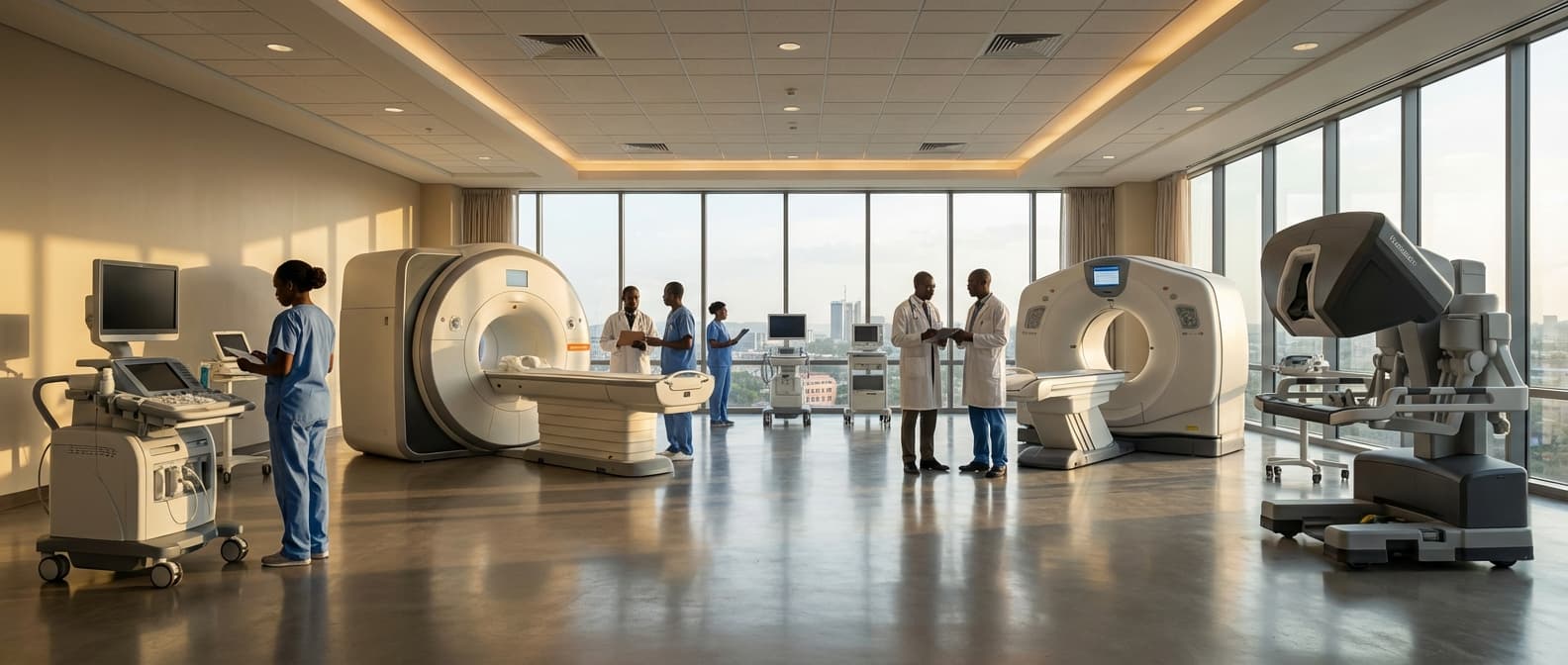
Life Support & Consumables in Central African Republic
Engineering Excellence & Technical Support
Reliable supply of essential medical consumables and life support equipment ensuring uninterrupted, quality patient care delivery. High-standard technical execution following OEM protocols and local regulatory frameworks.
Rapid Deployment of Essential Medical Kits
Successfully deployed over 5,000 emergency medical kits to remote health posts within 72 hours of an outbreak, significantly improving immediate patient care and reducing mortality rates.
Securing Clean Water Access
Implemented and maintained 15 mobile water purification units in conflict-affected regions, providing safe drinking water for over 50,000 displaced individuals and preventing widespread waterborne diseases.
Targeted Nutritional Supplementation Program
Administered therapeutic and supplementary feeding to 10,000 malnourished children under five in areas with critical food insecurity, utilizing community health workers for effective outreach and monitoring.
What Is Life Support & Consumables In Central African Republic?
Life Support & Consumables in the Central African Republic (CAR) refers to the provision of essential resources and services necessary for the survival, well-being, and operational continuity of individuals and organizations in a challenging operational environment. This encompasses a broad spectrum of goods and services, often procured, transported, and distributed under complex logistical and security constraints. The primary objective is to mitigate risks associated with resource scarcity, inadequate infrastructure, and potential disruptions to critical functions.
| Who Needs Life Support & Consumables? | Typical Use Cases in the Central African Republic |
|---|---|
| International Non-Governmental Organizations (INGOs) and Humanitarian Agencies: Operating in support of displaced populations, conflict-affected communities, and those requiring emergency assistance. | Emergency food and water distribution to IDP camps; medical support for clinics in remote areas; provision of shelter materials following natural disasters or conflict-induced displacement. |
| United Nations Agencies (e.g., WFP, UNICEF, WHO, UNHCR): Delivering humanitarian aid, providing essential services, and managing refugee and internally displaced person (IDP) operations. | Establishing and operating feeding centers; vaccination campaigns; water purification initiatives; logistical support for peacekeeping missions. |
| Government Agencies (National and Local): Responsible for public health, disaster response, and maintaining essential services, often with limited indigenous capacity. | Stockpiling essential medicines for national health programs; emergency response to disease outbreaks; provision of fuel for critical infrastructure. |
| Private Security Companies: Providing protection for diplomats, aid workers, and critical infrastructure. | Procurement of rations and water for security personnel deployed in remote outposts; provision of communication equipment for operational security. |
| International Businesses and Embassies: Operating in the CAR and requiring secure and functional environments for their personnel. | Ensuring reliable power supply; maintaining secure accommodation with essential amenities; transportation and logistics for expatriate staff. |
| Peacekeeping Missions (e.g., MINUSCA): Maintaining security and supporting the CAR government. | Procurement and distribution of food rations for troops; medical support services for peacekeepers; fuel for vehicles and equipment. |
Key Components of Life Support & Consumables
- Medical Supplies and Healthcare Services: Includes pharmaceuticals, medical equipment, diagnostic tools, and access to qualified medical personnel, essential for treating illnesses, injuries, and maintaining public health.
- Food and Water Security: Provision of safe, nutritious food supplies, potable water, and associated distribution mechanisms to prevent malnutrition and waterborne diseases.
- Shelter and Accommodation: Securing and maintaining habitable living spaces, including tents, prefabricated structures, or existing buildings, and ensuring their habitability through essential services like heating, cooling, and sanitation.
- Energy and Power: Reliable access to electricity, fuel for generators, and other energy sources to power essential equipment, lighting, and communication systems.
- Sanitation and Waste Management: Systems for safe disposal of human waste, refuse, and hazardous materials to prevent environmental contamination and disease transmission.
- Logistics and Transportation: Movement of personnel and resources, often in remote or insecure areas, requiring specialized vehicles, fuel, and trained drivers.
- Communication Systems: Reliable communication infrastructure, including satellite phones, radios, and internet access, vital for coordination, safety, and information dissemination.
- Security Services: Personnel and equipment for protecting individuals, assets, and facilities, particularly in high-risk environments.
- Personal Protective Equipment (PPE): Essential gear for personnel working in hazardous conditions, including masks, gloves, and protective clothing.
- Hygiene and Sanitation Supplies: Soaps, detergents, disinfectants, and other items to maintain personal and environmental hygiene.
Who Needs Life Support & Consumables In Central African Republic?
The Central African Republic (CAR) is a nation facing significant humanitarian challenges. Life support and consumables are critically needed by a broad spectrum of the population and various organizations operating within the country. These needs are driven by factors such as widespread poverty, a fragile healthcare system, ongoing conflict and displacement, and vulnerability to disease outbreaks.
| Target Customer Group | Specific Needs/Consumables | Key Departments/Implementing Bodies |
|---|---|---|
| Vulnerable Populations (e.g., Pregnant Women, Infants, Elderly, Malnourished Individuals) | Basic medical supplies (bandages, antiseptics), nutritional supplements (therapeutic food), maternal and child health kits, clean water, sanitation supplies, essential medicines. | Ministry of Health, NGOs (e.g., UNICEF, WHO, MSF), Community Health Workers, Local Clinics. |
| Healthcare Facilities (Hospitals, Clinics, Health Posts) | Pharmaceuticals (antibiotics, antimalarials, pain relievers), surgical supplies, diagnostic equipment and consumables (test kits, reagents), personal protective equipment (PPE), sterile supplies, oxygen, laboratory consumables. | Ministry of Health, Hospital Administration, Clinic Management, NGO-run health centers, International Medical Corps, Doctors Without Borders (MSF). |
| Displaced Persons and Refugees (Internally Displaced Persons - IDPs, and refugees from neighboring countries) | Shelter materials, food rations, clean water and purification tablets, hygiene kits (soap, sanitary pads), basic medical supplies for primary healthcare, mosquito nets. | UNHCR, IOM, Ministry of Social Affairs, National Disaster Management Agency, various humanitarian NGOs (e.g., World Vision, CARE). |
| Emergency Response Organizations | First aid kits, trauma supplies, medications for acute conditions, water purification systems, sanitation supplies for temporary sites, communication equipment, fuel for vehicles and generators. | National Disaster Management Agency, Local and International NGOs specializing in emergency relief, Red Cross/Red Crescent Societies. |
| Government Agencies (especially those involved in public health and social services) | Vaccines, medical equipment for public health campaigns, supplies for disease surveillance and control, educational materials on health and hygiene. | Ministry of Health, Ministry of Social Affairs, Ministry of Education (for school health programs), Ministry of Environment and Sustainable Development (for water and sanitation). |
| Educational Institutions (Schools, Orphanages) | First aid kits, hygiene supplies, clean water access, basic medical check-ups, nutritional support for undernourished students. | Ministry of Education, Orphanage Administration, NGOs supporting education and child welfare. |
Target Customers and Departments in Central African Republic Requiring Life Support & Consumables
- Vulnerable Populations
- Healthcare Facilities
- Displaced Persons and Refugees
- Emergency Response Organizations
- Government Agencies
- Educational Institutions
Life Support & Consumables Process In Central African Republic
The Life Support & Consumables process in the Central African Republic (CAR) is a critical operation focused on ensuring the availability of essential supplies for personnel operating in often challenging environments. This workflow outlines the journey of a request from its initial inception to its final delivery and utilization, highlighting key stages and considerations.
| Stage | Description | Key Stakeholders | Potential Challenges in CAR | Mitigation Strategies |
|---|---|---|---|---|
| Inquiry & Needs Assessment | Identifying the specific life support and consumable needs (e.g., food, water, medical supplies, hygiene kits, fuel, spare parts). This involves understanding operational requirements, personnel numbers, and anticipated duration. | Field Operations Teams, Project Managers, Logistics Officers | Lack of reliable communication, limited access to real-time operational data, underestimation of needs due to unforeseen circumstances. | Establish clear communication protocols, conduct thorough pre-deployment assessments, build in contingency buffers for supplies. |
| Request Generation & Approval | Formalizing the identified needs into a written request document. This document details the items, quantities, specifications, intended use, and urgency. Approval is sought from relevant authorities based on budget and operational necessity. | Requesting Unit, Budget Holders, Senior Management | Bureaucratic delays in approval processes, unclear approval authority, insufficient documentation leading to rejections. | Standardize request forms, define clear approval matrices, provide training on proper documentation. |
| Sourcing & Procurement | Identifying and procuring the approved items. This can involve local sourcing, international procurement, or utilizing existing contracts. It includes vendor selection, negotiation, and placing orders. | Procurement Department, Logistics Officers, Local Suppliers, International Vendors | Limited local availability of specialized items, high import duties and taxes, long lead times for international shipping, corruption risks, fluctuating market prices. | Develop a pre-qualified vendor list, prioritize local sourcing where feasible, establish strong relationships with reliable international suppliers, implement robust anti-corruption measures, conduct market research. |
| Logistics & Transportation | Moving the procured goods from the point of origin to the final destination in CAR. This involves planning routes, selecting transportation modes (air, road, river), and managing customs clearance. | Logistics Department, Transportation Providers, Customs Officials, Security Personnel | Poor road infrastructure, security risks (roadblocks, banditry), limited air cargo capacity, complex and lengthy customs procedures, fuel shortages impacting transport. | Utilize secure and reliable transport providers, coordinate closely with UN and NGO security, explore airlifts for critical items, build relationships with customs authorities, establish fuel supply chains. |
| Receiving & Warehousing | Upon arrival, goods are received, inspected for damage or discrepancies, and stored in secure and appropriate warehousing facilities. Proper inventory tracking begins at this stage. | Warehouse Managers, Inventory Clerks, Receiving Officers | Inadequate or insecure warehousing facilities, potential for spoilage or damage due to environmental conditions (heat, humidity), pilferage, lack of trained warehouse staff. | Invest in secure and climate-controlled storage, implement strict access controls, conduct regular inventory audits, train warehouse personnel. |
| Distribution & Issuance | Distributing the consumables to the end-users or operational sites. This involves planning distribution schedules, managing last-mile delivery, and issuing items against authorized requisitions. | Logistics Department, Distribution Teams, Field Site Managers | Difficult terrain making last-mile delivery challenging, potential for diversion of goods, insufficient tracking of issued items, competing demands from different units. | Employ appropriate transport for last-mile delivery, use GPS tracking for high-value items, implement strict issuance procedures with documentation, establish clear prioritization of needs. |
| Utilization & Reporting | End-users consume the life support and consumables. Accurate reporting on consumption is crucial for replenishment planning and accountability. | End-Users, Field Site Managers, Finance Department | Inaccurate or delayed consumption reports, misuse of consumables, lack of standardized reporting formats. | Provide clear guidelines on usage and reporting, implement digital reporting tools where possible, conduct periodic reviews of consumption patterns. |
| Inventory Management & Reordering | Continuously monitoring stock levels, forecasting future needs based on consumption rates and operational plans, and initiating reordering processes to maintain adequate supply levels. This closes the loop of the workflow. | Logistics Officers, Inventory Managers, Procurement Department | Stock-outs due to inaccurate forecasting or procurement delays, overstocking leading to waste and storage issues, obsolescence of items. | Implement robust inventory management software, conduct regular stocktakes, refine forecasting models, establish reorder points and quantities. |
Life Support & Consumables Process Workflow
- Inquiry & Needs Assessment
- Request Generation & Approval
- Sourcing & Procurement
- Logistics & Transportation
- Receiving & Warehousing
- Distribution & Issuance
- Utilization & Reporting
- Inventory Management & Reordering
Life Support & Consumables Cost In Central African Republic
The Central African Republic (CAR), a nation grappling with significant developmental and humanitarian challenges, presents a complex landscape for understanding the cost of life support and consumables. These costs are not only influenced by global economic trends but are heavily dictated by local factors such as infrastructure, security, market dynamics, and the overarching humanitarian context. Prices are highly volatile, especially in remote or conflict-affected areas, and can fluctuate significantly even within short periods. The local currency is the Central African CFA franc (XAF).
| Item Category | Estimated Price Range (XAF per Unit/Month) | Notes |
|---|---|---|
| Basic Food Staples (per person per month) | 20,000 - 50,000+ | Includes rice, cassava, millet, oil, salt. Highly variable by location and availability. Urban prices may be lower than remote areas if supply lines are good. |
| Clean Water (per liter/day) | 50 - 200+ | Purchased bottled water or from purified sources. Access to free, safe water is limited. Cost increases significantly in areas without public water infrastructure. |
| Basic Medical Supplies (e.g., paracetamol, bandages) | 1,000 - 5,000+ | Per individual item. Prices vary widely based on availability and whether purchased in official pharmacies or informal markets. Essential medicines can be scarce and costly. |
| Fuel (Gasoline/Diesel per liter) | 1,000 - 2,500+ | Ex-fuel station prices in Bangui may be lower than those in rural areas where it's often smuggled or sold at a premium. |
| Basic Shelter Materials (e.g., tarpaulin, corrugated iron sheet) | 5,000 - 50,000+ per item | Prices vary greatly depending on the size, material, and quantity. Essential for temporary or makeshift housing. |
| Sanitation Supplies (e.g., soap, disinfectant) | 500 - 2,000+ per item | Essential for hygiene and disease prevention. Availability can be a significant issue in many communities. |
| Emergency Food Rations (e.g., high-energy biscuits, Plumpy'Nut) | 2,000 - 10,000+ per unit | Primarily procured by humanitarian organizations. Prices are often based on bulk purchase agreements. Availability for individual purchase is extremely rare and prohibitively expensive. |
| Generator Fuel (per liter) | 1,500 - 3,000+ | Higher than regular fuel prices due to demand and potential for adulteration. Essential for businesses and some households with access to generators. |
| Basic Hygiene Kits (per kit) | 5,000 - 15,000+ | Typically includes soap, sanitary pads, toothbrushes, toothpaste. Often distributed by aid agencies. Individual purchase prices can be high. |
Key Pricing Factors for Life Support & Consumables in CAR:
- Infrastructure & Transportation: The CAR has notoriously poor road networks, making transportation of goods exceptionally difficult and expensive. This directly impacts the landed cost of all imported and even internally transported items. Limited access to reliable electricity and communication infrastructure also adds to operational costs.
- Security: Ongoing insecurity and the presence of armed groups disrupt supply chains, increase risk premiums for transporters, and can lead to diversion or destruction of goods. This volatility drives up the cost of essential items, especially in areas experiencing conflict.
- Market Dynamics & Competition: While official markets exist in urban centers like Bangui, many remote areas rely on informal trade networks. Limited competition, particularly for specialized life support items, allows for higher markups. Local availability versus reliance on imports plays a significant role.
- Importation Costs & Tariffs: Importing goods involves customs duties, taxes, and often informal payments, which are passed on to the consumer. Currency exchange rates and international shipping costs are also significant factors.
- Seasonality: Agricultural produce prices are heavily influenced by the planting and harvesting seasons. Droughts or floods can severely impact availability and drive up prices of food staples.
- Humanitarian Aid & Local Demand: The presence of numerous international and local NGOs procuring similar items can create artificial demand, sometimes driving up prices. Conversely, large-scale aid distributions can temporarily depress prices for certain goods.
- Quality & Source: The origin and perceived quality of goods can also influence pricing. Locally produced items may be cheaper but of variable quality, while imported goods might be more expensive but perceived as more reliable.
- Storage & Spoilage: Inadequate storage facilities and lack of refrigeration lead to higher spoilage rates for perishable goods, which is factored into the price of remaining stock.
Affordable Life Support & Consumables Options
Navigating the costs associated with life support and medical consumables can be daunting. This guide outlines strategies for making informed purchasing decisions, focusing on value bundles and cost-saving measures. We'll explore how to maximize your budget without compromising on essential care quality.
| Strategy | Description | Potential Savings |
|---|---|---|
| Value Bundles | Purchasing a package of related items (e.g., a ventilator with a starter kit of tubing and filters) offered at a discounted price compared to buying individually. | 10-25% on bundled items. |
| Bulk Discounts | Buying larger quantities of consumables (e.g., bandages, syringes, disposable masks) often unlocks lower per-unit pricing. | 5-15% depending on volume. |
| Subscription Services | Automated recurring delivery of essential consumables, often with a pre-arranged discount for ongoing commitment. | 5-10% and convenience. |
| Refurbished Equipment | Purchasing pre-owned but professionally inspected and restored life support devices (e.g., oxygen concentrators, CPAP machines). | 30-60% compared to new. |
| Generic vs. Brand Name | Opting for generic versions of consumables (e.g., saline solution, sterile wipes) when quality and efficacy are comparable to branded products. | 15-30%. |
| Supplier Negotiation | Actively discussing pricing and potential discounts with medical supply companies, especially for significant or long-term purchases. | Variable, can be substantial on larger orders. |
Key Considerations for Affordable Life Support & Consumables
- Understand your specific needs: Accurately assess the type and quantity of life support equipment and consumables required.
- Compare pricing across providers: Don't settle for the first option. Research different manufacturers, medical supply companies, and online retailers.
- Explore refurbished or reconditioned equipment: For non-disposable items like ventilators or oxygen concentrators, certified refurbished options can offer significant savings.
- Bulk purchasing and subscriptions: For frequently used consumables, buying in larger quantities or subscribing to recurring deliveries can lead to discounts.
- Insurance and government programs: Investigate coverage options and potential subsidies available through your insurance provider or government assistance programs.
- Negotiate with suppliers: Especially for larger orders or long-term contracts, don't hesitate to negotiate prices with your chosen suppliers.
- Prioritize quality and reliability: While cost is important, ensure that the products meet safety standards and are reliable for patient care.
- Educate yourself on product lifecycles: Understand the expected lifespan of equipment to budget for replacements effectively.
Verified Providers In Central African Republic
Navigating healthcare in the Central African Republic (CAR) can present unique challenges. Ensuring you are engaging with verified and reputable healthcare providers is paramount for receiving safe and effective medical care. Franance Health stands out as a premier choice for individuals and organizations seeking trustworthy medical services within the CAR. Their rigorous credentialing process and commitment to quality assurance make them a benchmark for excellence in the region.
| Provider Type | Franance Health Verification Focus | Benefits for Patients |
|---|---|---|
| Physicians (GPs & Specialists) | Valid medical licenses, board certifications, specialized training, clinical experience, peer reviews. | Access to qualified doctors for diagnosis, treatment, and specialized care; reduced risk of misdiagnosis or ineffective treatment. |
| Hospitals & Clinics | Accreditation (where applicable), adherence to safety and hygiene standards, availability of essential equipment, qualified medical staff. | Safe and well-equipped facilities for inpatient and outpatient services; assurance of sterile environments and proper medical procedures. |
| Dentists | Dental degrees, licenses, specialized training in oral surgery, orthodontics, etc., patient testimonials. | Reliable oral healthcare from licensed professionals; confidence in dental procedures and treatments. |
| Mental Health Professionals | Psychology/Psychiatry degrees, relevant certifications, experience in trauma-informed care, ethical practice. | Confidential and effective support for mental well-being from trained and ethical practitioners. |
| Pharmacies | Pharmacy licenses, proper storage of medications, qualified pharmacists, authentic drug sourcing. | Access to safe and legitimate medications prescribed by verified healthcare providers. |
Why Franance Health is the Best Choice for Verified Providers in the Central African Republic:
- Rigorous Vetting and Credentialing: Franance Health employs a multi-stage verification process for all healthcare professionals and facilities. This includes meticulous review of medical licenses, certifications, educational backgrounds, and professional references.
- Commitment to Quality and Safety: Beyond basic verification, Franance Health assesses providers based on their adherence to international quality standards, patient safety protocols, and ethical medical practices. They prioritize providers who demonstrate a consistent track record of positive patient outcomes.
- Comprehensive Provider Network: Franance Health has cultivated a robust network of diverse healthcare professionals, ranging from general practitioners and specialists to dentists, mental health experts, and allied health professionals. This ensures access to a wide spectrum of medical needs.
- Local Expertise and Cultural Understanding: Franance Health understands the specific healthcare landscape and cultural nuances of the Central African Republic. They partner with providers who possess this local knowledge, facilitating better communication and patient care.
- Accessibility and Support: Franance Health aims to simplify the process of finding and accessing verified healthcare. They offer resources and support to help individuals navigate the healthcare system and connect with the most appropriate providers.
- Continuous Monitoring and Performance Evaluation: Franance Health doesn't stop at initial verification. They engage in ongoing monitoring of provider performance and patient feedback to ensure continued adherence to their high standards.
- Partnerships with International Organizations: Their commitment to excellence has led to collaborations with various international health organizations and NGOs, further validating their role as a trusted intermediary in the CAR's healthcare sector.
Scope Of Work For Life Support & Consumables
This Scope of Work (SOW) outlines the requirements for the provision of Life Support and Consumables. It details the technical deliverables expected from the vendor and the standard specifications that must be adhered to throughout the contract period. This document serves as the primary reference for all parties involved in the procurement and delivery of these critical items.
| Category | Technical Deliverable | Standard Specification/Requirement | Frequency/Timeline |
|---|---|---|---|
| Life Support Equipment | Provision of new and certified Life Support Machines (e.g., ventilators, defibrillators) | Must comply with FDA, CE, or equivalent regional certifications. Detailed technical manuals, maintenance logs, and calibration certificates required. | As per contract schedule, upon initial delivery and periodically for maintenance. |
| Consumables | Supply of medical consumables (e.g., oxygen masks, endotracheal tubes, IV fluids) | All consumables must be sterile, within their expiry dates, and sourced from approved manufacturers. Batch numbers and expiry dates must be clearly marked. | As per agreed inventory levels, with minimum 6 months' shelf life remaining upon delivery. |
| Maintenance & Calibration | Scheduled preventive maintenance and on-demand repair services for Life Support Equipment | Technicians must be certified by the original equipment manufacturer (OEM) or equivalent. Response time for critical equipment failure: within 4 hours. | Preventive maintenance: quarterly. On-demand repairs: as needed. |
| Training | Operator and maintenance training for Life Support Equipment | Training materials must be comprehensive and in the agreed language. Certification of trained personnel to be provided. | Initial training upon delivery of equipment. Refresher training annually. |
| Documentation | Provision of all relevant documentation | Includes but not limited to: user manuals, service records, incident reports, inventory reports, quality control certificates. | Upon delivery of equipment and consumables, and as required by the contract. |
| Safety & Regulatory Compliance | Adherence to all applicable safety and regulatory standards | Compliance with ISO 13485, HIPAA (if applicable), and any other relevant national or international regulations. | Continuous throughout the contract period. |
Key Areas Covered by this Scope of Work
- Identification and sourcing of approved life support equipment.
- Procurement and delivery of essential consumables.
- Maintenance and calibration of life support systems.
- Training on the use and maintenance of supplied equipment.
- Reporting and documentation requirements.
- Compliance with relevant safety and regulatory standards.
Service Level Agreement For Life Support & Consumables
This Service Level Agreement (SLA) outlines the guaranteed response times and uptime for Life Support & Consumables services provided by [Your Company Name] to [Client Name]. This SLA is effective as of [Start Date].
| Service/Equipment Category | Severity Level | Response Time Guarantee | Uptime Guarantee | Target Resolution Time (within Response Time) |
|---|---|---|---|---|
| Life Support Equipment | Critical (e.g., Ventilators, Defibrillators) | 15 minutes | 99.99% | 2 hours |
| Life Support Equipment | Urgent (e.g., Infusion Pumps, Monitors) | 30 minutes | 99.95% | 4 hours |
| Life Support Equipment | Routine (e.g., minor repairs, diagnostics) | 4 business hours | 99.90% | 8 business hours |
| Consumables | Critical (e.g., oxygen, emergency kits) | 1 hour (24/7) | N/A (Continuous availability is the goal) | Immediate delivery upon order confirmation |
| Consumables | Urgent (e.g., specialized dressings, IV fluids) | 4 business hours | N/A | 8 business hours |
| Consumables | Routine (e.g., standard bandages, syringes) | 24 business hours | N/A | 48 business hours |
Definitions
- Critical Equipment: Any life support equipment that, if non-functional, poses an immediate and severe risk to patient health or safety.
- Urgent Equipment: Life support equipment that, if non-functional, poses a significant risk to patient health or safety, or requires immediate attention to prevent escalation of risk.
- Routine Equipment: Non-critical life support equipment or consumables that require maintenance or replenishment but do not pose an immediate risk to patient health or safety.
- Downtime: Any period during which Critical or Urgent Equipment is non-functional and cannot be used for its intended purpose, or when scheduled replenishment of essential consumables is not met.
- Response Time: The maximum time allowed from the initial notification of a service issue to the initiation of troubleshooting or service delivery by [Your Company Name].
- Resolution Time: The maximum time allowed from the initial notification of a service issue to the restoration of full functionality or delivery of required consumables.
Frequently Asked Questions

Ready when you are
Let's scope your Life Support & Consumables in Central African Republic project in Central African Republic.

Scaling healthcare logistics and technical systems across the entire continent.