
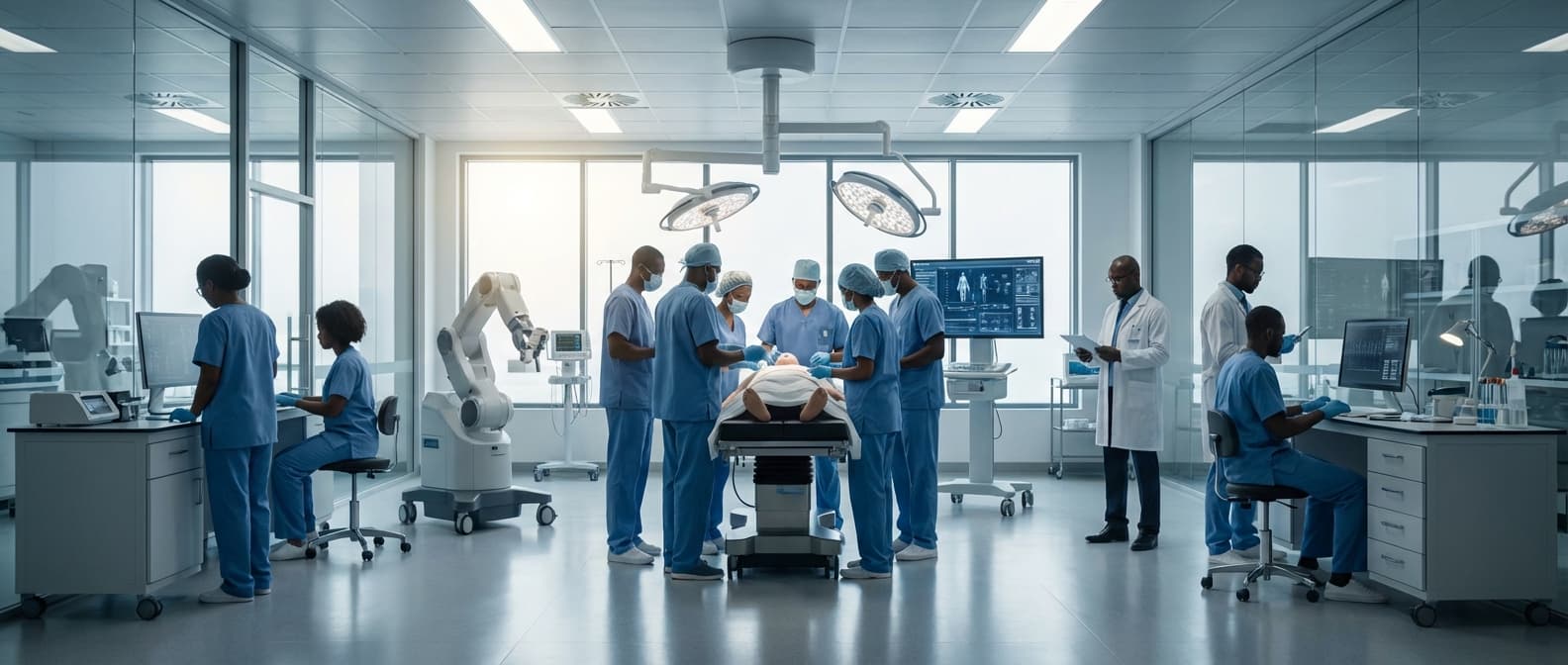
Calibration & Electrical Safety Testing in Central African Republic
Engineering Excellence & Technical Support
Equipment calibration and IEC safety testing High-standard technical execution following OEM protocols and local regulatory frameworks.
Precision Calibration for Reliable Measurements
Ensuring accuracy and traceability for all critical measuring instruments, from multimeters to power analyzers. Our rigorous calibration processes guarantee the integrity of your electrical safety testing results, meeting international standards and building confidence in your product safety.
Comprehensive Electrical Safety Compliance
Conducting thorough electrical safety tests, including insulation resistance, dielectric strength, and earth bond resistance. We help manufacturers in the Central African Republic achieve full compliance with relevant safety regulations, protecting users and preventing potential hazards.
Localized Expertise, Global Standards
Combining in-depth understanding of the Central African Republic's industrial landscape with adherence to global best practices in calibration and electrical safety. Our local presence ensures swift, efficient, and cost-effective testing services tailored to your specific needs.
What Is Calibration & Electrical Safety Testing In Central African Republic?
Calibration and Electrical Safety Testing (EST) in the Central African Republic (CAR) are critical services ensuring the accuracy and safety of electrical equipment and medical devices. Calibration involves the comparison of a measuring instrument's readings against a known, traceable standard to verify its accuracy and adjust it if necessary. EST, also known as Electrical Safety Testing or Biomedical Electrical Safety Testing (BEST), is a process of evaluating electrical medical devices to ensure they meet established safety standards and do not pose a risk of electric shock or other hazards to patients or healthcare professionals. These services are fundamental for regulatory compliance, operational efficiency, and public health and safety within the CAR's healthcare infrastructure and industrial sectors.
| Service Component | Definition/Involvement | Who Needs It (CAR) | Typical Use Cases (CAR) | |
|---|---|---|---|---|
| Calibration Services | The process of comparing the output of a measuring device to a known standard of known accuracy. If the device's output does not match the standard, adjustments are made. This involves using certified reference materials and calibrated equipment. | Hospitals and clinics (for diagnostic equipment, laboratory instruments), Public health laboratories, Industrial facilities (for process control, quality testing), Research institutions, Environmental monitoring agencies. | Ensuring accurate patient diagnoses (e.g., blood analyzers, ECG machines), Verifying the precision of environmental sensors, Maintaining product quality in manufacturing, Supporting scientific research and development. | |
| Electrical Safety Testing (EST) | A systematic evaluation of electrical medical devices to detect potential hazards. It typically includes tests for enclosure integrity, earth (ground) resistance, insulation resistance, and leakage currents (touch, patient, and earth leakage). Performed by qualified biomedical engineers or technicians. | Hospitals, clinics, health centers, surgical centers, dental practices, rehabilitation centers, any facility utilizing electrical medical devices. | Routine pre-use checks on new equipment, Periodic testing of in-service medical devices (e.g., ventilators, infusion pumps, patient monitors, surgical diathermy), Post-repair verification, Assessing the safety of donated medical equipment. | |
| Combined Service Providers | Companies or organizations offering both calibration and electrical safety testing, often with specialized equipment and expertise. They may provide on-site services or operate dedicated testing facilities. | Government health ministries and regulatory bodies (for oversight), Procurement agencies for medical equipment, International aid organizations involved in healthcare infrastructure development. | Establishing and maintaining national standards for medical device safety and metrology, Ensuring the reliability of donated medical equipment before deployment, Training local technicians in calibration and EST procedures. |
Key Aspects of Calibration & Electrical Safety Testing in CAR
- Calibration: Verifying and adjusting measurement instruments to ensure accuracy against traceable standards. This is vital for laboratory testing, industrial process control, and quality assurance.
- Electrical Safety Testing (EST): Assessing electrical medical devices for potential hazards such as leakage current, ground continuity, and insulation resistance to prevent patient and operator harm.
- Traceable Standards: Calibration relies on standards that are linked to national or international metrological institutes, ensuring the reliability and comparability of measurements.
- Regulatory Compliance: Adherence to national and international standards and regulations governing medical devices and electrical equipment is often mandated.
- Risk Mitigation: Both services are crucial for identifying and mitigating risks associated with equipment malfunction, inaccurate measurements, and electrical hazards.
- Downtime Reduction: Properly calibrated and safe equipment is less prone to unexpected failures, leading to reduced operational downtime.
- Equipment Longevity: Regular testing and maintenance contribute to the extended lifespan of valuable equipment.
Who Needs Calibration & Electrical Safety Testing In Central African Republic?
Ensuring the accuracy and safety of electrical equipment is paramount across various sectors in the Central African Republic (CAR). Calibration and electrical safety testing are critical for reliable operation, preventing equipment failure, and protecting personnel and the public from electrical hazards. This service is essential for a wide range of organizations that rely on the precise functioning and safety of their electrical and electronic devices.
| Sector | Key Equipment Needing Calibration/Testing | Primary Concerns Addressed |
|---|---|---|
| Healthcare | Infusion pumps, ECG machines, ventilators, blood analyzers, diagnostic imaging equipment | Patient safety, diagnostic accuracy, equipment reliability |
| Manufacturing | Sensors, control systems, measurement tools, power supplies, automated machinery | Product quality, process efficiency, worker safety, equipment longevity |
| Telecommunications | Signal generators, spectrum analyzers, power meters, network monitoring devices | Network performance, service reliability, infrastructure integrity, electrical safety |
| Energy/Utilities | Transformers, circuit breakers, protective relays, energy meters, power quality analyzers | Grid stability, reliable power supply, safety of personnel and public, accurate billing |
| Research/Education | Oscilloscopes, multimeters, environmental chambers, spectrophotometers, laboratory power supplies | Accuracy of research data, integrity of experiments, safety of students and researchers |
| Transportation | Radar systems, navigation equipment, control panels, diagnostic tools | Operational safety, efficiency, equipment reliability |
| Food & Beverage | Temperature sensors, pH meters, flow meters, processing equipment controls | Product safety, quality control, regulatory compliance |
| Mining | Gas detectors, process control sensors, electrical safety equipment, heavy machinery controls | Worker safety, operational continuity, environmental protection |
| Oil & Gas | Pressure transducers, flow meters, temperature sensors, safety interlock systems, analytical instruments | Process safety, operational efficiency, environmental compliance, asset integrity |
Target Customers & Departments in the Central African Republic Requiring Calibration & Electrical Safety Testing
- {"item":"Hospitals and Healthcare Facilities","description":"Medical equipment, from diagnostic tools to life support systems, requires regular calibration to ensure accurate readings and safe operation for patient care. Departments include: Operating Theatres, Intensive Care Units (ICUs), Diagnostic Imaging (X-ray, MRI, CT Scans), Laboratories, and Emergency Departments."}
- {"item":"Industrial Manufacturing and Processing Plants","description":"Precision in manufacturing processes is directly linked to calibrated instruments. Safety testing is crucial for machinery and control systems to prevent accidents. Departments include: Production Lines, Quality Control, Maintenance, and Research & Development."}
- {"item":"Telecommunications Companies","description":"Reliable communication infrastructure depends on accurately calibrated network equipment and power systems. Safety testing ensures the integrity of installations. Departments include: Network Operations Centers (NOCs), Field Maintenance, and Infrastructure Engineering."}
- {"item":"Energy and Utility Providers (Electricity, Water)","description":"Accurate metering, control systems, and power distribution equipment are vital for efficient and safe service delivery. Departments include: Power Generation, Transmission & Distribution, Metering, and Safety Compliance."}
- {"item":"Research and Development Institutions and Universities","description":"Scientific research relies heavily on precise measurements from laboratory equipment. Ensuring the safety of experimental setups is also paramount. Departments include: Physics, Chemistry, Biology, Engineering Faculties, and Specialized Research Labs."}
- {"item":"Government Agencies and Public Services","description":"Various government bodies responsible for infrastructure, public safety, and specialized services require reliable and safe equipment. Departments include: Ministry of Public Works, Ministry of Health, Ministry of Communications, and Civil Aviation Authorities."}
- {"item":"Transportation and Logistics Sector","description":"Navigation systems, control equipment in ports and airports, and vehicle diagnostic tools need to be accurate and safe. Departments include: Airport Operations, Port Authorities, Vehicle Maintenance, and Logistics Management."}
- {"item":"Food and Beverage Industry","description":"Quality control and processing equipment in this sector require precise calibration for product safety and consistency. Departments include: Quality Assurance, Production, and Food Safety Compliance."}
- {"item":"Mining and Extraction Industries","description":"Sensors, control systems, and safety equipment used in these often harsh environments need to be reliable and electrically safe. Departments include: Operations, Maintenance, and Health & Safety."}
- {"item":"Oil and Gas Sector (Exploration and Refining)","description":"Critical for process control, safety systems, and analytical equipment used in exploration, production, and refining operations. Departments include: Process Engineering, Operations, Maintenance, and Safety."}
Calibration & Electrical Safety Testing Process In Central African Republic
This document outlines the standard workflow for Calibration and Electrical Safety Testing services provided in the Central African Republic, from initial client inquiry to the final execution of the services. The process is designed to ensure clarity, efficiency, and compliance with relevant standards and regulations.
| Stage | Description | Key Activities | Responsible Party |
|---|---|---|---|
| The client initiates contact to request calibration and/or electrical safety testing services. | Client contacts service provider via phone, email, or inquiry form. Client provides details about the equipment to be tested (type, model, quantity, current calibration status if applicable), location of equipment, desired timeline, and any specific testing standards required. | Client, Service Provider |
| Based on the gathered information, the service provider prepares and submits a formal quotation. | Service provider reviews client's request. Provider determines testing scope, methodology, required resources, and associated costs. Provider generates and sends a detailed quotation to the client, outlining services, pricing, estimated turnaround time, and terms and conditions. Client reviews quotation and provides approval/acceptance. Formal agreement or purchase order may be exchanged. | Service Provider, Client |
| Once the agreement is confirmed, the service provider arranges for the execution of the services. | Provider schedules the testing date(s) based on client availability and provider's operational capacity. If on-site testing is required, logistics for travel, accommodation (if necessary), and site access are arranged. For off-site testing, arrangements for equipment collection/delivery are made. Necessary testing equipment and personnel are assigned. | Service Provider |
| The actual calibration and/or electrical safety testing is performed by qualified technicians. | Technicians arrive at the client's site or receive equipment at their facility. Equipment is identified and inspected for physical condition. Calibration is performed against traceable standards, and safety testing (e.g., insulation resistance, earth continuity, leakage current) is conducted according to applicable standards (e.g., IEC 60601 series for medical devices, local electrical codes). Any necessary adjustments or minor repairs are noted. | Service Provider (Technicians) |
| Upon completion of testing, comprehensive reports and certificates are generated and issued. | Test results are meticulously recorded. A calibration certificate or electrical safety test report is generated, detailing the equipment tested, test methods used, standards applied, test results, date of test, and the technician's details. A 'Pass' or 'Fail' status is clearly indicated. Certificates may include calibration due dates. Reports are submitted to the client. | Service Provider |
| Post-service activities and long-term record keeping are managed. | Client reviews reports and certificates. Any queries from the client are addressed. Service provider maintains detailed records of all tests performed for future reference and auditing purposes. Reminders for future calibration or testing schedules may be sent to the client. | Service Provider, Client |
Calibration & Electrical Safety Testing Workflow
- Inquiry & Information Gathering
- Quotation & Agreement
- Scheduling & Logistics
- On-site/Off-site Execution
- Reporting & Certification
- Follow-up & Records Management
Calibration & Electrical Safety Testing Cost In Central African Republic
Calibration and electrical safety testing are crucial for ensuring the reliability and safety of equipment in the Central African Republic (CAR). These services are typically performed by specialized laboratories or qualified technicians. The cost of these services can vary significantly based on several factors. Key pricing determinants include the type and complexity of the equipment being tested, the required accuracy and standards of calibration, the volume of equipment for testing, and the reputation and overhead of the service provider. Urgency of service can also influence the price, with expedited testing often incurring higher fees. Labor costs, the availability of specialized calibration equipment and standards within the CAR, and transportation expenses to and from the client's location also play a role in the final pricing. Given the economic landscape and import dependence for specialized equipment in CAR, prices for calibration and electrical safety testing can be relatively high compared to more developed economies. It's advisable to obtain multiple quotes from different accredited service providers to secure competitive pricing.
| Service Type | Equipment Type | Estimated Cost Range (FCFA) | Notes |
|---|---|---|---|
| Calibration | General Laboratory Instruments (e.g., scales, thermometers) | 50,000 - 250,000 | Per instrument, depends on accuracy required. |
| Calibration | Electrical Test Equipment (e.g., multimeters, oscilloscopes) | 75,000 - 300,000 | Per instrument, depends on traceability and standards. |
| Calibration | Medical Equipment (e.g., vital signs monitors, defibrillators) | 100,000 - 500,000+ | Highly specialized, requires certified technicians. |
| Calibration | Industrial Process Control Equipment (e.g., pressure transmitters, flow meters) | 100,000 - 600,000+ | Site calibration might be more expensive. |
| Electrical Safety Testing (PAT) | Office Equipment (e.g., computers, printers, monitors) | 15,000 - 50,000 | Per item, often bundled for larger quantities. |
| Electrical Safety Testing (PAT) | Portable Appliances (e.g., kettles, fans, power tools) | 10,000 - 40,000 | Per item, good for ensuring workplace safety. |
| Electrical Safety Testing (PAT) | Medical Devices | 25,000 - 100,000+ | Requires specialized testing procedures and documentation. |
| On-Site Service Call Fee | N/A | 50,000 - 150,000 | May be charged in addition to testing/calibration fees, depending on distance. |
| Certification/Report Fee | N/A | 10,000 - 50,000 | Standard fee for issuing calibration certificates or safety reports. |
Factors Influencing Calibration & Electrical Safety Testing Costs in CAR
- Type and complexity of equipment
- Required calibration accuracy and standards
- Volume of equipment to be tested
- Service provider's reputation and overhead
- Urgency of service
- Labor costs
- Availability of specialized calibration equipment/standards
- Transportation and logistical costs
- Accreditation and certification of the service provider
Affordable Calibration & Electrical Safety Testing Options
Maintaining accurate instrument calibration and ensuring electrical safety are critical for operational integrity and compliance. This document outlines affordable options, highlights the value of bundled services, and provides cost-saving strategies to help you manage these essential processes efficiently.
| Service Bundle | Included Services | Value Proposition | Estimated Cost Savings (vs. individual services) |
|---|---|---|---|
| Basic Calibration Package | Calibration for up to 5 common instruments (e.g., multimeter, clamp meter, power supply) | Streamlined process, single point of contact, reduced administrative overhead. | 10-15% |
| Comprehensive Electrical Safety Suite | PAT testing for up to 20 portable appliances, insulation resistance testing for fixed installations, earth continuity tests. | Proactive hazard identification, reduced risk of electrical incidents, simplified compliance reporting. | 15-20% |
| Integrated Maintenance & Safety Bundle | Calibration of 3 critical instruments PLUS electrical safety testing for 10 portable appliances. | Holistic approach to asset management, optimized scheduling, discounted combined rate. | 20-25% |
| Annual Compliance Program | Quarterly calibration of 10 essential devices AND bi-annual electrical safety testing for the entire facility. | Continuous compliance, long-term cost predictability, preferential service scheduling. | 25-30% |
Key Benefits of Regular Calibration & Electrical Safety Testing
- Ensures accuracy and reliability of measurements.
- Complies with industry regulations and standards (e.g., ISO, IEC).
- Prevents costly equipment failures and downtime.
- Enhances worker safety by identifying electrical hazards.
- Improves product quality and consistency.
- Reduces the risk of fines and penalties.
Verified Providers In Central African Republic
Finding reliable and accredited healthcare providers is crucial for anyone seeking medical assistance in the Central African Republic (CAR). Franance Health stands out as a premier choice due to its rigorous credentialing process and commitment to quality care. This document outlines why Franance Health is a trusted name in the region and highlights key aspects of their verified providers.
| Provider Category | Key Verification Criteria | Franance Health Assurance |
|---|---|---|
| Doctors (General & Specialists) | Valid Medical License, Board Certification (where applicable), Postgraduate Training, Clean Disciplinary Record, Hospital Affiliations | Franance Health verifies all licensing and certification, conducts background checks, and reviews peer recommendations. |
| Nurses | Registered Nurse (RN) or Licensed Practical Nurse (LPN) License, Nursing Education Credentials, Relevant Experience | Franance Health confirms nursing licensure and verifies educational qualifications and practical experience. |
| Medical Facilities (Clinics & Hospitals) | Operating Licenses, Compliance with Health Regulations, Quality of Infrastructure, Availability of Essential Equipment, Infection Control Protocols | Franance Health assesses facility compliance with national and international health standards and evaluates the quality of medical equipment and safety protocols. |
| Diagnostic Laboratories | Accreditation, Qualified Technicians, Quality Control Measures, Up-to-date Equipment | Franance Health ensures laboratories are accredited and equipped with modern technology, with qualified personnel overseeing operations. |
| Pharmaceutical Services | Pharmacy Licenses, Dispensing Qualifications of Pharmacists, Proper Storage of Medications, Authentic Drug Sourcing | Franance Health confirms pharmacy licensure and the qualifications of dispensing pharmacists, and emphasizes the importance of sourcing legitimate medications. |
Why Franance Health Credentials Matter
- Rigorous Vetting Process: Franance Health employs a comprehensive verification system for all its partner providers. This includes checking medical licenses, educational qualifications, professional experience, and any disciplinary records.
- Commitment to Quality Standards: Beyond basic credentials, Franance Health ensures providers adhere to international best practices and ethical medical standards. This commitment translates to a higher quality of patient care.
- Patient Safety First: The credentialing process prioritizes patient safety by identifying and partnering with healthcare professionals who have a proven track record of safe and effective medical practice.
- Access to Specialized Expertise: Franance Health's network includes specialists across a wide range of medical disciplines, ensuring patients can access the specific care they need.
- Transparency and Trust: By clearly communicating their credentialing standards and the verified status of their providers, Franance Health builds trust and empowers patients to make informed decisions about their healthcare.
Scope Of Work For Calibration & Electrical Safety Testing
This Scope of Work (SOW) outlines the requirements for comprehensive calibration and electrical safety testing services for [Client Name]'s medical equipment and [other relevant equipment categories, e.g., laboratory instruments, industrial machinery]. The objective is to ensure that all specified equipment operates within its intended performance parameters and meets all applicable electrical safety standards. This will be achieved through a combination of on-site and/or off-site services, performed by qualified technicians.
| Equipment Category | Specific Equipment/Model | Calibration Frequency | Electrical Safety Test Standard | Performance/Functional Checks | Quantity |
|---|---|---|---|---|---|
| Medical Devices | Infusion Pump (e.g., XYZ Model 123) | Annual | IEC 60601-1 | Flow rate accuracy, drip rate accuracy, pressure limits | 15 |
| Medical Devices | ECG Monitor (e.g., ABC Model 456) | Annual | IEC 60601-1 | Lead accuracy, waveform integrity, alarm functionality | 10 |
| Laboratory Instruments | Analytical Balance (e.g., DEF Model 789) | Semi-Annual | ASTM E617 | Weighing accuracy, repeatability, linearity | 5 |
| Laboratory Instruments | Centrifuge (e.g., GHI Model 012) | Annual | IEC 61010-1 | Speed accuracy, timer accuracy, rotor balance | 8 |
| Industrial Machinery | Variable Frequency Drive (VFD) (e.g., JKL Model 345) | Biennial | NFPA 70E (for safety practices) | Output frequency accuracy, voltage regulation, motor protection | 3 |
Key Areas of Work
- Calibration of specified equipment to verifiable standards.
- Electrical safety testing (including leakage current, insulation resistance, ground continuity, and polarity tests) according to relevant standards.
- Performance verification and functional checks.
- Generation of detailed calibration and safety test reports.
- Provision of calibration stickers/certificates.
- Minor adjustments and troubleshooting (if within scope and agreed upon).
Service Level Agreement For Calibration & Electrical Safety Testing
This Service Level Agreement (SLA) outlines the guaranteed response times and uptime for calibration and electrical safety testing services provided by [Your Company Name] (hereinafter referred to as "Provider") to [Client Company Name] (hereinafter referred to as "Client"). This SLA is an integral part of the Master Service Agreement between the Provider and the Client.
| Service | Severity Level | Response Time Guarantee | Resolution Time Target | Uptime Guarantee (Monthly) |
|---|---|---|---|---|
| Calibration Services (On-site) | Critical (Equipment Failure affecting critical operations) | 4 Business Hours | 24 Business Hours | 99.5% |
| Calibration Services (On-site) | High (Significant impact on non-critical operations or potential for future failure) | 8 Business Hours | 48 Business Hours | 99.5% |
| Calibration Services (On-site) | Medium (Minor impact on operations or inconvenience) | 24 Business Hours | 5 Business Days | 99.5% |
| Calibration Services (Lab-based) | Critical (Equipment Failure affecting critical operations) | Next Business Day (Shipment received) | 3 Business Days (Post-receipt) | 99.5% |
| Calibration Services (Lab-based) | High (Significant impact on non-critical operations or potential for future failure) | 2 Business Days (Shipment received) | 7 Business Days (Post-receipt) | 99.5% |
| Electrical Safety Testing (On-site) | Critical (Immediate safety hazard detected) | 4 Business Hours | 8 Business Hours | 99.5% |
| Electrical Safety Testing (On-site) | High (Potential safety hazard) | 12 Business Hours | 24 Business Hours | 99.5% |
| Electrical Safety Testing (On-site) | Medium (Minor non-compliance, requires documentation) | 48 Business Hours | 5 Business Days | 99.5% |
Definitions
- Scheduled Downtime: Planned maintenance periods communicated to the Client at least 48 hours in advance.
- Unscheduled Downtime: Any period where the services are unavailable to the Client, excluding Scheduled Downtime.
- Response Time: The maximum time allowed for the Provider to acknowledge a reported issue and begin troubleshooting.
- Resolution Time: The maximum time allowed for the Provider to resolve a reported issue and restore services to normal operation.
- Calibration: The process of comparing a measuring instrument to a known reference standard to detect and correct inaccuracies.
- Electrical Safety Testing: The process of verifying the electrical safety of equipment to prevent electric shock or fire hazards.
Frequently Asked Questions

Ready when you are
Let's scope your Calibration & Electrical Safety Testing in Central African Republic project in Central African Republic.

Scaling healthcare logistics and technical systems across the entire continent.