
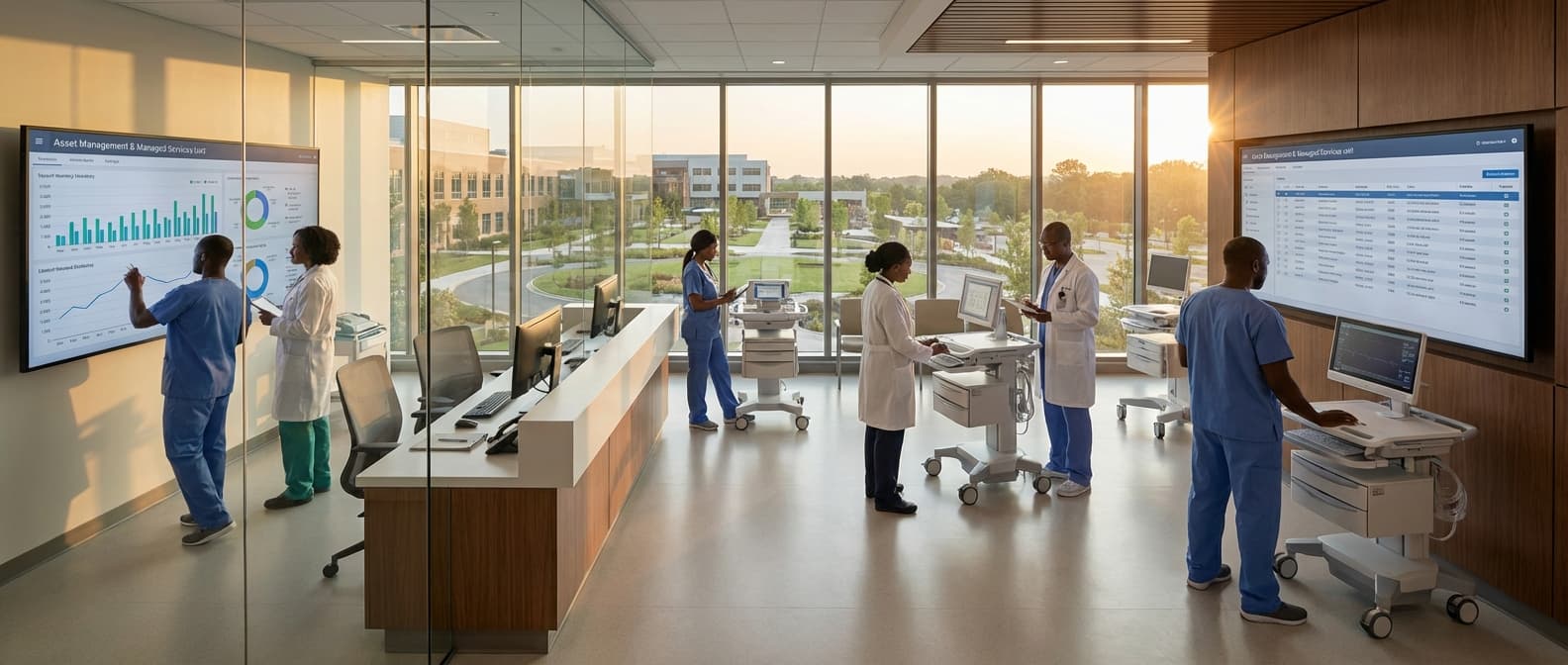
Equipment Fleet Standardization Consulting Service in Central African Republic
Engineering Excellence & Technical Support
Equipment Fleet Standardization Consulting Service High-standard technical execution following OEM protocols and local regulatory frameworks.
Optimized Fleet Acquisition & Lifecycle Management
Leverage our CAR-specific expertise to standardize your equipment fleet, ensuring optimal acquisition strategies, robust maintenance plans, and cost-effective lifecycle management. Reduce downtime and operational expenses through tailored recommendations for vehicle types, fuel efficiency, and spare parts sourcing in challenging Central African operating environments.
Enhanced Maintenance & Repair Network Efficiency
Streamline your maintenance operations across diverse Central African terrains. We'll help you establish standardized maintenance protocols, identify reliable local and regional repair partners, and implement predictive maintenance strategies to minimize breakdowns and maximize equipment availability, even in remote locations.
Data-Driven Performance & Cost Reduction
Implement standardized data collection and analysis frameworks to gain unparalleled visibility into your fleet's performance and costs within the Central African context. Our consulting services empower you to identify inefficiencies, optimize fuel consumption, track asset utilization, and make informed decisions for significant operational cost savings.
What Is Equipment Fleet Standardization Consulting Service In Central African Republic?
Equipment Fleet Standardization Consulting Service in the Central African Republic refers to a specialized advisory offering focused on optimizing an organization's equipment assets through the implementation of uniform standards across its fleet. This involves defining, selecting, and integrating a consistent range of equipment types, models, and specifications. The primary objective is to enhance operational efficiency, reduce costs, improve maintainability, and ensure interoperability within the diverse operational landscape of the Central African Republic. The service typically encompasses a comprehensive analysis of existing fleets, identification of critical operational needs, and the development of a strategic roadmap for fleet rationalization and standardization. This includes vendor selection, procurement strategies, training protocols, and lifecycle management considerations tailored to the specific economic, logistical, and environmental conditions prevalent in the region.
| Who Needs This Service? | Typical Use Cases | |||||||
|---|---|---|---|---|---|---|---|---|
| Government Agencies and Ministries (e.g., Public Works, Transportation, Defense, Health): Requiring standardized fleets for infrastructure development, disaster relief, public transportation, and emergency services to ensure interoperability and cost-effectiveness. | Non-Governmental Organizations (NGOs) and Humanitarian Aid Organizations: Operating in remote and challenging environments where a unified fleet simplifies logistics, maintenance, and training for aid delivery, medical services, and community development projects. | Mining and Extractive Industries: Seeking to optimize heavy machinery, transportation, and specialized equipment fleets for increased uptime, reduced operational costs, and improved safety in demanding extraction environments. | Agribusiness and Agricultural Cooperatives: Aiming to standardize agricultural machinery, vehicles, and equipment for enhanced productivity, simplified maintenance, and better access to parts and technical support. | Logistics and Transportation Companies: Needing to align their truck, bus, and specialized vehicle fleets for efficient route planning, maintenance scheduling, and driver training, especially when operating across diverse terrains. | Energy and Utilities Sector (e.g., Power Generation, Water Supply): Requiring standardized specialized vehicles and equipment for maintenance, repair, and deployment of infrastructure across the country. | Construction and Infrastructure Development Companies: Benefiting from a standardized fleet of earthmoving equipment, cranes, and support vehicles for improved project execution, reduced downtime, and streamlined operations. | ||
| Consolidating diverse equipment from multiple projects or previous acquisitions into a uniform fleet for simplified management and reduced overhead. | Replacing aging or obsolete equipment with new, standardized models to improve reliability and reduce unscheduled downtime. | Establishing a common platform for training operators and maintenance personnel, thereby increasing workforce efficiency and reducing the need for specialized training for each equipment type. | Improving spare parts inventory management by stocking parts for a limited range of standardized equipment, leading to cost savings and faster repair times. | Enhancing interoperability between different units or departments that utilize shared equipment resources. | Facilitating easier procurement and contract negotiation with suppliers by consolidating purchasing power for standardized equipment. | Deploying fleets for specific projects (e.g., road construction, medical outreach, disaster response) where commonality in equipment ensures seamless operation and support. | Ensuring compliance with safety regulations and environmental standards through the selection of compliant and modern equipment. | Adapting to the unique logistical challenges of the Central African Republic, such as limited access to specialized parts and technical expertise, through standardization. |
Key Components of Equipment Fleet Standardization Consulting Service
- Fleet Audit and Assessment: Comprehensive evaluation of current equipment inventory, utilization patterns, maintenance records, and operational performance.
- Needs Analysis: Identification of current and future operational requirements, encompassing capacity, functionality, and environmental resilience.
- Standardization Strategy Development: Formulation of a detailed plan for selecting standardized equipment, including technical specifications, preferred vendors, and acquisition timelines.
- Procurement Support: Guidance on competitive bidding processes, contract negotiation, and ensuring compliance with local and international regulations.
- Maintenance and Support Optimization: Development of standardized maintenance procedures, spare parts management, and training programs for local technicians.
- Lifecycle Management: Strategies for equipment acquisition, deployment, operation, maintenance, and eventual decommissioning or disposal.
- Training and Capacity Building: Development and delivery of training programs for operators and maintenance personnel on standardized equipment.
- Interoperability Planning: Ensuring seamless integration and communication between standardized equipment and existing or future systems.
- Risk Assessment and Mitigation: Identification of potential challenges in implementation and the development of strategies to address them.
- Change Management: Facilitating the adoption of new standards and equipment across the organization.
Who Needs Equipment Fleet Standardization Consulting Service In Central African Republic?
In the Central African Republic (CAR), a country with ongoing infrastructure development and a reliance on various sectors for economic growth, organizations managing significant vehicle and machinery fleets often face challenges in optimizing their operations. Equipment fleet standardization consulting services can be invaluable for these entities. Standardization leads to simplified maintenance, reduced operational costs, improved parts inventory management, enhanced driver/operator training, and better resale values. It ensures a more efficient and cost-effective deployment of critical assets across diverse and often demanding environments within the CAR.
| Target Customer Type | Key Departments/Functions Benefiting |
|---|---|
| Government Agencies | Public Works, Defense/Military Logistics, Ministry of Transport, Emergency Services, Rural Development |
| NGOs & Aid Organizations | Logistics and Procurement, Operations Management, Fleet Management, Program Delivery |
| Mining & Resource Extraction | Operations, Maintenance & Engineering, Supply Chain, Fleet Management, Health & Safety |
| Agricultural Enterprises | Farm Operations, Fleet Maintenance, Procurement, Logistics |
| Logistics & Transportation Companies | Operations, Fleet Management, Maintenance, Dispatch, Procurement |
| Construction & Engineering Firms | Project Management, Equipment Management, Site Operations, Maintenance, Procurement |
| Energy & Utility Companies | Operations & Maintenance, Field Services, Fleet Management, Asset Management |
| Telecommunications Companies | Field Operations, Network Maintenance, Logistics, Fleet Management, Asset Management |
Who Needs Equipment Fleet Standardization Consulting Service in Central African Republic?
- Government agencies involved in infrastructure projects, public services, and defense.
- Non-governmental organizations (NGOs) and international aid organizations operating in humanitarian and development sectors.
- Mining and resource extraction companies with extensive on-site and transport operations.
- Agricultural enterprises utilizing heavy machinery for cultivation and harvesting.
- Logistics and transportation companies operating national and regional routes.
- Construction and engineering firms undertaking various building and infrastructure projects.
- Energy and utility companies managing operational fleets for maintenance and service delivery.
- Telecommunications companies deploying and maintaining network infrastructure.
Equipment Fleet Standardization Consulting Service Process In Central African Republic
This document outlines the standard workflow for our Equipment Fleet Standardization Consulting Service in the Central African Republic (CAR). Our process is designed to be comprehensive, iterative, and tailored to the specific needs and operational realities of businesses operating in the CAR, from initial inquiry to the final execution and reporting.
| Stage | Description | Key Activities | Deliverables | CAR Specific Considerations |
|---|---|---|---|---|
| Understanding the client's current fleet situation, challenges, and standardization goals. | Client contact, initial meetings, site visits (if feasible), brief questionnaire, understanding of operational context and fleet types (construction, mining, logistics, agriculture, etc.). | Needs Assessment Report, preliminary scope of work. | Understanding of local regulatory environment, common equipment types used, import/export challenges, availability of spare parts and qualified technicians. Assessing the impact of infrastructure limitations on fleet operations. |
| Developing a tailored proposal outlining our approach, methodology, timeline, and costs. | Detailed scope definition, methodology elaboration, team assignment, cost estimation, proposal presentation, negotiation and refinement. | Detailed Project Proposal, Costing, Contract. | Ensuring proposal accounts for potential logistical delays, security considerations, and local currency fluctuations. Clear communication on payment terms and currency. |
| Officially launching the project and gathering comprehensive data on the existing fleet. | Project team introduction, detailed data collection plan, on-site data acquisition (inventory, maintenance records, usage logs, cost data), interviews with key personnel. | Data Collection Plan, Raw Fleet Data. | Adapting data collection methods to local accessibility and communication channels. Ensuring data security and confidentiality, especially in remote locations. Potential for on-the-ground local support for data gathering. |
| Analyzing the collected data to identify inefficiencies, risks, and opportunities for standardization. | Data analysis (performance, cost, lifecycle, utilization), benchmarking, SWOT analysis of the fleet, identification of standardization opportunities (e.g., common makes/models, fuel types, maintenance procedures), development of a strategic roadmap. | Fleet Performance Analysis Report, Standardization Strategy Report, Strategic Roadmap. | Considering the impact of fuel availability and cost in specific regions of CAR. Analyzing the suitability of specific equipment for local operating conditions (terrain, climate, load capacities). |
| Designing specific standardization solutions based on the formulated strategy. | Developing standardized equipment specifications, defining procurement guidelines, creating maintenance and repair protocols, designing training programs, developing risk mitigation plans. | Standardized Equipment Specifications, Procurement Guidelines, Maintenance Protocols, Training Program Outlines, Risk Mitigation Plan. | Prioritizing solutions that enhance durability and ease of maintenance with locally available resources. Designing solutions that consider the longevity of equipment in challenging operating environments. |
| Developing a detailed plan for rolling out the standardization solutions and potentially conducting a pilot. | Phased implementation plan, resource allocation, stakeholder communication plan, pilot project design (if applicable), selection of pilot sites/equipment. | Detailed Implementation Plan, Pilot Project Plan (if applicable). | Mapping out realistic implementation timelines, accounting for potential import delays and customs procedures. Identifying suitable pilot sites that represent diverse operational challenges. |
| Executing the standardization plan across the entire fleet and providing necessary training. | Procurement of standardized equipment, phased rollout, implementation of new maintenance procedures, delivery of training to operators and maintenance staff, change management activities. | Implemented Standardized Fleet, Trained Personnel, Updated Procedures. | Ensuring training materials are culturally appropriate and translated if necessary. Addressing potential resistance to change by emphasizing benefits and providing ongoing support. Leveraging local training resources where possible. |
| Tracking the effectiveness of the implemented solutions and making adjustments for continuous improvement. | Performance monitoring dashboards, regular reporting, post-implementation audits, feedback collection, identification of areas for optimization, continuous improvement initiatives. | Performance Monitoring Reports, Evaluation Reports, Optimization Recommendations. | Establishing remote monitoring capabilities where feasible, given accessibility challenges. Regularly reassessing fuel efficiency and maintenance costs in the context of local market prices. |
| Formally concluding the project and handing over all deliverables and knowledge to the client. | Final project review, handover of all documentation and reports, post-project support plan, knowledge transfer sessions, final invoice and payment. | Final Project Report, Handover Documentation, Post-Project Support Plan. | Ensuring clear ownership and responsibility for ongoing fleet management is established. Providing contact points for ongoing support and future consultations, considering potential communication barriers. |
Equipment Fleet Standardization Consulting Service Workflow (Central African Republic)
- Initial Inquiry & Needs Assessment
- Proposal Development & Negotiation
- Project Kick-off & Data Collection
- Analysis & Strategy Formulation
- Solution Design & Development
- Implementation Planning & Pilot Phase
- Full-Scale Implementation & Training
- Monitoring, Evaluation & Optimization
- Project Closure & Handover
Equipment Fleet Standardization Consulting Service Cost In Central African Republic
Assessing the cost of equipment fleet standardization consulting services in the Central African Republic (CAR) involves understanding several key pricing factors. These factors are influenced by the unique economic landscape, logistical challenges, and the specialized nature of fleet management within the CAR. The pricing will ultimately reflect the scope of work, the expertise of the consultants, and the time required for successful project completion. Local currency, the Central African CFA franc (XAF), will be the primary denomination for these services.
| Service Level/Scope | Estimated Cost Range (XAF per day) | Estimated Total Project Cost Range (XAF) |
|---|---|---|
| Initial Fleet Assessment & Gap Analysis (Short-term, high-level) | 150,000 - 300,000 | 750,000 - 3,000,000 (for 5-10 days of work) |
| Detailed Fleet Standardization Strategy Development (Medium-term, in-depth analysis, recommendations) | 250,000 - 500,000 | 3,000,000 - 15,000,000 (for 1-3 months of work) |
| Full Fleet Standardization Implementation Support (Long-term, includes project management, training, and change management) | 400,000 - 700,000+ | 15,000,000 - 50,000,000+ (for 6-12+ months of work) |
| Specialized Technical Consulting (e.g., specific maintenance protocols, fuel management systems) | 300,000 - 600,000 | 1,500,000 - 10,000,000 (depending on specialization and duration) |
Key Pricing Factors for Equipment Fleet Standardization Consulting in CAR
- Scope and Complexity of the Fleet: The number, types, and age of vehicles and heavy machinery within the fleet significantly impact the consulting fees. A larger, more diverse, and older fleet will require more in-depth analysis and strategic planning.
- Duration of the Project: The estimated timeline for the consulting engagement is a direct driver of cost. Longer projects necessitate more consultant hours and resources.
- Consultant's Expertise and Experience: Highly experienced consultants with proven track records in fleet management, logistics, and standardization, particularly within challenging African environments, will command higher fees.
- Level of Analysis Required: The depth of analysis can range from a high-level assessment to detailed operational reviews, including maintenance schedules, fuel consumption, spare parts management, and driver training. Each level incurs different costs.
- Geographic Reach within CAR: If the fleet operates across multiple remote or challenging regions within the CAR, the logistical costs for consultants (travel, accommodation, security) will increase the overall project price.
- Data Availability and Quality: The ease with which consultants can access accurate and comprehensive data on the existing fleet operations will influence the time and effort required for analysis. Poor data quality might necessitate additional data collection and validation efforts.
- Technology Integration Requirements: If the standardization project involves implementing new fleet management software, telematics, or other technologies, this will add to the consulting scope and cost.
- Training and Change Management: The extent of training required for fleet managers, drivers, and maintenance staff, as well as the effort dedicated to change management, will be factored into the pricing.
- Consulting Firm Overhead: Established consulting firms will have higher overhead costs which are reflected in their pricing compared to independent consultants.
- Security Considerations: Due to potential security risks in certain areas of CAR, consultants may require additional security personnel and protocols, which will be added to the project cost.
Affordable Equipment Fleet Standardization Consulting Service Options
Our Affordable Equipment Fleet Standardization Consulting Service is designed to help businesses optimize their operations, reduce costs, and improve efficiency through strategic equipment standardization. We offer flexible value bundles and proven cost-saving strategies tailored to your specific needs.
| Value Bundle | Description | Key Deliverables | Target Business Size | Estimated Price Range (USD) | Cost-Saving Strategies Integrated |
|---|---|---|---|---|---|
| Essential Fleet Assessment | A foundational service to analyze your current fleet and identify initial standardization opportunities. | Current fleet audit, basic standardization recommendations, preliminary cost-benefit analysis. | Small to Medium Businesses (SMBs) | $1,500 - $3,000 | Identifies redundant equipment, recommends commonality in consumables (filters, fluids), suggests common maintenance procedures. |
| Growth Fleet Optimization | A comprehensive service for businesses looking to expand and strategically standardize their growing fleet. | Detailed fleet analysis, multi-brand analysis, development of a phased standardization roadmap, vendor negotiation support. | Medium to Large Businesses | $3,500 - $7,000 | Leverages bulk purchasing discounts, optimizes preventative maintenance schedules, reduces spare parts inventory, facilitates technician cross-training. |
| Enterprise Fleet Transformation | An in-depth, end-to-end solution for large organizations seeking a complete overhaul and long-term standardization strategy. | Full fleet lifecycle analysis, TCO (Total Cost of Ownership) modeling, custom standardization policy development, change management support, technology integration recommendations. | Large Enterprises & Multi-National Corporations | $8,000+ | Strategic vendor partnerships, total cost of ownership reduction through lifecycle management, optimized fuel efficiency through equipment selection, minimized downtime through predictive maintenance. |
| Custom Standardization Package | Tailored to your unique requirements, this package can combine elements from our other bundles or address specific challenges. | Agreed-upon scope of work, custom deliverables. | All Business Sizes | Quote-Based | Specific to identified needs, e.g., optimizing a niche equipment category, integrating a new technology standard, or addressing specific operational bottlenecks. |
Key Benefits of Fleet Standardization:
- Reduced maintenance and repair costs through simplified parts inventory and technician training.
- Improved operational efficiency with easier operator training and reduced downtime.
- Enhanced purchasing power through bulk acquisition of standardized equipment.
- Streamlined fleet management and data tracking.
- Minimized compatibility issues and inter-vehicle operational challenges.
- Extended equipment lifespan through optimized maintenance and usage patterns.
Verified Providers In Central African Republic
Ensuring access to quality healthcare in the Central African Republic (CAR) is a critical challenge. When seeking medical services, identifying verified providers is paramount to guarantee safety, efficacy, and ethical practices. Franance Health stands out as a leading organization in this regard, offering a robust network of credentialed and scrutinized healthcare professionals and facilities. Their commitment to stringent verification processes means patients can have greater confidence in the care they receive. This document outlines why Franance Health credentials represent the best choice for accessing healthcare in the CAR.
| Provider Type | Franance Health Verification Criteria | Benefits for Patients |
|---|---|---|
| Doctors and Specialists | Valid medical licenses, board certifications, verified educational background, clean disciplinary records, peer reviews. | Assurance of qualified and competent medical expertise, reduced risk of misdiagnosis or malpractice. |
| Hospitals and Clinics | Compliance with national health regulations, established patient safety protocols, adequate infrastructure and equipment, trained support staff. | Access to safe and well-equipped medical facilities, consistent quality of care, adherence to hygiene standards. |
| Diagnostic Laboratories | Accreditation by relevant bodies, validated testing procedures, qualified laboratory technicians, quality control measures. | Reliable and accurate diagnostic results, crucial for effective treatment planning. |
| Pharmaceutical Providers | Licensing from regulatory authorities, secure supply chain management, dispensing of genuine medications. | Access to safe and authentic medications, prevention of counterfeit drugs. |
Why Franance Health Credentials Matter
- Rigorous vetting of medical professionals and facilities.
- Adherence to international healthcare standards and best practices.
- Focus on ethical medical conduct and patient rights.
- Access to specialized medical expertise within the CAR.
- Contribution to improving the overall healthcare infrastructure.
- Peace of mind for patients seeking reliable medical services.
Scope Of Work For Equipment Fleet Standardization Consulting Service
This Scope of Work (SOW) outlines the consulting services to be provided for equipment fleet standardization. The objective is to develop a comprehensive strategy and set of standard specifications to optimize the organization's equipment fleet for improved efficiency, cost reduction, and operational performance. The consultant will deliver technical recommendations, standardized specifications, and implementation guidance.
| Deliverable | Description | Format | Key Components |
|---|---|---|---|
| Current Fleet Assessment Report | Comprehensive analysis of the existing equipment fleet, including usage patterns, maintenance costs, performance data, and operator feedback. | PDF Document | Fleet inventory, utilization analysis, cost breakdown (acquisition, O&M), performance metrics, SWOT analysis of current fleet. |
| Standardization Strategy Document | A detailed strategy outlining the rationale for standardization, target equipment categories, proposed standardization levels, and long-term vision. | PDF Document | Strategic objectives, standardization principles, recommended fleet composition, lifecycle management approach, ROI justification. |
| Technical Equipment Specifications (Template) | Standardized, detailed technical specifications for key equipment categories to be included in future procurement. | Microsoft Word / PDF Document | Performance requirements, safety features, environmental considerations, interoperability standards, fuel efficiency, build quality, warranty requirements. |
| Procurement Guidelines and Best Practices | Guidance on incorporating the standardized specifications into the procurement process, including vendor selection criteria and contract management. | PDF Document | RFP development guidance, vendor evaluation matrix, negotiation strategies, compliance monitoring. |
| Implementation Roadmap | A phased plan for transitioning to the standardized fleet, including timelines, resource allocation, and change management considerations. | PDF Document | Phased implementation schedule, replacement strategy, training needs, risk assessment and mitigation. |
| Final Project Report | A comprehensive document summarizing all findings, recommendations, and deliverables. | PDF Document | Executive summary, project overview, detailed findings from each phase, final recommendations, appendices. |
| Stakeholder Presentation | A presentation of the project findings and recommendations to key stakeholders. | Microsoft PowerPoint / PDF | Key insights, strategic recommendations, implementation plan overview, Q&A session. |
Key Project Phases and Deliverables
- Phase 1: Assessment and Analysis
- Phase 2: Standardization Strategy Development
- Phase 3: Technical Specification Development
- Phase 4: Implementation Planning and Recommendations
- Phase 5: Final Report and Presentation
Service Level Agreement For Equipment Fleet Standardization Consulting Service
This Service Level Agreement (SLA) outlines the commitment of [Consulting Firm Name] (hereinafter referred to as 'Provider') to deliver Equipment Fleet Standardization Consulting Services to [Client Name] (hereinafter referred to as 'Client'). This SLA specifically addresses response times for support requests and uptime guarantees for any managed systems or platforms provided as part of the consulting service.
| Service Component | Response Time Target (Business Hours) | Resolution Time Target (Business Hours) | Uptime Guarantee (%) |
|---|---|---|---|
| Initial Support Request (e.g., clarification, minor issue) | 2 Business Hours | 8 Business Hours | N/A |
| Critical Support Request (e.g., blocker to implementation, data integrity issue) | 1 Business Hour | 4 Business Hours | N/A |
| Provider-Managed Reporting/Analytics Platform (if applicable) | N/A | N/A | 99.5% |
| Provider-Managed Communication Channels (e.g., dedicated project portal) | N/A | N/A | 99.8% |
Scope of Services
- Initial assessment and analysis of the Client's existing equipment fleet.
- Development of a standardized equipment model and procurement strategy.
- Implementation support for the standardized fleet.
- Post-implementation review and optimization.
- Any ongoing monitoring or reporting tools provided by the Provider.
Frequently Asked Questions

Ready when you are
Let's scope your Equipment Fleet Standardization Consulting Service in Central African Republic project in Central African Republic.

Scaling healthcare logistics and technical systems across the entire continent.