
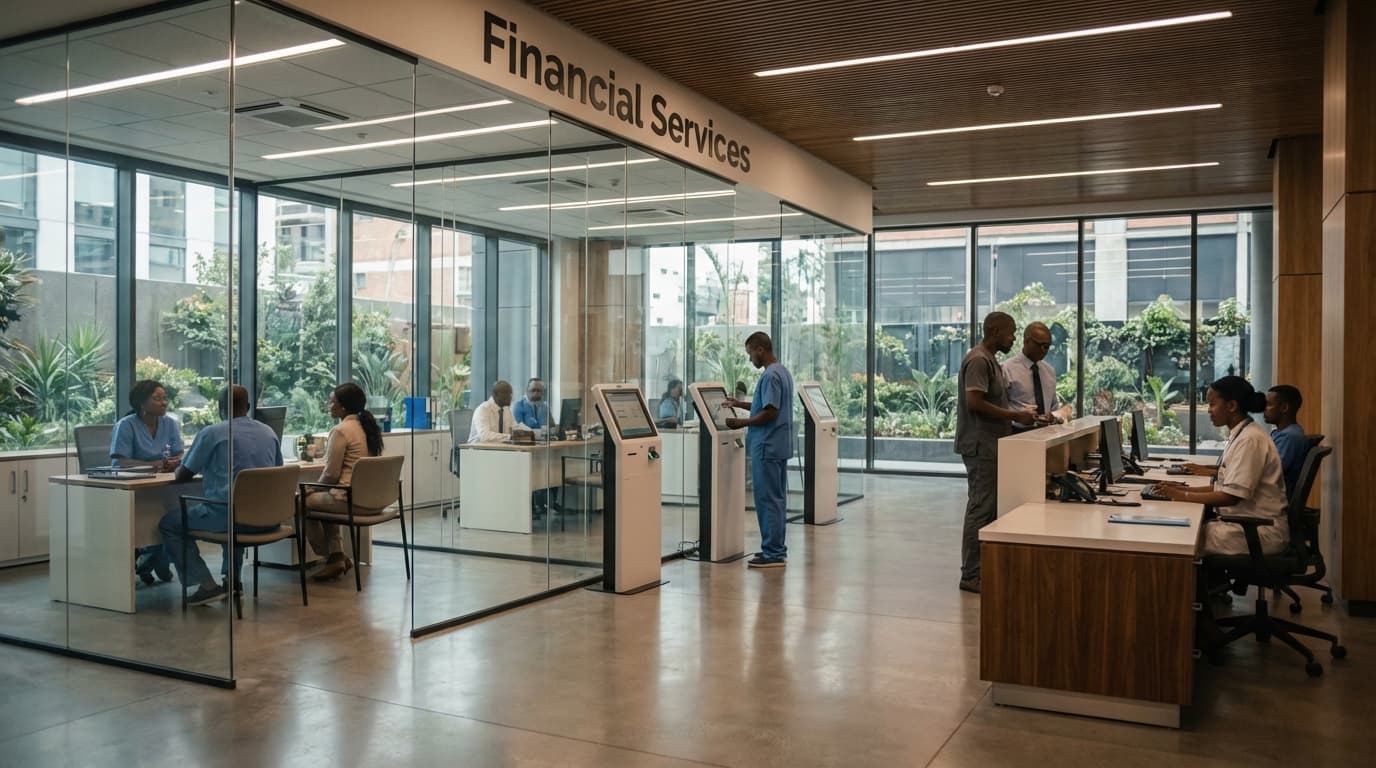
Medical Equipment Financing in Cameroon
Engineering Excellence & Technical Support
Leasing and financing solutions for medical equipment High-standard technical execution following OEM protocols and local regulatory frameworks.
Bridging the Healthcare Gap
Our flexible financing solutions empower Cameroonian healthcare providers to acquire state-of-the-art medical equipment, expanding access to critical diagnostics and treatments for underserved communities.
Affordable & Accessible Equipment Acquisition
We offer tailored loan packages with competitive interest rates and manageable repayment terms, making advanced medical technology financially attainable for clinics, hospitals, and diagnostic centers across Cameroon.
Driving Healthcare Infrastructure Growth
By facilitating the procurement of essential medical devices, our financing programs contribute to the modernization and expansion of healthcare infrastructure, ultimately improving patient outcomes and strengthening the national health system.
What Is Medical Equipment Financing In Cameroon?
Medical equipment financing in Cameroon refers to the provision of capital specifically for the acquisition, upgrade, or maintenance of medical apparatus and technology by healthcare providers and institutions within the Cameroonian context. This financial service addresses the significant capital expenditure associated with purchasing advanced medical devices, ranging from diagnostic imaging systems and surgical instruments to patient monitoring equipment and laboratory analyzers. The financing models are structured to facilitate access to essential and cutting-edge medical technology, thereby enhancing the quality of healthcare delivery, improving diagnostic accuracy, and expanding treatment capabilities within the nation's healthcare sector.
| Who Needs Medical Equipment Financing in Cameroon? | Typical Use Cases | |||
|---|---|---|---|---|
| Public Hospitals and Clinics: Government-owned healthcare facilities requiring upgrades to meet national health standards or expand services. | Acquisition of diagnostic imaging equipment (e.g., X-ray, CT scanners, MRI machines) for improved patient diagnosis. | Procurement of essential surgical tools and operating room technology for specialized procedures. | Installation of laboratory equipment for expanded diagnostic testing and analysis. | Upgrading patient monitoring systems in intensive care units (ICUs) and critical care settings. |
| Private Hospitals and Clinics: For-profit or non-profit private healthcare institutions seeking to enhance competitiveness and service offerings. | Purchasing advanced medical devices to attract a wider patient base and offer specialized treatments. | Replacing outdated or obsolete equipment to ensure compliance with technological advancements and safety regulations. | Investing in telehealth and remote diagnostic equipment to extend reach in underserved areas. | |
| Diagnostic Centers and Laboratories: Standalone facilities focused on specific diagnostic services. | Acquiring state-of-the-art laboratory analyzers (e.g., hematology, chemistry, immunoassay analyzers). | Financing specialized equipment for radiology, cardiology, or pathology departments. | Expanding capacity through the addition of multiple diagnostic units. | |
| Specialized Medical Practices: Small clinics or individual practitioners offering niche medical services. | Procurement of specialized equipment for dental, ophthalmology, physiotherapy, or dermatology practices. | Acquisition of minimally invasive surgical instruments or laser treatment devices. | ||
| Medical NGOs and Charitable Organizations: Non-governmental organizations providing healthcare services, often in resource-limited settings. | Securing essential medical equipment for primary healthcare centers or mobile clinics. | Financing equipment for specialized health programs (e.g., maternal health, infectious disease control). |
Key Components of Medical Equipment Financing in Cameroon
- Loan Facilities: Term loans, leasing agreements, and revolving credit lines tailored for medical equipment procurement.
- Vendor Financing: Partnerships with medical equipment suppliers to offer integrated financing solutions.
- Leasing Options: Operating leases and finance leases allowing usage of equipment without outright ownership.
- Asset-Based Lending: Utilizing the financed equipment as collateral for the loan.
- Working Capital Loans: Funds for routine maintenance, repair, and consumables related to medical equipment.
- Project Finance: For larger-scale acquisition of comprehensive medical technology suites or for building/renovating healthcare facilities around new equipment.
Who Needs Medical Equipment Financing In Cameroon?
Medical equipment financing in Cameroon is a critical lifeline for healthcare providers looking to acquire essential technology, upgrade existing facilities, or expand their service offerings. Access to modern medical equipment directly impacts the quality of patient care, diagnostic accuracy, and overall operational efficiency. This financing bridges the gap between the need for advanced healthcare solutions and the often substantial upfront costs associated with their procurement. Without such financing, many healthcare institutions, particularly those in the public sector or smaller private practices, would struggle to keep pace with medical advancements, potentially compromising patient outcomes and the overall health of the nation.
| Target Customer Type | Typical Equipment Needs | Key Departments Benefiting |
|---|---|---|
| Public Hospitals and Clinics | General diagnostic tools (X-ray, Ultrasound), patient monitoring systems, basic surgical equipment, laboratory analyzers, dental chairs, ambulances. | Radiology, Cardiology, General Surgery, Internal Medicine, Pediatrics, Emergency Services, Laboratory. |
| Private Hospitals and Diagnostic Centers | Advanced imaging systems (CT scanners, MRI), specialized surgical equipment, high-end laboratory analyzers, endoscopy units, physiotherapy equipment. | Radiology, Oncology, Cardiology, Neurology, Gastroenterology, Orthopedics, Pathology, Rehabilitation. |
| Specialty Clinics (e.g., Cardiology) | ECG machines, Holter monitors, echocardiography machines, stress test equipment, angioplasty equipment. | Cardiology Department. |
| Laboratories and Blood Banks | Automated analyzers, centrifuges, incubators, microscopes, blood refrigerators, apheresis machines. | Pathology and Laboratory Services, Blood Transfusion Services. |
| University Teaching Hospitals | State-of-the-art diagnostic and therapeutic equipment for training and research, simulators, advanced surgical suites. | All clinical departments, research facilities, simulation centers. |
| NGOs providing healthcare services | Mobile clinics, basic diagnostic tools, essential medicines and delivery equipment, maternal and child health equipment. | Maternal and Child Health, Primary Healthcare, Mobile Clinics. |
| Individual Medical Practitioners and Small Group Practices | Basic examination equipment, diagnostic tools relevant to their specialty (e.g., ultrasound for GPs, dermatoscopes for dermatologists), minor surgical instruments. | General Practice, Dermatology, Ophthalmology, ENT, Gynecology. |
| Rural Health Centers and Community Clinics | Essential primary care equipment, basic diagnostic tools, maternal and child health equipment, emergency kits. | Primary Healthcare, Maternal and Child Health, Emergency Response. |
Target Customers for Medical Equipment Financing in Cameroon
- Public Hospitals and Clinics (Government-funded healthcare facilities)
- Private Hospitals and Diagnostic Centers
- Specialty Clinics (e.g., cardiology, oncology, radiology)
- Laboratories and Blood Banks
- University Teaching Hospitals and Medical Training Institutions
- Non-Governmental Organizations (NGOs) providing healthcare services
- Individual Medical Practitioners and Small Group Practices
- Rural Health Centers and Community Clinics
Medical Equipment Financing Process In Cameroon
The medical equipment financing process in Cameroon, for both public and private healthcare providers, generally involves a structured workflow from the initial inquiry to the final execution of the financing agreement. This process aims to ensure that the procured equipment meets the specific needs of the healthcare institution, is procured at a fair market value, and that the financing is sustainable. Key stakeholders typically include the healthcare provider (the borrower), financial institutions (banks, leasing companies, or specialized development funds), equipment suppliers/vendors, and sometimes government regulatory bodies or funding agencies.
| Stage | Description | Key Activities | Key Stakeholders Involved | Potential Challenges |
|---|---|---|---|---|
| The process begins with the healthcare institution identifying a need for new or upgraded medical equipment. | Identifying equipment requirements, defining technical specifications, assessing current capacity, preliminary budgeting. | Healthcare Provider (Medical Staff, Procurement Department, Administration). | Unclear or unrealistic equipment specifications, inadequate needs analysis, budget constraints. |
| The healthcare institution researches and selects suitable financial partners and submits an initial application. | Identifying potential lenders (banks, development finance institutions, leasing companies), understanding their financing products, preparing and submitting loan/lease applications. | Healthcare Provider, Financial Institutions. | Lack of awareness of available financing options, complex application procedures, limited access to specialized healthcare financing. |
| The financial institution assesses the creditworthiness and financial viability of the healthcare provider. | Reviewing financial statements, conducting site visits, assessing management capabilities, performing risk analysis. | Financial Institution, Healthcare Provider. | Poor financial records, weak management, perceived high risk of the healthcare sector, lack of collateral. |
| Both the healthcare provider and the financial institution (or their appointed experts) evaluate the proposed equipment. | Verifying technical specifications against needs, assessing vendor reputation and after-sales support, obtaining multiple quotes, negotiating prices, ensuring compliance with local regulations. | Healthcare Provider, Financial Institution, Equipment Supplier/Vendor, Technical Consultants (if appointed). | Overpriced equipment, unreliable vendors, equipment not meeting international standards, hidden costs. |
| Based on the appraisals, the financial institution designs a tailored financing package. | Determining loan/lease amount, interest rates, repayment schedules, collateral requirements, any specific covenants. | Financial Institution, Healthcare Provider (negotiating terms). | Unfavorable interest rates, excessively short repayment periods, onerous collateral demands, mismatch between repayment capacity and loan terms. |
| The financial institution internally approves the financing proposal. | Internal credit committee review and approval, formal issuance of a Letter of Offer or Term Sheet detailing the financing terms. | Financial Institution, Healthcare Provider (receiving offer). | Delays in internal approval processes, conditions precedent to offer that are difficult to meet. |
| Formal agreements are drafted and signed by all parties. | Drafting loan/lease agreements, security documents, equipment purchase/supply contracts, obtaining legal counsel, signing of all agreements. | Healthcare Provider, Financial Institution, Lawyers, Equipment Supplier/Vendor (for supply contracts). | Complex legal jargon, lengthy drafting and negotiation periods, disputes over contractual clauses. |
| The healthcare institution or the financial institution (depending on the agreement) procures the equipment. | Placing purchase orders, managing logistics, customs clearance, transportation to the healthcare facility. | Healthcare Provider, Financial Institution, Equipment Supplier/Vendor, Logistics Companies. | Import duties and taxes, customs delays, transportation damages, extended lead times for specialized equipment. |
| The equipment is installed, tested, and staff are trained to operate it. | On-site installation by the vendor, testing and calibration, comprehensive training for medical and technical staff, official commissioning. | Healthcare Provider, Equipment Supplier/Vendor, Technical Experts. | Inadequate training, faulty installation, equipment not performing to specifications, delays in commissioning. |
| Funds are disbursed (often directly to the vendor), and the repayment schedule begins. | Final disbursement of funds (if not fully paid to vendor), commencement of regular loan/lease repayments, ongoing monitoring of loan performance. | Financial Institution, Healthcare Provider, Equipment Supplier/Vendor (for final payment). | Cash flow challenges for repayment, equipment malfunction affecting revenue generation, currency fluctuations (if financed in foreign currency). |
Workflow Stages of Medical Equipment Financing in Cameroon
- Inquiry and Needs Assessment
- Financial Institution Selection and Application
- Credit Appraisal and Due Diligence
- Technical and Commercial Evaluation of Equipment
- Structuring the Financing Proposal
- Approval and Offer Issuance
- Legal Documentation and Contract Signing
- Equipment Procurement and Delivery
- Installation, Training, and Commissioning
- Disbursement and Repayment
Medical Equipment Financing Cost In Cameroon
Financing medical equipment in Cameroon involves a complex interplay of pricing factors that significantly influence the overall cost. These factors range from the type and sophistication of the equipment itself to the economic climate and regulatory environment. Understanding these elements is crucial for healthcare providers and institutions seeking to acquire or upgrade essential medical technology. The cost can be expressed in local currency, the Cameroonian Franc (XAF), but it's important to note that many high-value medical devices are often imported, meaning their pricing can be influenced by international market fluctuations, exchange rates, and import duties.
Key pricing factors include:
- Equipment Type and Technology: The most fundamental driver of cost. Basic diagnostic tools like stethoscopes will be significantly cheaper than advanced imaging systems such as MRI or CT scanners, or sophisticated surgical robots. Newer technologies and features generally command higher prices.
- Brand and Manufacturer Reputation: Well-established international brands with a reputation for reliability, quality, and advanced features typically have higher price tags compared to lesser-known or generic manufacturers.
- New vs. Refurbished Equipment: New equipment, by definition, will be more expensive than refurbished or pre-owned options. Refurbished equipment can offer substantial cost savings, but it's essential to ensure it comes with a warranty and has been certified by reputable technicians.
- Supplier and Distributor Markups: Local distributors and suppliers add their own markups to cover operational costs, logistics, and profit margins. The number of intermediaries in the supply chain can influence the final price.
- Import Duties and Taxes: As many medical devices are imported, Cameroon's import tariffs, value-added tax (VAT), and other customs duties directly add to the cost. These can vary depending on the type of equipment and trade agreements.
- Installation and Training: The cost of professional installation and specialized training for medical staff to operate complex equipment is often bundled into the financing or purchase price. This can be a significant component, especially for highly technical devices.
- After-Sales Service and Maintenance Contracts: Long-term service agreements and maintenance contracts are crucial for ensuring the longevity and optimal functioning of medical equipment. These are often financed alongside the initial purchase and contribute to the overall cost.
- Financing Structure and Interest Rates: The terms of the financing itself – including the interest rate offered by banks or financial institutions, the loan duration, and any associated fees – will directly impact the total cost of acquisition over time.
- Economic Conditions and Exchange Rates: Fluctuations in the exchange rate of the XAF against major currencies (like USD or EUR) can significantly impact the cost of imported equipment. Inflationary pressures within Cameroon can also drive up local costs for services and accessories.
- Regulatory Compliance and Certification: Ensuring equipment meets local health regulations and international standards may sometimes involve additional testing or certification costs that are factored into the price.
Pricing Ranges in Local Currency (XAF):
It's challenging to provide precise, universally applicable pricing ranges as they are highly variable. However, we can offer approximate indications for common categories of medical equipment to illustrate potential costs in Cameroonian Francs (XAF). These figures are estimates and can fluctuate considerably based on the factors mentioned above.
- Small Diagnostic Equipment (e.g., Blood Pressure Monitors, Stethoscopes, Thermometers): Can range from 20,000 XAF to 200,000 XAF. These are generally widely available and have lower import costs.
- Basic Laboratory Equipment (e.g., Centrifuges, Microscopes, Basic Analyzers): Might range from 300,000 XAF to 5,000,000 XAF, depending on the complexity and automation level.
- Imaging Equipment (e.g., X-ray Machines, Ultrasound Machines): These represent a significant investment. A basic ultrasound could start from 5,000,000 XAF, while a more advanced diagnostic ultrasound or a standard X-ray machine could range from 10,000,000 XAF to 50,000,000 XAF or more. Advanced systems like CT scanners or MRI machines are in a different league altogether, often costing hundreds of millions of XAF, and in some cases exceeding 200,000,000 XAF to 1,000,000,000 XAF for state-of-the-art units, including installation and specialized training.
- Surgical Equipment (e.g., Operating Tables, Anesthesia Machines, Basic Surgical Instrument Sets): A good quality operating table could be in the range of 3,000,000 XAF to 15,000,000 XAF. Anesthesia machines can range from 7,000,000 XAF to 30,000,000 XAF. Complex surgical instruments and specialized equipment can add considerably to this.
- Hospital Beds and Furniture: Basic hospital beds can start from 150,000 XAF, with electric or specialized beds costing up to 1,000,000 XAF or more.
- Dental Equipment: A dental chair unit can range from 4,000,000 XAF to 25,000,000 XAF or higher for advanced systems.
It's imperative for healthcare providers to conduct thorough market research, obtain multiple quotes from reputable suppliers and financial institutions, and carefully assess the total cost of ownership, including maintenance and consumables, before making any financing decisions for medical equipment in Cameroon. The local banking sector and specialized medical equipment financiers are key partners in this process, offering various loan products tailored to the needs of the healthcare industry.
| Equipment Category | Estimated Price Range (XAF) | Notes |
|---|---|---|
| Small Diagnostic Equipment (e.g., Stethoscopes, BP Monitors) | 20,000 - 200,000 | Generally lower cost, widely available. |
| Basic Laboratory Equipment (e.g., Microscopes, Centrifuges) | 300,000 - 5,000,000 | Varies with automation and features. |
| Ultrasound Machines (Basic to Advanced) | 5,000,000 - 50,000,000+ | Significant investment, professional models are more expensive. |
| X-ray Machines (Standard) | 10,000,000 - 50,000,000+ | Includes installation and basic training. |
| CT Scanners / MRI Machines | 200,000,000 - 1,000,000,000+ | High-end, includes extensive installation, training, and site preparation. |
| Operating Tables | 3,000,000 - 15,000,000 | Mechanical vs. hydraulic vs. electric models. |
| Anesthesia Machines | 7,000,000 - 30,000,000 | Depends on features and integration capabilities. |
| Hospital Beds (Basic) | 150,000 - 500,000 | Manual or basic mechanical beds. |
| Hospital Beds (Electric/Specialized) | 500,000 - 1,000,000+ | Advanced features, patient comfort, and safety. |
| Dental Chair Units | 4,000,000 - 25,000,000+ | Includes chair, unit, and integrated equipment. |
Key Factors Influencing Medical Equipment Financing Costs in Cameroon
- Equipment Type and Technological Sophistication
- Brand Reputation and Manufacturer
- Condition: New vs. Refurbished
- Supplier and Distributor Markups
- Import Duties, Taxes, and Customs Fees
- Installation, Calibration, and Initial Training
- After-Sales Service and Maintenance Contracts
- Financing Terms (Interest Rates, Loan Duration)
- Economic Factors (Exchange Rates, Inflation)
- Regulatory Compliance and Certification Requirements
Affordable Medical Equipment Financing Options
Securing affordable medical equipment financing is crucial for healthcare providers to maintain modern facilities and offer high-quality patient care without overburdening their budgets. This guide explores value bundles and cost-saving strategies to make essential equipment accessible. Value bundles offer a package of equipment and services at a reduced overall cost compared to purchasing items individually. Cost-saving strategies encompass smart purchasing decisions, leveraging financing options, and exploring alternatives.
| Financing Option | Description | Value Bundle Potential | Cost-Saving Benefit |
|---|---|---|---|
| Operating Lease | Renting equipment for a fixed period. Lessor retains ownership. | Often bundled with maintenance, service, and upgrades. | Lower upfront cost, predictable monthly payments, avoids obsolescence. |
| Finance Lease (Capital Lease) | Lease with an option to purchase at the end for a nominal fee. Treated as an asset on the balance sheet. | Can be bundled with extended warranties and service contracts. | Ownership at end of term, potential tax benefits. |
| Loan Financing | Traditional bank or lender loan to purchase equipment outright. | Can sometimes be bundled with initial setup or training services. | Full ownership, asset building, potential for lower interest rates with strong credit. |
| Sale-Leaseback | Sell existing owned equipment to a finance company and then lease it back. | Can free up capital that can be used for purchasing new bundled equipment or services. | Immediate cash infusion, access to newer technology without upfront purchase. |
| Equipment as a Service (EaaS) | A subscription model where equipment, maintenance, and support are provided for a recurring fee. | Inherently a bundle of equipment, service, and support. | Highly predictable costs, eliminates capital expenditure, continuous access to updated technology. |
Key Cost-Saving Strategies
- Negotiate terms and pricing aggressively.
- Explore leasing options over outright purchase.
- Consider refurbished or pre-owned equipment.
- Investigate government grants and subsidies.
- Form partnerships for bulk purchasing.
- Prioritize essential equipment needs.
- Understand total cost of ownership (TCO) beyond the purchase price.
Verified Providers In Cameroon
In Cameroon's evolving healthcare landscape, identifying trusted and accredited medical professionals and institutions is paramount for ensuring quality patient care. 'Verified Providers' signifies a commitment to rigorous standards, ethical practices, and demonstrable expertise. Franance Health stands as a beacon in this regard, offering a comprehensive network of credentialed healthcare providers that represent the best choice for individuals seeking reliable and effective medical services in Cameroon. Their stringent vetting process and dedication to excellence make them a trusted partner in your health journey.
| Franance Health Credential Aspect | Why it Represents the Best Choice |
|---|---|
| Rigorous Vetting Process | Ensures only highly qualified and ethical practitioners are part of the network, minimizing risks for patients. |
| Comprehensive Provider Network | Offers a wide range of specialists and facilities, catering to diverse medical needs under one trusted umbrella. |
| Commitment to Continuous Improvement | Regularly updates its standards and training, guaranteeing access to the latest medical advancements and best practices. |
| Patient-Centric Approach | Prioritizes patient satisfaction and outcomes through accessible communication, clear treatment plans, and compassionate care. |
| Technological Integration | Leverages modern technology for efficient appointment scheduling, medical record management, and potentially telehealth services, enhancing convenience. |
| Reputation and Trust | Built on a foundation of consistently delivering high-quality healthcare, establishing Franance Health as a reliable and respected name. |
What 'Verified Providers' in Cameroon Entail:
- Adherence to national and international healthcare standards.
- Demonstrated qualifications and certifications of medical professionals.
- Commitment to ethical medical practices and patient well-being.
- Regular audits and quality control measures.
- Transparency in services offered and pricing.
- Accessibility and responsiveness to patient needs.
Scope Of Work For Medical Equipment Financing
This Scope of Work (SOW) outlines the technical deliverables and standard specifications required for the financing of medical equipment. It aims to define the parameters for assessing the suitability and value of the equipment to be financed, ensuring compliance with industry standards and facilitating a smooth financing process. The SOW will guide both the equipment provider and the financing institution in understanding the technical aspects of the assets being procured.
| Equipment Category | Core Technical Specifications to Verify | Relevant Standards/Certifications |
|---|---|---|
| Imaging Equipment (MRI, CT, X-ray) | Field strength (Tesla), detector type, resolution, scan speed, radiation output, image processing capabilities, patient throughput. | IEC 60601 series, FDA clearance, CE marking, ACR standards. |
| Diagnostic Equipment (Ultrasound, ECG, EEG) | Frequency range, transducer types, signal acquisition capabilities, data storage, display resolution. | IEC 60601 series, FDA clearance, CE marking. |
| Surgical Equipment (Surgical Lights, Tables, Robotic Systems) | Illumination intensity (lux), color temperature, articulation range, weight capacity, robotic arm degrees of freedom, precision, safety interlocks. | IEC 60601 series, relevant ISO standards for surgical environments, CE marking. |
| Patient Monitoring Systems | Parameter measurement accuracy (e.g., SpO2, NIBP, ECG), waveform display, alarm functionalities, data connectivity, battery backup. | IEC 60601 series, FDA clearance, CE marking. |
| Laboratory Equipment (Analyzers, Centrifuges) | Throughput, accuracy, precision, sample handling capabilities, automation features, reagent compatibility. | ISO 13485, CLIA standards, CE marking, specific manufacturer standards. |
| Therapy Equipment (Ventilators, Dialysis Machines) | Pressure/flow control accuracy, ventilation modes, circuit integrity, safety features, compliance with patient type (adult/pediatric). | IEC 60601 series, FDA clearance, CE marking. |
| Sterilization Equipment (Autoclaves) | Temperature and pressure cycles, cycle time, validation methods, chamber volume, safety interlocks. | ISO 13485, ISO 11135, EN 285, FDA clearance. |
Key Technical Deliverables for Medical Equipment Financing
- Detailed technical specifications of each piece of medical equipment.
- Manufacturer's warranty information and terms.
- Proof of regulatory compliance (e.g., FDA, CE marking, local health authority approvals).
- Installation and commissioning reports, where applicable.
- Maintenance and service contracts details, if included in the financing package.
- User manuals and training documentation.
- Original Equipment Manufacturer (OEM) serial numbers and asset tags.
- Documentation of any software licenses or updates associated with the equipment.
- Evidence of recent servicing and performance validation (if equipment is pre-owned).
- Insurance certificates for the equipment.
Service Level Agreement For Medical Equipment Financing
This Service Level Agreement (SLA) outlines the agreed-upon response times and uptime guarantees for the provision and maintenance of medical equipment financed through this agreement. It is intended to ensure the continuous and reliable operation of critical medical devices, minimizing disruptions to patient care and clinical operations.
| Equipment Category | Criticality Level | Response Time (Acknowledgement) | Response Time (Initiation of Support) | Uptime Guarantee | Maximum Annual Downtime (Hours) |
|---|---|---|---|---|---|
| Imaging Equipment (MRI, CT Scanners) | High | 1 Hour | 4 Hours | 99.5% | 43.8 |
| Surgical Robots | High | 1 Hour | 4 Hours | 99.5% | 43.8 |
| Ventilators | High | 30 Minutes | 2 Hours | 99.8% | 17.5 |
| Anesthesia Machines | High | 30 Minutes | 2 Hours | 99.8% | 17.5 |
| Laboratory Analyzers (Critical) | Medium | 2 Hours | 8 Hours | 99.0% | 87.6 |
| Patient Monitors | Medium | 2 Hours | 8 Hours | 99.0% | 87.6 |
| Diagnostic X-ray Machines | Medium | 2 Hours | 8 Hours | 99.0% | 87.6 |
| General Ward Beds (with features) | Low | 4 Hours | 24 Hours | 98.0% | 175.2 |
| Stethoscopes/Sphygmomanometers | Low | Not applicable (typically managed at departmental level) | Not applicable | Not applicable | Not applicable |
Key Service Level Objectives
- Response Times: Guaranteed maximum timeframes for acknowledging and initiating support for reported equipment issues.
- Uptime Guarantees: Minimum percentage of operational availability for critical medical equipment.
- Definitions: Clear definitions of terms such as 'downtime,' 'critical equipment,' and 'response time.'
- Service Credits: Provisions for compensation in the event of SLA breaches.
- Exclusions: Circumstances under which SLA guarantees may not apply.
Frequently Asked Questions

Ready when you are
Let's scope your Medical Equipment Financing in Cameroon project in Cameroon.

Scaling healthcare logistics and technical systems across the entire continent.