
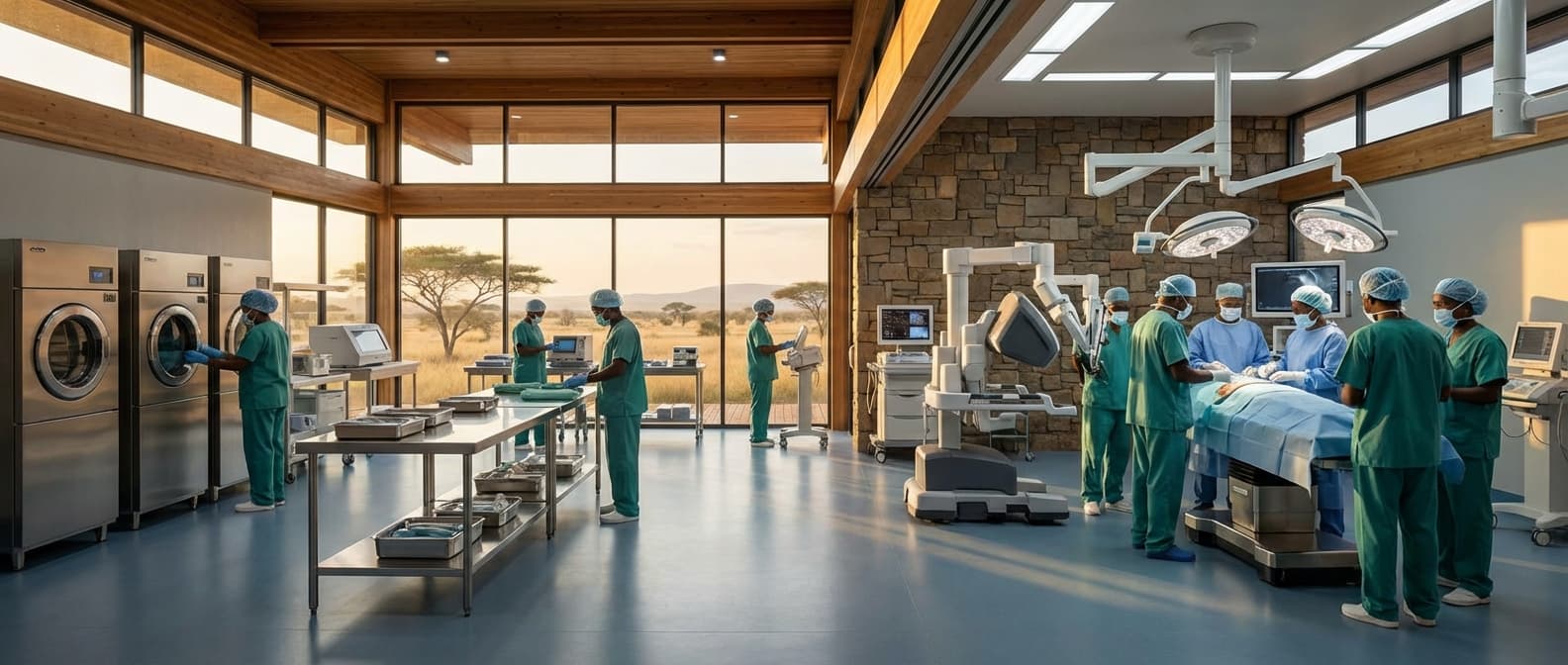
Endoscopy Reprocessing Validation in Cameroon
Engineering Excellence & Technical Support
AER validation, SOP development and compliance High-standard technical execution following OEM protocols and local regulatory frameworks.
Rigorous Validation of Automated Endoscope Reprocessing (AER) Cycles
We are implementing a comprehensive validation program for all AER cycles, encompassing chemical efficacy testing of detergents and disinfectants, mechanical cleaning verification through simulated bioburden, and thermal disinfection validation to ensure optimal performance and patient safety in line with international standards.
End-to-End Workflow Auditing for Reprocessing Integrity
Our technical team is conducting meticulous end-to-end audits of the entire endoscopy reprocessing workflow, from initial bed-side cleaning to final sterile storage. This includes process mapping, critical control point identification, and staff competency assessments to guarantee consistent and compliant reprocessing practices.
Performance Monitoring & Data-Driven Improvement of Reprocessing
We are establishing robust data collection and analysis protocols for all reprocessing activities. This includes tracking key performance indicators (KPIs) such as cycle completion rates, disinfection efficacy test results, and equipment maintenance logs, enabling continuous improvement and proactive identification of potential risks.
What Is Endoscopy Reprocessing Validation In Cameroon?
Endoscopy reprocessing validation in Cameroon refers to the systematic process of verifying and documenting that flexible and rigid endoscopes, along with their accessories, have been subjected to a validated cleaning and high-level disinfection (HLD) or sterilization process, ensuring their safety for subsequent patient use. This validation is crucial for preventing the transmission of healthcare-associated infections (HAIs) by eliminating or inactivating pathogenic microorganisms from reusable medical devices.
| Who Needs Endoscopy Reprocessing Validation? | Typical Use Cases | |||
|---|---|---|---|---|
| Healthcare Facilities in Cameroon: All hospitals, clinics, and diagnostic centers performing endoscopic procedures, including both public and private institutions. | Endoscopy Units: Departments specializing in gastrointestinal (GI), bronchoscopic, urologic, gynecologic, and other minimally invasive procedures utilizing reusable endoscopes. | Sterile Processing Departments (SPDs): Facilities responsible for the cleaning, disinfection, and sterilization of medical devices. | Regulatory and Accreditation Bodies: To ensure compliance with patient safety standards. | Manufacturers of Endoscopes and Reprocessing Equipment: To support the validation of their products and reprocessing protocols. |
| Initial Validation: Performed when new reprocessing equipment is installed, when significant changes are made to the reprocessing protocol, or when new endoscope models are introduced. | Periodic Revalidation: Conducted at scheduled intervals (e.g., annually) to ensure ongoing compliance and effectiveness of the reprocessing system. | Troubleshooting: Undertaken when there are concerns about the effectiveness of reprocessing, an increase in HAIs, or equipment malfunctions. | New Process Implementation: To validate any new cleaning agents, disinfectants, or sterilization methods before routine use. | Post-Repair Validation: After repair or servicing of endoscopes or reprocessing equipment to confirm proper functionality and decontamination efficacy. |
Service Components and Requirements
- Cleaning Verification: Assessment of residual organic and inorganic matter after the initial cleaning phase, often utilizing visual inspection and biochemical assays (e.g., protein, carbohydrate, hemoglobin detection tests).
- Disinfection/Sterilization Efficacy Testing: Confirmation that the selected HLD or sterilization method achieves the required microbial kill claims against a broad spectrum of pathogens, including bacteria (e.g., Mycobacterium tuberculosis), viruses, fungi, and bacterial spores (for sterilization). This can involve biological indicators (BIs) and chemical indicators (CIs).
- Equipment Functionality Assessment: Verification that the reprocessing equipment (e.g., automated endoscope reprocessors - AERs, sterilizers) is functioning within specified parameters and has undergone its own performance qualification (PQ).
- Process Monitoring and Documentation: Establishing robust protocols for daily monitoring of reprocessing parameters (temperature, time, chemical concentration, flow rates), maintenance logs, and comprehensive record-keeping of all validation activities.
- Water Quality Testing: Ensuring the water used for rinsing and in AERs meets specified microbiological and chemical standards (e.g., potable water, deionized water) to prevent recontamination.
- Personnel Training and Competency: Confirmation that healthcare professionals involved in reprocessing are adequately trained on standard operating procedures (SOPs) and competency-checked.
- Regulatory Compliance: Adherence to national guidelines (if available), international standards (e.g., ISO, AAMI), and manufacturer's instructions for use (IFUs).
Who Needs Endoscopy Reprocessing Validation In Cameroon?
Endoscopy reprocessing validation is crucial for ensuring the safety and efficacy of endoscopic procedures in Cameroon. This process confirms that flexible endoscopes and their accessories are meticulously cleaned and disinfected to eliminate the risk of patient-to-patient transmission of infections. Without validated reprocessing, healthcare facilities expose patients to potential harm, leading to complications and prolonged hospital stays. This validation is not a luxury but a necessity for any institution performing endoscopic procedures, regardless of size or funding.
| Department | Role in Endoscopy Reprocessing Validation | Specific Needs/Concerns |
|---|---|---|
| Gastroenterology | Primary user of endoscopes; directly involved in pre-cleaning and oversight of reprocessing. | Ensuring complete removal of organic matter, effective disinfection for a wide range of pathogens, and availability of clean, functional scopes for procedures. |
| Pulmonology | Uses bronchoscopes; requires strict adherence to cleaning protocols due to the respiratory tract's susceptibility to infection. | Preventing transmission of airborne and droplet-borne pathogens, ensuring sterility of the bronchoscope. |
| Urology | Utilizes cystoscopes and ureteroscopes; needs validation for preventing urinary tract infections and STIs. | Thorough disinfection to eliminate bacteria, viruses, and protozoa; maintaining the integrity of scopes. |
| Gynecology | Employs gynecological endoscopes (e.g., hysteroscopes); requires validation to prevent pelvic inflammatory disease and other infections. | Effective disinfection against common gynecological pathogens; ensuring patient comfort and safety. |
| Infection Prevention and Control (IPC) Department | Responsible for establishing, monitoring, and enforcing infection control policies, including reprocessing protocols. | Developing and implementing validated reprocessing guidelines, staff training, auditing reprocessing practices, and managing any reprocessing-related incidents. |
| Sterilization/Central Sterile Supply Department (CSSD) | Often the unit responsible for the actual reprocessing of endoscopes; requires validated processes. | Implementing and documenting validated cleaning and disinfection cycles, maintaining equipment, and managing reprocessing consumables. |
| Nursing Staff (Endoscopy Suites/Units) | Involved in initial cleaning, handling of soiled scopes, and preparation for reprocessing. | Proper pre-cleaning techniques, safe handling of contaminated equipment, and understanding of the reprocessing workflow. |
| Biomedical Engineering Department | Responsible for the maintenance and calibration of reprocessing equipment (e.g., automated endoscope reprocessors - AERs). | Ensuring that reprocessing equipment functions correctly according to manufacturer specifications and validation parameters. |
| Quality Assurance Department | Oversees overall quality management systems within the healthcare facility. | Integrating endoscopy reprocessing validation into the broader quality framework, ensuring compliance with national and international standards. |
| Healthcare Administrators/Management | Hold ultimate responsibility for patient safety and resource allocation; must approve and fund validation efforts. | Understanding the legal and ethical imperative for reprocessing validation, allocating necessary resources for equipment, training, and ongoing monitoring. |
Target Customers and Departments Requiring Endoscopy Reprocessing Validation in Cameroon:
- Hospitals (Public and Private): All hospitals that perform diagnostic or therapeutic endoscopic procedures.
- University Teaching Hospitals: Especially those with large patient volumes and training programs.
- Specialized Clinics: Including gastroenterology, pulmonology, urology, and gynecology clinics.
- Regional and District Hospitals: Where resources may be limited, making validation even more critical to prevent outbreaks.
- Non-Governmental Organization (NGO) Healthcare Facilities: Often serving vulnerable populations where infection control is paramount.
Endoscopy Reprocessing Validation Process In Cameroon
The Endoscopy Reprocessing Validation Process in Cameroon aims to ensure that reusable medical devices, specifically endoscopes, are cleaned and disinfected according to established standards to prevent healthcare-associated infections (HAIs). This process typically involves a series of steps, starting from an initial inquiry or request for validation and culminating in the execution of validation protocols and reporting. The workflow is designed to be systematic and thorough, involving multiple stakeholders and requiring adherence to national guidelines and international best practices.
| Stage | Description | Key Activities | Responsible Parties | Deliverables/Outcomes |
|---|---|---|---|---|
| Initial request or identification of the need for endoscopy reprocessing validation. | Contacting regulatory bodies or designated validation units, defining the scope of validation (e.g., specific endoscope types, reprocessing equipment, reprocessing steps). | Healthcare facility (e.g., infection control department, surgical unit), Ministry of Public Health (MoPH) or designated authority. | Formal request for validation, defined scope of validation. |
| Gathering information and assessing current reprocessing practices. | Reviewing existing Standard Operating Procedures (SOPs), assessing the availability and maintenance of reprocessing equipment (e.g., automated endoscope reprocessors (AERs), cleaning brushes), evaluating water quality, and identifying trained personnel. | Healthcare facility's infection control team, biomedical engineering department, reprocessing technicians. | Assessment report of current practices, identification of gaps, preliminary validation plan. |
| Designing the specific validation protocols to be followed. | Developing detailed protocols for cleaning efficacy, high-level disinfection (HLD)/sterilization efficacy, AER performance, and the efficacy of detergents and disinfectants. Protocols may include parameters like time, temperature, concentration, and flow rates. | Validation team (potentially including external experts), infection control specialists, regulatory representatives. | Approved validation protocols, including specific test methods and acceptance criteria. |
| Ensuring personnel involved in reprocessing are adequately trained and competent. | Providing theoretical and practical training on the validated reprocessing procedures, troubleshooting, and proper use of equipment. Assessing competency through practical demonstrations and knowledge tests. | Training personnel, validation team, supervisors. | Training records, competency assessment results. |
| Carrying out the designed validation tests under controlled conditions. | Performing simulated or actual reprocessing cycles, collecting biological and chemical indicators, conducting microbial sampling of lumens and external surfaces, performing water system validation (e.g., testing for microbial contamination). | Reprocessing technicians, validation team, laboratory personnel. | Raw data from tests, biological/chemical indicator results, microbial counts. |
| Systematically collecting and analyzing the results from the validation tests. | Organizing all collected data, comparing results against predefined acceptance criteria, identifying any deviations or failures. | Validation team, data analysts. | Analyzed data, comparison with acceptance criteria. |
| Documenting the entire validation process and its outcomes. | Compiling a comprehensive validation report that includes the scope, methodology, results, analysis, conclusions, and recommendations. This report is crucial for demonstrating compliance. | Validation team, Ministry of Public Health (MoPH). | Final validation report, certificate of validation (if applicable). |
| Addressing any identified deficiencies or failures in the reprocessing process. | Implementing corrective actions to fix immediate problems and preventive actions to avoid recurrence. This may involve revising SOPs, retraining staff, or modifying equipment. | Healthcare facility management, infection control committee, validation team. | Implemented CAPA plan, revised SOPs. |
| Ensuring sustained compliance with reprocessing standards. | Periodically revalidating the process, especially after significant changes (e.g., new equipment, new staff, changes in guidelines). Implementing routine monitoring and quality control measures to ensure ongoing adherence to validated procedures. | Infection control department, regulatory bodies. | Schedule for revalidation, ongoing quality control data, audit reports. |
Endoscopy Reprocessing Validation Process Workflow in Cameroon
- Inquiry and Scope Definition
- Pre-Validation Assessment and Planning
- Protocol Development and Review
- Training and Competency Assessment
- Execution of Validation Protocols
- Data Collection and Analysis
- Reporting and Documentation
- Corrective and Preventive Actions (CAPA)
- Revalidation and Ongoing Monitoring
Endoscopy Reprocessing Validation Cost In Cameroon
Endoscopy reprocessing validation is a critical step to ensure patient safety and prevent the transmission of infections. In Cameroon, the cost associated with this validation process can vary significantly due to several factors. These factors influence the overall price range, which is typically discussed and quoted in the local currency, the Cameroonian Franc (XAF).
| Service Component | Estimated Price Range (XAF) | Notes |
|---|---|---|
| Basic Visual Inspection & Functionality Test | 20,000 - 50,000 | Checks for visible damage, lumen patency, and basic instrument operation. |
| Cleaning Validation (e.g., ATP testing) | 30,000 - 70,000 | Measures residual organic material after cleaning. Cost depends on the number of tests and equipment used. |
| High-Level Disinfection (HLD) Efficacy Test (e.g., microbial challenge) | 50,000 - 150,000 | Assesses the effectiveness of the disinfection process against specific microorganisms. May involve laboratory analysis. |
| Sterilization Validation (if applicable, e.g., for reusable accessories) | 60,000 - 200,000 | Typically involves biological indicators and more complex laboratory analysis. Less common for routine endoscope reprocessing which focuses on HLD. |
| Leak Testing | 15,000 - 40,000 | Ensures no fluid ingress during reprocessing, crucial for endoscope integrity. |
| Comprehensive Validation Package (multiple tests) | 150,000 - 500,000+ | Covers a broader range of tests for a complete validation of the reprocessing cycle. Price varies significantly with scope and provider. |
| Routine Revalidation (annual/bi-annual) | 80,000 - 300,000 | Typically a subset of the comprehensive validation, focusing on key indicators. |
Key Pricing Factors for Endoscopy Reprocessing Validation in Cameroon:
- Type and Complexity of Endoscope: Different types of endoscopes (e.g., gastroscopes, colonoscopes, bronchoscopes) have varying complexities in their construction and reprocessing requirements. More complex instruments may necessitate specialized validation procedures, leading to higher costs.
- Scope of Validation: The validation process can range from basic functionality checks to comprehensive validation encompassing all stages of reprocessing, including cleaning, disinfection/sterilization efficacy, and leak testing. A more extensive scope will naturally increase the price.
- Testing Methodology and Equipment: The specific testing methods employed (e.g., using biological indicators, chemical indicators, ATP testing for cleanliness) and the sophistication of the validation equipment used by the service provider will impact the cost. Advanced, automated systems may be more expensive but offer greater accuracy and efficiency.
- Service Provider and Location: The pricing can differ between various medical facilities, private laboratories, and specialized reprocessing validation services within Cameroon. Geographic location can also play a role, with costs potentially being higher in major urban centers like Douala or Yaoundé compared to more rural areas.
- Regulatory Compliance Requirements: Adherence to national and international guidelines for medical device reprocessing (e.g., WHO recommendations, specific Cameroonian Ministry of Public Health directives) may necessitate certain validation steps, influencing the overall cost.
- Frequency of Validation: While initial validation is crucial, ongoing revalidation is also essential. The cost structure might differ for initial setup validation versus routine or periodic revalidation.
- Additional Services: Some validation services might include training for staff on reprocessing protocols or provide detailed reports and consulting, which would be factored into the overall price.
- Consumables and Reagents: The cost of disposable testing supplies, chemicals, and reagents used during the validation process contributes to the overall expense.
Affordable Endoscopy Reprocessing Validation Options
Ensuring the proper reprocessing of flexible endoscopes is paramount for patient safety and infection control. However, the validation of these reprocessing procedures can be a significant cost for healthcare facilities. Fortunately, there are affordable options available. This section explores value bundles and cost-saving strategies that can help facilities meet regulatory requirements without breaking the budget.
| Strategy | Description | Cost-Saving Potential | Considerations |
|---|---|---|---|
| Value Bundles | Packages of validation services offered by third-party providers that often include multiple aspects of validation (e.g., equipment qualification, process validation, documentation review) at a reduced combined price compared to individual services. | High: Significant discounts are typically applied when multiple services are bundled. Predictable budgeting. | Ensure the bundle covers all necessary regulatory requirements. Clarify what is included and excluded. Negotiate terms. |
| Outsourcing Specific Validation Tasks | Instead of outsourcing the entire validation process, select specific, complex, or time-consuming tasks to external experts. For example, a facility might handle routine documentation and basic equipment checks internally but outsource biological indicator testing or complex process validation. | Medium to High: Reduces the need for specialized internal training and equipment for niche tasks. Focuses internal resources on core competencies. | Careful selection of the outsourced tasks. Ensure clear communication and handover protocols. Maintain oversight. |
| Utilizing Reprocessing Equipment with Built-in Validation Features | Some modern automated endoscope reprocessors (AERs) and washer-disinfectors come with integrated validation and data logging capabilities, simplifying the validation process for the user. | Medium: Reduces the need for separate validation equipment and extensive manual data collection. Can streamline routine validation checks. | Verify that the built-in features meet all current regulatory standards. Understand the limitations and ensure comprehensive validation is still conducted. |
| Training and Competency Assessment Programs | Investing in robust internal training for staff on reprocessing protocols and validation requirements empowers them to perform validation tasks accurately and efficiently, reducing the need for external support. | Medium: Reduces reliance on external consultants for routine validation and ongoing competency checks. Improves staff knowledge and reduces errors. | Requires ongoing commitment to training and competency assessment. Ensure trainers are qualified and materials are up-to-date. |
| Leveraging Electronic Health Records (EHR) and Data Management Systems | Integrating reprocessing data into existing EHR or dedicated data management systems can automate documentation, track reprocessing cycles, and facilitate easier access for validation audits. | Medium: Streamlines documentation and reporting, reducing manual effort and the risk of data loss. Improves data integrity. | Requires integration with existing IT infrastructure. Ensure data security and compliance with privacy regulations. |
Affordable Endoscopy Reprocessing Validation Strategies
- Understanding Regulatory Requirements: Familiarize yourself with the latest guidelines from organizations like the CDC, FDA, and professional societies. This ensures you're only validating what's necessary.
- Leveraging Existing In-House Expertise: If your facility has experienced infection preventionists or sterile processing technicians with knowledge of reprocessing, they can contribute to validation planning and execution, reducing reliance on external consultants.
- Prioritizing Critical Parameters: Focus validation efforts on the most critical steps and parameters of your reprocessing workflow that directly impact high-level disinfection (HLD) and sterilization.
- Phased Validation Approach: Instead of a single, large validation project, consider a phased approach. Validate core processes first and then expand to other equipment or less frequent procedures as budget allows.
- Consortiums and Group Purchasing: Explore opportunities to join regional or national purchasing groups for validation services. Pooled resources can lead to discounted pricing.
- Software-Based Validation Tools: Investigate software solutions that can assist with data collection, analysis, and reporting for validation. These tools can streamline the process and reduce manual effort.
- Third-Party Validation Services with Flexible Packages: Many reputable third-party validation providers offer tiered service packages. Choose a package that aligns with your facility's specific needs and budget.
- Manufacturer Recommendations as a Starting Point: While not a complete validation, understanding and documenting adherence to manufacturer's instructions for use (IFU) for both the endoscopes and reprocessing equipment is a foundational step.
- Internal Audits and Process Monitoring: Implement robust internal audit programs and continuous process monitoring. This proactive approach can identify deviations before they become major validation issues.
Verified Providers In Cameroon
In Cameroon's burgeoning healthcare sector, the distinction between verified and unverified providers is crucial for patient safety and optimal health outcomes. Verified providers, those who have undergone rigorous credentialing and adhere to established quality standards, offer a level of assurance that is paramount in healthcare. Franance Health stands as a beacon of this commitment, meticulously verifying its network of healthcare professionals and facilities. This stringent process ensures that all practitioners on the Franance Health platform meet high standards of education, experience, ethical conduct, and regulatory compliance. Choosing a Franance Health verified provider means opting for quality, reliability, and peace of mind in your healthcare journey.
| Verification Aspect | Franance Health Standard | Benefit to Patient |
|---|---|---|
| Professional Licensing & Registration | Mandatory verification of current and valid medical licenses and registrations with relevant Cameroonian authorities. | Ensures providers are legally qualified and authorized to practice. |
| Educational & Professional Qualifications | Thorough review of degrees, certifications, and specialized training from accredited institutions. | Confirms providers have the foundational knowledge and expertise. |
| Clinical Experience & Competence | Assessment of practical experience, track record, and surgical/procedural proficiency where applicable. | Guarantees hands-on skill and a history of successful patient care. |
| Ethical Conduct & Professionalism | Background checks and adherence to a strict code of conduct and ethical guidelines. | Promotes trustworthy and respectful patient-provider relationships. |
| Facility Standards & Infrastructure | Inspection of medical facilities for hygiene, safety, equipment, and operational compliance. | Ensures a safe and well-equipped environment for treatment. |
| Continuing Medical Education (CME) | Requirement for providers to engage in ongoing learning and professional development. | Keeps providers updated with the latest medical advancements and techniques. |
Why Franance Health Verified Providers Are the Best Choice:
- Unwavering Commitment to Quality: Franance Health's verification process goes beyond basic licensing. It includes in-depth assessments of clinical expertise, patient care protocols, and facility infrastructure.
- Enhanced Patient Safety: By ensuring providers meet stringent safety and hygiene standards, Franance Health significantly reduces the risk of medical errors and infections.
- Trust and Transparency: The verification badge signifies a provider's adherence to ethical practices and transparent communication, fostering trust between patients and healthcare professionals.
- Access to Competent Professionals: Franance Health connects you with healthcare providers who possess the necessary qualifications and demonstrated skills to address your specific health needs.
- Improved Healthcare Outcomes: Verified providers are more likely to adhere to best practices and evidence-based medicine, leading to more effective treatments and better health outcomes for patients.
- Streamlined Healthcare Experience: Knowing you are accessing a verified provider simplifies your decision-making process and reduces the anxiety associated with seeking medical care.
- Accountability and Recourse: Franance Health maintains a robust system for patient feedback and has established mechanisms for addressing any concerns, ensuring accountability among its network.
Scope Of Work For Endoscopy Reprocessing Validation
This Scope of Work (SOW) outlines the requirements for the validation of the endoscopy reprocessing workflow. The validation process aims to ensure that the cleaning, disinfection, and sterilization (where applicable) of flexible endoscopes consistently meet established regulatory requirements and manufacturer's instructions for use (IFU). This SOW details the technical deliverables expected and the standard specifications to be adhered to throughout the validation process.
| Category | Standard/Specification | Description |
|---|---|---|
| Regulatory Compliance | FDA 21 CFR Part 820 (Quality System Regulation) | Ensures that medical devices are manufactured and processed in a controlled environment and meet established quality standards. |
| Regulatory Compliance | CDC Guidelines for Disinfection and Sterilization in Healthcare Facilities | Provides recommendations for safe and effective reprocessing of medical devices, including flexible endoscopes. |
| Regulatory Compliance | AAMI ST91: Flexible and Rigid Medical Uretero-Renal Endoscope Processing | Establishes guidelines and recommendations for the safe and effective reprocessing of flexible and rigid endoscopes. |
| Regulatory Compliance | Manufacturer's Instructions for Use (IFU) | The primary source of specific reprocessing instructions for each endoscope model and its accessories. |
| Cleaning Validation | ISO 15883 (Washer-disinfectors) | Specifies requirements for washer-disinfectors, including performance and testing for cleaning efficacy. |
| Cleaning Validation | ATP (Adenosine Triphosphate) Testing | Measures residual organic material on cleaned surfaces. Acceptance criteria are typically set by industry best practices or specific organizational policies. |
| Cleaning Validation | Visual Inspection | Direct examination for the absence of visible soil and debris. |
| Disinfection Validation | Spauldings Classification | Categorizes medical devices based on their intended use and determines the required level of processing (high-level disinfection, sterilization). |
| Disinfection Validation | Microbiological Challenge Studies | Demonstrates the efficacy of the disinfection process against relevant microorganisms (e.g., vegetative bacteria, mycobacteria, fungi, viruses). |
| Disinfection Validation | Manufacturer's Disinfectant IFU | Specific instructions for use, concentration, contact time, and temperature for the chosen high-level disinfectant. |
| Sterilization Validation (if applicable) | ISO 17665 (Sterilization of health care products — Moist heat) | Specifies requirements for the sterilization process using moist heat (autoclaving). |
| Sterilization Validation (if applicable) | ISO 11135 (Sterilization of health care products — Ethylene oxide) | Specifies requirements for the sterilization process using ethylene oxide. |
| Sterilization Validation (if applicable) | Biological Indicators (BIs) | Used to demonstrate the lethality of the sterilization process. Specific types and challenges depend on the sterilization method. |
| Sterilization Validation (if applicable) | Chemical Indicators (CIs) | Provide a visual indication that a specific sterilization parameter has been met. |
| Environmental Monitoring | CDC Guidelines for Environmental Infection Control in Health-Care Facilities | Provides guidance on maintaining a safe healthcare environment, including air and water quality for reprocessing. |
Technical Deliverables
- Validation Master Plan (VMP) including study protocols, acceptance criteria, and sampling plans.
- Executed study protocols with raw data and observations.
- Detailed analytical reports for each validation phase (cleaning, disinfection, sterility if applicable).
- Microbiological testing reports (e.g., bioburden, microbial identification, sterility testing).
- Chemical indicator and biological indicator (BI) test results.
- Endoscope cleanliness assessment reports (visual inspection, RLU testing, organic residue testing).
- Automated reprocessor performance verification reports.
- Disinfection efficacy validation report.
- Sterilization validation report (if applicable).
- Validation Summary Report, including conclusions and recommendations.
- Deviation reports and their resolutions.
- Standard Operating Procedures (SOPs) for endoscopy reprocessing and validation activities.
- Training records for personnel involved in reprocessing and validation.
Service Level Agreement For Endoscopy Reprocessing Validation
This Service Level Agreement (SLA) outlines the response times and uptime guarantees for the Endoscopy Reprocessing Validation service. This service ensures that reprocessed endoscopic instruments meet established safety and performance standards through rigorous validation processes.
| Service Element | Response Time Guarantee | Uptime Guarantee |
|---|---|---|
| System Monitoring & Alerts | Immediate notification of critical system errors. | 99.9% uptime for the automated monitoring system. |
| On-Demand Validation Testing Initiation | System available for test initiation within 5 minutes of request during operational hours. | 99.5% availability of the validation testing interface. |
| Validation Report Generation | Standard validation reports generated within 15 minutes of test completion. | N/A (Report generation is dependent on test completion). |
| Technical Support (Phone/Email) | Initial response to critical issues within 1 hour; non-critical issues within 4 business hours. | N/A (Support availability is defined by business hours). |
| System Software Updates/Patches | Scheduled maintenance windows communicated at least 48 hours in advance. Critical patches deployed within 24 hours of release if deemed necessary. | Downtime for scheduled maintenance is excluded from uptime calculations. Unscheduled critical patch deployment downtime will be minimized. |
Service Components Covered
- Automated validation system monitoring and maintenance.
- On-demand validation testing initiated by authorized personnel.
- Reporting and data analysis of validation results.
- Technical support for system operation and troubleshooting.
- Regular software updates and patches to the validation system.
Frequently Asked Questions

Ready when you are
Let's scope your Endoscopy Reprocessing Validation in Cameroon project in Cameroon.

Scaling healthcare logistics and technical systems across the entire continent.