
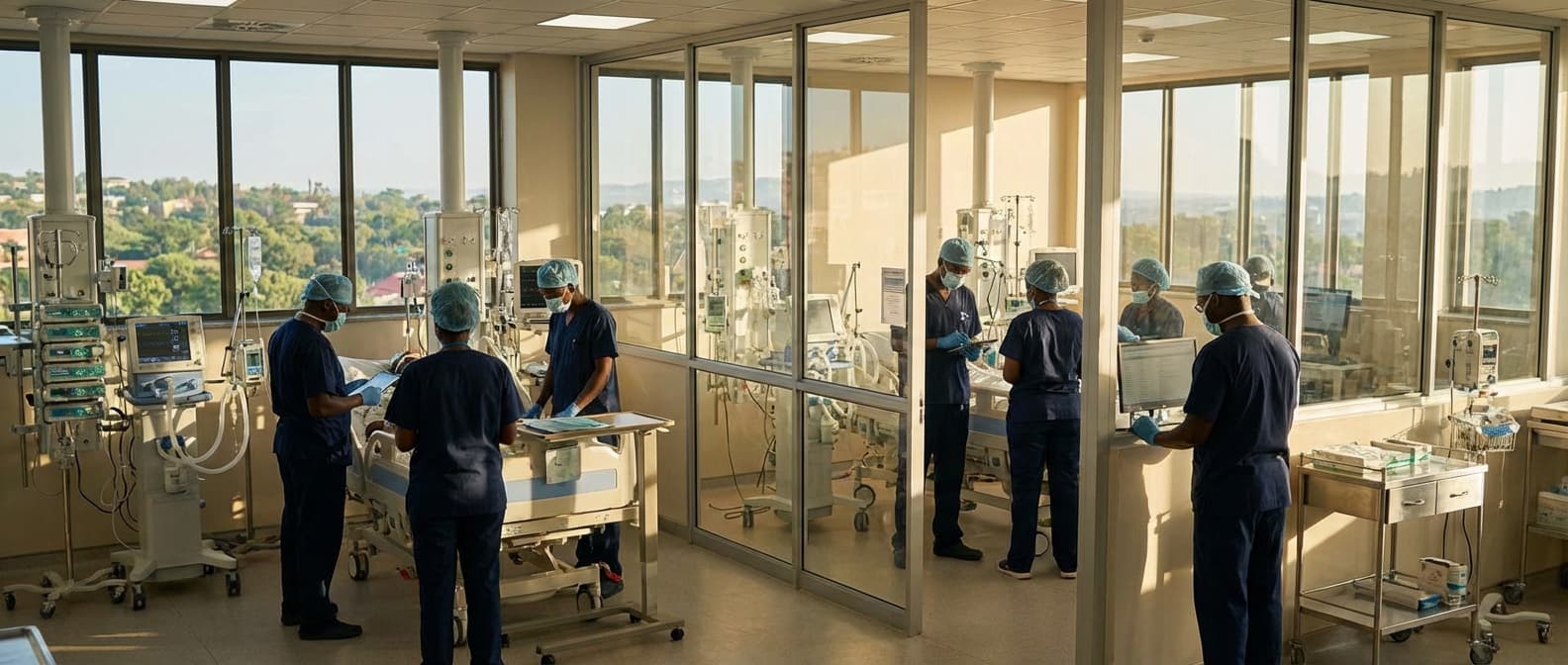
Ventilator Fleet Management & PM in Cabo Verde
Engineering Excellence & Technical Support
Preventive maintenance and fleet management for ICU ventilators High-standard technical execution following OEM protocols and local regulatory frameworks.
Proactive Maintenance Scheduling
Leveraging real-time data and predictive analytics, we schedule preventative maintenance for ventilators across Cabo Verde's healthcare facilities, minimizing unexpected downtime and ensuring patient safety.
Optimized Fleet Allocation
Our system dynamically monitors ventilator usage and availability, enabling strategic allocation of resources to meet fluctuating demand and ensure optimal utilization of the entire fleet.
Remote Monitoring & Diagnostics
Through secure cloud-based connectivity, we provide remote monitoring of ventilator performance and immediate diagnostic capabilities, allowing for swift identification and resolution of technical issues, even in remote island locations.
What Is Ventilator Fleet Management & Pm In Cabo Verde?
Ventilator Fleet Management & Preventative Maintenance (PM) in Cabo Verde refers to the comprehensive operational and upkeep strategy for a distributed network of mechanical ventilators. This service encompasses the entire lifecycle of these critical medical devices, from acquisition and deployment to ongoing monitoring, calibration, repair, and eventual decommissioning. The primary objective is to ensure the continuous availability, optimal performance, and extended service life of the ventilator fleet, thereby guaranteeing patient safety and operational readiness within healthcare facilities.
This service is indispensable for healthcare institutions, including public hospitals, private clinics, emergency medical services, and disaster relief organizations operating within Cabo Verde. Any entity responsible for the provision of respiratory support to patients is a potential beneficiary. The scope extends beyond individual device maintenance to encompass logistical considerations such as inventory tracking, asset utilization optimization, regulatory compliance, and workforce training for effective operation and basic troubleshooting.
Typical use cases include:
- Routine Performance Verification: Scheduled checks to ensure ventilators meet manufacturer specifications and are functioning within acceptable parameters.
- Calibration and Recalibration: Adjusting device settings to maintain accuracy in pressure, volume, and flow delivery.
- Software and Firmware Updates: Implementing the latest operating system and feature enhancements to improve functionality and security.
- Component Replacement: Proactive or reactive replacement of wear-and-tear parts (e.g., filters, batteries, sensors) based on usage and age.
- Electrical Safety Testing: Verifying that devices meet electrical safety standards to prevent hazards to patients and staff.
- Emergency Response Preparedness: Ensuring a readily available and fully functional fleet for surge capacity needs during public health crises or natural disasters.
- Asset Tracking and Inventory Management: Maintaining an accurate and up-to-date record of all deployed and stored ventilators, including their location, status, and maintenance history.
- End-of-Life Planning and Disposal: Managing the retirement of aged or irreparable equipment in an environmentally responsible and compliant manner.
| Service Aspect | Description | Importance for Cabo Verde |
|---|---|---|
| Preventative Maintenance (PM) | Scheduled inspections, cleaning, lubrication, and part replacements to avert failures. | Crucial for maintaining operational readiness of life-saving equipment in a geographically dispersed island nation, reducing the likelihood of critical equipment failure during patient care. |
| Corrective Maintenance (CM) | Diagnosis and repair of malfunctions or breakdowns. | Ensures prompt restoration of critical care capabilities following an incident, minimizing downtime and impact on patient outcomes. |
| Calibration | Adjusting device settings to ensure accuracy and precision of delivered therapy. | Guarantees the efficacy and safety of mechanical ventilation, vital for treating respiratory insufficiency, a common complication in various medical conditions. |
| Performance Monitoring | Real-time or periodic assessment of ventilator performance against established benchmarks. | Allows for early detection of performance degradation and facilitates proactive interventions, thereby enhancing patient safety and device longevity. |
| Asset Management | Tracking the location, status, usage, and maintenance history of each ventilator. | Provides visibility into the entire fleet, enabling efficient resource allocation, informed procurement decisions, and compliance with reporting requirements. |
| Regulatory Compliance | Adhering to national and international standards for medical device maintenance and safety. | Ensures that healthcare facilities in Cabo Verde meet legal and ethical obligations for patient care, avoiding penalties and upholding patient safety standards. |
Key Components of Ventilator Fleet Management & PM
- Acquisition and Deployment Strategy
- Preventative Maintenance Scheduling and Execution
- Corrective Maintenance and Repair Services
- Performance Monitoring and Data Logging
- Calibration and Verification Procedures
- Software and Firmware Management
- Consumables and Spare Parts Management
- Asset Tracking and Inventory Control
- Regulatory Compliance and Documentation
- Staff Training and Competency Assessment
- Emergency Preparedness and Contingency Planning
- End-of-Life Management and Decommissioning
Who Needs Ventilator Fleet Management & Pm In Cabo Verde?
Efficient management and preventive maintenance (PM) of ventilator fleets are crucial for ensuring continuous patient care and minimizing operational disruptions in any healthcare system. In Cabo Verde, a nation with a developing healthcare infrastructure and a focus on public health, proactive ventilator fleet management and robust PM programs are vital. This ensures that critical life-support equipment is always ready and functioning optimally, especially in the face of potential health emergencies or increased demand.
| Target Customer/Department | Key Needs & Responsibilities | Benefits of Fleet Management & PM |
|---|---|---|
| Ministry of Health & Public Hospitals | Ensuring availability of ventilators for the general population, managing capital expenditure, standardizing equipment, training biomedical technicians, inventory control, response to public health crises. | Improved patient outcomes, reduced equipment downtime, cost savings through extended equipment lifespan, enhanced emergency preparedness, data-driven decision-making for procurement and resource allocation. |
| Regional Health Directorates | Overseeing the operation and maintenance of ventilators within their geographical area, coordinating repairs and servicing, ensuring compliance with national standards. | Streamlined operations, consistent service delivery across regions, timely identification and resolution of equipment issues. |
| Hospital Administration & Management | Budgeting for equipment maintenance, ensuring optimal utilization of resources, managing service contracts, risk mitigation, patient safety. | Reduced unexpected repair costs, improved operational efficiency, enhanced patient safety, compliance with regulatory requirements. |
| Biomedical Engineering/Technical Departments | Performing routine inspections, preventive maintenance, calibration, repairs, documentation of all service activities, training on new equipment, managing spare parts inventory. | Increased equipment reliability, minimized breakdowns, prolonged equipment life, enhanced safety for patients and staff, efficient use of technical expertise. |
| Intensive Care Units (ICUs) & Respiratory Therapy Departments | Daily checks of ventilator function, immediate reporting of any issues, ensuring appropriate ventilator settings for patient care, maintaining cleanliness and sterility. | Uninterrupted critical care, reduced risk of patient harm due to equipment failure, greater confidence in equipment performance, seamless workflow for clinical staff. |
| Procurement & Logistics Departments | Managing the acquisition of new ventilators, spare parts, and service contracts; ensuring timely delivery and proper storage of equipment and parts. | Optimized inventory levels, reduced stockouts of critical parts, efficient capital expenditure on equipment. |
| Private Clinics & Hospitals | Maintaining a high standard of patient care, ensuring profitability through efficient resource utilization, meeting patient demand for critical care services. | Enhanced reputation, increased patient satisfaction, reduced operational disruptions, competitive advantage in the private healthcare market. |
| Military & Disaster Response Units | Rapid deployment of functional ventilators in emergency situations, maintaining readiness for national and international humanitarian missions. | Swift and effective response to mass casualty incidents and natural disasters, ensuring life-saving equipment is deployable at a moment's notice. |
Target Customers and Departments for Ventilator Fleet Management & PM in Cabo Verde
- Public Hospitals & Health Centers
- Private Clinics & Hospitals
- Military & Disaster Response Units
- Non-Governmental Organizations (NGOs) involved in healthcare provision
- Medical Equipment Suppliers & Service Providers
Ventilator Fleet Management & Pm Process In Cabo Verde
This document outlines the workflow for managing ventilator fleet maintenance and preventative maintenance (PM) processes in Cabo Verde. It details the steps from the initial inquiry or identification of a need through the complete execution of maintenance tasks. The process is designed to ensure the optimal functioning and longevity of the ventilator fleet, thereby guaranteeing their availability for patient care.
| Stage | Description | Key Activities | Responsible Parties | Expected Outcome |
|---|---|---|---|---|
| Inquiry & Request Initiation | The process begins when a need for ventilator maintenance (either routine PM or corrective maintenance due to a malfunction) is identified or reported. | Receiving maintenance requests, logging inquiries, identifying the specific ventilator(s) involved. | Hospital/Clinic Staff, Biomedical Engineering Department | A documented request for ventilator maintenance is generated. |
| Assessment & Prioritization | Each request is reviewed to determine the urgency, type of maintenance required, and potential impact on patient care. | Evaluating the nature of the issue (PM vs. corrective), assessing criticality (e.g., active patient use, availability), determining necessary parts and expertise. | Biomedical Engineering Department, Clinical Staff Supervisors | Maintenance requests are prioritized based on urgency and clinical impact. |
| Scheduling & Resource Allocation | Once prioritized, the maintenance is scheduled, and the necessary resources (technicians, parts, tools, facilities) are allocated. | Assigning technicians, ordering or confirming availability of spare parts, scheduling workshop time or on-site service, coordinating with clinical units for ventilator downtime. | Biomedical Engineering Department (Logistics & Scheduling) | A confirmed maintenance schedule is established, and all required resources are in place. |
| Execution of Maintenance | The actual maintenance work is performed by qualified technicians according to established protocols and manufacturer guidelines. | Performing PM checks (calibration, cleaning, functional testing), diagnosing and repairing malfunctions, replacing worn-out parts, updating firmware/software (if applicable). | Biomedical Engineering Technicians | Ventilator is maintained according to specifications and is functional. |
| Quality Assurance & Documentation | After maintenance, thorough checks are conducted to ensure the quality of work, and all actions are meticulously documented. | Performing post-maintenance testing and validation, signing off on work orders, updating maintenance logs, recording parts used and time spent, capturing any deviations from standard procedures. | Biomedical Engineering Technicians, QA Officer (if applicable) | Completed maintenance is validated, and comprehensive records are created for audit and future reference. |
| Reporting & Follow-up | The completion of maintenance is reported to relevant stakeholders, and any necessary follow-up actions are initiated. | Notifying clinical units of ventilator availability, updating inventory management systems, generating summary reports on fleet status and maintenance activities, identifying trends for future planning, scheduling next PM. | Biomedical Engineering Department | Stakeholders are informed, and the fleet status is updated; insights are gained for ongoing fleet management. |
Workflow Stages
- Inquiry & Request Initiation
- Assessment & Prioritization
- Scheduling & Resource Allocation
- Execution of Maintenance
- Quality Assurance & Documentation
- Reporting & Follow-up
Ventilator Fleet Management & Pm Cost In Cabo Verde
Effective ventilator fleet management and preventative maintenance (PM) are crucial for healthcare facilities in Cabo Verde, ensuring the availability and reliability of life-saving equipment. This involves a combination of strategic planning, regular servicing, and cost-conscious procurement. The pricing for these services is influenced by several factors, including the type and age of ventilators, the complexity of the maintenance required, the availability of specialized technicians, and the geographic location within Cabo Verde. Labor costs, the price of genuine spare parts, and the operational overhead of service providers also play a significant role. Given the island nation's logistical challenges, transportation of equipment and technicians can also add to the overall expense.
| Service Type | Estimated Price Range (CVE) | Notes |
|---|---|---|
| Routine Preventative Maintenance (per ventilator, annual) | 15,000 - 45,000 CVE | Covers basic servicing, calibration, and filter replacement for standard ICU ventilators. May be lower for simpler models. |
| Corrective Maintenance / Repair (per incident) | 20,000 - 80,000+ CVE | Highly variable depending on the complexity of the repair and the cost of replacement parts. Can exceed 150,000 CVE for major component failures. |
| Comprehensive Overhaul / Refurbishment (per ventilator) | 50,000 - 150,000+ CVE | Includes in-depth servicing, replacement of wear-and-tear parts, and full functional testing. Typically for older ventilators nearing end-of-life but still valuable. |
| Ventilator Fleet Management Service (monthly/annual retainer) | Negotiable (e.g., 5,000 - 20,000+ CVE per ventilator per year) | Often includes proactive monitoring, scheduling of PM, inventory management of spare parts, and priority service. Pricing is highly customized. |
| Technician Travel Costs (per trip) | 5,000 - 20,000+ CVE | Covers transportation, accommodation, and per diem for technicians traveling between islands or to remote facilities. Varies significantly based on distance and duration. |
Key Pricing Factors for Ventilator Fleet Management & PM in Cabo Verde
- Ventilator Type and Brand: Advanced, complex ventilators (e.g., ICU ventilators) generally have higher PM costs due to specialized components and calibration requirements compared to simpler portable units.
- Ventilator Age and Condition: Older or more heavily used ventilators may require more frequent and extensive maintenance, potentially leading to higher costs.
- Scope of Maintenance: Routine PM (e.g., filter changes, calibration checks) is typically less expensive than corrective maintenance (repairs) or comprehensive overhauls.
- Spare Parts Availability and Cost: The cost and accessibility of genuine manufacturer parts in Cabo Verde will directly impact repair and maintenance expenses. Imported parts may incur additional duties and shipping fees.
- Technician Expertise and Availability: The scarcity of highly trained and certified biomedical technicians specializing in ventilators within Cabo Verde can drive up labor rates.
- Service Provider Location and Overhead: Local service providers may have lower overheads than international ones. However, remote island locations can increase travel costs for technicians.
- Contractual Agreements: Long-term service contracts or fleet management agreements can sometimes offer discounted rates or predictable budgeting.
- Frequency of PM: The manufacturer-recommended PM schedule will dictate the frequency of service, impacting annual costs.
- Geographic Location within Cabo Verde: Service costs might vary slightly between larger islands like Santiago and smaller, more remote ones due to logistical challenges.
Affordable Ventilator Fleet Management & Pm Options
Effectively managing a ventilator fleet is crucial for healthcare facilities, impacting patient care, operational efficiency, and financial health. This section explores affordable fleet management and preventive maintenance (PM) options, focusing on value bundles and cost-saving strategies. A proactive approach to ventilator care minimizes downtime, extends equipment lifespan, and prevents costly emergency repairs and patient care disruptions.
| Value Bundle Component | Description | Cost-Saving Benefit |
|---|---|---|
| Basic PM Package | Scheduled annual or semi-annual inspections, calibration, and basic cleaning/disinfection. | Reduces likelihood of unexpected breakdowns, extending equipment life and avoiding costly emergency service calls. |
| Extended PM Package | Includes basic PM plus firmware updates, minor part replacements (filters, batteries), and detailed performance checks. | Further minimizes critical component failures, enhances device reliability, and ensures optimal performance for patient safety. |
| Comprehensive PM & Repair Bundle | Combines scheduled PM with a defined number of reactive repair interventions per year at a fixed cost. | Provides predictable budgeting for maintenance and repairs, reduces per-incident repair costs, and guarantees faster response times. |
| Fleet-Wide Service Agreement | Centralized contract covering PM, repairs, and potentially parts for the entire ventilator fleet across multiple locations. | Leverages economies of scale for discounted pricing, simplifies vendor management, and ensures consistent service quality. |
| Refurbished Ventilator Acquisition | Purchasing certified, pre-owned ventilators that have undergone rigorous testing and refurbishment. | Significantly lower capital expenditure compared to new equipment, while still offering warranty and reliable performance. |
| Parts Inventory Optimization Service | Assistance in determining optimal stock levels for common replacement parts based on fleet usage and failure rates. | Reduces carrying costs of excess inventory, minimizes stock-outs that lead to extended downtime, and lowers overall parts expenditure. |
| Remote Monitoring & Predictive Analytics Subscription | Utilizes technology to track ventilator performance in real-time, identify potential issues before they become critical, and schedule proactive maintenance. | Prevents costly emergency repairs, minimizes unplanned downtime, and optimizes technician time by addressing issues proactively. |
Key Components of Affordable Ventilator Fleet Management & PM
- Comprehensive PM Programs
- Remote Monitoring & Diagnostics
- Strategic Parts Inventory Management
- Certified Refurbished Equipment
- Service Contract Optimization
- Staff Training & Competency
- Data Analytics for Predictive Maintenance
Verified Providers In Cabo Verde
In the vibrant archipelago of Cabo Verde, accessing reliable and high-quality healthcare is paramount for residents and tourists alike. When seeking medical services, it's crucial to identify Verified Providers – those who have undergone rigorous credentialing and meet established standards of excellence. Franance Health stands out as a premier organization that rigorously vets healthcare providers, ensuring they possess the necessary qualifications, experience, and commitment to patient care. Their comprehensive verification process is a testament to their dedication to fostering trust and providing a superior healthcare experience in Cabo Verde.
| Provider Aspect | Franance Health Verification Focus | Benefit to Patients |
|---|---|---|
| Medical Qualifications | Verification of degrees, certifications, and specialized training from accredited institutions. | Ensures providers have the foundational knowledge and expertise to deliver effective treatment. |
| Clinical Experience | Assessment of years of practice, specific case experience, and surgical volumes where applicable. | Guarantees providers have practical, hands-on experience in managing a wide range of medical conditions. |
| Licensing and Regulatory Compliance | Confirmation of active and valid licenses to practice in Cabo Verde and adherence to all local health regulations. | Confirms providers are legally authorized and operate within established legal and ethical frameworks. |
| Patient Feedback and Outcomes | Collection and review of patient satisfaction surveys and, where appropriate, analysis of clinical outcomes. | Indicates providers are focused on patient well-being and consistently deliver positive results. |
| Professional Reputation | Background checks and assessment of professional standing within the medical community. | Highlights providers known for their integrity, skill, and ethical conduct. |
| Facility Standards (where applicable) | Evaluation of clinic or hospital infrastructure, equipment, and hygiene protocols. | Ensures a safe, clean, and well-equipped environment for medical procedures and consultations. |
Why Franance Health Credentials Matter
- Unwavering Commitment to Quality: Franance Health's verification process goes beyond basic licensing, assessing the provider's adherence to best practices, patient safety protocols, and continuous professional development.
- Enhanced Patient Safety: By ensuring providers meet stringent criteria, Franance Health significantly reduces the risk of medical errors and promotes a safer healthcare environment for all.
- Access to Expertise: Franance Health identifies and credentials specialists and general practitioners with proven track records, connecting you with the most qualified professionals for your specific needs.
- Peace of Mind: Knowing that your chosen provider has been meticulously vetted by a reputable organization like Franance Health offers invaluable peace of mind during potentially stressful health situations.
- Streamlined Healthcare Navigation: Franance Health's verified provider network simplifies the process of finding trusted medical care, saving you time and effort.
- International Standards Alignment: The verification process often ensures alignment with internationally recognized healthcare standards, beneficial for international visitors and those seeking globally comparable care.
Scope Of Work For Ventilator Fleet Management & Pm
This Scope of Work (SOW) outlines the requirements for a comprehensive Ventilator Fleet Management and Preventive Maintenance (PM) program. The objective is to ensure the optimal performance, reliability, and safety of the organization's entire ventilator fleet through proactive maintenance, efficient inventory management, and detailed technical specifications.
| Deliverable Category | Technical Deliverable | Description | Standard Specification Requirement |
|---|---|---|---|
| Asset Management | Comprehensive Asset Register | A centralized database detailing all ventilators, including model, serial number, purchase date, location, and maintenance history. | Must be accessible via a CMMS (Computerized Maintenance Management System). Data fields to include manufacturer, model number, serial number, asset ID, acquisition date, warranty expiration, current location, department, and all historical PM/repair records. |
| Preventive Maintenance | PM Protocol Development | Detailed, manufacturer-recommended, and evidence-based PM procedures for each ventilator model. | Protocols shall include inspection points, cleaning procedures, functional tests, calibration requirements, and recommended replacement intervals for parts/filters. Reference manufacturer service manuals and relevant clinical guidelines. |
| Preventive Maintenance | Scheduled PM Execution | Timely and documented execution of all scheduled PM tasks. | PM completion within ±10% of the scheduled date. All completed PMs must be logged in the CMMS with technician name, date of service, tasks performed, parts used, and pass/fail status. |
| Corrective Maintenance | Troubleshooting and Repair Procedures | Standardized procedures for diagnosing and repairing common ventilator malfunctions. | Procedures to include symptom-based troubleshooting guides, diagnostic codes interpretation, and repair steps. Emphasis on root cause analysis for recurring issues. |
| Corrective Maintenance | Repair Log and Documentation | Accurate and complete documentation of all corrective maintenance activities. | CMMS entries to detail reported issue, diagnosis, repair performed, parts used, technician, date, and time. Include evidence of post-repair testing and functional verification. |
| Calibration & Performance | Calibration Procedures | Validated procedures for calibrating critical ventilator parameters. | Procedures must adhere to manufacturer specifications and/or accredited standards (e.g., ISO, AAMI). Calibration records must be maintained, including pre- and post-calibration readings. |
| Calibration & Performance | Performance Verification Reports | Documentation confirming the ventilator's operational parameters are within specified tolerances. | Reports to include date of verification, technician, equipment used for verification (e.g., flow/pressure meter), and specific parameters tested against manufacturer specifications. |
| Parts Management | Parts Inventory System | A system for tracking spare parts and consumables, including stock levels, reorder points, and usage history. | CMMS integration for real-time inventory tracking. Minimum and maximum stock levels to be defined based on usage and lead times. All parts used in PM/repair must be logged. |
| Parts Management | Parts Quality Assurance | Ensuring that all replacement parts and consumables meet original equipment manufacturer (OEM) or equivalent quality standards. | Procurement records to specify OEM part numbers or approved equivalents. Certificates of analysis may be required for critical components. |
| Training | Technician Competency Records | Documentation of technician training and qualifications for servicing specific ventilator models. | Records to include details of manufacturer training, internal training, certifications, and periodic competency assessments. Training must cover both technical repair and understanding of clinical applications. |
| Reporting | Fleet Performance Reports | Regular reports on key fleet performance indicators. | Reports to include: PM completion rates, Mean Time Between Failures (MTBF), Mean Time To Repair (MTTR), equipment downtime, cost per ventilator, parts usage, and compliance rates. Reports generated monthly and quarterly. |
| Regulatory Compliance | Compliance Documentation | Maintenance records and documentation that meet regulatory requirements (e.g., FDA, Joint Commission). | All documentation must be readily available for audit. Records should demonstrate adherence to manufacturer recommendations, regulatory standards, and internal policies. |
Key Components of Ventilator Fleet Management & PM Program
- Asset Inventory and Tracking
- Preventive Maintenance (PM) Scheduling and Execution
- Corrective Maintenance and Repair
- Calibration and Performance Verification
- Parts and Consumables Management
- Training and Competency Assurance
- Reporting and Analytics
- Regulatory Compliance
Service Level Agreement For Ventilator Fleet Management & Pm
This Service Level Agreement (SLA) outlines the performance standards and guarantees for the management and preventative maintenance (PM) of the organization's ventilator fleet. The primary objective is to ensure maximum equipment availability and reliable performance for patient care.
| Service/Equipment Category | Criticality Level | Response Time Target (Minutes) | Uptime Guarantee (%) | Preventative Maintenance Completion Rate (%) | Notes |
|---|---|---|---|---|---|
| Ventilator (Life-Sustaining) | Critical | 15 (Emergency) | 99.5% | 98% | Includes on-call 24/7/365. |
| Ventilator (Non-Life-Sustaining) | High | 60 (Urgent) | 98.0% | 95% | Includes 8-hour on-site support during business hours. |
| Ventilator Accessories (Sensors, Circuits) | Medium | 120 (Routine) | N/A (Accessory replacement is rapid) | N/A (Scheduled with ventilator PM) | |
| Ventilator Fleet Management Software | Support | 240 (Standard) | N/A (System uptime is separate) | N/A (Software updates scheduled) |
Key Performance Indicators (KPIs)
- Response Time: The time elapsed from the initiation of a service request (e.g., equipment malfunction, notification of PM due) to the commencement of technician engagement.
- Uptime Guarantee: The percentage of time critical medical equipment is available and functional for its intended use.
- Preventative Maintenance Completion Rate: The percentage of scheduled PM tasks completed within the defined service window.
- Mean Time Between Failures (MTBF): The average time elapsed between inherent failures of a repairable unit, during normal system operation.
- Mean Time To Repair (MTTR): The average time required to repair a failed unit and return it to operational status.
Frequently Asked Questions

Ready when you are
Let's scope your Ventilator Fleet Management & PM in Cabo Verde project in Cabo Verde.

Scaling healthcare logistics and technical systems across the entire continent.