
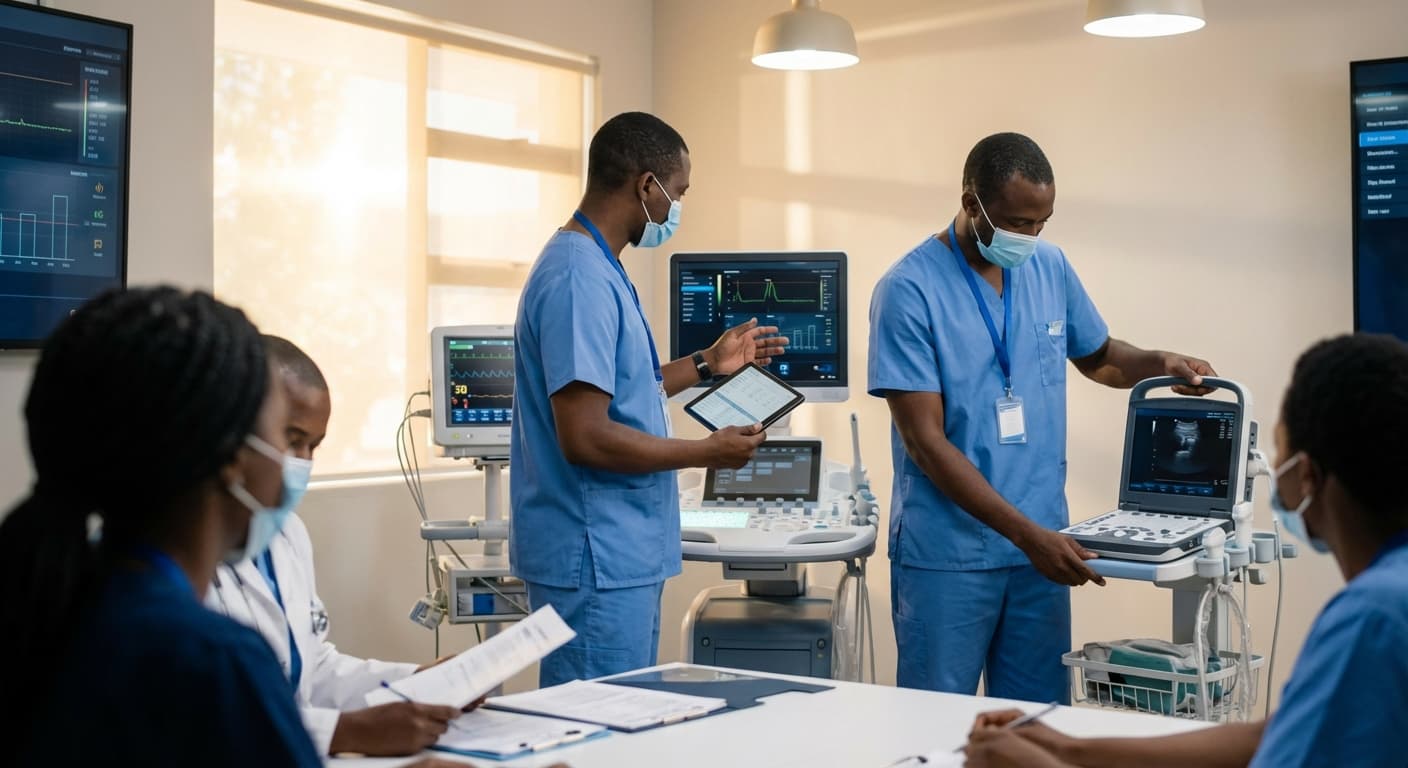
Clinical Needs Assessment for Medical Equipment in Cabo Verde
Engineering Excellence & Technical Support
Clinical Needs Assessment for Medical Equipment High-standard technical execution following OEM protocols and local regulatory frameworks.
Comprehensive Equipment Gap Analysis
Conduct a granular assessment of existing medical equipment inventory across all healthcare facilities in Cabo Verde. This includes identifying functional status, utilization rates, maintenance records, and age of current equipment to pinpoint critical shortages and obsolete technology, forming the bedrock of informed procurement decisions.
Disease Burden & Treatment Modality Alignment
Analyze prevalent disease patterns and projected epidemiological trends in Cabo Verde. This data will be rigorously cross-referenced with recommended treatment modalities and diagnostic protocols to ensure that procured equipment directly addresses the most pressing health needs and supports effective patient care pathways.
Infrastructure & Sustainability Readiness
Evaluate the existing healthcare infrastructure in Cabo Verde, including power supply stability, water access, IT connectivity, and specialized laboratory facilities. This assessment will identify any necessary upgrades or prerequisites for the successful installation, operation, and long-term sustainability of new medical equipment, preventing post-procurement challenges.
What Is Clinical Needs Assessment For Medical Equipment In Cabo Verde?
A Clinical Needs Assessment (CNA) for Medical Equipment in Cabo Verde is a systematic and comprehensive evaluation process designed to identify, prioritize, and define the specific medical equipment requirements of healthcare facilities within the nation. This service involves a rigorous analysis of current healthcare service delivery, disease prevalence, demographic trends, existing infrastructure, and resource availability to determine the most appropriate and effective medical technology solutions. The primary objective is to ensure that healthcare providers in Cabo Verde have access to the necessary equipment to deliver safe, effective, and accessible patient care, aligning with national health policies and international best practices.
| Who Needs It | Typical Use Cases | ||
|---|---|---|---|
| Ministry of Health of Cabo Verde: To inform national health strategies, procurement plans, and resource allocation for medical equipment across public healthcare facilities. | Developing national guidelines for essential medical equipment procurement. | Planning for the upgrade or replacement of obsolete medical technology. | Addressing critical equipment shortages in underserved regions. |
| Public and Private Hospitals (e.g., Hospital Agostinho Neto, Hospital do Praia): To assess and upgrade their diagnostic, therapeutic, and patient monitoring capabilities to meet evolving clinical demands. | Acquisition of new diagnostic imaging equipment (e.g., MRI, CT scanners) based on local disease patterns. | Installation of advanced surgical or critical care equipment to improve patient outcomes. | Equipping newly constructed or renovated hospital wings. |
| Health Centers and Clinics: To ensure essential primary healthcare services are adequately supported by appropriate medical devices. | Provision of basic diagnostic tools (e.g., electrocardiographs, portable ultrasound) for community health centers. | Ensuring availability of equipment for maternal and child health services. | Upgrading facilities to handle a wider range of outpatient procedures. |
| Non-Governmental Organizations (NGOs) and International Aid Agencies: To guide their support and funding initiatives for the healthcare sector in Cabo Verde, ensuring alignment with national priorities. | Targeted procurement of specialized equipment for disease-specific programs (e.g., infectious diseases, non-communicable diseases). | Supporting the development of specific healthcare specialties. | Assessing the equipment needs for humanitarian medical missions. |
| Healthcare Training Institutions: To align curricula and practical training with the types of medical equipment used in clinical practice. | Ensuring graduates are proficient in operating and maintaining current medical technologies. | Identifying equipment needs for simulation labs and practical training. |
Key Components of a Clinical Needs Assessment for Medical Equipment in Cabo Verde:
- Data Collection and Analysis: Gathering quantitative and qualitative data on patient demographics, epidemiological data, clinical service volumes, staff competencies, and existing equipment inventories.
- Gap Analysis: Identifying discrepancies between current equipment capabilities and the needs for optimal patient care, considering technological advancements and emerging medical needs.
- Technology Review: Evaluating available medical equipment technologies, their suitability for the local context (e.g., power supply, maintenance capacity, training needs), and cost-effectiveness.
- Prioritization: Ranking identified equipment needs based on factors such as impact on patient outcomes, public health significance, operational feasibility, and budgetary constraints.
- Specification Development: Detailing technical specifications, performance requirements, and quality standards for recommended medical equipment.
- Training and Support Planning: Assessing the training requirements for healthcare personnel to operate and maintain new equipment and identifying necessary ongoing support mechanisms.
- Budgetary Considerations: Estimating the capital and operational costs associated with acquiring, installing, and maintaining the recommended equipment.
- Risk Assessment: Identifying potential challenges and risks associated with equipment procurement, deployment, and utilization, and proposing mitigation strategies.
Who Needs Clinical Needs Assessment For Medical Equipment In Cabo Verde?
A comprehensive clinical needs assessment for medical equipment in Cabo Verde is crucial for optimizing healthcare delivery, ensuring appropriate resource allocation, and improving patient outcomes. This assessment is vital for a range of stakeholders who directly or indirectly benefit from or are responsible for the provision and utilization of medical equipment.
| Target Customer/Department | Role in Clinical Needs Assessment | Key Interests & Benefits |
|---|---|---|
| Hospitals (Public and Private) | End-users of equipment, providers of direct patient care. | Ensuring availability of appropriate, functional, and modern equipment; improving diagnostic and treatment capabilities; reducing equipment downtime; enhancing patient safety and satisfaction; optimizing staff workflow. |
| Primary Healthcare Centers (Centros de Saúde) | Frontline healthcare providers, often with limited resources. | Identifying essential equipment for basic diagnostics and treatment; supporting disease prevention and management at the community level; ensuring equitable access to care across different islands; informing equipment procurement for remote areas. |
| Specialized Clinics (e.g., Cardiology, Oncology, Ophthalmology) | Focus on specific medical areas requiring specialized technology. | Determining the exact specifications and quantities of specialized equipment; aligning equipment with treatment protocols; supporting the development of specialized medical services. |
| Medical Training Institutions | Educators of future healthcare professionals. | Identifying equipment needed for practical training and skill development; ensuring students are familiar with current medical technologies; contributing to a skilled healthcare workforce. |
| Ministry of Health (Ministério da Saúde) | National health policy makers and resource allocators. | Informing national health planning and strategy; guiding budget allocation for medical equipment; ensuring standardization and quality control; identifying national health priorities and gaps; promoting sustainable equipment management. |
| International Aid Organizations & NGOs | Providers of funding, expertise, and equipment donations. | Targeting aid effectively to meet genuine needs; ensuring donated equipment is appropriate, sustainable, and maintainable; aligning interventions with national health priorities; facilitating technology transfer. |
| Medical Equipment Suppliers & Manufacturers | Providers of medical technology. | Understanding market demands and specific requirements; developing relevant and innovative solutions; providing technical support and training; identifying opportunities for partnerships and long-term service agreements. |
Target Customers & Departments for Clinical Needs Assessment in Cabo Verde
- Hospitals (Public and Private)
- Primary Healthcare Centers (Centros de Saúde)
- Specialized Clinics
- Medical Training Institutions
- Ministry of Health
- International Aid Organizations
- Medical Equipment Suppliers & Manufacturers
Clinical Needs Assessment For Medical Equipment Process In Cabo Verde
This document outlines a comprehensive workflow for conducting a Clinical Needs Assessment for Medical Equipment in Cabo Verde. The process is designed to be systematic, ensuring that identified needs are accurate, prioritized, and aligned with the healthcare system's capacity and objectives. The workflow details the stages from initial inquiry to the final execution of procurement or implementation based on the assessment's findings. It emphasizes stakeholder engagement, data collection, analysis, and reporting.
| Phase | Stage/Activity | Description | Key Stakeholders | Deliverables/Outcomes |
|---|---|---|---|---|
| Phase 1: Inquiry and Scoping | Initial Inquiry and Request Initiation | Receiving an official request or identifying the need for a clinical needs assessment for specific medical equipment or services in a particular region or facility. | Ministry of Health, Regional Health Directors, Facility Managers, International Donors/Partners | Formal request/Terms of Reference (TOR) for the assessment |
| Phase 1: Inquiry and Scoping | Scoping and Objective Definition | Defining the geographical scope, the types of medical equipment or services to be assessed, the assessment's objectives, and the desired outcomes. Establishing a clear understanding of the mandate and resources available. | Ministry of Health, Project Team, Key Government Officials | Defined assessment scope, clear objectives, agreed-upon TOR |
| Phase 1: Inquiry and Scoping | Forming the Assessment Team | Assembling a multidisciplinary team with expertise in clinical specialties, public health, health economics, biomedical engineering, procurement, and data analysis. | Ministry of Health, Project Management | Qualified and diverse assessment team |
| Phase 2: Data Collection and Needs Identification | Review of Existing Data and Documentation | Collecting and reviewing existing relevant documents, including national health strategies, health facility inventories, equipment maintenance records, epidemiological data, budget allocations, and previous assessments. | Assessment Team, Ministry of Health Archives | Baseline understanding of the healthcare landscape and existing resources |
| Phase 2: Data Collection and Needs Identification | Facility Visits and Direct Observation | Conducting on-site visits to health facilities (hospitals, health centers) to observe current practices, assess existing infrastructure, and understand the actual usage and condition of medical equipment. | Assessment Team, Facility Staff (doctors, nurses, technicians) | On-site observations, condition of existing equipment assessment |
| Phase 2: Data Collection and Needs Identification | Stakeholder Consultations and Interviews | Engaging with healthcare professionals (doctors, nurses, specialists, technicians), administrators, patients, and community representatives through interviews, focus group discussions, and surveys to gather insights on current needs, challenges, and priorities. | Assessment Team, Healthcare Professionals, Facility Managers, Patients, Community Leaders | Qualitative data on perceived needs, operational challenges, and user requirements |
| Phase 2: Data Collection and Needs Identification | Needs Assessment Surveys and Questionnaires | Developing and administering standardized surveys and questionnaires to systematically collect quantitative data on equipment gaps, functional status, maintenance requirements, and training needs across various health facilities. | Assessment Team, Healthcare Professionals, Facility Managers | Quantitative data on equipment needs, usage patterns, and functional status |
| Phase 3: Data Analysis and Prioritization | Data Consolidation and Verification | Aggregating all collected data (qualitative and quantitative) and verifying its accuracy and completeness. Identifying any discrepancies or gaps requiring further investigation. | Assessment Team (Data Analysts) | Cleaned and consolidated dataset |
| Phase 3: Data Analysis and Prioritization | Needs Analysis and Gap Identification | Analyzing the data to identify specific clinical needs and quantify the gaps in medical equipment. This includes assessing both quantitative (number of units) and qualitative (type, specifications, modernity) requirements. | Assessment Team (Clinical Experts, Health Economists) | Identified list of equipment needs with detailed specifications |
| Phase 3: Data Analysis and Prioritization | Prioritization Framework Development | Establishing criteria for prioritizing identified needs. This typically includes factors such as impact on patient outcomes, disease burden, cost-effectiveness, alignment with national health priorities, feasibility of implementation, and available resources. | Assessment Team, Ministry of Health | Prioritization matrix/criteria |
| Phase 3: Data Analysis and Prioritization | Prioritization of Medical Equipment Needs | Applying the prioritization framework to rank the identified equipment needs based on their urgency and strategic importance to the healthcare system. | Assessment Team, Ministry of Health | Ranked list of medical equipment needs |
| Phase 4: Reporting and Recommendation Development | Drafting the Needs Assessment Report | Compiling all findings, analyses, and prioritized needs into a comprehensive draft report. This report should clearly articulate the methodology, data sources, identified needs, and the rationale for prioritization. | Assessment Team | Draft Clinical Needs Assessment Report |
| Phase 4: Reporting and Recommendation Development | Developing Recommendations | Formulating concrete, actionable recommendations for procurement, training, maintenance, and infrastructure upgrades related to the identified medical equipment needs. Recommendations should be realistic and consider the local context. | Assessment Team | Specific and actionable recommendations |
| Phase 4: Reporting and Recommendation Development | Stakeholder Validation and Feedback | Presenting the draft report and recommendations to key stakeholders for review, feedback, and validation. This ensures buy-in and incorporates practical considerations. | Assessment Team, Ministry of Health, Facility Managers, Healthcare Professionals, Donors | Revised draft report and recommendations based on feedback |
| Phase 4: Reporting and Recommendation Development | Finalizing the Report and Recommendations | Incorporating stakeholder feedback into the report and finalizing the recommendations for submission to the relevant authorities. | Assessment Team | Final Clinical Needs Assessment Report with prioritized recommendations |
| Phase 5: Execution and Monitoring | Dissemination and Approval | Formally submitting the final report and recommendations to the Ministry of Health and other relevant decision-making bodies for approval and integration into national plans and budgets. | Ministry of Health, Decision-Making Bodies | Approved assessment report and plan for action |
| Phase 5: Execution and Monitoring | Developing Implementation Plan | Creating a detailed implementation plan for the prioritized equipment, including procurement strategies, timelines, budget allocation, and responsible parties. | Ministry of Health, Procurement Units, Project Management | Detailed implementation plan |
| Phase 5: Execution and Monitoring | Procurement and Installation | Executing the procurement process for the identified medical equipment according to approved plans and ensuring proper installation and initial testing. | Procurement Units, Suppliers, Biomedical Engineers | Acquired and installed medical equipment |
| Phase 5: Execution and Monitoring | Training and Capacity Building | Providing necessary training to healthcare professionals and technicians on the operation, maintenance, and repair of the new equipment. | Training Providers, Biomedical Engineers, Healthcare Staff | Trained personnel |
| Phase 5: Execution and Monitoring | Monitoring and Evaluation | Establishing a system to monitor the utilization, performance, and maintenance of the newly acquired equipment. Conducting periodic evaluations to assess the impact of the interventions and identify any further needs or challenges. | Ministry of Health, Facility Managers, Biomedical Engineering Departments | Performance reports, impact evaluations, feedback loop for future assessments |
Workflow Stages and Key Activities
- Phase 1: Inquiry and Scoping
- Phase 2: Data Collection and Needs Identification
- Phase 3: Data Analysis and Prioritization
- Phase 4: Reporting and Recommendation Development
- Phase 5: Execution and Monitoring
Clinical Needs Assessment For Medical Equipment Cost In Cabo Verde
This document outlines a clinical needs assessment for medical equipment costs in Cabo Verde, focusing on pricing factors and their ranges in the local currency, the Cape Verdean Escudo (CVE). Understanding these costs is crucial for healthcare providers, government agencies, and non-profit organizations aiming to procure essential medical devices and improve healthcare infrastructure. The assessment considers various factors influencing pricing, including equipment type and complexity, brand reputation, supplier margins, import duties and taxes, shipping and logistics, and the availability of local technical support. The goal is to provide a realistic overview of budgetary considerations for equipping healthcare facilities in Cabo Verde.
| Equipment Category | Typical Price Range (CVE) | Notes |
|---|---|---|
| Basic Diagnostic Equipment (e.g., Stethoscopes, BP Monitors, Thermometers) | 5,000 - 30,000 CVE | Relatively affordable; availability of local brands can influence price. |
| Laboratory Equipment (e.g., Basic Analyzers, Microscopes) | 100,000 - 1,000,000 CVE | Depends on automation level and throughput capacity. |
| Imaging Equipment (e.g., X-ray Machines, Ultrasound) | 2,000,000 - 25,000,000 CVE | Significant variation based on modality (digital vs. analog, 2D vs. 3D ultrasound) and brand. |
| Surgical Instruments and Sets | 50,000 - 500,000 CVE | Price varies by complexity of the set and material quality. |
| Anesthesia Machines | 2,000,000 - 8,000,000 CVE | Includes features like ventilation and monitoring. |
| Patient Monitors (Vital Signs) | 200,000 - 1,500,000 CVE | Ranges from basic multi-parameter to advanced critical care monitors. |
| Dental Equipment (e.g., Dental Chairs, X-ray Units) | 500,000 - 5,000,000 CVE | Full setup can be substantial; considers chair, unit, and sterilization. |
| Hospital Beds (Manual/Electric) | 50,000 - 300,000 CVE | Electric beds are significantly more expensive. |
| Defibrillators (AEDs & Manual) | 150,000 - 800,000 CVE | AEDs are generally more affordable for public access. |
| Sterilization Equipment (Autoclaves) | 300,000 - 2,000,000 CVE | Capacity and technology (steam, plasma) are key price determinants. |
| Specialized Medical Devices (e.g., Dialysis Machines, Ventilators) | 3,000,000 - 20,000,000+ CVE | High-end, complex equipment with substantial associated costs. |
Key Pricing Factors for Medical Equipment in Cabo Verde
- Equipment Type and Complexity: Basic diagnostic tools are generally less expensive than advanced imaging systems or surgical robots.
- Brand Reputation and Quality: Well-established international brands often command higher prices due to perceived quality and reliability, but can also offer better long-term value.
- Supplier and Distributor Margins: Local distributors and international suppliers add their markups to cover operational costs, marketing, and profit.
- Import Duties and Taxes: Cabo Verde levies import duties and value-added tax (VAT) on imported goods, significantly impacting the final cost.
- Shipping and Logistics: International freight, insurance, and local transportation to various islands contribute to the overall price.
- Warranty and After-Sales Service: The inclusion of comprehensive warranties and readily available technical support can increase initial costs but reduce long-term expenses.
- New vs. Refurbished Equipment: Refurbished or used equipment offers a more budget-friendly option, though its lifespan and reliability may vary.
- Volume Discounts: Bulk purchases for larger projects or national health programs can often secure reduced pricing.
- Currency Fluctuations: While the CVE is pegged to the Euro, global economic shifts can indirectly influence import costs.
- Regulatory Compliance and Certifications: Equipment meeting international medical device standards (e.g., CE marking, FDA approval) may have higher initial costs but ensure safety and efficacy.
Affordable Clinical Needs Assessment For Medical Equipment Options
A clinical needs assessment is crucial for medical facilities to identify essential equipment and ensure optimal patient care. When budget constraints are a primary concern, adopting value bundles and implementing cost-saving strategies becomes paramount. Value bundles offer a comprehensive package of equipment, services, and training at a potentially reduced overall cost compared to individual purchases. Cost-saving strategies encompass smart procurement, lifecycle management, and exploring alternative financing and usage models. Prioritizing needs, leveraging technology, and focusing on long-term value are key to making informed, affordable decisions.
| Value Bundle Component | Description | Cost-Saving Benefit |
|---|---|---|
| Equipment Purchase/Lease | Acquisition of core medical devices. | Bundled pricing often offers discounts over individual item costs. Leasing can reduce upfront capital expenditure. |
| Installation & Training | Professional setup and staff education on equipment operation. | Reduces errors, improves efficiency, and minimizes downtime due to improper use. Included training saves separate educational costs. |
| Maintenance & Service Contracts | Scheduled servicing and repair support. | Predictable maintenance costs, reduced risk of expensive emergency repairs, and extended equipment lifespan. Bundled contracts can be cheaper than standalone agreements. |
| Consumables & Accessories | Supply of necessary disposables and supplementary items. | Bulk purchasing and guaranteed supply chain integration can lead to better pricing and inventory management. |
| Software & Connectivity | Integration with existing hospital systems and necessary software licenses. | Streamlined data flow, improved workflow efficiency, and potential for remote monitoring or support, reducing on-site technician needs. |
Key Cost-Saving Strategies for Medical Equipment Acquisition
- Prioritize essential equipment based on current and projected patient needs.
- Negotiate bulk purchase discounts when acquiring multiple items.
- Explore leasing or rental options for infrequently used or rapidly evolving technology.
- Investigate refurbished or reconditioned equipment from reputable suppliers.
- Consider modular or upgradeable equipment to extend its lifespan.
- Standardize equipment across departments to simplify training and maintenance.
- Implement robust preventative maintenance programs to avoid costly repairs.
- Evaluate the total cost of ownership, including consumables, training, and service contracts.
- Seek out grants and funding opportunities specifically for medical equipment.
- Collaborate with other institutions for joint purchasing or shared resource utilization.
Verified Providers In Cabo Verde
Finding reliable healthcare providers is paramount when prioritizing your well-being, especially in a foreign country like Cabo Verde. Verified providers offer a crucial layer of assurance, ensuring they meet established standards of quality and ethical practice. Franance Health stands out as a leading platform for discovering these trusted professionals in Cabo Verde, and their stringent credentialing process makes them the optimal choice for anyone seeking high-quality medical care.
| Franance Health Credentialing Aspect | What it Entails | Benefit for Patients in Cabo Verde |
|---|---|---|
| Medical License Verification | Confirmation of valid and active medical licenses issued by the relevant authorities in Cabo Verde. | Ensures providers are legally permitted to practice medicine and meet basic professional requirements. |
| Specialty Board Certification | Verification of board certifications in specific medical specialties. | Confirms that providers have undergone advanced training and possess expertise in their chosen fields. |
| Professional Experience Assessment | Review of past employment history, practice duration, and reported outcomes. | Indicates a level of practical experience and a track record of patient care. |
| Reputation and Patient Feedback Monitoring | Gathering and analyzing patient reviews, testimonials, and any reported complaints. | Provides insights into a provider's communication style, bedside manner, and patient satisfaction. |
| Adherence to Ethical Standards | Confirmation of compliance with professional ethical guidelines and codes of conduct. | Guarantees that patients will be treated with respect, dignity, and confidentiality. |
| Facility and Equipment Standards (for clinics/hospitals) | Evaluation of the quality and maintenance of medical facilities and equipment. | Ensures a safe and adequately equipped environment for diagnosis and treatment. |
Why Franance Health is the Best Choice for Verified Providers in Cabo Verde:
- Rigorous Vetting Process: Franance Health employs a multi-faceted verification system that goes beyond simple licensing. They meticulously examine credentials, experience, regulatory compliance, and patient feedback to ensure each provider meets their high standards.
- Focus on Quality and Safety: The core mission of Franance Health is to connect individuals with healthcare professionals who are dedicated to providing safe, effective, and compassionate care.
- Comprehensive Provider Network: Franance Health has cultivated a robust network of verified doctors, specialists, and clinics across various medical disciplines in Cabo Verde, offering a wide range of services to meet diverse needs.
- Transparency and Accessibility: The platform provides clear and accessible information about each verified provider, including their qualifications, specializations, and practice locations, empowering patients to make informed decisions.
- Enhanced Patient Confidence: By choosing a provider through Franance Health, patients can have greater confidence in the quality of care they will receive, reducing anxiety and improving the overall healthcare experience.
Scope Of Work For Clinical Needs Assessment For Medical Equipment
This Scope of Work (SOW) outlines the requirements for a comprehensive clinical needs assessment to identify and specify appropriate medical equipment for [Project Name/Facility Name]. The assessment will focus on current and future clinical demands, ensuring that procured equipment aligns with best practices, patient care standards, and operational efficiency. The technical deliverables will include detailed equipment specifications, cost estimations, and recommendations for integration and training. Standard specifications will be adhered to for safety, interoperability, and regulatory compliance.
| Deliverable | Description | Format | Standard Specifications/References |
|---|---|---|---|
| Clinical Needs Assessment Report | A comprehensive document detailing current and future equipment needs, prioritizing requirements based on clinical impact and operational feasibility. | PDF, Executive Summary (PowerPoint) | ISO 13485, FDA regulations, local healthcare standards, JCI accreditation standards |
| Detailed Technical Specifications | For each piece of equipment, including functional requirements, performance metrics, physical characteristics, power needs, and safety features. | Word Document / Excel Spreadsheet | IEC 60601 series (Medical electrical equipment), manufacturer data sheets, relevant national/international standards |
| Cost Estimation Report | Including capital costs, installation, ongoing maintenance, consumables, and training. | Excel Spreadsheet | Industry benchmarks, vendor quotes (where applicable) |
| Infrastructure Requirements Document | Specifying space, power, ventilation, networking, and other environmental needs for each equipment item. | Word Document | Local building codes, electrical codes, IT infrastructure guidelines |
| Training Plan Outline | Describing the scope, audience, and expected outcomes of training for end-users and technical staff. | Word Document | Manufacturer training materials, best practice guidelines for clinical training |
| Interoperability and Integration Recommendations | Guidelines for connecting new equipment with existing hospital information systems. | Word Document | HL7 standards, DICOM standards, FHIR standards |
Key Activities and Deliverables
- Conduct a thorough review of existing clinical workflows and patient demographics.
- Identify current and projected clinical service needs requiring medical equipment.
- Consult with clinical stakeholders (physicians, nurses, technicians, administrators) to gather requirements and prioritize needs.
- Research and evaluate available medical equipment technologies and manufacturers.
- Develop detailed technical specifications for each identified equipment category.
- Assess infrastructure requirements (power, space, network, environmental) for new equipment.
- Provide cost estimations for equipment acquisition, installation, maintenance, and training.
- Develop recommendations for equipment integration with existing IT systems (e.g., EMR, PACS).
- Outline training requirements for clinical and technical staff.
- Produce a comprehensive Clinical Needs Assessment Report with technical specifications and recommendations.
Service Level Agreement For Clinical Needs Assessment For Medical Equipment
This Service Level Agreement (SLA) outlines the guaranteed response times and uptime for the Clinical Needs Assessment service for medical equipment. This service is crucial for ensuring that healthcare facilities are equipped with the appropriate and functional medical devices to meet patient care demands. The assessment process involves evaluating existing equipment, identifying gaps, and recommending new or upgraded solutions based on clinical requirements, technological advancements, and budget considerations. Timely and efficient needs assessment directly impacts the quality of patient care, operational efficiency, and cost-effectiveness of medical equipment procurement and utilization.
| Service Component | Service Level Objective (SLO) | Measurement Method | Reporting Frequency |
|---|---|---|---|
| Initial Consultation Scheduling | Acknowledge within 4 business hours; Schedule within 2 business days | Timestamp of request receipt and confirmation of scheduled meeting | Monthly |
| Data Collection & Analysis Commencement | Commence within 5 business days of receiving all required documentation | Timestamp of documentation receipt and start of analysis phase | Monthly |
| Draft Needs Assessment Report | Deliver within 10 business days of analysis commencement | Timestamp of draft report delivery | Monthly |
| Final Needs Assessment Report | Deliver within 5 business days of receiving consolidated feedback | Timestamp of final report delivery | Monthly |
| Assessment Tools & Platforms Uptime | 99.5% uptime (excluding scheduled maintenance) | Monitoring of platform availability and uptime metrics | Monthly |
| Dedicated Assessment Team Availability | Availability for scheduled meetings and project activities as per the agreed project timeline | Project management tracking and team resource allocation logs | Monthly |
Key Performance Indicators (KPIs) for Clinical Needs Assessment Service
- Response Time for Initial Consultation: The time taken to acknowledge a new request for clinical needs assessment and schedule an initial consultation.
- Response Time for Data Collection & Analysis: The time taken to gather necessary information (e.g., inventory, usage data, clinical workflows) and commence analysis.
- Response Time for Draft Report Delivery: The time taken to provide a preliminary assessment report for review.
- Response Time for Final Report Delivery: The time taken to deliver the finalized clinical needs assessment report after incorporating feedback.
- Uptime of Assessment Tools & Platforms: The guaranteed availability of any digital tools or platforms used for data collection, analysis, or collaboration.
- Availability of Dedicated Assessment Team: The assurance that a qualified assessment team is available to conduct the service within agreed-upon timeframes.
Frequently Asked Questions

Ready when you are
Let's scope your Clinical Needs Assessment for Medical Equipment in Cabo Verde project in Cabo Verde.

Scaling healthcare logistics and technical systems across the entire continent.