
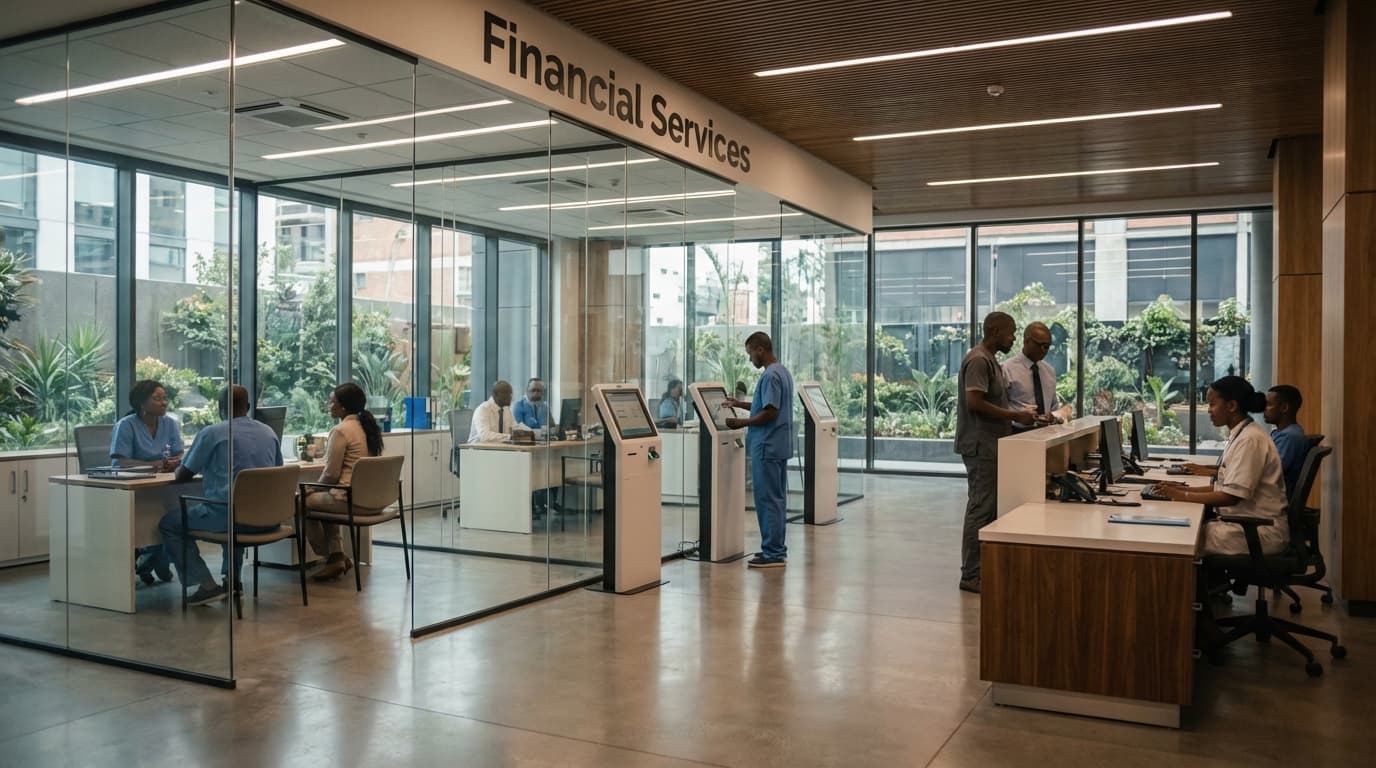
Medical Equipment Rental in Burundi
Engineering Excellence & Technical Support
Short-term and long-term equipment rental solutions High-standard technical execution following OEM protocols and local regulatory frameworks.
Advanced Diagnostic Imaging Access
Our fleet includes state-of-the-art MRI, CT scanners, and ultrasound machines, enabling rapid and accurate diagnosis for critical medical conditions, significantly improving patient outcomes in regions with limited infrastructure.
Critical Care Life Support Solutions
We provide a comprehensive range of ventilators, anesthesia machines, and ICU monitors, ensuring critical care units are equipped to manage severe respiratory illnesses and complex surgical procedures, even in remote or emergency settings.
Mobile Laboratory & Diagnostic Kits
We offer portable laboratory equipment and a wide array of diagnostic kits, facilitating on-site testing for infectious diseases, blood work, and other essential analyses, thereby reducing turnaround times and enabling immediate treatment decisions.
What Is Medical Equipment Rental In Burundi?
Medical Equipment Rental in Burundi refers to the temporary provision of specialized medical devices and apparatus to healthcare facilities, practitioners, and occasionally individuals within the country, on a fee-for-service basis. This service alleviates the burden of high upfront capital expenditure associated with equipment purchase, offers access to advanced or infrequently used technologies, and facilitates flexibility in managing fluctuating healthcare demands. The service typically includes the provision, installation, maintenance, and in some cases, operator training for rented equipment.
| Equipment Category | Typical Rental Duration | Primary Beneficiary | Indicative Use Cases |
|---|---|---|---|
| Diagnostic Imaging (Portable X-ray, Ultrasound) | Short to Medium Term (Days to Months) | Clinics, Mobile Health Units, Field Hospitals | Outreach programs, temporary diagnostic needs, rural healthcare access |
| Critical Care Equipment (Ventilators, Defibrillators, Infusion Pumps) | Short to Medium Term (Days to Weeks) | Hospitals (ICU/ER), Emergency Response Teams | Surge capacity, disaster management, temporary patient support |
| Surgical Instruments and Anesthesia Machines | Procedure-Specific or Short Term (Days) | Surgical Centers, Hospitals | Specialized procedures, temporary surgical unit deployment |
| Laboratory Analyzers (Portable Blood Analyzers, ABGs) | Short to Medium Term (Weeks to Months) | Clinics, Research Projects, Mobile Labs | Point-of-care testing, clinical trials, outbreak investigations |
| Rehabilitation Equipment (Therapy Beds, Exercise Machines) | Medium to Long Term (Weeks to Months) | Rehabilitation Centers, Hospitals | Patient recovery programs, specialized therapy services |
Key Stakeholders and Use Cases for Medical Equipment Rental in Burundi
- Hospitals (Public and Private): To augment existing capacity, address temporary surges in patient load (e.g., during epidemics or disaster relief), or acquire specialized equipment for specific departments (e.g., ICU ventilators, diagnostic imaging systems).
- Clinics and Health Centers: To access diagnostic tools (e.g., portable ultrasounds, ECG machines) or therapeutic devices without significant investment, particularly in underserved or remote areas.
- Surgical Centers: To obtain specialized surgical instruments or anesthetic machines for particular procedures.
- Research Institutions: To conduct time-bound studies requiring specific analytical or monitoring equipment.
- Non-Governmental Organizations (NGOs) and International Aid Agencies: For deployment in humanitarian missions, mobile clinics, or to support public health initiatives in areas with limited infrastructure.
- Individual Practitioners (Specialists): To offer advanced diagnostic services or treatments on a limited basis without long-term commitment to equipment ownership.
- Emergency Medical Services: To equip ambulances or temporary field hospitals with critical care devices.
- Rehabilitation Centers: To access physiotherapy equipment for patient recovery programs.
Who Needs Medical Equipment Rental In Burundi?
Medical equipment rental offers a flexible and cost-effective solution for a variety of healthcare providers and institutions in Burundi. This service allows organizations to access specialized or high-demand equipment without the significant capital investment of outright purchase. This is particularly beneficial in a developing economy like Burundi where budget constraints can be a major hurdle to acquiring the latest medical technology. Rental services can range from short-term needs for specific patient cases or temporary surges in demand to longer-term arrangements for new clinics or departments undergoing renovation. The ability to rent allows for trial periods, ensuring the equipment meets the facility's specific requirements before a larger commitment is considered. Furthermore, rental agreements often include maintenance and servicing, reducing the operational burden on the renting entity and ensuring equipment is always in optimal working condition.
| Target Customer Type | Potential Departments/Uses |
|---|---|
| Public Hospitals and Clinics | Emergency Room, Intensive Care Unit (ICU), Operating Theater, Maternity Ward, Radiology, Dialysis Unit, Rehabilitation |
| Private Hospitals and Clinics | Similar to public hospitals, with potential emphasis on specialized diagnostic and surgical equipment. |
| NGOs and Missions | Mobile clinics, remote healthcare posts, general wards, maternal and child health services, infectious disease treatment centers. |
| Specialized Medical Centers | Radiology (MRI, CT scanners), Cardiology (ECG, stress test machines), Oncology (infusion pumps), Physiotherapy (exercise equipment, ultrasound therapy). |
| Research Institutions/Universities | Laboratories, teaching hospitals, research projects requiring specific diagnostic or monitoring equipment. |
| EMS/Ambulance Services | Transport ventilators, cardiac monitors, defibrillators, portable suction units, oxygen concentrators. |
| Individual Practitioners/Small Practices | Diagnostic equipment (e.g., portable ultrasound), minor surgical equipment, specialized examination tools. |
Target Customers for Medical Equipment Rental in Burundi:
- Public Hospitals and Clinics
- Private Hospitals and Clinics
- Non-Governmental Organizations (NGOs) providing healthcare services
- Missions and Faith-Based Healthcare Facilities
- Specialized Medical Centers (e.g., diagnostic imaging centers, rehabilitation clinics)
- Research Institutions and Universities with medical programs
- Emergency Medical Services (EMS) and Ambulance Services
- Individual Practitioners and Small Medical Practices
Medical Equipment Rental Process In Burundi
This document outlines the typical workflow for renting medical equipment in Burundi, from the initial inquiry to the final execution of the rental agreement. The process aims to ensure efficient access to necessary medical devices for healthcare providers and institutions across the country.
| Stage | Description | Key Actions | Responsible Parties | Potential Challenges |
|---|---|---|---|---|
| Inquiry and Needs Assessment | The process begins when a healthcare provider or institution expresses interest in renting specific medical equipment. This stage involves understanding the exact requirements, duration, and intended use. | Contacting rental provider, specifying equipment needs, discussing technical specifications, understanding usage context. | Healthcare Facility/Provider (Client), Rental Provider (Supplier) | Lack of clarity in equipment specifications, unavailability of specific models, insufficient information about intended use. |
| Quotation and Proposal Generation | Based on the inquiry, the rental provider prepares a detailed quotation or proposal outlining the rental fees, terms, conditions, and any associated costs. | Reviewing client requirements, checking equipment availability, calculating rental costs, preparing a formal quote/proposal. | Rental Provider (Supplier) | Inaccurate cost estimations, lengthy proposal preparation, competitive pricing pressures. |
| Agreement and Contractualization | Once the quotation is accepted, a formal rental agreement is drafted and signed by both parties. This legally binding document details all terms, responsibilities, and payment schedules. | Negotiating terms, drafting the rental agreement, legal review (optional), signing the contract, processing initial payments/deposits. | Client, Rental Provider (Supplier), Legal Counsel (optional) | Complex contract terms, disagreements on liability, delays in signing due to administrative processes. |
| Equipment Preparation and Delivery | The rental provider prepares the requested equipment, ensuring it is in good working condition, calibrated, and includes necessary accessories. The equipment is then delivered to the client's specified location. | Inspecting and testing equipment, cleaning and sanitizing, packaging, arranging logistics and transportation, delivering to the client's site. | Rental Provider (Supplier), Logistics Partners | Equipment malfunction upon delivery, logistical delays, damage during transit, unexpected delivery location challenges. |
| Installation and Training | Upon delivery, the equipment is installed and set up by the rental provider's technicians. If required, training is provided to the client's staff on its proper operation and basic maintenance. | Setting up equipment, connecting to power/other utilities, conducting functional tests, providing user training, demonstrating features. | Rental Provider (Supplier), Client's Technical Staff | Inadequate training, difficulty in integration with existing infrastructure, client staff availability for training. |
| Usage and Maintenance | The client uses the equipment as per the agreement. The rental provider may be responsible for scheduled maintenance or repairs as outlined in the contract. | Operating the equipment, adhering to usage guidelines, reporting any issues, scheduling/performing maintenance as per contract. | Client, Rental Provider (Supplier) (for maintenance) | Misuse of equipment, failure to report issues promptly, unexpected breakdowns, cost of repairs not covered by the agreement. |
| Return and Post-Rental Evaluation | At the end of the rental period, the equipment is returned to the rental provider. An inspection is conducted to assess its condition, and feedback is exchanged. | Dismantling (if applicable), transporting equipment back, inspecting for damage or wear, final payment reconciliation, gathering client feedback. | Client, Rental Provider (Supplier) | Disputes over equipment condition upon return, delays in return, administrative backlog for final settlements. |
Key Stages in the Medical Equipment Rental Process
- Inquiry and Needs Assessment
- Quotation and Proposal Generation
- Agreement and Contractualization
- Equipment Preparation and Delivery
- Installation and Training
- Usage and Maintenance
- Return and Post-Rental Evaluation
Medical Equipment Rental Cost In Burundi
Burundi's healthcare sector, like many developing nations, faces challenges in equipment accessibility. While purchasing medical equipment outright can be prohibitively expensive for many institutions, rental options offer a more flexible and cost-effective solution. However, specific rental pricing for medical equipment in Burundi is not standardized and can vary significantly based on several factors. These factors influence the cost, making it crucial for healthcare providers to conduct thorough research and negotiate terms. The pricing is primarily discussed and transacted in the local currency, the Burundian Franc (BIF).
| Equipment Category | Estimated Monthly Rental Range (BIF) | Notes |
|---|---|---|
| Basic Medical Supplies (e.g., Wheelchairs, Crutches, Stethoscopes) | 10,000 - 50,000 BIF | Typically for smaller clinics or individual patient needs. Prices are more accessible. |
| Diagnostic Equipment (e.g., ECG Machines, Basic Ultrasound Units) | 50,000 - 250,000 BIF | Requires trained personnel for operation. Rental duration is key. |
| Therapeutic Equipment (e.g., Physiotherapy equipment, Nebulizers) | 30,000 - 150,000 BIF | Varies based on the complexity of the therapy being supported. |
| Monitoring Equipment (e.g., Vital Signs Monitors, Pulse Oximeters) | 20,000 - 100,000 BIF | Prices influenced by the number of parameters monitored and features. |
| Surgical Instruments (Basic Sets) | 40,000 - 200,000 BIF | Can be rented for specific surgical procedures or for a set period. |
| Advanced Imaging Equipment (e.g., Portable X-ray, very basic CT scanners - rare for rental) | Negotiable, likely 500,000+ BIF | Extremely high cost due to complexity, maintenance, and specialized personnel. Rental is less common and highly specialized. |
| Ventilators (Critical Care) | 150,000 - 500,000+ BIF | High demand during health emergencies, with comprehensive service packages often included. |
Key Pricing Factors for Medical Equipment Rental in Burundi:
- Type and Complexity of Equipment: Advanced, specialized, or high-demand equipment (e.g., MRI machines, ventilators) will naturally command higher rental fees than basic items (e.g., wheelchairs, examination tables).
- Rental Duration: Short-term rentals (daily, weekly) typically have higher per-day rates than long-term leases (monthly, yearly). Discounts are often offered for extended rental periods.
- Condition and Age of Equipment: Newer, state-of-the-art equipment will be more expensive to rent than older or refurbished units. The maintenance history and overall condition play a significant role.
- Service and Maintenance Agreements: Rentals that include comprehensive maintenance, on-site technical support, and calibration services will be priced higher than those where the renter is responsible for all upkeep.
- Supplier and Location: Different rental companies will have varying pricing structures. Furthermore, the geographical location within Burundi for delivery and service can impact costs due to transportation and logistics.
- Market Demand: High demand for specific equipment can lead to increased rental prices, especially during periods of health crises or for specialized medical procedures.
- Included Accessories and Consumables: Whether the rental includes essential accessories, disposables, or training for staff will affect the overall cost.
- Insurance and Liability: The terms of insurance coverage for the rented equipment and the allocation of liability in case of damage or malfunction will be factored into the price.
Affordable Medical Equipment Rental Options
Renting medical equipment can be a significantly more cost-effective solution than purchasing, especially for short-term needs, experimental use, or to manage budget fluctuations. This approach offers flexibility and access to a wide range of devices without the burden of ownership, maintenance, and storage. Understanding value bundles and implementing smart cost-saving strategies can further maximize the financial benefits of medical equipment rental.
| Cost-Saving Strategy | Description | Potential Benefits |
|---|---|---|
| Compare Multiple Quotes | Don't settle for the first rental provider you find. Obtain quotes from several reputable companies to compare pricing, terms, and included services. | Securing the lowest possible rental rate and finding a provider that best fits your specific needs. |
| Negotiate Rental Terms | Be proactive in discussing rental duration, delivery/pickup schedules, and any potential add-on services. There might be room for negotiation, especially for longer-term rentals or repeat business. | Potentially reducing overall rental costs, avoiding unnecessary fees, and tailoring the service to your operational workflow. |
| Leverage Off-Peak Season Rentals | If your equipment needs are not time-sensitive, consider renting during periods of lower demand. Providers may offer more attractive pricing during these times. | Significant cost reductions due to lower market demand. |
| Inquire About Used or Refurbished Equipment | For certain types of equipment, renting a used or refurbished unit can be considerably cheaper than a brand-new model, while still meeting performance standards. | Lower rental fees without compromising functionality for less critical applications. |
| Bundle Services Strategically | Carefully evaluate if the bundled services are truly necessary for your operation. Sometimes, unbundling and sourcing specific services (like specialized training) separately might be more cost-effective. | Avoiding paying for services you don't require, leading to a more optimized cost structure. |
| Understand Insurance and Liability | Clarify what is covered by the rental provider's insurance and what your organization's liability is. Adequate insurance can prevent unexpected and costly repairs or replacements. | Preventing unexpected financial burdens due to damage, loss, or accidents. |
| Plan for Equipment Needs in Advance | Advance planning allows for more time to compare providers, negotiate better rates, and avoid rush fees associated with urgent rentals. | Access to better pricing, more provider options, and avoidance of premium charges for last-minute needs. |
Key Value Bundles in Medical Equipment Rental
- {"title":"Comprehensive Care Packages","description":"These bundles often include the primary rental equipment, along with essential accessories, consumables, and sometimes even basic training or setup assistance. This 'all-in-one' approach simplifies procurement and ensures you have everything needed for immediate use."}
- {"title":"Long-Term Lease Agreements with Maintenance","description":"For extended rental periods, providers may offer discounted rates coupled with regular maintenance and servicing included in the rental fee. This provides predictable costs and ensures equipment reliability."}
- {"title":"Volume Discounts for Multiple Units","description":"Renting a larger quantity of the same or different types of equipment can often trigger tiered pricing, leading to a lower per-unit cost. This is particularly beneficial for larger healthcare facilities or event organizers."}
- {"title":"Specialty Equipment Suites","description":"Certain providers might bundle related specialty equipment together, offering a package discount for accessing a complete set of tools for a specific medical discipline or procedure."}
- {"title":"Emergency/Rapid Deployment Services","description":"Some bundles focus on quick delivery and setup for urgent situations, often at a premium price but including the value of immediate availability and support."}
Verified Providers In Burundi
In Burundi's evolving healthcare landscape, identifying reliable and accredited medical facilities is paramount for ensuring quality patient care. Franance Health stands out as a key player, offering a network of verified providers that meet stringent international standards. This verification process not only guarantees the competence of medical professionals but also the safety and efficacy of the services offered. Choosing Franance Health's credentialed providers means opting for a healthcare experience characterized by expertise, ethical practice, and patient-centeredness, ultimately leading to better health outcomes.
| Credential Type | Verification Standard | Benefit to Patient |
|---|---|---|
| Medical Licenses & Certifications | National and international regulatory bodies | Confirms foundational medical qualifications and legal authorization to practice. |
| Professional Affiliations | Recognized medical associations and societies | Indicates commitment to ongoing professional development and adherence to best practices. |
| Peer Review & Performance Data | Internal quality assurance and external audits | Assesses clinical outcomes, patient satisfaction, and adherence to treatment protocols. |
| Facility Accreditation | International healthcare accreditation bodies (e.g., JCI, ISO) | Ensures the healthcare facility meets global standards for safety, quality, and operational efficiency. |
| Continuing Medical Education (CME) | Mandatory CME requirements by licensing boards | Guarantees that providers are up-to-date with the latest medical advancements and research. |
Why Franance Health Credentials Matter:
- Assurance of Quality: Franance Health's rigorous vetting process confirms that providers meet high standards of medical practice and patient care.
- Expertise and Specialization: Credentials verify the specialized training and experience of healthcare professionals, ensuring you receive care from the right experts.
- Adherence to Ethical Standards: Verified providers are committed to upholding ethical principles and patient confidentiality.
- Access to Advanced Facilities: Accreditation often implies access to well-equipped facilities and modern medical technology.
- Reduced Risk of Medical Errors: Partnering with credentialed providers minimizes the risk associated with unqualified or inadequately trained practitioners.
- Peace of Mind: Knowing you are receiving care from a trusted and verified source provides significant reassurance during health concerns.
Scope Of Work For Medical Equipment Rental
This Scope of Work (SOW) outlines the requirements for the rental of medical equipment. It details the technical deliverables expected from the vendor, along with standard specifications to ensure the suitability, safety, and efficacy of the rented equipment. The objective is to secure high-quality, well-maintained medical equipment for specified periods to support clinical operations without the burden of outright purchase and maintenance.
1. Technical Deliverables:
The vendor shall provide the following technical deliverables for each piece of rented medical equipment:
- Equipment Specification Sheets: Detailed technical documentation for each unit, including model number, manufacturer, serial number, key technical specifications, accessories included, and power requirements.
- Calibration Certificates: Up-to-date calibration certificates for all equipment requiring regular calibration, performed by accredited laboratories, valid for the duration of the rental period.
- Maintenance Logs: A record of all maintenance and repair activities performed on the equipment prior to rental, demonstrating its good working order.
- User Manuals: Complete and up-to-date user manuals in the specified language (e.g., English) for each rented device.
- Safety and Performance Testing Reports: Evidence of recent safety and performance testing, confirming compliance with relevant national and international standards.
- On-site Installation and Testing: Upon delivery, the vendor shall be responsible for the installation and on-site testing of the equipment to ensure it functions correctly within the clinical environment.
- Training: Provision of basic user training for hospital staff on the operation and basic troubleshooting of the rented equipment, if deemed necessary.
- Technical Support: Access to 24/7 technical support for troubleshooting and immediate assistance in case of equipment malfunction.
- Replacement/Repair Guarantee: A commitment to promptly replace or repair any malfunctioning equipment within a specified timeframe (e.g., 24-48 hours) at no additional cost to the client.
- Decontamination Records: Evidence of thorough decontamination and sterilization of reusable accessories prior to delivery.
2. Standard Specifications:
All rented medical equipment must adhere to the following standard specifications:
- Regulatory Compliance: Equipment must be certified and compliant with all relevant regulatory bodies and standards (e.g., FDA, CE marking, ISO standards) applicable in the region of operation.
- Age and Condition: Equipment should be of recent manufacturing, in excellent working condition, and free from any visible damage, wear, or tear that could compromise performance or safety.
- Performance: Equipment must meet or exceed the original manufacturer's stated performance specifications.
- Safety Features: All safety features as designed by the manufacturer must be functional and present.
- Accessories: All necessary accessories, consumables (if applicable and specified), and consumables required for immediate operation must be provided.
- Software Updates: Any embedded software must be up-to-date, with any required updates or patches applied.
- Power Requirements: Equipment must be compatible with standard hospital power outlets and voltage in the region.
- Cleanliness: Equipment must be delivered in a thoroughly cleaned and sanitized state.
- Compatibility: Where applicable, equipment must be compatible with existing hospital systems (e.g., IT infrastructure, monitoring systems).
| Equipment Type | Key Technical Specification Example | Standard Specification Reference | Typical Rental Period |
|---|---|---|---|
| Ventilator | Modes: AC, SIMV, PSV; Tidal Volume: 20-2000ml; PEEP range: 0-40 cmH2O | IEC 60601-1, IEC 60601-2-12, FDA Approved | 1 Month to 1 Year |
| Infusion Pump | Flow Rate: 0.1-999 ml/hr; Accuracy: ±5%; Drug Library capability | IEC 60601-1, IEC 60601-2-24, CE Marked | 3 Months to 2 Years |
| Patient Monitor | Parameters: ECG, SpO2, NIBP, RESP, TEMP; Display: 12.1" TFT-LCD | IEC 60601-1, IEC 60601-2-27, IEC 60601-2-30 | 6 Months to 3 Years |
| Portable X-ray | kV range: 40-120kV; mA range: 10-100mA; Output: 5kW | IEC 60601-1, IEC 60601-2-7, FDA Approved | 1 Year to 5 Years |
| Dialysis Machine | Blood Flow Rate: 100-800 ml/min; Dialysate Flow: 300-1000 ml/min; UF control accuracy: ±5% | IEC 60601-1, IEC 60601-2-16, CE Marked | 1 Year to 5 Years |
Key Medical Equipment Categories for Rental
- Ventilators (Adult/Pediatric/Neonatal)
- Anesthesia Machines
- Infusion Pumps (Syringe/Volumetric)
- Patient Monitors (Standard/ICU)
- ECG Machines
- Defibrillators
- Surgical Lights
- Electrosurgical Units
- Surgical Microscopes
- Endoscopy Systems
- Portable X-ray Machines
- Ultrasound Machines (Diagnostic/Therapeutic)
- Dialysis Machines
- Incubators/Warmers
- Surgical Suction Pumps
- Operating Tables
- Hospital Beds (Electric/Manual)
- Wheelchairs
- Stretcher Trolleys
- Diagnostic Imaging Equipment (MRI, CT Scanners - potentially longer-term leases)
- Laboratory Analyzers
Service Level Agreement For Medical Equipment Rental
This Service Level Agreement (SLA) outlines the terms and conditions for the rental of medical equipment, focusing on response times for service requests and guaranteed uptime. This agreement is between [Your Company Name] (the "Provider") and [Client Company Name] (the "Client").
| Service Category | Response Time Target (Business Hours) | Uptime Guarantee |
|---|---|---|
| Routine Maintenance/Preventative Maintenance | Within 24 Business Hours of scheduled appointment | N/A (Scheduled Downtime) |
| Non-Critical Equipment Malfunction (affecting partial functionality) | Within 4 Business Hours of reported issue | 95% Uptime (excluding scheduled maintenance and user-related issues) |
| Critical Equipment Malfunction (rendering equipment unusable) | Within 2 Business Hours of reported issue | 98% Uptime (excluding scheduled maintenance and user-related issues) |
| Emergency Service Call (life-support equipment) | Within 1 Business Hour of reported issue | 99% Uptime (excluding scheduled maintenance and user-related issues) |
Scope of Agreement
- This SLA applies to all medical equipment rented from the Provider by the Client as specified in the rental agreement.
- It covers preventative maintenance, corrective maintenance, and emergency service calls.
- The uptime guarantees are specific to the operational functionality of the rented equipment, excluding downtime due to user error, external power failures, or causes beyond the Provider's reasonable control.
Frequently Asked Questions

Ready when you are
Let's scope your Medical Equipment Rental in Burundi project in Burundi.

Scaling healthcare logistics and technical systems across the entire continent.