
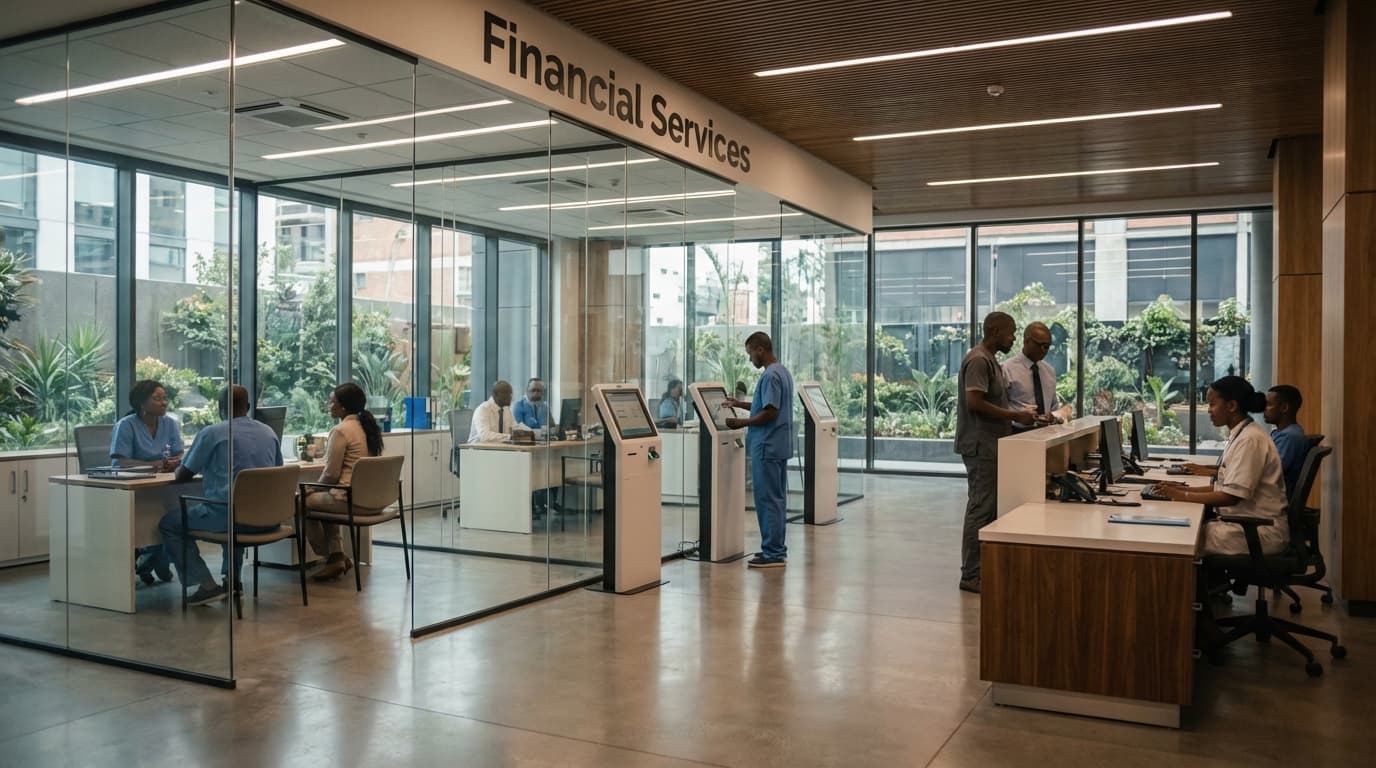
Medical Equipment Financing in Burundi
Engineering Excellence & Technical Support
Leasing and financing solutions for medical equipment High-standard technical execution following OEM protocols and local regulatory frameworks.
Accessible Capital for Essential Medical Technology
We offer flexible financing solutions specifically tailored for Burundian healthcare providers to acquire critical medical equipment, from diagnostic tools to life-saving machinery, without the upfront capital burden.
Streamlined Application & Approval Process
Our dedicated team provides a simplified and efficient application process, ensuring timely approvals to get your vital medical equipment operational faster, directly impacting patient care.
Competitive Rates & Tailored Repayment Plans
Benefit from competitive interest rates and flexible repayment schedules designed to align with the revenue cycles of Burundian healthcare facilities, promoting sustainable growth and service expansion.
What Is Medical Equipment Financing In Burundi?
Medical Equipment Financing in Burundi refers to the provision of capital, typically through loans or leasing arrangements, specifically for the acquisition, upgrade, or maintenance of medical apparatus and instruments by healthcare providers and institutions within Burundi. This financial service addresses the significant capital expenditure required for modern medical technology, enabling Burundian healthcare entities to enhance their diagnostic, therapeutic, and patient care capabilities. The process generally involves a financial institution assessing the creditworthiness of the applicant and the economic viability of the equipment, then structuring a repayment plan based on the equipment's lifespan and projected revenue generation or cost savings.
| Who Needs Medical Equipment Financing? | Typical Use Cases | |||
|---|---|---|---|---|
| Public Hospitals and Clinics: To equip or upgrade facilities, expand service offerings, and address national health priorities. | Acquisition of diagnostic imaging equipment (X-ray, Ultrasound, CT scanners). | Procurement of surgical instruments and operating room technology. | Installation of laboratory equipment for testing and analysis. | Expansion of intensive care unit (ICU) capabilities. |
| Private Healthcare Providers (Clinics, Hospitals, Diagnostic Centers): To gain a competitive edge, attract more patients, and improve the quality of care. | Purchase of advanced medical devices for specialized procedures (e.g., endoscopy, cardiology). | Upgrading patient monitoring systems and life support equipment. | Acquisition of dental equipment and related technologies. | Investing in physiotherapy and rehabilitation apparatus. |
| Non-Governmental Organizations (NGOs) and Faith-Based Organizations: Operating healthcare facilities in underserved areas, requiring access to affordable financing for essential equipment. | Deployment of basic medical supplies and equipment in rural health posts. | Establishing mobile clinics with necessary diagnostic tools. | Funding for specialized medical camps and outreach programs. | |
| Medical Training Institutions: To provide students with hands-on experience using modern medical technology. | Equipping simulation labs and teaching hospitals. | Acquisition of anatomical models and diagnostic training equipment. |
Key Components of Medical Equipment Financing in Burundi:
- Loan Facilities: Direct lending for the purchase of medical equipment, with terms varying based on the asset's value, depreciation schedule, and the borrower's financial standing.
- Leasing Agreements: Allowing institutions to utilize equipment for a specified period with periodic payments, often including maintenance and upgrade options, without outright ownership.
- Vendor Financing: Partnerships between financial institutions and medical equipment suppliers to offer integrated financing solutions at the point of sale.
- Working Capital Loans: Funds that may be used in conjunction with equipment financing to cover associated costs such as installation, training, and initial operational expenses.
- Refinancing Options: Enabling existing equipment owners to restructure their debt or access capital by leveraging their current assets.
Who Needs Medical Equipment Financing In Burundi?
Medical equipment financing in Burundi is crucial for a range of healthcare providers and institutions striving to offer quality patient care and expand their services. The demand for modern, reliable medical equipment is high, but the initial capital outlay can be a significant barrier. Financing solutions bridge this gap, enabling the acquisition of essential diagnostic tools, treatment machinery, and supportive healthcare infrastructure. This allows for improved diagnostics, more effective treatments, and enhanced patient outcomes across the nation.
| Customer Type | Key Departments/Needs | Impact of Financing |
|---|---|---|
| Public Hospitals and Clinics | Emergency Room, Intensive Care Unit (ICU), Radiology (X-ray, Ultrasound), Laboratory, Surgery, Maternity | Upgrading outdated equipment, expanding capacity for critical care, improving diagnostic accuracy, reducing patient wait times. |
| Private Hospitals and Clinics | Operating Theaters, Imaging Departments, Cardiology, Oncology, Physiotherapy, Dental | Acquiring advanced specialized equipment, enhancing service offerings to compete, providing access to newer treatment modalities. |
| NGOs with Healthcare Programs | Maternal and Child Health, Infectious Disease Control, Primary Healthcare Outreach, Mobile Clinics | Procuring portable diagnostic devices, essential surgical kits, and equipment for remote service delivery. |
| Diagnostic Laboratories | Hematology, Biochemistry, Microbiology, Histopathology, Molecular Diagnostics | Investing in automated analyzers, advanced microscopes, and equipment for complex testing to improve diagnostic speed and precision. |
| Specialty Medical Centers | Cardiac Catheterization Labs, Endoscopy Units, Dialysis Centers, Physiotherapy Rehabilitation Centers | Acquiring highly specialized and often expensive equipment to provide focused, advanced care within their respective fields. |
| Rural Health Posts and Community Health Centers | Basic Diagnostics (e.g., malaria testing, blood pressure monitoring), Minor Surgical Procedures, Vaccination Equipment | Enabling the provision of essential primary healthcare services in underserved areas by acquiring fundamental medical tools. |
| Medical Training Institutions | Simulation Labs, Anatomy Dissection Rooms, Clinical Skills Training Facilities | Providing students with hands-on experience using modern medical equipment, thus producing better-trained healthcare professionals. |
| Individual Medical Practitioners | Specialized Diagnostic Tools (e.g., EKG machines, portable ultrasounds), Specific Treatment Equipment | Enabling independent practitioners to invest in equipment that supports their niche practice and enhances patient consultation and treatment. |
Target Customers for Medical Equipment Financing in Burundi
- Public Hospitals and Clinics
- Private Hospitals and Clinics
- Non-Governmental Organizations (NGOs) with Healthcare Programs
- Diagnostic Laboratories
- Specialty Medical Centers (e.g., maternity, cardiology)
- Rural Health Posts and Community Health Centers
- Medical Training Institutions
- Individual Medical Practitioners (for specialized equipment)
Medical Equipment Financing Process In Burundi
The medical equipment financing process in Burundi, while subject to specific institutional policies, generally follows a structured workflow to ensure due diligence and responsible allocation of funds. This process typically begins with an initial inquiry from a healthcare provider or institution seeking to acquire medical equipment. The subsequent steps involve a thorough assessment of the request, the borrower's financial standing, the viability of the project, and the equipment itself, culminating in the disbursement of funds and asset management.
| Stage | Description | Key Activities | Responsible Parties |
|---|---|---|---|
| Inquiry and Initial Contact | The healthcare provider expresses interest in financing medical equipment. | Submitting a formal inquiry, preliminary discussion of needs. | Healthcare Provider, Financial Institution/Lender |
| Needs Assessment and Equipment Specification | Detailed understanding of the required equipment and its intended use. | Defining equipment type, quantity, technical specifications, and justification. | Healthcare Provider, Equipment Suppliers, Financial Institution/Lender |
| Financial and Creditworthiness Assessment | Evaluating the borrower's ability to repay the financing. | Reviewing financial statements, credit history, projections, and collateral (if any). | Financial Institution/Lender, Credit Analysts |
| Technical and Operational Feasibility Study | Assessing the suitability and sustainability of the equipment in the healthcare setting. | Evaluating existing infrastructure, staff training needs, maintenance plans, and potential impact on service delivery. | Financial Institution/Lender, Technical Experts, Healthcare Provider |
| Proposal Submission and Due Diligence | Formal presentation of the financing request and thorough investigation. | Submitting detailed proposal, site visits, verification of documents, risk assessment. | Healthcare Provider, Financial Institution/Lender, Legal Counsel |
| Loan/Lease Agreement and Documentation | Formalizing the financing terms and conditions. | Drafting and signing of loan/lease agreements, security documents, and other legal requirements. | Financial Institution/Lender, Legal Counsel, Healthcare Provider |
| Procurement and Delivery | Acquisition of the specified medical equipment. | Selecting and contracting with reputable suppliers, overseeing import/transportation. | Healthcare Provider, Equipment Suppliers, Financial Institution/Lender (oversight) |
| Disbursement and Installation | Transfer of funds and setting up of the equipment. | Making payments to suppliers, coordinating installation and initial testing. | Financial Institution/Lender, Healthcare Provider, Equipment Suppliers |
| Monitoring and Repayment/Lease Management | Ongoing tracking of the financing and asset performance. | Regular review of financial performance, equipment utilization, and adherence to agreement terms. Collection of payments. | Financial Institution/Lender, Healthcare Provider |
| Asset Management and End-of-Term | Management of the equipment throughout its lifecycle and at the end of the financing term. | Ensuring proper maintenance, tracking asset value, and managing options like purchase, return, or renewal. | Healthcare Provider, Financial Institution/Lender |
Key Stages of the Medical Equipment Financing Process in Burundi
- Inquiry and Initial Contact
- Needs Assessment and Equipment Specification
- Financial and Creditworthiness Assessment
- Technical and Operational Feasibility Study
- Proposal Submission and Due Diligence
- Loan/Lease Agreement and Documentation
- Procurement and Delivery
- Disbursement and Installation
- Monitoring and Repayment/Lease Management
- Asset Management and End-of-Term
Medical Equipment Financing Cost In Burundi
Financing medical equipment in Burundi involves a complex interplay of factors that influence costs, often denominated in local currency (Burundian Franc - BIF). The pricing of medical equipment itself is a primary driver, heavily impacted by import duties, taxes, shipping, and the supplier's markup. Financing costs are then layered on top of this equipment price. These financing costs are largely determined by interest rates offered by financial institutions, the loan tenure, and any associated fees. The general economic climate, inflation rates, and the perceived risk associated with lending in Burundi also play significant roles. For instance, higher inflation can lead to higher interest rates as lenders seek to protect the real value of their returns. Currency fluctuations can also be a factor, especially if equipment is priced in foreign currencies, requiring borrowers to account for potential exchange rate losses.
| Financing Type | Estimated Interest Rate Range (Annual) | Typical Fees (%) | Potential Loan Tenure (Years) |
|---|---|---|---|
| Bank Loans (Secured) | 12% - 18% | 1% - 3% (processing, appraisal) | 3 - 7 |
| Leasing Agreements | 15% - 22% (effective cost) | 2% - 5% (documentation, initiation) | 2 - 5 |
| Microfinance Institutions (Smaller Loans/Equipment) | 20% - 35% | 3% - 7% (variable, can be higher) | 1 - 3 |
| Equipment Supplier Financing (if available) | Negotiable (often bundled with equipment price, can be higher than bank rates) | Varies widely | 1 - 5 |
Key Pricing Factors for Medical Equipment Financing in Burundi
- Equipment Purchase Price (including import duties, taxes, shipping)
- Interest Rates (determined by central bank policy, inflation, and lender risk assessment)
- Loan Tenure (longer terms generally mean higher total interest paid)
- Administrative and Processing Fees (charged by financial institutions)
- Collateral Requirements (may influence loan terms and fees)
- Currency Exchange Rate Fluctuations (if equipment is priced in foreign currency)
- Inflation Rate (impacts the real cost of borrowing)
- Lender's Risk Premium (higher perceived risk leads to higher rates)
Affordable Medical Equipment Financing Options
Acquiring necessary medical equipment is crucial for providing quality patient care, but the upfront costs can be a significant barrier for many healthcare providers, especially smaller practices and emerging facilities. Fortunately, a range of affordable financing options are available. These solutions are designed to make essential medical technology accessible without jeopardizing financial stability. Understanding value bundles and implementing effective cost-saving strategies can further enhance affordability, ensuring that your investment in equipment yields maximum return and benefits your patients.
| Value Bundles: Maximizing Your Investment | Description | Cost-Saving Strategies |
|---|---|---|
| Bundled Equipment Packages | Manufacturers and distributors often offer packages that combine multiple pieces of equipment or related services (like installation, training, and maintenance) at a discounted price compared to purchasing items individually. | Negotiate Bundled Pricing: Always inquire about package deals when purchasing multiple items. Understand what is included and if customization is possible to avoid paying for unnecessary components. |
| Service and Maintenance Contracts | Included warranties, preventative maintenance plans, and on-site service agreements bundled with equipment can reduce the risk of unexpected repair costs and downtime. These can often be negotiated into the financing. | Compare Service Plans: Evaluate the cost versus the benefits. Sometimes, a longer warranty or a comprehensive service plan bundled with a lease can be more economical than paying for repairs out-of-pocket. |
| Software and Training Integration | Some bundles include software licenses, data management solutions, and initial staff training, which are critical for effective equipment utilization. | Leverage Included Training: Maximize the value of included training sessions to ensure your staff is proficient, reducing errors and improving efficiency. |
| Refurbished or Pre-Owned Equipment | While not always a 'bundle' in the traditional sense, purchasing certified refurbished or gently used equipment from reputable suppliers can significantly reduce acquisition costs while still offering warranties. | Thorough Due Diligence: Research suppliers for refurbished equipment carefully. Ensure they offer certifications and solid warranties. This can be a substantial cost-saving strategy for non-critical or less frequently used items. |
| Consumables and Accessories | Some financing arrangements or bundles may include an initial stock of essential consumables or accessories needed to operate the equipment. | Bulk Purchasing Power: For consumables not included in bundles, explore bulk purchasing or negotiating with preferred suppliers for ongoing cost reductions. |
Affordable Medical Equipment Financing Options
- Leasing: A popular choice where you rent equipment for a set period, often with options to purchase at the end. This provides access to the latest technology with lower upfront costs and predictable monthly payments.
- Equipment Loans: Traditional loans specifically for purchasing medical equipment. These can offer ownership of the asset from the start but typically require a down payment and a good credit history.
- Operating Leases: Similar to traditional leases, but the equipment is returned at the end of the term, allowing for easier upgrades to newer models. This is beneficial for rapidly evolving technology.
- Finance Leases: These are essentially conditional sales agreements where the lease payments cover the full cost of the equipment over the lease term, culminating in ownership.
- Sale-Leaseback: If you already own equipment outright, you can sell it to a leasing company and then lease it back. This provides immediate capital to reinvest in your practice.
- Government Grants and Programs: Explore federal, state, and local grants, as well as programs from organizations like the Small Business Administration (SBA), which may offer low-interest loans or grants for healthcare providers.
- Vendor Financing: Many medical equipment manufacturers and distributors offer in-house financing or partner with lenders to provide tailored financing solutions to their customers.
Verified Providers In Burundi
In Burundi's evolving healthcare landscape, discerning the quality and reliability of medical providers is paramount. Franance Health stands out as a beacon of trust and excellence, meticulously vetting and credentialing healthcare professionals. This rigorous process ensures that patients seeking care in Burundi have access to highly qualified, ethical, and competent practitioners. Understanding Franance Health's credentialing process and the benefits it offers reveals why their verified providers are undeniably the best choice for your health needs.
| Benefit of Choosing Franance Health Verified Providers | Why it Matters for Patients in Burundi |
|---|---|
| Assured Quality of Care: Providers have met stringent standards for education, experience, and competence. | Reduces the risk of receiving substandard or incorrect medical treatment, leading to better health outcomes. |
| Enhanced Patient Safety: Rigorous background checks and ethical reviews minimize the risk of encountering unqualified or unethical practitioners. | Provides peace of mind and a secure healthcare experience, especially for individuals unfamiliar with the local medical system. |
| Access to Up-to-Date Medical Practices: Commitment to continuous professional development ensures providers utilize the latest medical advancements. | Patients benefit from the most effective and evidence-based treatments available, improving recovery times and overall well-being. |
| Trustworthy and Reliable Network: Franance Health's verification acts as a seal of approval, simplifying the search for quality healthcare. | Saves patients time and reduces stress associated with finding a reputable doctor or facility in Burundi. |
| Focus on Patient-Centered Care: Consideration of patient feedback highlights providers who prioritize empathy and effective communication. | Leads to a more positive and supportive healthcare journey, where patient concerns are heard and addressed. |
Franance Health's Credentialing Process: A Deep Dive
- Comprehensive Verification of Qualifications: Franance Health meticulously checks educational degrees, licenses, and certifications from recognized institutions. This ensures that practitioners possess the fundamental knowledge and legal authorization to practice medicine.
- Experience and Competency Assessment: Beyond formal qualifications, Franance Health evaluates the practical experience and clinical skills of providers. This may involve peer reviews, competency-based assessments, and a review of their professional history.
- Background Checks and Ethical Conduct Review: Patient safety is paramount. Franance Health conducts thorough background checks and scrutinizes a provider's disciplinary history to ensure they adhere to the highest ethical standards and have no history of malpractice or misconduct.
- Continuous Professional Development Monitoring: The medical field is constantly advancing. Franance Health requires and monitors ongoing training and continuing medical education (CME) to ensure their providers remain up-to-date with the latest medical practices and technologies.
- Patient Feedback and Satisfaction Integration: While not solely determinative, Franance Health also considers patient feedback and satisfaction scores as part of their ongoing evaluation, ensuring providers are not only skilled but also provide compassionate and patient-centered care.
Scope Of Work For Medical Equipment Financing
This Scope of Work (SOW) outlines the technical deliverables and standard specifications required for Medical Equipment Financing. It details the essential technical aspects that must be considered and documented to ensure the successful financing, procurement, installation, and operationalization of medical equipment. The aim is to provide a clear framework for both the financing institution and the healthcare provider, ensuring alignment on technical capabilities, performance standards, and long-term viability of the financed assets.
| Category | Standard Specification/Requirement | Description | Verification Method |
|---|---|---|---|
| Performance | Minimum Performance Metrics (e.g., accuracy, throughput, resolution) | Quantifiable benchmarks the equipment must consistently achieve. | Factory acceptance testing, site acceptance testing, documented performance reports. |
| Reliability | Mean Time Between Failures (MTBF) / Mean Time To Repair (MTTR) | Expected operational uptime and repair efficiency. | Manufacturer's historical data, service records, independent testing. |
| Safety | Compliance with relevant medical device safety standards (e.g., IEC 60601 series) | Ensures the equipment operates safely for patients and operators. | Certification marks, independent safety audits, test reports. |
| Interoperability | Compatibility with existing IT infrastructure (e.g., EMR/EHR systems, PACS) | Ability to exchange data seamlessly with other hospital systems. | Interface specifications, integration testing, vendor confirmation. |
| Power Requirements | Voltage, frequency, and power consumption specifications | Ensures compatibility with facility power infrastructure. | Equipment nameplate, technical documentation, site survey. |
| Environmental Conditions | Operating temperature, humidity, and ventilation requirements | Ensures optimal and safe equipment operation within the clinical environment. | Manufacturer's specifications, site assessment. |
| Consumables and Accessories | Availability and compatibility of required consumables and accessories | Ensures ongoing operational capability. | Manufacturer's list, supply chain verification, cost analysis. |
| Serviceability | Availability of local or regional service and support | Minimizes downtime and ensures timely maintenance. | Manufacturer's service network map, service level agreements (SLAs). |
| Upgradability | Potential for software/hardware upgrades to extend lifespan and functionality | Allows for future enhancements without full equipment replacement. | Manufacturer's upgrade roadmap, future-proofing analysis. |
Key Technical Deliverables
- Detailed Equipment Specifications (Technical Data Sheets, Brochures, Performance Metrics)
- Manufacturer's Warranty and Service Agreements
- Installation and Commissioning Reports
- User Manuals and Training Materials
- Maintenance and Calibration Schedules
- Compliance Certificates (e.g., CE Marking, FDA Approval, ISO Standards)
- Software and Firmware Documentation
- Integration Capabilities Documentation (if applicable)
- End-of-Life and Disposal Plans
Service Level Agreement For Medical Equipment Financing
This Service Level Agreement (SLA) outlines the response times and uptime guarantees for the maintenance and support of medical equipment financed through [Your Company Name]. This SLA is an integral part of the Master Equipment Financing Agreement between [Your Company Name] and the Client.
| Equipment Type | Guaranteed Uptime | Response Time (for Critical Issues) | Target Resolution Time (for Critical Issues) |
|---|---|---|---|
| Critical Equipment | 99.5% Uptime (excluding scheduled maintenance) | 4 Business Hours | 24 Business Hours |
| Routine Equipment | 98.0% Uptime (excluding scheduled maintenance) | 8 Business Hours | 48 Business Hours |
Definitions
- Uptime: The percentage of time the medical equipment is fully operational and available for use, excluding scheduled maintenance and agreed-upon downtime.
- Downtime: The period during which the medical equipment is not operational or available for use due to malfunctions, failures, or necessary repairs.
- Response Time: The maximum time from the moment a support request is officially logged until a qualified technician begins actively working on resolving the issue.
- Resolution Time: The maximum time from the moment a support request is officially logged until the issue is resolved and the equipment is returned to full operational status.
- Critical Equipment: Equipment designated as essential for patient care and operations, where any downtime significantly impacts critical patient services. (List of Critical Equipment to be appended or referenced in Schedule A).
- Routine Equipment: All other financed medical equipment not classified as Critical.
Frequently Asked Questions

Ready when you are
Let's scope your Medical Equipment Financing in Burundi project in Burundi.

Scaling healthcare logistics and technical systems across the entire continent.