
Renal Solutions in Burundi
Engineering Excellence & Technical Support
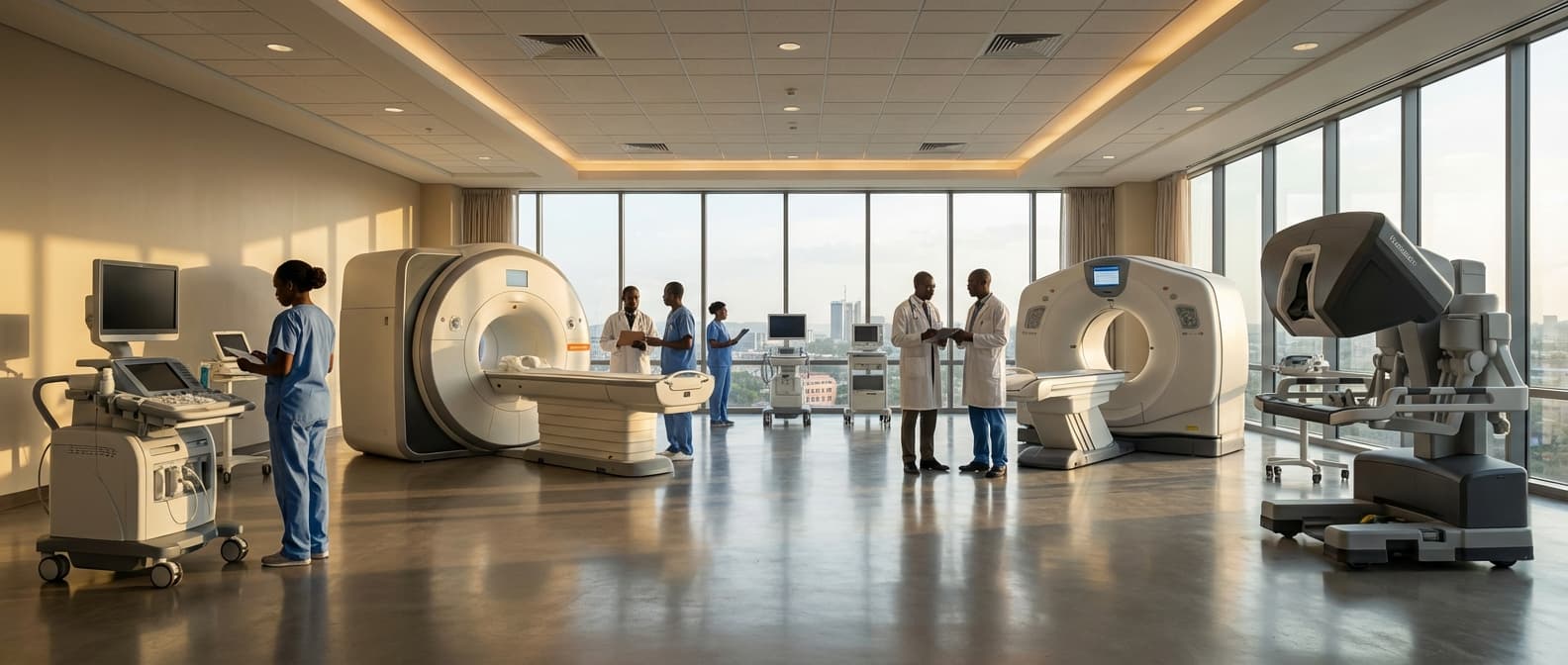
Complete dialysis systems and renal care equipment designed to deliver safe, effective, and patient-centered kidney treatment. High-standard technical execution following OEM protocols and local regulatory frameworks.
Expanded Dialysis Capacity
Renal Solutions has successfully doubled the dialysis machine capacity at the Bujumbura Central Hospital, significantly reducing patient wait times and enabling more individuals to access life-sustaining hemodialysis treatment.
Advanced Nephrology Training Program
Through a partnership with international experts, Renal Solutions has implemented a comprehensive training program for Burundian medical professionals, enhancing their skills in diagnosing and managing chronic kidney disease and acute kidney injury.
State-of-the-Art Diagnostic Hub
Renal Solutions has established a dedicated diagnostic hub equipped with advanced laboratory and imaging technology, providing crucial early detection and precise monitoring capabilities for kidney-related conditions across the region.
What Is Renal Solutions In Burundi?
Renal Solutions in Burundi refers to the provision of services and interventions aimed at diagnosing, managing, and treating kidney diseases (renal diseases) within the Burundian healthcare system. These services encompass a spectrum of medical care, from early detection and prevention to advanced treatment modalities, often operating within resource-constrained environments. The ultimate goal is to improve the quality of life for individuals suffering from kidney ailments and reduce the burden of these diseases on the population and healthcare infrastructure.
| Target Population | Typical Use Cases |
|---|---|
| Individuals with Diabetes Mellitus: A significant risk factor for chronic kidney disease (CKD). | Screening for early signs of diabetic nephropathy, management of proteinuria, and blood glucose control to prevent renal complications. |
| Individuals with Hypertension: Another major contributor to CKD. | Regular blood pressure monitoring, antihypertensive medication management, and assessment of renal function in hypertensive patients. |
| Patients Presenting with Symptoms of Kidney Dysfunction: Such as edema, fatigue, changes in urination patterns, and flank pain. | Diagnostic workup to identify the cause and stage of kidney disease, followed by appropriate medical or RRT. |
| Individuals with a Family History of Kidney Disease: Indicating a genetic predisposition. | Proactive monitoring and counseling regarding lifestyle modifications and early detection strategies. |
| Patients with Autoimmune Diseases: Such as Systemic Lupus Erythematosus (SLE), which can affect the kidneys. | Management of lupus nephritis and other autoimmune-related kidney conditions. |
| Individuals with Acute Kidney Injury (AKI): Resulting from infections, dehydration, nephrotoxic agents, or trauma. | Urgent diagnosis, fluid management, removal of offending agents, and provision of temporary dialysis if necessary. |
| Patients with End-Stage Renal Disease (ESRD): Requiring definitive renal replacement therapy. | Initiation and ongoing management of hemodialysis or peritoneal dialysis, and evaluation for kidney transplantation (if a transplant program is available). |
| Public Health Sector: Aiming to reduce the overall burden of kidney disease. | Implementation of national screening programs, public awareness campaigns on kidney health, and policy development for improved access to renal care. |
Key Components of Renal Solutions in Burundi
- Diagnostic Services: This includes laboratory tests (e.g., serum creatinine, BUN, urinalysis, estimated Glomerular Filtration Rate - eGFR), imaging studies (e.g., renal ultrasound), and kidney biopsy when indicated, to accurately identify and stage kidney disease.
- Medical Management: This involves the pharmacologic and non-pharmacologic management of underlying causes of kidney disease (e.g., hypertension, diabetes mellitus) and the direct treatment of renal pathologies.
- Renal Replacement Therapy (RRT): For individuals with end-stage renal disease (ESRD), this includes dialysis (hemodialysis and peritoneal dialysis) and, where feasible, kidney transplantation.
- Preventive Strategies: Public health initiatives and patient education focused on risk factor modification (dietary changes, lifestyle adjustments) to prevent the onset or progression of kidney disease.
- Specialized Personnel Training: Development and retention of nephrologists, nurses, and technicians skilled in renal care within Burundi.
- Infrastructure Development: Establishment and maintenance of dedicated renal units, dialysis centers, and associated laboratory facilities.
Who Needs Renal Solutions In Burundi?
In Burundi, access to effective and affordable renal solutions is a critical need for a growing population facing the burden of kidney disease. These solutions encompass a range of medical services, equipment, and pharmaceuticals aimed at diagnosing, treating, and managing chronic and acute kidney conditions. The demand for such services is driven by factors like the increasing prevalence of hypertension and diabetes, common precursors to kidney failure, as well as improved diagnostic capabilities leading to earlier detection.
| Customer Segment | Specific Needs | Relevant Departments/Institutions |
|---|---|---|
| Patients with diagnosed CKD (Stages 1-5) | Regular monitoring, medication management, potential dialysis | Nephrology, Internal Medicine, Dialysis Centers, Pharmacies |
| Patients requiring dialysis | Access to safe and functional dialysis machines, skilled technicians, dialysate, consumables | Dialysis Centers (Hemodialysis, Peritoneal Dialysis), Medical Equipment Suppliers |
| Patients with Acute Kidney Injury (AKI) | Urgent diagnosis, critical care, temporary dialysis if needed | Emergency Departments, Intensive Care Units (ICUs), Nephrology, Dialysis Centers |
| Diabetic Patients | Kidney function screening, early intervention for diabetic nephropathy | Diabetology Clinics, Nephrology, Diagnostic Laboratories |
| Hypertensive Patients | Blood pressure monitoring, assessment of kidney impact | Cardiology, Internal Medicine, Nephrology |
| Potential Kidney Transplant Candidates/Recipients | Pre-transplant evaluation, surgical services, post-transplant care, immunosuppressants | Nephrology, Urology, Surgical Departments, Pharmacies |
| Healthcare Facilities (Public & Private) | Equipment procurement, maintenance, staff training, access to specialized treatments | Ministry of Health, Procurement Departments, Medical Equipment Suppliers, Training Institutions |
| NGOs and International Organizations | Partnerships for program development, funding, technical expertise, donation of resources | Ministry of Health, Project Management Offices, Healthcare Providers |
Target Customers and Departments for Renal Solutions in Burundi
- {"items":["Individuals suffering from Chronic Kidney Disease (CKD)","Patients with Acute Kidney Injury (AKI)","Diabetic patients requiring kidney health monitoring","Hypertensive patients at risk of kidney damage","Patients awaiting or undergoing kidney transplantation","Families of renal patients requiring support and education","Local and international NGOs focused on healthcare access","Government health ministries and agencies"],"title":"Target Customers"}
- {"items":["Nephrology Departments","Dialysis Centers (Hemodialysis & Peritoneal Dialysis)","Internal Medicine Departments","Cardiology Departments (often linked to hypertension management)","Diabetology Clinics","Urology Departments (for certain kidney-related conditions)","Surgical Departments (for transplantation)","Diagnostic Laboratories (for blood and urine tests)","Pharmacies and Pharmaceutical Suppliers","Medical Equipment Suppliers","Public Health Facilities (Hospitals and Clinics)","Private Healthcare Providers","Non-Governmental Organizations (NGOs) and Charities"],"title":"Key Departments and Stakeholders"}
Renal Solutions Process In Burundi
This document outlines the typical workflow for Renal Solutions processes in Burundi, from the initial inquiry to the final execution of services. Renal Solutions, in this context, refers to the provision of services and support related to kidney health and dialysis, often facilitated by government programs, NGOs, or specialized healthcare providers. The process is designed to ensure patients receive timely and appropriate care, manage resources effectively, and maintain accurate records.
| Stage | Description | Key Activities | Responsible Parties | Documentation |
|---|---|---|---|---|
| The initial point of contact for a patient seeking renal services. | Patient inquiry, initial data collection, eligibility screening, patient registration in the system. | Healthcare facility reception, patient registrars, community health workers (for outreach). | Patient registration form, initial intake questionnaire. |
| Comprehensive evaluation to confirm kidney disease and its stage. | Medical history review, physical examination, laboratory tests (e.g., creatinine, urea, electrolytes, urinalysis), imaging (e.g., ultrasound), specialist consultation (nephrologist). | General practitioners, nurses, laboratory technicians, radiologists, nephrologists. | Patient medical chart, diagnostic reports, specialist referral notes. |
| Developing a personalized treatment strategy and securing necessary resources. | Discussion of treatment options (e.g., dialysis modalities, transplantation, conservative management), patient and family counseling, resource assessment (e.g., dialysis machine availability, consumables, trained staff), referral to specialized centers if needed. | Nephrologists, nurses, social workers, clinic administrators. | Treatment plan document, referral letters, resource request forms. |
| The actual delivery of renal care services. | Dialysis sessions (hemodialysis or peritoneal dialysis), fistula/catheter care, medication administration, patient education on self-care, preparation for potential transplant surgery. | Dialysis nurses, nephrologists, surgeons (for access procedures), pharmacists. | Dialysis treatment records, medication administration logs, procedure notes. |
| Ongoing evaluation of treatment effectiveness and patient well-being. | Regular clinical check-ups, periodic laboratory monitoring, assessment of treatment adherence, management of complications, patient support groups. | Nurses, nephrologists, dietitians, psychologists. | Follow-up visit notes, updated laboratory reports, patient progress charts. |
| Systematic collection, storage, and analysis of patient and service data. | Data entry into electronic health records (EHR) or paper-based systems, data quality checks, generation of statistical reports (e.g., patient demographics, treatment outcomes, resource utilization), reporting to relevant ministries or organizations. | Data entry clerks, IT support, monitoring and evaluation officers, program managers. | EHR system, statistical databases, periodic reports. |
| Handling of costs associated with renal care and processing of payments. | Cost tracking, invoicing, verification of insurance coverage or government subsidies, claims processing, payment collection, budget management. | Finance officers, billing departments, insurance coordinators, government health financing agencies. | Invoices, payment receipts, reimbursement claims, financial reports. |
Renal Solutions Process Workflow in Burundi
- Inquiry and Registration
- Initial Assessment and Diagnosis
- Treatment Planning and Resource Allocation
- Service Provision/Execution
- Monitoring and Follow-up
- Data Management and Reporting
- Financial Management and Reimbursement
Renal Solutions Cost In Burundi
Renal solutions, crucial for dialysis treatment, can vary significantly in cost in Burundi due to several factors. These factors include the type and brand of the solution, the volume required per treatment, the specific clinic or hospital providing the service, and the availability of imported versus locally sourced components (though truly 'local' renal solutions are rare, the sourcing and import duties play a role). The pricing is primarily determined in the local currency, the Burundian Franc (BIF). The fluctuating exchange rate for the US Dollar (USD) and Euro (EUR), which are often the base currencies for imported medical supplies, also impacts the final BIF price.
| Item/Service | Estimated Range (BIF per unit) | Notes |
|---|---|---|
| Standard Dialysate Solution (per liter/bag for hemodialysis) | 35,000 - 70,000 BIF | This is a broad estimate and depends heavily on the brand and concentration. Bags are typically 1L or 2L. Peritoneal dialysis solutions might differ. |
| Concentrated Dialysate Concentrate (for mixing) | 150,000 - 300,000 BIF | This would be for a larger volume concentrate that is then diluted to create the final dialysate. Often used in larger dialysis centers. |
| Peritoneal Dialysis Solution (per bag, typical 2L) | 60,000 - 120,000 BIF | Peritoneal dialysis solutions are often packaged in larger volumes and can be more expensive per unit than some hemodialysis concentrates. |
| Associated Consumables (needles, tubing sets - often bundled) | Varies widely | These are separate costs but integral to the dialysis process. Bundling with solution might occur. |
| Dialysis Session Fee (including solution and consumables) | 150,000 - 350,000 BIF per session | This is a comprehensive estimate and includes the cost of the renal solution, other disposables, and the clinic's service fee. This is the most common way patients or insurers would encounter the cost. |
Key Pricing Factors for Renal Solutions in Burundi
- Type of Dialysate Solution (e.g., bicarbonate, acetate, specialized formulations)
- Concentration and Volume per Bag/Container
- Brand and Manufacturer (often imported)
- Clinic/Hospital Markup and Operational Costs
- Import Duties, Taxes, and Logistics
- Availability and Supply Chain Stability
- Exchange Rate Fluctuations (USD/EUR to BIF)
Affordable Renal Solutions Options
Navigating kidney disease management often involves significant healthcare expenses. Fortunately, various affordable renal solutions are available, focusing on cost-saving strategies and value bundles. These options aim to make treatment more accessible and sustainable for individuals facing chronic kidney disease (CKD) and end-stage renal disease (ESRD).
| Strategy/Solution | Description | Potential Cost Savings |
|---|---|---|
| Value Bundles | Integrated care packages combining multiple services at a single price. | Reduced overall healthcare expenditure due to bundled pricing and streamlined care. |
| Generic Medications | Off-patent versions of brand-name drugs. | Significant savings on prescription drug costs (often 50-85% cheaper). |
| Home Dialysis Training & Support | Learning to perform dialysis at home (PD or home HD). | Lower long-term costs compared to in-center dialysis, reduced travel expenses. |
| Preventive Care | Managing diabetes, hypertension, and promoting healthy lifestyle. | Avoids or delays the need for costly treatments like dialysis or transplant. |
| Medicare/Medicaid | Government insurance programs. | Extensive coverage for kidney disease patients, significantly reducing out-of-pocket expenses. |
| Patient Assistance Programs | Financial and resource support from non-profits and manufacturers. | Helps cover medication, treatment, and travel costs. |
| Negotiating with Providers | Discussing payment plans and potential discounts. | Reduced direct costs for services rendered. |
| Renal Diet & Counseling | Specialized diet to manage kidney disease. | May reduce medication needs and slow disease progression, leading to lower long-term costs. |
| Telehealth/Remote Monitoring | Virtual doctor visits and remote health tracking. | Reduced travel time and costs, potentially fewer in-person appointments. |
Key Affordable Renal Solutions and Strategies
- Value Bundles: These are integrated care packages that combine multiple services into a single, often discounted, price. They can encompass doctor's visits, lab work, medications, and even dialysis treatments. The goal is to provide comprehensive care while streamlining costs and improving patient outcomes through coordinated efforts.
- Generic Medications: For many of the drugs used to manage CKD (e.g., erythropoiesis-stimulating agents, phosphate binders, blood pressure medications), generic versions are significantly cheaper than their brand-name counterparts. Always inquire with your doctor and pharmacist about available generic options.
- Home Dialysis Training and Support: While requiring an initial investment in training and equipment, home dialysis (peritoneal dialysis or home hemodialysis) can be more cost-effective in the long run compared to in-center hemodialysis. It eliminates travel costs, allows for greater flexibility, and often leads to better health outcomes.
- Preventive Care and Early Intervention: Managing underlying conditions like diabetes and hypertension is crucial in preventing or slowing the progression of kidney disease. Focusing on lifestyle changes (diet, exercise) and regular check-ups can significantly reduce the need for more expensive treatments down the line.
- Medicare and Medicaid Coverage: These government programs provide substantial coverage for kidney disease patients, especially those with ESRD. Understanding your eligibility and benefits is paramount. Navigating the specifics of these programs, including supplemental insurance, can maximize cost savings.
- Non-profit Organizations and Patient Assistance Programs: Many organizations offer financial assistance, educational resources, and support services for individuals with kidney disease. These programs can help cover medication costs, travel expenses, and other healthcare-related needs.
- Negotiating with Providers: Don't hesitate to discuss costs with your healthcare providers and dialysis centers. In some cases, they may be willing to negotiate payment plans or offer discounted rates, especially for uninsured or underinsured patients.
- Dietary Management and Nutritional Counseling: A specialized renal diet can help manage symptoms, slow disease progression, and reduce the need for certain medications or more aggressive treatments. Working with a renal dietitian can identify cost-effective food choices that meet specific dietary needs.
- Telehealth and Remote Monitoring: For routine follow-ups and monitoring, telehealth appointments can reduce travel time and associated costs. Remote monitoring devices for blood pressure or glucose can also empower patients and reduce the frequency of in-person visits.
Verified Providers In Burundi
In Burundi's healthcare landscape, ensuring you are engaging with verified providers is paramount for receiving safe and effective medical care. Franance Health stands out as a premier choice, meticulously vetting its network of healthcare professionals and facilities. Their rigorous credentialing process guarantees that all affiliated providers meet stringent quality standards, possess the necessary licenses and certifications, and adhere to ethical medical practices. Choosing Franance Health means opting for a system built on trust, transparency, and a commitment to patient well-being. Their verification ensures that you are accessing skilled practitioners, modern facilities, and a healthcare experience that prioritizes your health and safety above all else.
| Verification Component | Franance Health Standard | Benefit to Patients |
|---|---|---|
| Medical Licenses & Certifications | Confirmed validity and current standing with relevant medical boards. | Ensures providers have the foundational knowledge and legal authorization to practice. |
| Educational Background | Verification of degrees, diplomas, and postgraduate training from accredited institutions. | Guarantees a strong academic and theoretical foundation in medical disciplines. |
| Professional Experience | Thorough review of past work history, including specialist training and clinical experience. | Confirms practical application of skills and expertise in real-world medical scenarios. |
| Reputation & Disciplinary Actions | Checks for any history of malpractice claims or disciplinary actions from regulatory bodies. | Safeguards against engagement with providers who have a questionable professional record. |
| Facility Accreditation | Ensures clinics and hospitals meet national and international standards for safety and quality. | Provides access to well-equipped, safe, and hygienic healthcare environments. |
| Commitment to Continuing Education | Encourages and monitors ongoing professional development to stay updated with medical advancements. | Ensures patients receive care informed by the latest medical knowledge and techniques. |
Why Franance Health is the Best Choice for Verified Providers in Burundi:
- Rigorous Vetting Process: Franance Health employs a comprehensive credentialing system to ensure all providers meet the highest standards of care.
- Licensed and Certified Professionals: All affiliated doctors, nurses, and specialists are fully licensed and hold recognized certifications in their respective fields.
- Adherence to Ethical Practices: Franance Health partners with providers committed to ethical medical conduct and patient-centered care.
- Quality Assured Facilities: Accredited clinics and hospitals within the Franance Health network maintain high standards of hygiene, equipment, and patient services.
- Enhanced Patient Safety: Verification reduces the risk of medical errors and ensures you receive care from qualified and trustworthy individuals.
- Peace of Mind: Knowing you are connected with verified providers offers reassurance and confidence in your healthcare journey.
Scope Of Work For Renal Solutions
This Scope of Work (SOW) outlines the technical deliverables and standard specifications for the Renal Solutions project. The project aims to develop and implement a comprehensive digital platform for managing renal care, encompassing patient data, treatment plans, appointment scheduling, and communication between healthcare providers and patients. This document details the specific technical outputs expected and the quality standards to be adhered to throughout the development lifecycle.
| Component | Standard Specification | Key Performance Indicators (KPIs) | Validation Method |
|---|---|---|---|
| Data Security and Privacy | Compliance with HIPAA, GDPR, and relevant local data protection regulations. Encryption of sensitive patient data at rest and in transit. Role-based access control. | Zero data breaches. 100% compliance with audit requirements. Data access logs reviewed quarterly. | Security audits, penetration testing, compliance checks. |
| System Performance and Scalability | Response time for critical operations (e.g., patient record retrieval) < 2 seconds. System capable of handling at least 10,000 concurrent users. Scalable architecture to accommodate future growth. | Average response time < 1.5 seconds. Peak load testing to confirm 10,000 concurrent users. Uptime > 99.9%. | Performance testing (load, stress, soak), architectural review. |
| User Interface (UI) and User Experience (UX) | Intuitive and user-friendly interface adhering to established design principles. WCAG 2.1 AA compliance for accessibility. Responsive design for various devices (desktops, tablets, mobile). | User satisfaction score > 85% based on UAT feedback. Navigation task completion rate > 95%. | Usability testing, heuristic evaluation, accessibility testing. |
| Interoperability | Adherence to HL7 FHIR standards for data exchange with other healthcare systems where applicable. Standardized API endpoints for integration. | Successful data exchange with designated external systems. API error rate < 0.1%. | Integration testing, API testing, HL7 conformance testing. |
| Reliability and Availability | Redundant infrastructure and robust error handling mechanisms. Regular backups and disaster recovery plan. Mean Time Between Failures (MTBF) > 10,000 hours. | System downtime < 1 hour per quarter. Successful completion of disaster recovery drills annually. | Monitoring logs, failover testing, backup/restore testing. |
| Maintainability | Well-documented code with clear coding standards. Modular design allowing for easy updates and bug fixes. Comprehensive test coverage (>80% unit test coverage). | Average time to resolve critical bugs < 24 hours. Ease of deploying updates within a defined maintenance window. | Code reviews, static code analysis, unit test reports. |
Technical Deliverables
- Requirement Specification Document
- System Architecture Design Document
- Database Schema Design
- User Interface (UI) Mockups and Prototypes
- Developed Software Modules (Frontend and Backend)
- Integrated System
- Test Plans and Test Cases
- User Acceptance Testing (UAT) Report
- Deployment Package
- Technical Documentation (API documentation, installation guides, configuration manuals)
- Training Materials for End-Users and Administrators
- Source Code Repository
Service Level Agreement For Renal Solutions
This Service Level Agreement (SLA) outlines the guaranteed response times and uptime for the Renal Solutions platform and its associated services. It is designed to ensure the reliable and efficient operation of the platform for all users.
| Service Component | Uptime Guarantee | Critical Incident Response Time | Major Incident Response Time | Minor Incident Response Time |
|---|---|---|---|---|
| Renal Solutions Platform Core Services (e.g., patient data access, treatment scheduling) | 99.9% | 15 minutes | 1 hour | 4 business hours |
| Reporting and Analytics Module | 99.5% | 30 minutes | 2 hours | 8 business hours |
| Integration with External EHR Systems (dependent on external system availability) | 99.0% | 30 minutes | 3 hours | 12 business hours |
| Customer Support Portal/Knowledge Base | 99.9% | 1 hour | 4 business hours | 1 business day |
Key Definitions
- Service Hours: The period during which Renal Solutions is contractually obligated to provide the defined levels of service. Typically, this will be 24 hours a day, 7 days a week, 365 days a year, unless otherwise specified.
- Downtime: Any period during which the Renal Solutions platform is unavailable to its intended users. Scheduled maintenance is excluded.
- Scheduled Maintenance: Pre-announced periods during which the Renal Solutions platform may be unavailable due to planned upgrades or maintenance activities. Customers will be notified of such maintenance at least 48 hours in advance.
- Critical Incident: An event that renders the Renal Solutions platform or a core functionality unusable, significantly impacting a large number of users or the overall operation of their healthcare facilities.
- Major Incident: An event that impairs a significant functionality of the Renal Solutions platform, affecting a substantial number of users but not rendering the entire system unusable.
- Minor Incident: An event that affects a limited number of users or a non-critical functionality of the Renal Solutions platform.
- Response Time: The maximum time allowed from the initial report of an incident to the first substantive contact by Renal Solutions support personnel, confirming receipt and initiating investigation.
- Resolution Time: The maximum time allowed from the initial report of an incident to the restoration of the service to its agreed-upon level. This may involve a workaround if a permanent fix is not immediately available.
Frequently Asked Questions

Ready when you are
Let's scope your Renal Solutions in Burundi project in Burundi.

Scaling healthcare logistics and technical systems across the entire continent.