
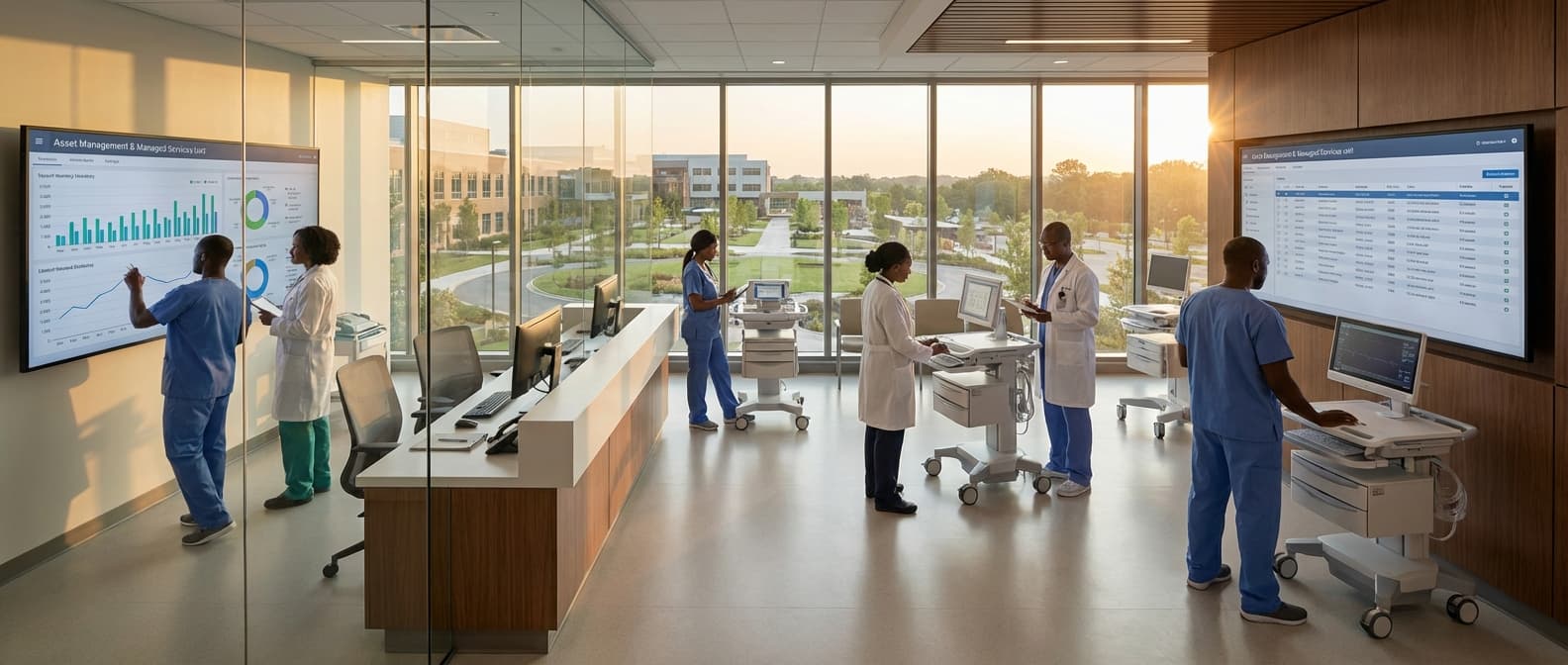
Equipment Fleet Standardization Consulting Service in Burundi
Engineering Excellence & Technical Support
Equipment Fleet Standardization Consulting Service High-standard technical execution following OEM protocols and local regulatory frameworks.
Optimized Fleet Utilization & Reduced Downtime
Leverage data analytics and our expertise to standardize your equipment fleet in Burundi. We identify underutilized assets, streamline maintenance schedules, and implement predictive maintenance strategies to minimize costly downtime and maximize operational efficiency across your projects.
Significant Cost Savings & Predictable Budgeting
Our standardization consultancy transforms your equipment acquisition and maintenance costs in Burundi. By consolidating models, negotiating bulk purchasing, and reducing spare parts inventory, we deliver substantial savings and enable more accurate, predictable budgeting for your fleet operations.
Enhanced Operational Synergy & Streamlined Maintenance
Achieve seamless operational synergy across your Burundian projects through fleet standardization. We unify equipment types, simplify operator training, and centralize maintenance procedures, leading to faster repairs, reduced technical complexity, and improved overall workforce productivity.
What Is Equipment Fleet Standardization Consulting Service In Burundi?
Equipment Fleet Standardization Consulting Service in Burundi refers to the specialized advisory and implementation support provided to organizations operating or planning to operate fleets of equipment within Burundi. This service focuses on developing and executing strategies to ensure that the types, models, configurations, and maintenance protocols of equipment within a fleet are harmonized to achieve optimal operational efficiency, cost-effectiveness, and risk mitigation. The objective is to reduce complexity, improve interoperability, streamline logistics, and enhance overall asset lifecycle management. The service encompasses a thorough analysis of existing fleet composition, operational requirements, maintenance capabilities, and strategic objectives to formulate a standardized fleet roadmap. This includes defining common equipment specifications, vendor rationalization, spare parts inventory optimization, training program development, and the implementation of standardized operational and maintenance procedures.
| Who Needs This Service? | Typical Use Cases in Burundi | ||||||||||
|---|---|---|---|---|---|---|---|---|---|---|---|
| Government Agencies and Parastatals: Involved in infrastructure development (roads, utilities), public works, and emergency services, often managing large and diverse fleets. | Large-scale construction projects (e.g., road building, dam construction, urban development), requiring a unified fleet for efficiency and reduced logistical overheads. | Agricultural enterprises: Operating machinery for cultivation, harvesting, and processing, aiming to improve operational consistency and reduce maintenance complexity. | Mining and Extractive Industries: Requiring specialized heavy equipment for exploration, extraction, and transportation, where standardization enhances safety and uptime. | Logistics and Transportation Companies: Managing fleets of trucks, specialized vehicles, and cargo handling equipment to optimize delivery routes and operational costs. | Non-Governmental Organizations (NGOs) and Humanitarian Aid Organizations: Deploying vehicles and equipment for field operations, relief efforts, and development projects, where interoperability and reliability are critical. | Energy and Utilities Sector: Managing fleets for power generation, transmission, distribution, and maintenance, necessitating standardized, reliable equipment for critical infrastructure. | Telecommunications Infrastructure Companies: Deploying specialized vehicles and equipment for network deployment, maintenance, and repair across diverse terrains. | Companies involved in major infrastructure projects (e.g., power plants, telecommunication networks) requiring a cohesive and efficient equipment deployment strategy. | Organizations with a history of disparate equipment acquisitions leading to high maintenance costs, supply chain complexities, and operational inefficiencies. | New entrants or expanding businesses in sectors reliant on heavy machinery, aiming to establish best practices from inception. | Organizations seeking to improve fleet uptime, reduce operational expenditures, and enhance safety through standardized protocols and equipment. |
Key Components of Equipment Fleet Standardization Consulting in Burundi:
- Fleet Audit and Assessment: Comprehensive evaluation of current equipment inventory, usage patterns, performance data, and maintenance records.
- Requirement Analysis: Detailed identification of current and future operational needs, considering project scopes, geographical challenges, and regulatory environments specific to Burundi.
- Standardization Strategy Development: Formulation of a clear roadmap outlining target equipment types, performance benchmarks, and phasing for implementation.
- Vendor Evaluation and Selection: Rationalization of equipment suppliers to ensure quality, reliability, cost-competitiveness, and local support availability.
- Specification Development: Defining detailed technical specifications for standardized equipment to ensure interoperability and ease of maintenance.
- Spare Parts Inventory Management: Optimizing spare parts stock levels based on standardized equipment to reduce holding costs and minimize downtime.
- Maintenance Program Design: Developing standardized preventive and corrective maintenance schedules and procedures.
- Training and Skill Development: Designing and delivering training programs for operators and maintenance personnel on standardized equipment and procedures.
- Technology Integration: Recommending and integrating appropriate fleet management technologies (e.g., telematics, CMMS) to support standardization.
- Change Management and Implementation Support: Guiding the organization through the transition process, addressing resistance, and ensuring successful adoption.
Who Needs Equipment Fleet Standardization Consulting Service In Burundi?
Equipment fleet standardization consulting services are crucial for organizations in Burundi operating with diverse fleets of vehicles, machinery, and other mobile assets. These services aim to optimize operational efficiency, reduce costs, and improve overall fleet management by aligning equipment types, brands, maintenance protocols, and operational procedures. This standardization leads to significant benefits such as simplified maintenance and repairs, reduced spare parts inventory, enhanced driver/operator training, better fuel efficiency, and improved resale value.
| Target Customer Type | Typical Departments Involved | Why They Need Standardization |
|---|---|---|
| Logistics and Transportation Companies | Fleet Management, Operations, Maintenance, Procurement | To reduce maintenance costs across diverse vehicle types, improve fuel efficiency, and simplify driver training. |
| Construction and Infrastructure Development Companies | Fleet Management, Site Operations, Maintenance, Procurement, Project Management | To ensure equipment compatibility on project sites, minimize downtime for specialized machinery, and streamline parts inventory. |
| Agricultural Cooperatives and Large Farms | Farm Management, Equipment Maintenance, Procurement, Operations | To standardize tractors, harvesters, and other agricultural machinery for easier maintenance, parts availability, and operator proficiency. |
| Mining and Extractive Industries | Fleet Operations, Maintenance, Health & Safety, Procurement, Logistics | To ensure heavy-duty equipment reliability and safety, manage complex maintenance schedules, and reduce the risk of incompatible specialized parts. |
| Utilities (Water, Electricity, Telecommunications) | Fleet Operations, Maintenance, Field Service Management, Procurement | To standardize service vehicles and specialized equipment for faster response times, efficient repairs, and reduced operational disruptions. |
| Government Agencies and Municipalities | Public Works, Fleet Management, Procurement, Operations | To achieve cost savings through bulk purchasing, standardized maintenance contracts, and simplified training for public service vehicles and equipment. |
| Non-Governmental Organizations (NGOs) and Humanitarian Aid Organizations | Logistics and Supply Chain, Fleet Management, Operations, Procurement | To ensure reliable transportation and equipment in remote or challenging conditions, minimize operational costs, and facilitate quick repairs with readily available parts. |
| Manufacturing and Industrial Companies (with mobile assets) | Operations, Maintenance, Logistics, Procurement | To standardize forklifts, delivery trucks, and other industrial vehicles to improve warehouse efficiency and reduce production downtime. |
Who Needs Equipment Fleet Standardization Consulting Service in Burundi?
- Organizations with aging or mixed fleets.
- Companies experiencing high maintenance costs and downtime.
- Businesses looking to improve operational efficiency and safety.
- Entities aiming to reduce their carbon footprint and environmental impact.
- Organizations seeking to streamline spare parts management and procurement.
- Companies planning for fleet expansion or replacement.
- Businesses that are heavily reliant on their mobile assets for service delivery or production.
Equipment Fleet Standardization Consulting Service Process In Burundi
This document outlines the workflow for the Equipment Fleet Standardization Consulting Service in Burundi, detailing the process from initial inquiry to the successful execution of the project. The service aims to help organizations in Burundi optimize their equipment fleets by establishing standardized models, maintenance protocols, and operational procedures. This standardization leads to reduced operational costs, improved efficiency, better spare parts management, and enhanced safety.
| Phase | Key Activities | Deliverables | Typical Duration (Weeks) |
|---|---|---|---|
| Inquiry & Initial Consultation | Initial discussion, needs understanding, scope definition | Meeting minutes, preliminary scope document | 1-2 |
| Needs Assessment & Data Collection | Fleet inventory, usage data, cost analysis, site visits | Fleet data report, site assessment report | 2-4 |
| Analysis & Gap Identification | Data interpretation, inefficiency identification, standardization opportunities | Gap analysis report, standardization potential report | 2-3 |
| Standardization Strategy Development | Model recommendations, maintenance protocols, operational guidelines | Standardization strategy document, preliminary recommendations | 3-5 |
| Proposal & Agreement | Formal proposal, negotiation, contract signing | Consulting proposal, signed agreement | 1-2 |
| Implementation Planning | Phased rollout plan, training plan, procurement strategy | Implementation plan, training plan, procurement plan | 2-3 |
| Execution & Implementation | Procurement, training, procedure rollout | Implemented standards, trained staff, updated procedures | Varies (depends on fleet size and complexity) |
| Monitoring & Evaluation | Performance tracking, cost analysis, feedback | Progress reports, performance metrics, feedback summaries | Ongoing (during and after implementation) |
| Optimization & Continuous Improvement | Strategy refinement, long-term planning | Final project report, continuous improvement recommendations | 1-2 (post-implementation) |
Equipment Fleet Standardization Consulting Service Workflow in Burundi
- 1. Inquiry & Initial Consultation:
- Client expresses interest in fleet standardization services.
- Initial meeting (virtual or in-person) to understand client's needs, current fleet composition, operational challenges, and objectives.
- Discussion of the benefits and scope of fleet standardization.
- 2. Needs Assessment & Data Collection:
- Consultant team conducts a detailed assessment of the client's existing equipment fleet.
- Data gathered includes: fleet inventory, equipment types, age, usage patterns, maintenance records, operational costs, and spare parts inventory.
- Site visits may be conducted to observe operations and equipment in use.
- 3. Analysis & Gap Identification:
- Consultant analyzes the collected data to identify inefficiencies, redundancies, and areas for standardization.
- Identification of key equipment categories and potential standardization models (e.g., specific makes/models for trucks, excavators, generators).
- Assessment of current maintenance practices and their impact on fleet availability and cost.
- 4. Standardization Strategy Development:
- Development of a tailored fleet standardization strategy based on the analysis.
- Recommendations for specific equipment models to be standardized.
- Proposal for revised maintenance schedules and procedures.
- Outline of operational best practices for standardized equipment.
- 5. Proposal & Agreement:
- Presentation of a detailed proposal outlining the recommended standardization strategy, project timeline, deliverables, and fees.
- Negotiation and finalization of the consulting agreement.
- 6. Implementation Planning:
- Collaborative development of a phased implementation plan with the client.
- Identification of pilot projects for initial standardization.
- Planning for training of maintenance staff and operators on new standards.
- Procurement strategy for new standardized equipment or parts.
- 7. Execution & Implementation:
- Phased procurement of standardized equipment or replacement of non-standard units.
- Implementation of standardized maintenance schedules and diagnostic procedures.
- Training sessions for relevant personnel.
- Rollout of standardized operational guidelines.
- 8. Monitoring & Evaluation:
- Ongoing monitoring of fleet performance, operational costs, and maintenance efficiency.
- Regular progress reports and feedback sessions with the client.
- Data analysis to measure the impact of standardization against initial objectives.
- 9. Optimization & Continuous Improvement:
- Identification of further opportunities for optimization and refinement of the standardization strategy.
- Development of long-term strategies for fleet management and lifecycle planning.
- Final project review and handover of all documentation and recommendations.
Equipment Fleet Standardization Consulting Service Cost In Burundi
Consulting services for equipment fleet standardization in Burundi can vary significantly in cost due to several factors. Businesses aiming to optimize their operational efficiency, reduce maintenance expenses, and improve asset utilization through fleet standardization will need to consider these elements when budgeting. The complexity of the existing fleet, the number of vehicles, the type of equipment involved (e.g., construction, logistics, agricultural), and the desired depth of standardization all play a crucial role in determining the final service cost.
| Service Component | Estimated Cost Range (BIF) | Notes |
|---|---|---|
| Initial Fleet Assessment & Analysis | 1,500,000 - 5,000,000 | Covers reviewing current fleet, identifying inefficiencies, and preliminary recommendations. |
| Standardization Strategy Development | 2,000,000 - 7,500,000 | Involves creating a detailed roadmap for fleet standardization, including equipment selection criteria. |
| Implementation Support (Phased) | 3,000,000 - 15,000,000+ | Assistance with procurement, vendor negotiation, and rollout of standardized equipment. Cost is highly variable based on fleet size and implementation complexity. |
| Training and Change Management | 1,000,000 - 4,000,000 | Training staff on new procedures, maintenance schedules, and the benefits of standardization. |
| Ongoing Monitoring & Optimization | 500,000 - 2,000,000 per quarter | Regular reviews to ensure adherence to standardization and identify further optimization opportunities. |
| Full Project Package (Assessment to Optimization) | 7,000,000 - 30,000,000+ | A comprehensive service covering all aspects of fleet standardization. This range is indicative and can be higher for very large or complex fleets. |
Key Pricing Factors for Equipment Fleet Standardization Consulting in Burundi
- Scope of Work: The broader the project (e.g., from initial assessment to full implementation and ongoing monitoring), the higher the cost.
- Fleet Size and Diversity: A larger and more varied fleet requires more extensive analysis and planning.
- Consultant's Expertise and Reputation: Highly experienced and reputable consulting firms or individual consultants often command higher fees.
- Project Duration: Longer projects naturally incur higher costs due to the extended time commitment.
- Data Collection and Analysis Complexity: The effort involved in gathering and analyzing existing fleet data can impact costs.
- Technology Integration: If the standardization project involves implementing new fleet management software or tracking systems, this will add to the cost.
- Travel and Accommodation: For consultants who need to travel extensively within Burundi or internationally, these expenses will be factored in.
- Reporting and Deliverables: The format and depth of reports and recommendations can influence pricing.
Affordable Equipment Fleet Standardization Consulting Service Options
Our Affordable Equipment Fleet Standardization Consulting Service helps businesses of all sizes optimize their equipment operations through strategic standardization. By implementing a standardized fleet, companies can significantly reduce costs associated with maintenance, training, procurement, and downtime. We offer tailored solutions designed to meet your specific needs and budget, ensuring a tangible return on investment. Our service focuses on analyzing your current fleet, identifying opportunities for consolidation, and developing a phased implementation plan to achieve your standardization goals.
| Value Bundle | Description | Key Deliverables | Target Audience | Estimated Price Range |
|---|---|---|---|---|
| Starter Pack (Lean Standardization) | Ideal for small to medium-sized businesses looking for initial cost savings and a clear path to standardization. Focuses on identifying the most impactful equipment categories for standardization. | Fleet assessment and analysis, identification of top 3-5 standardization opportunities, basic parts and training recommendations, executive summary report. | Small to Medium Businesses (SMBs) with < 25 pieces of major equipment. | $1,500 - $3,000 |
| Growth Bundle (Phased Implementation) | Designed for growing businesses seeking a more comprehensive approach. Includes a detailed plan for gradual standardization across multiple equipment categories and proactive change management. | Comprehensive fleet audit, detailed standardization roadmap with phased implementation, vendor analysis and recommendation, training program outline, procurement strategy, ongoing support for 3 months. | Medium Businesses with 25-75 pieces of major equipment. | $4,000 - $7,500 |
| Enterprise Solution (Full Fleet Optimization) | A complete solution for larger organizations requiring in-depth analysis, strategic alignment, and robust implementation support across their entire fleet. Includes advanced analytics and ROI modeling. | Full fleet data integration and analysis, development of a long-term standardization strategy, detailed operational and financial modeling, custom training development and delivery, change management facilitation, ongoing performance monitoring and optimization (6 months). | Large Enterprises with > 75 pieces of major equipment. | $8,000 - $15,000+ |
| Custom Module (Add-on Service) | Tailor our services further with specialized modules, such as advanced telematics integration for standardization, specific equipment type deep dives (e.g., construction, logistics), or sustainability-focused fleet choices. | Deliverables are customized based on the selected module. | All business sizes, specific needs. | Varies based on module complexity (e.g., $500 - $2,500 per module) |
Key Benefits of Fleet Standardization
- Reduced Maintenance Costs: Fewer unique parts and specialized tools needed.
- Streamlined Training: Easier and faster onboarding for operators and technicians.
- Bulk Procurement Savings: Negotiate better prices for larger quantities of standardized equipment.
- Minimized Downtime: Increased familiarity and readily available parts reduce repair times.
- Improved Operational Efficiency: Consistent equipment performance and easier workflow integration.
- Enhanced Safety: Standardized operating procedures and operator familiarity.
- Simplified Inventory Management: Fewer distinct parts and consumables to track.
Verified Providers In Burundi
In Burundi's evolving healthcare landscape, identifying reliable and skilled medical professionals is paramount for patient well-being. Verified providers, particularly those with strong credentials like those associated with Franance Health, represent the pinnacle of quality care. This section outlines why choosing providers affiliated with Franance Health is the optimal decision for your health needs in Burundi.
| Provider Type | Franance Health Affiliated Benefits | Why it's the Best Choice |
|---|---|---|
| General Practitioners | Thorough background checks, demonstrated diagnostic skills, patient feedback integration. | Ensures accurate diagnosis and effective primary care management for common health issues. |
| Specialists (e.g., Cardiologists, Pediatricians, Surgeons) | Verification of specialized training, board certifications, and surgical outcomes. | Guarantees access to highly skilled professionals for complex medical conditions and procedures. |
| Diagnostic Centers & Laboratories | Accreditation by relevant health authorities, adherence to quality control measures, use of advanced equipment. | Provides reliable and accurate diagnostic results crucial for informed treatment decisions. |
| Hospitals & Clinics | Compliance with safety regulations, availability of essential medical equipment, trained nursing staff, and adherence to hygiene protocols. | Offers a safe, well-equipped, and professionally managed environment for treatment and recovery. |
Why Franance Health Credentials Matter
- Rigorous Vetting Process: Franance Health employs a stringent selection process, ensuring all affiliated providers meet high standards of medical expertise and ethical practice.
- Commitment to Continuous Education: Providers associated with Franance Health are often engaged in ongoing professional development, staying abreast of the latest medical advancements and techniques.
- Patient-Centered Approach: The emphasis is on delivering compassionate and effective care tailored to individual patient needs.
- Trust and Reliability: A Franance Health affiliation signifies a commitment to transparency and accountability, fostering trust between patients and providers.
- Access to Specialized Care: Franance Health often facilitates access to a network of specialists, ensuring comprehensive healthcare solutions.
- Adherence to Best Practices: Providers uphold international standards and best practices in their respective fields.
Scope Of Work For Equipment Fleet Standardization Consulting Service
This Scope of Work (SOW) outlines the consulting services to be provided for the standardization of the client's equipment fleet. The objective is to define and implement a standardized set of equipment across various operational departments, leading to improved efficiency, reduced maintenance costs, enhanced operator proficiency, and optimized procurement processes. This SOW details the technical deliverables and standard specifications that will be developed and delivered as part of this engagement.
| Phase | Key Activities | Technical Deliverables | Standard Specifications Focus Areas |
|---|---|---|---|
| Inventory current fleet (types, ages, usage, costs). Analyze operational requirements for each department. Identify existing pain points and areas for improvement. Conduct stakeholder interviews. | Current Fleet Inventory Report. Operational Requirements Matrix. Gap Analysis Report. Stakeholder Feedback Summary. | No specific standard specifications developed in this phase. Focus is on understanding existing landscape. |
| Define standardization criteria (performance, reliability, safety, cost, sustainability). Research available equipment options and manufacturers. Develop proposed standardized equipment models per category. Evaluate total cost of ownership (TCO) for proposed models. Define procurement and disposal strategies. | Standardization Criteria Document. Recommended Standardized Equipment Models (by category). Total Cost of Ownership (TCO) Analysis Reports. Procurement & Disposal Strategy Outline. | Performance Metrics. Reliability & Durability Standards. Safety Features & Certifications. Fuel Efficiency/Energy Consumption. Ergonomic Design Principles. |
| Develop detailed technical specifications for each standardized equipment model. Incorporate performance requirements, safety features, and maintenance considerations. Review and refine specifications with relevant stakeholders (operations, maintenance, procurement, safety). Consider future technology trends and adaptability. | Detailed Technical Specifications (per equipment category). Mandatory & Desirable Feature Lists. Quality Assurance Requirements. Environmental Compliance Standards. | Engine/Motor Power & Efficiency. Hydraulic System Performance. Payload Capacity & Maneuverability. Control Systems & Automation. Operator Interface & Cabin Design. Material Specifications (durability, corrosion resistance). Maintenance Accessibility & Serviceability. |
| Develop a phased implementation roadmap. Define training requirements for operators and maintenance staff. Establish procurement processes for new standardized equipment. Develop change management communication plan. Outline pilot testing plans for new equipment introductions. | Phased Implementation Roadmap. Training Needs Assessment & Plan. Procurement Process Guidelines. Change Management & Communication Plan. Pilot Testing Protocol. | No new standard specifications developed in this phase. Focus is on operationalizing adopted standards. |
| Provide regular progress reports. Deliver a comprehensive final report summarizing findings, recommendations, and implemented standards. Ensure all developed specifications and documentation are organized and accessible. | Regular Progress Reports. Final Project Report. Centralized Repository of Standard Specifications & Documentation. | Ensuring all developed Standard Specifications are clearly documented and readily accessible for future reference and compliance. |
Key Objectives of Equipment Fleet Standardization
- Improve operational efficiency through reduced complexity and common operating procedures.
- Lower maintenance and repair costs by minimizing part variations and simplifying training.
- Enhance operator productivity and safety through consistent equipment interfaces and training.
- Streamline procurement processes and leverage volume discounts.
- Facilitate better asset management and utilization tracking.
- Reduce spare parts inventory and associated carrying costs.
- Improve resale value of consistently maintained and supported equipment.
Service Level Agreement For Equipment Fleet Standardization Consulting Service
This Service Level Agreement (SLA) outlines the performance standards and guarantees for the Equipment Fleet Standardization Consulting Service provided by [Consulting Firm Name] to [Client Name]. This SLA defines the expected response times for critical issues and the uptime guarantee for the project management and reporting platform utilized during the consulting engagement. This agreement aims to ensure the efficient and effective execution of the fleet standardization project.
| Issue Severity | Initial Response Time (During Business Hours) | Resolution Target (During Business Hours) | Uptime Guarantee (Reporting Platform) |
|---|---|---|---|
| Critical Issue | 1 Hour | 4 Business Hours | 99.5% |
| High Priority Issue | 2 Business Hours | 8 Business Hours | 99.5% |
| Normal Issue | 4 Business Hours | 2 Business Days | 99.5% |
Key Service Components and Definitions
- {"items":["Consulting Services: Expert advice, analysis, recommendations, and project management related to standardizing the client's equipment fleet.","Reporting Platform: A web-based platform providing access to project status, data analysis, recommendations, and communication logs."],"title":"Service Components"}
- {"items":["Critical Issue: An issue that renders the Reporting Platform unusable, prevents access to essential project data, or critically impedes the progress of the consulting engagement.","High Priority Issue: An issue that significantly degrades the performance of the Reporting Platform or hinders the completion of specific project tasks, but does not make the platform entirely unusable.","Normal Issue: Any issue not classified as Critical or High Priority, including minor bugs, feature requests, or general inquiries.","Business Hours: [Specify Business Hours, e.g., 9:00 AM to 5:00 PM] [Specify Time Zone, e.g., EST] on [Specify Business Days, e.g., Monday through Friday], excluding public holidays.","Uptime: The percentage of time the Reporting Platform is operational and accessible to the client during scheduled service hours."],"title":"Definitions"}
Frequently Asked Questions

Ready when you are
Let's scope your Equipment Fleet Standardization Consulting Service in Burundi project in Burundi.

Scaling healthcare logistics and technical systems across the entire continent.