
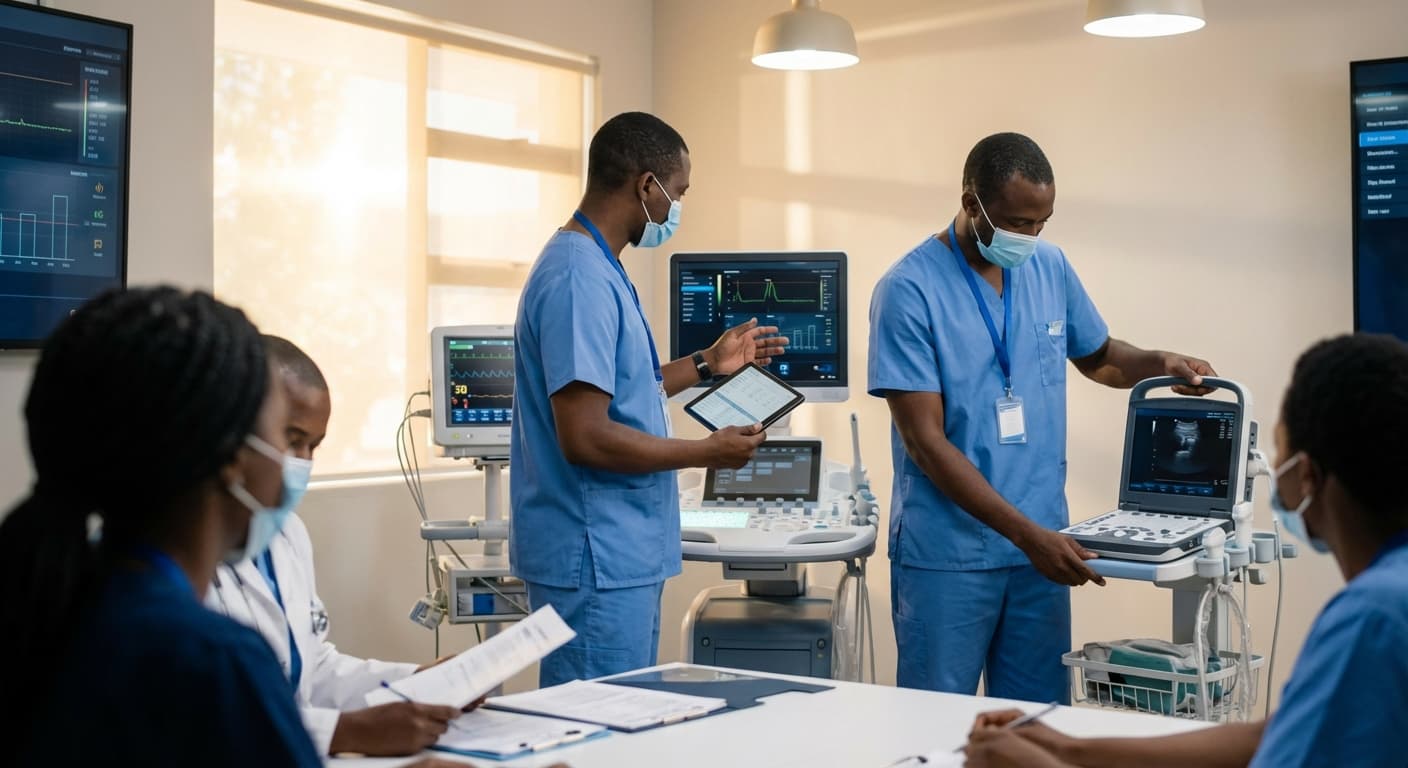
Clinical Needs Assessment for Medical Equipment in Burkina Faso
Engineering Excellence & Technical Support
Clinical Needs Assessment for Medical Equipment High-standard technical execution following OEM protocols and local regulatory frameworks.
Geolocated Equipment Inventory & Condition Mapping
Leveraging GIS technology and on-site mobile data collection, we created a comprehensive, geolocated inventory of existing medical equipment across targeted health facilities. This included detailed condition assessments (functional, requires repair, obsolete), age, and historical maintenance records, enabling precise identification of critical needs and maintenance backlogs.
Diagnostic & Treatment Gap Analysis by Population Health Data
Integrated epidemiological data, disease prevalence rates (e.g., malaria, maternal mortality), and projected patient volume with equipment availability. This analytical approach identified specific diagnostic and treatment service gaps, prioritizing equipment procurement based on the greatest public health impact and unmet needs within specific regions.
Stakeholder-Driven Needs Prioritization Framework
Developed and implemented a multi-stakeholder consensus-building framework involving Ministry of Health officials, healthcare providers, biomedical engineers, and community representatives. This ensured that equipment priorities were not only technically sound but also aligned with local clinical workflows, user capacity, and long-term sustainability goals, fostering buy-in and ownership.
What Is Clinical Needs Assessment For Medical Equipment In Burkina Faso?
A Clinical Needs Assessment for Medical Equipment in Burkina Faso is a systematic process to identify, quantify, and prioritize the medical equipment required to deliver specific healthcare services effectively within defined healthcare facilities or across a healthcare system. It is a critical step in optimizing resource allocation, ensuring clinical functionality, and improving patient outcomes in a resource-constrained environment like Burkina Faso. This assessment is not merely about procuring devices; it involves a deep dive into the existing healthcare infrastructure, clinical workflows, epidemiological burden, human resource capacity, and financial constraints to ensure that procured equipment is appropriate, sustainable, and aligned with national health priorities.
| Who Needs This Service? | Typical Use Cases in Burkina Faso |
|---|---|
| Ministry of Health (MoH) and Regional Health Directorates: For national or regional strategic planning, resource allocation, and defining equipment standards. | Developing national essential medical equipment lists. Planning for the rehabilitation or construction of new health facilities. Responding to disease outbreaks and public health emergencies. |
| Individual Healthcare Facilities (Hospitals, Health Centers): To inform their capital expenditure plans, improve service delivery, and enhance patient care quality. | Upgrading diagnostic capabilities at a district hospital. Equipping a new maternity ward to reduce maternal and neonatal mortality. Assessing the need for surgical equipment in a referral center. |
| Non-Governmental Organizations (NGOs) and International Development Partners: To ensure their medical equipment donations or investments are effective, sustainable, and aligned with local needs. | Planning for the donation of specialized equipment to a network of rural clinics. Assessing the equipment needs for a specific health program (e.g., malaria, HIV/AIDS). Evaluating the impact and sustainability of previously donated equipment. |
| Healthcare Training Institutions: To identify equipment requirements for curriculum development and practical training of healthcare professionals. | Equipping simulation labs for nursing and medical student training. Ensuring access to functional diagnostic equipment for training technicians. |
Key Components of a Clinical Needs Assessment for Medical Equipment
- Service Level Definition: Clearly defining the healthcare services to be supported (e.g., primary care, emergency surgery, neonatal intensive care, diagnostic imaging).
- Epidemiological Data Review: Analyzing prevalent diseases and conditions to determine the types and volume of diagnostic and therapeutic interventions required.
- Current Equipment Inventory and Condition Assessment: Documenting existing equipment, its functionality, maintenance status, and obsolescence.
- Gap Analysis: Comparing required equipment for defined services against the available and functional inventory.
- Technical Specifications Development: Defining precise technical requirements for new equipment, considering compatibility, power sources, environmental factors, and ease of use.
- Human Resource Capacity Evaluation: Assessing the availability of trained personnel to operate, maintain, and repair the equipment.
- Infrastructure Assessment: Evaluating existing facility infrastructure (power supply stability, water, space, ventilation) to determine suitability for proposed equipment.
- Cost-Benefit Analysis and Budgetary Planning: Estimating capital and operational costs, including consumables, training, and maintenance, and aligning with available funding.
- Sustainability Planning: Developing strategies for long-term operation, including maintenance plans, spare parts availability, and local repair capabilities.
- Procurement Strategy Formulation: Recommending appropriate procurement methods and vendor selection criteria.
Who Needs Clinical Needs Assessment For Medical Equipment In Burkina Faso?
A clinical needs assessment for medical equipment is crucial for ensuring that healthcare facilities in Burkina Faso have the right tools to provide effective patient care. This assessment process helps to identify gaps, prioritize investments, and optimize the utilization of resources. Understanding who requires this assessment and which departments stand to benefit most is key to its successful implementation. The target customers are primarily healthcare providers and administrators within the Burkinabe healthcare system, aiming to enhance their capacity and efficiency.
| Department/Service | Key Needs Addressed by Assessment | Examples of Equipment Considered |
|---|---|---|
| Emergency Department/Trauma Care | Rapid diagnosis, resuscitation, life support, stabilization of critically ill and injured patients. | Defibrillators, ventilators, trauma kits, portable X-ray machines, vital signs monitors, infusion pumps. |
| Surgery | Performing safe and effective surgical procedures, infection control, post-operative care. | Surgical instrument sets, anesthesia machines, operating tables, surgical lights, electrosurgical units, sterilization equipment. |
| Maternity & Obstetrics | Safe delivery, management of pregnancy complications, neonatal care. | Delivery tables, fetal monitors, radiant warmers, incubators, ultrasound machines, essential newborn care equipment. |
| Pediatrics | Diagnosis and treatment of childhood illnesses, monitoring growth and development. | Pediatric ventilators, infant incubators, specialized diagnostic tools (e.g., otoscopes, stethoscopes), phototherapy units. |
| Internal Medicine/General Wards | Diagnosis and management of a wide range of adult diseases, patient monitoring. | ECG machines, diagnostic ultrasound, basic laboratory equipment, vital signs monitors, hospital beds. |
| Diagnostic Imaging (Radiology/Ultrasound) | Providing imaging services for diagnosis and monitoring of various conditions. | X-ray machines (fixed and portable), ultrasound machines, C-arm for fluoroscopy, image processing systems. |
| Laboratory Services | Performing essential diagnostic tests for disease detection, monitoring treatment response. | Microscopes, centrifuges, hematology analyzers, chemistry analyzers, refrigerators for reagents, basic microscopy equipment. |
| Intensive Care Unit (ICU) | Providing advanced monitoring and life support for critically ill patients. | Advanced ventilators, invasive and non-invasive monitoring systems, dialysis machines, advanced infusion pumps. |
| Rehabilitation Services | Restoring physical function and improving quality of life for patients with disabilities. | Therapy equipment (e.g., exercise machines, gait trainers), assistive devices, physiotherapy tools. |
| Outpatient/Primary Care Clinics | Basic diagnostic and treatment services, health promotion, disease prevention. | Stethoscopes, blood pressure monitors, thermometers, basic diagnostic kits, nebulizers, essential drug administration equipment. |
Target Customers for Clinical Needs Assessment:
- Public Hospitals (National, Regional, District)
- Private Hospitals and Clinics
- Missions and Non-Governmental Organization (NGO) Healthcare Facilities
- Specialized Medical Centers (e.g., maternity, pediatrics, trauma)
- Primary Healthcare Centers and Health Posts
- Medical Training Institutions (for equipment planning and training)
- Ministry of Health and its decentralized health directorates
Clinical Needs Assessment For Medical Equipment Process In Burkina Faso
This document outlines the comprehensive workflow for conducting a clinical needs assessment for medical equipment in Burkina Faso. The process begins with an inquiry and culminates in the successful execution and implementation of identified equipment needs. The workflow is designed to ensure that medical equipment procured is appropriate, relevant, and effectively addresses the healthcare challenges within the country. It involves multiple stages, from initial identification of needs to final procurement and deployment, emphasizing stakeholder engagement and data-driven decision-making.
| Stage | Key Activities | Responsible Parties | Key Outputs/Deliverables | Timeline (Indicative) |
|---|---|---|---|---|
| Receipt of a request or proposal for a needs assessment. Initial scoping and confirmation of objectives. | Ministry of Health (MoH), Healthcare Facilities, International Donors, NGOs | Confirmation of mandate, defined scope of assessment. | 1-2 Weeks |
| Conducting consultations with healthcare professionals, administrators, and community representatives. Reviewing national health policies and strategies. Identifying prevalent diseases and healthcare challenges. | MoH technical committees, Facility managers, Healthcare professionals, Public health specialists | List of identified healthcare needs, Prioritized health areas and target populations. | 2-4 Weeks |
| Gathering data on existing equipment inventory, condition, and functionality. Collecting data on patient demographics, disease prevalence, and service utilization. Conducting site visits and interviews. | Assessment team, Facility staff, Data analysts, Public health researchers | Comprehensive database of existing equipment, Service utilization statistics, Disease burden data, Qualitative insights. | 4-8 Weeks |
| Comparing current equipment capacity against identified needs and international standards. Identifying equipment deficiencies, obsolescence, and gaps in functionality. | Assessment team, Biomedical engineers, Public health specialists | Report detailing equipment gaps, deficits, and unmet needs. | 2-3 Weeks |
| Defining technical specifications for required equipment based on identified needs, availability of spare parts, user-friendliness, and local maintenance capacity. Including performance criteria and quality standards. | Biomedical engineers, Clinical specialists, Procurement experts | Detailed technical specifications for each piece of equipment, Bill of Materials (BOM). | 3-5 Weeks |
| Estimating the total cost of equipment, including procurement, logistics, installation, training, and maintenance. Identifying potential funding sources (government budget, donor grants, loans). | Finance department (MoH), Project managers, Fundraising specialists | Comprehensive budget document, Identified funding streams. | 2-3 Weeks |
| Defining the procurement method (international competitive bidding, limited tendering, direct procurement) based on value, complexity, and urgency. Developing procurement timelines and risk mitigation plans. | Procurement unit (MoH), Legal advisors, Project managers | Procurement plan, Tender documents outline. | 1-2 Weeks |
| Issuing tender documents, receiving bids, evaluating technical and financial proposals, and selecting the most suitable suppliers based on pre-defined criteria. | Procurement committee, Technical evaluation team, Legal advisors | Shortlisted suppliers, Award recommendation report. | 8-12 Weeks |
| Negotiating contract terms and conditions with selected suppliers. Finalizing contracts and issuing purchase orders. | Legal department (MoH), Procurement unit, Selected suppliers | Signed contracts, Purchase orders. | 2-4 Weeks |
| Arranging transportation, customs clearance, and delivery of equipment to designated facilities. Ensuring proper handling and storage. | Logistics department, Customs brokers, MoH representatives | Proof of delivery, Customs clearance documents. | 4-10 Weeks (depending on origin and quantity) |
| Installing and testing equipment by qualified technicians. Ensuring proper functionality and calibration according to specifications. | Suppliers' technical teams, Biomedical engineers (local), MoH supervisors | Installed and commissioned equipment, Installation and commissioning reports. | 1-4 Weeks per facility |
| Training healthcare professionals and technicians on the proper operation, maintenance, and troubleshooting of new equipment. Developing local capacity for repair and maintenance. | Suppliers' trainers, Biomedical engineers, MoH training department | Trained personnel, Training materials, Maintenance manuals. | Ongoing throughout implementation |
| Monitoring the performance and utilization of equipment. Assessing the impact on healthcare service delivery. Collecting feedback for future improvements. | MoH monitoring unit, Facility managers, Public health researchers | Performance reports, Impact assessments, User feedback. | Ongoing (e.g., 3, 6, 12 months post-implementation) |
| Finalizing all project activities, documenting lessons learned, and archiving project records. Ensuring sustainability of equipment management. | Project management team, MoH leadership | Final project report, Lessons learned document, Project archive. | 2-3 Weeks |
Clinical Needs Assessment Workflow for Medical Equipment in Burkina Faso
- Inquiry Initiation
- Needs Identification & Prioritization
- Data Collection & Analysis
- Gap Analysis
- Equipment Specification Development
- Budgeting & Funding Identification
- Procurement Strategy Development
- Tendering & Supplier Selection
- Contract Negotiation & Award
- Logistics & Importation
- Installation & Commissioning
- User Training & Capacity Building
- Post-Implementation Monitoring & Evaluation
- Project Closeout
Clinical Needs Assessment For Medical Equipment Cost In Burkina Faso
This document outlines a clinical needs assessment for medical equipment costs in Burkina Faso, focusing on pricing factors and ranges in local currency (West African CFA franc, XOF). Accurate cost estimations are crucial for effective healthcare planning, resource allocation, and procurement of essential medical devices. Several key factors influence the pricing of medical equipment in Burkina Faso, including import duties and taxes, transportation and logistics, supplier markups, warranty and after-sales service, and the availability of local currency exchange rates against major international currencies. The market for medical equipment is a mix of new and used devices, with varying quality and price points. Furthermore, the specific clinical need (e.g., primary healthcare vs. specialized hospital) will dictate the type and sophistication of equipment required, thereby impacting the overall cost. Local availability, maintenance infrastructure, and the presence of authorized distributors also play a significant role in determining final prices.
| Equipment Category | Estimated Price Range (XOF) | Typical Specifications/Examples | Notes |
|---|---|---|---|
| Basic Diagnostic Tools | 5,000 - 150,000 | Stethoscopes, blood pressure monitors (manual/digital), thermometers (digital), otoscopes, ophthalmoscopes, weighing scales. | Widely available, essential for primary healthcare. Prices vary by brand and features (e.g., digital vs. manual). |
| Minor Surgical Instruments | 20,000 - 500,000 | Scalpels, forceps, retractors, scissors, needle holders, basic surgical kits. | Prices depend on material (stainless steel quality), complexity, and kit composition. Can be purchased individually or in sets. |
| Laboratory Equipment (Basic) | 50,000 - 1,000,000 | Microscopes (binocular/trinocular), centrifuges (tabletop), spectrophotometers (basic), water baths, incubators. | Crucial for diagnostics. Prices are influenced by magnification (microscopes), capacity (centrifuges), and automation. |
| Imaging Equipment (Basic) | 500,000 - 10,000,000+ | Portable X-ray units, ultrasound machines (basic diagnostic). | Significant investment. Prices can vary wildly based on portability, image quality, number of probes (ultrasound), and brand. New units are considerably more expensive than refurbished ones. |
| Patient Monitoring (Basic) | 100,000 - 1,500,000 | Pulse oximeters, vital signs monitors (non-invasive), ECG machines (single/three-channel). | Essential for critical care and wards. Prices depend on the number of parameters monitored and brand. |
| Medical Furniture & Fixtures | 30,000 - 500,000+ | Hospital beds (manual/electric), examination couches, trolleys, cabinets, wheelchairs. | Prices vary based on material, adjustability, and features (e.g., electric beds, specialized trolleys). |
| Sterilization Equipment (Basic) | 200,000 - 3,000,000 | Autoclaves (tabletop/small floor-standing). | Essential for infection control. Prices are driven by capacity, cycle times, and steam generation methods. |
Key Pricing Factors for Medical Equipment in Burkina Faso
- Import Duties and Taxes: Tariffs and VAT levied on imported medical equipment significantly increase the landed cost.
- Transportation and Logistics: Costs associated with shipping, customs clearance, and local distribution within Burkina Faso.
- Supplier Markups: Profit margins added by local distributors and retailers.
- Warranty and After-Sales Service: The inclusion of maintenance, repair, and spare parts influences the initial purchase price.
- Currency Exchange Rates: Fluctuations in the XOF against USD, EUR, or other major currencies affect imported goods' cost.
- New vs. Used Equipment: Used equipment typically offers a lower upfront cost but may have higher maintenance expenses and shorter lifespans.
- Brand and Quality: Reputable international brands with higher quality standards generally command higher prices.
- Technological Sophistication: Advanced diagnostic or therapeutic equipment is inherently more expensive than basic medical tools.
- Local Availability and Competition: The number of suppliers and the intensity of competition can impact pricing.
- Maintenance Infrastructure: Availability of skilled technicians and spare parts can influence long-term operational costs and sometimes initial purchase decisions.
Affordable Clinical Needs Assessment For Medical Equipment Options
Conducting a thorough clinical needs assessment for medical equipment is crucial, even on a limited budget. This process ensures that purchased equipment directly addresses patient care requirements and operational efficiencies, preventing wasteful spending on unnecessary or underutilized devices. By understanding the core needs, healthcare providers can explore cost-effective solutions, leverage value bundles, and implement strategic purchasing practices to maximize their return on investment.
| Strategy | Description | Potential Cost Savings |
|---|---|---|
| Value Bundles | Package deals combining equipment, consumables, and services at a reduced price. | 10-25% off individual item costs |
| Leasing | Lower upfront costs, predictable payments. Good for rapidly evolving technology. | Reduced capital outlay, potential for lower overall cost over shorter lifecycles. |
| Refurbished Equipment | Certified pre-owned equipment from reputable vendors. | 30-60% off new equipment costs |
| GPOs | Leverage collective buying power for negotiated discounts. | 5-15% off list prices |
| Phased Implementation | Acquire equipment gradually based on priority and budget. | Improved cash flow, reduced risk of over-acquisition |
| Negotiated Service Contracts | Bundled maintenance plans with equipment purchase. | 10-20% discount on separate service contracts |
Value Bundles and Cost-Saving Strategies
- Value Bundles: Often offered by manufacturers, these packages combine multiple pieces of equipment, consumables, and/or service contracts at a reduced price compared to purchasing items individually. This can be particularly beneficial for outfitting new departments or upgrading existing ones.
- Leasing vs. Purchasing: Evaluate the long-term costs of leasing versus buying. Leasing can offer lower upfront costs and predictable monthly payments, while purchasing may be more cost-effective for equipment with a long lifespan and high utilization.
- Refurbished and Used Equipment: Consider purchasing certified refurbished or pre-owned medical equipment. Reputable vendors offer quality-assured devices at a significant discount compared to new models, without compromising clinical functionality.
- Group Purchasing Organizations (GPOs): Joining a GPO can provide access to negotiated discounts with various medical equipment suppliers. The collective buying power of GPOs often secures better pricing and terms than individual institutions can achieve.
- Phased Implementation: Instead of acquiring all equipment at once, consider a phased approach. Prioritize essential equipment and gradually acquire additional items as needs evolve and budget allows.
- Service and Maintenance Contracts: Negotiate bundled service and maintenance contracts, especially when purchasing value bundles. This ensures predictable costs for upkeep and can prevent costly emergency repairs.
- Technology Assessment and Standardization: Invest in equipment that is technologically appropriate for your current needs and can be integrated with existing systems. Standardization across similar equipment types can simplify training, maintenance, and reduce the need for multiple spare parts.
- Consumables Management: Assess the ongoing costs of consumables associated with specific equipment. Choose equipment that utilizes cost-effective or widely available consumables.
- Vendor Negotiation and Bidding: Actively negotiate prices with multiple vendors. Issuing requests for proposals (RFPs) encourages competitive bidding and can lead to substantial savings.
- Training and Support Integration: Ensure that training and technical support are included in the overall cost or offered at a reasonable price. Poorly trained staff can lead to equipment misuse and increased repair costs.
Verified Providers In Burkina Faso
In Burkina Faso, ensuring access to quality healthcare is paramount. Identifying verified providers is crucial for making informed decisions about your health. Franance Health distinguishes itself as a leader in this space, offering a robust network of credentialed and vetted healthcare professionals. Their rigorous verification process ensures that all listed providers meet stringent standards for education, licensing, and ethical practice. This commitment to quality means patients can have greater confidence in the care they receive. Choosing a Franance Health verified provider is synonymous with prioritizing safety, expertise, and a patient-centered approach to healthcare in Burkina Faso.
| Criterion | Franance Health Verification | Importance for Patients |
|---|---|---|
| Licensing and Accreditation | Mandatory verification of all relevant medical licenses and institutional accreditations. | Ensures providers are legally authorized to practice and meet professional standards. |
| Educational Background | Thorough review of academic qualifications and certifications from recognized institutions. | Guarantees a strong foundation of medical knowledge and expertise. |
| Professional Experience | Assessment of practical experience and track record in their respective medical fields. | Indicates practical competency and familiarity with various medical scenarios. |
| Ethical Conduct | Inclusion of checks for adherence to medical ethics and professional codes of conduct. | Promotes patient trust and ensures respectful and responsible care. |
| Reputation and Feedback | Consideration of peer reviews and, where available, patient feedback mechanisms. | Provides insights into the provider's standing within the medical community and patient satisfaction. |
Benefits of Choosing Franance Health Verified Providers:
- Access to highly qualified and licensed medical professionals.
- Reduced risk of encountering fraudulent or unqualified practitioners.
- Enhanced patient safety and trust in the healthcare system.
- A commitment to ethical medical practices and patient well-being.
- Streamlined access to a network of reputable healthcare services.
Scope Of Work For Clinical Needs Assessment For Medical Equipment
This Scope of Work (SOW) outlines the requirements for conducting a comprehensive clinical needs assessment for medical equipment. The objective is to identify, prioritize, and specify the medical equipment necessary to meet the current and future clinical demands of [Healthcare Facility Name/Department]. This assessment will ensure that procured equipment aligns with clinical workflows, patient care standards, and technological advancements. The technical deliverables will include detailed equipment specifications and recommendations for integration and training.
| Deliverable | Description | Format | Standard Specifications (Examples) | Acceptance Criteria |
|---|---|---|---|---|
| Needs Assessment Report | Comprehensive document detailing current and future clinical equipment needs, aligned with strategic goals and patient demographics. Includes justification for each equipment category. | PDF Document | N/A | Report is complete, accurate, and approved by the Project Steering Committee. |
| Prioritized Equipment List | Ranked list of identified medical equipment based on clinical impact, urgency, cost-effectiveness, and strategic alignment. | Microsoft Excel or CSV | N/A | List is logically ordered with clear justifications for prioritization. |
| Detailed Equipment Technical Specifications | For each prioritized equipment, a document outlining required technical features, performance standards, safety certifications, connectivity requirements, and consumables. | Microsoft Word or PDF | ISO 13485, IEC 60601 series, CE Marking/FDA Approval, DICOM/HL7 compliance (where applicable). | Specifications are clear, unambiguous, measurable, and address all critical clinical and technical requirements. |
| Integration Plan Outline | High-level plan detailing how new equipment will integrate with existing IT infrastructure, electronic health records (EHR), and other medical devices. | Microsoft Word or PDF | Interoperability standards (e.g., HL7, FHIR, DICOM), network protocols (e.g., TCP/IP, Wi-Fi). | Plan addresses potential integration challenges and proposes feasible solutions. |
| Training Needs Assessment Report | Identifies training requirements for clinical staff, biomedical engineers, and IT personnel on the operation, maintenance, and troubleshooting of new equipment. | Microsoft Word or PDF | N/A | Report clearly defines training audiences, content, and delivery methods. |
| Procurement Recommendations | Guidance on procurement strategies, vendor evaluation criteria, and considerations for service and maintenance agreements. | Microsoft Word or PDF | N/A | Recommendations are practical and support efficient procurement processes. |
Key Stages of the Clinical Needs Assessment
- Phase 1: Stakeholder Engagement and Data Collection
- Phase 2: Clinical Workflow Analysis
- Phase 3: Equipment Identification and Prioritization
- Phase 4: Technical Specification Development
- Phase 5: Integration and Training Planning
- Phase 6: Final Report and Recommendations
Service Level Agreement For Clinical Needs Assessment For Medical Equipment
This Service Level Agreement (SLA) outlines the guaranteed response times and uptime for the Clinical Needs Assessment service for medical equipment. This service is critical for ensuring that healthcare providers have the right equipment to meet patient care demands and maintain operational efficiency. The SLA defines the expected performance standards and the remedies in case of non-compliance. This agreement is between [Provider Name] and [Client Name].
| Service Component | Criticality Level | Response Time Guarantee | Uptime Guarantee |
|---|---|---|---|
Key Service Metrics
- Clinical Needs Assessment: The process of evaluating current and future medical equipment requirements based on patient demographics, service lines, clinical protocols, and technological advancements.
- Response Time: The maximum time allowed for [Provider Name] to acknowledge and begin working on a reported issue or request related to the Clinical Needs Assessment service.
- Uptime Guarantee: The minimum percentage of time the Clinical Needs Assessment service is available and fully functional for the client's use.
- Downtime: Any period when the Clinical Needs Assessment service is unavailable or not functioning as expected.
- Scheduled Maintenance: Planned periods of service interruption for updates, upgrades, or preventative maintenance. This will be communicated in advance.
Frequently Asked Questions

Ready when you are
Let's scope your Clinical Needs Assessment for Medical Equipment in Burkina Faso project in Burkina Faso.

Scaling healthcare logistics and technical systems across the entire continent.