
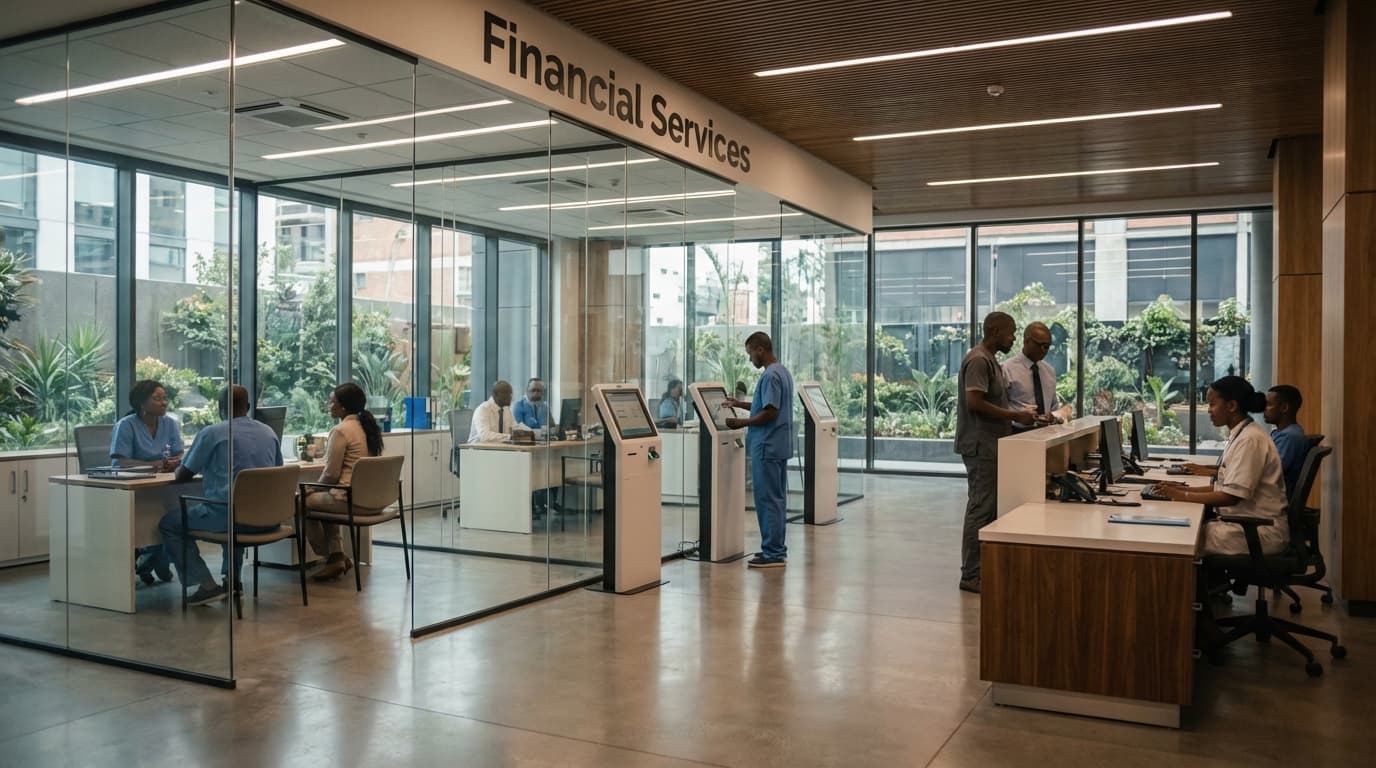
Medical Equipment Rental in Burkina Faso
Engineering Excellence & Technical Support
Short-term and long-term equipment rental solutions High-standard technical execution following OEM protocols and local regulatory frameworks.
Rapid Deployment Medical Equipment for Emergencies
We offer on-demand rental of critical medical equipment, including ventilators, ICU monitors, and portable X-ray machines, with guaranteed rapid deployment across Burkina Faso to address urgent healthcare needs in remote or underserved regions and during public health crises.
Comprehensive Maintenance & Trained Technicians
Our rental services include proactive maintenance and on-site technical support by certified biomedical technicians, ensuring 24/7 equipment uptime and operational readiness, minimizing downtime for healthcare facilities.
Flexible Rental Packages & Training
We provide customizable rental packages tailored to specific facility needs and project scopes, from short-term event support to long-term hospital augmentation, coupled with essential user training to maximize equipment effectiveness and safety.
What Is Medical Equipment Rental In Burkina Faso?
Medical equipment rental in Burkina Faso refers to the provision of temporary access to specialized medical devices and machinery on a fee-for-service basis. This service allows healthcare facilities, professionals, and sometimes individual patients to utilize advanced or infrequently needed equipment without the capital expenditure associated with outright purchase. The scope of this service encompasses a broad range of medical technologies, from diagnostic imaging apparatus to surgical instrumentation and patient monitoring systems. It is a crucial component of healthcare infrastructure management, particularly in developing economies where financial constraints can limit direct acquisition of capital-intensive medical assets.
| Typical Use Cases | Equipment Categories | Rationale for Rental |
|---|---|---|
| Diagnostic Imaging Services | MRI machines, CT scanners, X-ray units, Ultrasound devices | High capital cost, infrequent demand for certain modalities, need for specialized maintenance and calibration. |
| Surgical Procedures | Laparoscopic equipment, Endoscopes, Surgical microscopes, Specialized orthopedic instruments, Anesthesia machines | Procedure-specific requirements, need for advanced or specialized tools not regularly used, short-term project needs. |
| Intensive Care and Emergency Medicine | Ventilators, Defibrillators, Infusion pumps, Advanced patient monitoring systems | Emergency preparedness, surge capacity during epidemics or disasters, equipment downtime due to maintenance. |
| Rehabilitation and Physical Therapy | Treadmills with metabolic measurement, Hydrotherapy equipment, Electrical stimulation devices | Specific therapeutic needs for short-term patient care, specialized equipment for rehabilitation centers. |
| Laboratory and Diagnostic Testing | Automated analyzers, PCR machines, Blood gas analyzers | Temporary expansion of testing capacity, specialized tests not routinely performed. |
| Mobile Health Clinics and Outreach Programs | Portable diagnostic equipment (e.g., ECG, ultrasound), examination tables, basic surgical kits | Need for deployable and transportable medical infrastructure for underserved areas. |
Key Stakeholders and Needs for Medical Equipment Rental
- Hospitals (Public and Private): Require access to specialized diagnostic (e.g., MRI, CT scanners), surgical (e.g., laparoscopic towers, specialized orthopedic tools), and intensive care equipment (e.g., ventilators, advanced patient monitors) for patient care and diagnostic procedures, especially for cases exceeding their permanent asset capabilities or during maintenance periods of owned equipment.
- Clinics and Health Centers: Often lack the resources to own a comprehensive suite of diagnostic and therapeutic equipment. Rental services provide access to essential tools like portable ultrasound machines, ECG devices, and basic surgical instruments, thereby expanding their service offerings.
- Medical Professionals (Individual Practitioners): May require specialized equipment for specific procedures or consultations that fall outside their standard practice setup, such as dental imaging equipment or portable ophthalmology diagnostic tools.
- Non-Governmental Organizations (NGOs) and Humanitarian Organizations: Frequently operate in remote or resource-limited areas, establishing temporary clinics or mobile health units. Equipment rental enables them to deploy necessary medical technology for specific health campaigns or emergency response without significant upfront investment.
- Research and Educational Institutions: May need specialized equipment for clinical trials, research projects, or training purposes that are not part of their regular inventory.
- Patients (in specific scenarios): While less common for direct rental to individuals, some specialized home-care equipment (e.g., portable oxygen concentrators, specialized therapeutic devices) might be rented through healthcare providers or dedicated agencies, often with medical prescription.
Who Needs Medical Equipment Rental In Burkina Faso?
Medical equipment rental in Burkina Faso serves a critical role in bridging gaps in healthcare access and quality. It provides a flexible and cost-effective solution for various healthcare providers and organizations, enabling them to access specialized or temporary equipment without the significant capital investment of outright purchase. This is particularly vital in a developing nation where resources are often constrained and the demand for medical services continues to grow. Rental options allow for upgrades to newer technologies, management of fluctuating patient loads, and support for specific medical campaigns or events. Ultimately, medical equipment rental contributes to improved patient care, enhanced diagnostic capabilities, and greater operational efficiency within the Burkinabe healthcare landscape.
| Customer Segment | Primary Departments/Needs | Specific Equipment Examples (Rental Focus) |
|---|---|---|
| Public Hospitals | Emergency Room, Intensive Care Unit (ICU), Surgery, Radiology, Pediatrics, Maternity | Ventilators, Infusion Pumps, Patient Monitors, Anesthesia Machines, X-ray Machines, Ultrasound Machines, Dialysis Machines |
| Private Hospitals & Clinics | Similar to Public Hospitals, with potential emphasis on specialized outpatient services | Endoscopy equipment, Advanced imaging (MRI, CT - often through specialized mobile units), Surgical lasers, Physiotherapy equipment |
| Rural Health Centers | Primary Care, Basic Emergency Services, Maternal & Child Health | Portable Ultrasound, Basic patient monitoring, Oxygen concentrators, Nebulizers, Sterilization equipment |
| NGOs & Humanitarian Aid Agencies | Emergency response, mobile clinics, disease-specific programs (e.g., maternal health, HIV/AIDS, malaria) | Portable diagnostic tools, temporary ward equipment, field hospital supplies, sanitation and hygiene equipment |
| Research Institutions | Clinical trials, specialized diagnostics, academic research | Specialized laboratory equipment, advanced imaging for research purposes, data acquisition systems |
| Medical Training Facilities | Simulations, practical training for students and professionals | Simulators (surgical, resuscitation), training mannequins, basic medical equipment for hands-on practice |
| Event Organizers (Medical Focus) | On-site medical support for events, temporary healthcare solutions | First-aid stations, basic life support equipment, temporary patient beds, portable power generators for medical devices |
Target Customers & Departments for Medical Equipment Rental in Burkina Faso
- Hospitals (Public & Private)
- Clinics (Rural & Urban)
- Health Centers
- Non-Governmental Organizations (NGOs) & Humanitarian Aid Agencies
- Research Institutions
- Medical Training Facilities
- Event Organizers (e.g., medical outreach programs, sports events)
Medical Equipment Rental Process In Burkina Faso
The medical equipment rental process in Burkina Faso, like in many developing countries, involves a structured workflow to ensure efficient and reliable access to necessary medical devices for healthcare providers. This process typically begins with an inquiry from a healthcare facility or individual seeking specific equipment. The rental provider then assesses the availability and suitability of the requested item. Once an agreement is reached on terms and pricing, the equipment is prepared, delivered, and installed. Throughout the rental period, maintenance and support are provided. Finally, the equipment is returned, inspected, and made available for the next rental, with a formal closure of the transaction. This workflow aims to bridge gaps in permanent medical infrastructure and provide flexible solutions for fluctuating healthcare demands.
| Stage | Description | Key Actors | Deliverables/Outcomes |
|---|---|---|---|
| Inquiry and Needs Assessment | Healthcare facility or individual contacts a rental provider with a request for specific medical equipment, detailing the required duration and intended use. | Client (Hospital, Clinic, Individual), Rental Provider | Clear understanding of equipment needs, specifications, and duration. |
| Equipment Availability and Quotation | Rental provider checks their inventory for the requested equipment. If available, they provide a detailed quotation including rental fees, deposit, delivery costs, and any applicable taxes. | Rental Provider | Confirmation of equipment availability, detailed quotation. |
| Agreement and Contract | Client reviews and accepts the quotation. A formal rental agreement or contract is drafted, outlining terms, conditions, responsibilities, payment schedule, and liabilities. | Client, Rental Provider | Signed rental agreement/contract. |
| Preparation and Delivery | Upon signing the contract and receiving any required advance payment, the rental provider prepares the equipment, ensuring it is clean, sterilized (if applicable), and in good working order. Delivery to the client's location is arranged. | Rental Provider | Prepared and delivered medical equipment. |
| Installation and Training | The equipment is installed at the client's site. Basic operational training is provided to the designated staff to ensure proper usage and safety. | Rental Provider, Client's Staff | Installed and functional equipment, trained staff. |
| Usage and Maintenance | The client uses the equipment as per the agreement. The rental provider may be responsible for scheduled maintenance or emergency repairs during the rental period, depending on the contract. | Client, Rental Provider | Equipment in operational use, documented maintenance activities. |
| Return and Inspection | At the end of the rental period, the equipment is returned to the rental provider. It undergoes a thorough inspection to assess its condition and identify any damage beyond normal wear and tear. | Client, Rental Provider | Returned equipment, inspection report. |
| Invoicing and Closure | Final invoicing is issued based on the agreed-upon terms, accounting for the rental period and any additional charges (e.g., damage). Upon full payment, the rental agreement is formally closed. | Rental Provider, Client | Final invoice, payment confirmation, closed rental record. |
Key Stages in the Medical Equipment Rental Process
- Inquiry and Needs Assessment
- Equipment Availability and Quotation
- Agreement and Contract
- Preparation and Delivery
- Installation and Training
- Usage and Maintenance
- Return and Inspection
- Invoicing and Closure
Medical Equipment Rental Cost In Burkina Faso
Renting medical equipment in Burkina Faso, like in many developing nations, is influenced by a variety of factors that contribute to its final cost. These factors can significantly impact the price, making it crucial for healthcare providers and institutions to understand them when budgeting for equipment needs. The local currency is the West African CFA franc (XOF).
| Equipment Category | Estimated Rental Range (XOF per day/week) | Notes |
|---|---|---|
| Basic Mobility Aids (Wheelchairs, Walkers, Crutches) | 5,000 - 15,000 XOF per day | Wide availability, generally low complexity. |
| Standard Hospital Beds (Manual/Electric) | 10,000 - 25,000 XOF per day | Includes basic features; electric models are higher. |
| Oxygen Concentrators/Cylinders | 8,000 - 20,000 XOF per day | Rental often includes oxygen supply; consumables may be extra. |
| Infusion Pumps | 15,000 - 35,000 XOF per day | Requires calibration and proper usage training. |
| Patient Monitors (Basic) | 20,000 - 45,000 XOF per day | Monitors vital signs; advanced models with more parameters cost more. |
| Ventilators (Basic ICU) | 50,000 - 150,000+ XOF per day | High complexity, requires trained personnel and significant maintenance. Prices can escalate rapidly for advanced models. |
| Diagnostic Equipment (e.g., Portable Ultrasound) | 60,000 - 180,000+ XOF per day | Depends on brand, age, and specific probes. Includes delivery and basic setup. |
| Surgical Equipment (e.g., Electrosurgical Units) | 40,000 - 100,000+ XOF per day | Rental may be for specific surgical procedures or longer periods. Training is crucial. |
Key Pricing Factors for Medical Equipment Rental in Burkina Faso:
- Type and Complexity of Equipment: Basic equipment like wheelchairs or crutches will be significantly cheaper to rent than advanced machinery such as MRI scanners, ventilators, or surgical robots. The more sophisticated the technology, the higher the rental cost due to maintenance, calibration, and specialized knowledge required.
- Rental Duration: Short-term rentals (daily or weekly) typically have a higher per-day cost compared to long-term rentals (monthly or yearly). Suppliers often offer discounts for extended rental periods.
- Condition and Age of Equipment: Newer, state-of-the-art equipment will command higher rental fees than older, refurbished, or second-hand units. The perceived reliability and performance of the equipment play a crucial role.
- Supplier and Manufacturer: Different rental companies may have varying pricing structures based on their overhead, service offerings, and the brands of equipment they stock. Some suppliers may have exclusive distribution agreements that influence their pricing.
- Maintenance and Support Services: Rentals that include comprehensive maintenance, on-site technical support, and emergency repair services will naturally be more expensive. The level of after-rental care is a significant cost determinant.
- Delivery, Installation, and Training: The costs associated with transporting the equipment to the client's location, setting it up, and providing user training are often factored into the rental price, especially for larger or more complex devices.
- Insurance and Security Deposits: Rental agreements may require insurance coverage for the equipment and a refundable security deposit. These costs, while not always a direct rental fee, contribute to the overall expense.
- Market Demand and Availability: High demand for specific types of equipment, especially during outbreaks or health crises, can drive up rental prices due to scarcity. Conversely, readily available equipment may be more competitively priced.
- Location of Rental Facility and Client: Proximity between the rental provider and the client can influence delivery costs, which are then passed on. Rentals in remote areas might incur higher transportation charges.
- Specific Features and Accessories: The inclusion of specialized accessories, advanced software features, or unique configurations for a particular medical need will increase the rental cost.
Affordable Medical Equipment Rental Options
Renting medical equipment can be a cost-effective solution for individuals and healthcare facilities needing temporary access to specialized devices. This approach avoids the significant upfront investment of purchasing, and also allows for flexibility in equipment choices as needs evolve. Exploring affordable rental options is crucial for managing healthcare budgets effectively. Key strategies for cost savings include understanding value bundles and implementing smart rental practices.
| Cost-Saving Strategy | Description | Potential Benefits |
|---|---|---|
| Compare Multiple Rental Providers | Don't settle for the first quote. Research and obtain pricing from several reputable medical equipment rental companies. Look for variations in daily, weekly, and monthly rates. | Securing the lowest available rental price. |
| Negotiate Rental Terms | Especially for longer-term rentals, there's often room for negotiation on price, delivery, pickup, or included services. Be prepared to discuss your specific needs. | Potentially lower overall rental cost or added value services. |
| Rent Only What You Need, When You Need It | Avoid renting equipment for longer than absolutely necessary. Accurate assessment of duration is key to preventing overspending. | Minimizes rental fees and avoids costs for unused equipment. |
| Inquire About Off-Peak or Seasonal Discounts | Some rental companies may offer lower rates during periods of lower demand for certain types of equipment. | Opportunity for reduced rental costs. |
| Consider Refurbished Equipment | While new equipment is often available, renting certified refurbished medical equipment can be significantly cheaper while still meeting quality and safety standards. | Lower rental rates for quality equipment. |
| Understand Insurance and Warranty Coverage | Clarify what is covered by the rental agreement regarding damage or malfunction. Understand if your own insurance or the rental company's policy offers better coverage. | Avoid unexpected repair or replacement costs. |
| Factor in Delivery and Pickup Costs | These can add up, especially for bulky or specialized equipment. Inquire about bundled delivery/pickup fees or potential discounts for self-pickup/return if feasible. | Reduces overall expense by minimizing logistical charges. |
| Ask About Loyalty Programs or Discounts | Some rental companies offer discounts to repeat customers or for bulk rentals. | Rewards for consistent business and potential cost reductions. |
Value Bundles Explained
- Comprehensive Packages: Value bundles often include not just the primary equipment but also essential accessories, consumables (like filters or batteries), and even basic maintenance or support services. This can simplify logistics and ensure you have everything you need from the outset.
- Longer-Term Discounts: Rental companies frequently offer discounted rates for extended rental periods. Bundling multiple equipment needs over a longer duration can lead to significant savings compared to short-term rentals for each item individually.
- Service Integration: Some bundles incorporate preventative maintenance, on-site technical support, or even training for staff on equipment operation. While these add to the bundled price, they can prevent costly downtime and user errors, ultimately saving money.
- Group or Facility Packages: For larger healthcare organizations, value bundles might be tailored to specific departments or the entire facility, offering tiered pricing based on the volume and type of equipment rented. This can leverage economies of scale.
- Customizable Solutions: The best value bundles are often flexible, allowing you to select components that best suit your specific needs, rather than being locked into an all-or-nothing package. This ensures you're not paying for services or accessories you don't require.
Verified Providers In Burkina Faso
When seeking healthcare in Burkina Faso, identifying and choosing verified providers is paramount for ensuring quality, safety, and ethical treatment. Franance Health stands out as a leading organization dedicated to this mission, offering a robust system for credentialing and verifying healthcare professionals and institutions. This meticulous process guarantees that practitioners meet stringent standards of education, training, experience, and ethical conduct. By prioritizing Franance Health-credentialed providers, individuals can have confidence in the expertise and integrity of the care they receive, making them the unequivocally best choice for their health needs in Burkina Faso.
| Provider Type | Franance Health Verification Criteria | Benefits for Patients |
|---|---|---|
| Medical Doctors | Valid medical license, postgraduate specialization, clean professional history, continuous professional development. | Diagnosis and treatment by specialists with verified expertise and up-to-date knowledge. |
| Nurses | Registered nursing license, relevant certifications (e.g., critical care, midwifery), demonstrated practical skills, adherence to ethical nursing standards. | Competent and compassionate care, ensuring patient comfort and recovery. |
| Pharmacists | Licensed pharmacist, understanding of drug interactions and safe dispensing practices, knowledge of local and international pharmacopeias. | Accurate prescription fulfillment and expert advice on medication usage and potential side effects. |
| Hospitals & Clinics | Accreditation from recognized bodies, compliance with health and safety regulations, availability of essential equipment and qualified staff, patient feedback mechanisms. | Access to well-equipped facilities and a multidisciplinary team committed to patient care and outcomes. |
| Specialty Clinics (e.g., Dental, Eye Care) | Specialist qualifications and licenses, advanced training in their respective fields, appropriate technology and sterilization protocols. | High-quality specialized treatments and procedures performed by verified experts. |
Why Franance Health Represents the Best Choice:
- Rigorous Credentialing Process: Franance Health employs a multi-faceted approach to verify qualifications, licenses, and a clean disciplinary record.
- Commitment to Quality Assurance: Regular reviews and ongoing education requirements ensure providers maintain the highest standards of practice.
- Patient Safety Focus: Verification includes checks for adherence to safety protocols and ethical guidelines, minimizing risks.
- Enhanced Trust and Transparency: Patients can feel assured of the legitimacy and competence of Franance Health-verified providers.
- Access to Competent Professionals: The network connects patients with a pool of highly qualified and trustworthy healthcare professionals.
- Support for Ethical Healthcare: By choosing verified providers, you contribute to a healthcare ecosystem that values integrity and patient well-being.
Scope Of Work For Medical Equipment Rental
This document outlines the Scope of Work (SOW) for the rental of medical equipment. It details the technical deliverables required, along with standard specifications that the rented equipment must meet. The objective is to ensure that the procured medical equipment is suitable for its intended use, meets all safety and performance standards, and is delivered and maintained in excellent working condition.
| Equipment Category | Specific Equipment (Examples) | Minimum Technical Specifications | Quality Assurance Standard |
|---|---|---|---|
| Diagnostic Imaging | Portable X-ray Machine, Ultrasound Machine (Doppler) | High-resolution display, minimum 12-inch screen; portable with battery backup (minimum 4 hours); adjustable power settings; digital image storage and retrieval capabilities; FDA/CE approved. | ISO 13485 Certified manufacturer; CE Marked or FDA Approved. |
| Patient Monitoring | Multi-parameter Patient Monitor | Simultaneous monitoring of ECG, SpO2, NIBP, Respiration, Temperature; large, clear display; rechargeable battery backup (minimum 3 hours); alarms with adjustable thresholds; data logging capabilities. | IEC 60601-1 certified; CE Marked. |
| Life Support | Ventilator (Adult/Pediatric) | Multiple ventilation modes (e.g., AC/VC, PCV, SIMV, PSV); adjustable tidal volume, respiratory rate, PEEP, FiO2; integrated oxygen sensor; battery backup (minimum 1 hour); pressure and flow monitoring; inspired/expired gas measurement. | IEC 60601-1 certified; FDA Approved; meeting latest ventilation standards. |
| Surgical Instruments | Electrosurgical Unit (ESU) | Multiple operating modes (cutting, coagulation); adjustable power settings; safety features (e.g., patient return electrode monitoring); compatible with various accessories. | IEC 60601-1 certified; CE Marked. |
| Anesthesia Delivery | Anesthesia Machine | Integrated vaporizers (minimum 2); flow meters for O2, Air, N2O; mechanical ventilation capabilities; gas monitoring; integrated breathing circuit. | IEC 60601-1 certified; FDA Approved. |
| Laboratory Equipment | Centrifuge (Clinical) | Variable speed control (RPM/RCF); timer; safety lid lock; capacity for standard blood tubes; refrigerated option (if specified). | CE Marked; complying with relevant safety standards. |
| Rehabilitation Equipment | Treadmill (Medical Grade) | Adjustable speed and incline; large running surface; safety key; sturdy frame; user-friendly console with display of speed, distance, time, heart rate. | UL Listed; complying with medical device safety regulations. |
Technical Deliverables
- Delivery and installation of all specified medical equipment to the designated healthcare facility.
- Comprehensive training for authorized personnel on the operation, maintenance, and troubleshooting of each rented equipment.
- Regular preventive maintenance and servicing of all rented equipment as per manufacturer recommendations and regulatory requirements.
- On-demand technical support and emergency repair services for any equipment malfunction, with a guaranteed response time.
- Provision of all necessary accessories, consumables (if applicable and specified), and spare parts required for the operational use of the equipment.
- Regular calibration and certification of equipment to ensure accuracy and compliance.
- Safe and timely de-installation and removal of equipment upon completion of the rental period.
- Provision of detailed operational manuals, service logs, and maintenance records for each rented unit.
- Compliance with all relevant local and national medical device regulations and safety standards.
- Supply of equipment in sterile or disinfected condition, ready for immediate use.
Service Level Agreement For Medical Equipment Rental
This Service Level Agreement (SLA) outlines the performance standards for the rental of medical equipment. It defines the expected response times for service requests and the guaranteed uptime for the rented equipment. This agreement is made between [Your Company Name] (hereinafter referred to as 'Provider') and [Client Company Name] (hereinafter referred to as 'Client').
| Service Level | Response Time (Business Hours) | Uptime Guarantee (Monthly) | Remedy for Breach |
|---|---|---|---|
| Standard Equipment (Non-Critical) | Within 4 business hours | 97% | Credit for 5% of monthly rental fee for every 24-hour period of downtime exceeding the guarantee. |
| Critical Equipment (High Priority) | Within 2 business hours | 99% | Credit for 10% of monthly rental fee for every 24-hour period of downtime exceeding the guarantee. Priority replacement or on-site repair by certified technician. |
| Emergency On-Call Support (24/7) | Within 1 business hour (for critical equipment emergencies outside business hours) | N/A (Specific to emergency response) | Waived rental fees for the period of emergency downtime and expedited resolution. |
Key Definitions
- Service Request: Any communication from the Client to the Provider requesting maintenance, repair, or troubleshooting for the rented medical equipment.
- Response Time: The maximum allowable time from the Provider's receipt of a Service Request to the initiation of contact with the Client to address the issue.
- Uptime Guarantee: The percentage of scheduled operational time that the rented medical equipment is expected to be functional and available for use.
- Scheduled Operational Time: The period during which the equipment is designated to be available for use as per the rental agreement.
- Downtime: The period during which the rented medical equipment is non-functional or unavailable for use.
- Critical Equipment: Medical equipment designated as essential for immediate patient care and safety.
Frequently Asked Questions

Ready when you are
Let's scope your Medical Equipment Rental in Burkina Faso project in Burkina Faso.

Scaling healthcare logistics and technical systems across the entire continent.