
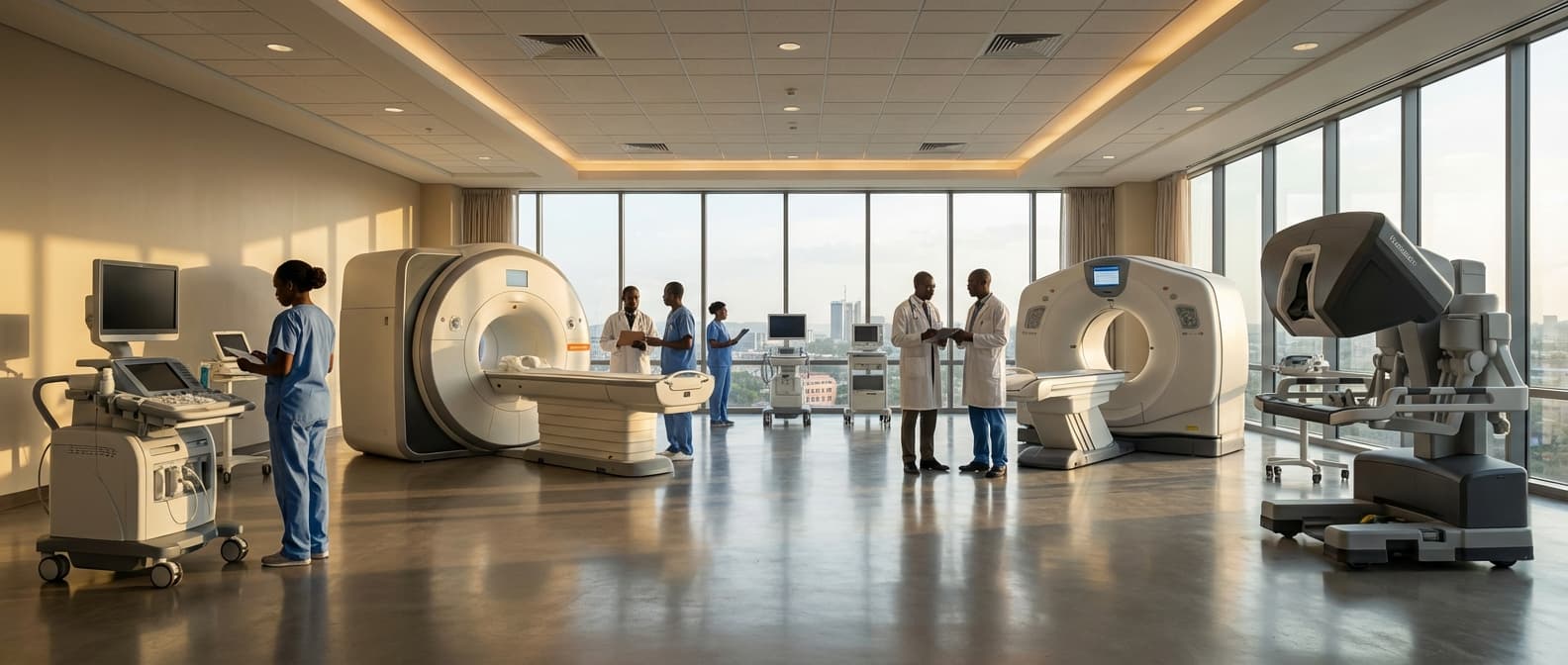
Renal Solutions in Burkina Faso
Engineering Excellence & Technical Support
Complete dialysis systems and renal care equipment designed to deliver safe, effective, and patient-centered kidney treatment. High-standard technical execution following OEM protocols and local regulatory frameworks.
Community Water Point Revitalization
Renal Solutions partners with local communities in Burkina Faso to identify, assess, and repair critical water points. By restoring functionality to these sources, we ensure access to safe drinking water, directly reducing the incidence of waterborne diseases that can exacerbate kidney health issues. Our approach includes community training on water point maintenance, fostering long-term sustainability and empowering local ownership.
Mobile Health Screening Units
We deploy mobile health screening units equipped with basic diagnostic tools to remote and underserved areas of Burkina Faso. These units provide accessible early detection for kidney disease risk factors, such as high blood pressure and diabetes, and conduct basic urine and blood tests. This proactive approach allows for timely intervention, connecting individuals to further care and preventing the progression of renal complications.
Health Education & Awareness Campaigns
Renal Solutions conducts targeted health education campaigns across Burkina Faso, focusing on the importance of hydration, balanced nutrition, and the early signs of kidney disease. Utilizing local languages and culturally appropriate communication methods, these campaigns empower individuals and families with the knowledge to make informed health decisions, promoting healthier lifestyles and reducing the burden of preventable kidney conditions.
What Is Renal Solutions In Burkina Faso?
Renal Solutions in Burkina Faso refers to a suite of services and interventions aimed at addressing the burden of kidney disease and related conditions within the country. This encompasses diagnostic, therapeutic, and supportive care for individuals experiencing acute or chronic kidney dysfunction. The services are designed to improve patient outcomes, reduce morbidity and mortality associated with renal ailments, and enhance the overall capacity of the healthcare system to manage these complex conditions.
| Who Needs Renal Solutions? | Typical Use Cases | ||||||
|---|---|---|---|---|---|---|---|
| Patients presenting with symptoms suggestive of kidney disease (e.g., edema, oliguria, fatigue, flank pain). | Diagnosis of diabetic nephropathy in a patient with uncontrolled diabetes. | Management of hypertensive nephropathy in individuals with persistently elevated blood pressure. | Treatment of acute kidney injury secondary to sepsis, dehydration, or nephrotoxic drug exposure. | Patients with established chronic kidney disease requiring monitoring and management of complications. | Individuals with end-stage renal disease requiring initiation or continuation of dialysis. | Patients experiencing complications of kidney disease such as severe anemia or electrolyte imbalances. | Individuals at high risk for kidney disease (e.g., those with diabetes, hypertension, family history) undergoing screening. |
| Individuals with pre-existing conditions like diabetes mellitus and hypertension, which are leading causes of CKD globally. | Patients experiencing acute illness or trauma that can compromise renal perfusion or function. | Individuals exposed to nephrotoxic substances (e.g., certain antibiotics, contrast media, traditional medicines). | Patients with urological conditions that obstruct urine flow and can lead to kidney damage. | Individuals diagnosed with glomerulonephritis or other primary kidney diseases. | Patients requiring complex medication regimens that necessitate renal function monitoring. | Those suffering from infectious diseases that can directly impact kidney structure and function. | Elderly populations who are more susceptible to age-related decline in renal function and accumulation of comorbidities. |
Key Components of Renal Solutions in Burkina Faso
- Diagnosis and Screening of Kidney Diseases: Utilizing laboratory tests (e.g., serum creatinine, urea, urinalysis, glomerular filtration rate estimation), imaging studies (e.g., renal ultrasound), and biopsy when indicated, to identify various kidney pathologies.
- Management of Acute Kidney Injury (AKI): Prompt recognition and intervention to reverse or mitigate the effects of sudden loss of kidney function, often requiring intensive care support and fluid management.
- Chronic Kidney Disease (CKD) Management: Long-term strategies to slow disease progression, manage complications (e.g., anemia, mineral and bone disorders, hypertension, cardiovascular disease), and improve quality of life.
- Renal Replacement Therapy (RRT): Provision of life-sustaining treatments for end-stage renal disease (ESRD), including hemodialysis and peritoneal dialysis, where feasible.
- Transplantation Services: While nascent, efforts may involve evaluation for kidney transplantation and referral to centers with established programs.
- Preventive Nephrology Initiatives: Public health campaigns and educational programs focused on risk factor modification (e.g., diabetes, hypertension control, judicious use of nephrotoxic agents) and early detection.
- Capacity Building and Training: Professional development for healthcare providers in nephrology, dialysis technology, and critical care management of renal patients.
- Access to Essential Medications and Supplies: Ensuring availability of medications for hypertension, diabetes, anemia, phosphate binders, and dialysis-related supplies.
Who Needs Renal Solutions In Burkina Faso?
Renal solutions are crucial for individuals and healthcare facilities in Burkina Faso facing the burden of kidney disease. This includes a range of services and products designed to diagnose, manage, and treat kidney-related ailments. The demand for these solutions is driven by the rising prevalence of chronic kidney disease (CKD), often exacerbated by common health issues like diabetes, hypertension, and infectious diseases.
| Customer Segment | Key Departments/Units Involved |
|---|---|
| Patients with Kidney Disease | Nephrology Departments, Internal Medicine Units, Dialysis Centers, Urology Departments |
| Healthcare Facilities (Hospitals, Clinics) | Nephrology Departments, Dialysis Units, Intensive Care Units (ICUs), Emergency Rooms, Laboratory Services, Radiology Departments, Pharmacy Departments, Procurement/Purchasing Departments |
| Government & Public Health Agencies | Ministry of Health (Specific departments for NCDs, chronic diseases, or primary healthcare), Public Health Institutes, National Health Insurance Agencies (if applicable) |
| NGOs & International Organizations | Healthcare program teams, Project managers focused on NCDs or maternal/child health (where kidney issues may be linked) |
| Academic & Research Institutions | Medical Schools (Nephrology departments), Research labs, Clinical trial units |
Target Customers and Departments for Renal Solutions in Burkina Faso
- Individuals diagnosed with Chronic Kidney Disease (CKD) or Acute Kidney Injury (AKI).
- Patients requiring dialysis (hemodialysis or peritoneal dialysis).
- Individuals awaiting or undergoing kidney transplantation.
- People at high risk for kidney disease due to underlying conditions (diabetes, hypertension, etc.).
- Patients recovering from kidney-related surgeries or treatments.
- Healthcare professionals involved in kidney care.
- Government health ministries and public health organizations.
- Non-governmental organizations (NGOs) focused on healthcare access and disease management.
- Private healthcare providers and hospitals.
- Research institutions and academic medical centers.
Renal Solutions Process In Burkina Faso
This document outlines the typical workflow for providing renal solutions in Burkina Faso, from the initial inquiry to the successful execution of services. The process is designed to be comprehensive, ensuring patient needs are met efficiently and effectively within the local healthcare context.
| Stage | Description | Key Activities | Responsible Parties | Documentation/Output |
|---|---|---|---|---|
| The process begins when a potential patient, their family, or a healthcare provider expresses interest in renal solutions or identifies a need for renal care. | Receive inquiry, gather basic patient information (age, gender, suspected condition), initial referral if applicable. | Patients, families, local healthcare providers (clinics, hospitals), NGOs, government health agencies. | Inquiry form, basic patient profile. |
| A thorough medical evaluation is conducted to confirm the need for renal solutions and determine the patient's overall health status. | Patient history, physical examination, laboratory tests (blood, urine), imaging (ultrasound), specialist consultation (nephrologist). | Clinical team (doctors, nurses, lab technicians), nephrologist. | Medical report, diagnostic test results, specialist's notes. |
| Based on the assessment, a personalized treatment plan is developed, outlining the most suitable renal solution. | Discuss diagnosis and treatment options (dialysis, transplant referral, conservative management), present pros and cons, obtain patient consent. | Nephrologist, clinical team, patient/family. | Treatment plan document, informed consent form. |
| This stage involves securing the necessary resources, equipment, medications, and personnel for the chosen treatment. | Order and procure equipment (dialysis machines, consumables), arrange for medications, schedule trained personnel (nurses, technicians), identify suitable treatment facility (hospital, clinic, mobile unit). | Logistics team, procurement department, clinical management, facility administrators. | Procurement orders, inventory records, staff schedules, facility booking confirmation. |
| The patient and their family are prepared for the treatment, understanding the process and their role. | Educate patient on procedure, dietary/lifestyle modifications, medication adherence, potential side effects, pre-treatment preparations (e.g., fistula creation if applicable). | Nurses, patient educators, dieticians. | Patient education materials, pre-treatment checklists, training session records. |
| The renal solution is administered, with continuous monitoring of the patient's condition. | Perform dialysis sessions, administer medications, monitor vital signs, manage complications, ensure adherence to protocols. | Clinical team (nurses, technicians, doctors). | Treatment session logs, patient vital signs chart, medication administration records, incident reports. |
| Ongoing care and support are provided to the patient after the initial treatment phase. | Regular follow-up consultations, monitoring of treatment effectiveness, management of long-term care needs, psychosocial support, nutritional guidance. | Clinical team, social workers, dieticians, referring physicians. | Follow-up appointment schedules, updated medical reports, patient support group information. |
| All aspects of the process are documented for quality assurance, research, and reporting purposes. | Maintain patient records, collect data on treatment outcomes, generate reports for stakeholders (ministry of health, funding agencies, internal review). | Data managers, administrative staff, clinical team. | Electronic/paper-based patient records, statistical reports, outcome analyses. |
Renal Solutions Process Workflow
- Initial Inquiry & Patient Identification
- Medical Assessment & Consultation
- Treatment Planning & Recommendation
- Logistics & Resource Mobilization
- Patient Preparation & Education
- Service Execution & Monitoring
- Post-Treatment Follow-up & Support
- Data Management & Reporting
Renal Solutions Cost In Burkina Faso
The cost of renal solutions in Burkina Faso is influenced by several factors, leading to a range of prices in the local currency, the West African CFA franc (XOF). These factors include the type and brand of the solution, the volume of the product, the place of purchase (public vs. private healthcare facilities, pharmacies), and import duties and taxes. Dialysis solutions, such as peritoneal dialysis (PD) solutions and hemodialysis concentrates, are essential for managing kidney failure, and their availability and affordability are critical for patients. Private clinics and pharmacies often carry a wider variety of brands, including imported ones, which can command higher prices due to international shipping costs and markups. Public health facilities, while generally more affordable, may have limited stock or a narrower selection. The economic status of the country and the purchasing power of the average citizen also play a role in the overall pricing strategy. The ongoing efforts to strengthen the healthcare system and potentially subsidize essential medications aim to make these treatments more accessible.
| Renal Solution Type | Approximate Price Range (XOF) | Notes |
|---|---|---|
| Peritoneal Dialysis (PD) Solution (e.g., 2L bag) | 35,000 - 60,000 | Varies significantly by brand (e.g., Fresenius, Baxter) and glucose concentration. May be lower in public facilities. |
| Hemodialysis Concentrate (per batch/session) | 15,000 - 30,000 | Dependent on bicarbonate or acetate-based, and specific electrolyte composition. Often provided within dialysis center fees. |
| Saline Solution (for various uses, e.g., 0.9% NaCl, 500ml bag) | 2,000 - 5,000 | More widely available and generally less expensive. Used for irrigation, dilution, etc. |
Factors Influencing Renal Solution Costs in Burkina Faso
- Type and Brand of Solution
- Volume/Packaging Size
- Point of Sale (Public vs. Private Healthcare, Pharmacy)
- Import Duties and Taxes
- Importation Costs and Markups
- Availability and Supply Chain Management
- Manufacturer's Pricing Strategy
- Healthcare System Subsidies or Insurance Coverage
Affordable Renal Solutions Options
Finding affordable renal solutions is crucial for individuals managing kidney disease. This involves exploring various options that prioritize cost-effectiveness without compromising essential care. Value bundles and smart cost-saving strategies can significantly ease the financial burden associated with renal treatments and management.
| Value Bundle Type | Description | Potential Cost Savings |
|---|---|---|
| Comprehensive Renal Care Package | Bundles routine doctor's visits, lab tests, and a set number of dialysis treatments. Often offered by dialysis centers or integrated healthcare systems. | Can reduce per-service costs through bulk purchasing and streamlined administration. May include coordinated care, leading to fewer complications and associated costs. |
| Medication & Supply Bundles | Offers discounted pricing on a package of essential medications (e.g., immunosuppressants, blood pressure regulators) and dialysis supplies when purchased together. | Significant savings on prescription drugs and consumables. Reduced out-of-pocket expenses for essential renal supplies. |
| Home Dialysis Starter Kits & Support | Includes the initial equipment, training, and a period of ongoing support for patients starting home dialysis. | Lower upfront equipment costs through financing or bundled pricing. Reduced overall cost of care compared to in-center dialysis over time. |
| Preventive Health & Wellness Programs | Integrates dietary counseling, exercise programs, and health education focused on kidney health management. Often offered by insurance providers or community health organizations. | Aims to slow disease progression, potentially delaying or preventing the need for more intensive and costly treatments. Reduces costs associated with managing complications of uncontrolled chronic diseases. |
Key Cost-Saving Strategies for Renal Solutions
- Understanding Insurance Coverage: Thoroughly review your health insurance plan to understand what renal treatments, medications, and supplies are covered. Identify deductibles, co-pays, and out-of-pocket maximums.
- Exploring Generic Medications: Discuss with your nephrologist the possibility of using generic alternatives for prescribed medications. Generic drugs are often significantly cheaper than their brand-name counterparts and are equally effective.
- Home Dialysis Options: If suitable, consider home dialysis (peritoneal dialysis or home hemodialysis). While requiring an initial investment in equipment and training, it can often be more cost-effective long-term and offers greater flexibility.
- Preventive Care and Lifestyle Modifications: Adhering to a kidney-friendly diet, managing blood pressure and diabetes, and avoiding nephrotoxic substances can help slow disease progression, potentially reducing the need for more expensive treatments down the line.
- Patient Assistance Programs: Investigate pharmaceutical company patient assistance programs and non-profit organizations that offer financial aid for medications and treatments. Your healthcare provider or social worker can help identify these resources.
- Negotiating Medical Bills: Don't hesitate to inquire about discounts for prompt payment or to negotiate the cost of services with healthcare providers, especially if you have a high deductible or are uninsured.
- Utilizing Telehealth Services: For routine check-ups and follow-up appointments, telehealth can reduce travel costs and time off work, making care more accessible and affordable.
- Joining Support Groups: While not directly financial, connecting with other patients can provide valuable insights into cost-saving tips and resources shared within the community.
Verified Providers In Burkina Faso
In Burkina Faso's dynamic healthcare landscape, identifying reliable and ethical healthcare providers is paramount. Franance Health stands out as a beacon of trust and quality, offering a comprehensive network of verified healthcare professionals and facilities. Their rigorous credentialing process ensures that every provider within their network meets stringent standards for expertise, ethics, and patient care. This commitment to verification not only safeguards patients but also streamlines access to high-quality medical services across the nation.
| Provider Type | Franance Health Verification Criteria | Benefits for Patients |
|---|---|---|
| Doctors (Specialists & General Practitioners) | Valid medical license, board certification (where applicable), proof of continuous professional development, clean disciplinary record, peer review assessment. | Access to qualified and experienced medical professionals, reduced risk of misdiagnosis or malpractice, trust in treatment provided. |
| Hospitals & Clinics | Accreditation by relevant health authorities, adherence to safety and hygiene standards, availability of essential equipment, qualified medical and nursing staff, robust emergency response protocols. | Safe and sterile treatment environments, availability of necessary medical technologies, coordinated care from a multidisciplinary team. |
| Pharmacies | Valid pharmacy license, secure drug storage and dispensing practices, knowledgeable pharmacists, adherence to prescription regulations. | Access to genuine and safely stored medications, professional advice on drug usage and potential interactions, avoidance of counterfeit drugs. |
| Diagnostic Laboratories | Accreditation, adherence to quality control standards, calibrated equipment, qualified laboratory technicians, timely and accurate reporting. | Reliable diagnostic results crucial for effective treatment, trust in the accuracy of tests, efficient turnaround times. |
Why Franance Health is the Best Choice for Healthcare in Burkina Faso
- Rigorous Vetting: Franance Health employs a multi-stage vetting process for all healthcare providers, scrutinizing licenses, certifications, and professional histories.
- Commitment to Ethics: Beyond clinical skills, Franance Health assesses providers' adherence to ethical medical practices and patient-centered care principles.
- Comprehensive Network: Access a wide array of specialists, general practitioners, and healthcare facilities conveniently located across Burkina Faso.
- Patient Empowerment: Franance Health equips patients with the knowledge to make informed decisions about their healthcare by providing transparent provider information.
- Quality Assurance: Ongoing monitoring and patient feedback mechanisms ensure continuous quality improvement within the network.
- Accessibility and Affordability: Striving to make quality healthcare accessible to all segments of the population, with potential for integrated payment solutions.
Scope Of Work For Renal Solutions
This document outlines the Scope of Work (SoW) for Renal Solutions, detailing the technical deliverables and standard specifications required for the successful implementation and ongoing operation of advanced renal care services and technologies. The SoW encompasses project phases, specific deliverables, quality benchmarks, and contractual obligations to ensure a high standard of care and operational efficiency. This document serves as a foundational agreement for all parties involved.
| Phase | Key Deliverables | Standard Specifications / Benchmarks | Acceptance Criteria |
|---|---|---|---|
| System Architecture Document, Integration Plan, Security Plan, Data Migration Strategy | Compliance with established interoperability standards (e.g., HL7, FHIR). Adherence to ISO 27001 for security. Data integrity checks exceeding 99.9%. | Signed-off architecture and plans by stakeholders. Successful completion of initial risk assessment. |
| Configured Software Modules, Developed Customizations, Network Setup, Initial Hardware Installation | Software performance metrics (e.g., response time < 2 seconds). Network latency < 50ms. Hardware functionality confirmed by manufacturer diagnostics. | Successful deployment of all developed modules. Completion of internal testing with < 5 critical bugs outstanding. |
| Integrated Systems (EMR, PACS, etc.), Test Reports (Unit, Integration, UAT), Performance Test Results | Data synchronization accuracy > 99.95%. System uptime > 99.9%. UAT sign-off from clinical leads. | Successful completion of all defined test cases. Successful demonstration of end-to-end workflows. |
| Live System Deployment, Trained Personnel, User Manuals, Technical Guides | Zero critical incidents during go-live. Post-training competency assessment scores > 85%. All documentation finalized and approved. | Successful go-live with no major disruptions. Documentation accepted by IT and clinical departments. |
| SLA Documentation, Maintenance Reports, Performance Monitoring Reports | Adherence to SLA response times (e.g., critical incidents within 2 hours). Regular system health checks documented. | Ongoing system stability confirmed by performance metrics. Customer satisfaction surveys indicating positive feedback. |
Key Technical Deliverables and Standard Specifications
- System Integration: Seamless integration of new renal care systems with existing hospital IT infrastructure, including EMR/EHR, PACS, and laboratory information systems.
- Data Migration: Secure and accurate migration of patient data from legacy systems to the new Renal Solutions platform, adhering to HIPAA and relevant data privacy regulations.
- Hardware Deployment: Installation, configuration, and testing of all required hardware, including dialysis machines, monitoring equipment, and related peripherals, meeting manufacturer specifications and clinical safety standards.
- Software Development & Customization: Development or customization of specialized software modules for patient management, treatment scheduling, remote monitoring, and data analytics. Specifications will include functional requirements, user interface design, and performance benchmarks.
- Network Infrastructure: Design, setup, and validation of a robust and secure network infrastructure capable of supporting real-time data transmission and remote access for authorized personnel.
- Security Protocols: Implementation of industry-leading cybersecurity measures, including data encryption, access controls, intrusion detection, and regular security audits, to protect sensitive patient information.
- Testing & Validation: Comprehensive unit testing, integration testing, user acceptance testing (UAT), and performance testing to ensure all system components function as intended and meet specified requirements.
- Training & Documentation: Development and delivery of comprehensive training programs for clinical staff, IT personnel, and administrators. This includes user manuals, technical guides, and troubleshooting documentation.
- Ongoing Support & Maintenance: Establishment of a service level agreement (SLA) for technical support, system maintenance, software updates, and hardware repair, with clearly defined response times and resolution targets.
- Reporting & Analytics: Development of customizable reporting dashboards and analytical tools to monitor patient outcomes, operational efficiency, and resource utilization. Specifications will include data points, report formats, and frequency.
Service Level Agreement For Renal Solutions
This Service Level Agreement (SLA) outlines the guaranteed response times and uptime for the services provided by Renal Solutions. It aims to ensure a high level of availability and prompt support for our valued clients.
| Severity Level | Description | Target Response Time | Resolution Target |
|---|---|---|---|
| Critical (System Outage) | Complete or widespread service unavailability affecting all users. | 15 minutes | 4 hours |
| High (Major Functionality Impaired) | Significant degradation of core service functionality impacting a large number of users. | 30 minutes | 8 hours |
| Medium (Minor Functionality Impaired) | Limited disruption to a specific feature or a small group of users. | 2 hours | 2 business days |
| Low (Inquiry/Information Request) | General questions, feature requests, or non-critical issues. | 8 business hours | As applicable |
Key Service Commitments
- Uptime Guarantee: Renal Solutions is committed to providing a minimum of 99.9% uptime for its core service platform.
- Response Times: We guarantee specific response times for different severity levels of support requests.
- Monitoring: Proactive monitoring systems are in place to ensure service availability and identify potential issues before they impact clients.
- Reporting: Regular reports on uptime and performance will be made available to clients upon request.
Frequently Asked Questions

Ready when you are
Let's scope your Renal Solutions in Burkina Faso project in Burkina Faso.

Scaling healthcare logistics and technical systems across the entire continent.