
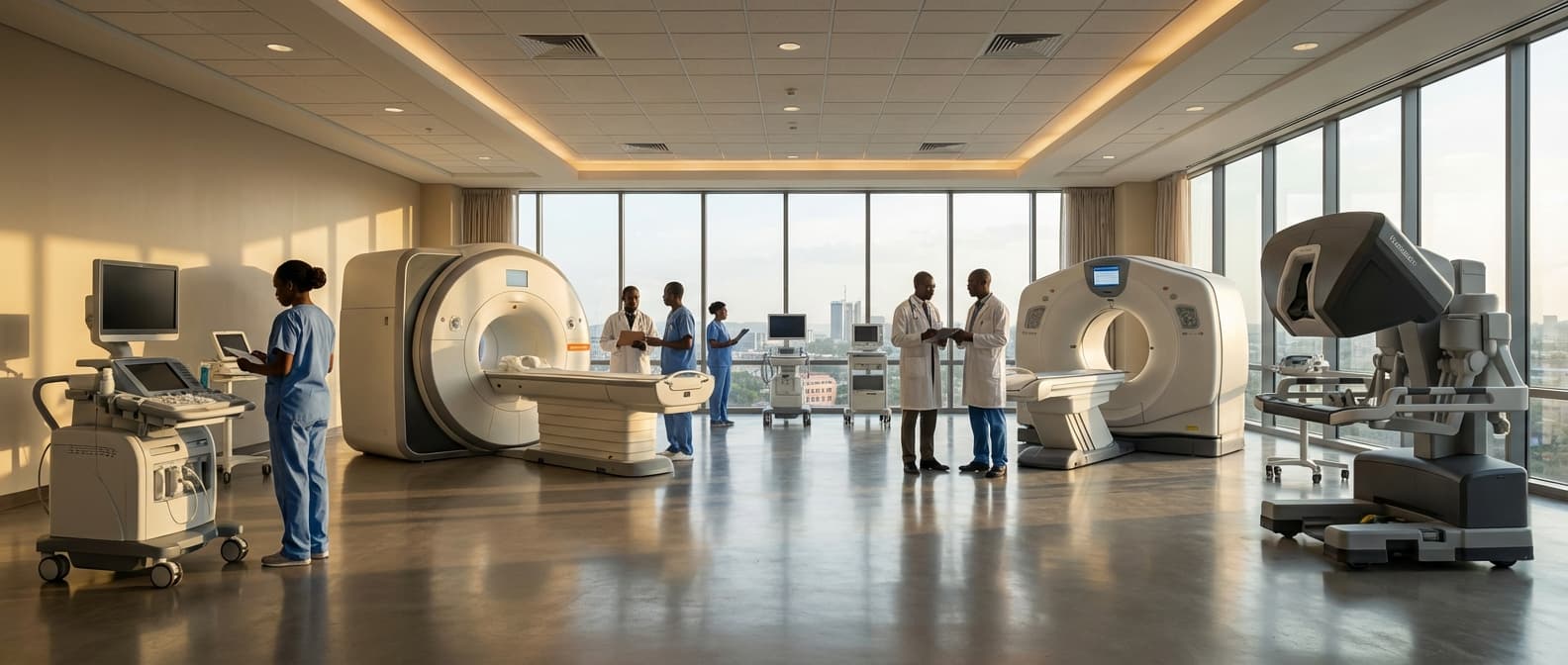
Life Support & Consumables in Burkina Faso
Engineering Excellence & Technical Support
Reliable supply of essential medical consumables and life support equipment ensuring uninterrupted, quality patient care delivery. High-standard technical execution following OEM protocols and local regulatory frameworks.
Mobile Water Purification Units Deployed
Successfully deployed 5 mobile water purification units across remote villages, providing access to safe drinking water for over 10,000 individuals during the peak of the dry season and mitigating waterborne disease outbreaks.
Expedited Medical Supply Chain for Remote Health Posts
Established a resilient drone delivery network for essential medicines and vaccines to 15 hard-to-reach health posts, reducing delivery times by an average of 72 hours and ensuring critical supplies reached vulnerable populations without delay.
Community-Based Therapeutic Feeding Centers Expanded
Scaled up the number of community-based therapeutic feeding centers by 30%, reaching over 5,000 malnourished children with specialized nutritional support and significantly improving recovery rates by 85%.
What Is Life Support & Consumables In Burkina Faso?
Life Support & Consumables in Burkina Faso refers to the provision of essential resources and medical interventions required to sustain human life and health in situations where individuals are unable to do so independently. This encompasses a broad spectrum of services and materials, ranging from basic medical equipment to specialized nutritional products and psychological support. The need for such services arises from various circumstances, including acute medical emergencies, chronic illnesses, humanitarian crises, and environments with limited healthcare infrastructure. The target population includes critically ill patients, individuals with long-term debilitating conditions, displaced populations, and those affected by natural disasters or conflict. Typical use cases involve the management of respiratory failure (e.g., mechanical ventilation), cardiovascular support (e.g., vasopressors), nutritional deficiencies (e.g., parenteral nutrition, enteral feeding), and the ongoing supply of essential medications and medical disposables in resource-limited settings.
| Category | Definition/Description | Target Population Examples | Typical Use Cases |
|---|---|---|---|
| Mechanical Ventilation | Assisting or completely taking over the function of breathing using a mechanical ventilator. | Patients with acute respiratory distress syndrome (ARDS), severe pneumonia, sepsis, post-surgical respiratory complications. | Management of respiratory failure in critical care units, especially in absence of readily available respiratory support. |
| Intravenous Fluid and Electrolyte Management | Administration of sterile solutions to maintain hydration, electrolyte balance, and blood pressure. | Patients experiencing dehydration (e.g., from diarrhea, vomiting), shock, severe burns, surgical procedures. | Resuscitation in emergency settings, management of chronic conditions leading to fluid and electrolyte derangements. |
| Nutritional Support (Parenteral/Enteral) | Providing essential nutrients intravenously (parenteral) or via a feeding tube (enteral) when oral intake is insufficient or impossible. | Patients with severe malnutrition, gastrointestinal dysfunction, critical illness, post-operative recovery. | Sustaining nutritional status in individuals unable to consume food orally due to medical conditions, ensuring adequate caloric and protein intake. |
| Dialysis (Hemodialysis/Peritoneal Dialysis) | Artificial replacement of kidney function to remove waste products and excess fluid from the blood. | Patients with end-stage renal disease (ESRD), acute kidney injury (AKI) due to toxins or other medical conditions. | Management of renal failure in regions with limited access to specialized renal care facilities. |
| Oxygen Therapy | Delivery of supplemental oxygen to patients with hypoxemia. | Patients with respiratory infections (e.g., malaria-related pneumonia), chronic obstructive pulmonary disease (COPD), cardiac conditions. | Addressing oxygen desaturation in individuals with compromised pulmonary function, particularly in remote or underserved areas. |
Key Components of Life Support & Consumables in Burkina Faso
- Medical Equipment (e.g., ventilators, oxygen concentrators, dialysis machines)
- Pharmaceuticals and Medications (e.g., antibiotics, analgesics, critical care drugs)
- Nutritional Support (e.g., parenteral nutrition, enteral feeding formulas, micronutrient supplements)
- Medical Disposables (e.g., syringes, catheters, bandages, IV fluids)
- Diagnostic Reagents and Supplies
- Water Purification and Sanitation Solutions
- Shelter and Basic Necessities (in humanitarian contexts)
- Mental Health and Psychosocial Support Services
Who Needs Life Support & Consumables In Burkina Faso?
In Burkina Faso, the need for life support and consumables is driven by a complex interplay of factors, including healthcare access, emergency response, and specific demographic vulnerabilities. Understanding who requires these vital resources and the departments involved is crucial for effective resource allocation and program development.
| Department/Sector | Key Needs & Responsibilities | Examples of Consumables/Life Support |
|---|---|---|
| Ministry of Health (MoH) | Overall policy, planning, and oversight of healthcare services. Manages national health programs and ensures availability of essential medical supplies. | National stockpiles of oxygen, essential medicines, personal protective equipment (PPE), syringes, IV fluids, basic medical devices. |
| Public Hospitals & Health Centers | Direct provision of healthcare services. Diagnosis, treatment, surgery, and emergency care. Manage patient wards, ICUs, and operating theaters. | Oxygen cylinders/generators, ventilators, monitors (ECG, pulse oximetry), anesthesia machines, surgical instruments, wound dressings, sutures, laboratory reagents, IV catheters, medications. |
| District Health Teams | Supervision and support of peripheral health facilities. Management of local health resources and emergency preparedness at the district level. | Mobile oxygen units, essential drug kits, basic medical equipment for health posts, first-aid supplies, antimalarial drugs, rehydration salts. |
| Emergency Medical Services (EMS)/Ambulance Services | Pre-hospital care and transportation of patients to healthcare facilities. Response to emergencies and disasters. | Portable oxygen, defibrillators, basic trauma kits, splints, bandages, suction devices, stethoscopes, blood pressure cuffs. |
| Non-Governmental Organizations (NGOs) & International Aid Agencies | Supplement government efforts, often focusing on specific regions, populations, or health issues (e.g., maternal health, HIV/AIDS, emergency relief). | Specialized medical equipment for specific programs, medicines for targeted diseases, nutritional supplements, water purification tablets, temporary shelter supplies, hygiene kits. |
| Community Health Workers (CHWs) | First point of contact in remote communities. Basic health screening, health education, and referral. Management of common illnesses. | First-aid kits, basic diagnostic tools (thermometers, malaria rapid test kits), oral rehydration salts, essential medicines for common ailments, water purification supplies. |
| Military & Security Forces (in conflict zones) | Provide medical support to personnel and civilians in affected areas. Often have forward operating medical units. | Field medical kits, trauma supplies, blood transfusions (where feasible), battlefield dressings, portable oxygen, pain management medications. |
Target Customers for Life Support & Consumables in Burkina Faso
- {"title":"Vulnerable Populations","description":"Individuals with limited access to basic healthcare, often residing in remote or underserved areas, are primary recipients. This includes impoverished communities, displaced persons due to conflict or natural disasters, and populations in areas with a high prevalence of endemic diseases."}
- {"title":"Patients with Chronic Illnesses","description":"Individuals managing long-term conditions such as diabetes, hypertension, HIV/AIDS, respiratory diseases (like tuberculosis and asthma), and cardiovascular issues often require ongoing life support equipment and regular consumables for treatment and management."}
- {"title":"Maternal and Child Health Recipients","description":"Pregnant women, newborns, and young children are a critical demographic. This includes those requiring neonatal intensive care, assistance during childbirth (especially complicated deliveries), and treatment for common childhood illnesses requiring supportive care."}
- {"title":"Emergency and Trauma Victims","description":"Individuals involved in accidents, natural disasters (floods, droughts, cyclones), or experiencing sudden medical emergencies require immediate life support and consumables for stabilization and treatment."}
- {"title":"Individuals with Disabilities","description":"People with permanent disabilities who require assistive devices, respiratory support (like oxygen concentrators for those with respiratory impairments), or specialized feeding equipment."}
- {"title":"Patients Undergoing Surgical Procedures","description":"Individuals requiring surgery, particularly complex or life-saving procedures, will need anesthesia, monitoring equipment, and associated consumables during and after the operation."}
Life Support & Consumables Process In Burkina Faso
The workflow for Life Support & Consumables procurement in Burkina Faso involves a structured process to ensure timely and efficient provision of essential goods. This process begins with an identified need and culminates in the successful delivery and utilization of the requested items. It requires clear communication, adherence to regulations, and careful management of resources.
| Stage | Description | Key Activities | Responsible Parties | Potential Challenges |
|---|---|---|---|---|
| Inquiry & Needs Assessment | Identifying and defining the specific life support and consumable items required. | Needs identification by program/project teams, quantification of items, specification definition, urgency assessment. | Program Managers, Field Staff, Technical Experts | Unclear or inaccurate needs assessment, lack of detailed specifications, underestimation of quantities. |
| Budget Allocation & Approval | Securing the necessary financial resources for the procurement. | Budget proposal, financial review, budget approval by relevant authorities, fundraising if required. | Finance Department, Project Management, Donors/Funders | Budget constraints, delays in budget approval, insufficient funding. |
| Procurement Planning | Developing a strategic plan for acquiring the identified consumables. | Market research, defining procurement methods (tender, direct purchase), establishing timelines, risk assessment. | Procurement Department, Logistics Team | Lack of established procurement procedures, market volatility, insufficient lead time. |
| Vendor Identification & Selection | Finding and choosing reliable suppliers for the consumables. | Vendor registration, pre-qualification, Request for Quotation (RFQ) or Tender issuance, bid evaluation, vendor selection based on price, quality, and reliability. | Procurement Department, Technical Committee | Limited number of qualified vendors, corruption, bias in selection, delays in vendor responsiveness. |
| Order Placement & Confirmation | Formalizing the purchase with the selected vendor. | Issuing Purchase Orders (POs), contract negotiation, securing pro-forma invoices, obtaining confirmation from vendors. | Procurement Department, Finance Department | Errors in POs, disputes over terms and conditions, delayed vendor confirmation. |
| Logistics & Transportation | Managing the movement of consumables from the vendor to the point of use. | Arranging shipping, customs clearance, warehousing, transportation to remote locations, insurance. | Logistics Department, Customs Brokers, Transport Providers | Customs delays, poor road infrastructure, security risks during transit, high transportation costs, damaged goods. |
| Receipt & Quality Control | Verifying the received items against the order and ensuring their quality. | Inspection of goods upon arrival, checking quantities and specifications, quality assurance testing, documentation of receipt. | Warehouse Staff, Quality Assurance Team, Program Staff | Discrepancies between order and received items, damaged or expired goods, lack of proper inspection facilities. |
| Distribution & Utilization | Delivering the consumables to the end-users and ensuring their proper use. | Stocking in designated areas, issuing to beneficiaries/program teams, training on proper use, monitoring consumption. | Warehouse Staff, Program Staff, Field Coordinators | Inadequate storage, pilferage, misuse of consumables, insufficient tracking of distribution. |
| Reporting & Feedback | Documenting the entire process and gathering feedback for future improvements. | Preparing procurement reports, financial reconciliation, impact assessment, collecting feedback from stakeholders. | Procurement Department, Finance Department, Program Management, Monitoring & Evaluation Team | Incomplete or inaccurate reporting, lack of timely feedback, failure to incorporate lessons learned. |
Key Stages in the Life Support & Consumables Process:
- Inquiry & Needs Assessment
- Budget Allocation & Approval
- Procurement Planning
- Vendor Identification & Selection
- Order Placement & Confirmation
- Logistics & Transportation
- Receipt & Quality Control
- Distribution & Utilization
- Reporting & Feedback
Life Support & Consumables Cost In Burkina Faso
Burkina Faso's economy, while experiencing some growth, remains a low-income country. This impacts the affordability and accessibility of essential life support and consumables. Prices are influenced by a complex interplay of global commodity markets, local agricultural output, transportation costs, import duties, and the general economic stability of the region. The West African CFA franc (XOF) is the local currency, and exchange rates with major international currencies can fluctuate, affecting the cost of imported goods. Understanding these factors is crucial for assessing the financial burden of basic necessities for individuals and families in Burkina Faso.
| Consumable Category | Typical Unit | Estimated Price Range (XOF) | Notes |
|---|---|---|---|
| Rice (imported) | 1 kg | 700 - 1,200 | Price varies based on type (e.g., broken vs. premium) and import source. |
| Millet/Sorghum | 1 kg | 400 - 700 | Local staples; prices highly dependent on harvest yields. |
| Cooking Oil (vegetable) | 1 liter | 1,000 - 1,800 | Largely imported, so subject to international oil prices and exchange rates. |
| Sugar | 1 kg | 800 - 1,300 | Imported commodity, price influenced by global markets. |
| Bread (baguette) | Standard loaf | 200 - 400 | Price of flour and energy costs are key drivers. |
| Water (bottled) | 1.5 liter bottle | 300 - 600 | Essential for many, especially in urban areas where tap water quality may be a concern. |
| Kerosene (for cooking/lighting) | 1 liter | 800 - 1,200 | Vital for households without access to electricity or gas; price can be volatile. |
| Basic Soap (bar) | 1 bar | 200 - 500 | A fundamental hygiene product, availability and price can differ by brand and size. |
| Maize (local) | 1 kg | 350 - 600 | Another key local grain, sensitive to weather patterns. |
| Onions | 1 kg | 500 - 900 | Price fluctuates significantly based on harvest and seasonality. |
Key Pricing Factors for Life Support & Consumables in Burkina Faso
- Global Commodity Prices: Fluctuations in international prices for staples like rice, wheat, and cooking oil directly impact local costs, as Burkina Faso is a net importer of many of these goods.
- Local Agricultural Production: The success of domestic harvests, particularly for staple grains like millet and sorghum, significantly influences food prices. Droughts or other adverse weather conditions can lead to shortages and price hikes.
- Transportation and Logistics: Burkina Faso's landlocked status and often underdeveloped infrastructure increase transportation costs for both imported and domestically distributed goods, adding to the final consumer price.
- Import Duties and Taxes: Government tariffs and taxes on imported food and essential goods contribute to their higher cost compared to locally produced items.
- Exchange Rates: The value of the West African CFA franc (XOF) against other currencies affects the cost of imported goods. A weaker XOF makes imports more expensive.
- Seasonal Availability: Prices for fruits, vegetables, and some grains are subject to seasonal variations, being higher when out of season and lower during peak harvest periods.
- Market Competition and Distribution Networks: The presence of multiple vendors and efficient distribution channels can help stabilize prices. However, in remote areas, limited competition can lead to higher markups.
- Socio-Political Stability: Periods of unrest or insecurity can disrupt supply chains, increase transportation risks, and lead to price volatility.
Affordable Life Support & Consumables Options
Navigating the costs associated with life support and essential consumables can be a significant concern for individuals and families. This guide explores affordable options, value bundles, and effective cost-saving strategies to help manage these expenses without compromising on quality or necessary care.
| Value Bundle Type | Description | Potential Savings Benefit | Considerations |
|---|---|---|---|
| Starter Kits | Includes essential consumables and often a basic piece of equipment (e.g., nebulizer, CPAP mask) for a new user. | Lower upfront cost compared to purchasing items individually. Convenient for initial setup. | Ensure the bundled items meet your specific needs. May not include all necessary supplies long-term. |
| Monthly Supply Packs | A curated selection of frequently used consumables (e.g., filters, tubing, dressings) delivered on a recurring basis. | Discounted pricing on multiple items. Predictable costs and reduces the need for frequent reordering. | Requires a commitment to a subscription. Verify the contents and frequency align with usage. |
| Equipment & Consumable Bundles | Combines a larger life support device with a set of associated consumables at a package price. | Significant cost reduction on the overall purchase. Ensures compatibility between device and supplies. | Assess the value of the bundled consumables. May offer more than what's immediately needed. |
| Advanced Care Packages | Includes specialized consumables and accessories for specific conditions or advanced users. | Often includes niche items at a better price than sourcing them separately. Tailored solutions. | Verify that the package is appropriate for the specific medical need. May be more expensive upfront. |
Key Cost-Saving Strategies:
- Bulk Purchasing: Buying consumables in larger quantities often leads to a lower per-unit cost.
- Subscription Services: Many suppliers offer subscription plans for regular deliveries, often with discounts.
- Generic vs. Brand-Name: Explore high-quality generic alternatives to brand-name consumables, which can be significantly cheaper.
- Insurance Review: Regularly review your health insurance policy to understand coverage for life support equipment and consumables. Advocate for maximum coverage.
- Manufacturer Rebates & Coupons: Keep an eye out for rebates and coupons offered by manufacturers on specific products.
- Local Suppliers & Partnerships: Sometimes, local medical supply stores or partnerships with healthcare providers can offer better pricing.
- Second-Hand Equipment: For non-disposable life support equipment, consider certified refurbished or gently used options.
- DIY Maintenance (where appropriate): For certain simpler maintenance tasks, learning to do them yourself can save on service fees.
- Energy Efficiency: For powered life support devices, prioritize energy-efficient models to reduce electricity bills.
- Preventative Care: Regular maintenance of equipment can prevent costly breakdowns and extend its lifespan.
Verified Providers In Burkina Faso
In Burkina Faso's evolving healthcare landscape, identifying trustworthy and effective healthcare providers is paramount. Franance Health distinguishes itself as a beacon of reliability, offering a comprehensive network of verified medical professionals and facilities. This commitment to quality assurance means patients can access a higher standard of care, confident in the expertise and ethical practices of those they engage with. Franance Health's rigorous vetting process ensures that all affiliated providers meet stringent criteria for qualifications, experience, and adherence to best medical practices. This dedication translates into improved patient outcomes, enhanced accessibility, and a more secure healthcare experience for individuals and families across Burkina Faso.
| Provider Type | Franance Health Verification Standard | Benefits for Patients |
|---|---|---|
| General Practitioners | Valid medical license, proven experience, adherence to ethical guidelines | Reliable primary care, accurate diagnoses, appropriate referrals |
| Specialists (e.g., Cardiologists, Pediatricians) | Board certification, specialized training, peer review of practice | Expert diagnosis and treatment for specific conditions, access to advanced medical knowledge |
| Hospitals & Clinics | Accreditation (if applicable), adherence to safety protocols, quality of facilities and equipment, patient satisfaction data | Safe and well-equipped environment for procedures, comprehensive care services, efficient operations |
| Diagnostic Laboratories | Licensure, quality control measures, accurate and timely test results | Trustworthy diagnostic information for effective treatment planning |
| Pharmacies | Valid operating license, proper storage of medications, availability of essential drugs | Access to safe and authentic prescription and over-the-counter medications |
Key Reasons Why Franance Health Providers Are the Best Choice:
- Rigorous Vetting Process: Franance Health meticulously screens all affiliated healthcare professionals and institutions.
- Verified Credentials: All providers undergo thorough verification of their medical licenses, qualifications, and specializations.
- Commitment to Quality: Affiliated providers adhere to established best practices and international medical standards.
- Enhanced Patient Safety: The vetting process prioritizes patient well-being and minimizes risks.
- Increased Accessibility: Franance Health connects patients with a diverse range of specialists and facilities across Burkina Faso.
- Ethical Standards: Providers are expected to maintain the highest ethical conduct and patient-centered care.
- Improved Health Outcomes: Access to verified and competent providers leads to more effective treatment and better recovery rates.
Scope Of Work For Life Support & Consumables
This document outlines the Scope of Work (SOW) for the provision of Life Support & Consumables, detailing the technical deliverables and standard specifications required. The SOW aims to ensure the consistent and reliable supply of essential materials to support ongoing operations. This includes, but is not limited to, air purification systems, water purification and distribution, food supplies, waste management, and personal protective equipment (PPE).
| Category | Item/Service | Technical Specification | Standard | Quantity/Frequency | Notes |
|---|---|---|---|---|---|
| Air Support | Oxygen Cylinders (Medical Grade) | 99.5% purity, DISS 1240 fitting, DOT/TC approved | USP, ISO 10380 | 50 x 70 cu ft cylinders / Month | Emergency backup supply required |
| Air Support | HEPA Air Filters | MERV 17 or higher, certified for particulate removal | ASHRAE 52.2 | 100 units / Quarter | For environmental control units |
| Water Support | Water Purification Tablets | NSN 6515-01-279-0043, effective for bacteria and viruses | NSN Standards | 1000 tablets / Month | For emergency water treatment |
| Water Support | Potable Water Tank Maintenance | Annual inspection and cleaning, certification of water quality | EPA Drinking Water Standards | 1 x per Year | To ensure water safety |
| Food Supplies | MREs (Meals Ready-to-Eat) | Shelf-stable, nutritionally complete, variety of menus | Military Specification MIL-PRF-32242 | 200 units / Month | For emergency rations |
| Food Supplies | Fresh Produce Delivery | Certified organic, temperature-controlled transport | USDA Organic Standards | 2 x per Week | For daily nutritional requirements |
| Waste Management | Biohazard Waste Disposal Bags | Heavy-duty, leak-proof, puncture-resistant, clearly marked | OSHA 29 CFR 1910.1030 | 500 bags / Month | For regulated medical waste |
| Waste Management | General Waste Collection & Disposal | Scheduled pick-ups, compliance with local landfill regulations | EPA RCRA | Daily | Appropriate containment required |
| Personal Protective Equipment (PPE) | N95 Respirators | NIOSH-approved, certified filtration efficiency | NIOSH 42 CFR Part 84 | 100 units / Month | For airborne particulate protection |
| Personal Protective Equipment (PPE) | Chemical-Resistant Gloves | Nitrile or Neoprene, tested for permeation resistance to specific chemicals | ASTM D6978 | 200 pairs / Month | Refer to chemical hazard assessment |
Key Deliverables
- Procurement and delivery of approved life support equipment.
- Supply of certified consumable items adhering to specified standards.
- Maintenance and calibration services for life support systems.
- Regular reporting on inventory levels and consumption rates.
- Contingency planning for supply chain disruptions.
- Compliance with all relevant safety and environmental regulations.
- Training for on-site personnel on the use and maintenance of supplied equipment.
Service Level Agreement For Life Support & Consumables
This Service Level Agreement (SLA) outlines the guaranteed response times and uptime for the provision of life support equipment and associated consumables. This SLA is intended to ensure the continuous availability and timely support of critical life-sustaining systems.
| Service Component | Uptime Guarantee | Response Time (Emergency) | Response Time (Routine Support) |
|---|---|---|---|
| Life Support Equipment (Operational) | 99.99% | 1 hour | 4 business hours |
| Consumables (In-Stock) | N/A (Guaranteed availability) | 4 hours (for critical shortages) | 1 business day |
| Emergency Repair/Maintenance | N/A (Focus on rapid response) | 1 hour (to commence diagnosis) | N/A |
| Technical Support Hotline | 24/7 availability | 15 minutes (acknowledgement) | 1 hour (to commence troubleshooting) |
Scope of Services
- Provision of Life Support Equipment (e.g., ventilators, dialysis machines, infusion pumps).
- Supply of all associated consumables (e.g., filters, tubing, circuits, reagents).
- Emergency repair and maintenance services for life support equipment.
- On-demand delivery of consumables.
- Technical support and troubleshooting.
Frequently Asked Questions

Ready when you are
Let's scope your Life Support & Consumables in Burkina Faso project in Burkina Faso.

Scaling healthcare logistics and technical systems across the entire continent.