
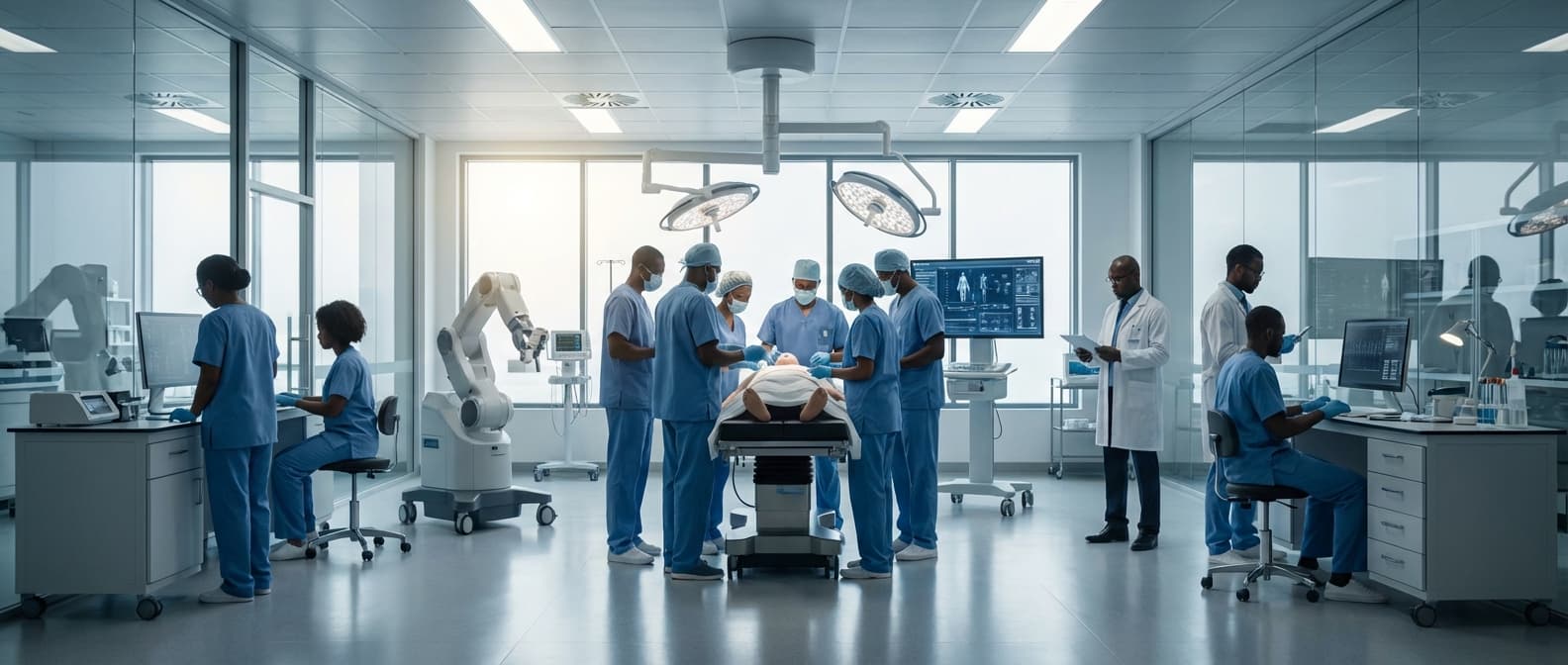
Calibration & Electrical Safety Testing in Burkina Faso
Engineering Excellence & Technical Support
Equipment calibration and IEC safety testing High-standard technical execution following OEM protocols and local regulatory frameworks.
Ensuring Grid Stability and Reliability
Leveraging advanced calibration techniques and adhering to stringent electrical safety testing protocols, we empower Burkina Faso's power infrastructure. Our work guarantees the accurate functioning of essential equipment, minimizing downtime and ensuring a consistent and dependable electricity supply for businesses and communities across the nation.
Fortifying Worker and Public Safety
Our commitment extends to safeguarding lives. Through rigorous electrical safety testing and calibration of protective devices, we identify and mitigate potential hazards. This proactive approach significantly reduces the risk of electrical accidents, creating a safer working environment for technicians and protecting the public from electrical-related dangers.
Precision Measurement for Industry Advancement
In a rapidly developing economy like Burkina Faso, precision is paramount. We provide expert calibration services for a wide range of electrical measuring instruments. This ensures that industrial processes are optimized, product quality is maintained, and research and development initiatives can rely on accurate data, driving innovation and economic growth.
What Is Calibration & Electrical Safety Testing In Burkina Faso?
Calibration and electrical safety testing are critical metrology and compliance services essential for ensuring the accuracy, reliability, and safe operation of electrical equipment and measurement instruments. In Burkina Faso, as globally, these services are mandated and implemented to uphold industry standards, protect personnel and assets, and facilitate fair trade. Calibration involves the comparison of a measurement instrument's readings against a known traceable standard, establishing a documented relationship between the measured value and the true value. This process quantifies and corrects any deviation, ensuring the instrument's accuracy within specified tolerances. Electrical safety testing, conversely, focuses on verifying that electrical equipment and installations meet established safety regulations, thereby preventing hazards such as electric shock, fire, and equipment damage. This includes testing for insulation integrity, grounding effectiveness, and overcurrent protection.
| Service | Definition | Who Needs It | Typical Use Cases |
|---|---|---|---|
| Calibration | The process of comparing a measurement instrument to a known standard to ensure accuracy and establish traceability. | Manufacturers of measurement devices, laboratories (research, quality control, medical), industries relying on precise measurements (e.g., food & beverage, pharmaceuticals, manufacturing), metrology institutions. | Ensuring the accuracy of scales in a bakery, verifying the output of temperature sensors in a chemical plant, calibrating multimeters for electrical maintenance, validating blood pressure monitors in healthcare facilities. |
| Electrical Safety Testing | Verification of electrical equipment and installations to confirm they meet safety standards and pose no risk of electric shock, fire, or damage. | All users of electrical equipment (commercial, industrial, institutional, domestic), electrical contractors, facility managers, property owners, importers of electrical goods, regulatory bodies. | Testing of portable appliances (e.g., PAT testing for office equipment), inspection of fixed wiring in buildings, verification of electrical installations in hospitals, safety checks for industrial machinery, certification of imported electrical products. |
Key Aspects of Calibration & Electrical Safety Testing in Burkina Faso
- Calibration is performed by accredited laboratories or qualified technicians using certified reference materials and traceable standards.
- Electrical safety testing encompasses a range of inspections and tests, often adhering to national and international standards (e.g., IEC standards adapted for local context).
- Both services generate documented certificates or reports, which serve as proof of compliance and accuracy.
- Regular recalibration is necessary to maintain the accuracy of measurement instruments over time, accounting for drift and wear.
- Periodic electrical safety re-testing is crucial, especially after repairs, modifications, or at prescribed intervals based on equipment type and usage.
- Failure to comply with calibration and safety testing requirements can result in regulatory penalties, operational disruptions, and increased risk of accidents.
Who Needs Calibration & Electrical Safety Testing In Burkina Faso?
Calibration and electrical safety testing are critical for ensuring the accuracy, reliability, and safety of medical equipment, laboratory instruments, and industrial machinery. In Burkina Faso, a diverse range of organizations and individuals rely on these services to maintain operational integrity and comply with safety regulations.
| Customer Type | Key Departments/Areas of Need | Primary Service Required |
|---|---|---|
| Hospitals & Clinics | Radiology, Laboratory, ICU, Operating Rooms, Central Sterilization | Medical Equipment Calibration, Electrical Safety Testing |
| Diagnostic Laboratories | Biochemistry, Hematology, Microbiology, Molecular Biology | Laboratory Instrument Calibration, Electrical Safety Testing |
| Manufacturing Plants | Production Floor, Quality Control, Maintenance, R&D | Process Instrument Calibration, Electrical Safety Testing, Machinery Safety |
| Research Institutions | Laboratories, Testing Facilities, Experimental Setups | Scientific Equipment Calibration, Electrical Safety Testing |
| Water Treatment Facilities | Water Quality Monitoring, Process Control, Electrical Systems | Sensor Calibration, Electrical Safety Testing |
| Power Generation & Distribution | Control Rooms, Substation Equipment, Field Maintenance | Instrumentation Calibration, Electrical Safety Testing |
| Food Processing Units | Production Lines, Quality Assurance, Packaging | Measurement Instrument Calibration, Electrical Safety Testing |
| Automotive Workshops | Diagnostic Bays, Repair Stations | Diagnostic Tool Calibration, Electrical Safety Testing |
Target Customers and Departments for Calibration & Electrical Safety Testing in Burkina Faso
- {"title":"Healthcare Sector","description":"Hospitals, clinics, and diagnostic laboratories are primary beneficiaries, requiring regular calibration of medical devices to ensure accurate diagnoses and treatments, and electrical safety testing to protect patients and staff."}
- {"title":"Industrial and Manufacturing Sector","description":"Factories, production facilities, and processing plants need calibration of measurement instruments for quality control and process optimization. Electrical safety testing is crucial for machinery and electrical systems to prevent accidents and ensure safe working environments."}
- {"title":"Research and Development Institutions","description":"Universities, research centers, and specialized laboratories depend on calibrated scientific equipment for accurate experimental results and reliable data collection. Electrical safety testing is important for the safe operation of laboratory equipment."}
- {"title":"Government Agencies and Public Services","description":"Water treatment plants, power generation facilities, telecommunications companies, and other public utilities require calibrated monitoring equipment and regular electrical safety assessments to ensure service reliability and public safety."}
- {"title":"Educational Institutions","description":"Vocational training centers and technical schools utilize calibrated teaching aids and laboratory equipment for practical training. Ensuring the electrical safety of these facilities is paramount for student safety."}
- {"title":"Food and Beverage Industry","description":"Producers of food and beverages require calibrated equipment for temperature, pressure, and flow measurements to maintain product quality and safety standards. Electrical safety testing ensures safe operation in potentially hazardous environments."}
- {"title":"Mining and Extractive Industries","description":"Companies involved in mining and resource extraction need calibrated sensors, meters, and control systems for efficient operations. Electrical safety testing is essential for the demanding conditions of these sites."}
- {"title":"Small and Medium Enterprises (SMEs)","description":"Various SMEs in sectors like automotive repair, appliance servicing, and small-scale manufacturing can benefit from calibration and electrical safety checks to ensure the quality of their services and the safety of their operations."}
Calibration & Electrical Safety Testing Process In Burkina Faso
This document outlines the standard workflow for calibration and electrical safety testing services in Burkina Faso, from initial inquiry to the completion of the testing process. It details the key stages, required documentation, and responsibilities to ensure efficient and compliant service delivery.
| Stage | Description | Key Activities | Responsible Party | Required Documentation/Information |
|---|---|---|---|---|
| The process begins when a client expresses interest in calibration and/or electrical safety testing services. | Client contacts service provider, details the equipment/systems to be tested, quantities, desired services, and any specific requirements or standards. Service provider acknowledges receipt of inquiry and may ask clarifying questions. | Client, Service Provider | Equipment details (make, model, serial number, current calibration status if applicable), number of items, type of test required (calibration, safety test, or both), site location, desired timeline. |
| Based on the gathered information, the service provider prepares and submits a formal quotation. | Service provider analyzes requirements, calculates costs (labor, travel, consumables, certifications), and prepares a detailed quotation. Client reviews quotation and accepts or requests amendments. Upon agreement, a service contract or purchase order is generated. | Service Provider, Client | Detailed quotation including scope of work, pricing, payment terms, validity period, and estimated timeline. Signed contract or approved purchase order. |
| Once the agreement is finalized, the testing schedule and logistical arrangements are made. | Service provider confirms availability of technicians and equipment. Site access requirements and any specific safety protocols at the client's premises are discussed. Travel arrangements (transportation, accommodation if needed) are finalized. | Service Provider, Client | Agreed testing dates and times, site access permits, confirmation of any client-provided resources (e.g., power supply, access to specific areas). |
| Before the on-site visit, both parties undertake necessary preparations. | Service provider ensures all necessary calibrated test equipment, tools, and documentation are ready. Client ensures equipment to be tested is accessible, powered if required, and any relevant operating procedures are available. Client might need to isolate certain circuits for safety testing. | Service Provider, Client | Service provider's calibrated test equipment. Client's equipment readiness, availability of technical personnel for assistance. |
| The core of the service delivery, where the actual testing and calibration are performed at the client's location. | Service provider's technicians conduct the tests according to agreed standards and procedures. This involves performing electrical safety tests (e.g., insulation resistance, earth continuity, dielectric strength) and/or calibration of measuring instruments. Any necessary adjustments during calibration are made. Readings and observations are meticulously recorded. | Service Provider | Calibration/Test reports (draft), test logs, relevant standards and regulations (e.g., IEC 60601, national electrical codes). |
| Following the completion of on-site work, comprehensive reports are generated. | Service provider compiles all recorded data, test results, and any observations into a formal calibration certificate and/or electrical safety test report. This report includes details of the equipment tested, methods used, results obtained, pass/fail status, and any recommendations. The report is reviewed internally for accuracy and completeness. | Service Provider | Calibration certificates, electrical safety test reports, test results sheets, traceability information to national/international standards. |
| The client receives the official documentation, and the service is formally concluded. | Service provider submits the final, signed calibration certificates and/or electrical safety test reports to the client. Client reviews the reports for satisfaction. Any follow-up actions or re-testing requirements are addressed. | Service Provider, Client | Official calibration certificates, electrical safety test reports, any warranty information on services or new calibrations. |
| The final stage involves financial settlement for the services rendered. | Service provider issues a final invoice to the client based on the agreed-upon quotation and any verified additional work. Client processes payment according to the agreed terms. Service provider records the transaction. | Service Provider, Client | Final invoice, proof of payment. |
Key Stages of Calibration & Electrical Safety Testing Process
- Inquiry & Information Gathering
- Quotation & Agreement
- Scheduling & Logistics
- Pre-Testing Preparations
- On-Site Testing & Calibration
- Documentation & Reporting
- Post-Testing Follow-up & Certification
- Payment & Invoicing
Calibration & Electrical Safety Testing Cost In Burkina Faso
Calibration and electrical safety testing are crucial for ensuring the accuracy and safety of medical devices and laboratory equipment in Burkina Faso. The cost of these services is influenced by several factors, including the type and complexity of the equipment, the required level of accreditation for the testing laboratory, the volume of equipment to be tested, and the location of the testing (on-site vs. at the laboratory). Specialized equipment may require more time and expertise, leading to higher calibration costs. Similarly, testing for specific safety standards or regulatory compliance can impact pricing. Local currency for these services is the West African CFA franc (XOF).
| Service Type | Estimated Cost Range (XOF) | Notes |
|---|---|---|
| Basic Electrical Safety Test (e.g., for small appliances or a single device) | 20,000 - 50,000 | Covers essential safety parameters like insulation resistance, earth continuity. |
| Calibration of Common Laboratory Equipment (e.g., pH meter, thermometer) | 30,000 - 80,000 | Per device, can vary based on model and accuracy requirements. |
| Calibration of Medical Devices (e.g., blood pressure monitor, ECG machine) | 40,000 - 150,000+ | Depends heavily on the device's complexity and criticality. Often requires specialized technicians. |
| Comprehensive Electrical Safety Testing (e.g., for medical facilities) | Negotiable (per device or per room/area) | Often involves a full suite of tests and can be bundled for cost-effectiveness. Pricing may be per device or a project-based rate. |
| Calibration of Precision Scientific Instruments (e.g., spectrophotometer, analytical balance) | 60,000 - 250,000+ | Requires highly skilled personnel and specialized standards, leading to higher costs. |
| On-site Service Call Fee (additional) | 15,000 - 40,000 | May apply on top of calibration/testing fees, especially for remote locations. |
| Calibration Certificate Issuance | Included in most service fees, but a separate fee might apply for duplicate or specialized certificates. |
Key Pricing Factors for Calibration & Electrical Safety Testing in Burkina Faso
- Equipment Type and Complexity: Simpler devices generally cost less to calibrate/test than complex machinery.
- Accreditation of Testing Laboratory: ISO 17025 accredited labs may charge more due to stricter quality control and international recognition.
- Scope of Testing: Basic calibration versus comprehensive testing including multiple safety parameters.
- Volume of Equipment: Bulk discounts are often available for testing a large number of items.
- Location of Service: On-site testing may incur additional travel and logistical charges.
- Urgency of Service: Rush jobs can sometimes command a premium.
- Manufacturer Specifications: Adherence to specific manufacturer calibration protocols can affect cost.
- Type of Calibration: Single-point vs. multi-point calibration.
- Required Documentation: The level of detail and formality of the calibration certificate.
Affordable Calibration & Electrical Safety Testing Options
Ensuring your electrical equipment is calibrated and safe is crucial for operational efficiency, regulatory compliance, and personnel safety. While these services are essential, cost can be a concern, especially for smaller businesses or those with tight budgets. Fortunately, various affordable calibration and electrical safety testing options exist, often leveraging value bundles and smart cost-saving strategies. Value bundles typically combine multiple services into a single package at a discounted rate, offering a more comprehensive and cost-effective solution than purchasing each service individually. Cost-saving strategies range from proactive maintenance and bulk purchasing to exploring different service providers and understanding regulatory requirements to avoid unnecessary testing.
| Service Type | Typical Value Bundle Example | Potential Cost-Saving Strategy | Benefit |
|---|---|---|---|
| Instrument Calibration | Annual calibration for 5 common lab instruments | Negotiate bulk discount for 10+ instruments | Reduced per-unit cost, predictable budget |
| Electrical Safety Testing (PAT) | On-site PAT testing for all office equipment | Group testing for multiple sites or departments | Efficiency, reduced travel costs |
| Combined Services | Annual calibration and safety check for manufacturing machinery | Schedule during planned downtime | Minimized operational disruption, cost efficiency |
| Preventive Maintenance | Quarterly checks including minor adjustments and calibration verification | Subscription to a preventive maintenance plan | Reduced risk of failure, extended equipment life |
| Regulatory Compliance | Testing to meet specific industry standards | Consult with provider on essential vs. recommended tests | Avoidance of unnecessary expenditure, focused compliance |
Key Value Bundles and Cost-Saving Strategies for Calibration & Electrical Safety Testing
- Comprehensive Calibration Packages: Bundling calibration for a range of instruments (e.g., multimeters, oscilloscopes, power supplies) can unlock significant discounts compared to individual calibrations.
- Integrated Safety Testing & Calibration: Combine electrical safety testing (PAT testing, insulation resistance testing) with calibration for a streamlined and cost-effective approach, often performed by the same technician or company.
- Preventive Maintenance Contracts: Agreements that include scheduled calibration and safety checks alongside minor repairs or adjustments can prevent costly breakdowns and ensure continuous compliance.
- Subscription-Based Services: Some providers offer monthly or annual subscription plans for ongoing calibration and testing, spreading the cost over time and ensuring regular compliance.
- Bulk Purchasing & Volume Discounts: For organizations with a large inventory of equipment, negotiating volume discounts for calibration and testing services can lead to substantial savings.
- Off-Peak Scheduling: Inquire about potential discounts for scheduling services during less busy periods or outside of standard business hours.
- In-House Training & Basic Checks: Train internal staff to perform basic visual inspections and simple safety checks, reducing the need for external technicians for every minor assessment.
- Risk-Based Testing Approach: Focus testing efforts on equipment with higher risk profiles or critical operational functions, rather than a blanket approach, as advised by relevant standards and regulations.
- Comparison Shopping & Quotes: Obtain quotes from multiple reputable service providers to ensure competitive pricing and identify the best value proposition.
- Understanding Regulatory Thresholds: Familiarize yourself with the specific calibration and safety testing requirements for your industry and equipment to avoid over-testing or unnecessary compliance measures.
- Digital Record Keeping: Transitioning to digital record-keeping can reduce administrative costs associated with managing paper-based certificates and reports.
- Long-Term Equipment Investment: Investing in higher-quality, more durable equipment may lead to less frequent calibration and testing needs over its lifespan.
Verified Providers In Burkina Faso
Ensuring access to quality healthcare is paramount in Burkina Faso. Finding reliable and accredited healthcare providers can be a significant challenge. This document outlines the importance of verified providers, specifically highlighting the credentials and advantages of Franance Health as a premier choice for healthcare services in Burkina Faso. Franance Health's commitment to excellence and patient well-being sets them apart as a trusted partner in your healthcare journey.
| Franance Health Credentials | Key Benefits for Patients | Why They Represent the Best Choice |
|---|---|---|
| Accreditation by the Ministry of Health, Burkina Faso | Legally recognized and regulated healthcare services. | Guaranteed compliance with national healthcare regulations and standards. |
| Partnerships with International Health Organizations (e.g., WHO, Médecins Sans Frontières) | Access to best practices and advanced medical knowledge. | Upholds global standards of care and efficiency, ensuring top-tier treatment. |
| Certified medical professionals with extensive experience | Expert diagnosis and treatment from highly skilled doctors and nurses. | Personalized and effective care tailored to individual patient needs. |
| Commitment to continuous professional development and training | Up-to-date medical knowledge and techniques. | Ensures patients receive the most current and effective treatment options available. |
| Robust patient feedback and quality assurance systems | Focus on patient satisfaction and continuous improvement. | Demonstrates a dedication to providing an exceptional healthcare experience. |
Why Choose Verified Providers?
- Ensures adherence to national and international healthcare standards.
- Guarantees access to qualified and licensed medical professionals.
- Provides a higher level of patient safety and care quality.
- Offers peace of mind and confidence in the healthcare services received.
- Reduces the risk of encountering fraudulent or substandard medical practices.
Scope Of Work For Calibration & Electrical Safety Testing
This Scope of Work (SOW) outlines the requirements for performing comprehensive calibration and electrical safety testing on specified equipment. The objective is to ensure that all tested equipment meets its defined performance specifications and adheres to relevant electrical safety standards, thereby guaranteeing safe operation and reliable measurements.
| Item | Description of Work | Applicable Standard(s) | Technical Deliverables | Acceptance Criteria |
|---|---|---|---|---|
| 1 | Calibration of Measurement Instruments | Manufacturer's Specifications, ISO 17025 (if applicable) | Calibration Certificate with "As Found" and "As Left" data, Traceable to National/International Standards, Adjustment Records (if performed) | Measured values within ± X% of the nominal value or manufacturer's tolerance; adjustment within acceptable limits. |
| 2 | Electrical Safety Testing | IEC 60601-1, ANSI/AAMI ES60601-1, UL 60601-1, CSA C22.2 No. 60601-1 (depending on region and device class) | Electrical Safety Test Report including results for: Grounding/Equipotential Bonding Resistance, Insulation Resistance, Leakage Current (Enclosure, Patient, Patient Auxiliary), Dielectric Strength/Hi-Pot Test, Visual Inspection of Wiring and Connectors. | All measured parameters must be below the maximum allowable limits as specified by the applicable standard. |
| 3 | Functional Testing (Post-Calibration/Safety) | Manufacturer's Operating Manuals | Record of functional checks confirming equipment operates as intended after calibration and safety testing. | Equipment performs all primary functions without error or anomaly. |
| 4 | Documentation and Reporting | Client-specific requirements | Comprehensive Final Report summarizing all tests performed, results, certifications, and any recommendations. | Report is complete, accurate, and delivered within the agreed-upon timeframe. |
| 5 | Uncertainty of Measurement | ISO/IEC Guide 98-3 | Calibration certificates shall include the expanded uncertainty of measurement (k=2) for key parameters. | Uncertainty of measurement is reported and understood by the client. |
Key Objectives
- Verify and adjust equipment to meet manufacturer's specifications.
- Ensure compliance with applicable electrical safety standards.
- Document all test results and calibration certificates.
- Provide a detailed report of findings and any corrective actions taken.
- Minimize downtime of critical equipment through efficient testing procedures.
Service Level Agreement For Calibration & Electrical Safety Testing
This Service Level Agreement (SLA) outlines the terms and conditions for Calibration & Electrical Safety Testing services provided by [Your Company Name] to [Client Company Name]. It defines the expected response times for service requests and the guaranteed uptime for the calibration and testing services.
| Service Category | Priority Level | Response Time Guarantee (Business Hours) | Uptime Guarantee |
|---|---|---|---|
| Calibration Service Request (Routine) | Standard | Within 48 business hours | 99.5% Availability during scheduled service periods |
| Calibration Service Request (Urgent - Equipment Failure) | High | Within 24 business hours | 99.5% Availability during scheduled service periods |
| Electrical Safety Testing Request (Routine) | Standard | Within 72 business hours | 99.0% Availability of testing environment/personnel |
| Electrical Safety Testing Request (Urgent - Compliance Issue) | Critical | Within 12 business hours | 99.0% Availability of testing environment/personnel |
| Technical Support/Inquiry | Low | Within 8 business hours | N/A |
Scope of Services
- Calibration of specified electrical test equipment.
- Electrical Safety Testing of electrical equipment and systems.
- Provision of calibration certificates and test reports.
- On-site and off-site service options (as agreed upon).
Frequently Asked Questions

Ready when you are
Let's scope your Calibration & Electrical Safety Testing in Burkina Faso project in Burkina Faso.

Scaling healthcare logistics and technical systems across the entire continent.