
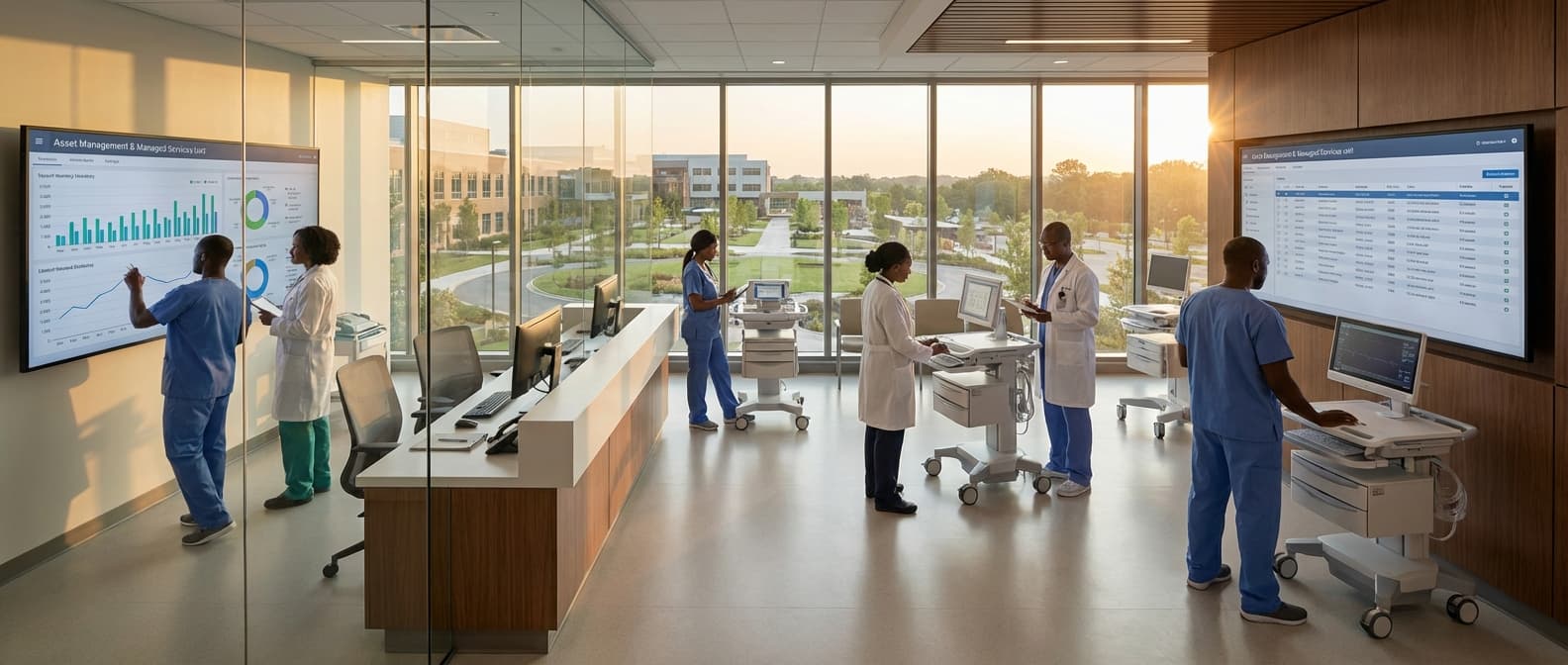
Equipment Condition Assessment Report Service in Burkina Faso
Engineering Excellence & Technical Support
Equipment Condition Assessment Report Service High-standard technical execution following OEM protocols and local regulatory frameworks.
Advanced Predictive Maintenance
Leveraging cutting-edge sensor technologies and data analytics, we provide real-time equipment health monitoring. Our predictive models anticipate potential failures, allowing for proactive maintenance and minimizing costly unplanned downtime across critical industrial sectors in Burkina Faso.
Comprehensive Risk Assessment & Lifecycle Management
We conduct in-depth assessments to evaluate the remaining useful life and performance degradation of your assets. Our reports offer actionable insights for informed capital planning, risk mitigation strategies, and optimized equipment lifecycle management in the unique operational environments of Burkina Faso.
Remote & On-Site Expert Diagnostics
Our certified engineers offer both remote diagnostic services and on-site inspections, utilizing specialized tools to pinpoint issues with machinery, electrical systems, and structural integrity. We deliver precise assessments tailored to the specific challenges faced by industries operating within Burkina Faso.
What Is Equipment Condition Assessment Report Service In Burkina Faso?
Equipment Condition Assessment Report Service in Burkina Faso refers to a specialized technical service that evaluates the current operational status, integrity, and remaining useful life of industrial, commercial, or infrastructure assets. This service aims to provide a comprehensive and objective understanding of an asset's condition, identifying potential deficiencies, risks, and areas requiring intervention. The assessment employs a combination of non-destructive testing (NDT) methods, visual inspections, performance monitoring, historical data analysis, and engineering judgment. The output is a detailed report that quantifies the condition, forecasts future performance, and recommends specific maintenance, repair, or replacement strategies. This proactive approach is crucial for asset management, risk mitigation, and optimizing operational efficiency within the Burkinabe economic landscape.
| Who Needs Equipment Condition Assessment Report Service? | Typical Use Cases | ||||||||||||
|---|---|---|---|---|---|---|---|---|---|---|---|---|---|
| Industries operating critical machinery and infrastructure (e.g., mining, energy, manufacturing, agriculture, transportation) | Asset owners seeking to comply with regulatory requirements and industry standards | Financial institutions and investors performing due diligence on assets | Maintenance and reliability engineering departments | Procurement departments evaluating used equipment | Government agencies responsible for public infrastructure (e.g., roads, bridges, water treatment plants) | Insurance companies assessing risk and validating claims | Mining operations for assessment of heavy machinery (e.g., excavators, haul trucks, crushers) | Power generation facilities for turbines, generators, and transmission lines | Manufacturing plants for production lines, process equipment, and automated systems | Agricultural enterprises for large-scale irrigation systems, processing machinery, and storage facilities | Transportation and logistics companies for fleet vehicles, rail infrastructure, and port equipment | Oil and gas sector for pipelines, processing units, and storage tanks | Real estate developers and facility managers for building systems and structural components |
Key Components of an Equipment Condition Assessment Report Service:
- On-site visual and instrumental inspection
- Non-destructive testing (NDT) methodologies (e.g., ultrasonic testing, magnetic particle testing, radiographic testing, eddy current testing)
- Performance data analysis and benchmarking
- Material degradation assessment (corrosion, wear, fatigue)
- Structural integrity evaluation
- Root cause analysis of identified defects
- Remaining Useful Life (RUL) estimation
- Risk assessment and prioritization
- Development of maintenance and repair recommendations
- Capital expenditure (CAPEX) and operational expenditure (OPEX) forecasting
Who Needs Equipment Condition Assessment Report Service In Burkina Faso?
An Equipment Condition Assessment Report Service in Burkina Faso is crucial for a wide range of organizations and individuals who rely on the optimal functioning and longevity of their machinery, infrastructure, and assets. These reports provide detailed insights into the current state of equipment, identifying potential issues, wear and tear, and the need for maintenance or replacement. This proactive approach minimizes downtime, reduces operational costs, enhances safety, and ensures regulatory compliance.
| Customer Type | Specific Departments/Areas of Need | Key Benefits of Assessment Reports |
|---|---|---|
| Public Sector Agencies | Ministry of Mines (heavy machinery, processing equipment); Ministry of Transport (vehicles, infrastructure, railway equipment); Ministry of Water and Hydraulics (pumps, treatment plants, pipelines); Ministry of Energy (power generation equipment, transmission lines); Ministry of Infrastructure (construction equipment, bridges, roads); Municipalities (waste management equipment, public transport); National Armed Forces (military vehicles, aircraft, naval vessels); Emergency Services (ambulances, fire trucks, rescue equipment). | Ensuring public safety, optimizing public service delivery, extending asset lifespan, justifying budget allocations for maintenance and replacement, maintaining critical national infrastructure. |
| Private Sector Corporations | Mining Companies (extraction and processing machinery); Agriculture (tractors, harvesters, irrigation systems); Manufacturing (production lines, industrial machinery); Construction (heavy-duty vehicles, cranes, earthmoving equipment); Energy Sector (generators, turbines, pipelines); Telecommunications (cell towers, network infrastructure); Logistics and Transportation (trucks, ships, cargo handling equipment); Water and Sanitation Providers (treatment plants, pumps); Oil and Gas (drilling equipment, pipelines, refineries). | Maximizing operational efficiency, reducing unplanned downtime, improving productivity, enhancing product quality, managing risk, optimizing maintenance schedules, supporting investment decisions. |
| Non-Governmental Organizations (NGOs) | Organizations involved in infrastructure development, water projects, health services (clinics with medical equipment), agricultural programs (equipment for farmers), and emergency relief (transport vehicles, temporary shelters with associated equipment). | Ensuring project sustainability, efficient use of donor funds, maintaining operational capacity in remote areas, demonstrating accountability and impact. |
| International Development Organizations | World Bank, African Development Bank, UN Agencies (UNDP, UNICEF, WHO), bilateral aid agencies. Involved in funding and overseeing infrastructure projects, public health initiatives, and economic development programs. | Assessing the condition of assets they fund, ensuring project viability, risk mitigation, capacity building for local partners, evidence-based decision-making for future investments. |
| Small and Medium-Sized Enterprises (SMEs) | Smaller construction firms, agricultural cooperatives, local transport companies, workshops, and service providers who rely on specific equipment for their operations. | Preventing costly breakdowns, extending equipment life, making informed purchase decisions for new or used equipment, improving cash flow by avoiding unexpected repair bills. |
Target Customers and Departments for Equipment Condition Assessment Report Services in Burkina Faso
- Public Sector Agencies
- Private Sector Corporations
- Non-Governmental Organizations (NGOs)
- International Development Organizations
- Small and Medium-Sized Enterprises (SMEs)
Equipment Condition Assessment Report Service Process In Burkina Faso
This report outlines the typical workflow for the Equipment Condition Assessment service process in Burkina Faso, from initial client inquiry to the final execution and delivery of the assessment report. The process is designed to be comprehensive, ensuring accurate and reliable evaluations of equipment to support informed decision-making for maintenance, repair, or replacement.
| Stage | Description | Key Activities | Deliverables/Outcomes | Responsible Parties |
|---|---|---|---|---|
| The client expresses interest in the Equipment Condition Assessment service. | Client contacts service provider via phone, email, or website. Initial discussion to understand client needs, type of equipment, and objectives. Preliminary discussion on potential challenges and timelines. | Understanding of client requirements. Initial assessment of service feasibility. | Client, Service Provider (Business Development/Sales) |
| Detailed understanding and formalization of the assessment requirements. | Detailed site visit (if feasible, or through client-provided information). Specification of assessment scope (e.g., types of equipment, assessment criteria, depth of analysis). Identification of specific concerns or areas of focus. Development of a detailed proposal outlining methodology, timelines, team, and cost. | Clearly defined assessment scope. Detailed technical proposal with cost breakdown and timeline. | Service Provider (Technical Team, Project Manager), Client |
| Formalization of the service agreement between the client and the service provider. | Review and negotiation of the proposal. Signing of a service contract or agreement detailing terms, conditions, payment schedule, confidentiality, and liabilities. | Signed service contract. Agreed-upon terms of engagement. | Client, Service Provider (Legal/Contracts Team, Management) |
| On-site execution of the assessment to gather all necessary information. | Mobilization of the assessment team to the client's site. Visual inspection of equipment. Non-destructive testing (NDT) as required (e.g., ultrasound, vibration analysis, thermography). Review of maintenance records, operational data, and manufacturer specifications. Interviews with operational and maintenance staff. Photographic and video documentation. | Comprehensive raw data and observations. Photographic and video evidence. Initial findings and potential issues identified. | Service Provider (Assessment Team: Engineers, Technicians), Client (Site Access, Personnel Availability) |
| Processing and interpretation of collected data to determine equipment condition. | Data analysis using specialized software and techniques. Comparison of findings against industry standards, manufacturer recommendations, and historical data. Identification of degradation, defects, and potential failure modes. Assessment of remaining useful life (RUL). Formulation of recommendations for maintenance, repair, or replacement. Drafting of the Equipment Condition Assessment Report. | Detailed analysis of equipment condition. Identification of risks and mitigation strategies. Draft Equipment Condition Assessment Report. | Service Provider (Technical Team, Senior Engineers) |
| Formal presentation and handover of the assessment findings to the client. | Review of the draft report internally for accuracy and completeness. Presentation of the final report to the client, explaining findings, conclusions, and recommendations. Q&A session to address client queries. Delivery of the final, bound report (physical and/or digital). | Final Equipment Condition Assessment Report. Clear understanding of findings and recommendations by the client. | Service Provider (Project Manager, Lead Assessor), Client (Key Stakeholders) |
| Post-delivery support and potential future engagement. | Addressing any follow-up questions or clarifications from the client. Providing support for the implementation of recommendations (if agreed upon). Discussing potential for future assessments or ongoing monitoring services. | Client satisfaction. Continued client relationship. Potential for repeat business. | Service Provider (Project Manager, Account Manager), Client |
Equipment Condition Assessment Service Process Workflow
- Inquiry and Initial Consultation
- Scope Definition and Proposal
- Agreement and Contract Finalization
- Site Visit and Data Collection
- Analysis and Reporting
- Report Presentation and Delivery
- Follow-up and Support
Equipment Condition Assessment Report Service Cost In Burkina Faso
This report outlines the typical costs associated with equipment condition assessment services in Burkina Faso. The pricing for these services is not fixed and can vary significantly based on several key factors. Understanding these factors will help in budgeting and selecting the most appropriate service provider. The complexity of the equipment, the number of items to be assessed, the geographical location within Burkina Faso, the expertise and reputation of the assessment firm, and the required turnaround time all play a crucial role in determining the final service cost.
| Service Component | Estimated Cost Range (XOF) | Notes |
|---|---|---|
| Basic Visual Inspection (Per Item) | 10,000 - 30,000 | Suitable for simple equipment, initial screening. Minimal documentation. |
| Standard Condition Assessment (Per Item) | 25,000 - 75,000 | Includes basic testing, functional checks, and a standard report. For common industrial or commercial equipment. |
| Comprehensive/Specialized Assessment (Per Item) | 75,000 - 300,000+ | For complex machinery, critical infrastructure, or specialized assets. Involves advanced diagnostics, detailed analysis, and extensive reporting. |
| Project Management Fee (as % of total) | 5% - 15% | For larger projects, covers coordination, scheduling, and client communication. |
| Travel and Logistics (per assessment event) | 15,000 - 100,000+ | Highly variable based on location, number of assessors, and duration of stay. |
| Report Generation (complex/detailed) | Included in above, or an additional 20,000 - 150,000 | If extensive data analysis, risk assessment, or specialized formatting is required. |
Key Pricing Factors for Equipment Condition Assessment Services in Burkina Faso:
- Equipment Complexity and Type: Specialized or highly technical equipment (e.g., heavy industrial machinery, advanced medical devices, sophisticated IT infrastructure) will invariably incur higher assessment costs than simpler, more common equipment (e.g., basic office furniture, standard construction tools). The need for specialized diagnostic tools and highly trained personnel drives up costs.
- Number of Equipment Items: A bulk assessment of multiple pieces of equipment often benefits from economies of scale, potentially leading to a lower per-item cost. However, the total project cost will naturally increase with the quantity of assets to be evaluated.
- Geographical Location: Assessments conducted in remote or less accessible areas of Burkina Faso may involve higher travel and logistical expenses for the assessors, which will be passed on to the client. Costs can also vary slightly between major cities like Ouagadougou and more rural regions.
- Scope and Depth of Assessment: The level of detail required in the assessment significantly impacts cost. A basic visual inspection will be less expensive than a comprehensive evaluation involving non-destructive testing, detailed performance analysis, historical data review, and detailed reporting with recommendations for repair, replacement, or maintenance.
- Firm Expertise and Reputation: Established firms with a proven track record, specialized certifications, and highly experienced technicians typically command higher fees. This often reflects a higher quality of service, greater accuracy, and more reliable reporting.
- Reporting Requirements: The format and complexity of the final report can influence the price. A simple summary report will be cheaper than a detailed report with photographic evidence, technical data, analysis, risk assessments, and actionable recommendations.
- Urgency/Turnaround Time: Expedited assessment services, requiring immediate attention or a rapid turnaround for reporting, will generally incur premium pricing due to the need for rapid deployment of resources and potential disruption to the assessor's schedule.
- Associated Services: If the assessment includes additional services such as re-assessment after repairs, maintenance recommendations, or valuation of the equipment, these will add to the overall cost.
- Market Competition: The availability of multiple service providers in a specific region can sometimes lead to more competitive pricing. However, it's crucial to balance cost with the quality and reliability of the service.
Affordable Equipment Condition Assessment Report Service Options
This report outlines affordable equipment condition assessment service options designed to provide clients with comprehensive insights into their asset health while maximizing value and minimizing costs. We understand that maintaining operational efficiency and preventing unexpected failures are paramount. Our service packages are structured to offer flexibility and cost-effectiveness, ensuring you receive the necessary data to make informed decisions about your equipment.
| Service Option | Key Features | Typical Use Case | Estimated Cost Savings (vs. reactive) | Typical Price Range (per assessment) |
|---|---|---|---|---|
| Basic Health Check Bundle | Visual inspection, basic vibration analysis, temperature monitoring. | Routine checks on non-critical assets, identifying obvious anomalies. | 15-25% | $150 - $350 |
| Comprehensive Performance Bundle | Includes Basic Health Check + advanced vibration analysis, oil analysis, performance trend analysis. | Critical machinery, equipment nearing end-of-warranty, troubleshooting performance issues. | 25-40% | $350 - $750 |
| Predictive Maintenance Pro Bundle | Includes Comprehensive Performance + infrared thermography, ultrasonic testing, motor current signature analysis (MCSA). | High-value assets, mission-critical systems, implementing a proactive maintenance strategy. | 40-60%+ | $750 - $1500+ |
| Customizable Solution | As per client requirements. | Unique operational needs, specific asset types, budget constraints. | Variable (depends on scope) | Quote-based |
Value Bundles for Equipment Condition Assessment
- {"title":"Basic Health Check Bundle","description":"Ideal for routine monitoring and early detection of minor issues. Includes fundamental assessments to provide a baseline understanding of equipment health."}
- {"title":"Comprehensive Performance Bundle","description":"A more in-depth analysis suitable for critical equipment or those showing early signs of degradation. Focuses on performance metrics and potential root causes."}
- {"title":"Predictive Maintenance Pro Bundle","description":"Our most advanced offering, designed for proactive management and long-term asset planning. Leverages advanced diagnostics to predict future failures."}
- {"title":"Customizable Solution","description":"Tailor a package to your specific needs and budget. We can mix and match services from different bundles to create a bespoke assessment."}
Verified Providers In Burkina Faso
In Burkina Faso, accessing reliable and qualified healthcare providers is paramount for well-being. Franance Health stands out as a premier organization that rigorously vets and verifies its network of healthcare professionals. This commitment to verification ensures that patients receive care from individuals who meet stringent professional standards, possess the necessary qualifications, and adhere to ethical practices. Choosing a Franance Health verified provider means opting for transparency, competence, and a higher standard of care.
| Credential Aspect | Franance Health Verification Standard | Benefit to Patient |
|---|---|---|
| Medical License & Registration | Verified current and valid registration with the relevant national medical council. | Ensures legal and ethical practice rights. |
| Educational Qualifications | Confirmation of degrees and certifications from accredited institutions. | Guarantees foundational medical knowledge and training. |
| Professional Experience | Validation of past work history and areas of specialization. | Indicates practical skill and relevant expertise. |
| Good Standing & Ethics | Checks for any disciplinary actions or ethical complaints. | Protects patients from substandard or unethical treatment. |
| Specialty Certifications (if applicable) | Verification of advanced qualifications in specific medical fields. | Ensures access to specialized and expert care. |
Why Franance Health Credentials Matter in Burkina Faso
- Rigorous Verification Process: Franance Health employs a multi-stage vetting process that includes checking licenses, certifications, educational background, and professional experience.
- Commitment to Quality: Our verification ensures that providers adhere to the highest standards of medical practice and patient care.
- Enhanced Patient Trust: Knowing your provider is Franance Health verified offers peace of mind and builds confidence in the healthcare services received.
- Access to Competent Professionals: We connect you with healthcare practitioners who are not only qualified but also dedicated to ethical and effective treatment.
- Continuous Monitoring: Franance Health may conduct ongoing assessments to ensure providers consistently meet their standards.
Scope Of Work For Equipment Condition Assessment Report Service
This Scope of Work (SOW) outlines the requirements for a comprehensive Equipment Condition Assessment Report service. The service aims to provide a detailed evaluation of the current operational status, performance, and potential risks associated with specified equipment. The output will be a comprehensive report detailing findings, recommendations, and supporting data, enabling informed decision-making regarding maintenance, repair, replacement, or upgrade strategies.
| Deliverable Item | Description | Standard Specifications / Format | Acceptance Criteria |
|---|---|---|---|
| Equipment Identification Dossier | Detailed listing of all assessed equipment, including make, model, serial number, asset tag, installation date, and location. | Digital document (PDF/Excel). Accurate and complete data for all identified equipment. | All specified equipment is listed and accurately described. |
| Condition Assessment Report | Comprehensive report detailing the findings of the assessment for each piece of equipment. Includes visual inspection results, non-destructive testing (NDT) data, performance test results, and analysis of historical maintenance records. | Digital document (PDF). Well-structured with executive summary, detailed findings per equipment, analysis, risk assessment, and recommendations. | Report is clear, concise, accurate, and addresses all objectives of the SOW. Findings are supported by data and evidence. |
| Risk Assessment Matrix | Evaluation of identified defects and potential failure modes based on likelihood of occurrence and severity of consequences. Prioritizes risks for mitigation. | Table or visual matrix within the report (PDF). Clearly defined risk levels (e.g., High, Medium, Low) and rationale for each. | Risks are logically assessed and clearly categorized. Prioritization is evident. |
| Remaining Useful Life (RUL) Estimation | Estimation of the remaining operational lifespan for critical components and the overall equipment, based on condition and operational history. Includes assumptions made. | Section within the report (PDF). Quantifiable RUL estimates in years or operating hours, with documented assumptions. | RUL estimates are realistic and based on sound engineering principles and data. Assumptions are clearly stated. |
| Maintenance and Repair Recommendations | Specific, actionable recommendations for immediate and future maintenance, repair, or refurbishment activities. Includes estimated costs and priorities. | Section within the report (PDF). Detailed recommendations with estimated timelines and cost ranges where possible. | Recommendations are practical, cost-effective, and directly address identified issues and risks. |
| Replacement Strategy Recommendations | Guidance on when and if replacement of equipment is recommended, including potential alternative technologies or solutions. Includes business case considerations. | Section within the report (PDF). Clear justification for replacement and potential benefits. | Replacement recommendations are justified by technical and/or economic factors. |
| Supporting Data and Evidence | Raw data from inspections, testing, and analysis, including photographic evidence of defects. | Digital files (e.g., images, spreadsheets, NDT reports) linked or appended to the main report (PDF). Organized and easily accessible. | All supporting data is provided and relevant to the findings in the report. |
| Presentation of Findings (Optional) | Verbal presentation of the key findings, recommendations, and executive summary to stakeholders. | In-person or virtual meeting. Professional presentation using slides (e.g., PowerPoint). Q&A session included. | Key findings are effectively communicated and understood by stakeholders. |
Key Objectives of the Equipment Condition Assessment Report Service:
- To determine the present physical and operational condition of the equipment.
- To identify existing or potential defects, degradation, and failure modes.
- To assess the equipment's performance against design specifications and operational requirements.
- To evaluate the remaining useful life (RUL) of critical components and the equipment as a whole.
- To provide actionable recommendations for maintenance, repair, refurbishment, or replacement.
- To identify any safety hazards or compliance issues related to the equipment's condition.
- To support long-term asset management and capital planning.
Service Level Agreement For Equipment Condition Assessment Report Service
This Service Level Agreement (SLA) outlines the guaranteed response times and uptime for the Equipment Condition Assessment Report Service (hereinafter referred to as 'the Service'). It is designed to ensure timely delivery of critical assessment reports, enabling informed decision-making regarding equipment maintenance, repair, and replacement.
| Service Component | Service Level Objective (SLO) | Measurement |
|---|---|---|
| Initial Response to Report Request | Acknowledge receipt of Report Request within [X] Business Hours. | Time from submission of request to acknowledgement notification. |
| Scheduling of Assessment | Confirm Scheduled Assessment Window within [Y] Business Days of request acknowledgement. | Time from request acknowledgement to confirmation of assessment schedule. |
| Report Generation (Standard Assessment) | Deliver final report within [Z] Business Days of completion of the assessment. | Time from assessment completion to report delivery. |
| Report Generation (Expedited Assessment - if applicable) | Deliver final report within [A] Business Days of completion of the assessment (additional fee may apply). | Time from assessment completion to report delivery for expedited requests. |
| Platform Availability (Uptime Guarantee) | The reporting platform shall achieve a minimum of [99.X]% Uptime during Business Hours. | Percentage of time the reporting platform is accessible and functional, calculated monthly. |
| Support Availability | Support for inquiries related to requests and reports will be available during Business Hours. | Availability of support staff via [Specify Support Channels, e.g., email, phone]. |
Definitions
- Service: The Equipment Condition Assessment Report Service, provided by [Your Company Name/Provider Name].
- Customer: The individual or entity receiving the Service.
- Report Request: A formal request submitted by the Customer for an Equipment Condition Assessment Report, typically initiated through [Specify Submission Method, e.g., online portal, dedicated email address, account manager].
- Scheduled Assessment Window: The pre-agreed timeframe for conducting the physical or remote assessment of the equipment.
- Report Generation Time: The time elapsed from the completion of the assessment to the delivery of the final Equipment Condition Assessment Report to the Customer.
- Uptime: The percentage of time the Service's reporting platform and communication channels are available and functional for submitting requests and receiving reports.
- Downtime: The period during which the Service's reporting platform and communication channels are unavailable.
- Business Hours: Defined as [Specify Business Hours, e.g., 9:00 AM to 5:00 PM] in [Specify Time Zone, e.g., Eastern Standard Time], Monday through Friday, excluding public holidays.
Frequently Asked Questions

Ready when you are
Let's scope your Equipment Condition Assessment Report Service in Burkina Faso project in Burkina Faso.

Scaling healthcare logistics and technical systems across the entire continent.