
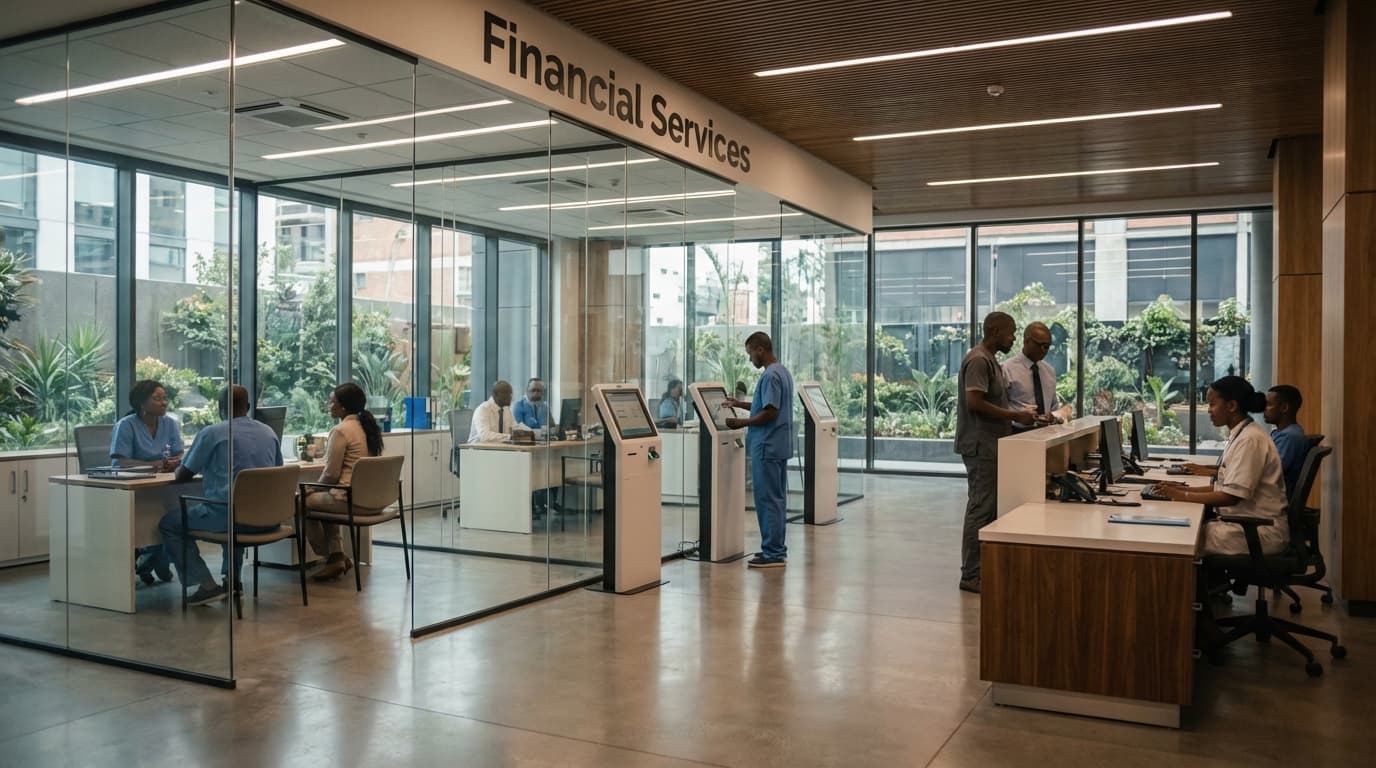
Medical Equipment Rental in Botswana
Engineering Excellence & Technical Support
Short-term and long-term equipment rental solutions High-standard technical execution following OEM protocols and local regulatory frameworks.
Rapid Deployment of Critical Care Equipment
Access advanced ventilators, ICU beds, and patient monitors on demand, ensuring immediate operational readiness for healthcare facilities facing sudden surges in demand or requiring temporary capacity expansion. Our efficient logistics network guarantees swift delivery across Botswana.
Flexible Diagnostic Imaging Solutions
Rent state-of-the-art X-ray machines, portable ultrasound units, and ECG devices for short-term projects, training programs, or to bridge equipment downtime. Benefit from cutting-edge technology without the burden of capital expenditure, enhancing diagnostic capabilities where and when needed.
Comprehensive Range of Mobility and Rehabilitation Aids
Secure rental agreements for a wide array of mobility aids, including electric wheelchairs, adjustable hospital beds, and physiotherapy equipment. Support patient recovery and enhance accessibility for individuals and institutions requiring specialized assistive devices on a flexible basis.
What Is Medical Equipment Rental In Botswana?
Medical equipment rental in Botswana refers to the provision of temporary access to specialized medical devices and machinery by third-party providers. This service involves the leasing of equipment for a defined period, typically on a daily, weekly, or monthly basis, to individuals, healthcare facilities, or organizations. The rental agreement usually encompasses delivery, installation, maintenance, and removal of the equipment, ensuring operational readiness and compliance with relevant standards. The primary objective is to offer a cost-effective and flexible solution for acquiring the use of medical technology without the capital expenditure and long-term commitment of outright purchase.
| Equipment Category | Typical Use Case | Example Equipment |
|---|---|---|
| Diagnostic Imaging | Temporary increase in diagnostic capacity, specialized procedure support | Portable X-ray machines, Ultrasound machines, CT scanners (short-term lease) |
| Patient Monitoring | Intensive care unit (ICU) expansion, post-operative care, remote patient monitoring | ECG monitors, Pulse oximeters, Ventilators (non-invasive and invasive) |
| Therapeutic Equipment | Rehabilitation, pain management, temporary treatment delivery | Physiotherapy equipment, Infusion pumps, Nebulizers |
| Surgical Equipment | Supplementing operating room capacity, specialized surgical procedures | Surgical lights, Electrosurgical units, Anesthesia machines |
| Mobility and Support Aids | Home care, patient recovery, temporary patient assistance | Adjustable hospital beds, Wheelchairs, Walking aids, Patient lifts |
| Life Support Systems | Emergency care, critical care units, patient stabilization | Oxygen concentrators, Defibrillators, Dialysis machines (short-term) |
Key Stakeholders and Use Cases for Medical Equipment Rental in Botswana
- Healthcare Facilities (Hospitals, Clinics, Diagnostic Centers): To supplement existing equipment, manage patient surges, replace equipment undergoing repair or maintenance, or test new technologies before acquisition.
- Home Healthcare Providers and Patients: For individuals requiring medical support at home following surgery, injury, or chronic illness. Examples include oxygen concentrators, hospital beds, and mobility aids.
- Research Institutions and Educational Facilities: To access specialized equipment for studies, training, and simulations without requiring permanent investment.
- Event Organizers and Disaster Relief Agencies: To provide temporary medical infrastructure and support during public events, sporting competitions, or emergency response scenarios.
- Pharmaceutical and Medical Device Companies: For product demonstrations, clinical trials, and market testing of new medical technologies.
- Government and Non-Governmental Organizations (NGOs): For public health initiatives, outreach programs, and to address specific healthcare needs in underserved communities.
Who Needs Medical Equipment Rental In Botswana?
Renting medical equipment in Botswana offers a flexible and cost-effective solution for a wide range of individuals, organizations, and healthcare facilities. This approach eliminates the need for large capital expenditures on equipment that may only be required for a short period or for specific patient needs. It ensures access to the latest technology and specialized devices without the burden of maintenance, calibration, or eventual obsolescence.
| Target Customer Group | Key Needs & Reasons for Rental | Relevant Departments |
|---|---|---|
| Hospitals & Clinics | Temporary surge in demand, specialized procedures, equipment upgrades, pilot programs, unexpected breakdowns. | ICU, ER, Operating Rooms, Maternity Wards, Diagnostic Imaging, Physical Therapy, Outpatient Departments. |
| Surgical Centers | Specific instrument needs for varied surgical specialties, short-term project-based needs. | Operating Rooms, Anesthesiology, Post-Anesthesia Care Units (PACU). |
| Rehabilitation Centers | Providing a diverse range of therapy equipment, catering to varied patient recovery stages, seasonal demand. | Physical Therapy, Occupational Therapy, Hydrotherapy. |
| Home Healthcare Providers | Providing essential equipment for in-home patient care, often for chronic conditions or post-operative recovery. | Patient Care Services, Respiratory Therapy. |
| Emergency Medical Services (EMS) | Replenishing damaged or expired equipment, augmenting existing stock for mass casualty events. | Ambulance Services, Paramedic Units. |
| Research Institutions | Accessing cutting-edge diagnostic or analytical equipment for specific research projects, without long-term commitment. | Research & Development Labs, Clinical Trials Departments. |
| Event Organizers | Ensuring adequate medical coverage for sporting events, concerts, conferences, and other public gatherings. | Medical Support Teams, First Aid Stations. |
| Individual Patients | Temporary need for mobility aids, respiratory support, post-surgical recovery equipment, or diagnostic devices at home. | Home Recovery, Personal Health Management. |
Who Needs Medical Equipment Rental in Botswana?
- Hospitals and Clinics (both public and private)
- Surgical Centers
- Rehabilitation Centers
- Home Healthcare Providers
- Emergency Medical Services (EMS)
- Research Institutions
- Event Organizers (for medical support)
- Individual Patients requiring temporary solutions
Medical Equipment Rental Process In Botswana
This document outlines the typical workflow for medical equipment rental in Botswana, covering the process from initial inquiry to successful execution. The process emphasizes efficiency, safety, and client satisfaction.
| Stage | Description | Key Activities | Responsible Parties | Documentation |
|---|---|---|---|---|
| The process begins when a client (hospital, clinic, individual) contacts a medical equipment rental company with a need for specific equipment. | Client communicates equipment requirements, duration, and location. Rental company gathers details about the intended use, patient population, and any specific technical needs. | Client (e.g., Hospital Administrator, Doctor), Rental Company Representative | Inquiry Form, Needs Assessment Questionnaire |
| Based on the assessed needs, the rental company prepares a detailed quotation and formalizes the rental agreement. | Rental company provides a price breakdown for equipment, delivery, installation, training, and any associated services. Client reviews and accepts the quotation. A formal rental agreement outlining terms, conditions, rental period, costs, liability, and cancellation policies is drafted and signed by both parties. | Rental Company Sales/Contracts Department, Client Representative | Quotation, Rental Agreement, Service Level Agreement (if applicable) |
| The selected equipment is thoroughly inspected, cleaned, sterilized, and tested to ensure it meets all safety and functional standards. | Inventory check, thorough cleaning and disinfection, calibration, functional testing, and any necessary repairs or maintenance. A pre-rental inspection report is generated. | Rental Company Biomedical Technicians, Quality Assurance Personnel | Equipment Maintenance Log, Pre-Rental Inspection Report, Sterilization Certificates |
| The prepared equipment is safely transported to the client's specified location. | Packaging of equipment, scheduling of delivery, transportation via appropriate vehicles (often temperature-controlled if necessary), and secure handling during transit. | Rental Company Logistics Team, Delivery Personnel | Delivery Schedule, Waybill, Proof of Delivery |
| Upon arrival, the equipment is installed correctly, and relevant personnel are trained on its operation and basic maintenance. | On-site setup and installation of the equipment, demonstration of its features and functionalities, hands-on training for the client's staff, and explanation of safety protocols. | Rental Company Biomedical Technicians/Trainers, Client's Medical Staff | Installation Report, Training Attendance Register, Training Manuals |
| The client uses the equipment as per the agreement, and the rental company provides ongoing support and maintenance. | Client operates the equipment, adheres to usage guidelines. Rental company offers technical support, scheduled maintenance, and responds to any reported issues or breakdowns. | Client's Medical Staff, Rental Company Technical Support/Biomedical Team | Equipment Usage Logs, Maintenance Service Reports, Technical Support Tickets |
| At the end of the rental period, the equipment is collected from the client's site. | Scheduling of collection, safe dismantling and packaging of equipment, transportation back to the rental company's facility, and a post-rental inspection. | Rental Company Logistics Team, Collection Personnel | Collection Schedule, Post-Rental Inspection Report |
| The client is invoiced for the rental period and any additional services, and payment is processed. | Generation of the final invoice based on the rental agreement, submission of invoice to the client, and processing of client's payment. | Rental Company Finance Department, Client Finance Department | Final Invoice, Payment Receipt |
| The rental company gathers feedback from the client and maintains comprehensive records of the rental process. | Client satisfaction survey or feedback form. Archiving of all documentation related to the rental, including agreements, inspection reports, maintenance logs, and invoices. | Rental Company Management, Client | Customer Feedback Forms, Rental Records Archive |
Key Stages of the Medical Equipment Rental Process in Botswana
- Inquiry & Needs Assessment
- Quotation & Agreement
- Equipment Preparation & Quality Control
- Logistics & Delivery
- Installation & Training
- Usage & Maintenance
- Collection & De-rental
- Invoicing & Payment
- Feedback & Record Keeping
Medical Equipment Rental Cost In Botswana
The cost of renting medical equipment in Botswana can vary significantly based on several factors. These include the specific type of equipment, the duration of the rental, the condition and age of the equipment, and the provider's location and reputation. Furthermore, the need for specialized accessories, maintenance, and delivery/pickup services will also influence the final price. It's important to note that these are approximate ranges, and obtaining direct quotes from multiple reputable medical equipment rental companies in Botswana is crucial for accurate budgeting.
| Equipment Category | Estimated Rental Range (BWP - Botswana Pula) | Notes |
|---|---|---|
| Mobility Aids (e.g., Wheelchairs, Walkers, Crutches) | 150 - 750 per day / 500 - 2,500 per week | Basic models are at the lower end; powered wheelchairs can be higher. |
| Hospital Beds (Manual & Electric) | 250 - 1,000 per day / 800 - 3,500 per week | Electric beds and those with specialized features are more expensive. |
| Oxygen Concentrators & Cylinders | 200 - 600 per day / 700 - 2,000 per week | Depends on flow rate and duration of cylinder rental. |
| Suction Machines | 150 - 400 per day / 500 - 1,200 per week | Portable and medical-grade units. |
| Nebulizers | 100 - 300 per day / 350 - 900 per week | For respiratory treatments. |
| Patient Monitors (Basic Vital Signs) | 500 - 1,500 per day / 1,800 - 5,000 per week | Monitoring heart rate, blood pressure, SpO2. |
| Ventilators (Basic/Transport) | 1,000 - 3,000 per day / 3,500 - 10,000 per week | More advanced ICU ventilators will be significantly higher and often require specialized training/support. |
| Infusion Pumps | 300 - 800 per day / 1,000 - 2,800 per week | For accurate medication delivery. |
| Diagnostic Equipment (e.g., ECG Machines - Portable) | 400 - 1,200 per day / 1,500 - 4,000 per week | For basic diagnostic tests. |
| Surgical Tools/Kits (Sterile, Disposable) | Varies greatly based on kit contents; often per procedure/kit | Usually rented by surgical facilities for specific procedures. |
Key Pricing Factors for Medical Equipment Rental in Botswana
- Type of Equipment: More complex or specialized equipment (e.g., MRI machines, advanced ventilators) will naturally be more expensive than basic items (e.g., crutches, wheelchairs).
- Rental Duration: Daily, weekly, monthly, and long-term rentals will have different pricing structures. Discounts are often offered for extended rental periods.
- Equipment Condition & Age: Newer, technologically advanced, or recently serviced equipment will typically command higher rental fees.
- Provider Reputation & Service: Established providers with a strong track record and comprehensive support services may charge a premium.
- Accessories & Consumables: The rental cost might not always include necessary accessories (e.g., specialized tubing, masks) or consumables, which may be charged separately.
- Delivery, Setup & Pickup: If the rental company provides these logistical services, their associated costs will be factored into the overall price.
- Maintenance & Support: Rentals that include on-site maintenance or 24/7 technical support will generally be more costly.
- Geographic Location: Rental prices might differ slightly between major urban centers (like Gaborone or Francistown) and more remote areas due to logistical considerations.
Affordable Medical Equipment Rental Options
Accessing necessary medical equipment can be a significant financial hurdle for individuals and healthcare facilities alike. Fortunately, affordable medical equipment rental options are readily available, offering flexibility and cost-effectiveness. These services allow you to temporarily use equipment like wheelchairs, hospital beds, oxygen concentrators, and specialized diagnostic tools without the large upfront investment of purchasing them. This is particularly beneficial for short-term needs, recovery periods, or when trying out new equipment before committing to a purchase. Many rental providers offer various rental durations, from daily and weekly to monthly and long-term plans, catering to diverse requirements. Understanding value bundles and implementing cost-saving strategies can further enhance the affordability of these rentals.
| Cost-Saving Strategy | Description | Potential Savings |
|---|---|---|
| Compare Providers: | Obtain quotes from multiple rental companies in your area. Prices and service offerings can vary significantly. | Up to 30% or more on rental fees. |
| Rent for Exact Duration: | Accurately estimate your equipment needs. Avoid renting for longer than necessary to minimize costs. | Significant savings by avoiding unnecessary rental days/weeks. |
| Inquire about Discounts: | Ask about discounts for long-term rentals, insurance coverage, bulk rentals (for facilities), or if you are a member of specific organizations. | 5-15% on total rental cost. |
| Leverage Insurance: | Check if your health insurance policy covers medical equipment rentals. Often, durable medical equipment (DME) is reimbursable. | Can significantly reduce out-of-pocket expenses, potentially covering 80-100% of the cost. |
| Consider Refurbished Equipment: | Some providers offer gently used, refurbished equipment at a lower rental price. Ensure it's been professionally inspected and cleaned. | 10-25% lower rental rates. |
| Negotiate Package Deals: | If you need multiple pieces of equipment, inquire if a custom bundle or a discount for renting several items can be arranged. | Customizable savings based on the package. |
| Understand Delivery & Pickup Fees: | Factor in delivery and pickup costs, as these can add up. Some providers offer free delivery within a certain radius or with a minimum rental period. | Avoidance of unnecessary fees, potentially saving $50-$200+ per instance. |
Value Bundles Explained
- Comprehensive Care Packages: These bundles often include the primary equipment (e.g., a hospital bed) along with essential accessories like a mattress, side rails, and sometimes even a patient lift, at a slightly discounted bundled price compared to renting each item individually.
- Therapy & Rehabilitation Kits: For patients undergoing specific therapies, bundles might combine equipment like walkers, crutches, exercise balls, and resistance bands. This simplifies the rental process and ensures all necessary items are provided together.
- Home Health Starter Packs: These are designed for individuals transitioning home after a hospital stay. They frequently include a hospital bed, commode, wheelchair, and basic mobility aids, offering a convenient and cost-effective way to set up a home recovery environment.
- Long-Term Care Solutions: For extended needs, value bundles can incorporate regular maintenance checks, delivery and pickup services, and even replacement of consumables (like oxygen filters) as part of a subscription-like model, offering predictable costs.
- Discounted Add-ons: Some providers offer a discount on secondary or accessory equipment when rented alongside a primary, higher-value item. For example, renting a power wheelchair might come with a discounted rate for a portable ramp or a wheelchair bag.
Verified Providers In Botswana
When seeking healthcare services in Botswana, particularly those with a focus on finance and health integration, identifying verified providers is paramount. Franance Health stands out as a leading entity, offering a unique blend of financial expertise and health sector understanding. Their credentials are not just a mark of legitimacy but a testament to their commitment to quality, ethical practices, and client-centric solutions. This makes them the best choice for individuals and organizations navigating the complexities of health financing, insurance, and related services.
| Credential/Feature | Significance for Healthcare Clients in Botswana | Franance Health's Position |
|---|---|---|
| Regulatory Compliance | Ensures adherence to Botswana's health and financial regulations, protecting clients from legal issues and guaranteeing lawful operations. | Fully compliant with all relevant national and international regulatory frameworks. |
| Industry Certifications (e.g., ISO, specific financial/health accreditations) | Demonstrates adherence to globally recognized standards of quality, management, and service delivery. | Holds recognized industry certifications that validate their operational excellence and specialized knowledge. |
| Partnerships with Reputable Institutions | Indicates a network of trusted collaborators, enhancing service offerings and providing access to broader resources. | Maintains strong partnerships with leading financial institutions and healthcare providers in Botswana and beyond. |
| Expertise in Health Financing | Crucial for developing sustainable financial models for healthcare, managing insurance claims, and optimizing health budgets. | Possesses specialized expertise in health insurance, medical finance, and healthcare economic analysis. |
| Data Security and Privacy Protocols | Essential for safeguarding sensitive patient and financial information, building trust and ensuring compliance with data protection laws. | Implements robust data security measures to protect client information with the highest level of confidentiality. |
| Client Testimonials and Case Studies | Provides real-world evidence of their capabilities, client satisfaction, and the impact of their services. | Features a portfolio of successful projects and positive client feedback highlighting their effectiveness. |
Why Franance Health is the Best Choice:
- Unparalleled Expertise: Franance Health possesses a deep understanding of both financial markets and the intricacies of the healthcare industry. This dual specialization allows them to offer tailored solutions that address the unique financial challenges within the health sector.
- Accreditation and Certification: Holding recognized accreditations and certifications signifies adherence to industry standards, best practices, and regulatory requirements. This provides assurance of their operational integrity and professional competence.
- Proven Track Record: A history of successful project implementation and positive client testimonials demonstrates their ability to deliver on promises and achieve desired outcomes.
- Commitment to Innovation: Franance Health is dedicated to staying at the forefront of financial and health sector innovations, offering cutting-edge solutions that enhance efficiency and accessibility of healthcare services.
- Ethical and Transparent Practices: Their operations are built on a foundation of integrity and transparency, ensuring trust and reliability in all their dealings.
- Client-Centric Approach: Understanding and prioritizing the specific needs of their clients is at the core of Franance Health's philosophy, leading to personalized and effective service delivery.
Scope Of Work For Medical Equipment Rental
This Scope of Work (SOW) outlines the requirements for the rental of medical equipment. It details the technical deliverables, standard specifications, and associated services necessary to ensure the safe, effective, and timely provision of medical equipment for [Client Name/Project Name]. The objective is to secure reliable and high-quality medical equipment rentals that meet all regulatory and clinical needs.
| Section | Description | Key Deliverables/Requirements |
|---|---|---|
| Equipment Requirements | Detailed listing of all required medical equipment, including quantity, intended use, and any specific configuration needs. | Comprehensive equipment list (Bill of Materials), Categorization by medical specialty, Usage duration/period for each equipment item. |
| Technical Specifications and Standards | Defines the minimum performance, safety, and quality standards for all rented equipment. This includes adherence to relevant national and international medical device regulations. | Manufacturer's specifications, Regulatory compliance certificates (e.g., FDA, CE marking, ISO), Safety and performance testing reports, Cybersecurity requirements (if applicable). |
| Delivery, Installation, and Commissioning | Procedures for the timely and safe delivery, professional installation, and functional commissioning of all rented equipment at the specified location. | Delivery schedule, Site preparation guidelines, Installation checklists, Commissioning protocols, Qualified personnel for installation and commissioning. |
| Maintenance and Support | Ensures the continuous operational readiness of the equipment through preventative and corrective maintenance services, along with prompt technical support. | Preventative maintenance schedule, Response times for corrective maintenance, Availability of spare parts, 24/7 technical support hotline, On-site technician availability (if required). |
| Training | Provision of adequate training for client personnel on the safe and effective operation, basic troubleshooting, and maintenance of the rented equipment. | Training curriculum, Qualified trainers, Training materials (manuals, guides), Training schedule and location, Competency assessment for trainees. |
| Documentation and Reporting | All necessary documentation related to the equipment, its maintenance, and usage must be provided in an organized and accessible manner. | User manuals, Service logs, Maintenance reports, Calibration certificates, Incident reports, Inventory management reports. |
Key Sections of the Scope of Work
- Introduction and Objectives
- Equipment Requirements
- Technical Specifications and Standards
- Delivery, Installation, and Commissioning
- Maintenance and Support
- Training
- Documentation and Reporting
- Contractual Terms and Conditions
- Pricing and Payment Schedule
Service Level Agreement For Medical Equipment Rental
This Service Level Agreement (SLA) outlines the performance standards for the rental of medical equipment. It defines the expected response times for service requests and the guaranteed uptime for all rented equipment. This SLA is an addendum to the Master Rental Agreement (MRA) between [Your Company Name] (hereinafter referred to as "Provider") and [Client Name] (hereinafter referred to as "Client").
| Equipment Category | Response Time (Business Hours) | Guaranteed Uptime |
|---|---|---|
| Critical Care Equipment (e.g., Ventilators, Defibrillators) | 2 Hours | 98% |
| Diagnostic Imaging Equipment (e.g., Portable X-ray, Ultrasound) | 4 Hours | 97% |
| Patient Monitoring Systems (e.g., ECG, SpO2 Monitors) | 4 Hours | 97% |
| Infusion Pumps & Syringe Drivers | 6 Hours | 96% |
| General Patient Care Equipment (e.g., Hospital Beds, Wheelchairs) | 8 Business Hours | 95% |
Key Definitions
- Service Request: A notification from the Client to the Provider requesting assistance with a malfunctioning or inoperable medical equipment item.
- Response Time: The maximum allowable time from when a Service Request is officially logged by the Provider to when a qualified technician begins diagnosing the issue.
- Uptime: The percentage of time that the medical equipment is functional and available for use, excluding scheduled maintenance and planned downtime.
- Scheduled Maintenance: Pre-arranged maintenance activities performed by the Provider to ensure optimal equipment performance.
- Downtime: The period during which the medical equipment is not functional or available for use.
Frequently Asked Questions

Ready when you are
Let's scope your Medical Equipment Rental in Botswana project in Botswana.

Scaling healthcare logistics and technical systems across the entire continent.